Subtractive architecture has one unforgiving property: there is no correcting a mistake. Everything below was carved from the top down, in solid rock, by people who could not revise. Here are fifteen.
1. The Rock-Hewn Churches of Lalibela, Ethiopia
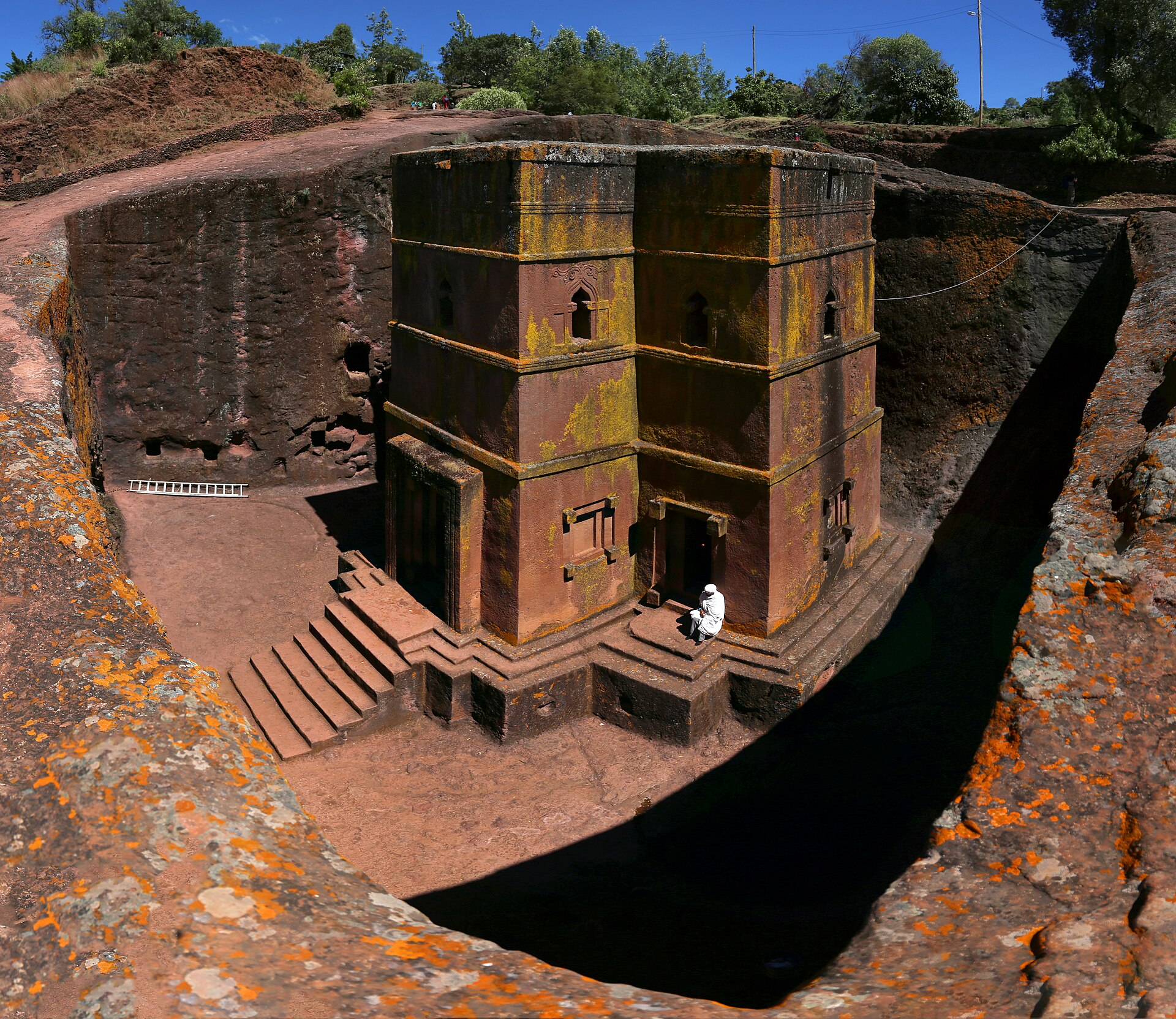
Eleven churches cut downward into volcanic rock, separated from the surrounding stone on all sides so that each stands free in its own excavated trench.
They are connected by tunnels and passages and remain active places of worship rather than monuments. Lalibela is the rock-cut site where the buildings were dug out rather than carved into a face.
Like our content? Follow us for more.
2. The Ajanta Caves, India
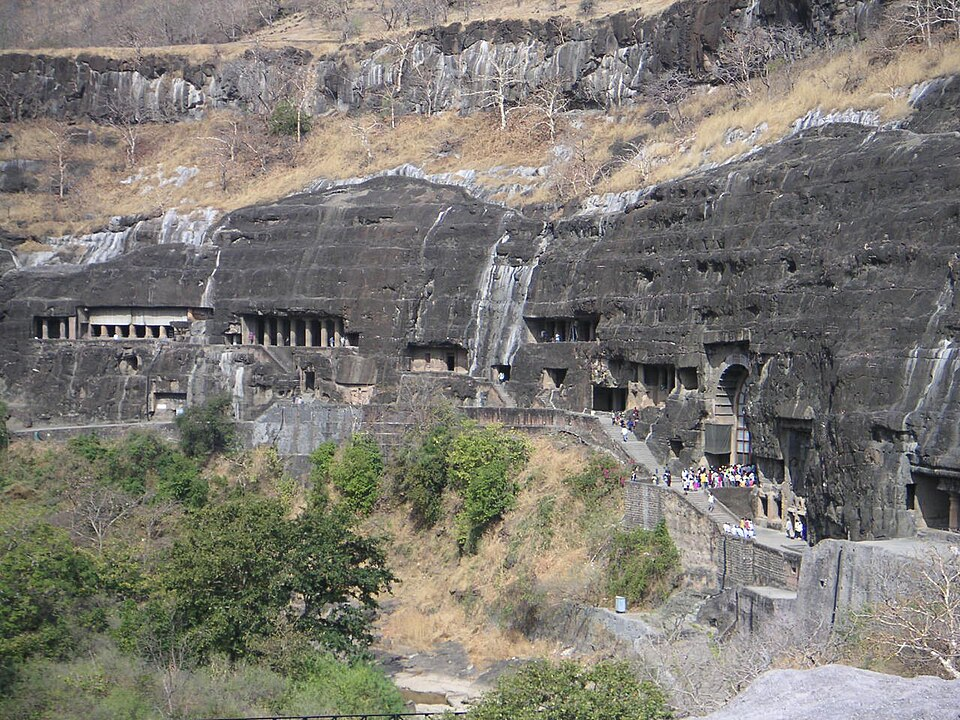
A curve of cliff containing prayer halls and monasteries cut into the rock, with painted interiors that survived because the site was abandoned and overgrown.
The paintings are the reason the site matters as much as the architecture. Ajanta is the rock-cut complex whose murals were preserved by being forgotten.
3. The Ellora Caves, India
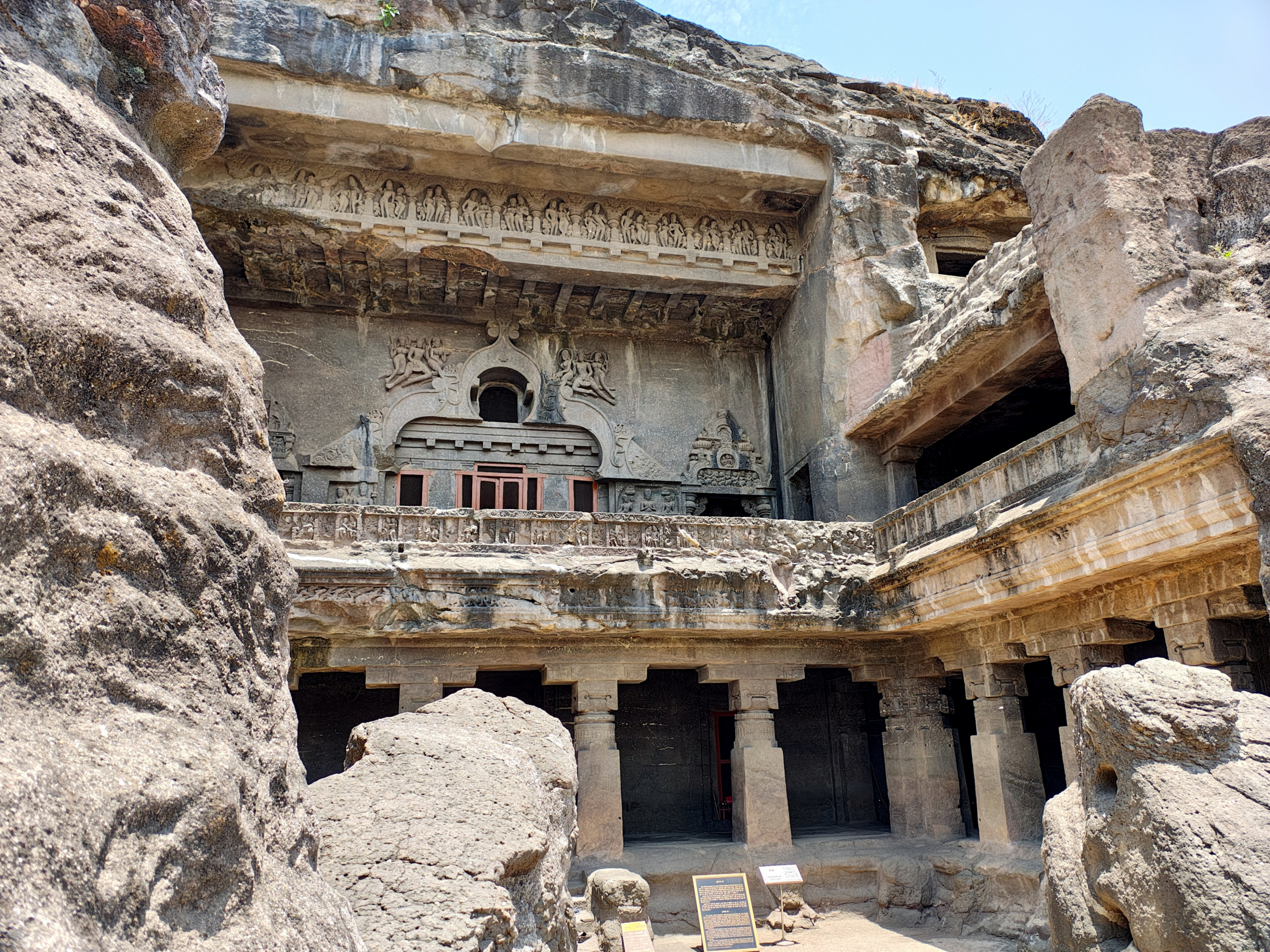
Dozens of excavated temples and monasteries of three different religions along one escarpment, including a vast temple cut downward as a single piece.
That central temple removed an enormous volume of rock and is carved throughout, inside and out. Ellora is the rock-cut site containing the largest monolithic structure of its kind.
4. The Longmen Grottoes, China
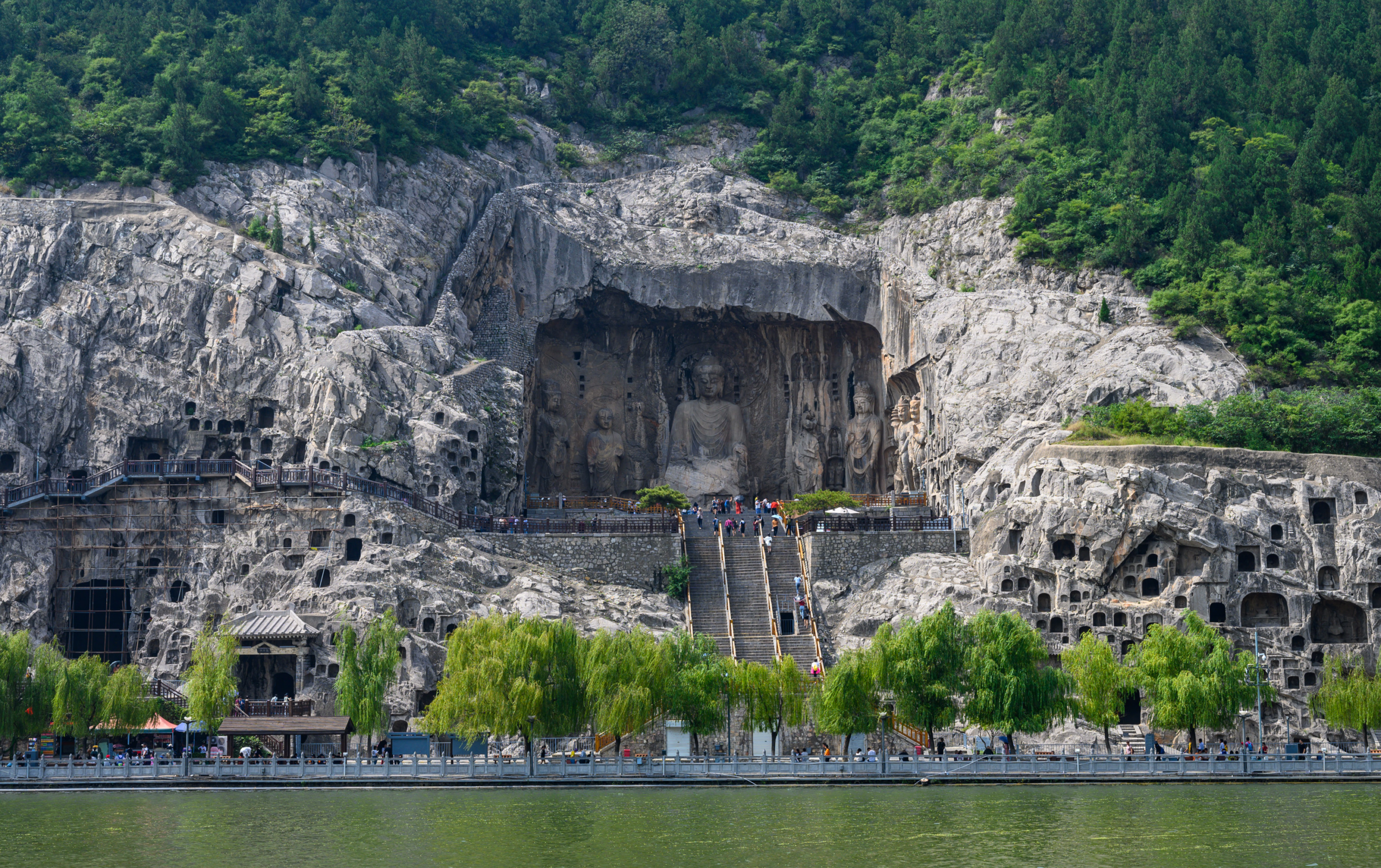
Thousands of niches and caves cut into limestone cliffs along a river, containing an enormous number of carved figures at every scale.
Some are only a few centimetres and some are many metres tall. Longmen is the rock-cut site where the carving was done at every conceivable scale.
5. Abu Simbel, Egypt
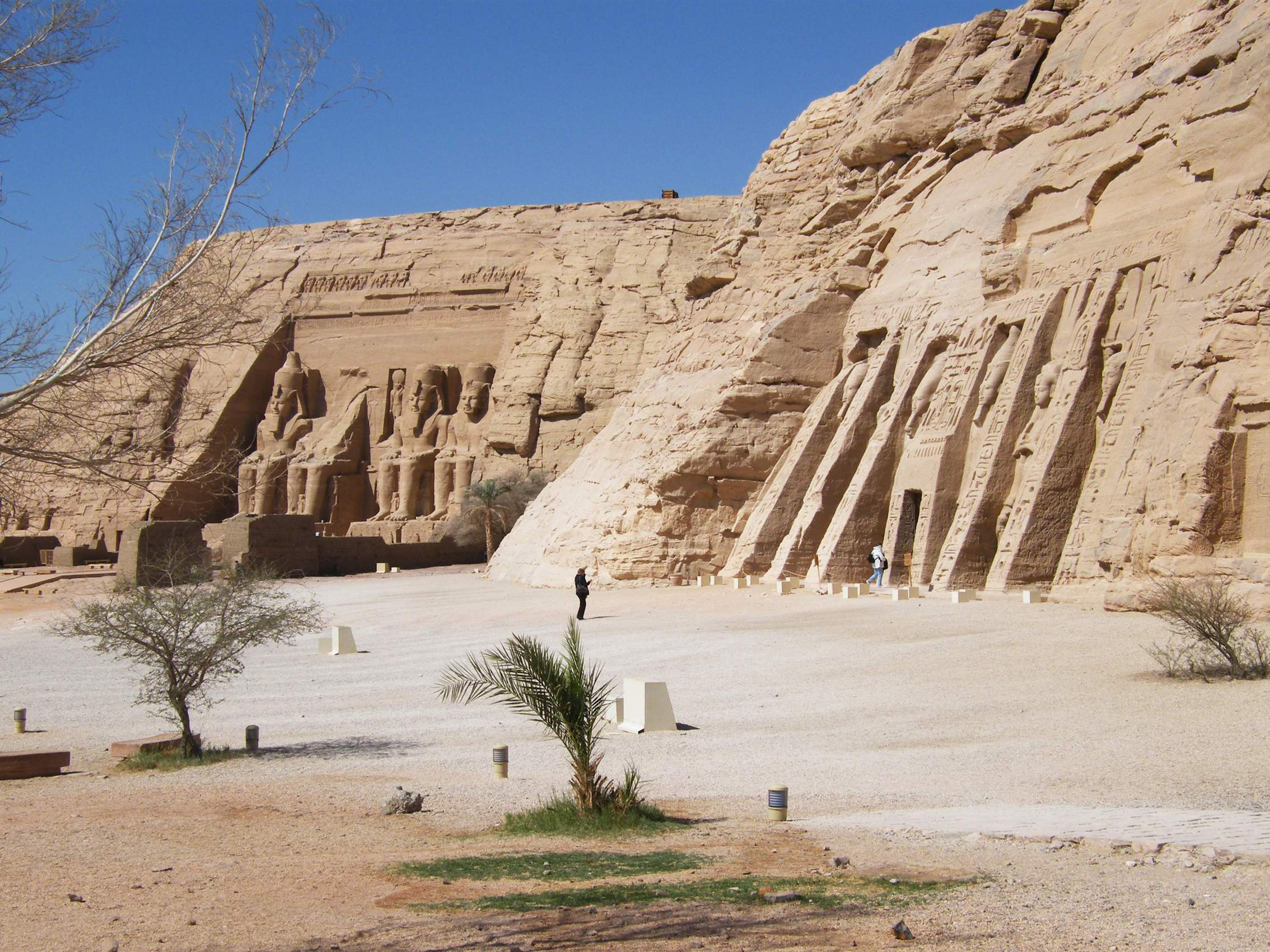
Two temples cut into a sandstone cliff, with colossal seated figures forming the facade and chambers extending deep into the rock behind.
The entire complex was cut apart and relocated in the twentieth century when a reservoir threatened it. Abu Simbel is the rock-cut temple that was itself moved.
6. The Cave Churches of Cappadocia, Turkey
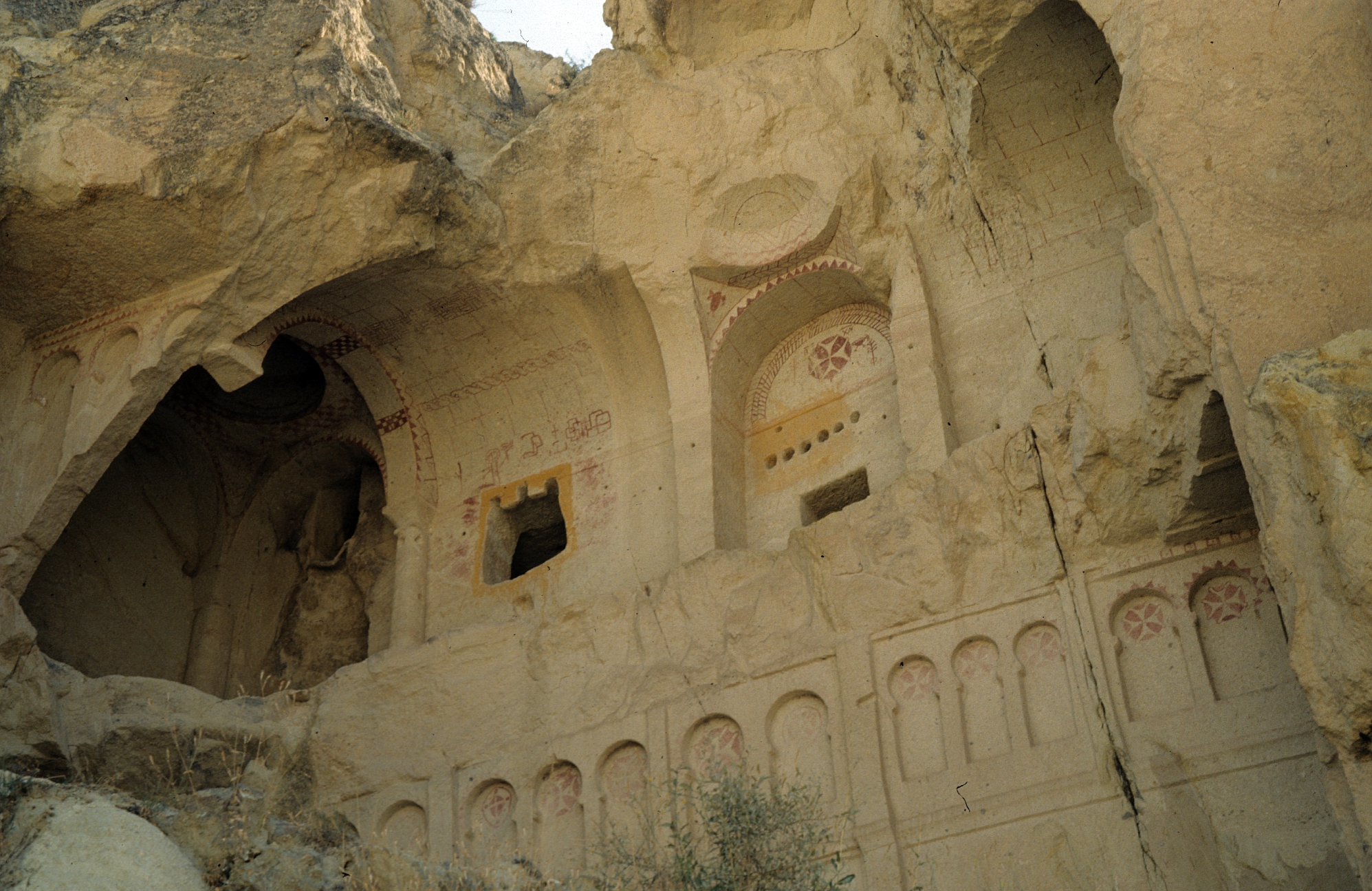
Soft volcanic rock carved into churches, dwellings and multi-storey underground complexes across an entire region.
The stone is workable with simple tools, which is why the excavation is so extensive. Cappadocia is the rock-cut landscape where an entire region could be hollowed out.
7. The Mogao Caves, China
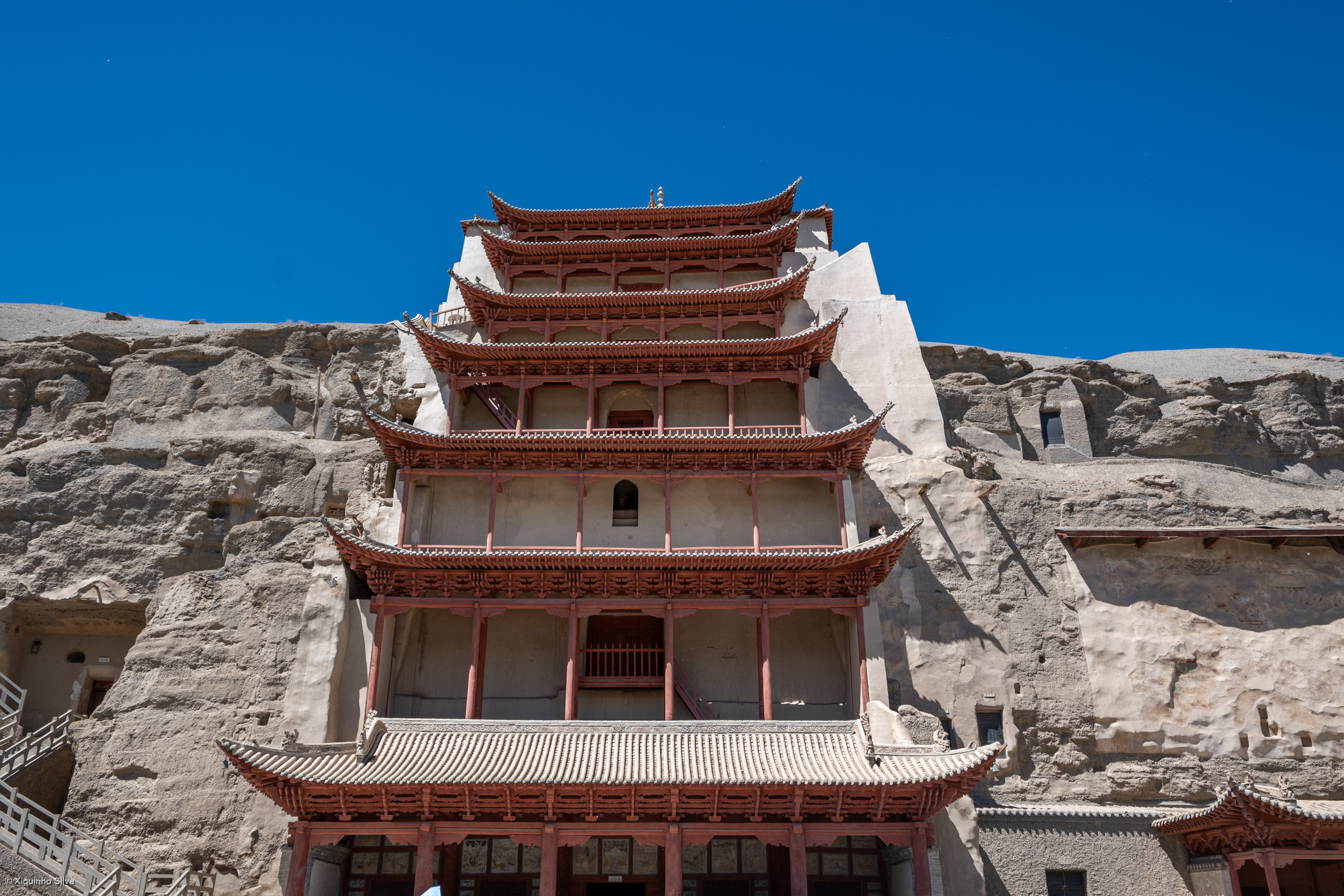
Hundreds of cave temples on a desert route, containing wall paintings and sculpture accumulated over many centuries.
A sealed chamber discovered there held an extraordinary collection of manuscripts. Mogao is the rock-cut complex that turned out to contain a library.
8. The Temples of Mahabalipuram, India
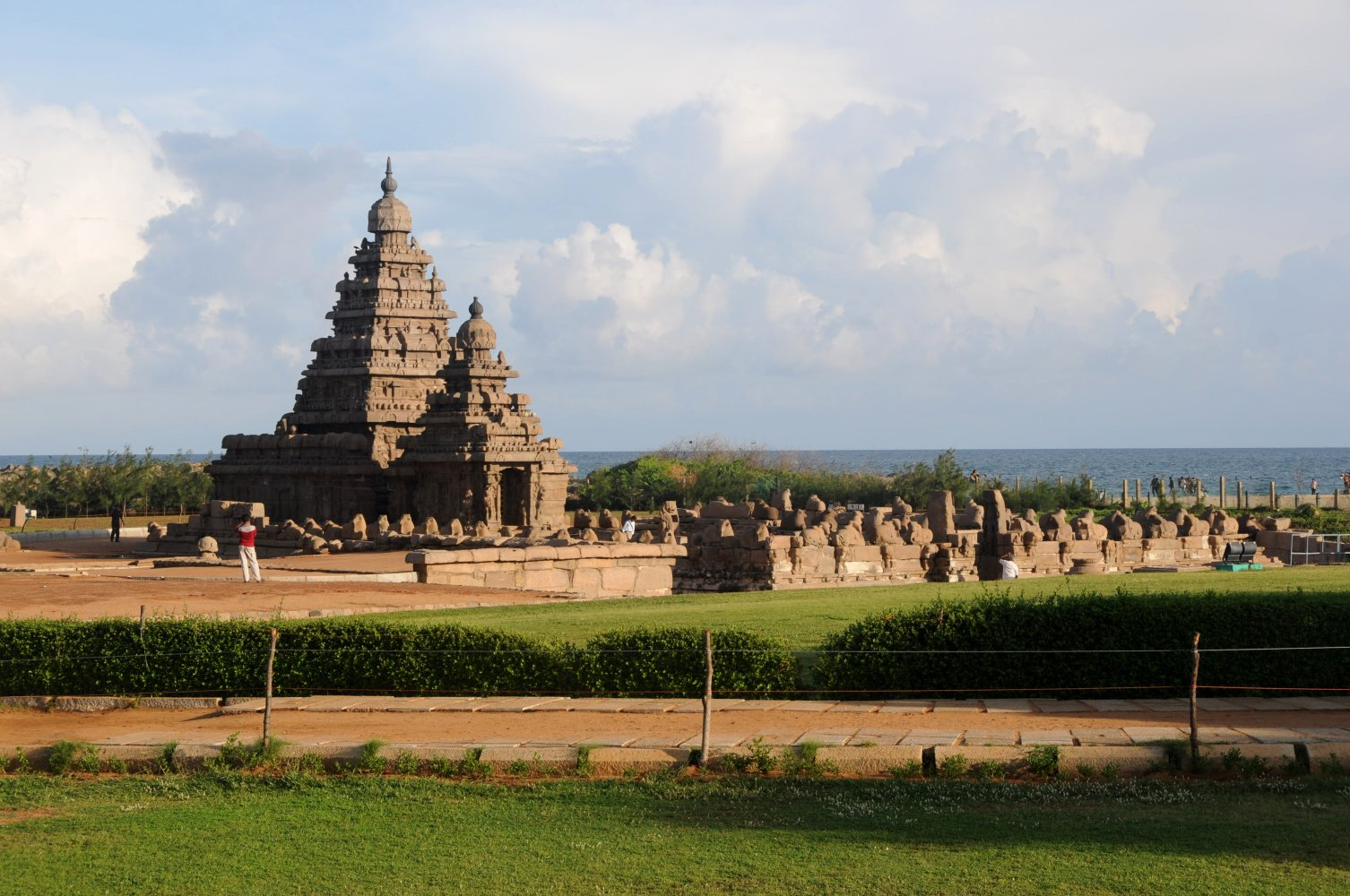
Shore temples and monolithic shrines carved from granite outcrops, including structures cut in the shape of chariots from single boulders.
Granite is far harder to work than the volcanic rock used elsewhere on this list. Mahabalipuram is the rock-cut site carved from the least forgiving stone.
9. The Naqsh-e Rostam Tombs, Iran
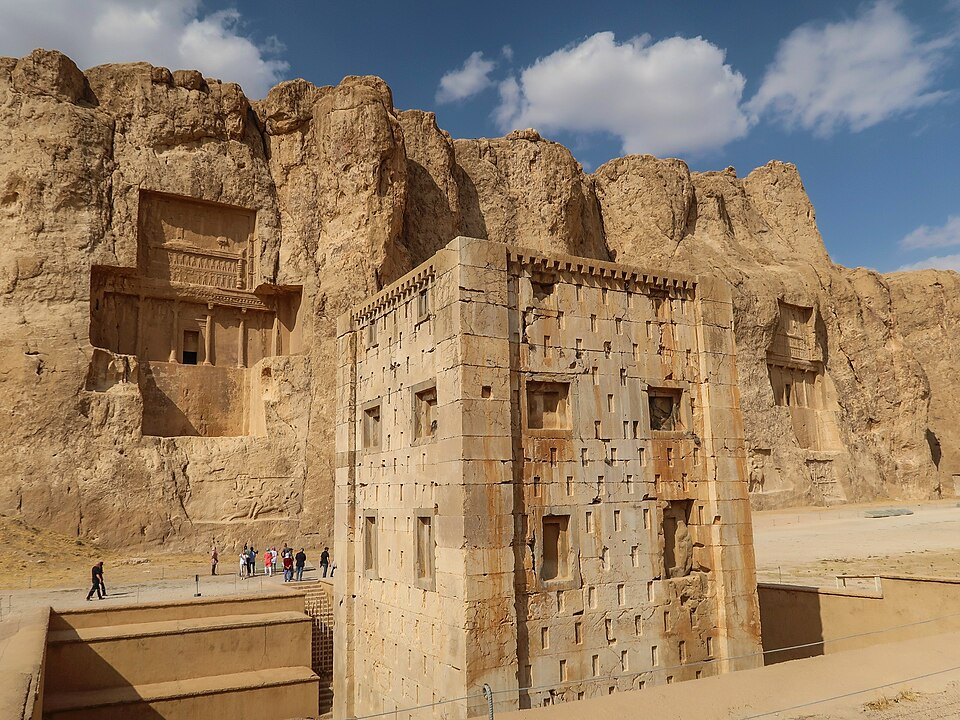
Royal tombs cut high into a cliff face, with carved facades and chambers behind, positioned deliberately above eye level.
Later relief carvings were added below them at ground level by a subsequent dynasty. Naqsh-e Rostam is the rock-cut site where two eras carved into the same cliff.
10. The Barabar Caves, India
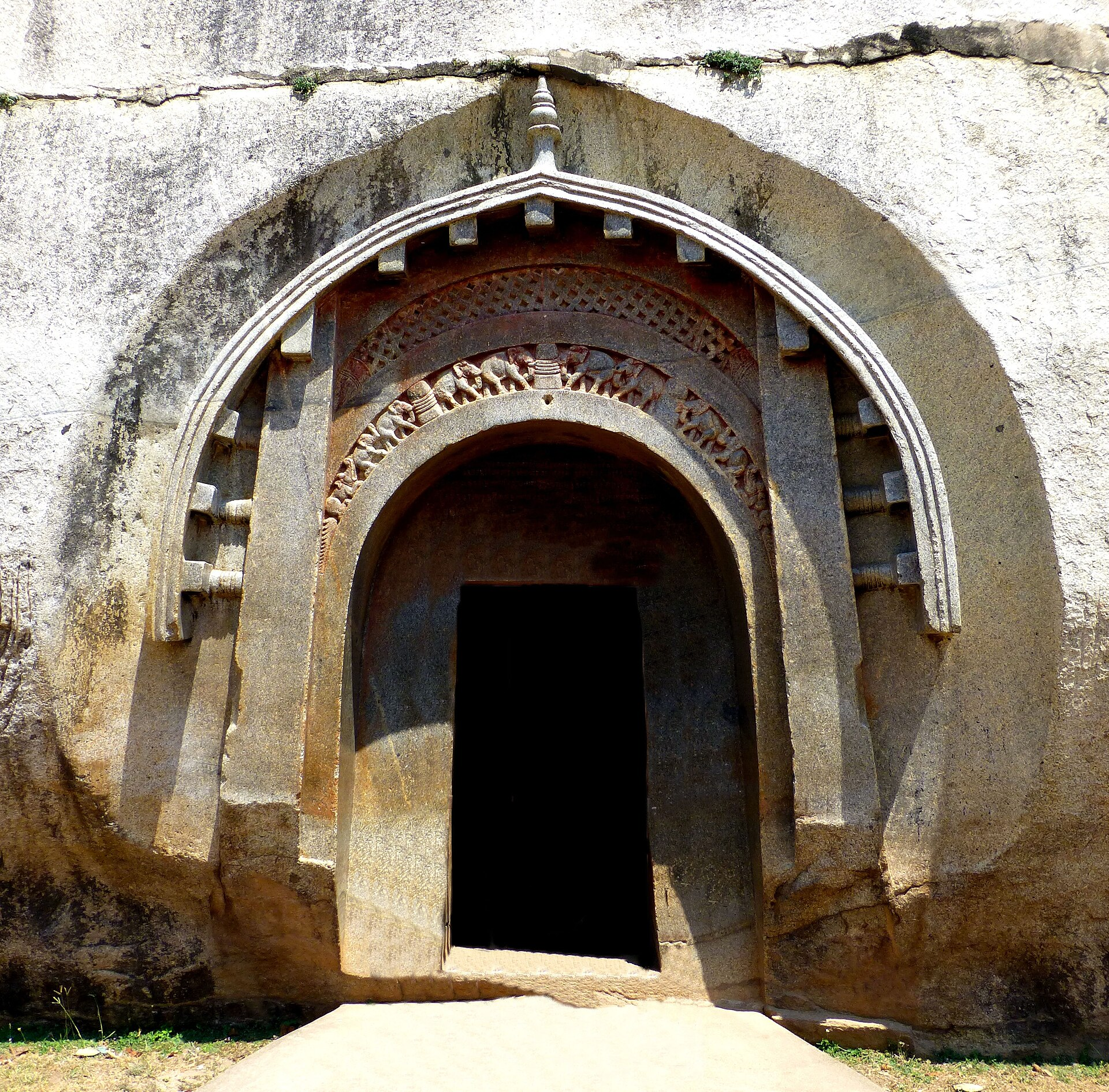
Among the earliest surviving rock-cut chambers, notable for interior surfaces polished to a mirror finish that has survived for over two thousand years.
How the polish was achieved and why remain subjects of discussion. Barabar is the rock-cut chamber whose surface finish is the puzzle.
11. The Underground Cities of Anatolia, Turkey
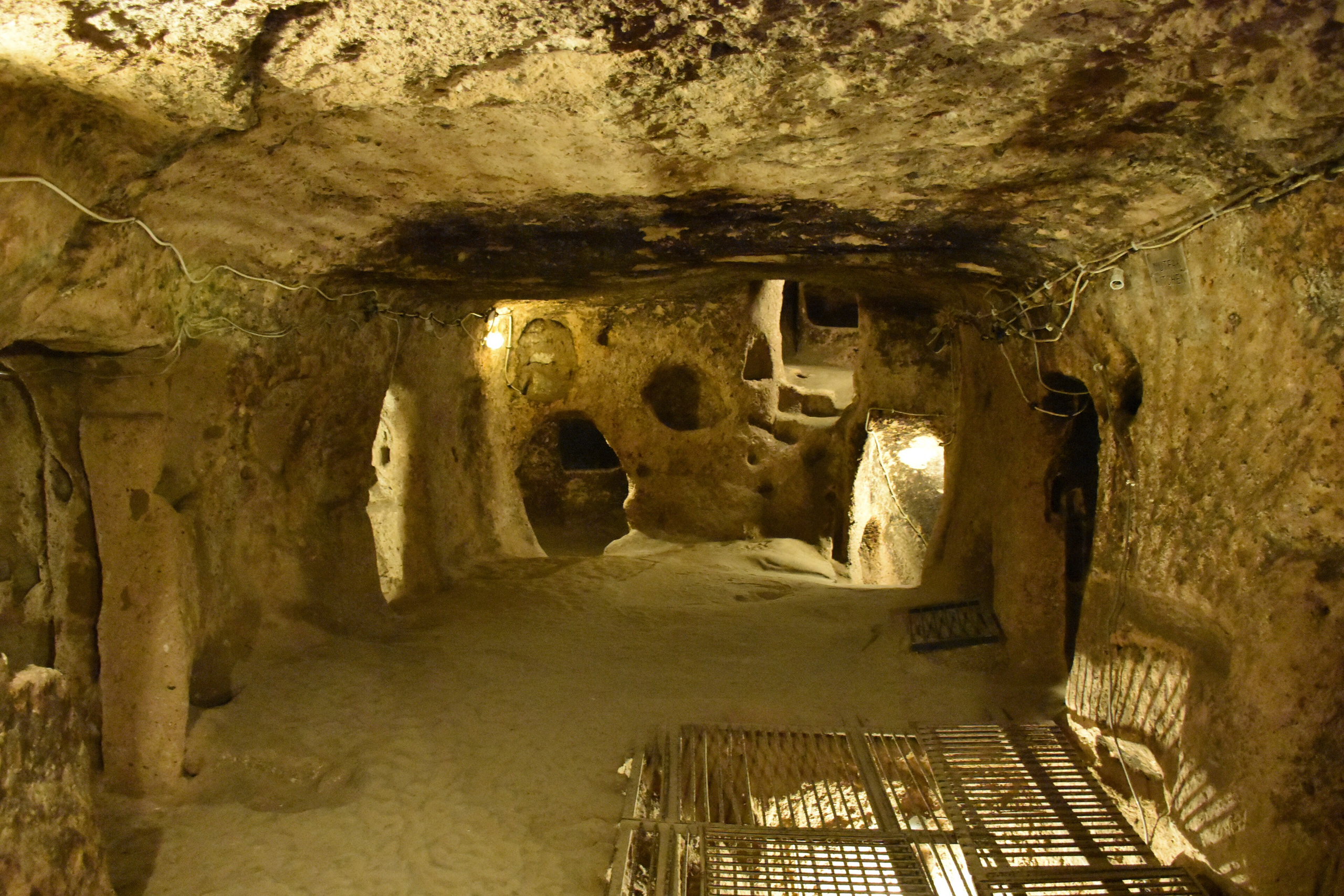
Multi-level complexes cut many storeys below ground, with ventilation shafts, wells, stables and rolling stone doors.
They could accommodate large numbers of people and their livestock for extended periods. The underground cities are the rock-cut sites built entirely downward.
12. The Cliff Dwellings of the American Southwest
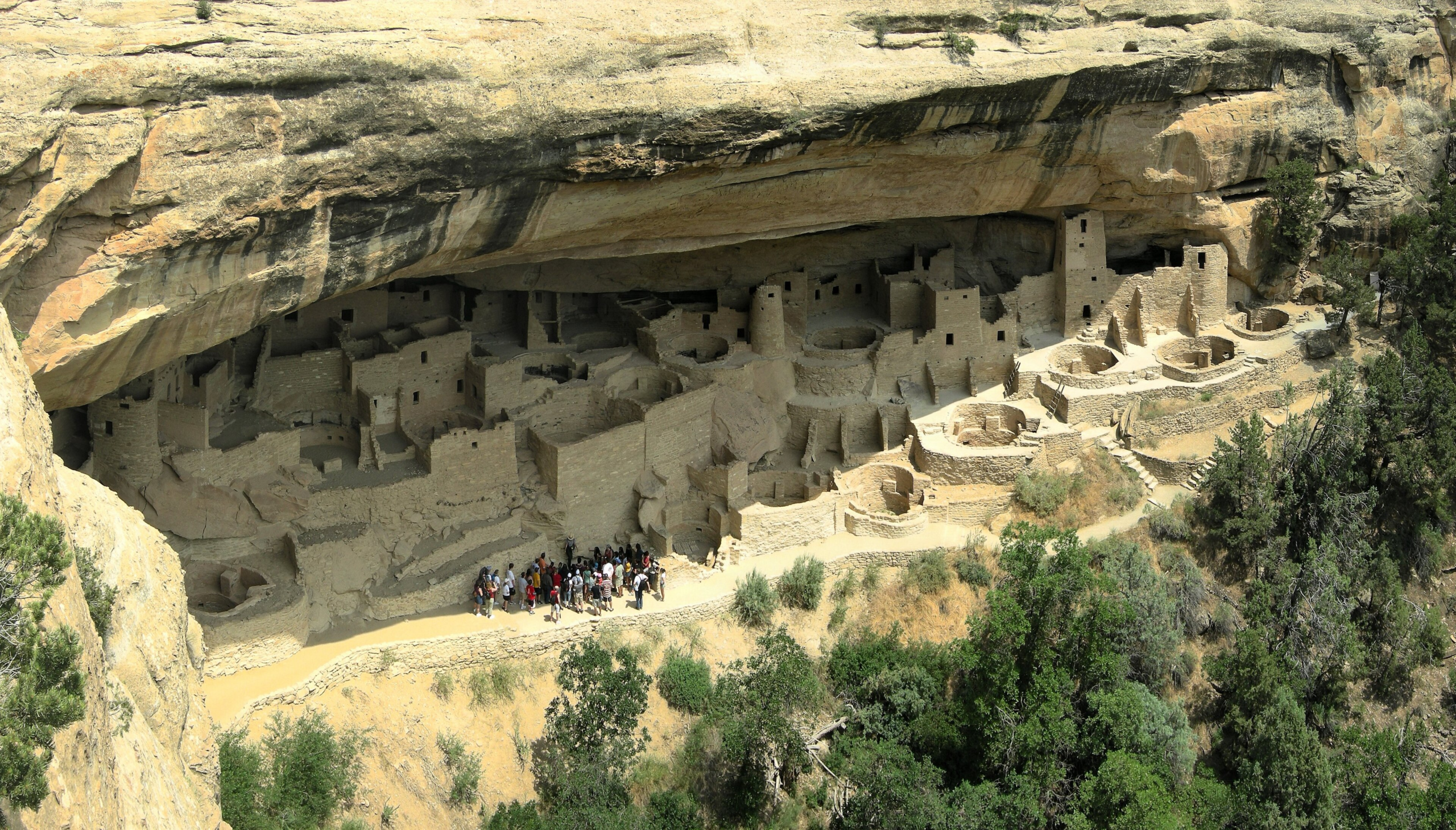
Stone dwellings built into natural alcoves high in canyon walls, using the overhang as roof and shelter rather than excavating the rock itself.
These are the hybrid case – constructed within a rock feature rather than cut from it. The cliff dwellings are the sites where the rock supplied the roof and people built the rest.
14. The Monolithic Church of Saint-Emilion, France
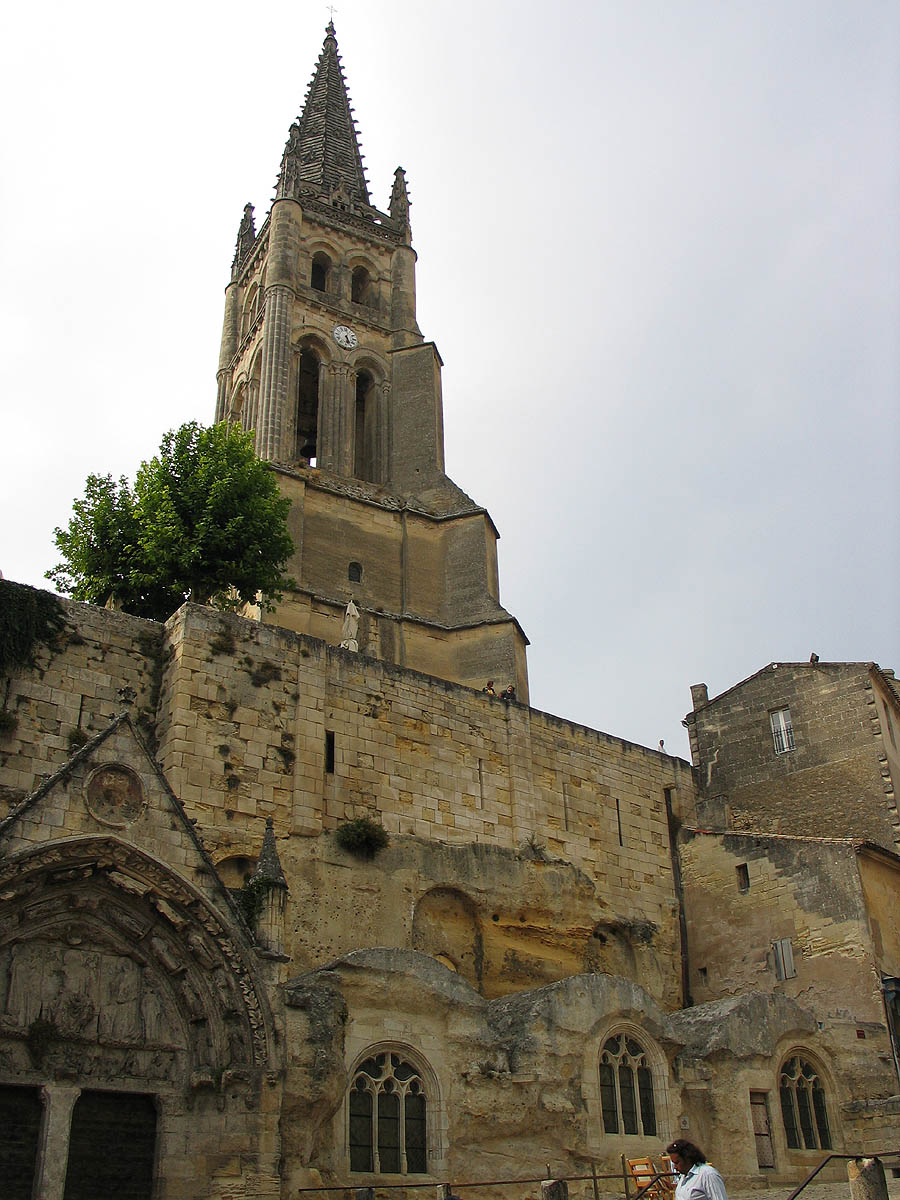
A church cut downward into limestone beneath a French town, with a large excavated interior reached by steps from the square above.
It is one of the largest such structures in Europe and sits directly under an ordinary street. Saint-Emilion is the rock-cut church hidden beneath a market town.
15. The Buddhas and Grottoes of Yungang, China
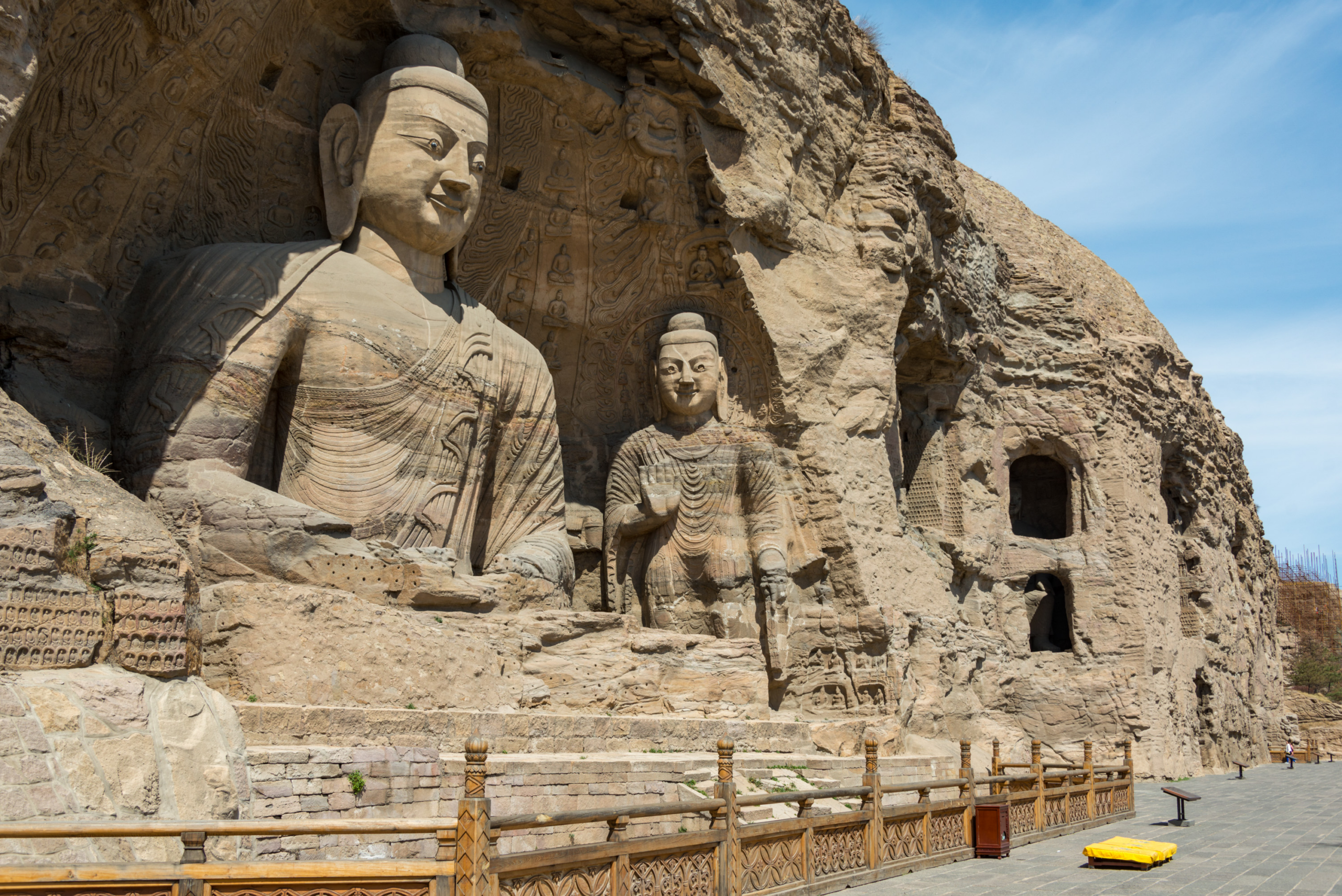
Cave temples cut into sandstone cliffs containing very large seated figures carved directly from the living rock.
The scale of the largest required removing an enormous quantity of stone before any carving began. Yungang is the rock-cut site where the excavation alone was the greater part of the work.
Removing Rock to Leave a Building
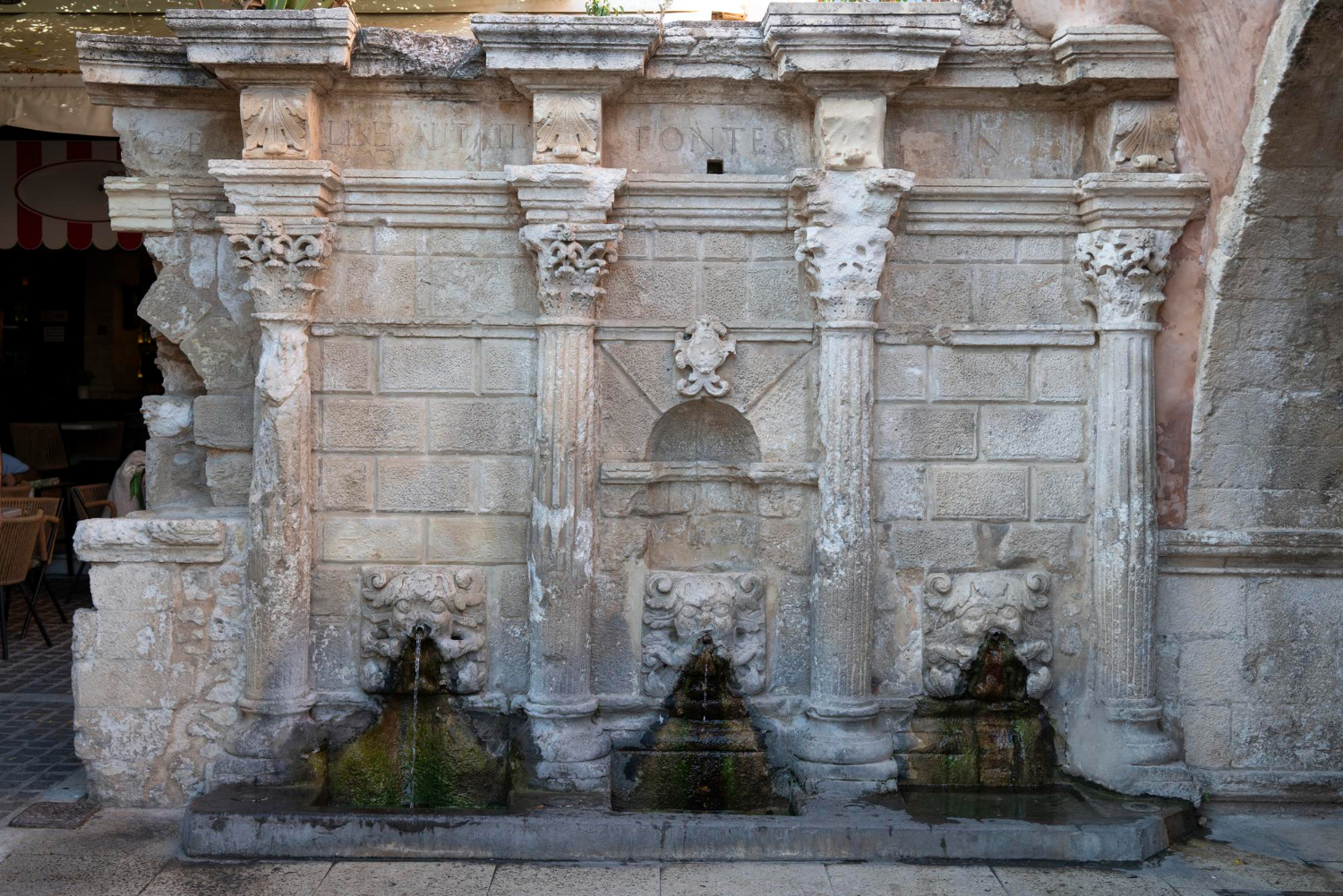
Everything here was made by taking material away, which means no scaffolding, no assembly and no second attempt. The builders worked from the top down and had to know what they were making before they started.
Practical notes: several of these are active places of worship with dress requirements and restricted areas; many limit numbers, photography or flash to protect paintings; underground sections involve steps, low ceilings and confined passages that are not suitable for everyone; and access at some sites varies with conservation work. Check current arrangements before travelling and follow whatever is posted.
Like our content? Follow us for more.