What distinguishes these is what was left in rather than what was taken out. Highly refined sugar tastes of nothing but sweet; everything below tastes of its source. Here are eleven.
1. Maple Syrup – North America
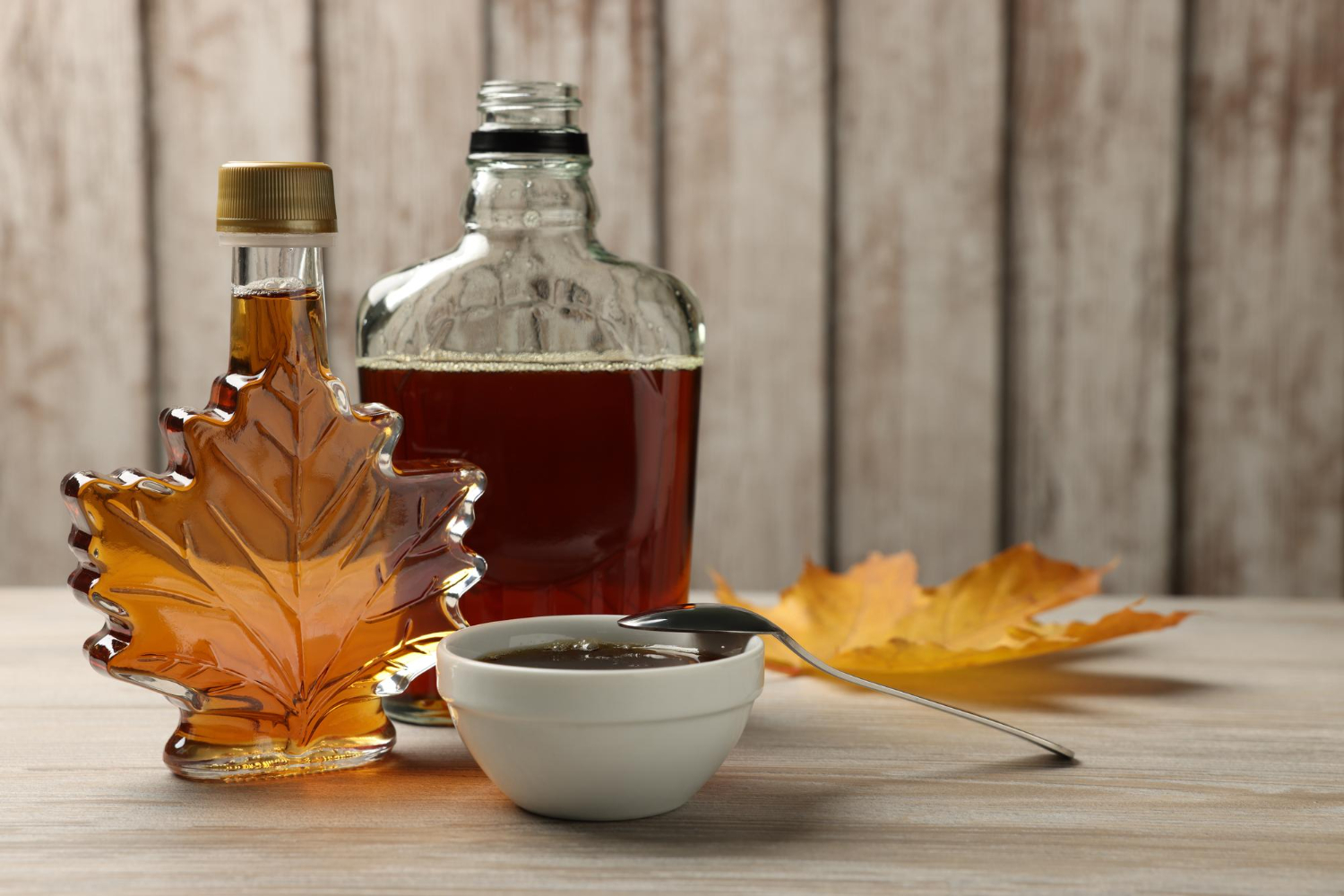
Sap tapped from maple trees and boiled down enormously to concentrate it, which is why the price reflects the volume of sap rather than any processing cost.
Grades differ by when in the season the sap was collected, with later harvests darker and stronger. Maple syrup is the sweetener whose flavour is a record of when in spring it was taken.
Like our content? Follow us for more.
2. Palm Sugar and Jaggery – South and Southeast Asia
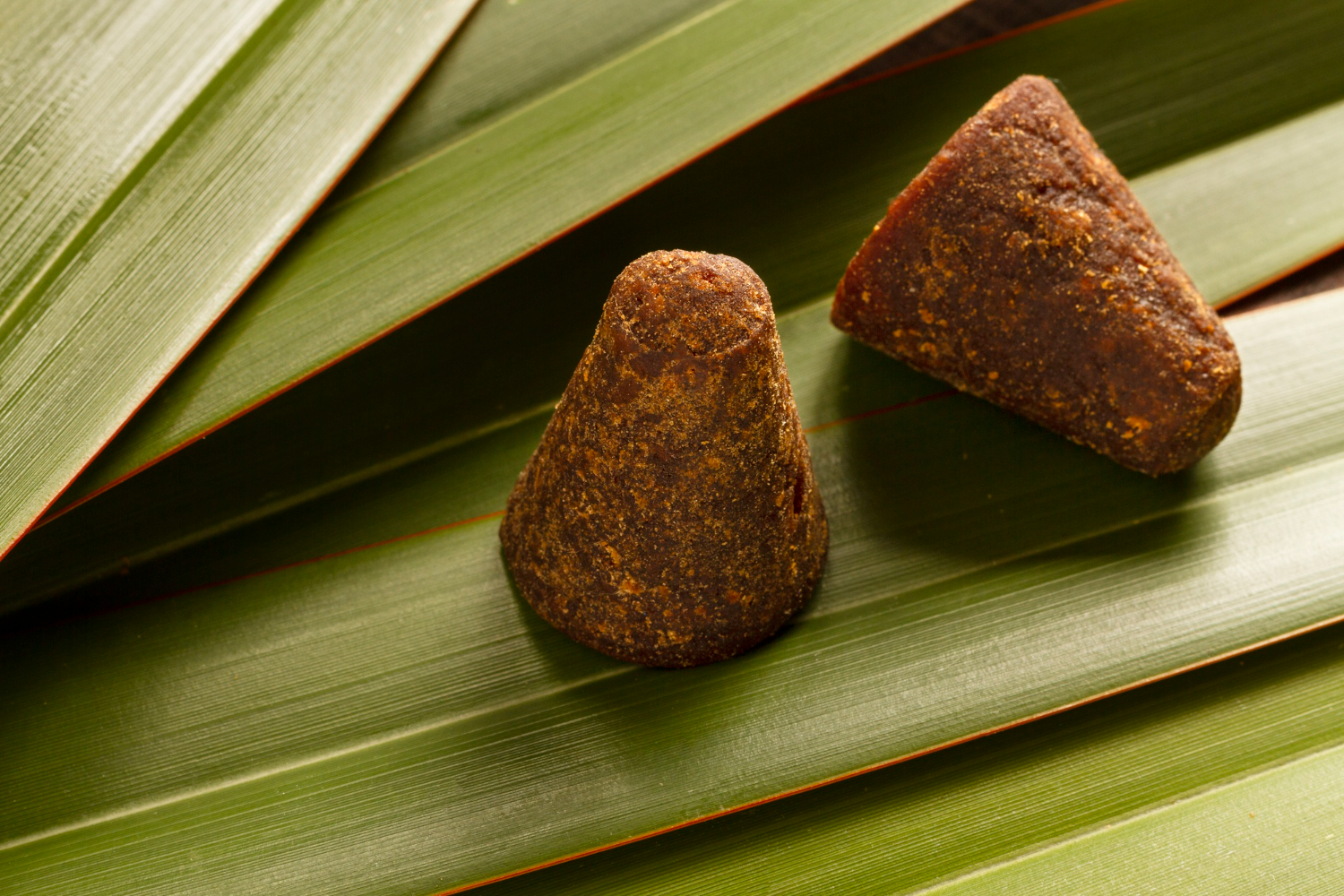
Sap from palm flowers or sugarcane juice boiled and set into blocks or paste, retaining minerals and a caramel, slightly smoky character.
It is scraped or chopped rather than poured and behaves differently in cooking from refined sugar. Palm sugar is the sweetener sold as a solid block rather than a granule.
3. Date Syrup – Middle East and North Africa
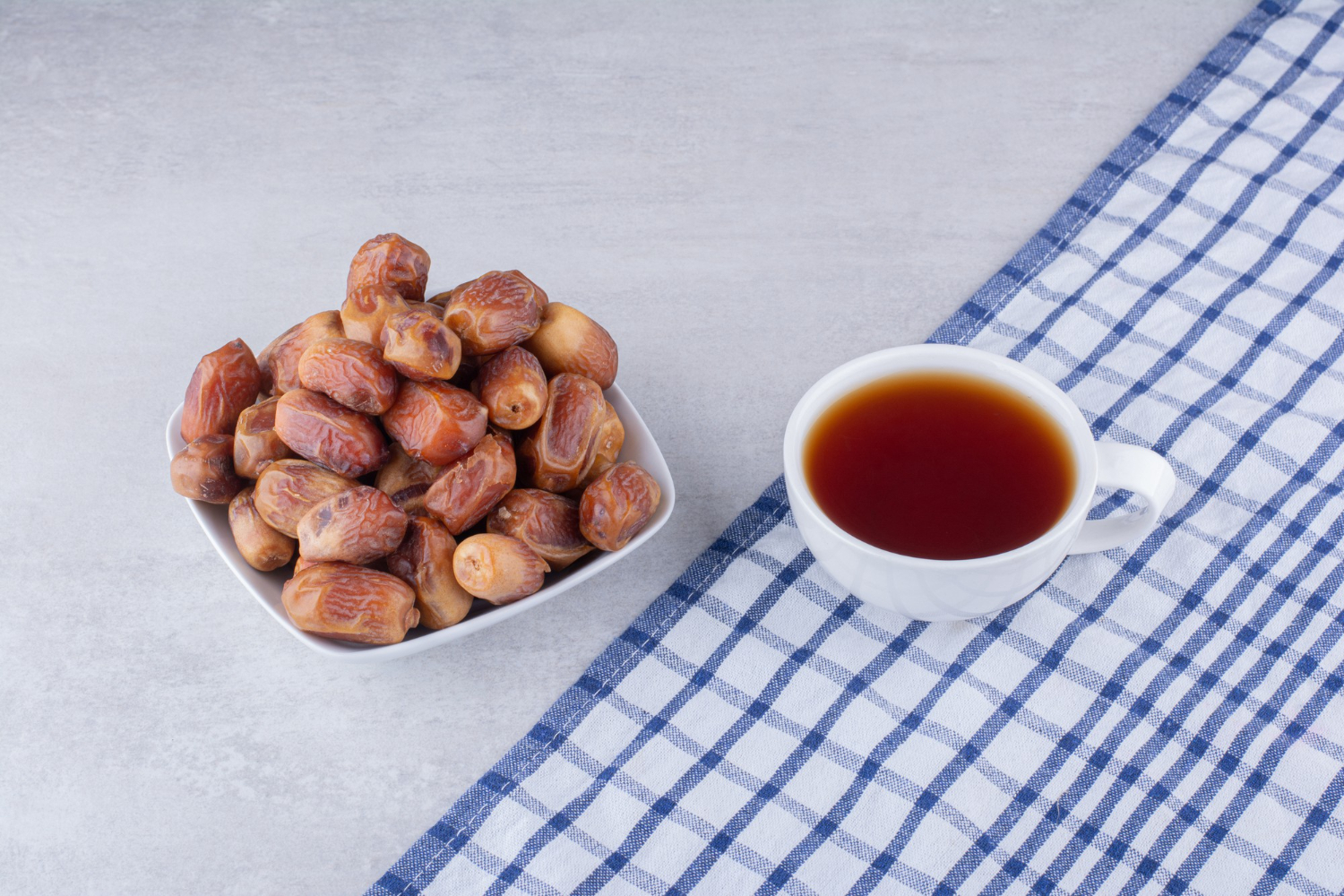
Dates cooked down and pressed to produce a thick dark syrup with a deep fruit flavour, used in both sweet and savoury cooking.
It predates cane sugar in the region by a very long way. Date syrup is the sweetener that was the default across a whole region before sugar arrived.
4. Molasses and Treacle – Caribbean and Beyond
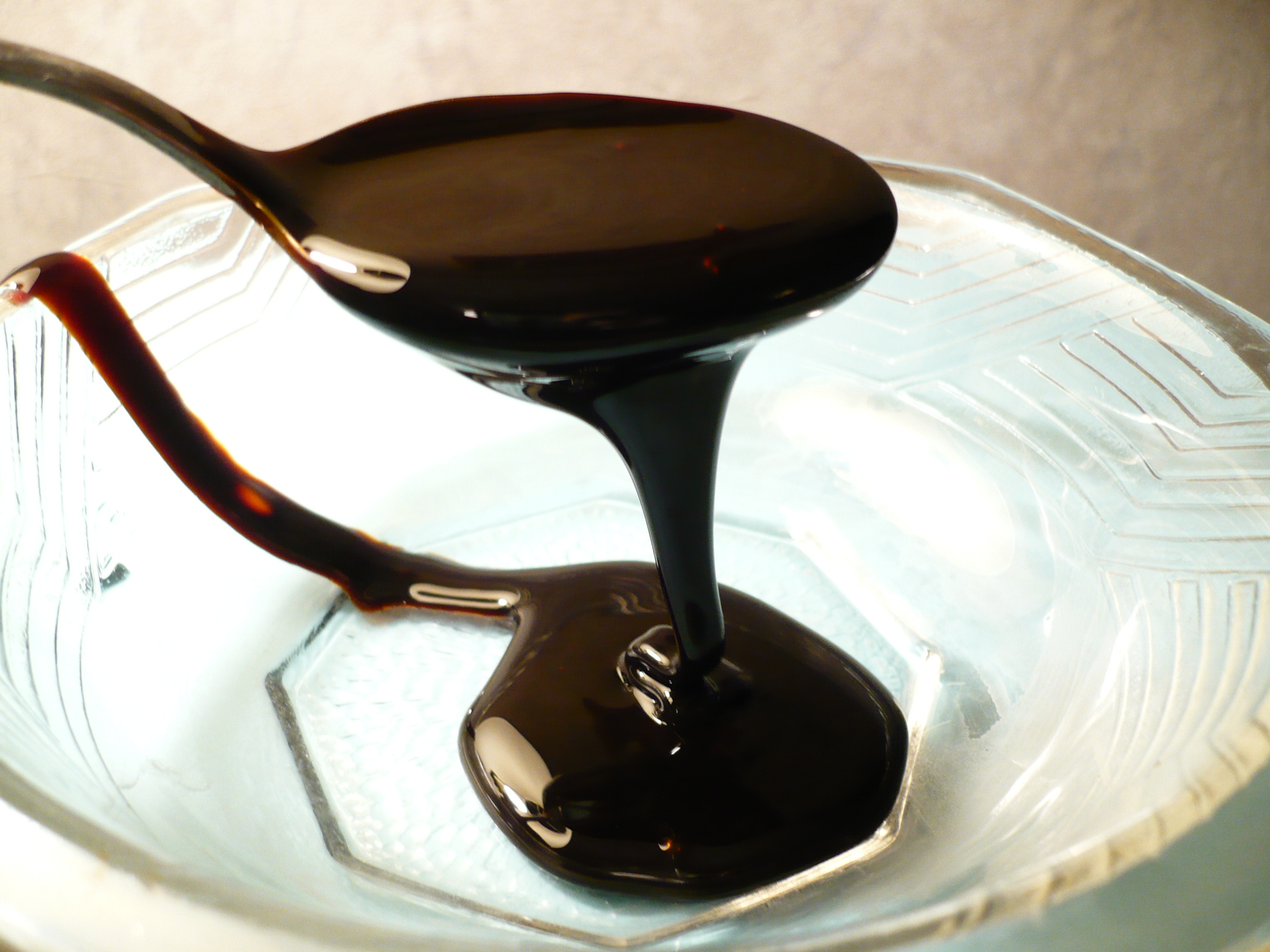
The dark liquid remaining after sugar crystals are extracted from cane juice, ranging from mild to intensely bitter depending on how many extractions have taken place.
The darkest grades are barely sweet at all and are used for colour and depth. Molasses is the sweetener that becomes less sweet the further you go.
5. Honey – Everywhere Bees Are
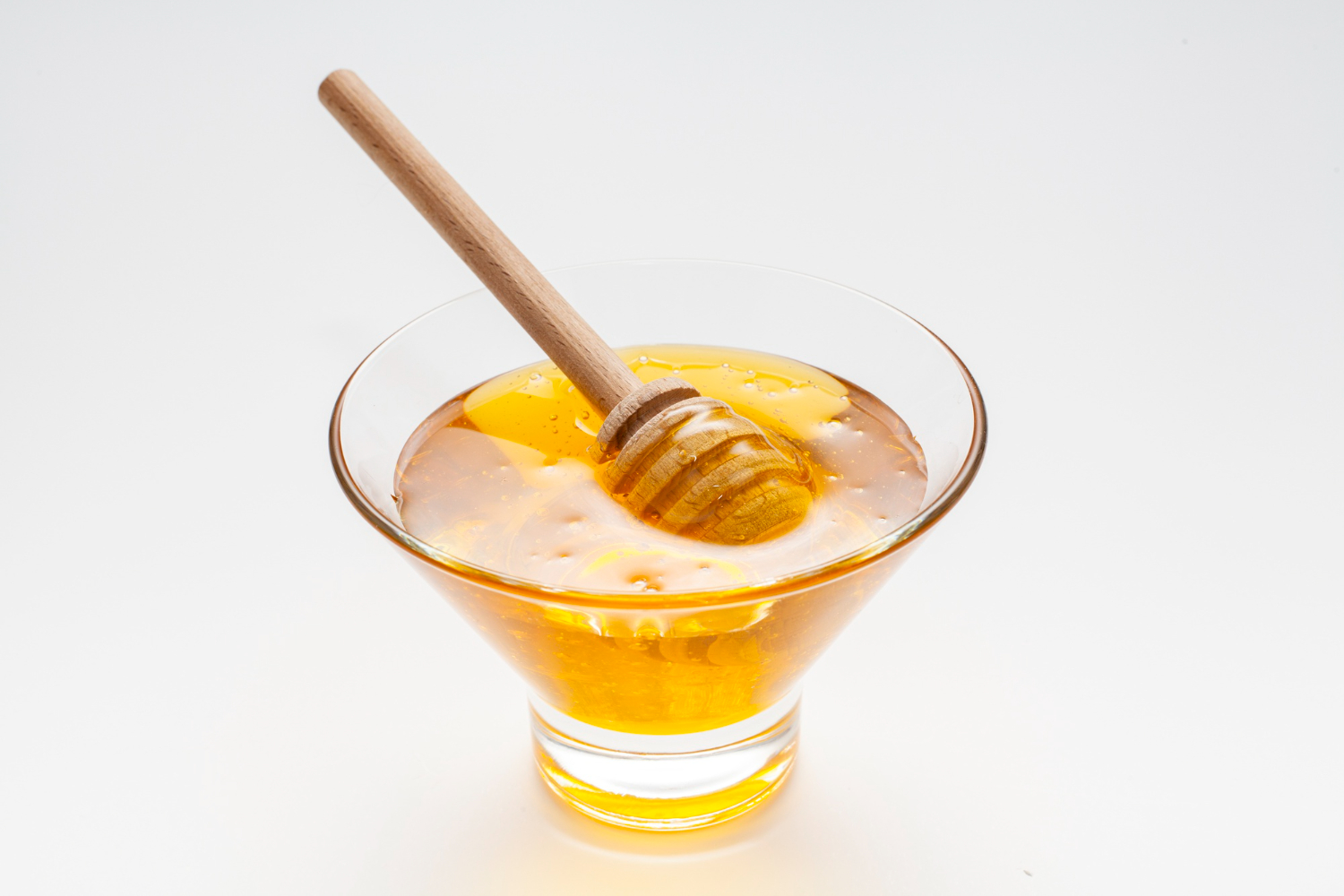
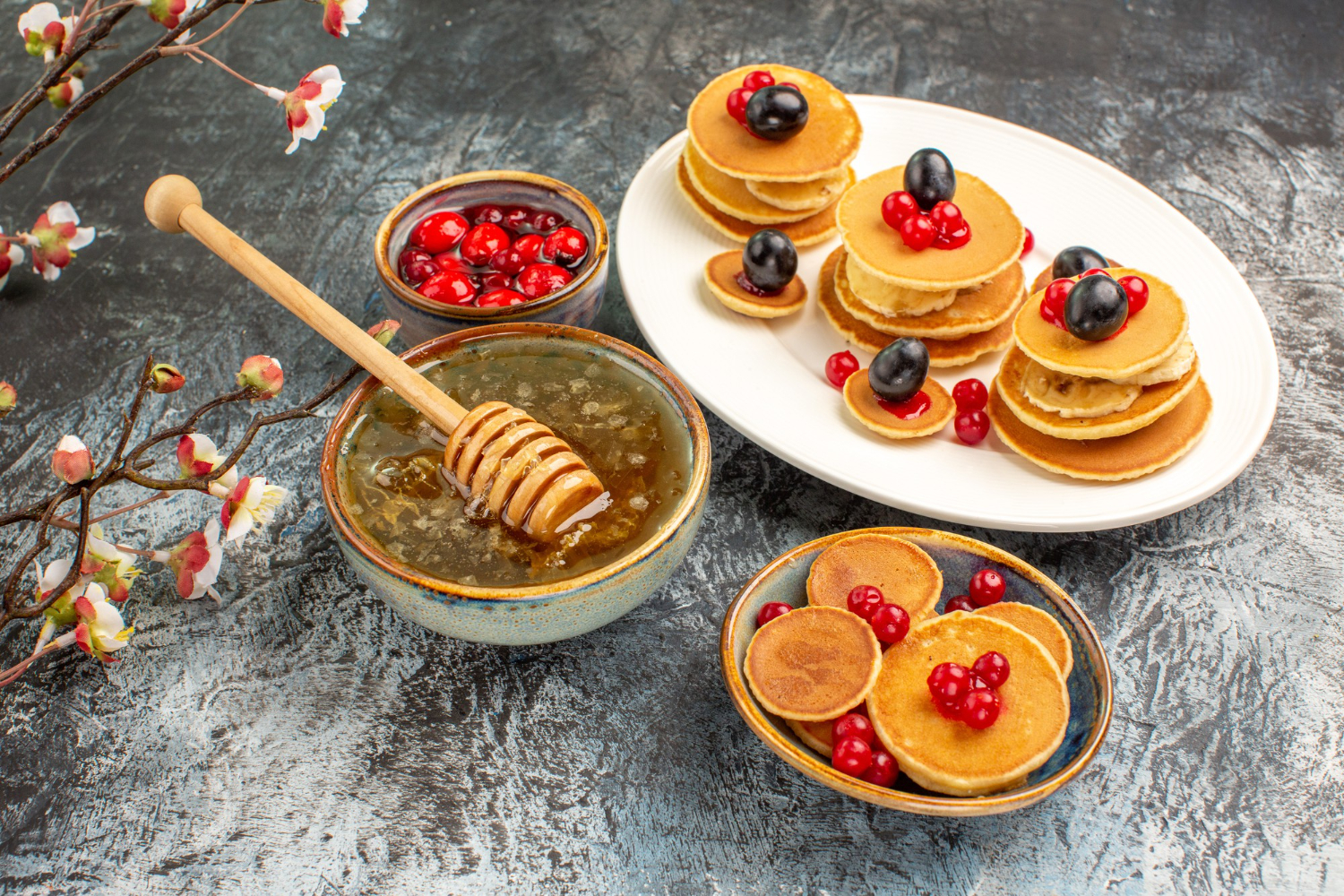
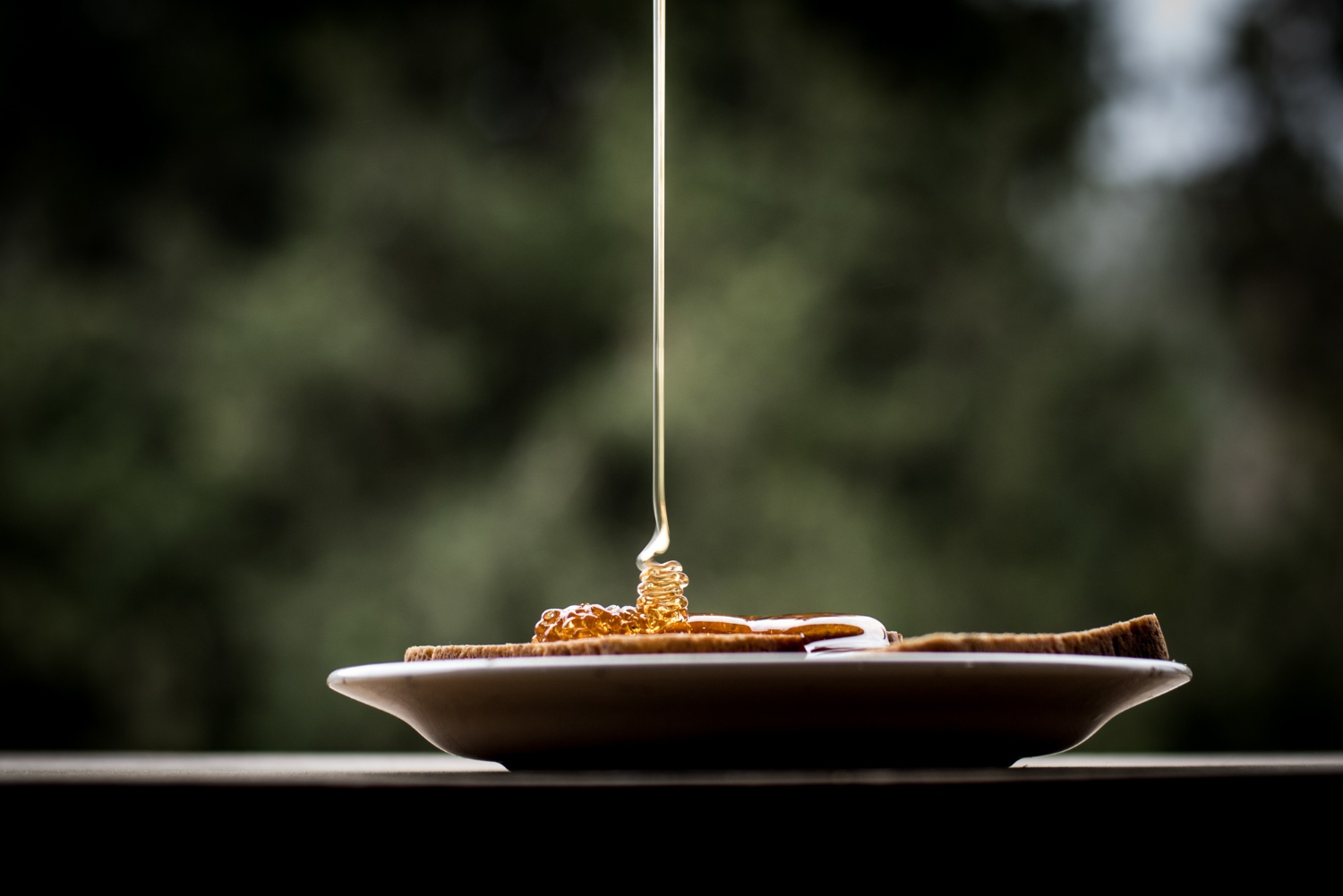
The only sweetener produced by an animal, with a flavour determined entirely by which flowers the bees visited.
Single-source honeys differ from one another as much as wines do, and heating destroys the aromatics that distinguish them. Honey is the sweetener whose flavour is a map of a landscape.
6. Agave Syrup – Mexico
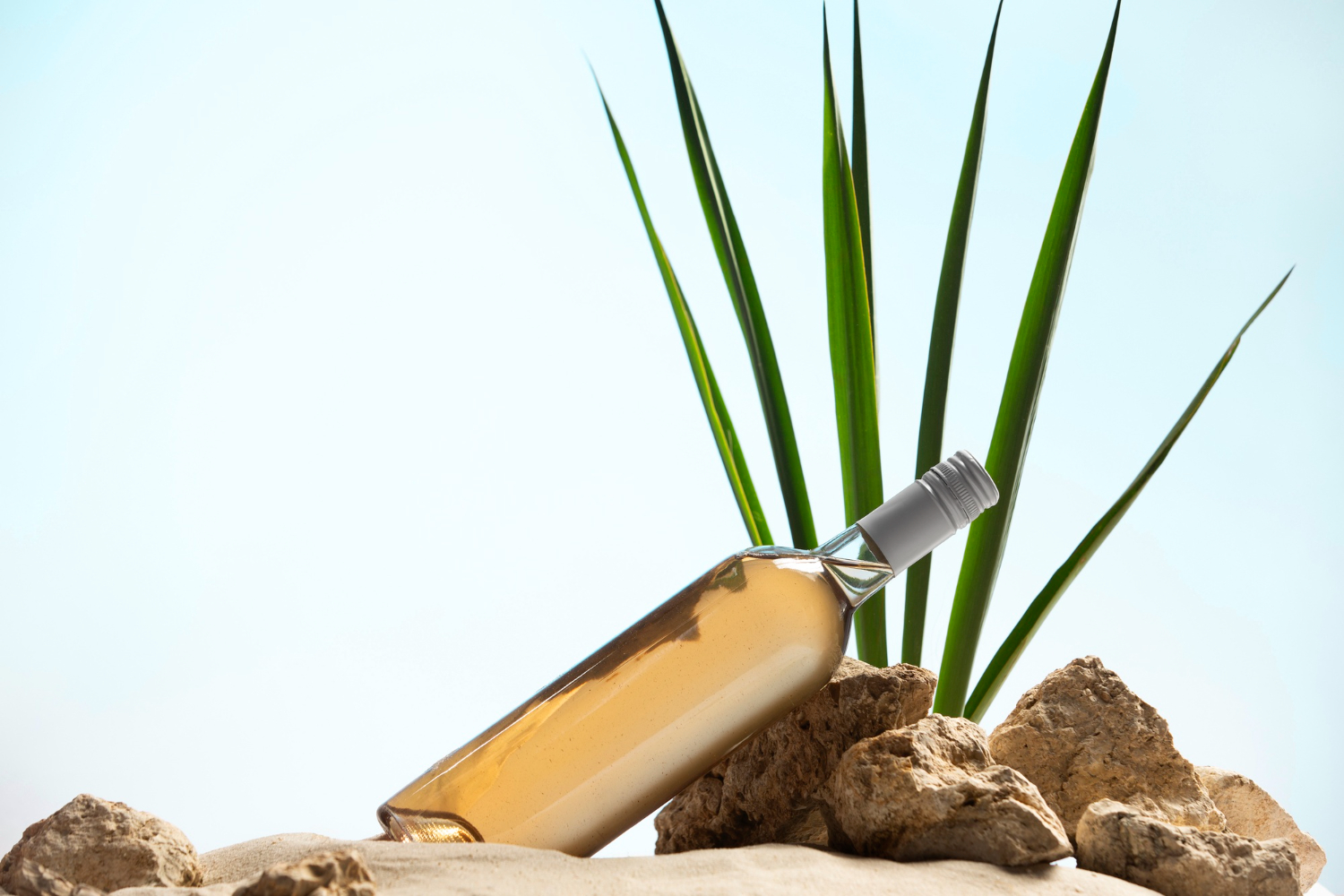
Sap from the agave plant, processed into a thin syrup that is noticeably sweeter than sugar by volume and has a mild, neutral character.
Its neutrality is why it dissolves invisibly into drinks. Agave is the sweetener that adds sweetness without adding flavour.
7. Rice Syrup and Grain Malts – East Asia
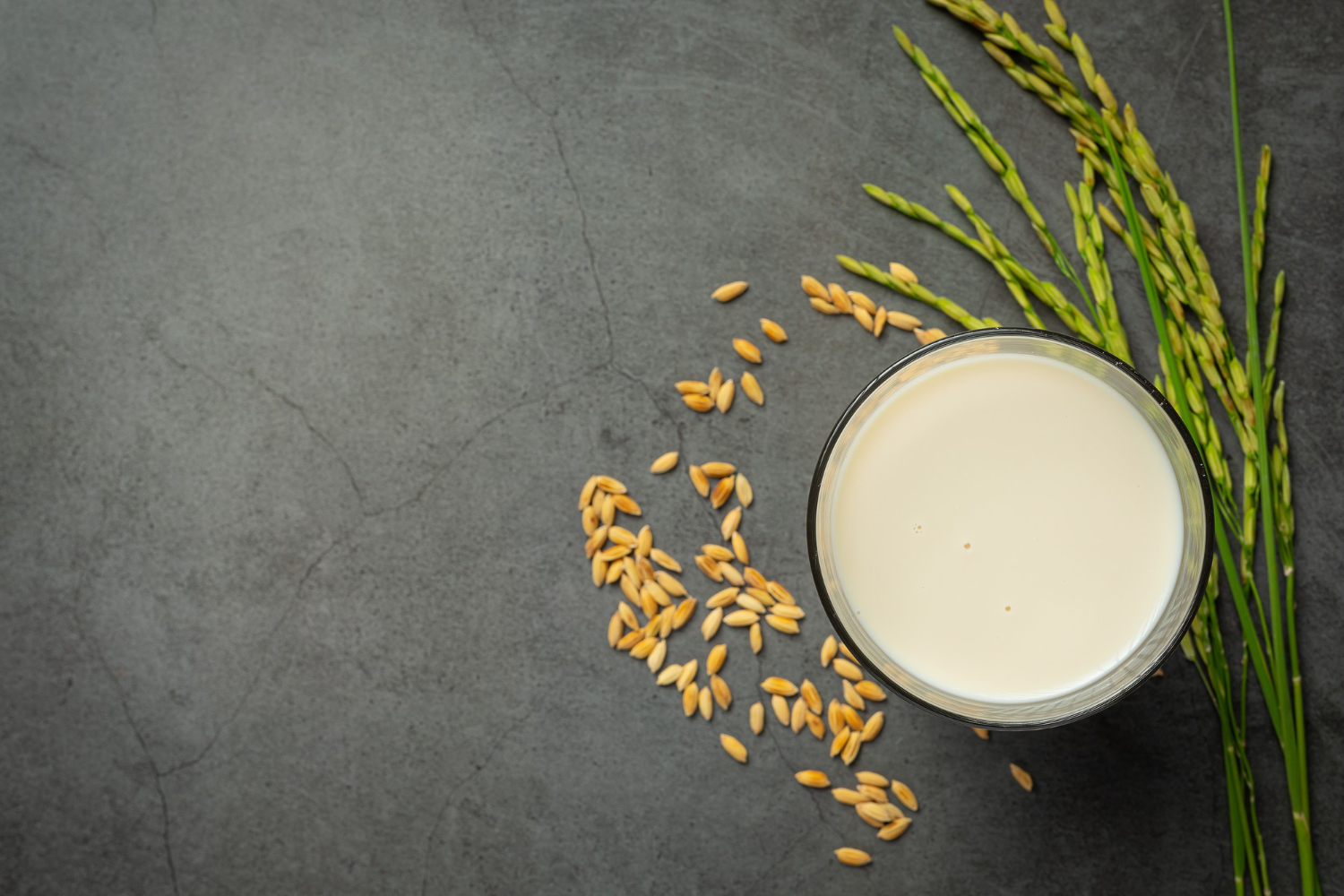
Starch from rice or barley broken down by enzymes into sugars, producing a mild, subtly nutty syrup with a thick texture.
Because the conversion is enzymatic rather than extractive, the flavour comes from the grain. Rice syrup is the sweetener made by converting a starch rather than concentrating a juice.
8. Birch and Other Tree Saps – Northern Europe
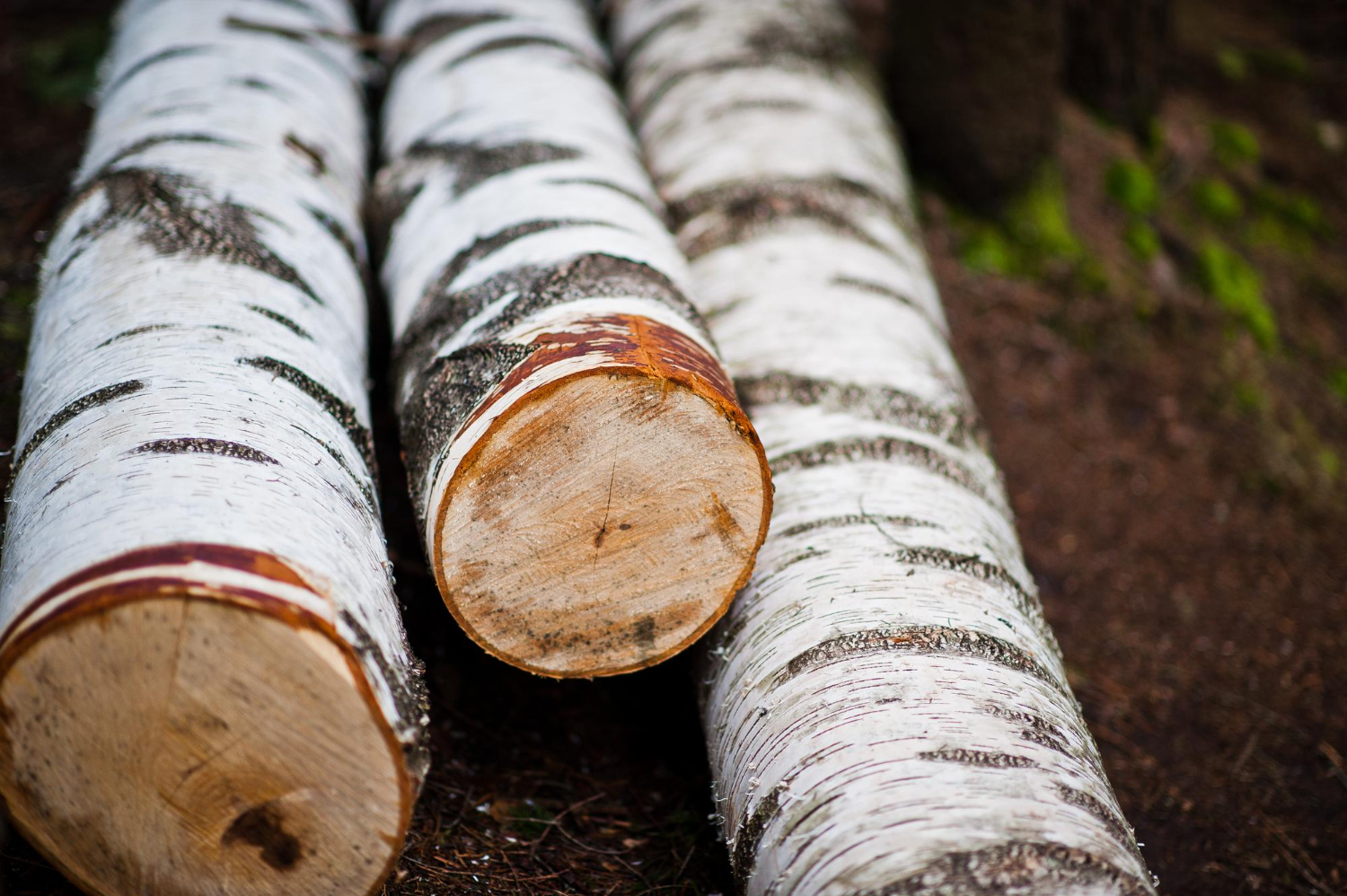
Sap tapped from birch and other trees and reduced in the same manner as maple, producing a distinct flavour and requiring even more sap per litre.
The tapping season is short and the yield is low, which keeps it a regional product. Birch syrup is the sweetener that takes even more boiling than maple.
9. Sorghum Syrup – Southern United States and Africa
Juice pressed from sorghum cane and boiled down, producing a syrup lighter and tangier than molasses with a distinctive sour edge.
It was widely made at home before refined sugar became cheap and has been revived in recent years. Sorghum syrup is the sweetener that most people assume is molasses and is not.
10. Muscovado and the Unrefined Cane Sugars
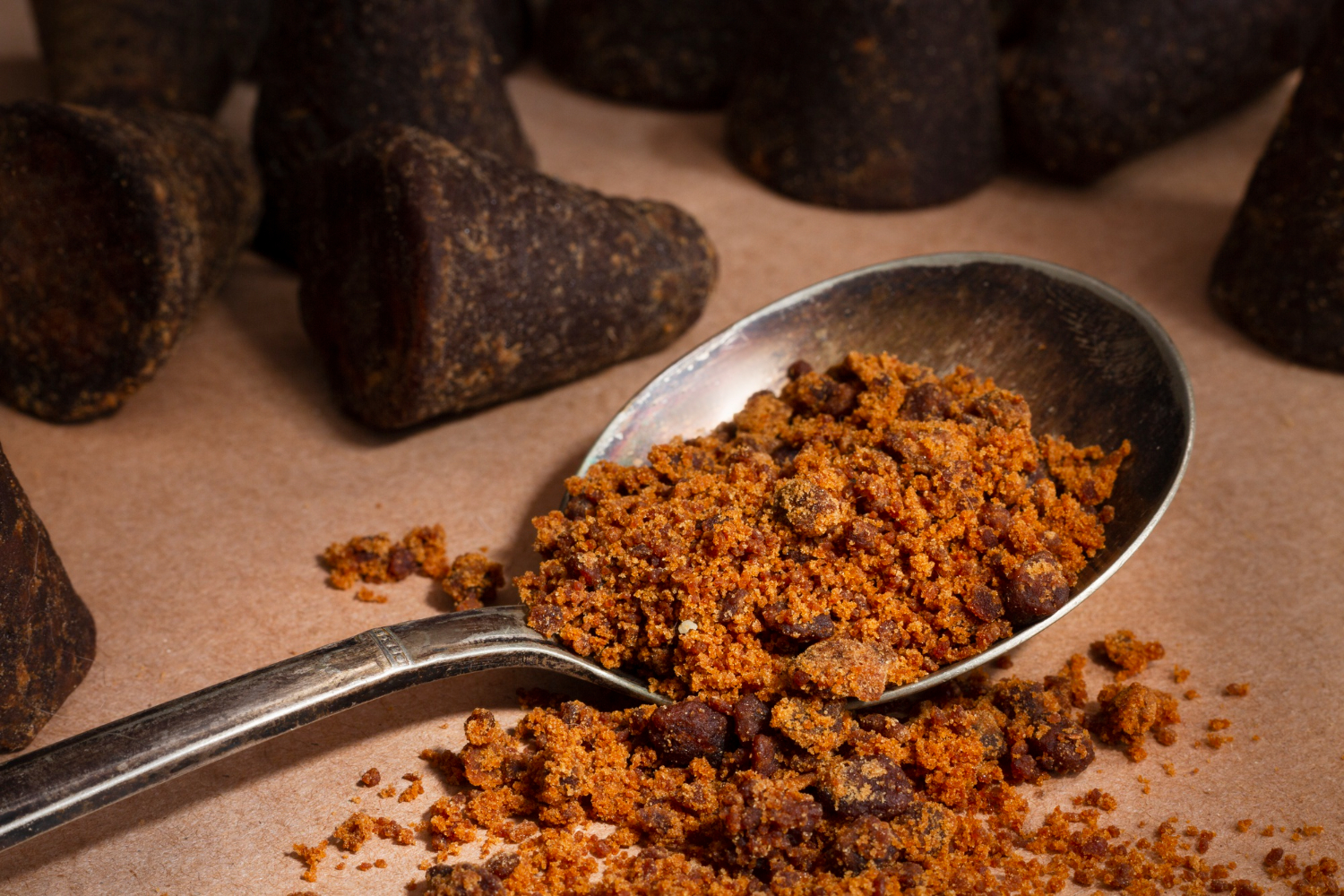
Cane sugar with the molasses left in rather than removed, producing a moist, dark, strongly flavoured sugar that clumps rather than pours.
The difference from brown sugar made by adding molasses back is real and detectable. Muscovado is the sweetener defined by what was never taken out of it.
11. Stevia and the Leaf Sweeteners – South America
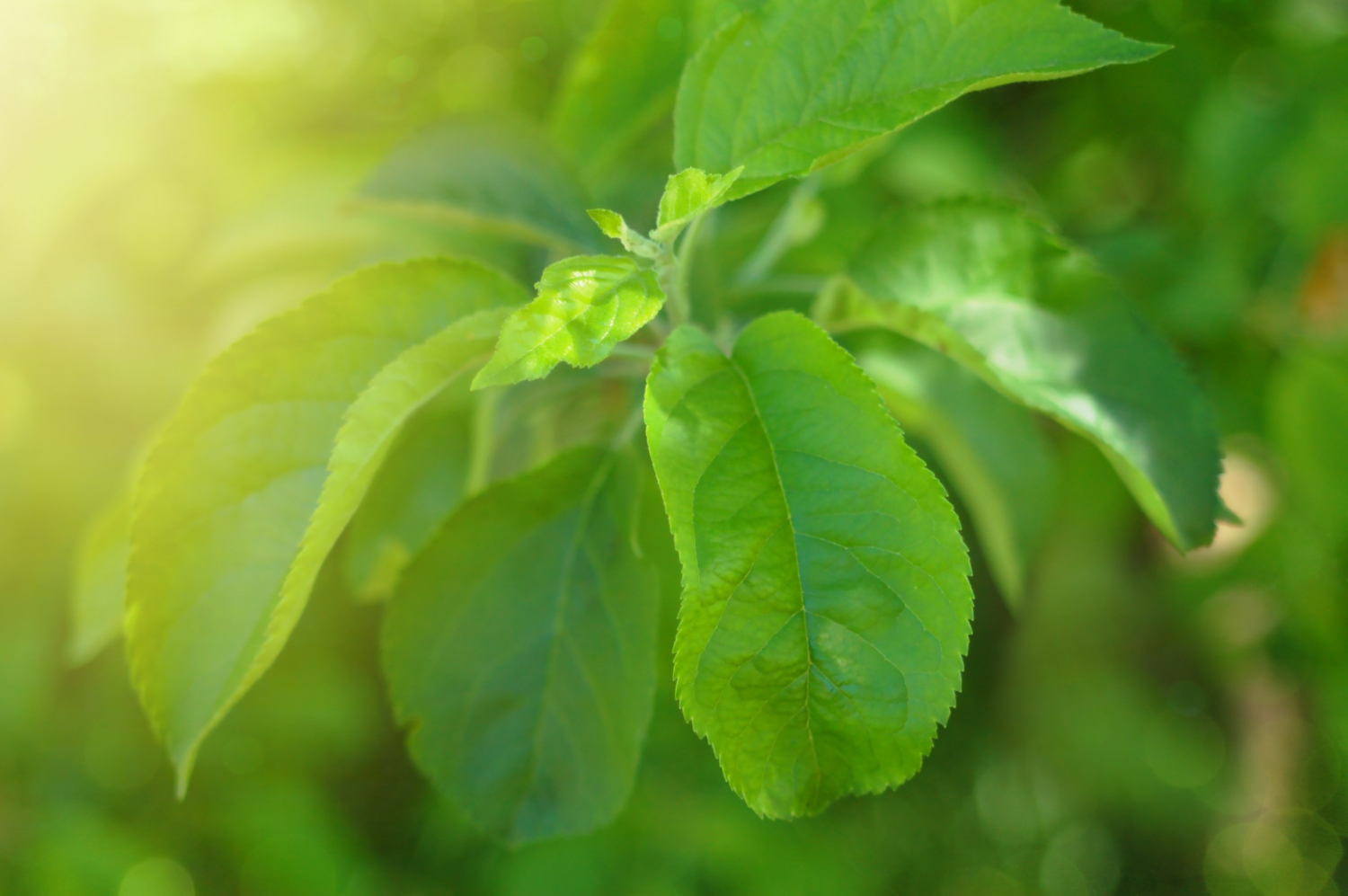
Leaves of a South American plant containing compounds far sweeter than sugar by weight, used traditionally in whole-leaf form long before commercial extraction.
The extracted version and the whole leaf taste noticeably different from each other. Stevia is the sweetener that comes from a leaf rather than a sap, cane or fruit.
Everything Tastes of Where It Came From
The pattern is that refining removes flavour along with impurities. Every sweetener here is defined by what was left in – minerals, plant compounds, the character of a particular sap or fruit.
Substituting one for another rarely works as a straight swap, because they differ in sweetness by volume, in moisture, in acidity and in how they behave under heat. If you are experimenting, change one thing at a time and expect the result to taste of the sweetener rather than of the recipe you were following.
Like our content? Follow us for more.