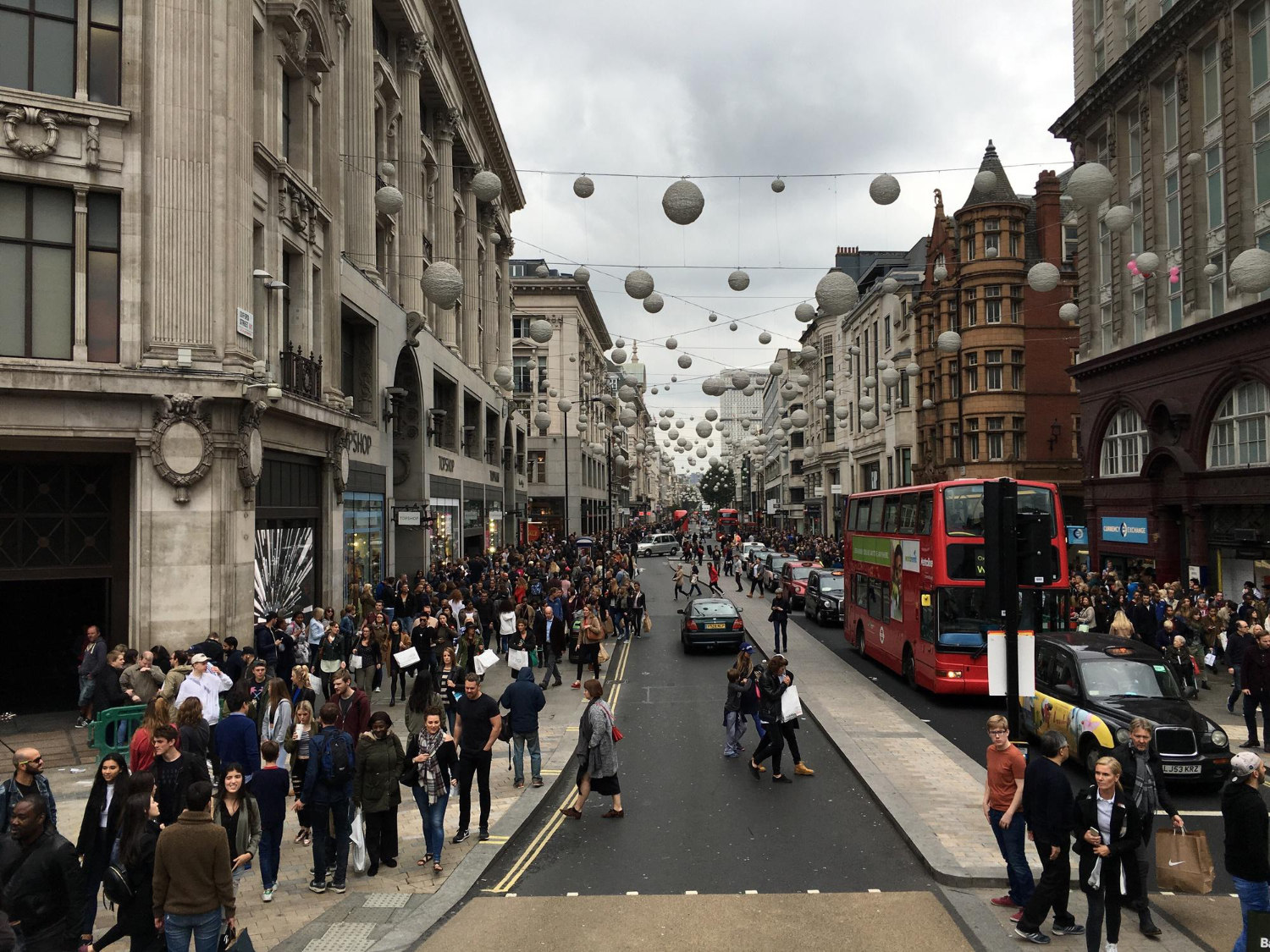
Everything below comes down to the same thing: the place you are visiting is somewhere other people are trying to get to work. Here are seventeen things worth knowing.
1. The Pavement Is a Route, Not a Viewpoint
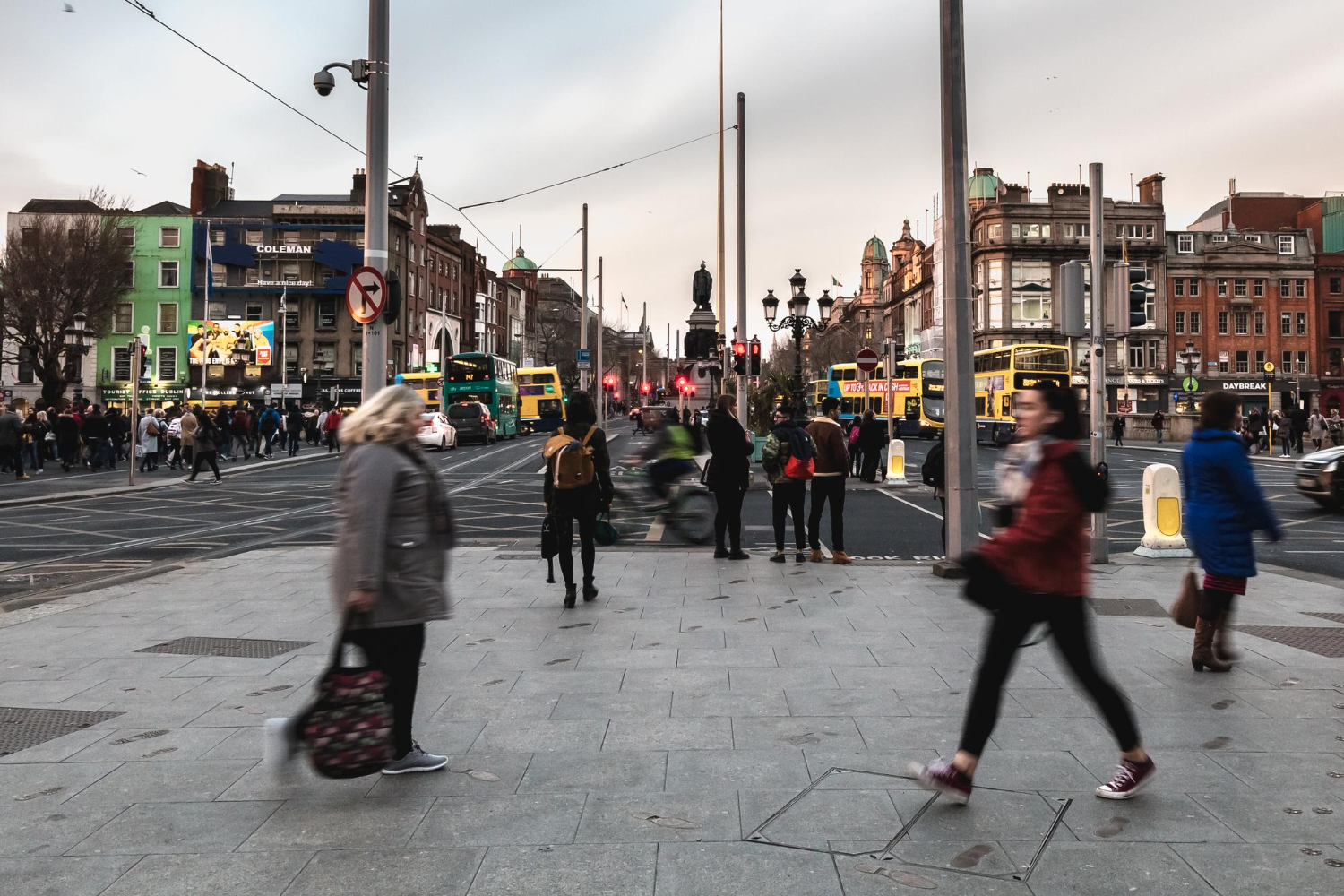
Stopping abruptly in the middle of a busy footpath to look at a map or take a photograph blocks people who are commuting.
Stepping aside first takes a second and eliminates the single most common source of daily irritation. The pavement being a route is the thing residents of tourist cities most wish visitors registered.
Like our content? Follow us for more.
2. Stand Right, Walk Left – Or Whatever the Local Rule Is
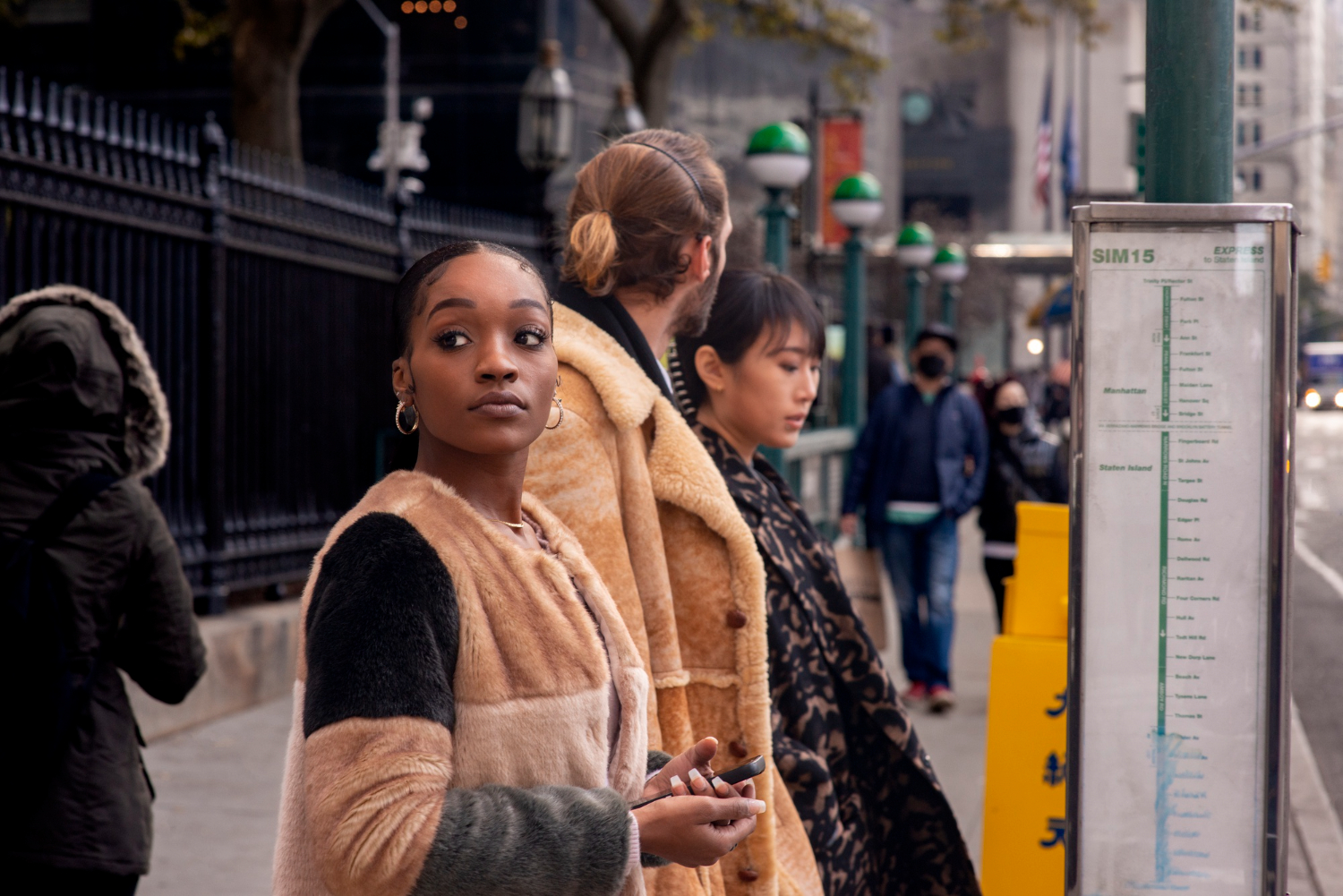
Escalators in most busy transit systems have a standing side and a walking side, and the convention is enforced socially rather than by signs.
Watch what everyone else does for five seconds before stepping on. Escalator convention is the unwritten rule that visitors break most often without knowing.
3. Learn Six Words
Hello, please, thank you, excuse me, sorry and goodbye, in the local language, change the temperature of every interaction.
Nobody expects fluency and everybody notices the attempt. Learning six words is the smallest possible effort with the largest return anywhere.
4. Do Not Photograph People Without Asking
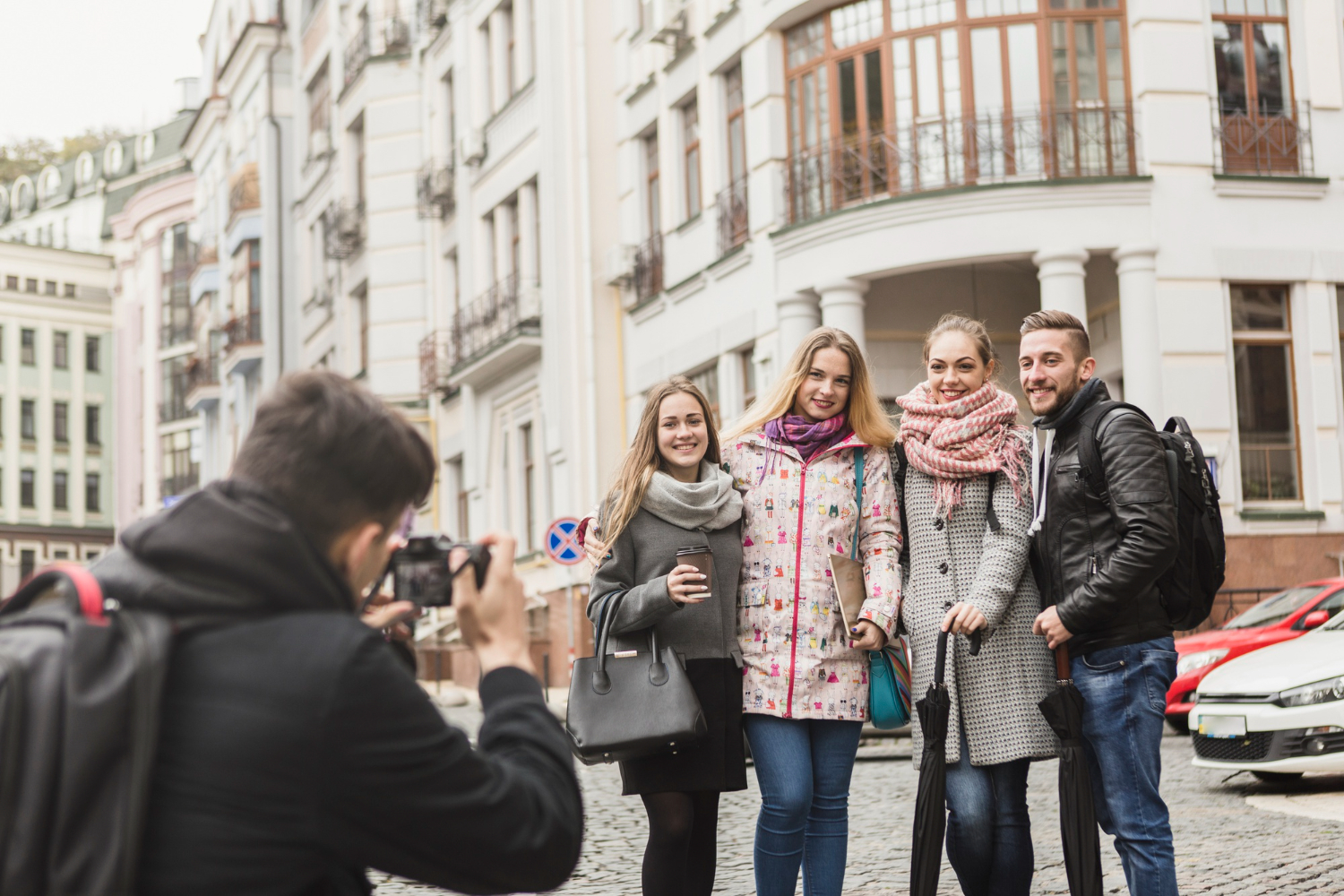
Residents going about their day are not part of the attraction, and photographing someone at close range without acknowledgement is intrusive in any culture.
A gesture and a smile take a moment and usually get a yes. Not photographing people without asking is the courtesy that matters most and is skipped most.
5. Someone Lives Above That Shop
Historic centres are residential. Noise in narrow streets late at night carries directly into bedrooms, and the acoustics of old alleys amplify rather than absorb.
Volume that would be unremarkable in a bar district is not in a lane of flats. Remembering that people live there is the consideration most often forgotten after dark.
6. Do Not Block the Doors
On buses, trains and trams, standing in the doorway with luggage while people are trying to board and alight causes delay for everyone behind you.
Move inside, put the bag between your feet. Not blocking the doors is basic transit behaviour that visitors frequently miss because they are watching for their stop.
7. The Queue Might Not Look Like a Queue
Queuing conventions differ enormously – some places form lines, some take numbered tickets, some operate on an understood order with no visible line at all.
Ask who is last rather than assuming there is no system. Reading the queue is the local convention that varies most between countries.
8. Restaurants Have Local Hours
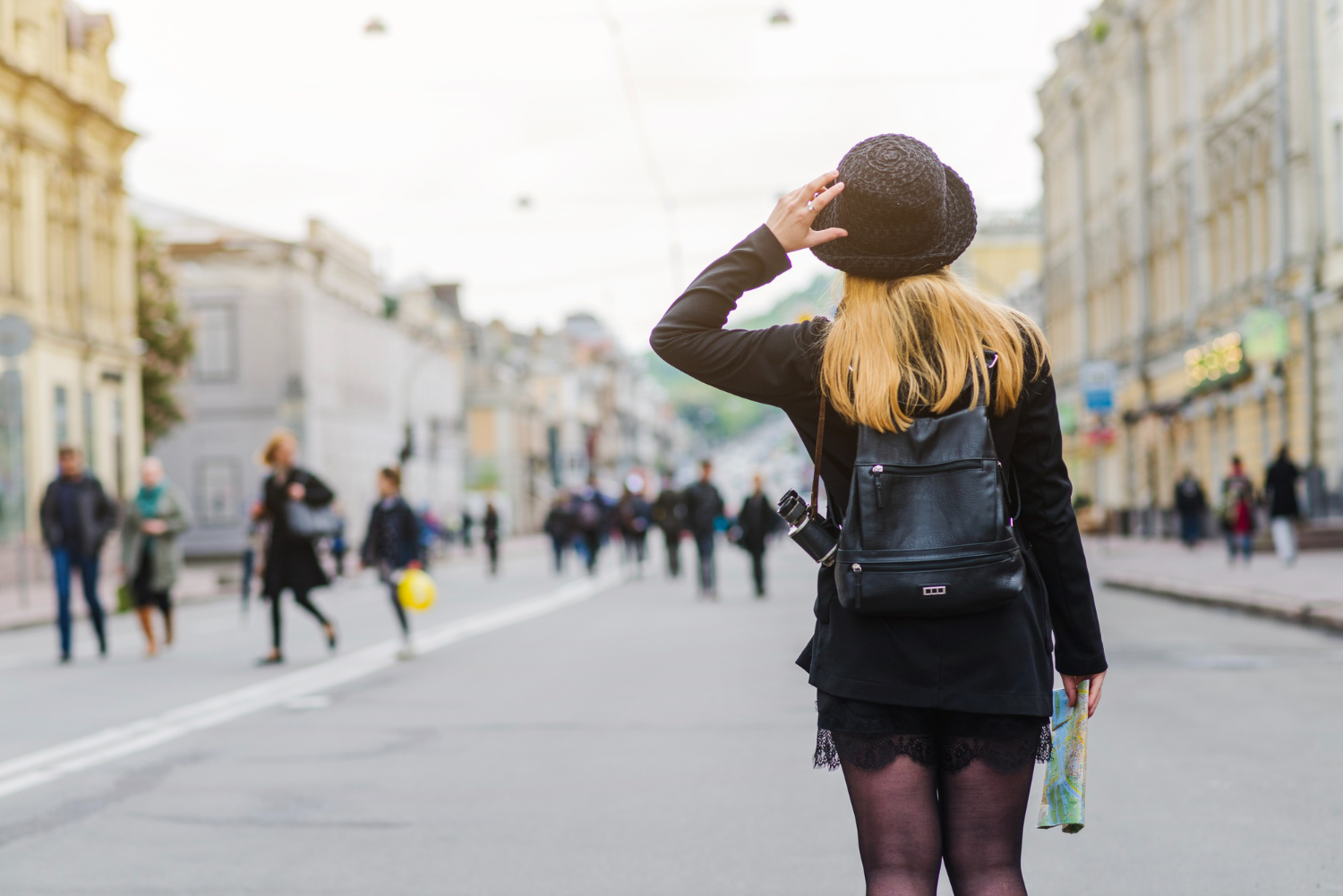
Eating times differ substantially between countries, and turning up at a time that seems normal to you may be hours before or after anyone else eats.
A restaurant that is empty at eight may be full at ten. Local eating hours are the schedule visitors most often assume is universal.
9. Small Notes and Small Change
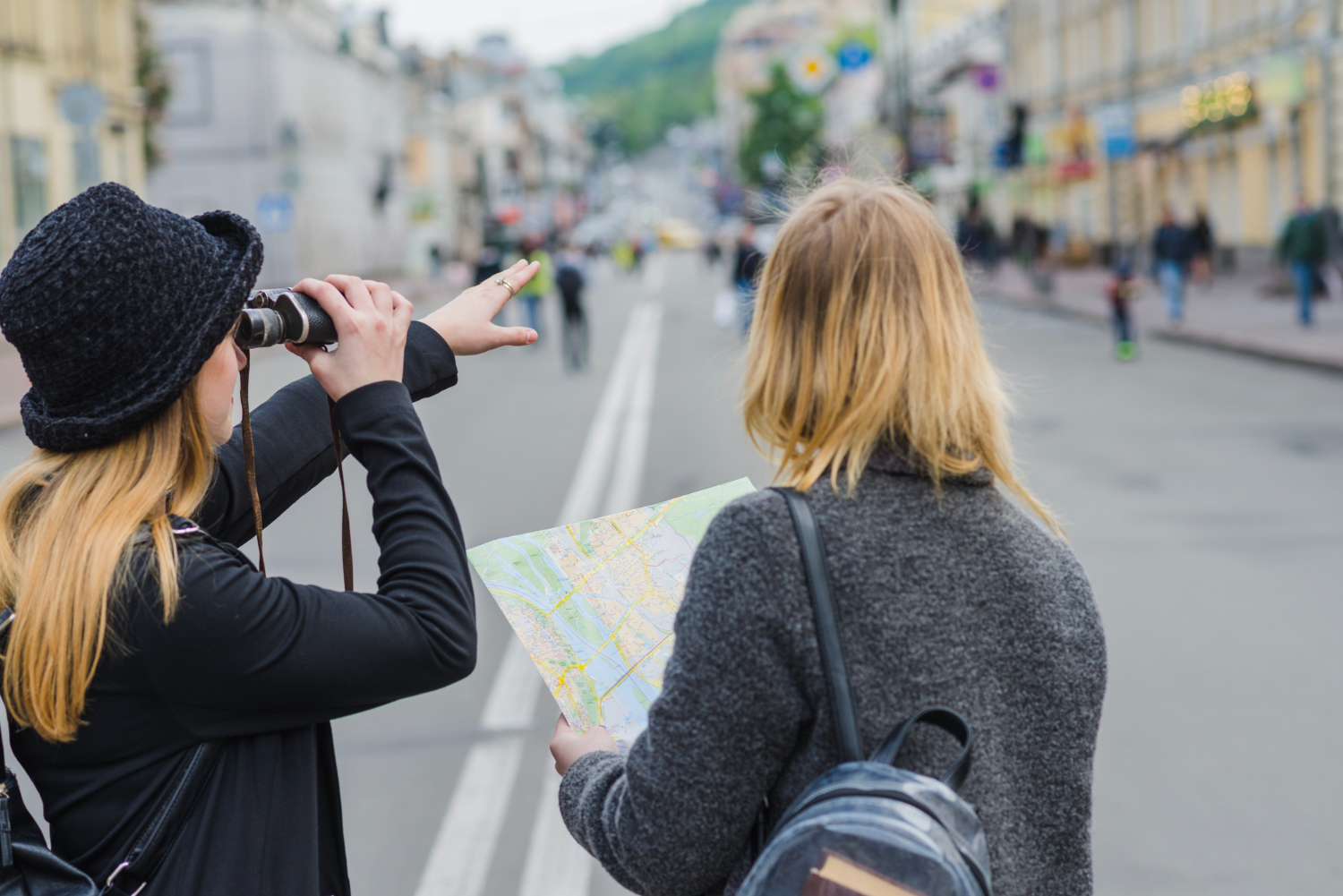
Paying for a two-euro coffee with a large note at a small independent business is a real inconvenience, and in some places will simply be refused.
Break large notes at bigger shops or machines. Carrying small change is the practical courtesy that smooths a dozen small transactions.
10. Learn What the Tipping Norm Actually Is
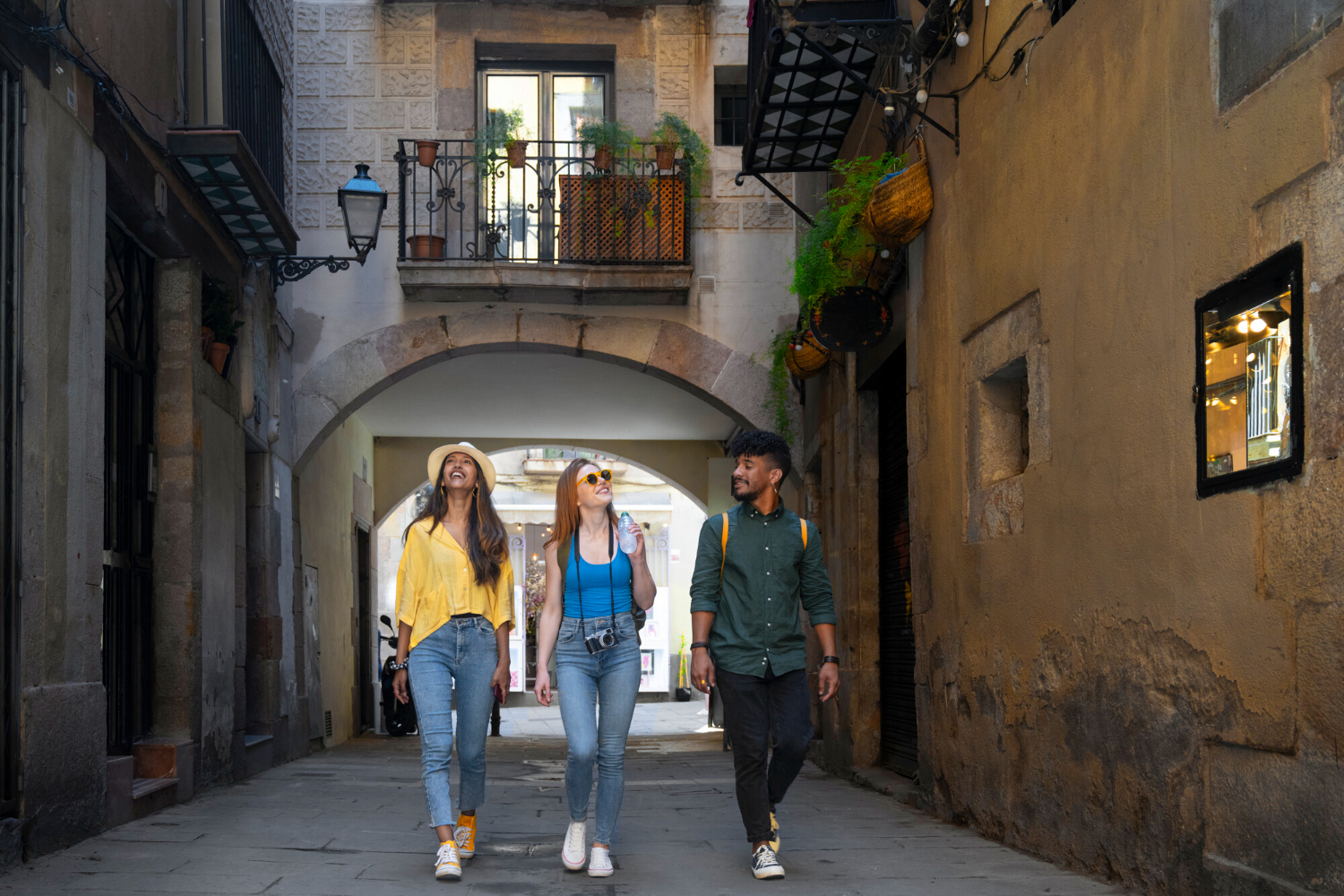
Tipping expectations vary from mandatory to unnecessary to mildly insulting, and applying your own country’s convention is a common error in both directions.
Check for the specific country before you arrive rather than guessing at the table. Knowing the tipping norm is the money question visitors most reliably get wrong.
11. Dress for the Building, Not the Weather
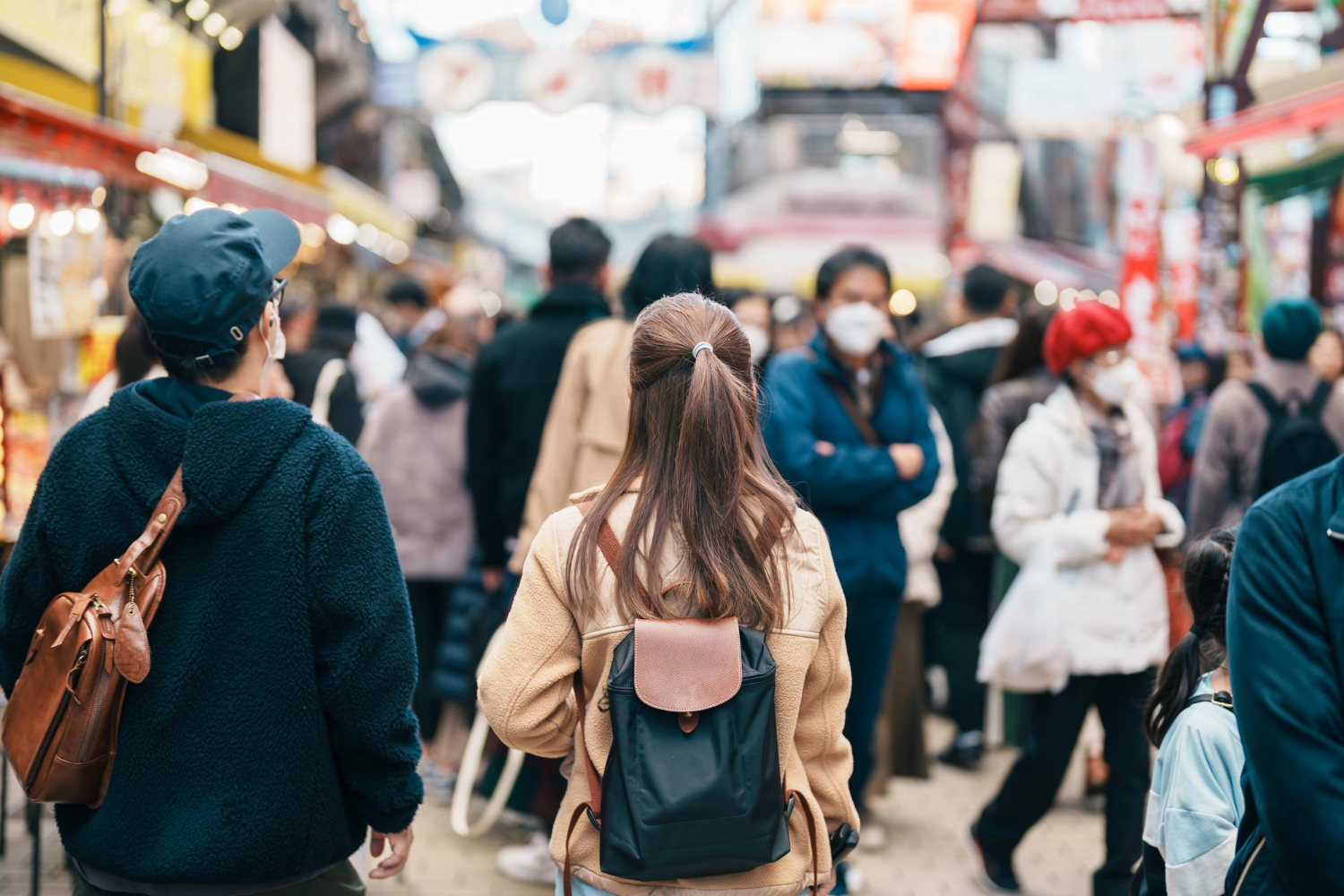
Religious sites and some public buildings have expectations about covered shoulders and knees regardless of temperature, and enforcement is real.
Carrying a light scarf or layer solves it entirely. Dressing for the building is the requirement that turns visitors away from places they travelled to see.
12. Do Not Haggle Where Nobody Haggles
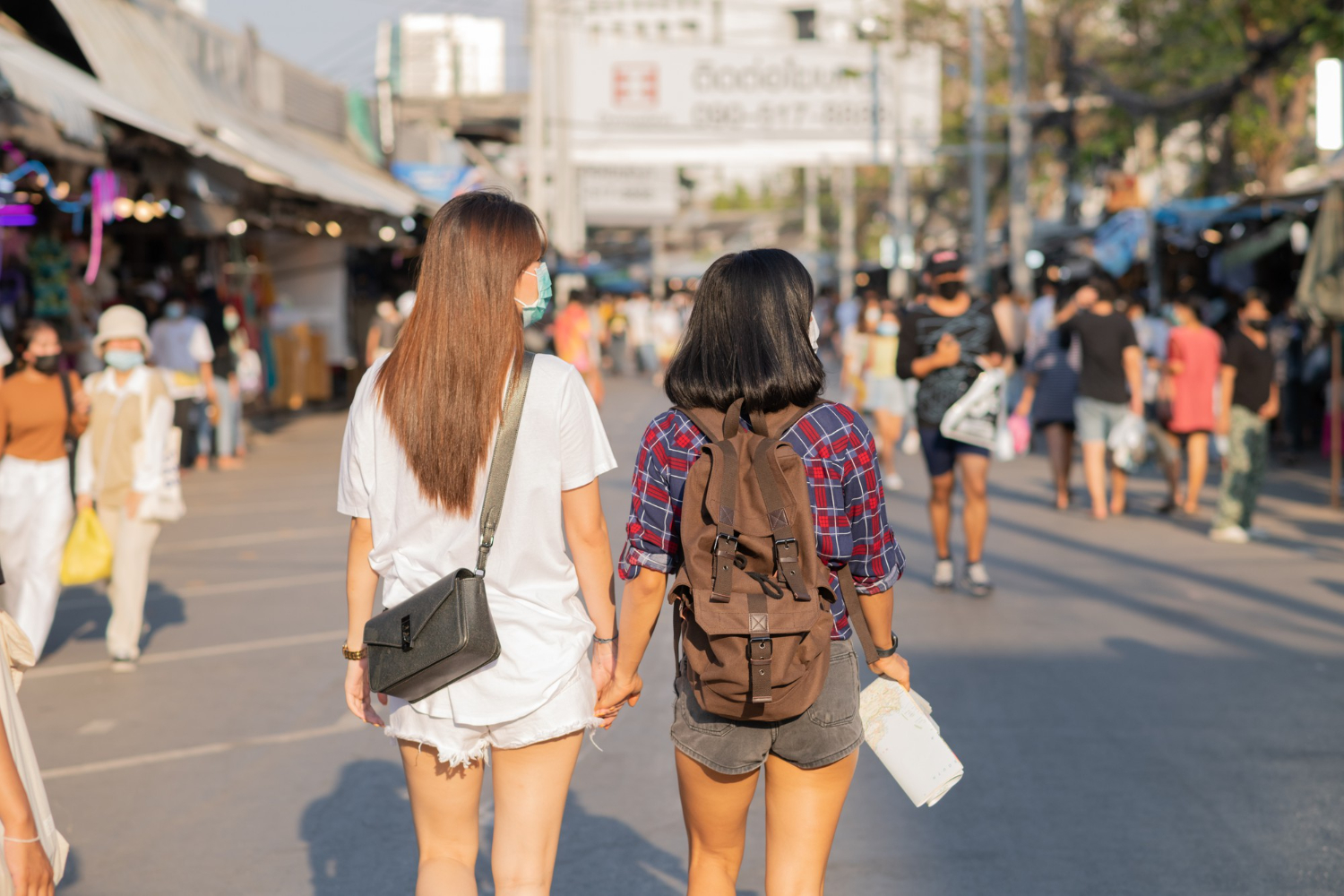
Bargaining is expected in some markets and offensive in others, and applying it in a fixed-price shop reads as an insult rather than an opening.
Watch a transaction before attempting one. Knowing where haggling applies is the market convention that causes the most avoidable awkwardness.
14. Off-Peak Hours Exist for a Reason
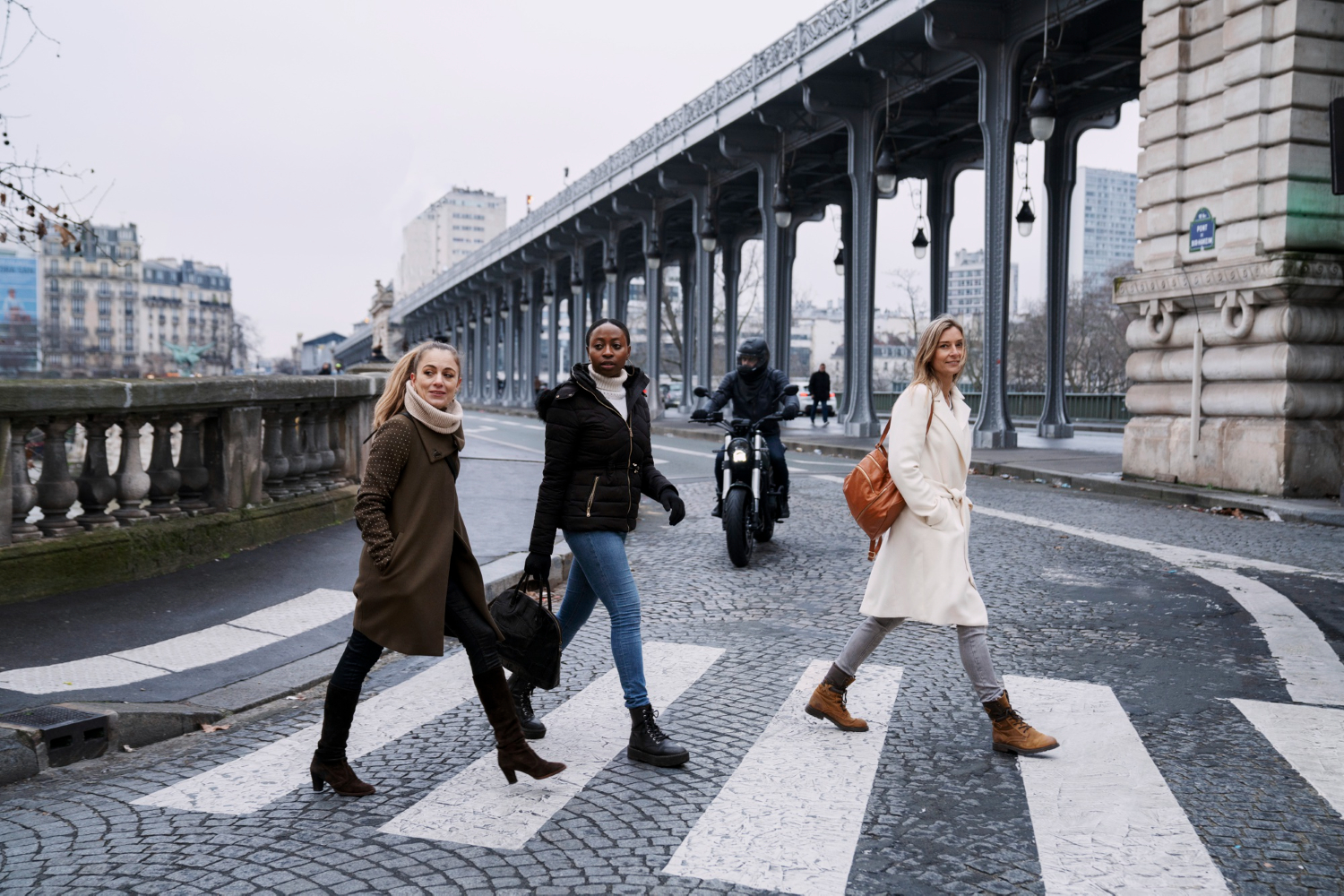
Visiting a major sight at the busiest hour and then complaining about crowds is a solvable problem, and the solution is early morning or late afternoon.
It also spreads the load, which residents notice. Going off-peak is the choice that improves your visit and everyone else’s at once.
15. Buy From the Neighbourhood
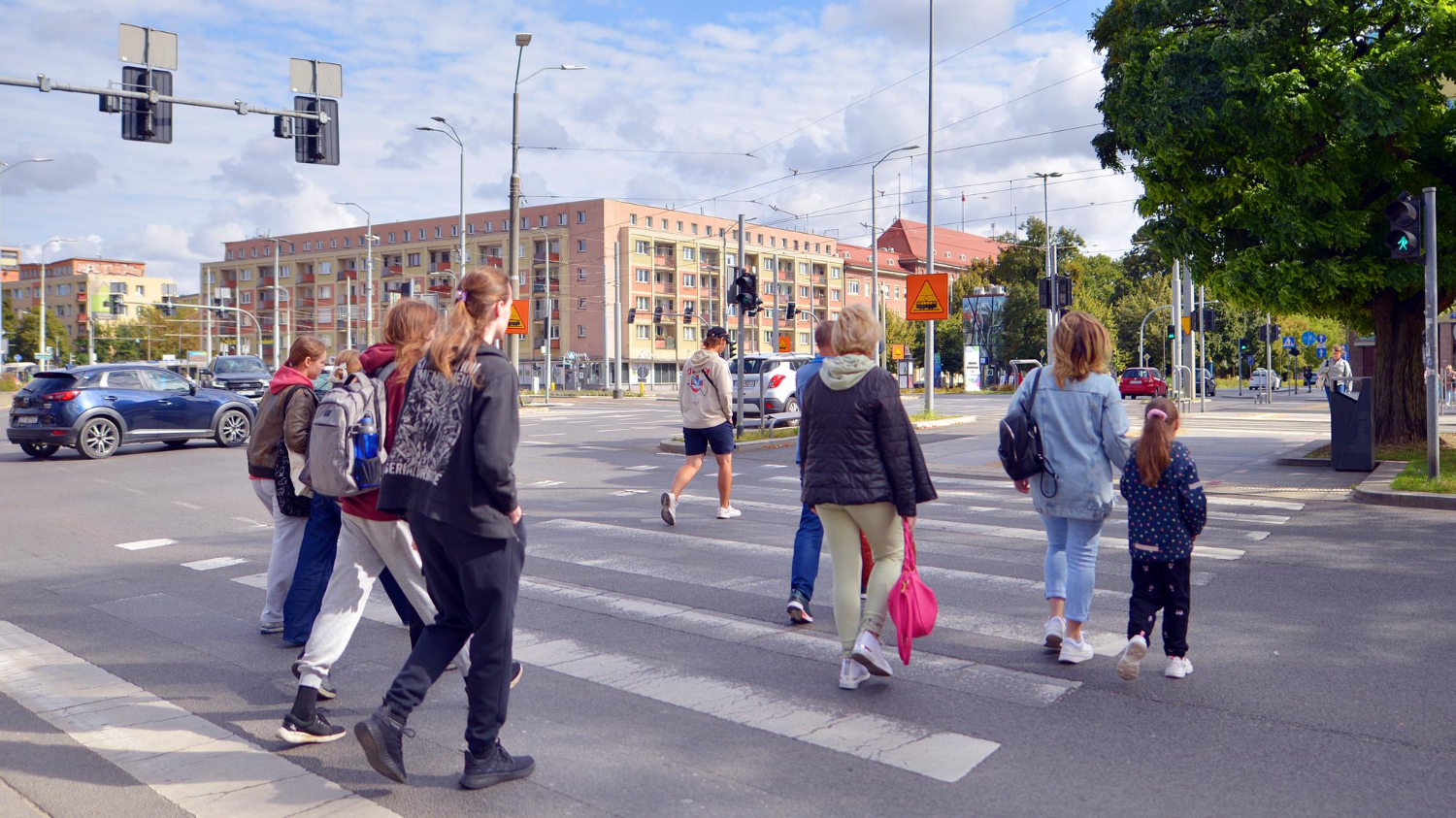
Money spent in independent shops, markets and cafes a few streets from the main sights stays local in a way that spending at the monument does not.
It is also cheaper and generally better. Buying from the neighbourhood is the small decision with the largest effect on whether visitors are welcome.
16. Ask Before You Sit
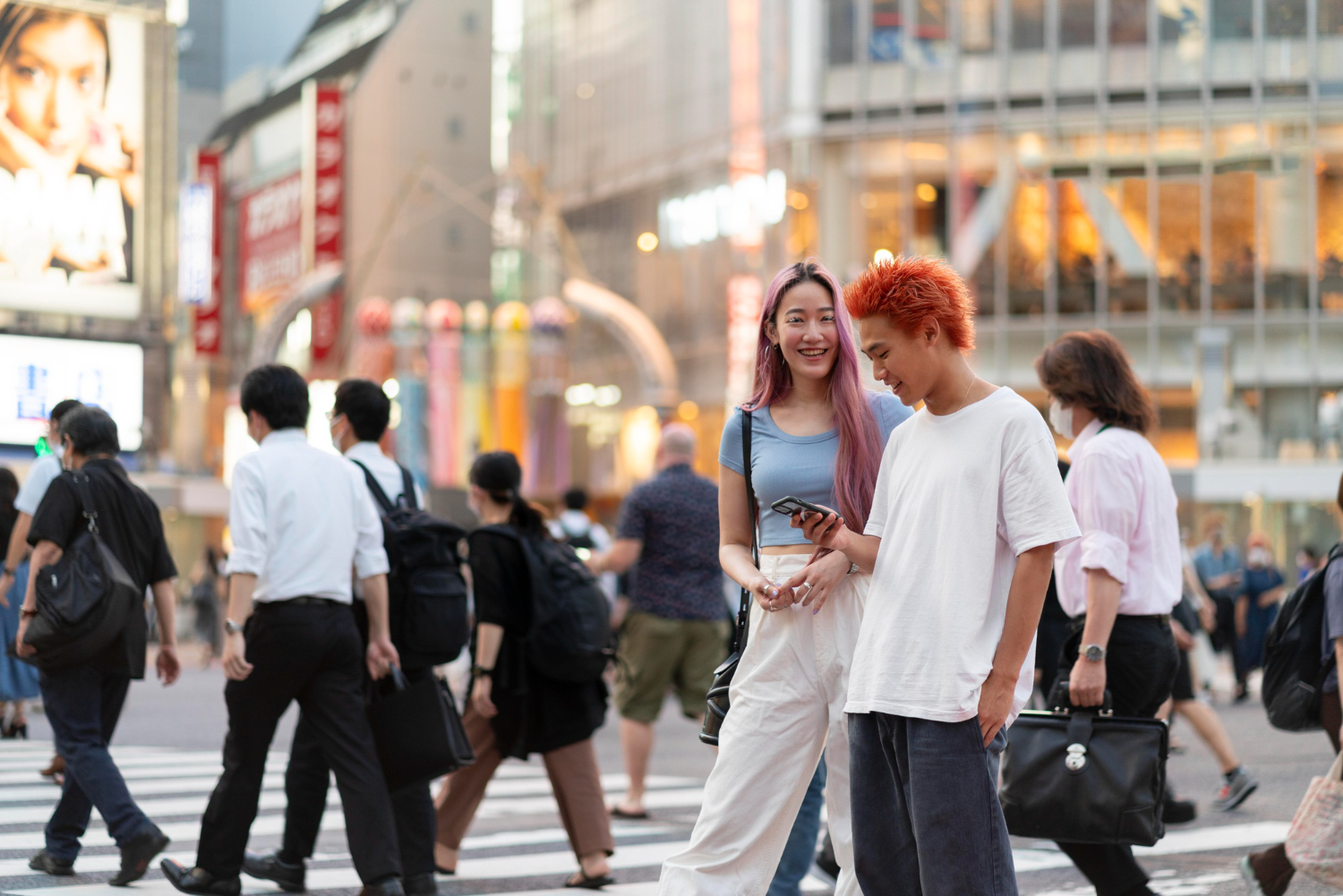
Steps, walls, fountains, doorways and monuments are frequently not seating, and in some places sitting on them carries a fine.
Look for whether anyone local is doing it. Asking before you sit is the assumption worth checking in any historic centre.
17. Nobody Owes You English
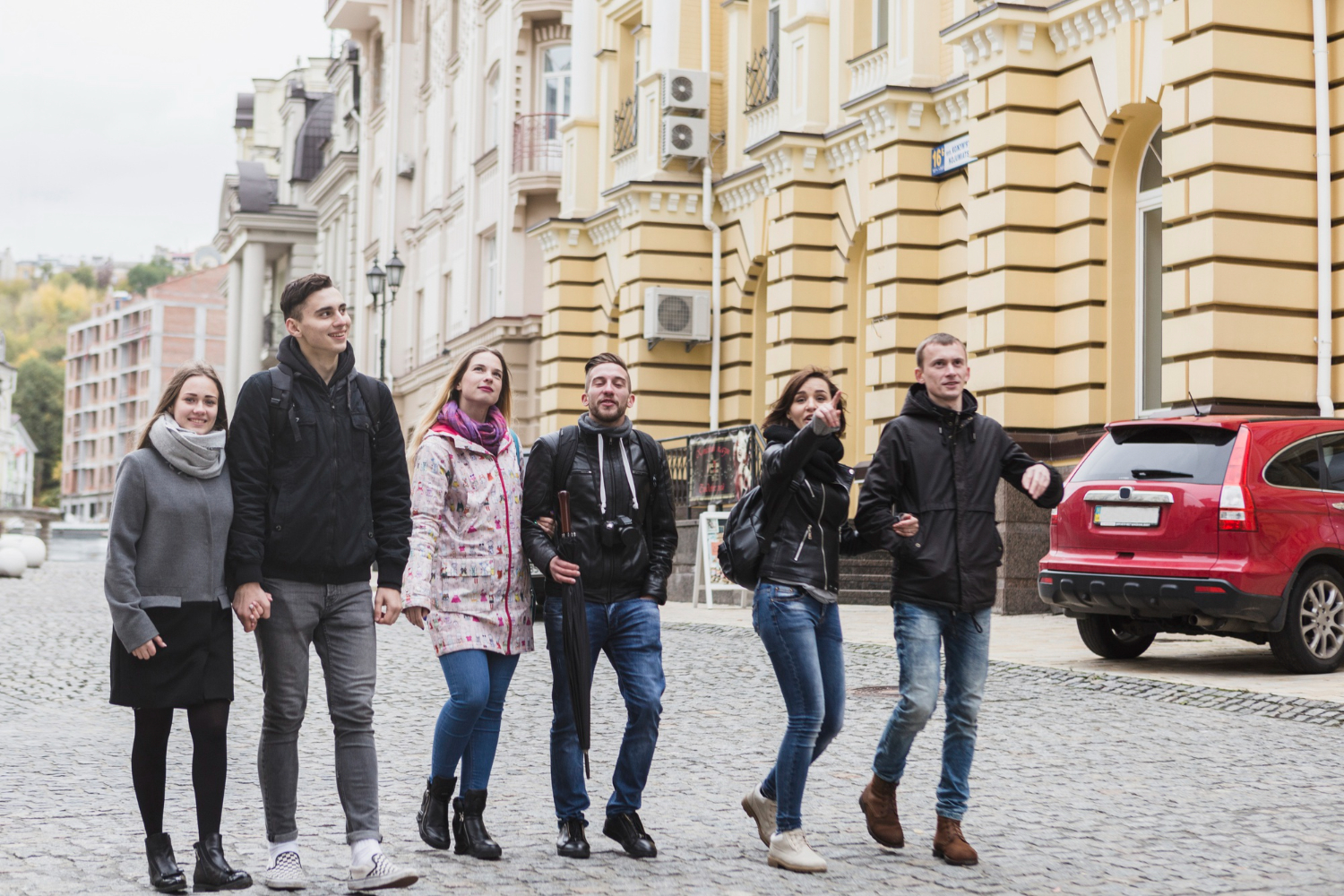
Being addressed in a language you do not speak is not rudeness, and expecting service in your own language everywhere is the assumption residents mention most often.
Patience, gestures and a translation app cover almost everything. Not expecting English is the attitude that determines how most interactions go.
You Are in Someone Else’s Street
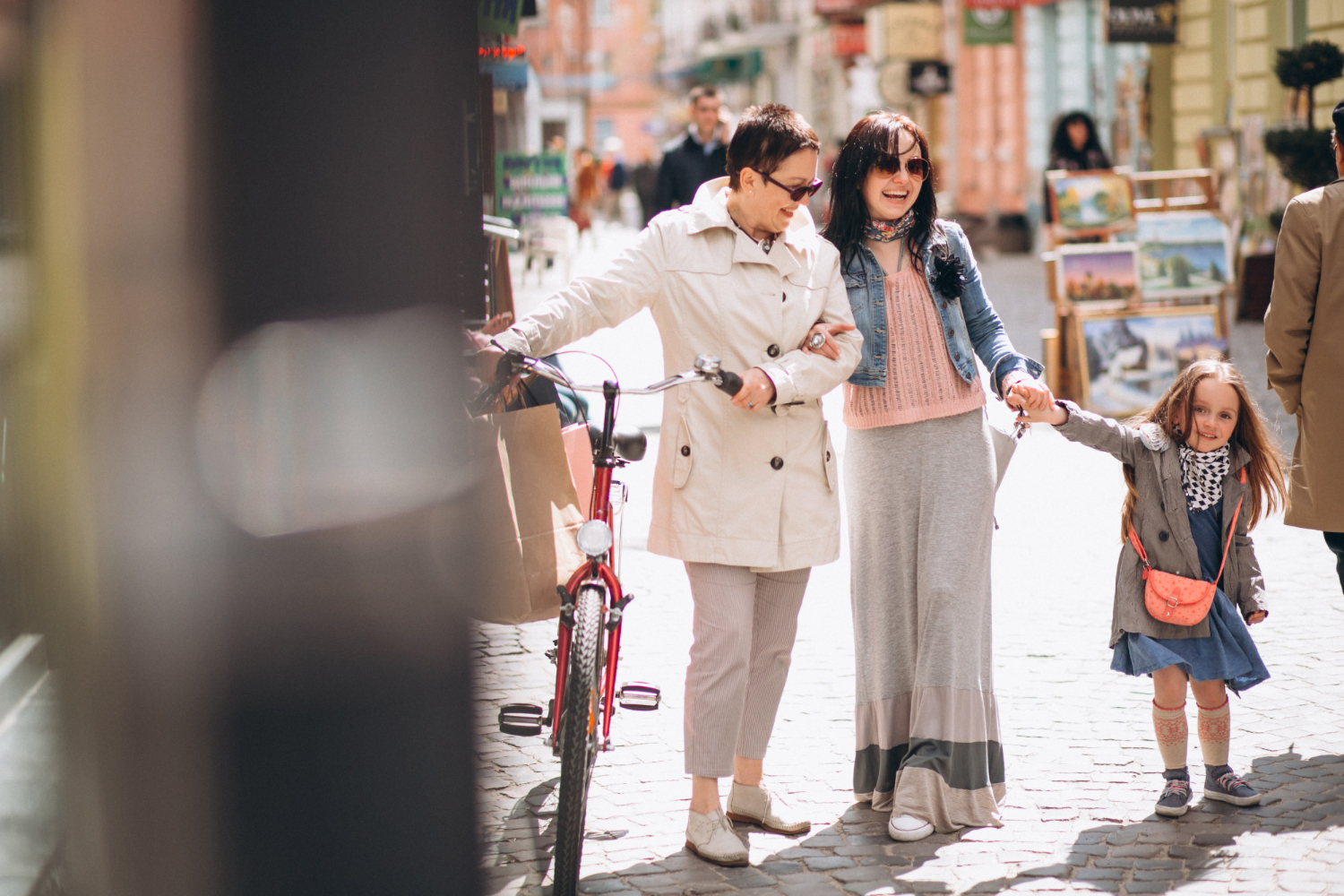
Almost every item here reduces to noticing that the place is inhabited – that the square is a route to work, the alley is a bedroom window and the shop is somebody’s livelihood.
None of this is a complaint about visitors, and none of it requires anything except paying attention for the first hour. Watch what people around you are doing and copy it, which is reliable advice in any city in the world and covers about fourteen of the sixteen points above.
Like our content? Follow us for more.