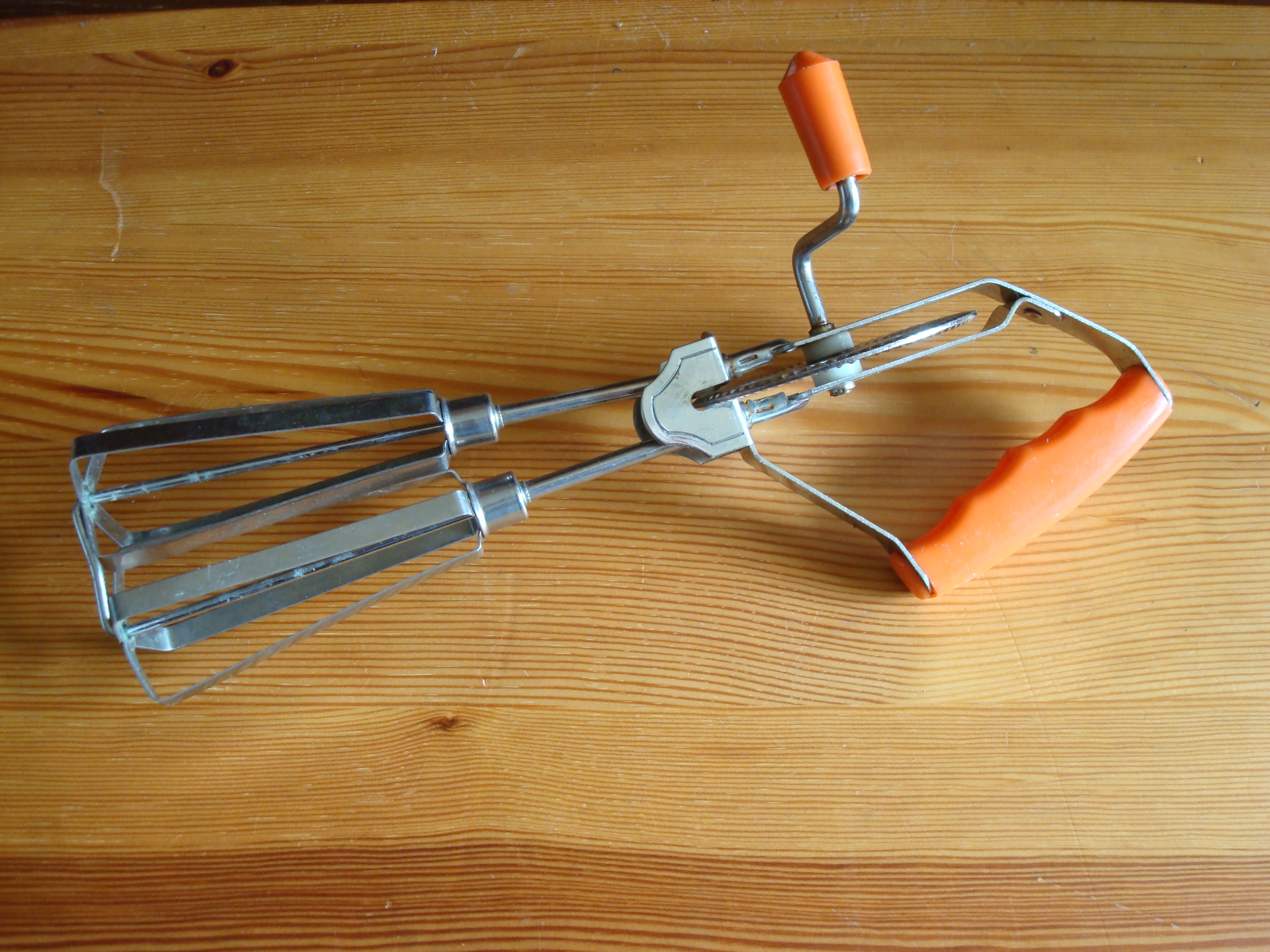
There was a rotary egg beater in the drawer of every kitchen I was ever in as a child, and I never once thought about it. You turned the crank and the beaters went round, fast, and that was the end of the matter. It took me a long time to notice that the thing in my hand was a gearbox, and that it was almost certainly the first machine with gears in it that the household had ever bought.
What It Was Actually Doing
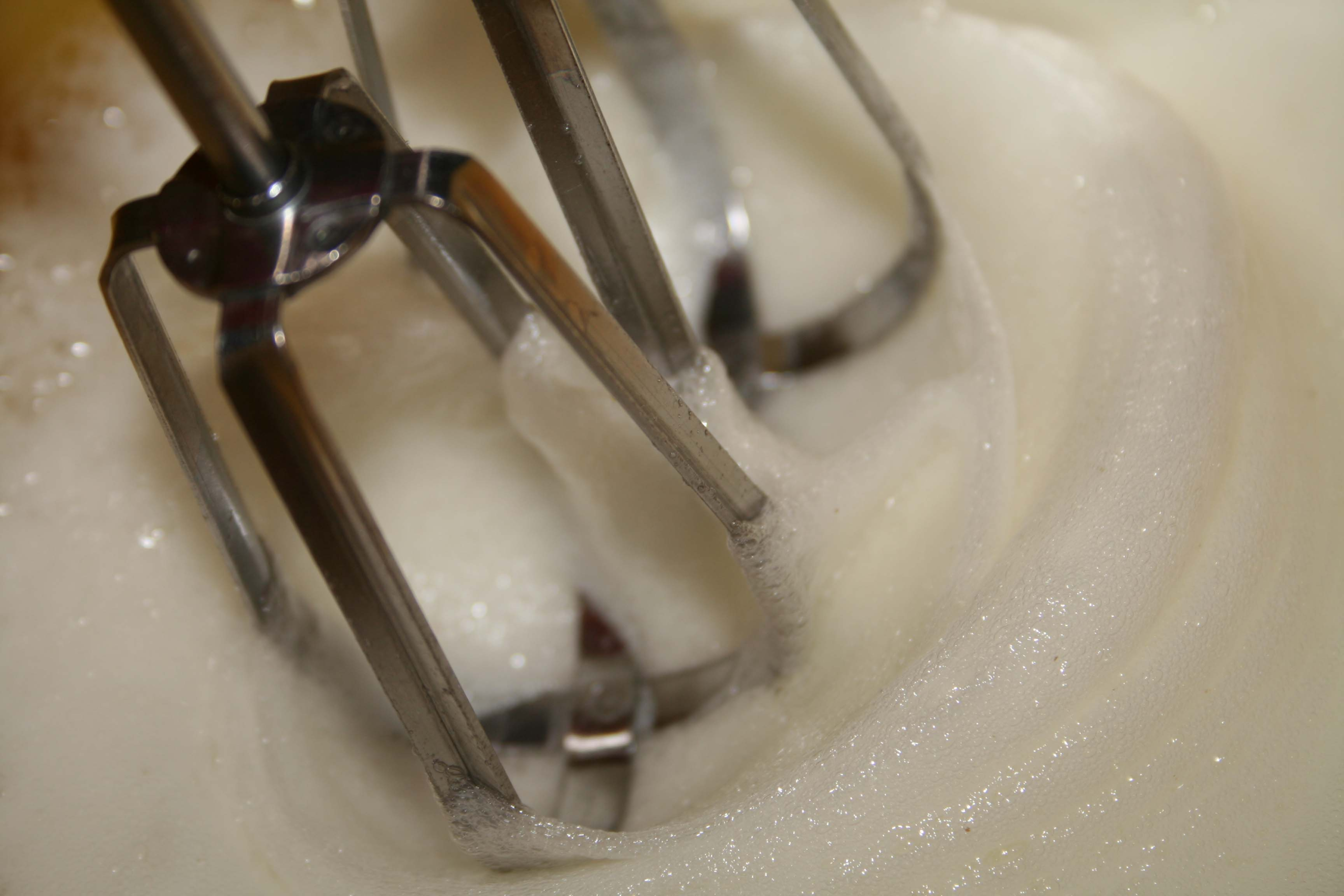
The job is to get air into a liquid and keep it there.
An egg white will hold a very large amount of air if you break it up mechanically. The protein in it unfolds under agitation, re-forms around the bubbles you have introduced, and sets into a foam that holds its shape. Cream behaves differently but by a related principle: the fat globules in it, knocked about enough, stick to one another and build a structure around trapped air.
In both cases the variable that matters is how many times the liquid is cut through, and how quickly. Air escapes from a foam continuously while you are making it, so slow beating loses at one end what it gains at the other. Speed is not a convenience here; it is the difference between a foam and a puddle.
Like our content? Follow us for more.
Which Is Why the Fork Was Hard Work
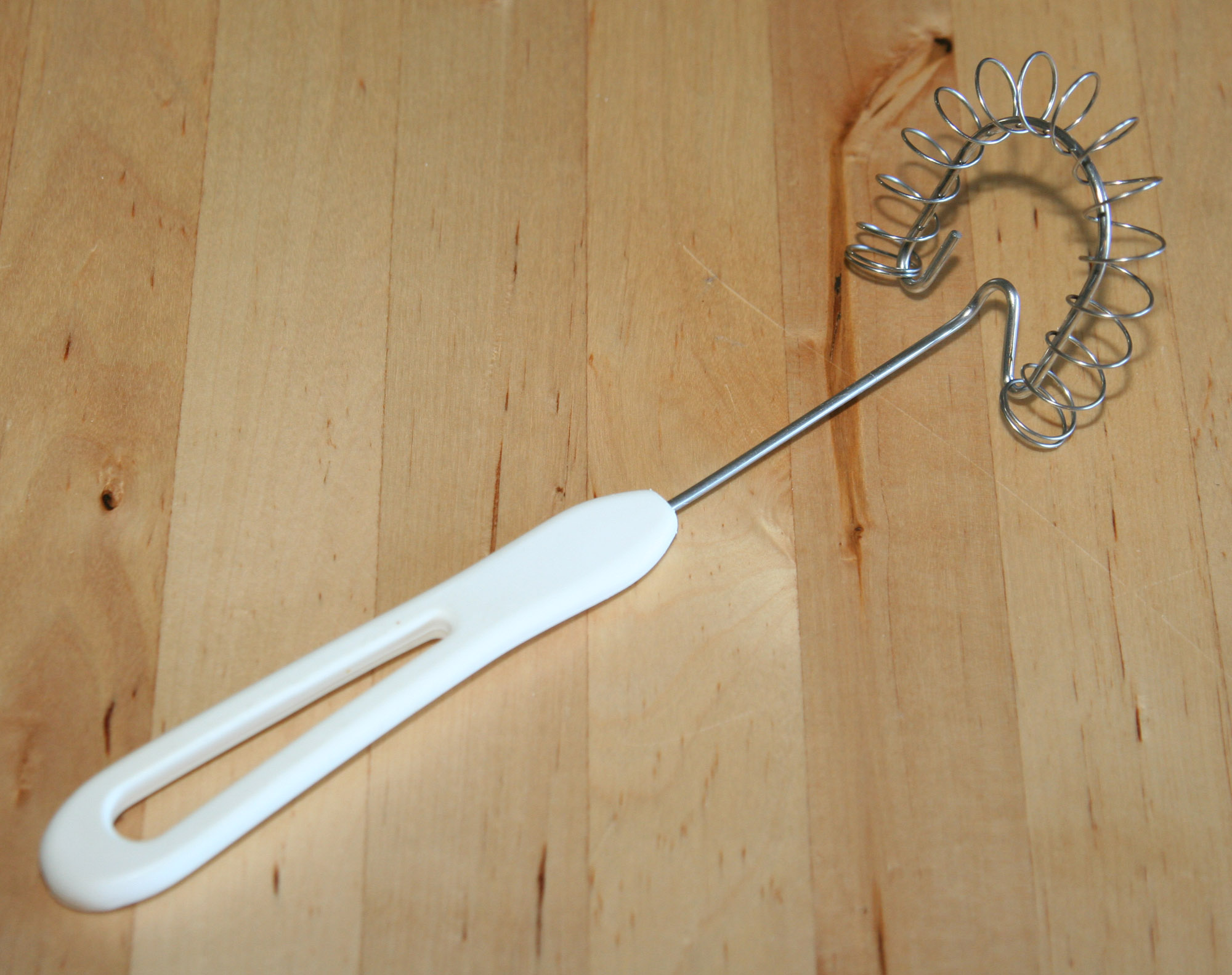
Before the geared beater the tools were a fork, a bundle of twigs bound at one end, a flat wire whisk, or a perforated spoon.
All of them work. People made cakes, meringues and whipped cream with them for a very long time. But the rate at which they cut the liquid depends entirely on how fast a human arm can move, and a human arm moving at that speed tires in a few minutes.
I have heard the time for whipping cream by hand given as twenty minutes or more, and have no reason to doubt it. The point is less the duration than the fact that the work had to be continuous: stop to rest and the foam starts collapsing, so you are losing ground while you catch your breath.
The Gear Train Was the Whole Invention
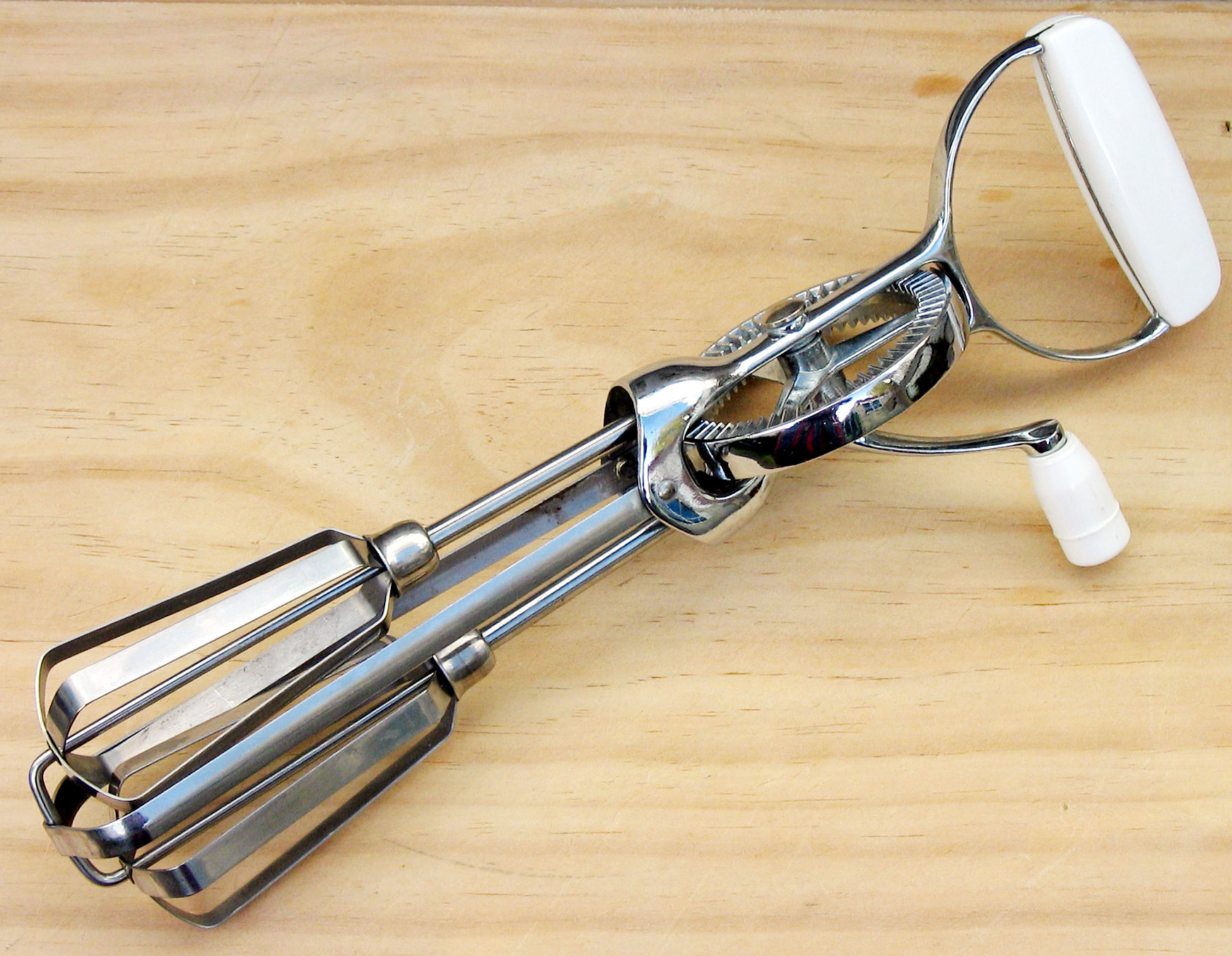
Now look at what the rotary beater does with that problem.
You turn a crank attached to a large toothed wheel. That wheel meshes with two much smaller gears, and each small gear carries one of the beaters. Because the small gear has far fewer teeth than the large one, it must turn several times for each single revolution of the crank.
That ratio is the entire device. One comfortable turn of your wrist becomes four or five or six turns of each beater, and because there are two beaters interleaved, the liquid is cut through many times for every turn you make. The arm is no longer the limiting factor.
It is a completely ordinary piece of mechanical engineering, and in a kitchen in the eighteen-seventies it was a new thing to have in your hand.
The Two Beaters Had to Interlock
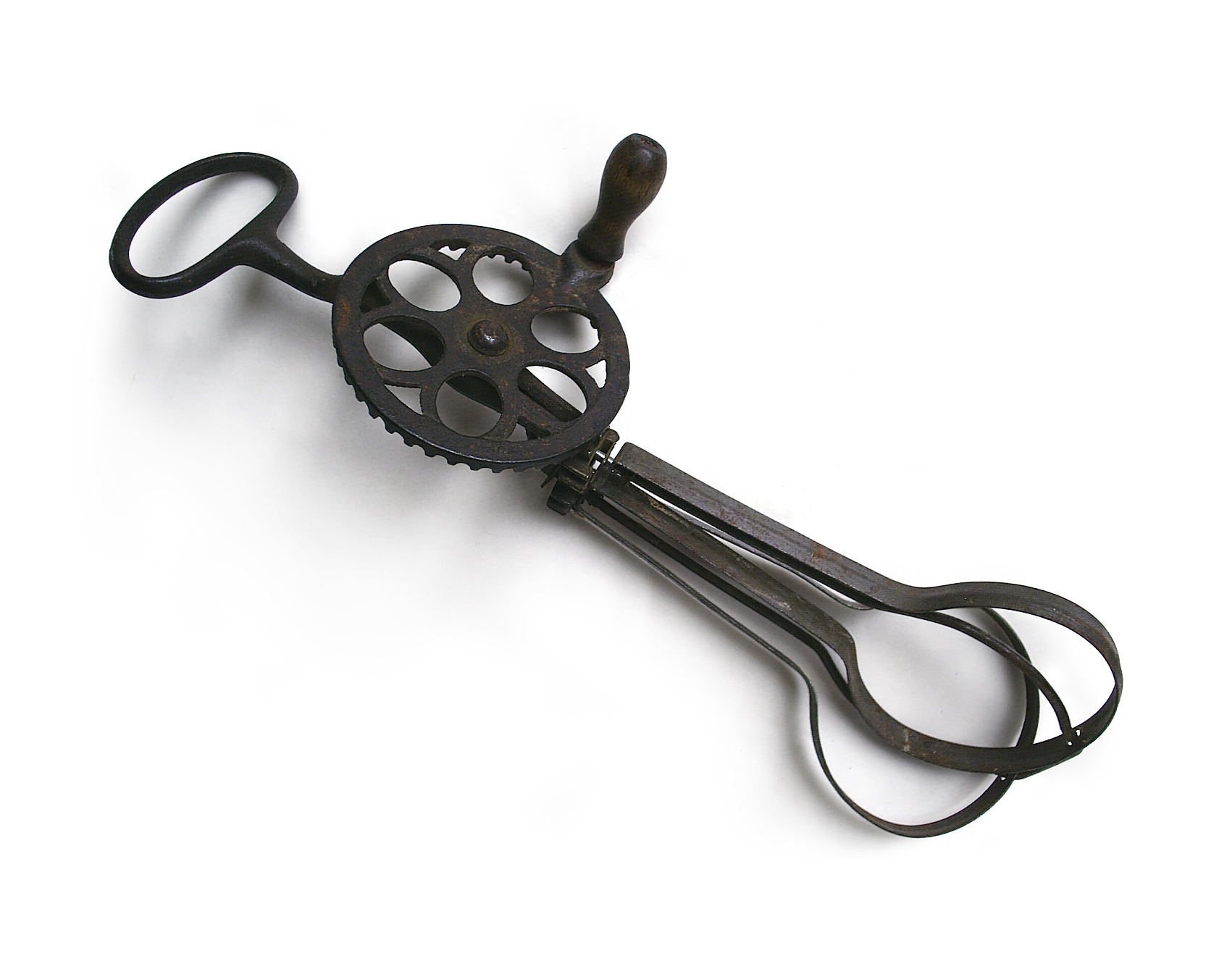
The second clever part is less obvious. The beaters are set close together and shaped so that their blades pass between each other without touching.
This matters because a single rotating blade mostly pushes the liquid around in a circle with itself. Once the whole mass is spinning, the blade is no longer cutting through anything much. Two beaters turning in opposite directions, with their blades interleaved, cannot establish that circulation – the liquid is being driven one way and then immediately the other, which means it is being sheared rather than stirred.
Anybody who has used one knows the practical consequence. The beater works best with the bowl tilted and the blades held off the bottom, because what you want is the liquid passing through the blades rather than being dragged round the bowl.
It Had to Be Cheap or It Was Nothing
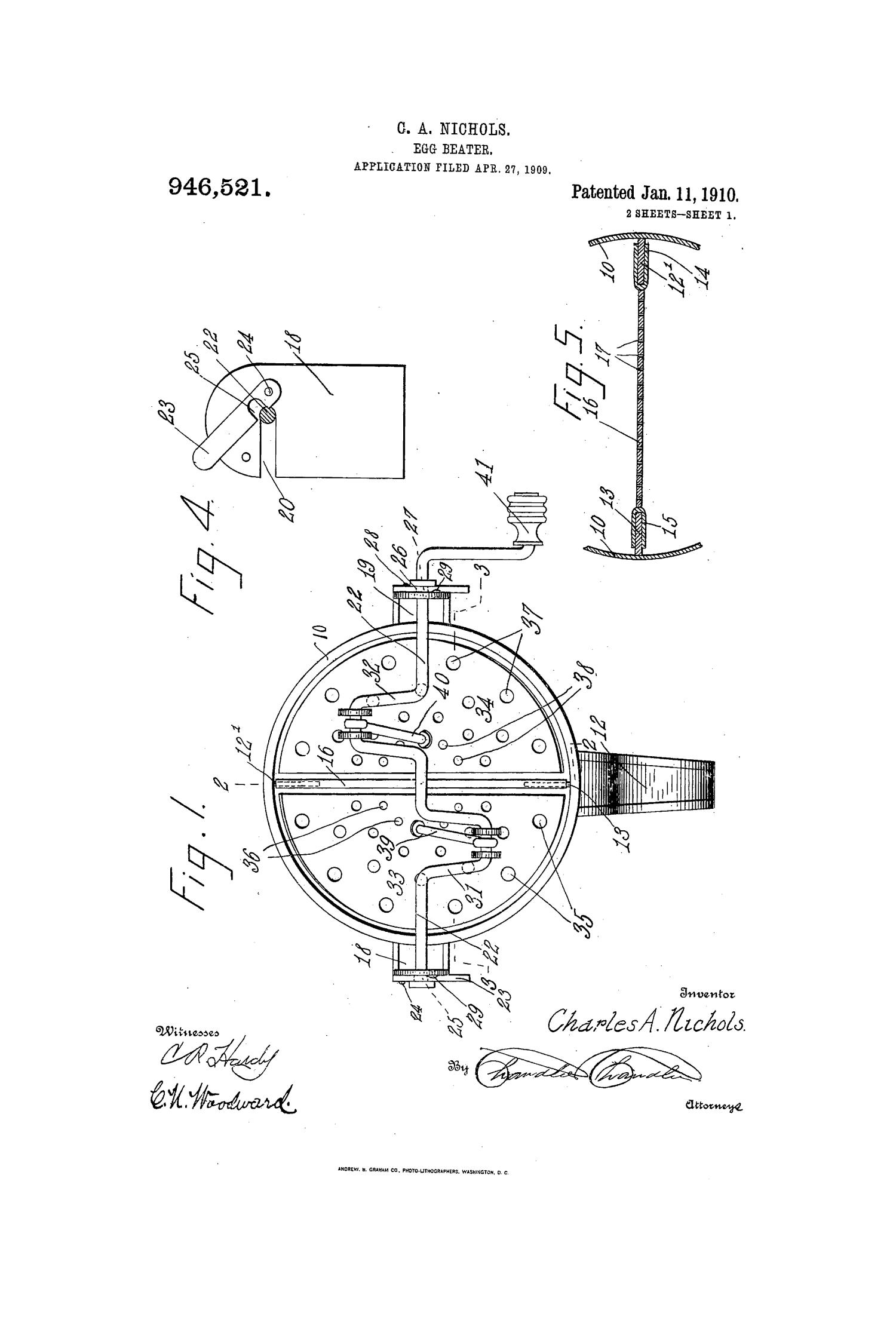
A geared machine is more expensive to make than a loop of wire, and the egg beater’s history is substantially a history of getting the price down.
The mechanism was simplified, the castings were made lighter, the gears were stamped from sheet metal rather than cut, and the body was tinned steel instead of anything finer. A great many patents were taken out on variations – different gear arrangements, different blade shapes, different ways of holding the whole thing together with fewer parts.
What that produced was a device that cost very little and was sold everywhere. It is the reason the thing was universal rather than a luxury: not because the idea was brilliant, but because the idea was cheap to execute.
Everybody’s Was Slightly Different
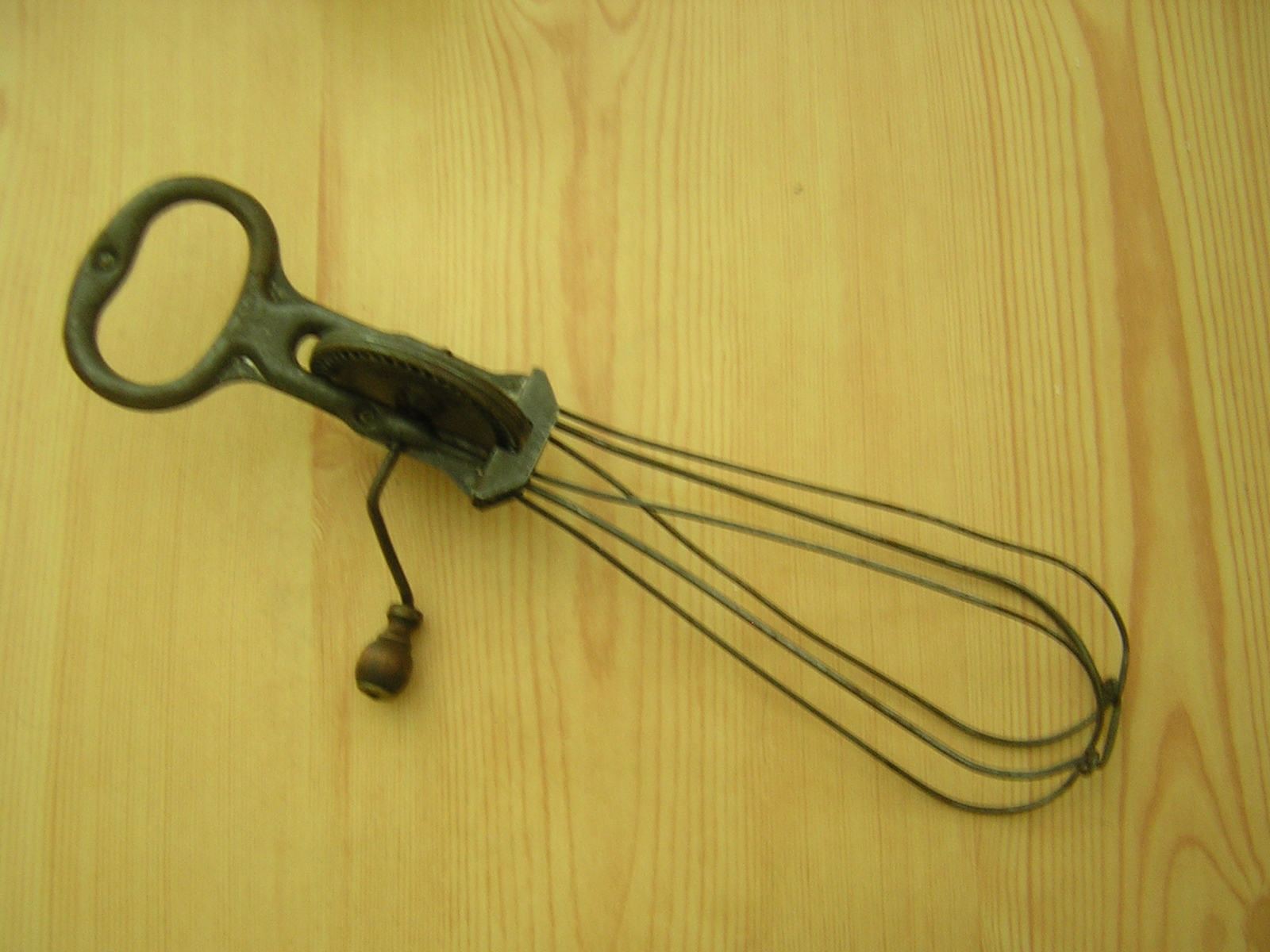
One consequence of all that patenting is that no two households had quite the same beater.
The handle might be wood or a bent wire loop. The crank might be on the side or on the top. The blades might be flat strips, twisted strips, or loops of wire. Some had a support post that ran down between the beaters; some had none. Some could be dismantled and some could not.
They all did the same job to roughly the same standard, which is why the variety did not matter and why people were fiercely attached to their own. A cook who had learned the particular behaviour of one beater – how it had to be held, which way the bowl should tilt, how it felt when the cream was nearly there – did not want a different one.
Washing It Was the Problem
Here is the part the advertisements never mentioned.
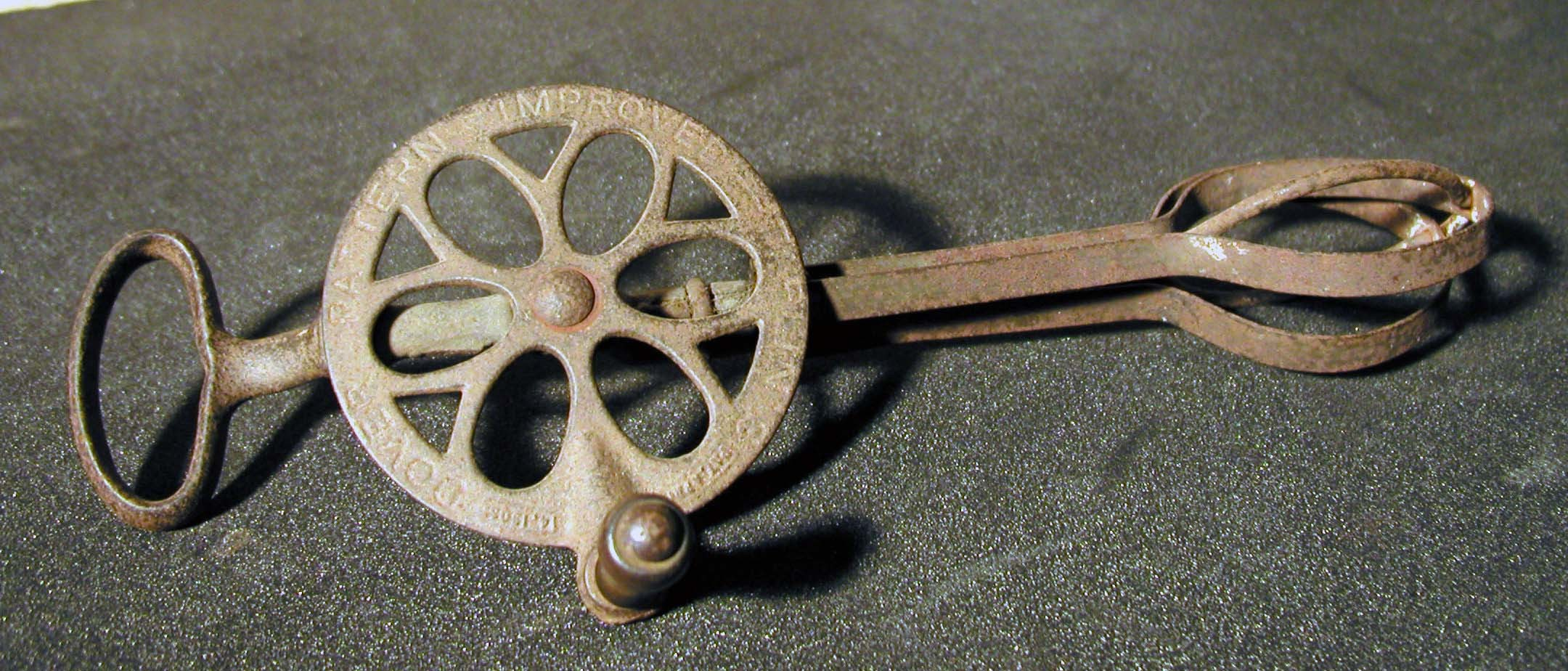
The gears sit in an open housing directly above the blades. Whatever you are beating is thrown upward, and some of it ends up in the mechanism. It then has to be washed out of a space that is full of teeth and pins and is frequently not designed to come apart.
Households dealt with this by rinsing immediately, which works if you do it at once and does not if you leave the thing in the sink overnight. The result over years was a mechanism that stiffened, rusted at the pivot, and eventually turned with a grinding feel that everybody recognised and nobody could fix.
That, more than breakage, is how most of them ended. A beater that will not turn freely is a beater that is harder to use than a whisk.
The Child’s Job
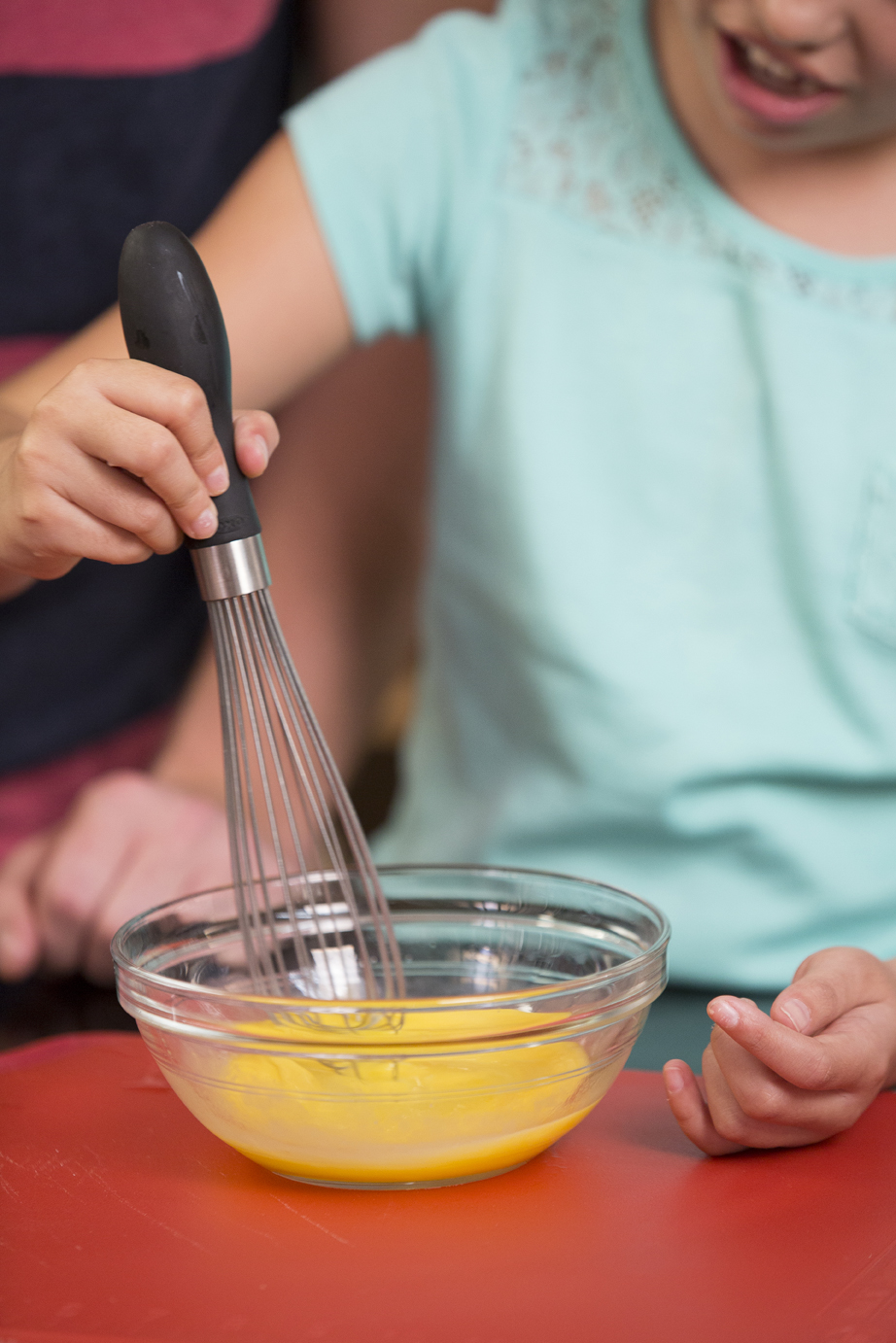
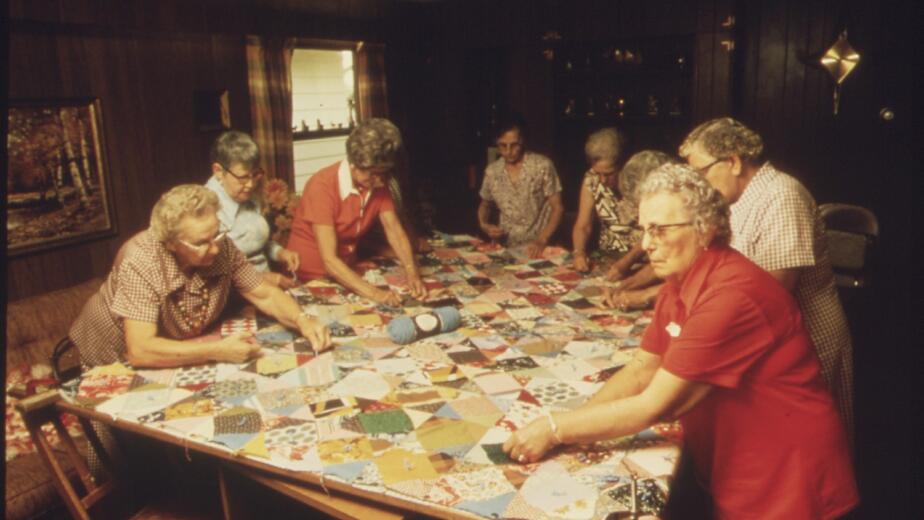
In a great many houses the beater was given to a child.
The reason is simple enough: the work is tedious, it takes a while, it requires no judgement, and it cannot easily be done wrong. Hand the bowl and the beater to the nearest available person of eight and get on with something else.
So an enormous number of people’s first experience of operating a machine – of understanding that turning this makes that happen faster – was a kitchen beater and a bowl of cream. It is a small thing, and I think it is also the reason the object survives so vividly in people’s memories while the far more consequential tools in the same kitchen do not.
Then the Motor Made the Handle Pointless
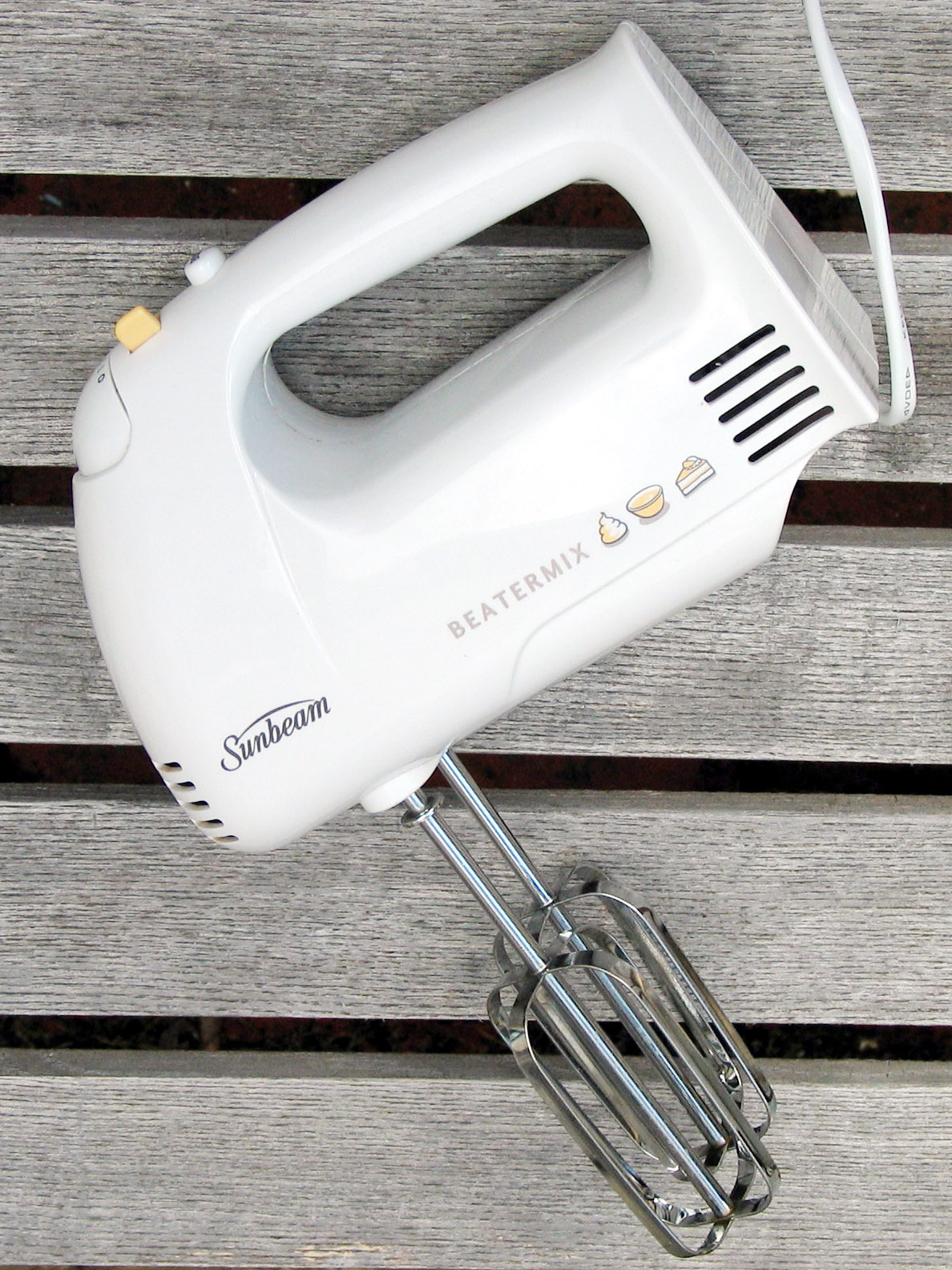
The electric mixer did to the rotary beater exactly what the rotary beater had done to the whisk.
The geared beater removed the arm as the limiting factor on speed but kept it as the source of power. A motor removes it from both. And once the power comes from the wall, there is no reason to keep the gear ratio modest for the sake of a human wrist – the blades can turn as fast as the motor and the food will allow.
A motor also runs at a constant rate, indefinitely, without getting tired or distracted, which matters for exactly the reason the whole subject matters: a foam that is being made faster than it collapses will build, and one that is not will not.
So the beaters went into the back of the drawer, and then into boxes in attics, and then into the trade in old kitchen tools where they now sell for more than they ever cost new.
What the Thing Was
I want to end on the bit that took me years to see.
An egg beater is a machine that changes the ratio between two speeds. That is all a gearbox is, and it is the same principle as the one in a bicycle, a clock, a windmill and a car. A household that owned one owned a working demonstration of mechanical advantage, in a drawer, for a few cents.
Nobody thought of it that way. It was a thing for whipping cream, and it whipped cream well, and when something better arrived it was thrown out. But for a period of about seventy years, the most sophisticated piece of engineering in an ordinary American kitchen was handed to the youngest child in the house to play with over a bowl.
I still think that is a good joke on everybody involved.
Like our content? Follow us for more.