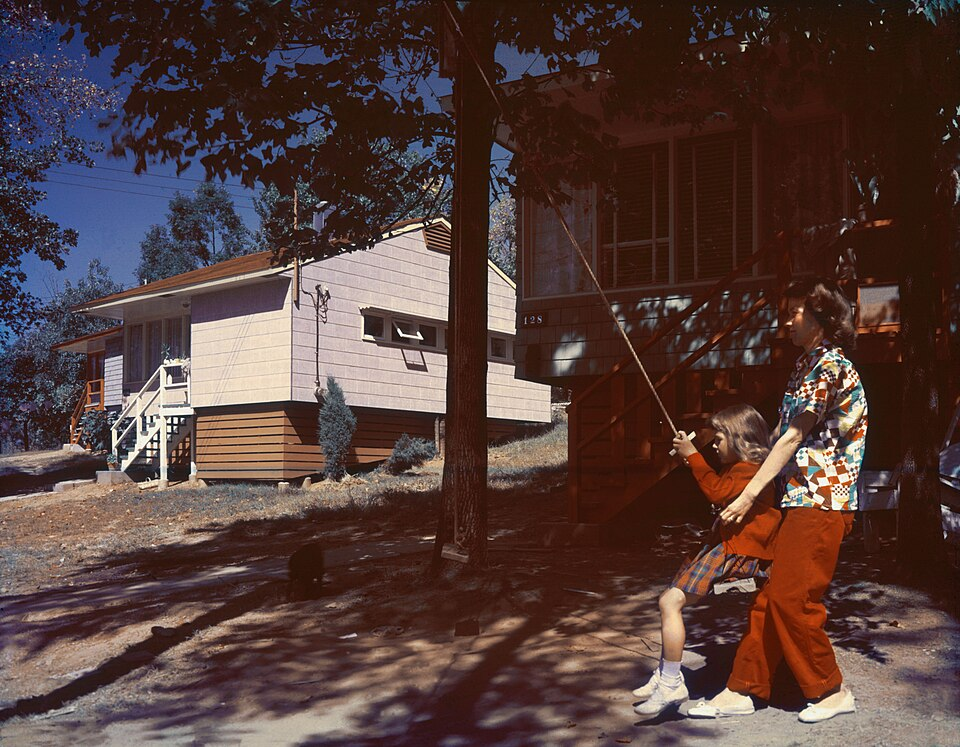
A 1964 household had no way of locating an adult who had left the building. If somebody was at a neighbour’s, in a garden four doors down, or standing on a path somewhere talking to somebody, there was no mechanism for reaching them except going to where they were and saying their name.
So children went. This was among the most frequent errands of the period and is among the least remembered, because nothing about it was interesting enough to retain – and that is exactly what makes it worth setting down, since it was the household’s only solution to a problem that no longer exists anywhere.
You Were Told Who and Not Where
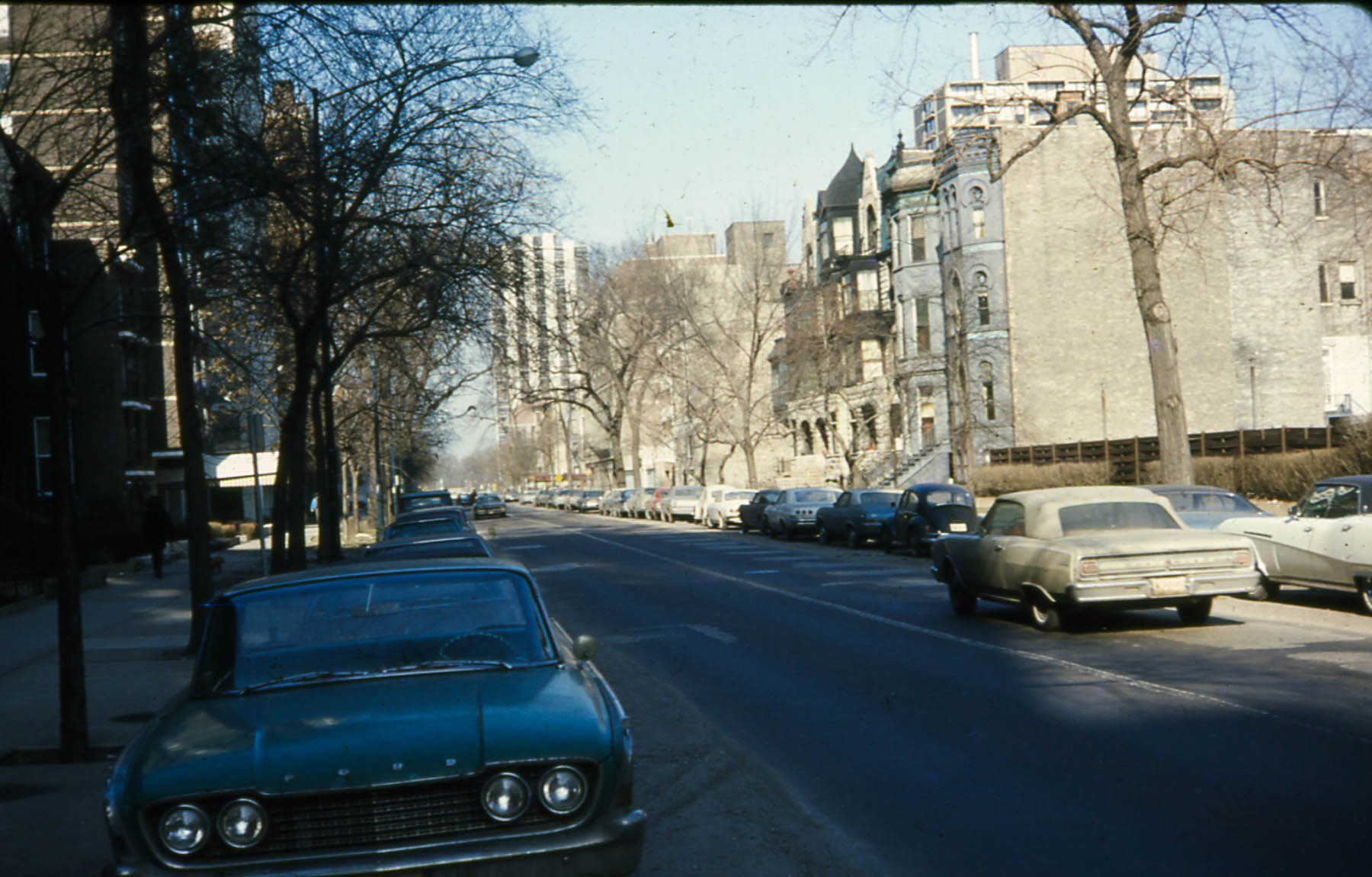
The instruction named a person and left the location entirely to the child.
This was not an oversight. The adult issuing it did not know where the other adult was, which is the whole reason the errand existed, and so the only information available to transmit was the name. A child sent to find somebody was being given a search rather than a destination, and both parties understood that without it being said.
Children were considerably better at this than adults would have been. A child knew which three houses that particular person was likely to be in, in what order, and generally found them on the first or second attempt – which is a piece of local knowledge nobody had taught them and nobody knew they had.
Like our content? Follow us for more.
Nothing Was Ever Urgent
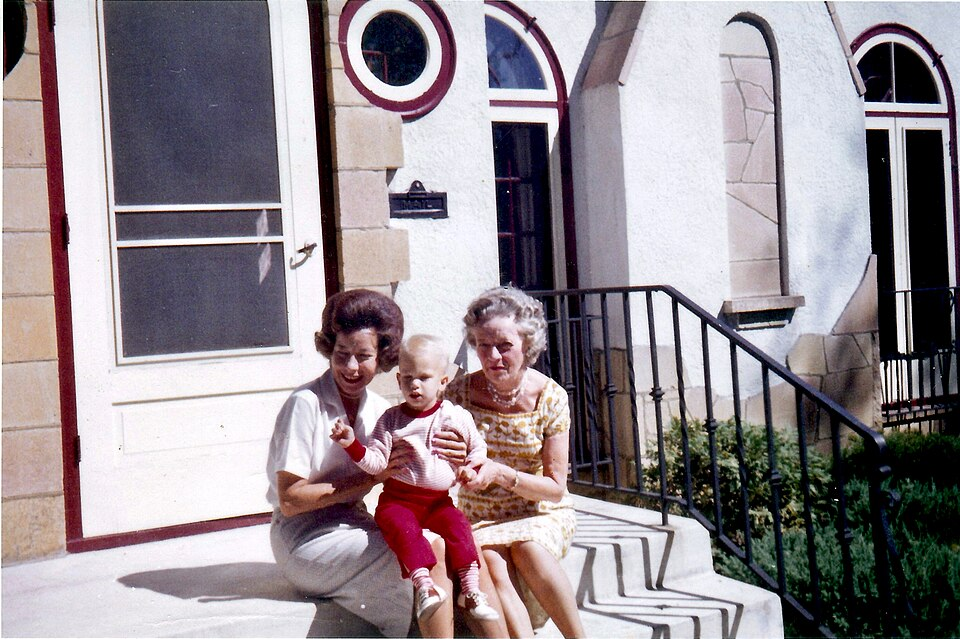
The overwhelming majority of these errands concerned something entirely ordinary, and the file should say so plainly.
Somebody was wanted because a decision needed making, because a visitor had arrived, because a question had come up, or simply because the household had resumed whatever it was doing and the missing person was part of it. Children were not sent to report problems, and a child dispatched to find an adult was carrying no bad news of any kind.
That is worth stating because the modern instinct is to assume otherwise. In 1964 the absence of any communication system meant that even the most trivial reason for wanting somebody required a person to physically go and say so, which is why the errand was so common and so unmemorable.
You Interrupted a Conversation You Had No Standing In

The hard part was arriving in the middle of two adults talking and having to stop them.
A child who had located the person now faced a social problem considerably harder than the search. Two adults in conversation on a path were not going to notice a child standing nearby, and the child had no standing to interrupt, no form of words available and no idea how long to wait before deciding that waiting had failed.
Every child solved this the same way and nobody had taught them. You stood in the adult’s field of vision at a distance of about six feet and said nothing, and eventually you were noticed, which is a technique of remarkable restraint for a nine-year-old to have arrived at unassisted.
The Message Was Never the Reason
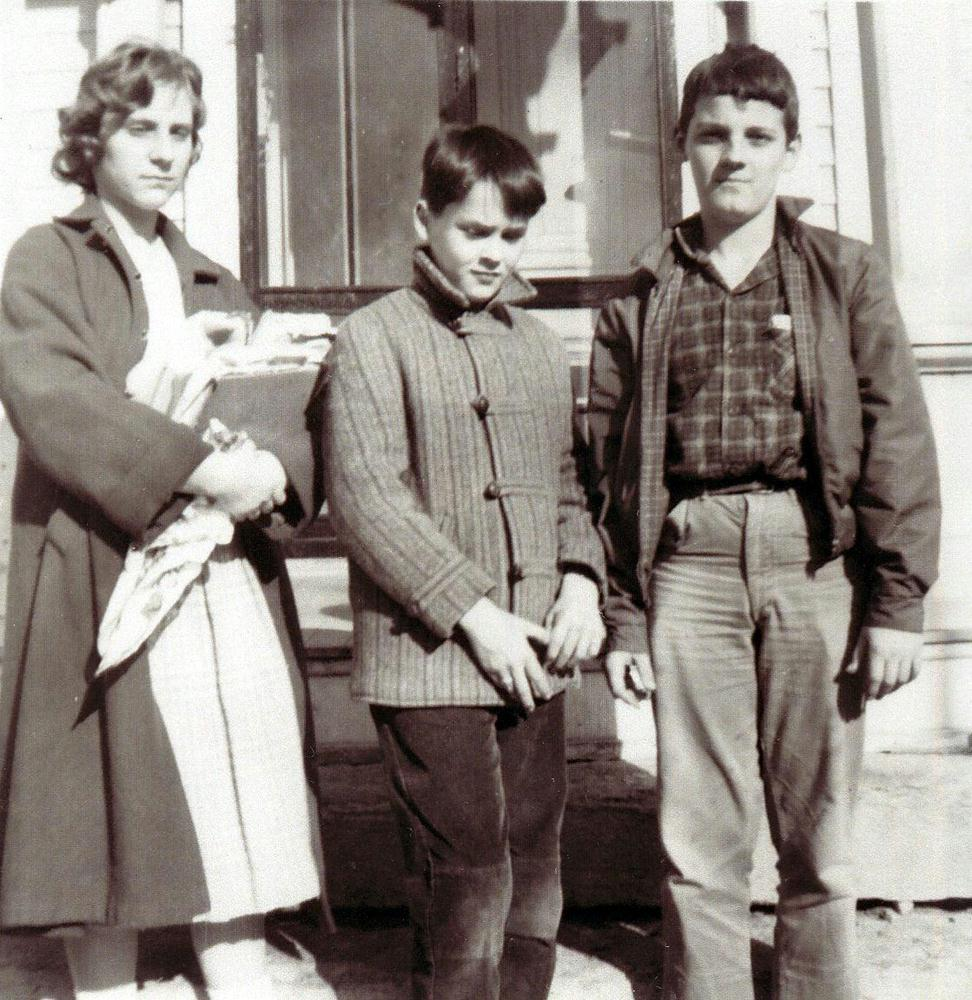
Children were told to fetch somebody and were not told why, which made the delivery awkward.
The resulting exchange was almost comically thin. An adult asked why they were wanted, the child said they did not know, and the adult then had to decide whether to come on the strength of no information at all – and almost always did, because a household that had sent a child had evidently wanted something.
Children found this position uncomfortable. Being the carrier of a summons you cannot justify is a weak place to stand, and a great many people describe the specific discomfort of having nothing to add when asked the obvious question.
Sometimes You Were Not Believed
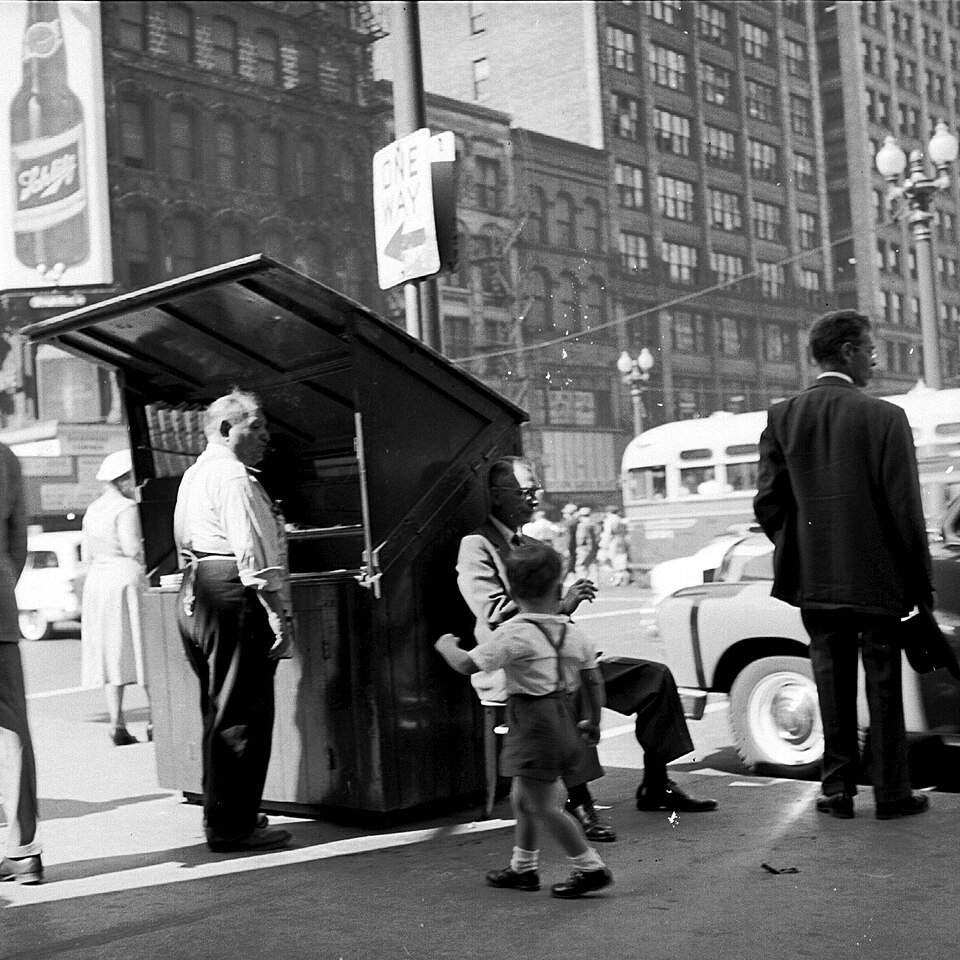
An adult occasionally questioned whether they were really wanted, and the child had no way of proving it.
The scepticism was mild and was usually about timing rather than truth – somebody in the middle of something wanted to know whether the summons could wait, and the child could not answer that either. The exchange then stalled, because neither party had the information needed to resolve it.
The resolution was always the same. The adult came anyway, a few minutes later than they would have, and nobody ever established whether the delay had mattered.
You Had to Report Failure in Person
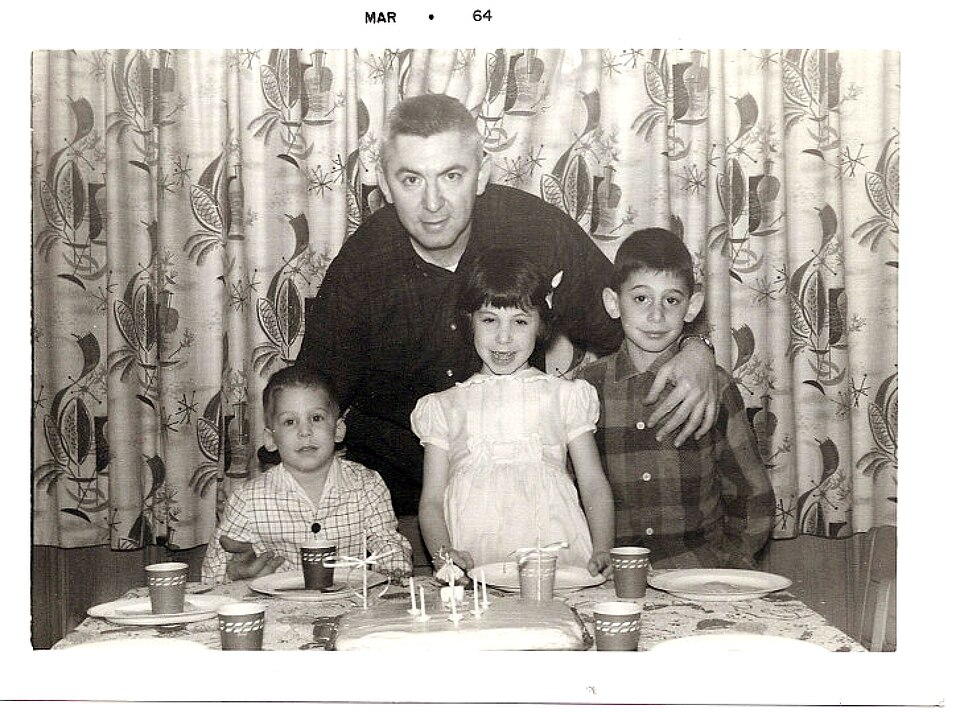
An unsuccessful search meant going back and saying so, which was worse than the search.
A child who had tried three houses and found nobody had to return and deliver that, out loud, to somebody who had been waiting – and the natural response was a question about where the child had looked, which turned the report into an account of your own methods.
The second attempt was then issued immediately. Nobody was sent out twice without a suggestion attached, and the suggestion was usually a fourth house the child had not thought of, which was mildly deflating and generally correct.
The Adult Walked Back Slower Than You Had Gone Out
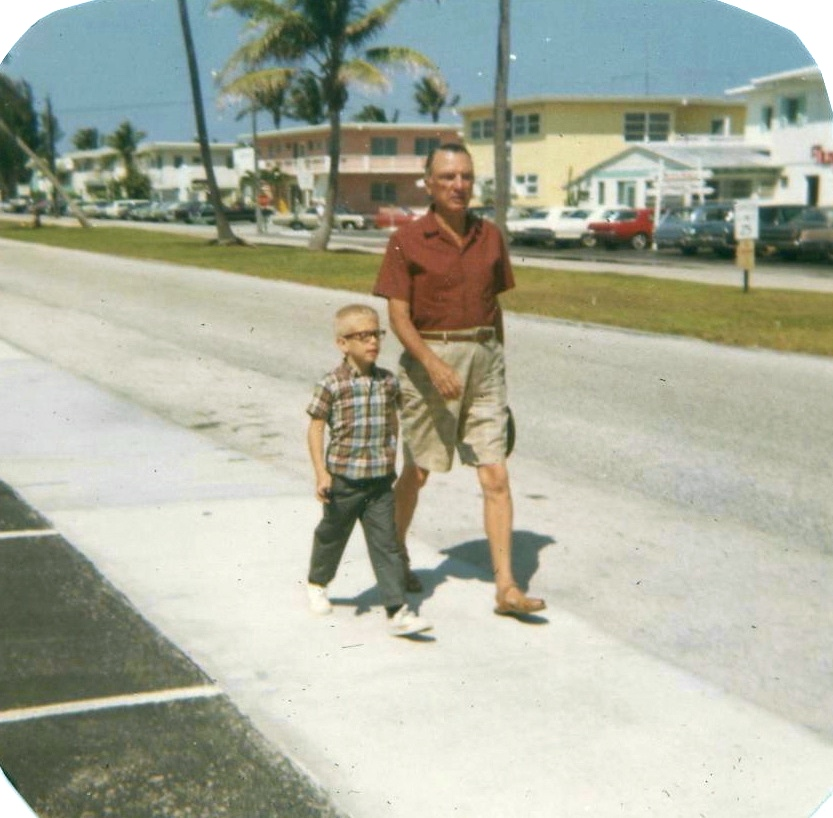
The return journey was made at the pace of the person who had been fetched, which was never the child’s pace.
This is the detail people remember most clearly. A child who had run to find somebody now walked home beside them at an adult’s walking speed, having to shorten their own stride, with the urgency of the outbound trip completely gone and nothing to do with the time.
It was also the only occasion on which a child and that particular adult walked anywhere together with no purpose beyond getting back. People describe those walks as among the more companionable experiences of the period, which nobody intended and nobody arranged.
You Were Sometimes Told to Wait There Instead

A proportion of these errands ended with the child being kept rather than sent back, which nobody had anticipated.
An adult who had been found and did not want to leave immediately occasionally told the child to stay put, which converted a six-minute errand into an indefinite stand on somebody else’s path. The child had no means of reporting the change to the household that had sent them, and no authority to decline it either.
Those waits are remembered as unusually long. A child standing beside two adults in conversation, having completed their task and been given no new one, with no idea whether they were waiting four minutes or twenty, occupied a position that nothing else in a 1964 childhood quite replicated.
Some Adults Were Easier to Find Than Others
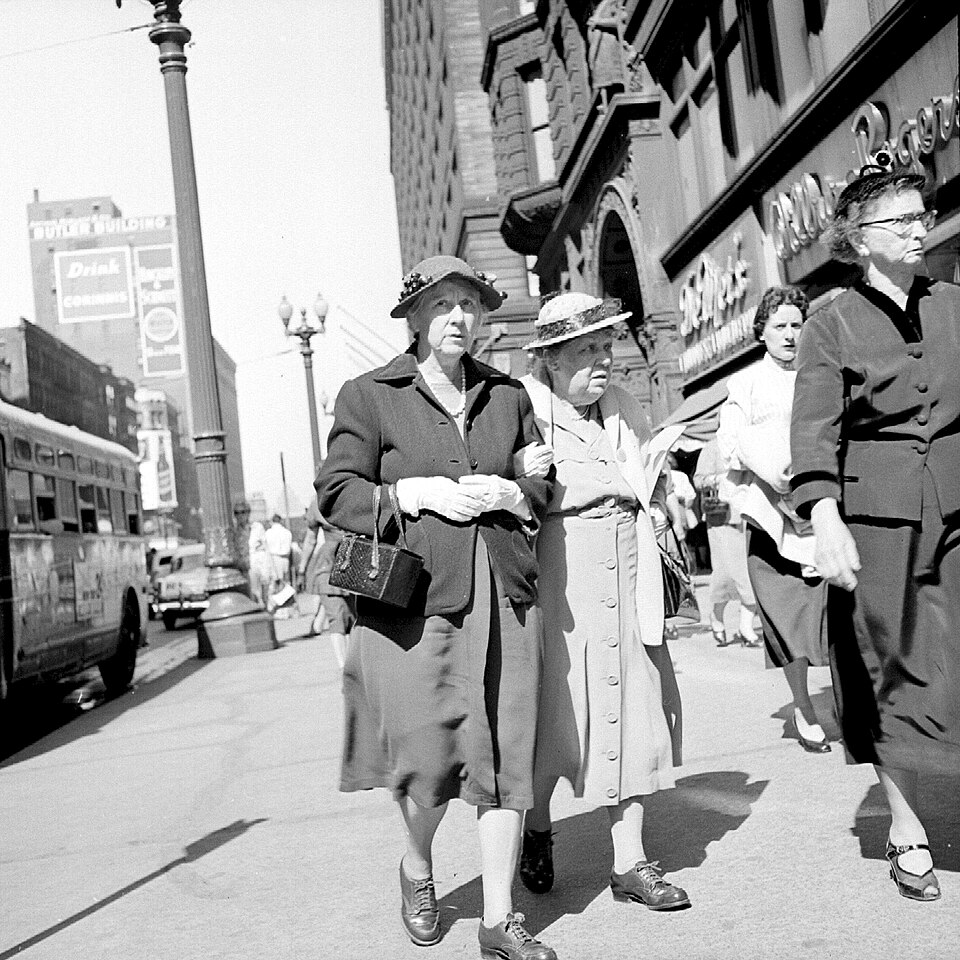
Each person had a predictability, and children knew everybody’s.
Certain adults were reliably in one of two places and were located in four minutes. Others had no pattern at all and could absorb half an hour, and a child sent after one of those set off with a different expectation entirely.
Children never shared this knowledge with anybody. The classification was held privately, used constantly and never discussed with the adults it concerned, which is true of a surprising amount of what children of that period knew about the people around them.
You Were Given No Credit For Succeeding

A successful search ended with the adult simply arriving, and the child’s part in it disappeared.
The errand had no completion. The person came back, the household resumed, and nobody acknowledged that somebody had just spent eleven minutes solving a problem that had no other solution – which children noticed without resenting, because the same thing was true of almost everything they were asked to do.
The one exception came from the other direction. The adult who had been fetched occasionally thanked the child on the walk home, which is remembered considerably better than anything the sending household ever said.
It Was the Errand With No Object

Everything else a child carried was a thing or a set of words. This one carried neither.
The distinction mattered more than it sounds. A child with a message could rehearse it, and a child with an object could check they still had it, but a child sent to find a person had nothing in hand and nothing to protect – the entire content of the errand was a name held in your head and a person walking back with you at the end of it.
That is why the errand is so poorly remembered. Nothing about it could be lost, dropped, forgotten or got wrong except the search itself, which meant there was no moment of risk for the memory to attach to.
Then Everybody Became Reachable
Universal telephony and everything after it removed the condition entirely: there is no longer any such thing as an adult who cannot be located.
Every part of that is an improvement. Being able to reach somebody in seconds, to ask a question without moving anybody, and to establish where people are without sending a child to search a street are better in every respect.
What went with it is a particular walk home. A child who had run out at full speed, found the person on the second attempt, and come back at somebody else’s pace with nothing to carry and nothing to say.
Like our content? Follow us for more.