In 1964 you went with them and came back without them, and that asymmetry is the whole reason the memory survives. Every other task a child was sent on involved going somewhere and returning on the same terms; this one involved walking out beside somebody and walking home on your own – a shape nothing else in a 1964 childhood produced. Children were not told that was the point. The errand was issued as an accompaniment and nobody mentioned the return journey, which meant the asymmetry arrived unannounced at the moment it happened. Here are twelve things every American kid remembers about walking somebody to their departure in 1964.
1. You Went With Them and Came Back Without Them
The errand was the only one of the period whose entire structure was an asymmetry.
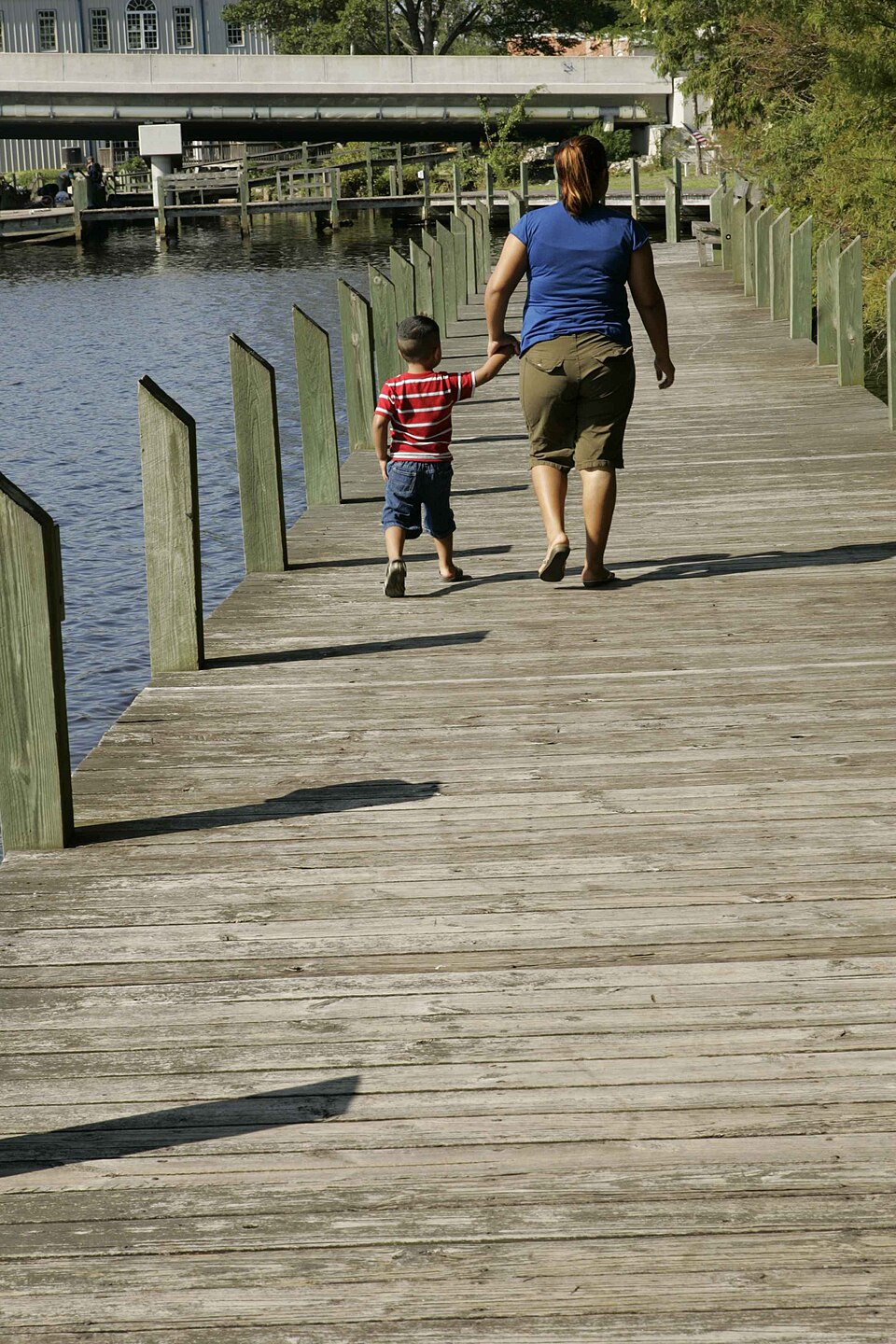
Every other task a child was sent on involved going somewhere and returning on the same terms. This one involved walking out beside somebody and walking home on your own – which is a shape nothing else in a 1964 childhood produced, and it is the whole reason the memory survives.
Children were not told that was the point. The errand was issued as an accompaniment and nobody mentioned the return journey, which meant the asymmetry arrived unannounced at the moment it happened. That is why it registered. A departure a child had been part of, followed immediately by a walk home they had not thought about, is a transition with no preparation attached to it.
Like our content? Follow us for more.
2. Nobody Explained Why You Were Going
The purpose of the accompaniment was never stated and was not obvious.
The child was not carrying anything, was not needed for anything and was not going to do anything at the far end – which means the errand had no stated function at all, and children noticed that it was the only task they were given that did not.
The likeliest explanation is that it was for the person leaving. Somebody setting off on a journey being walked to the point of departure by a member of the household is a courtesy rather than a task, and a child was the available means of extending it. Children worked this out eventually and did not mind. Being used as a courtesy rather than as labour was a different kind of errand entirely, and a great many people describe having preferred it to everything else they were sent on.
3. The Walk Out Was Not a Conversation Either
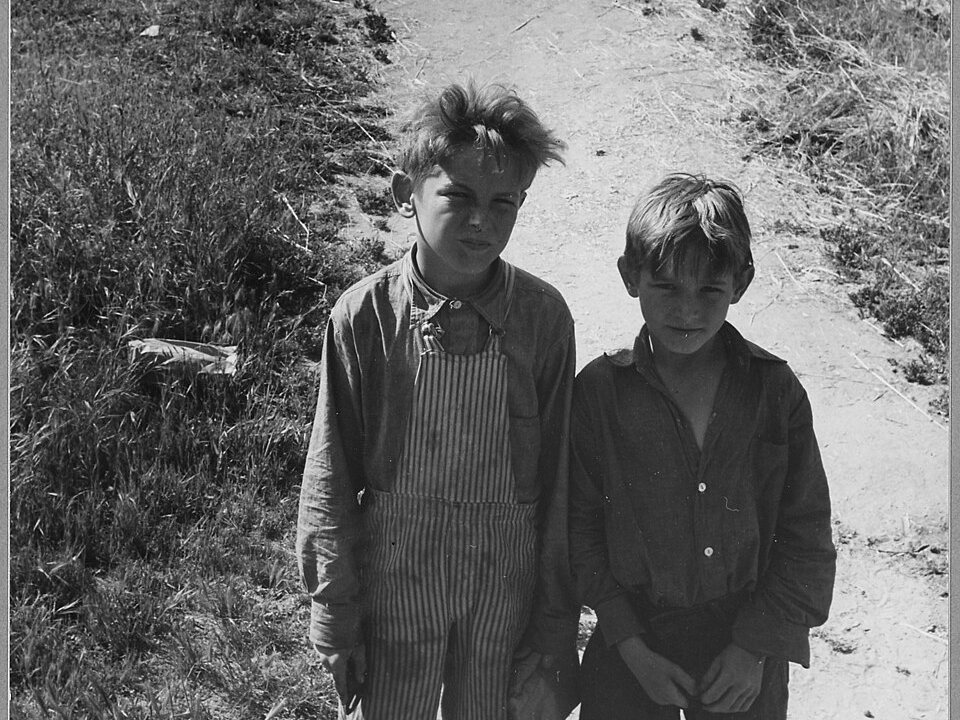
The outbound leg was mostly silent and the silence was not uncomfortable.
The reason was the circumstance. Somebody about to travel was preoccupied with the journey and a child walking beside them had nothing to contribute to it, which produced a quiet walk that both parties found entirely acceptable.
What talking there was came in fragments. A remark about the weather, something about the arrangements, a question to the child that did not need much of an answer – delivered at intervals across ten minutes and remembered better than anything continuous would have been. Nobody filled the gaps. Which is unusual, and is probably why the fragments survive: a sentence spoken into ten minutes of silence is retained considerably better than the same sentence spoken into a conversation.
4. You Were Given Something to Hold and Then It Was Taken Back
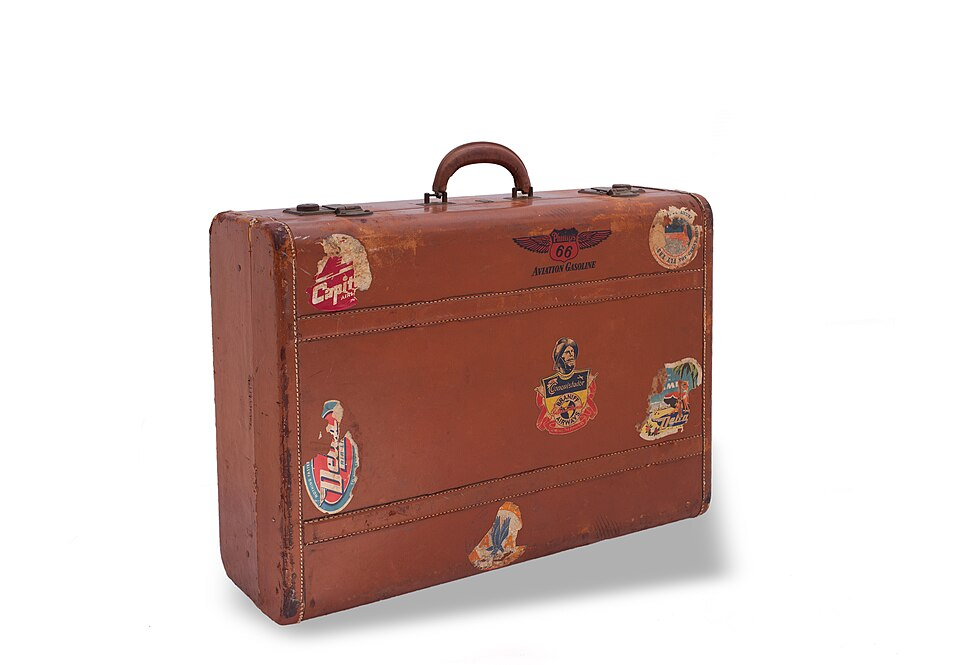
The one practical element was temporary and ended before the departure.
The sequence was consistent. A child walking beside somebody with something to carry was handed part of it for a stretch, which gave the accompaniment a function it had otherwise lacked – and the thing was reclaimed at the point of departure, which removed the function again.
The handover back was the actual farewell in a great many accounts. The object going from the child’s hands to the traveller’s was the practical moment at which the arrangement ended, and it happened before anything was said. Children noticed that they had become surplus. The precise moment of ceasing to be useful, in the middle of an errand, is a specific thing to have observed and a number of people describe it clearly.
5. The Goodbye Was Shorter Than Anybody Expected
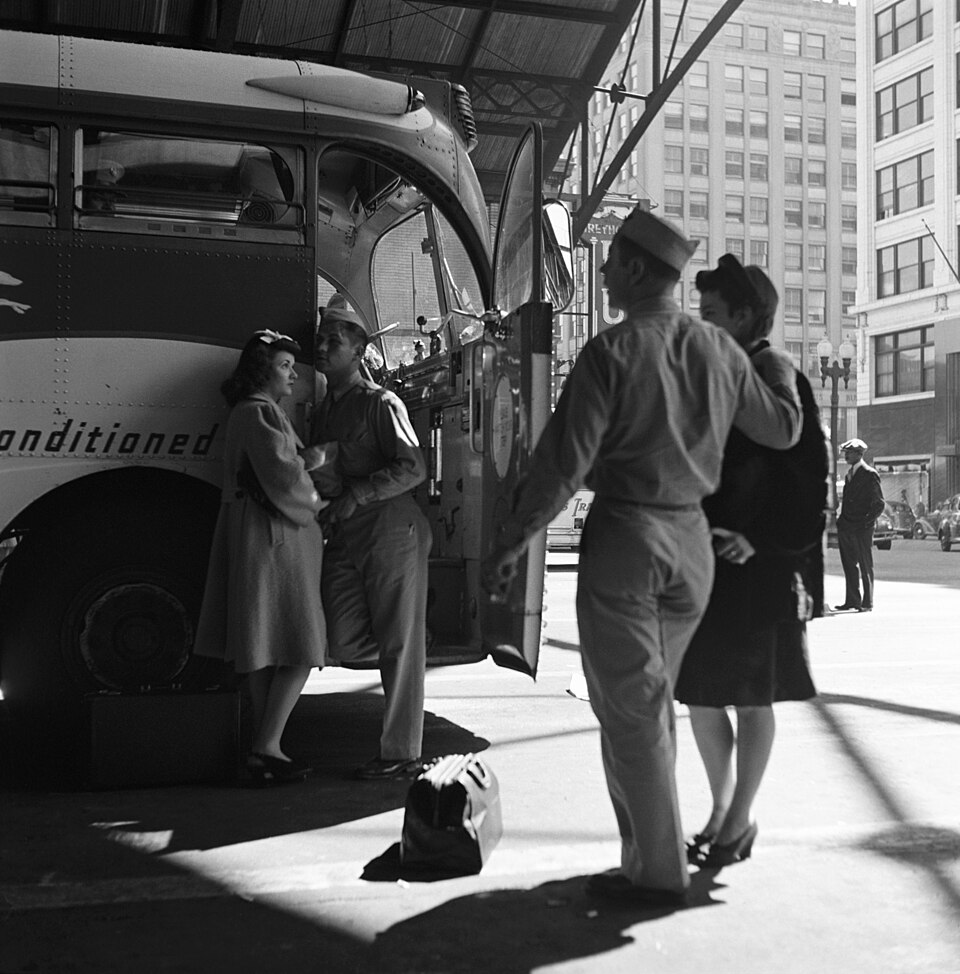
The farewell itself occupied about four seconds.
The brevity was universal and was not coldness. Somebody about to depart, with something to carry and a departure to attend to, said something brief, and the child said something brief back, and that was the whole of it – which is a considerably smaller event than the ten-minute walk that had preceded it.
Children had generally prepared something longer. A great many people describe having assembled a sentence on the way out and having delivered three words of it, which is the same failure that attended every prepared statement in a 1964 childhood. Nothing was lost by it. The brevity was understood on both sides and the walk had done the work that the farewell was too short to do.
6. You Waited Until They Were Out of Sight
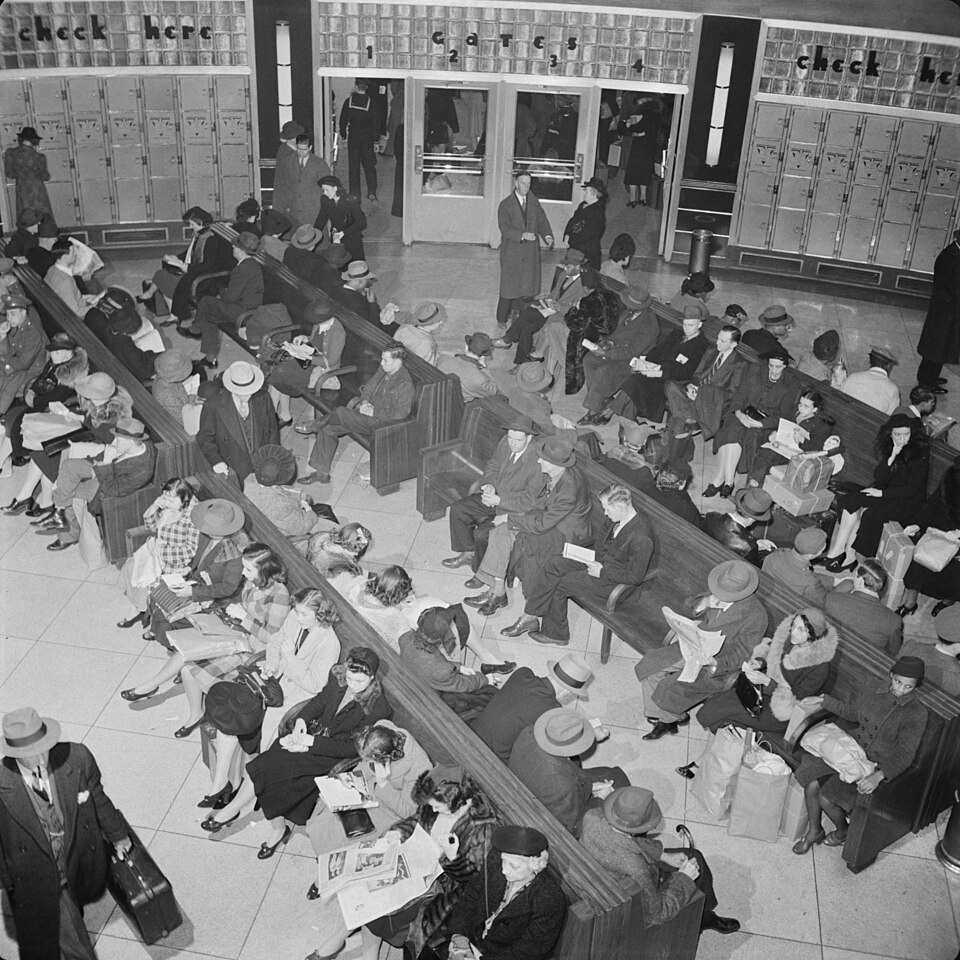
Nobody left before the departure was complete, and nobody had instructed them not to.
The behaviour was universal and self-imposed. A child who had delivered a goodbye stayed where they were until the person had actually gone – not because anybody was watching but because leaving first would have been a withdrawal, which children understood without ever having been told.
The waiting was sometimes long. A departure that did not happen promptly meant a child standing at the point of farewell for several additional minutes, with the goodbye already said and nothing left to do. That interval is remembered specifically. Standing beside somebody you have already said goodbye to, with nothing further available, is an awkwardness almost everybody who did this can still describe.
7. The Waving Was the Part You Got Wrong
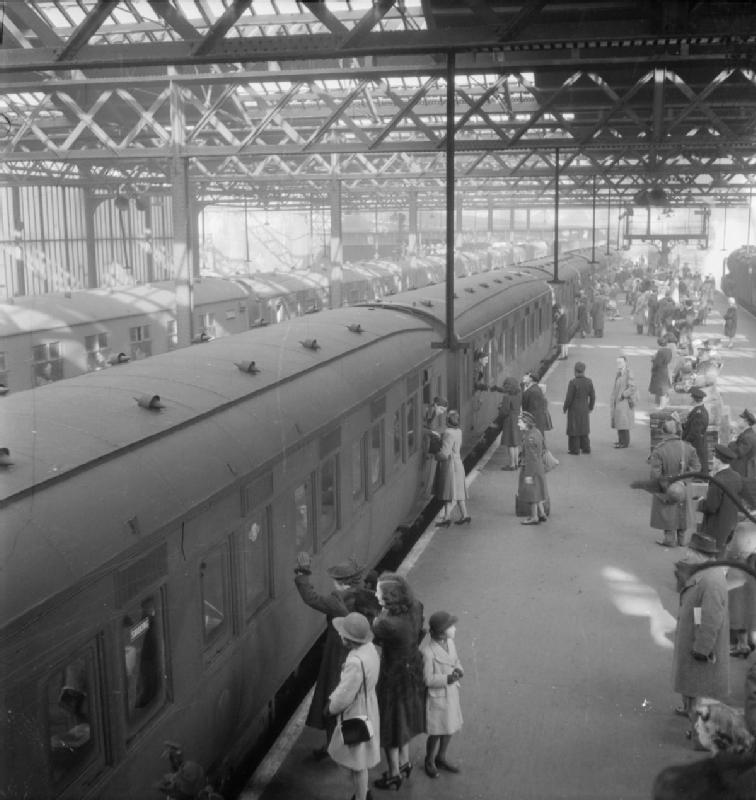
The gesture had a duration nobody had specified and children consistently misjudged it.
The problem was timing. A wave begun too early had to be sustained; a wave begun too late missed the moment at which the person was still looking – and children had no way of establishing when the person had stopped being able to see them.
The result was almost always too long. Children waved past the point of visibility, at something that could no longer see them, which is a harmless error and is reported with considerable embarrassment by people who made it. Nobody ever saw themselves doing it. The waving was performed facing away from everybody the child knew, which means it is one of very few childhood behaviours nobody was ever observed in and nobody was ever corrected about.
8. The Walk Home Was the Whole Point and Nobody Had Mentioned It
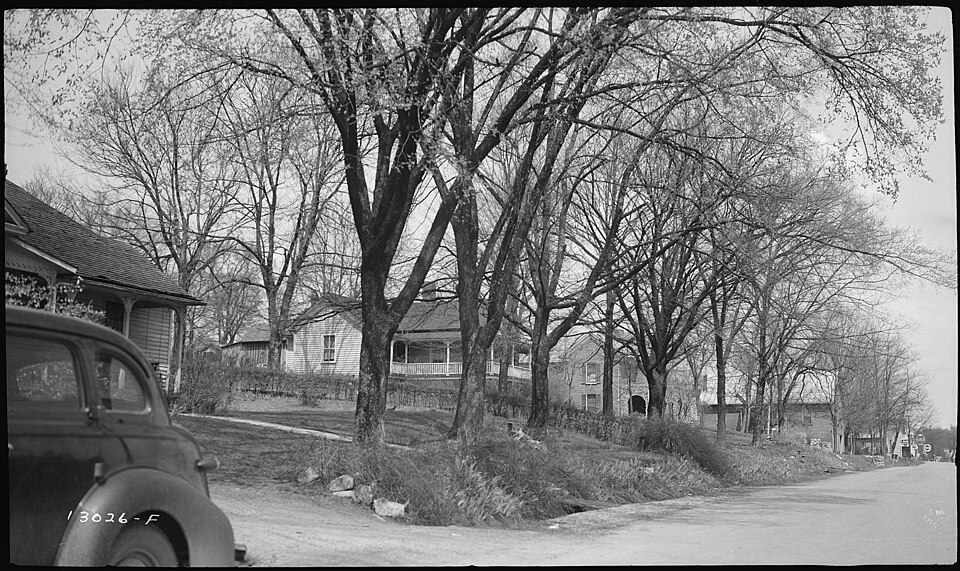
The return journey is what the errand actually consisted of, and it had not been part of the instruction.
The structure is clear in retrospect. Ten minutes out with somebody, four seconds of farewell, and ten minutes back alone – with the alone part carrying everything the occasion produced, and nobody having told the child it was coming.
It was the slowest walk any child took. Having no task, no deadline and nobody waiting for them in any particular way, children covered the return at the lowest speed they ever managed, and a great many of them describe it as the only occasion they walked slowly on purpose. That is where the memory lives. Almost everybody asked about this errand produces the walk home rather than the departure, which is the clearest possible indication of which half of it mattered.
9. You Thought About Them for the First Half of It
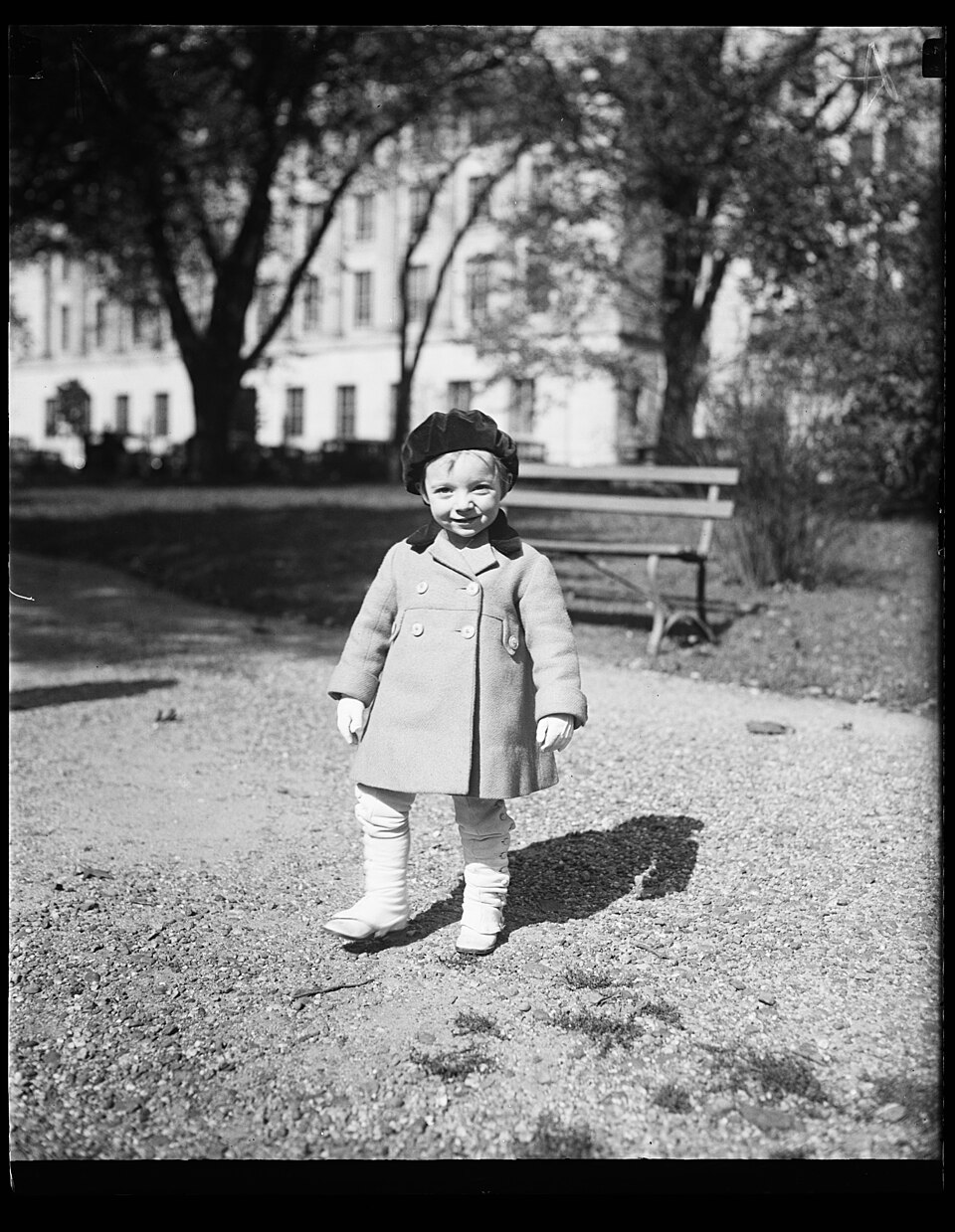
The return journey had a consistent two-part structure nobody designed.
The first stretch belonged to the person who had left. A child walking back alone spent the opening minutes on the departure, the journey the person was now making and the fact of their absence – which is a considerable amount of reflection for an eight-year-old and was entirely involuntary.
Then it stopped. At some point in the second half the subject changed to whatever a child’s mind ordinarily went to, and the departure was finished with – which is an abrupt transition people can frequently locate on the route. Nobody found the transition troubling. The subject had simply been exhausted, which is how children of that period dealt with most things and is probably the healthiest available response to somebody going away.
10. Nobody at Home Asked About It
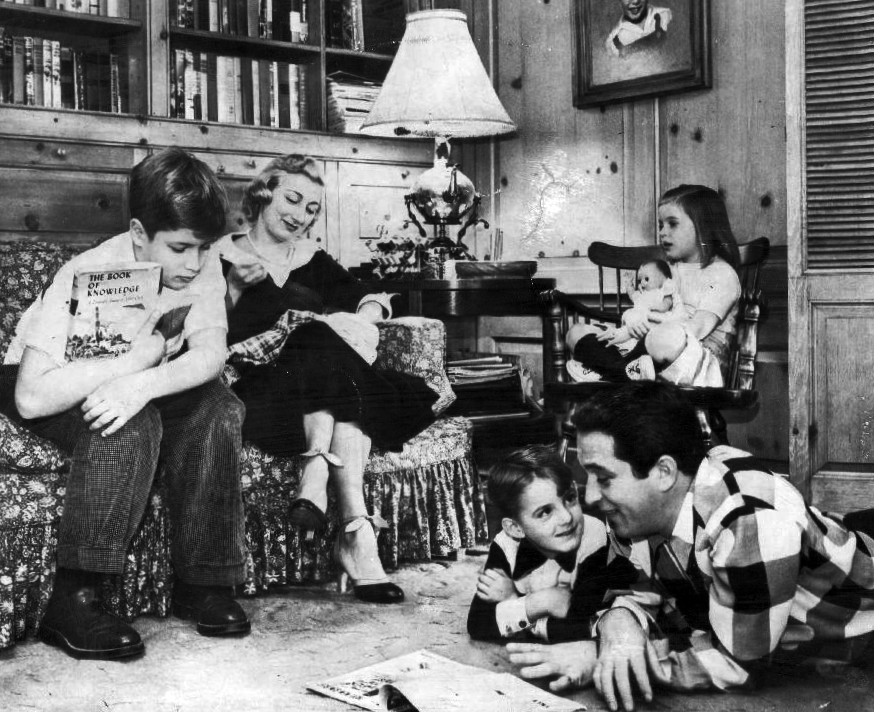
The return produced no questions and no acknowledgement of any kind.
The silence was consistent with every other errand of the period. A child who came back from seeing somebody off was absorbed into the afternoon without anybody enquiring how the departure had gone or what had been said – because the errand had had no information in it to report.
Which made the whole thing entirely the child’s. An errand with no content, no verification and no debrief produced an experience that existed only in the person who had had it, and was never once described to anybody. That is unusual among these tasks. Every other errand generated something a household wanted; this one generated something only the child kept.
11. You Can Still Name the Spot
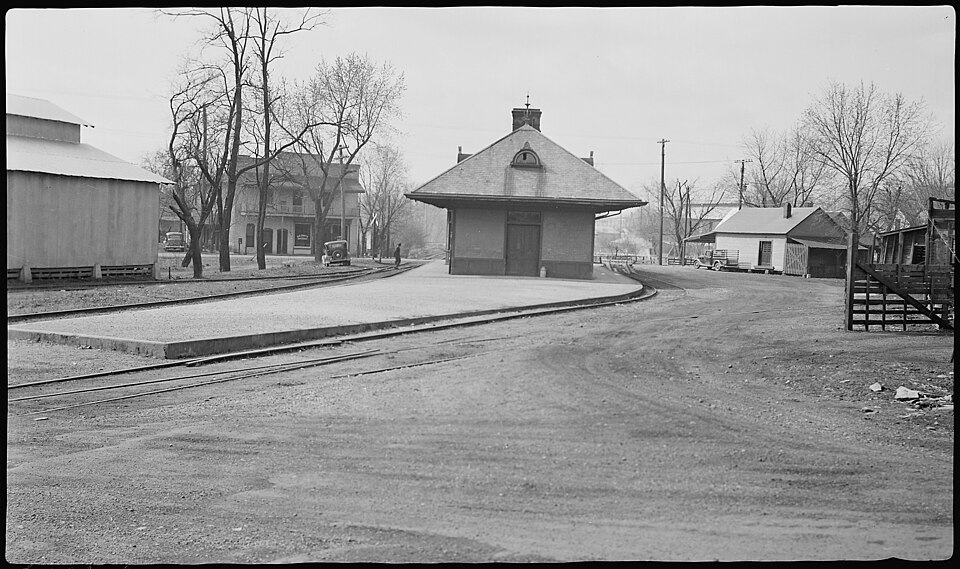
The point of departure survives in memory with disproportionate precision.
The specificity is consistent. People can place the exact location at which they said goodbye to somebody in 1964, describe what was there, and state which direction the person went – for an occasion that occupied four seconds and concerned nothing anybody would have thought worth recording.
The precision is almost certainly the walk home. An interval spent thinking about a departure, immediately after it, on a route taken slowly, encodes the whole occasion far more thoroughly than the departure itself would have. Nobody else in the family can place it. A great many people discover, comparing notes decades later, that they are the only person who retains any of this – because they were the only person who was there.
12. Then Nobody Was Seen Off
Driven departures, different journeys, contact throughout and a complete change in how anybody leaves removed the accompaniment entirely.
Most of that is simply different. A departure in which somebody is driven to their transport and is reachable the entire way is better in every practical respect; a departure with no ten-minute walk and no ten-minute walk back has also lost whatever that was, and this piece takes no position on the balance.
What went with it is twenty minutes and four seconds. Ten minutes beside somebody who had nothing much to say, a farewell shorter than the sentence a child had prepared, a wave sustained past the point of being visible, and ten minutes home alone at the slowest pace anybody ever walked – which is the part everybody remembers and the part nobody was told about.
The Half Nobody Mentioned
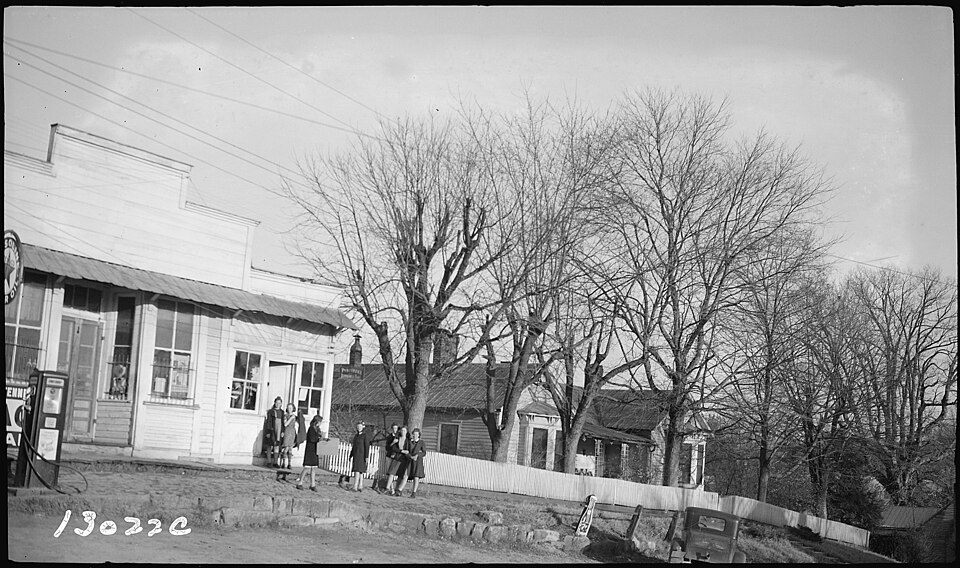
Read in order, the twelve keep pointing at the same thing: the errand was ten minutes out, four seconds of farewell, and ten minutes back alone – and the alone part carried everything the occasion produced. Almost everybody asked about this task produces the walk home rather than the departure, which is the clearest possible indication of which half mattered.
It was also the slowest walk any child took. With no task, no deadline and nobody waiting for them in any particular way, children covered the return at the lowest speed they ever managed, and a great many describe it as the only occasion they walked slowly on purpose. The journey had a two-part structure nobody designed: the first stretch belonged to the person who had left – the departure, the journey they were now making, the fact of their absence – and then at some point in the second half the subject changed to whatever a child’s mind ordinarily went to, and the departure was finished with. People can frequently locate that transition on the route, and nobody found it troubling; the subject had simply been exhausted.
The outbound leg was quieter than anybody would expect. Somebody about to travel was preoccupied and a child beside them had nothing to contribute, which produced a silence both parties found acceptable – and what talking there was came in fragments that survive precisely because nobody filled the gaps. A sentence spoken into ten minutes of silence is retained far better than the same sentence spoken into a conversation.
And the farewell itself was about four seconds. Children had generally assembled something longer on the way out and delivered three words of it, which is the same failure that attended every prepared statement in a 1964 childhood – and nothing was lost by it, because the walk had already done the work the farewell was too short to do.
Two details are worth separating out. Nobody at home asked about it – no questions, no acknowledgement, because the errand had had no information in it to report – which made the whole thing entirely the child’s. Every other errand of the period generated something a household wanted; this one generated something only the child kept, and was never once described to anybody.
And people can still name the spot: the exact location, what was there, which direction the person went, for an occasion that occupied four seconds. The precision is almost certainly the walk home rather than the departure. A great many people also discover, comparing notes decades later, that they are the only person in the family who retains any of it – because they were the only person who was there.
Like our content? Follow us for more.