In 1964 it only happened on the first few occasions, and that is the first thing to establish. A household did not monitor every errand – the window was occupied for the first two or three journeys on any new route and then was not, which makes the practice a transitional measure rather than a permanent condition. Children never knew which category they were in, though: a child setting off on a fourth or fifth errand could not tell whether anybody was there, which means the watching continued to operate long after it had actually stopped. Here are fifteen things every kid remembers about being watched from the window on an errand in 1964.
1. It Only Happened on the First Few Occasions
The watching was temporary and was withdrawn once the route had been established.
That is the first thing to establish about it. A household did not monitor every errand – the window was occupied for the first two or three journeys on any new route and then was not, which means the practice was a transitional measure rather than a permanent condition.
Children never knew which category they were in. A child setting off on a fourth or fifth errand could not tell whether anybody was there, which means the watching continued to operate long after it had actually stopped.
Like our content? Follow us for more.
2. You Knew Without Turning Round
Children could establish whether they were being watched without looking, reliably.
The mechanism was not mysterious. The sound of a door not quite closing, a particular absence of other household noise, or simply the fact that nobody had followed them to the gate were all available signals – and children read them accurately without ever having identified what they were reading.
Turning round was the one thing nobody did. A child who looked back had conceded that they had been thinking about it, which was a worse outcome than not knowing, so the whole thing was conducted on inference rather than on observation.
3. The Watched Stretch Was Precisely Known
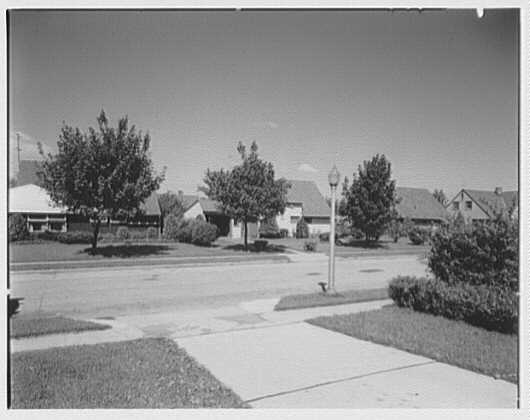
Every child knew exactly where the window’s view ended.
The geometry was established early and held with precision. A particular corner, a particular gate, a particular point at which the angle ran out – and children knew it to within a few feet, having worked it out from the inside on some earlier occasion.
Crossing that point changed the walk completely. The posture, the pace and the attention all altered at a specific spot, every time, which is a remarkably sharp transition for something nobody had ever discussed.
4. You Walked Differently Inside It
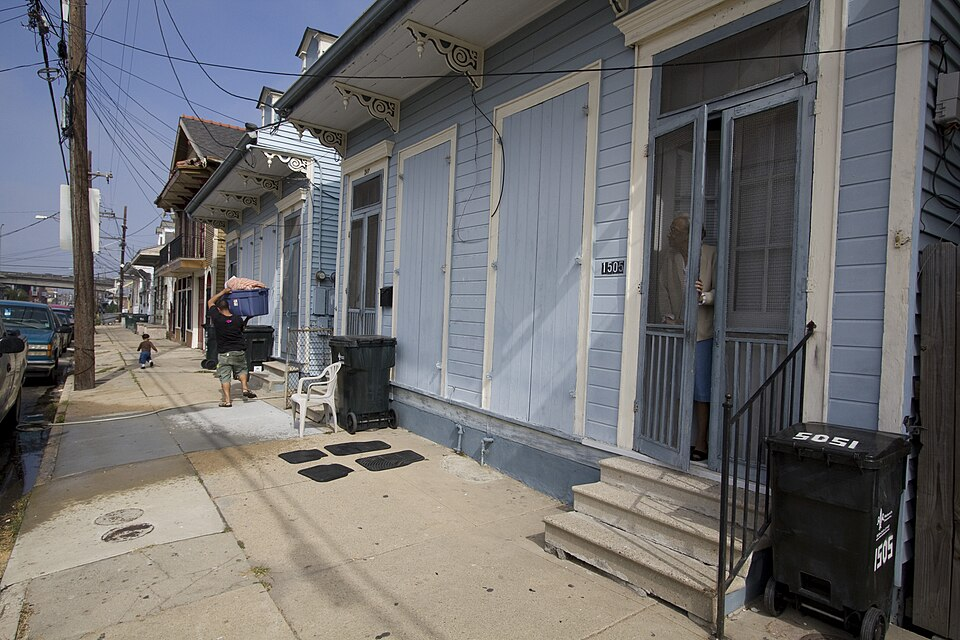
The watched portion of the route was performed rather than simply walked.
The difference was deliberate and specific. Children walked straighter, faster and more purposefully inside the visible stretch than outside it, looked at nothing and stopped for nothing – which is a performance of competence directed at an audience who may or may not have been there.
The performance ended abruptly. People describe the exact point at which they stopped walking properly and started walking normally, which is the clearest evidence that the whole thing was conscious.
5. It Was Not Experienced as Surveillance
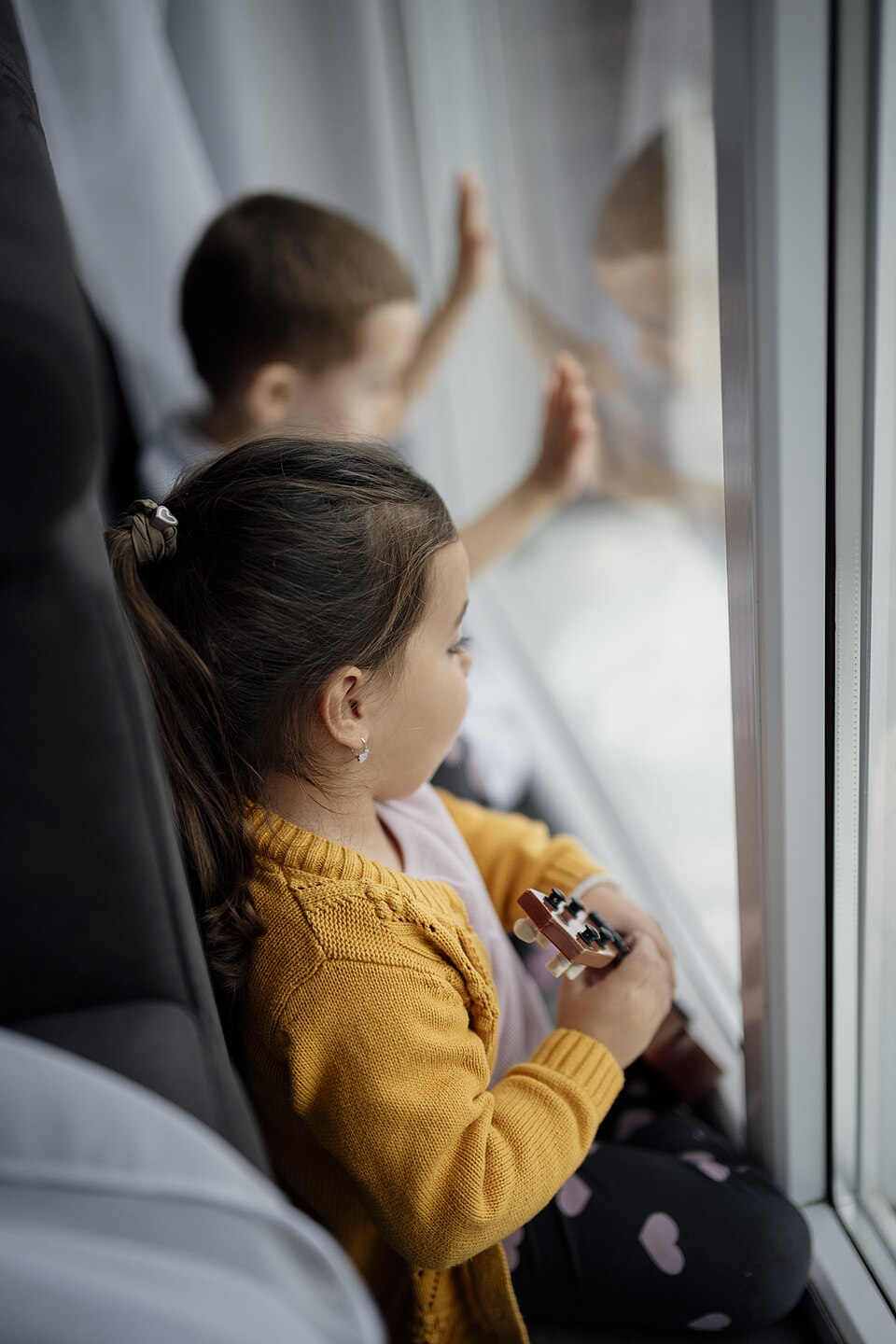
Children did not resent the watching, in essentially any account.
The reaction was closer to the opposite. A child who understood that somebody was at a window for the first few journeys read it as the household taking the errand seriously, which in a period when almost nothing a child did was acknowledged was a form of attention rather than an intrusion.
That is worth stating plainly because the modern reading is different. The accounts do not describe feeling monitored; they describe feeling accompanied for the first hundred yards, which is a considerably warmer thing and is reported consistently.
6. Nobody Ever Mentioned It From Either Side
The practice was never referred to by anybody at any point.
The silence was complete and symmetrical. No adult said they had watched, no child said they had known, and the entire arrangement operated for several journeys without a single word being exchanged about it – which puts it in the same category as most of the real mechanisms of a 1964 household.
Both parties were certain the other knew. Children were sure the watching was not secret and adults were sure the child was aware, and neither ever confirmed it, which means the whole thing ran on an unstated mutual understanding.
7. The Window Was Always the Same One
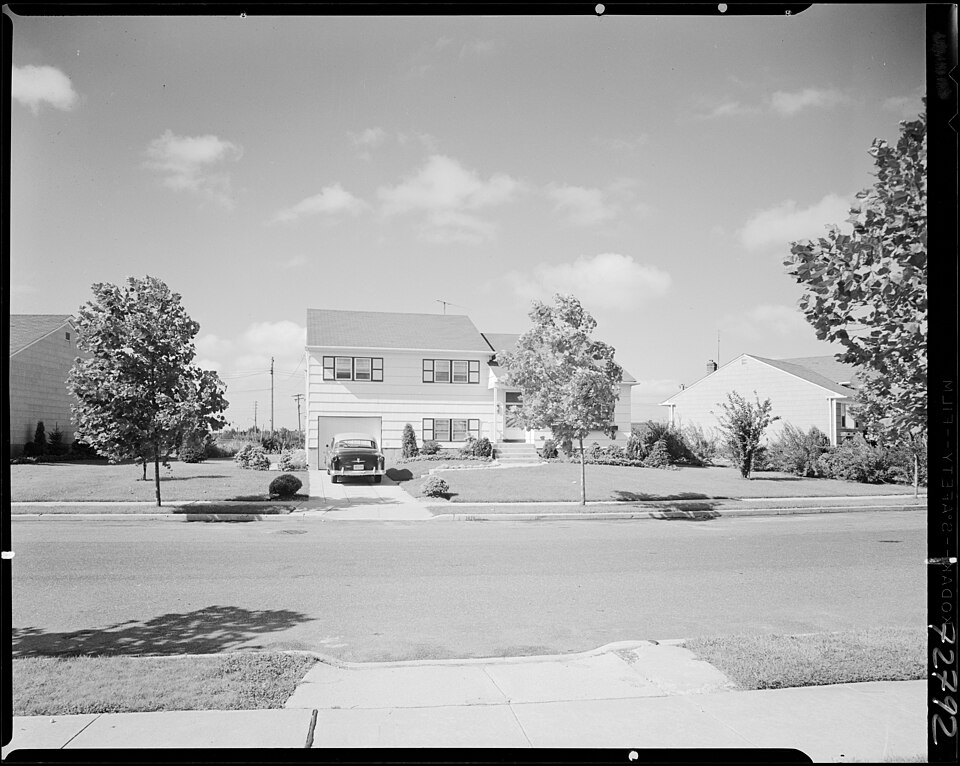
Households used one vantage point and never varied it.
The selection was practical. One window in any house commanded the useful view, and that was the one used – which meant children knew precisely which pane to assume somebody was behind without ever having been told.
Its ordinary function was unaffected. The window was used for everything else the rest of the time, which meant a child could not infer anything from somebody simply being near it, and the ambiguity was permanent.
8. You Could Not See In Even If You Looked
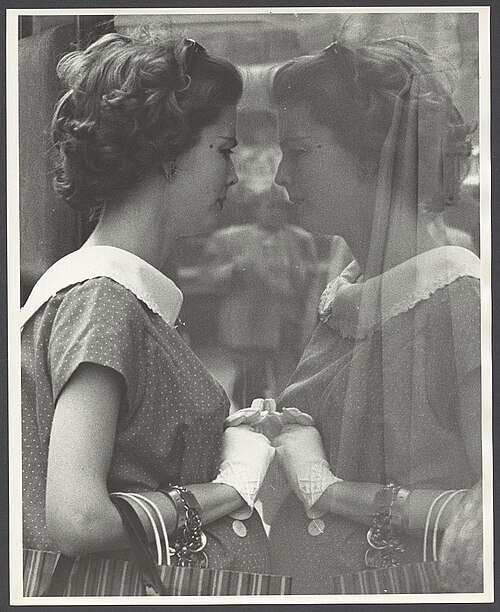
The view ran one way, which children established and found slightly unfair.
The asymmetry was a property of the light. A window seen from outside in daylight shows a reflection rather than an interior, which means a child looking back would have learned nothing even if they had been willing to look – and several of them tried once, early, and discovered exactly that.
The discovery ended the question permanently. A child who had established that looking was useless stopped considering it, which is probably why the practice of not turning round was so universal.
9. The Return Was Not Watched
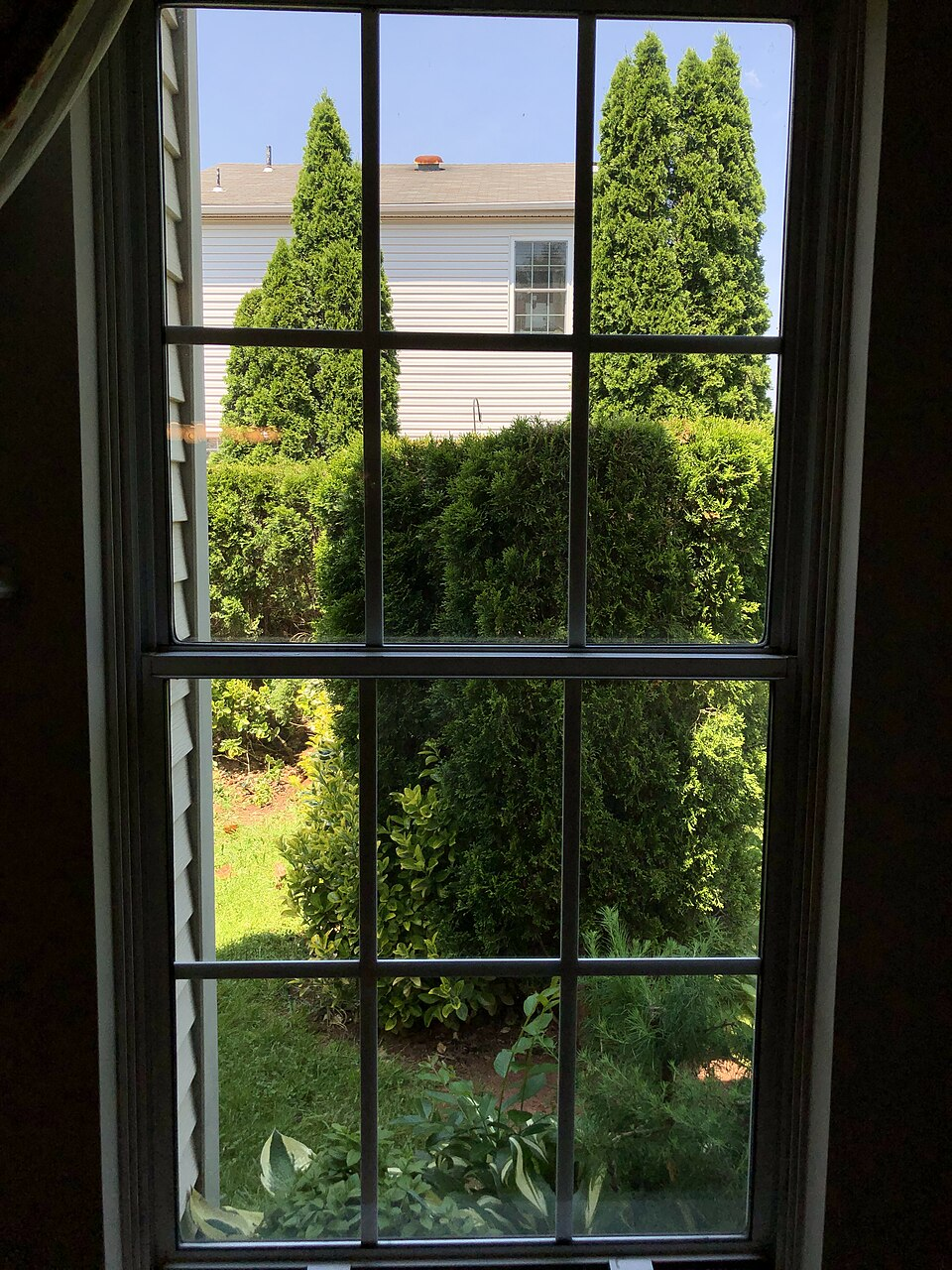
Nobody was at the window when children came back, which they established and found informative.
The asymmetry is clear in retrospect and children noticed it at the time. The outbound journey was the one with uncertainty attached; the return was a child coming home, which required no monitoring – and the window was empty every time.
Children read this correctly. The absence of watching on the return was understood as the errand having been the subject of the attention rather than the child, which is a reasonably sophisticated inference and is reported by a number of people.
10. It Stopped Without Anybody Saying So
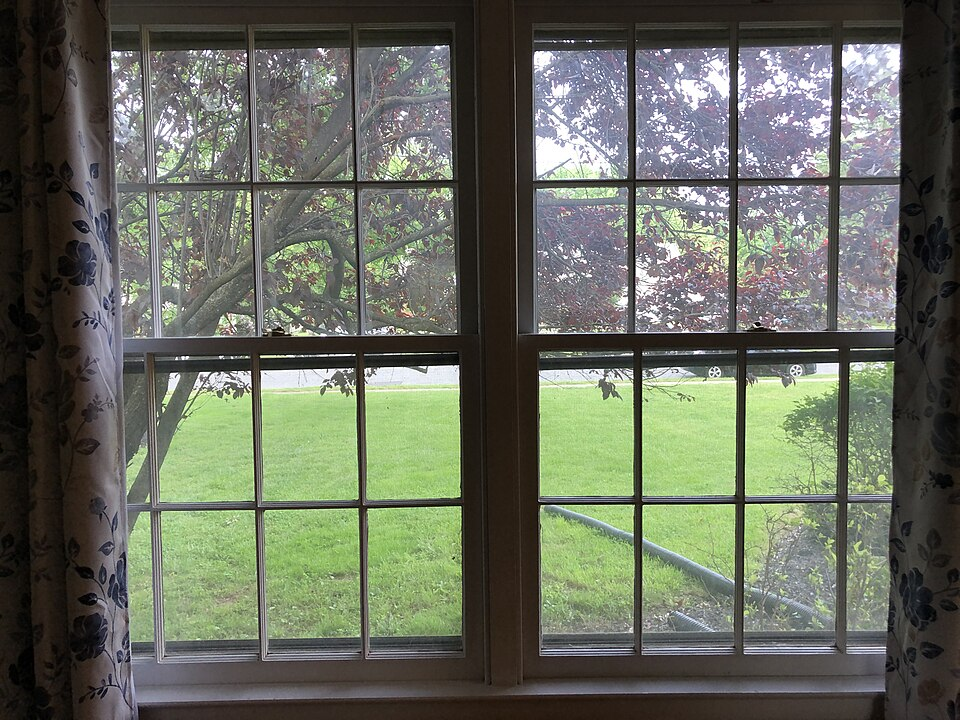
The withdrawal was unannounced and was noticed immediately.
The transition was sharp. At some point a child set off and the signals that had indicated watching were absent, and they knew within about ten seconds that the arrangement had ended – which was both a promotion and a small loss.
Nobody marked it. A household that had never mentioned starting did not mention stopping, which means the end of the practice was a boundary only one party ever experienced.
11. You Did It to Your Own Children Later
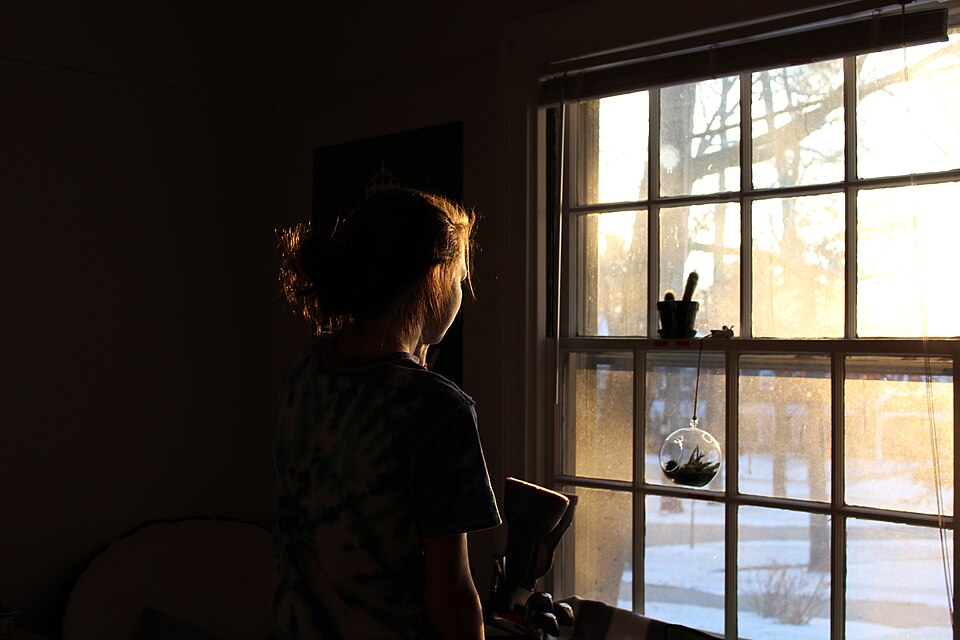
People who had been watched became people who watched, and generally did not connect the two.
The repetition was unreflective. A great many people describe standing at a window for the first few errands their own children ran, for exactly the same duration and from exactly the same kind of vantage point, without having consciously decided to and without recalling that it had been done to them.
The recognition arrives later. People describe realising, sometimes decades afterwards, that they had reproduced the whole arrangement including the silence about it, which is a fairly common pattern with household practices nobody ever named.
12. The Point Where the View Ended Is Still a Boundary
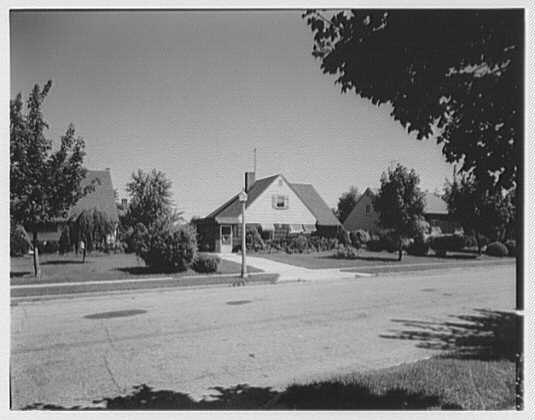
The spot survives in memory as a transition even though nothing was ever there.
The retention is odd and consistent. People returning to these routes describe reaching the point at which the window’s view used to end and registering a change – a particular corner that marked the beginning of being out of sight, and still does, sixty years later.
Nothing about the place explains it. An ordinary corner on an ordinary street acquired a significance entirely from a sightline that no longer exists and that nobody ever mentioned while it did.
13. What It Actually Was Was Reassurance
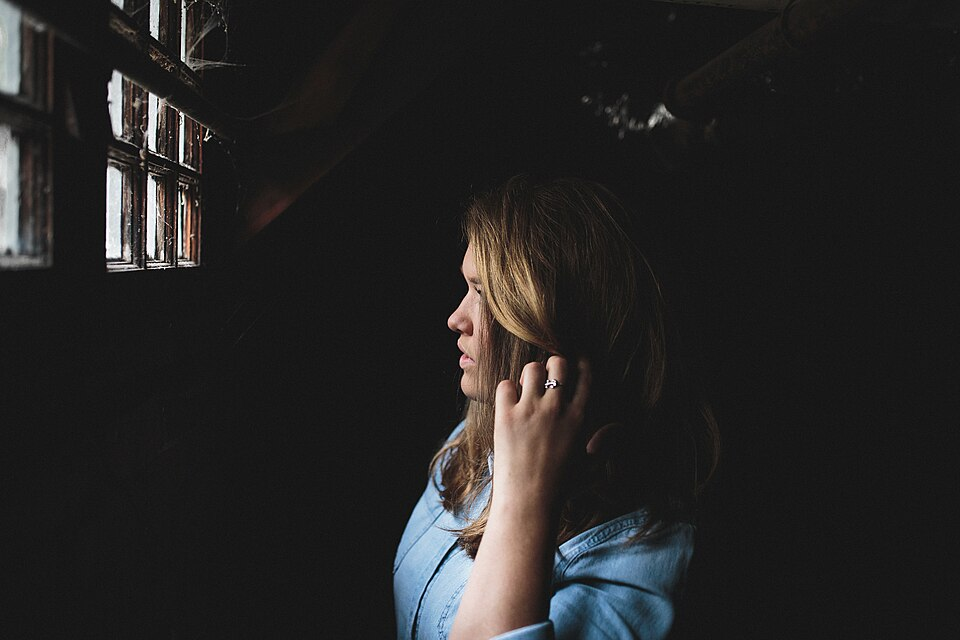
The practice served the adult rather than constraining the child.
That is the most likely reading of all of it. An adult who had just sent a child somewhere for one of the first times and had no means of knowing anything until the child returned stood at a window for ninety seconds because it was the only thing available to do – and watched until the child was out of sight because that was where the available information ended.
Children have mostly arrived at this interpretation since. People reflecting on it describe understanding, as adults, that the person at the window had been managing their own uncertainty rather than checking on anybody – which recasts the whole thing and is reported with some feeling.
14. Everything About the Modern Position Is Better
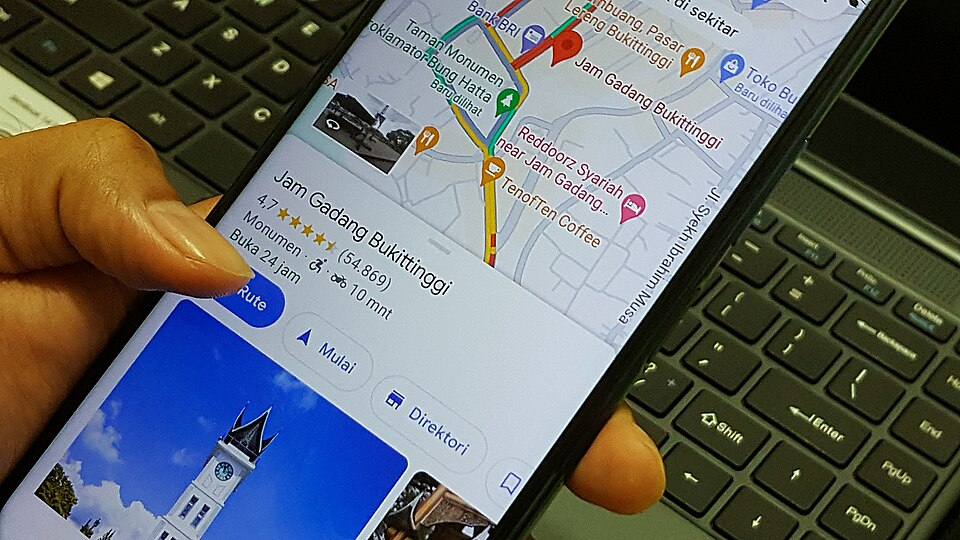
The uncertainty that produced the window has been removed entirely and that is a clear gain.
That is said without qualification. Being able to know where a child is, to reach them, and not to have to stand at a window watching the point where the available information ends are improvements with no argument against them, and the reasons behind present-day thinking are not arguable.
Nothing in this piece should be read as describing how anything ought to be arranged now. The subject is a ninety-second practice that existed because a household had no other option, and the absence of that option is the only reason it existed at all.
15. Then the Window Stopped Being the Only Instrument
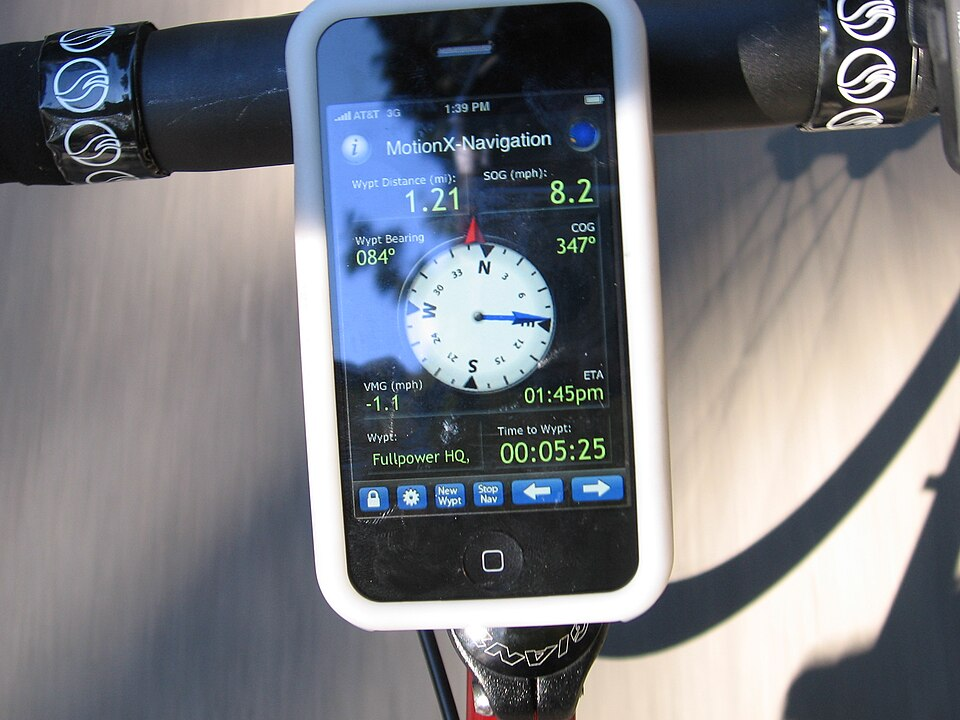
Contact of any kind replaced the sightline and the whole arrangement went with it.
Every part of that is an improvement. A household that can establish a child’s position at any moment has no reason to watch a corner, and a child who can be reached has no reason to perform competence for ninety yards.
What went with it is one unstated agreement. Somebody at a window who never said they were there, a child who never turned round, a precisely known point at which the walk changed, and neither party ever confirming to the other that any of it was happening.
The Agreement Neither Side Ever Stated
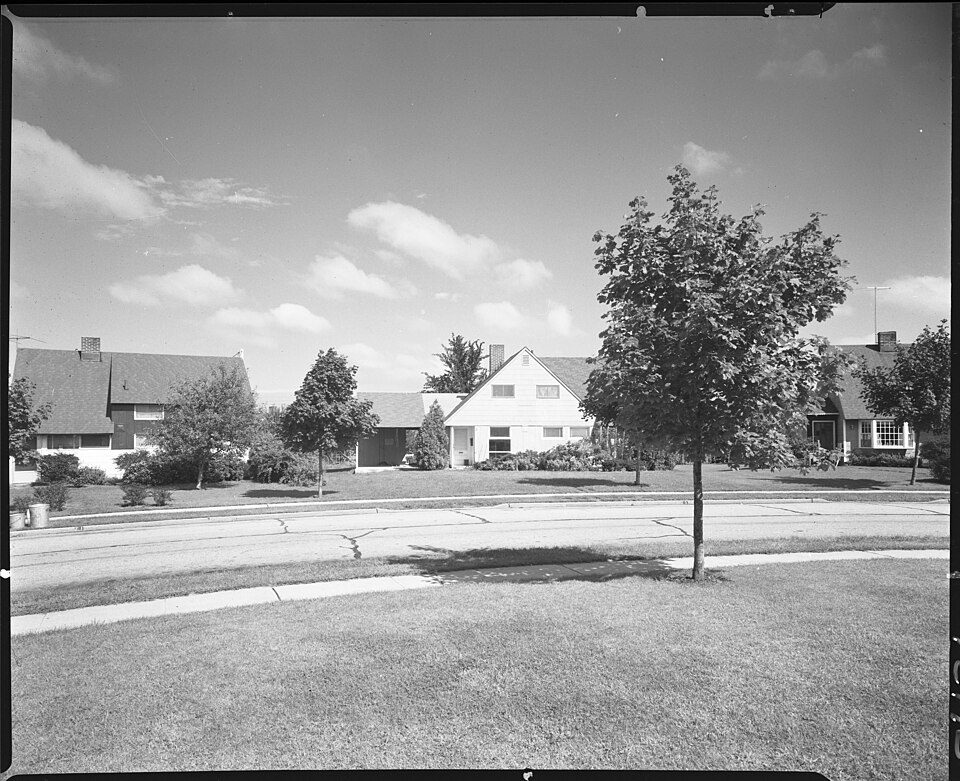
Read in order, the fifteen describe an arrangement conducted entirely without words. No adult said they had watched, no child said they had known, and both parties were certain the other was aware – children sure the watching was not secret, adults sure the child knew – with neither ever confirming it. It began without announcement and ended the same way, which means the end of the practice was a boundary only one party ever experienced.
Children read the situation by inference rather than observation, and read it accurately. A door not quite closing, a particular absence of other household noise, the fact that nobody had followed them to the gate – all available signals, read correctly without anybody ever identifying what they were reading. Turning round was the one thing nobody did, because looking back conceded that you had been thinking about it. And in any case the view ran one way: a window seen from outside in daylight shows a reflection rather than an interior, which several children established once, early, and which ended the question permanently.
The geometry was known to within a few feet. Every child knew the particular corner at which the angle ran out, and the walk changed at that spot every time – straighter, faster and more purposeful inside the visible stretch, normal outside it. People describe the exact point at which they stopped walking properly, which is the clearest evidence the performance was conscious.
The most useful finding is about what the watching was for. The return journey was never watched – the window was empty every time – which children read correctly as the errand having been the subject of the attention rather than the child.
Two things are stated plainly. It was not experienced as surveillance in essentially any account: a child who understood that somebody was at a window for the first few journeys read it as the household taking the errand seriously, which in a period when almost nothing a child did was acknowledged was a form of attention rather than an intrusion. The accounts describe feeling accompanied for the first hundred yards.
And everything about the modern position is better, said without qualification. Being able to know where a child is, to reach them, and not to have to stand at a window watching the point where the available information ends are improvements with no argument against them, the reasons behind present-day thinking are not arguable, and nothing above should be read as describing how anything ought to be arranged now. The practice existed because a household had no other option, and the absence of that option is the only reason it existed at all.
Like our content? Follow us for more.