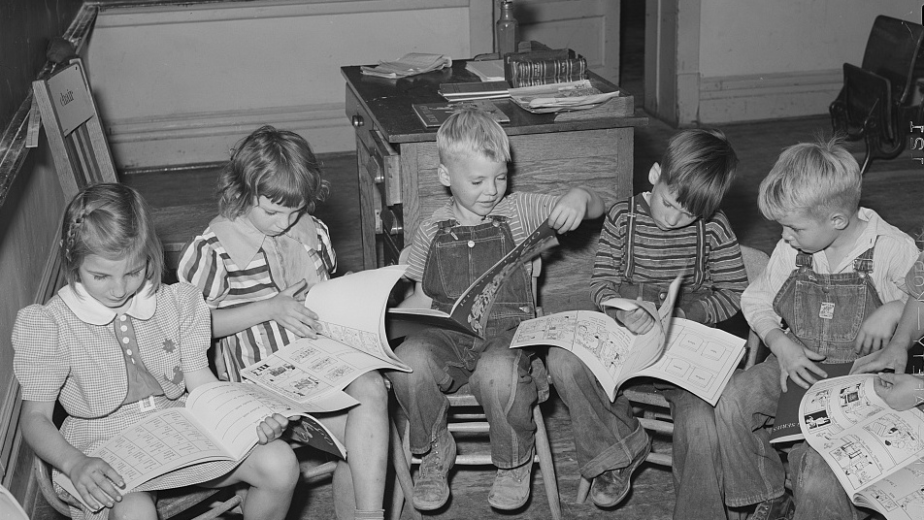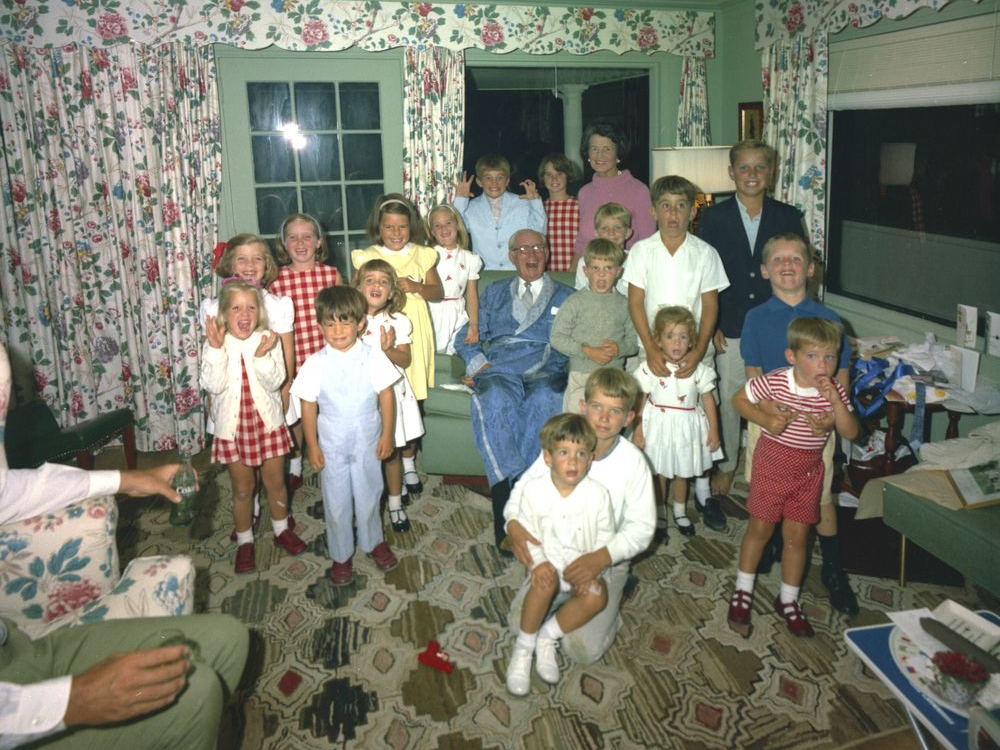
Whose boy are you. Whose girl are you. A child standing anywhere in 1964 – on a path, at a door, at the end of a street – could expect to be asked this by an adult, and the question was neither hostile nor unusual. It was the standard opening move of every encounter between an adult and a child they did not recognise.
What is striking in retrospect is what the question assumes. It assumes the child belongs to a household the adult already knows, that naming that household will resolve the matter completely, and that the child’s own name is not the useful piece of information. All three assumptions were correct, which tells you a great deal about how a neighbourhood of that period actually worked.
Your Own Name Was Not the Answer
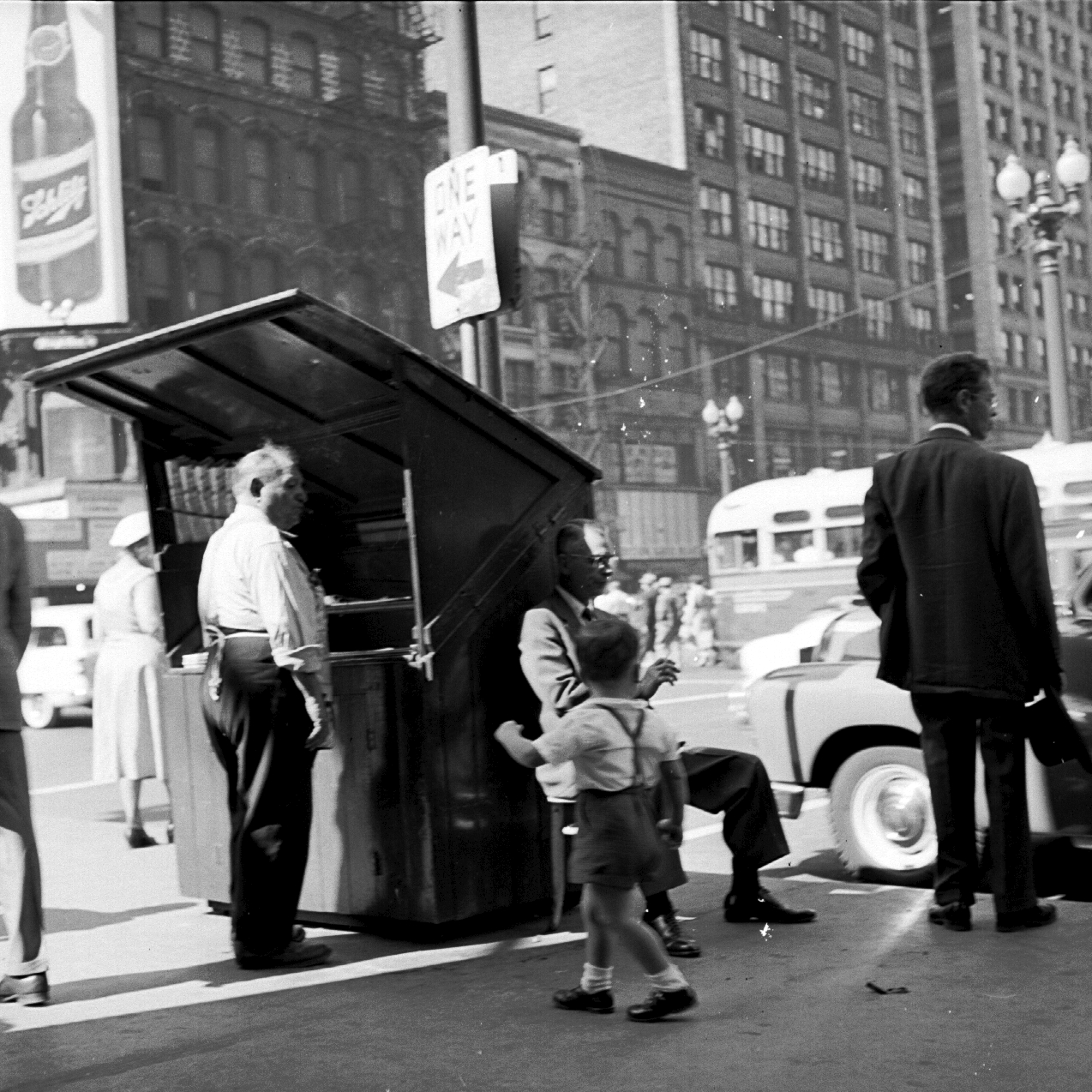
A child who gave their first name had answered the wrong question, and the adult would ask again.
This caught children out for years. The obvious response to being asked who you are is to say your name, and the obvious response was useless – what the adult needed was a household, and a first name placed you nowhere at all. The correction came quickly and without impatience, usually as a restatement of the same question.
Children learned the right format eventually. You supplied the surname, or the house, or the name of an adult, and the questioner’s face changed to recognition – and that moment of being placed is what everybody describes about this.
Like our content? Follow us for more.
The Answer Was a Position Rather Than an Identity
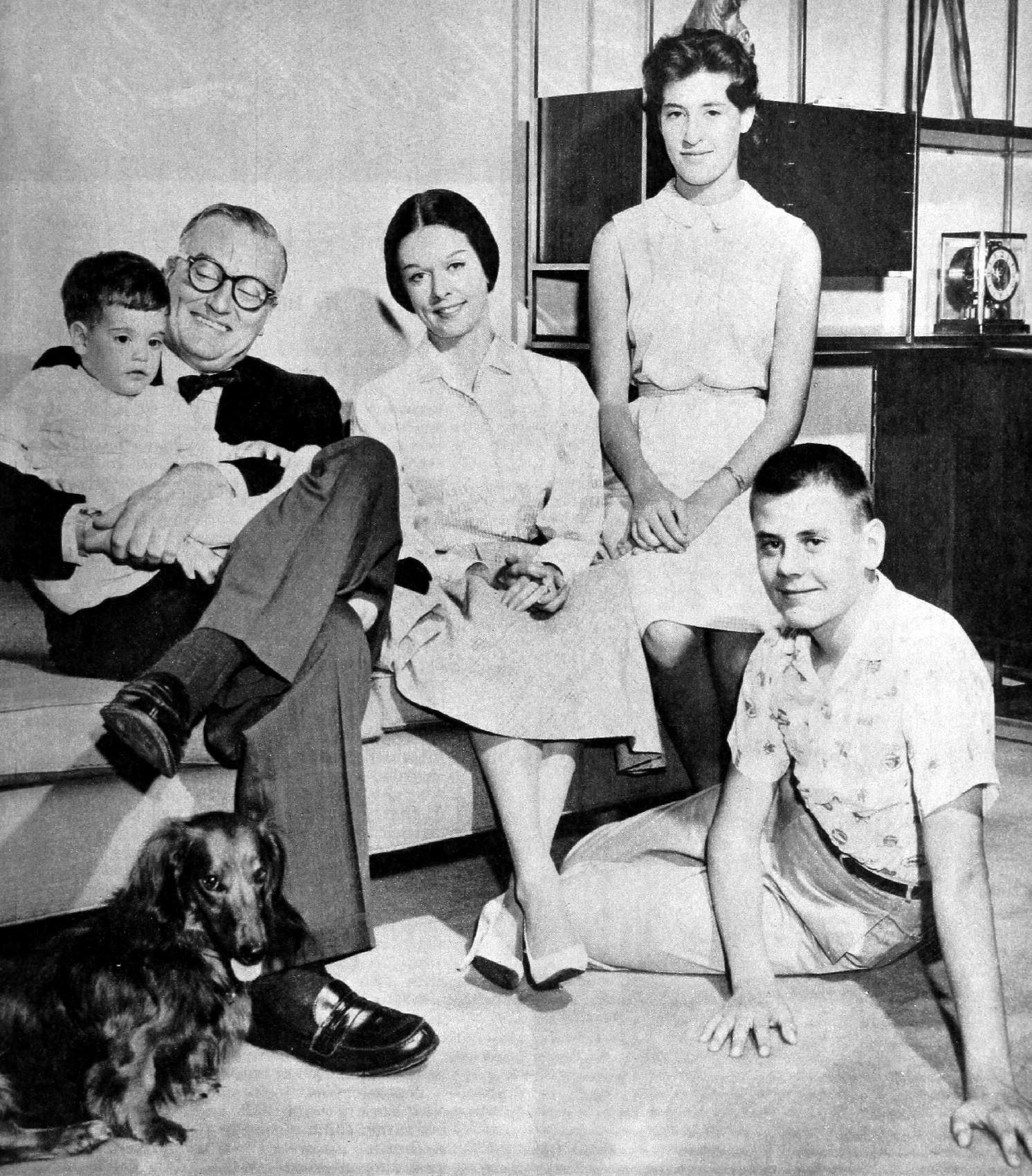
Once placed, you were a known quantity, and what was known was not about you.
The adult who had received the answer now had a complete working picture: which house, which family, which street, which other children. None of it concerned anything the child had personally done or was personally like, and all of it was immediately actionable for the adult’s purposes.
Children registered this precisely. A great many people describe the specific sensation of being looked at, being placed, and then being treated according to information that had nothing to do with them – which is a strange experience to have repeatedly before the age of ten.
It Was Almost Always Friendly
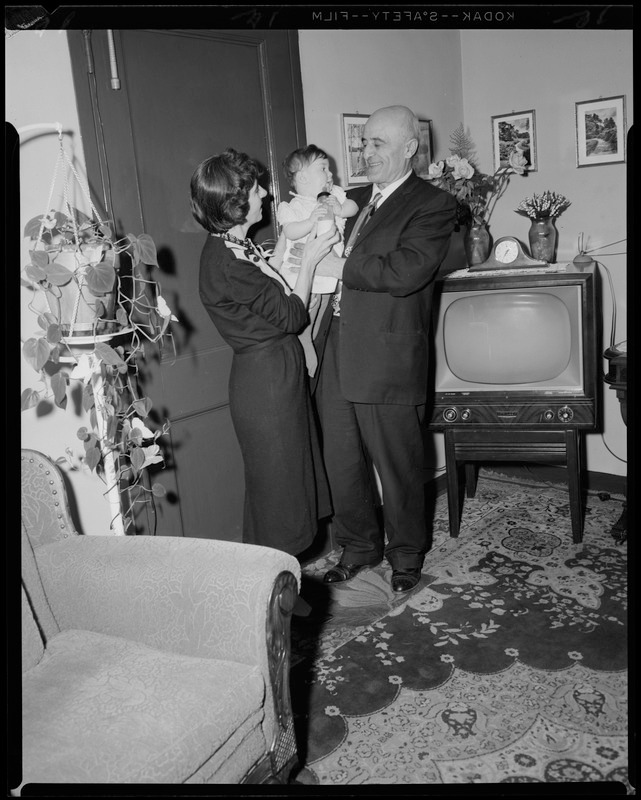
The question is easy to read as a challenge sixty years later and almost never was one.
The overwhelming majority of these exchanges were ordinary and warm. An adult asked, the child answered, the adult said something about the household, and the encounter ended in under twenty seconds with nothing having been at stake. Children were not being interrogated and knew they were not.
That tone is worth stating plainly because the modern instinct reads the question as suspicious. In 1964 it was closer to a greeting than to a check, and children treated it as one.
You Were Expected to Answer and Did
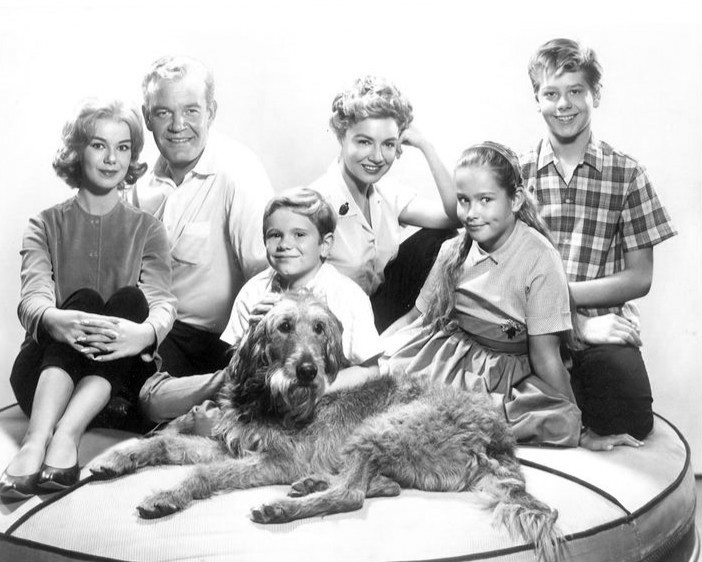
No child of that period declined to say who they belonged to, and the question of whether they should have is a modern one.
Compliance was total. A child asked by any adult produced the household immediately, without hesitation and without checking anything about the person asking – which was simply how the convention worked and was not experienced as a decision at all.
Everything about current thinking is better here, and it is not in dispute. Children now are rightly taught that they do not owe personal or family information to adults they do not know, that question is understood completely differently, and nothing in this piece should be read as describing how any child ought to respond to anybody.
Adults Asked It to Place You, Not to Find You Out
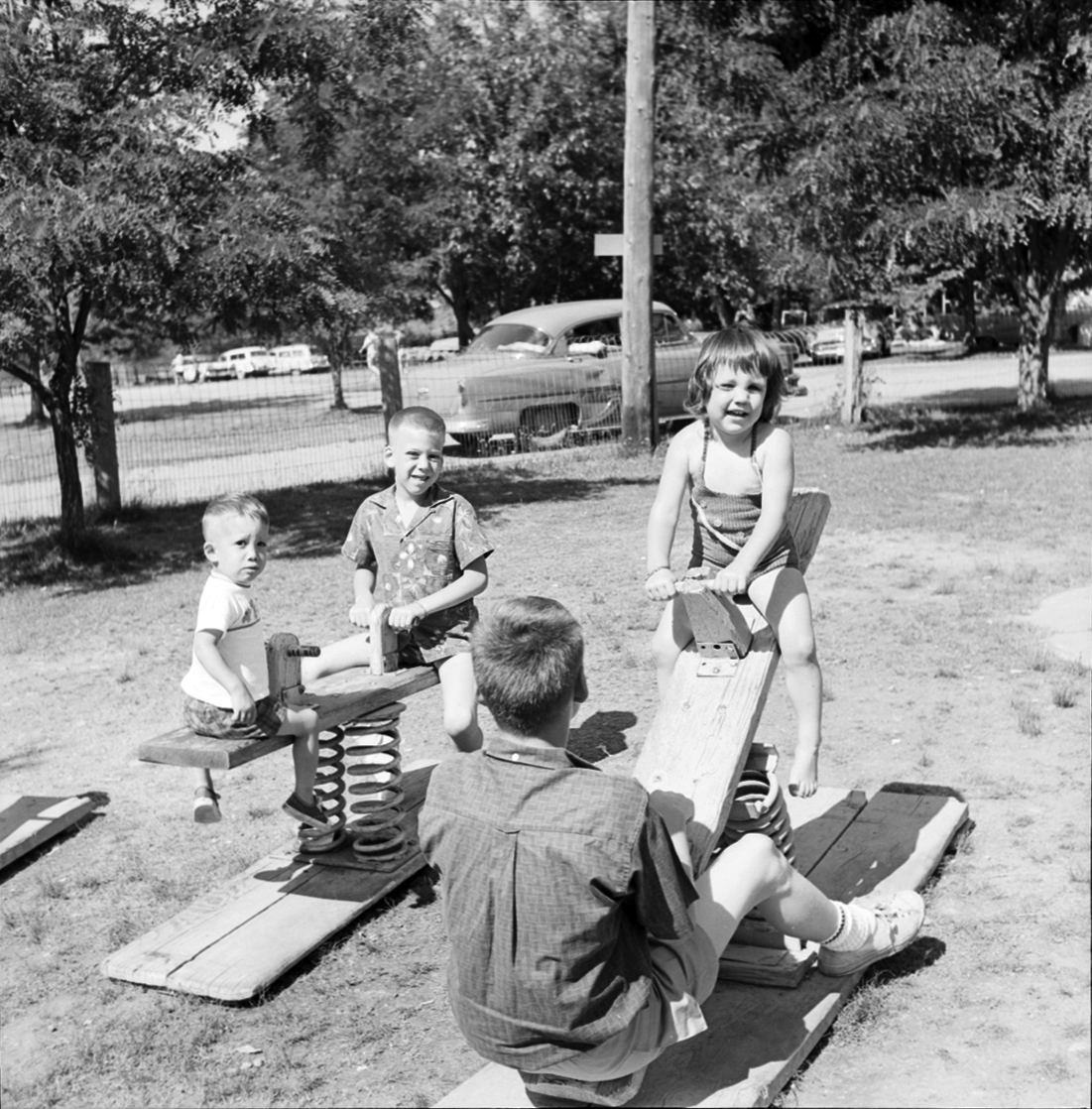
The purpose was navigational rather than investigative, and understanding that explains the whole thing.
An adult in a neighbourhood of that period held a mental map of households and needed to know which node a particular child attached to – in order to know who to mention it to, whether the child was somewhere they should be, or simply which conversation to have. The question was the fastest available lookup.
Nothing was recorded and nothing was followed up. The information was used in the moment and discarded, which is why children never experienced the exchange as consequential.
The Follow-Up Was Always About an Adult
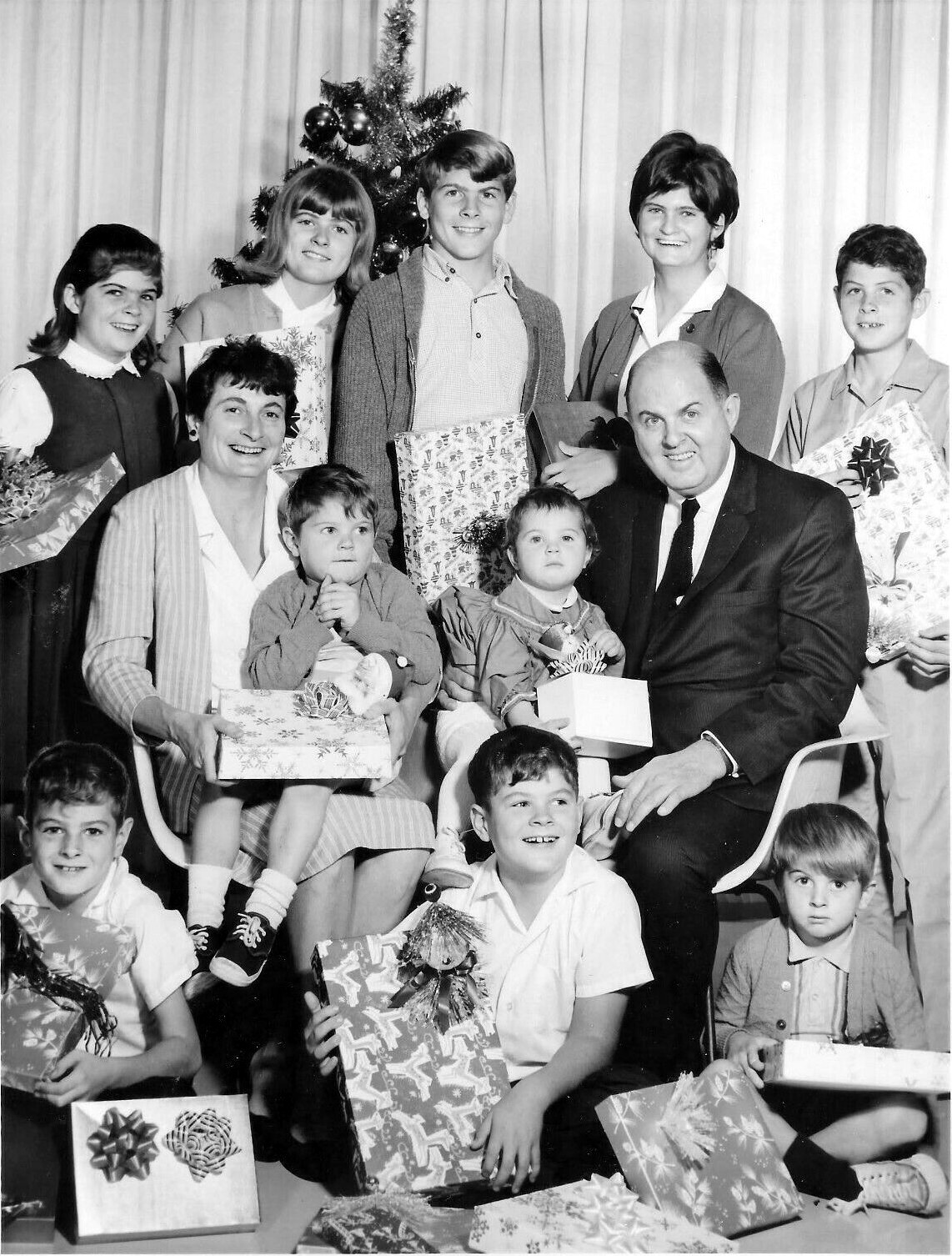
Having placed you, the questioner produced a remark about somebody in your household rather than about you.
The second line was almost formulaic. A comment about how somebody was, a reference to something that household had done, or a message to be passed on – and the child was now back in the position of carrier rather than participant.
Children found the switch entirely normal. Being the means by which two adults communicated was the usual function of a child in that period, and this was simply another instance of it.
You Were Told You Looked Like Somebody
The recognition frequently came with a comparison, which children heard constantly and could not evaluate.
An adult placing a child often said so by reference to resemblance – that you were obviously from that household, that you had the look of it, that they would have known anyway. The remark was meant kindly and was impossible to respond to.
Children had no information with which to assess any of it. A child cannot see themselves from outside, has no access to what the comparison is based on, and can only receive the statement – which is why the standard response was to say nothing and wait for the conversation to end.
Siblings Were Placed Together Whether They Liked It or Not
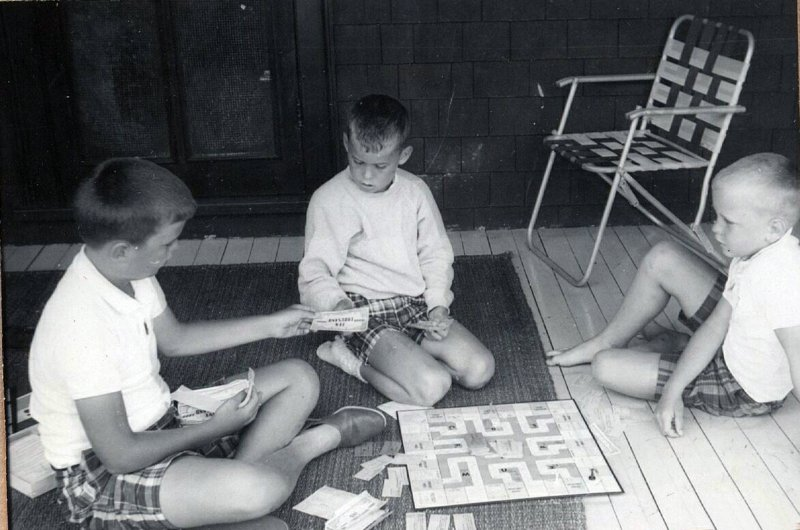
A child who had older brothers or sisters was placed as one of a set rather than as a person, and the set arrived with everything already attached to it.
The lookup returned more than a household. An adult who had placed a child frequently named an older sibling in the same breath, which meant the child was being introduced to themselves as a later instalment of somebody already known – and whatever that sibling had established, good or otherwise, arrived in the conversation uninvited.
Younger siblings minded this considerably. Being recognised by a resemblance to somebody who had already walked the same streets is a specific irritation a great many people describe, and it was completely unanswerable: the adult was not being unkind and was simply using the only information they had.
Getting It Wrong Was More Interesting
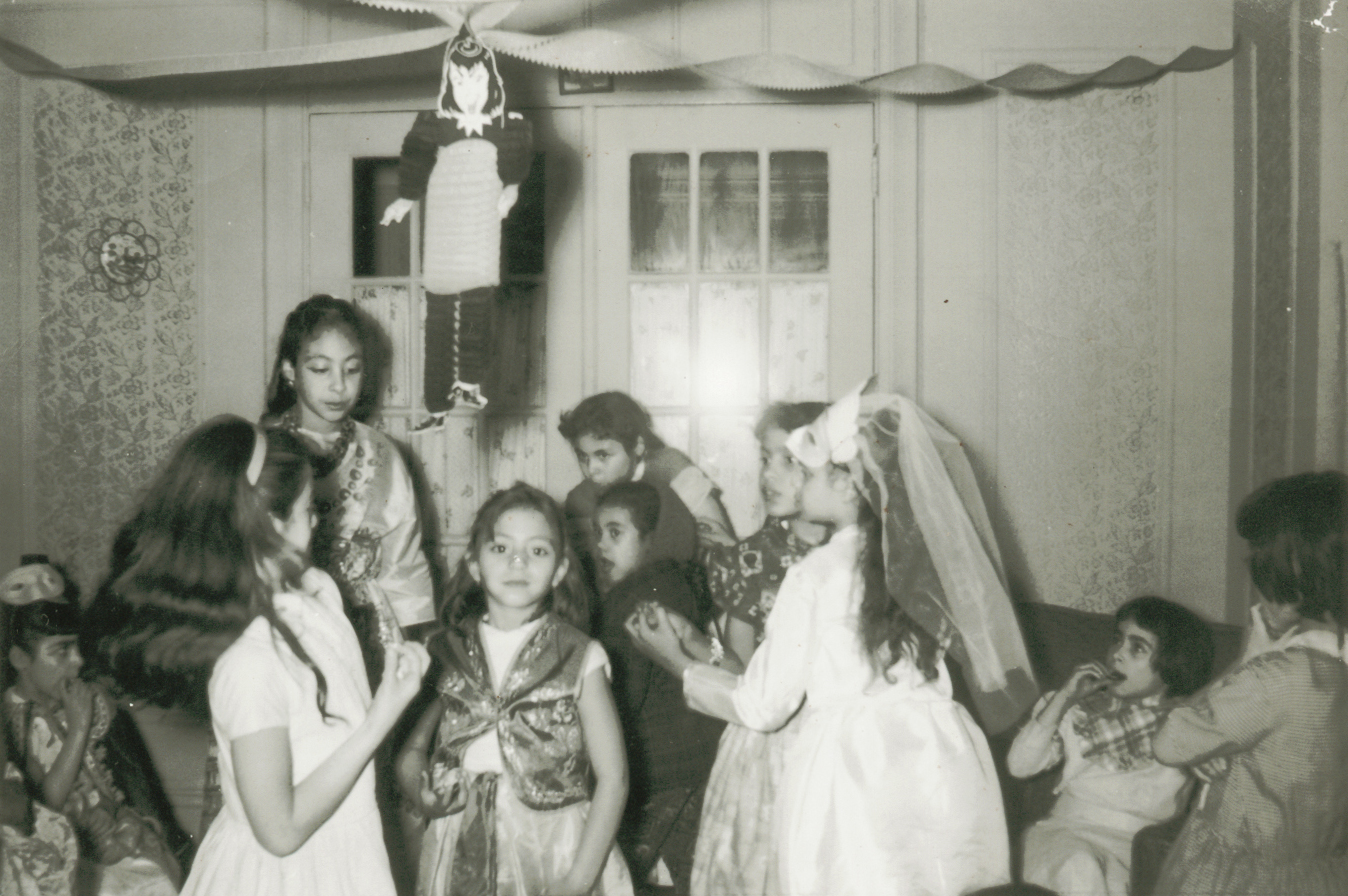
An adult who misplaced a child produced an exchange nobody had a script for.
Occasionally the answer did not land. The adult had the wrong household in mind, or did not know the one named, and the lookup failed – at which point the whole convention stopped working and both parties were standing there with nothing to proceed on.
Those failures are remembered much better than the successes. A child who had answered correctly and still not been placed had encountered the edge of the system, which is a surprisingly memorable thing to bump into at eight years old.
It Happened Everywhere Except School
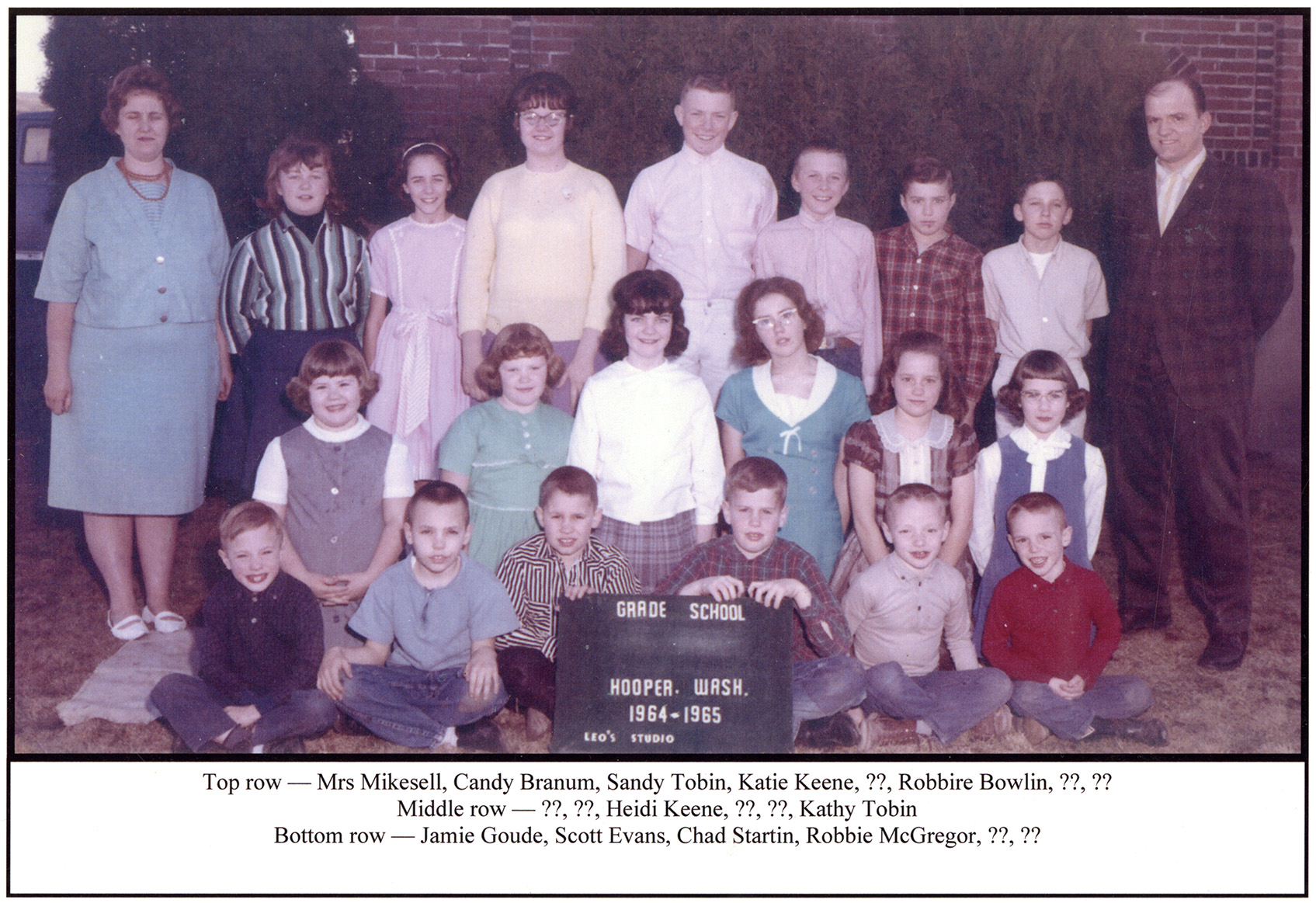
The question belonged to the street and never appeared inside an institution.
Nobody in a school asked a child whose child they were, because a school already knew – it held the information in a form that did not require asking. The question only existed where no record existed, which means it marks the boundary between the two kinds of place a child of that period moved through.
Children never noticed this and it is clear in retrospect. One set of places identified you by a written record and one by asking an adult on a path, and the transition between them happened twice a day without anybody commenting.
Nobody Asks It Anymore
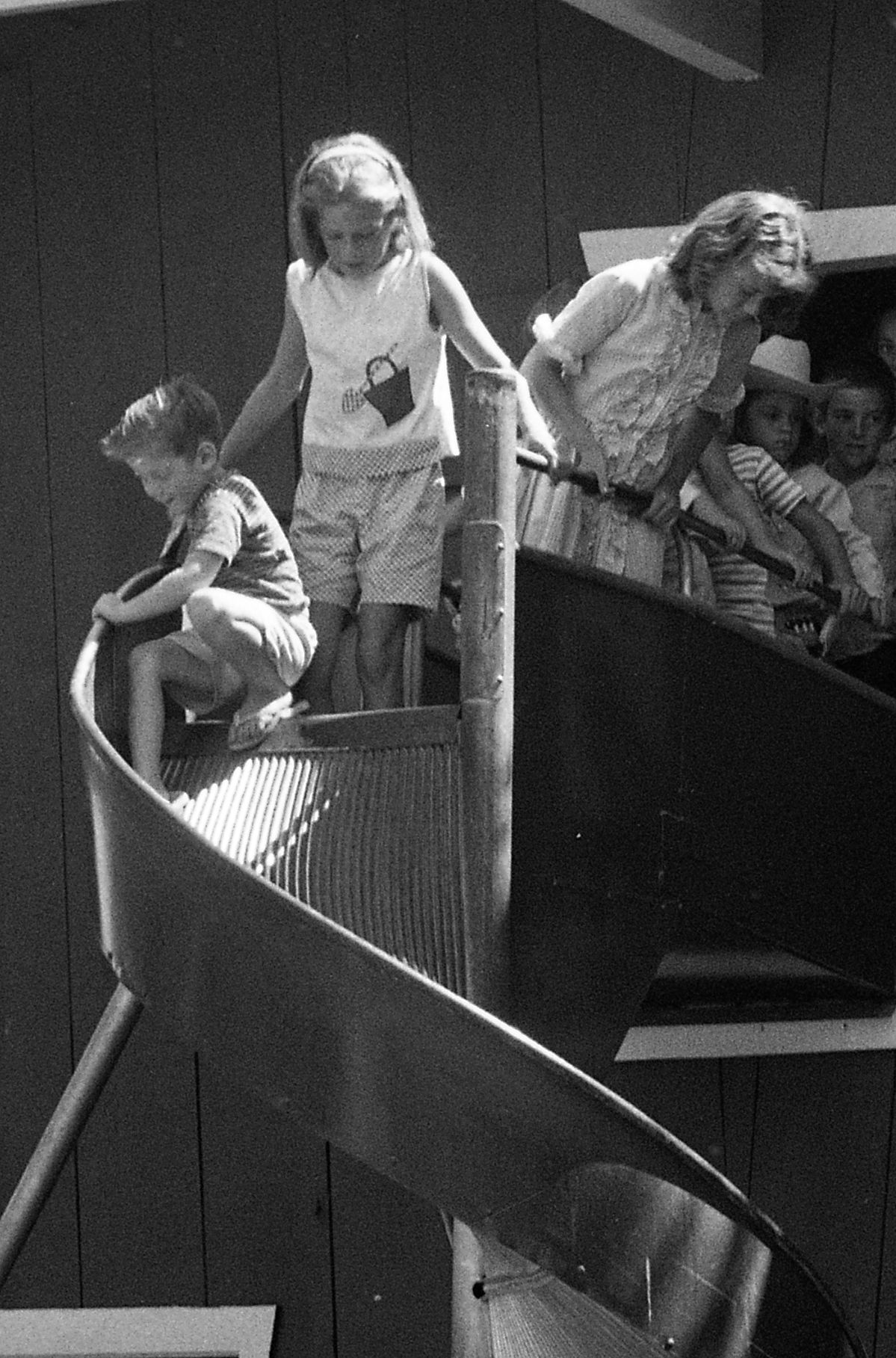
The question has vanished almost completely, and its disappearance has a specific cause.
It stopped being askable for two separate reasons at once. Neighbourhoods stopped holding the mental map that made the answer useful, and the understanding of what children should tell adults they do not know changed completely and correctly – either one on its own would have been enough.
What is left is the memory of being placed. People describe it as the most distinctive social sensation of a 1964 childhood: being looked at by somebody who did not know you, saying a name that was not yours, and watching them arrive at a complete picture of who you were.
Then the Map Itself Disappeared
Mobility, scale, privacy and a complete change in how much anybody knows about the households around them removed the conditions the question depended on.
Most of that is an improvement and some of it is simply different. Children not owing their family details to anybody who asks is a clear gain; a neighbourhood in which no adult can place any child is a change with costs as well as benefits, and this piece takes no position on the balance.
What went with it is a particular twenty seconds. A question that was closer to a greeting, an answer that was a household rather than a person, and a child being treated for the rest of the conversation according to a picture that had nothing to do with anything they had done.
Like our content? Follow us for more.