In 1964 nothing was ever wrong, and that should be said first because the errand looks alarming from here and essentially never was. In every account this piece draws on, the explanation turned out to be ordinary: the person had changed their mind, had forgotten, had been held up by something unremarkable, or had told somebody who had not passed it on. No account produces an emergency, an accident, an illness or anybody coming to any harm. The errand existed because a household had no way of finding out which of several entirely dull explanations applied – and the only way to convert an absence into an account was to send a person to ask. Here are twelve things every kid remembers about being sent to ask why somebody had not turned up in 1964.
1. Nothing Was Ever Wrong and That Should Be Said First
The errand looks alarming from here and essentially never was, which is worth establishing before anything else.
In every account this piece draws on, the explanation turned out to be ordinary: the person had changed their mind, had forgotten, had been held up by something unremarkable, or had told somebody who had not passed it on. No account produces an emergency, an accident, an illness or anybody coming to any harm – and the errand existed because a household had no way of finding out which of several entirely dull explanations applied.
That is the honest shape of it and it governs the whole subject. A 1964 household faced with somebody not having turned up had no channel through which an explanation could reach them, which meant the only way to convert an absence into an account was to send a person to ask.
Like our content? Follow us for more.
2. The Household Waited Much Longer Than You Would Expect
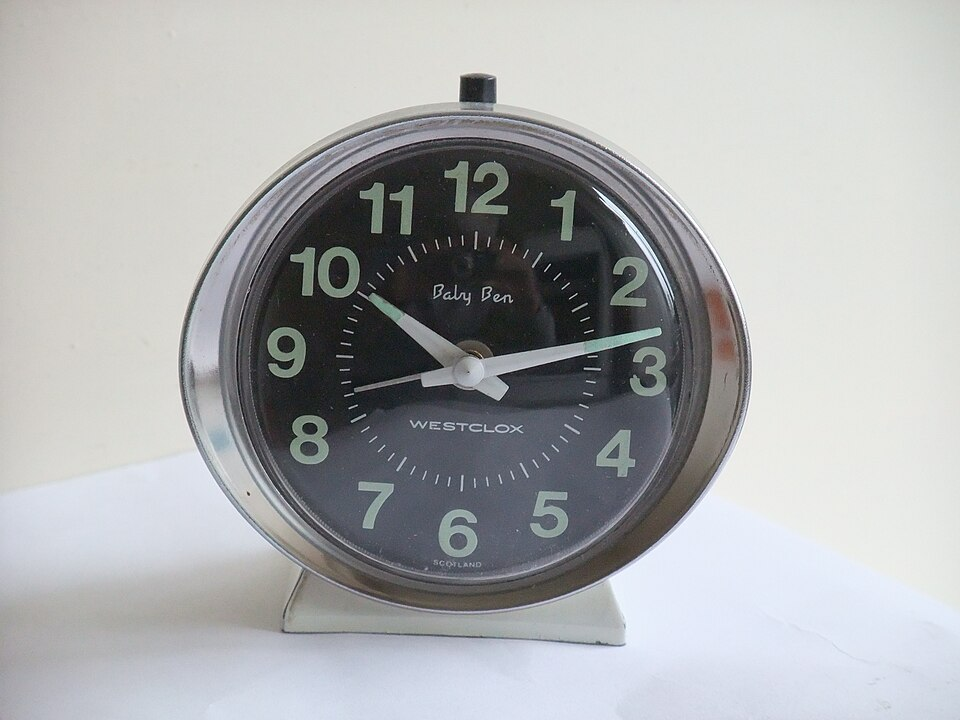
Nobody acted quickly, which tells you how ordinary non-arrivals were.
The delay before anybody did anything was substantial. An expected person who had not appeared was given a considerable margin – an hour, sometimes more – because arrangements of that period were loose, travel was unpredictable and somebody being well behind a stated time was entirely normal.
The errand was issued only when the margin ran out. Which means by the time a child was sent, the household had already satisfied itself that this was a non-arrival rather than a delay, and had done so without any sense of urgency at all.
3. You Were Sent Because the Alternative Was an Adult Going
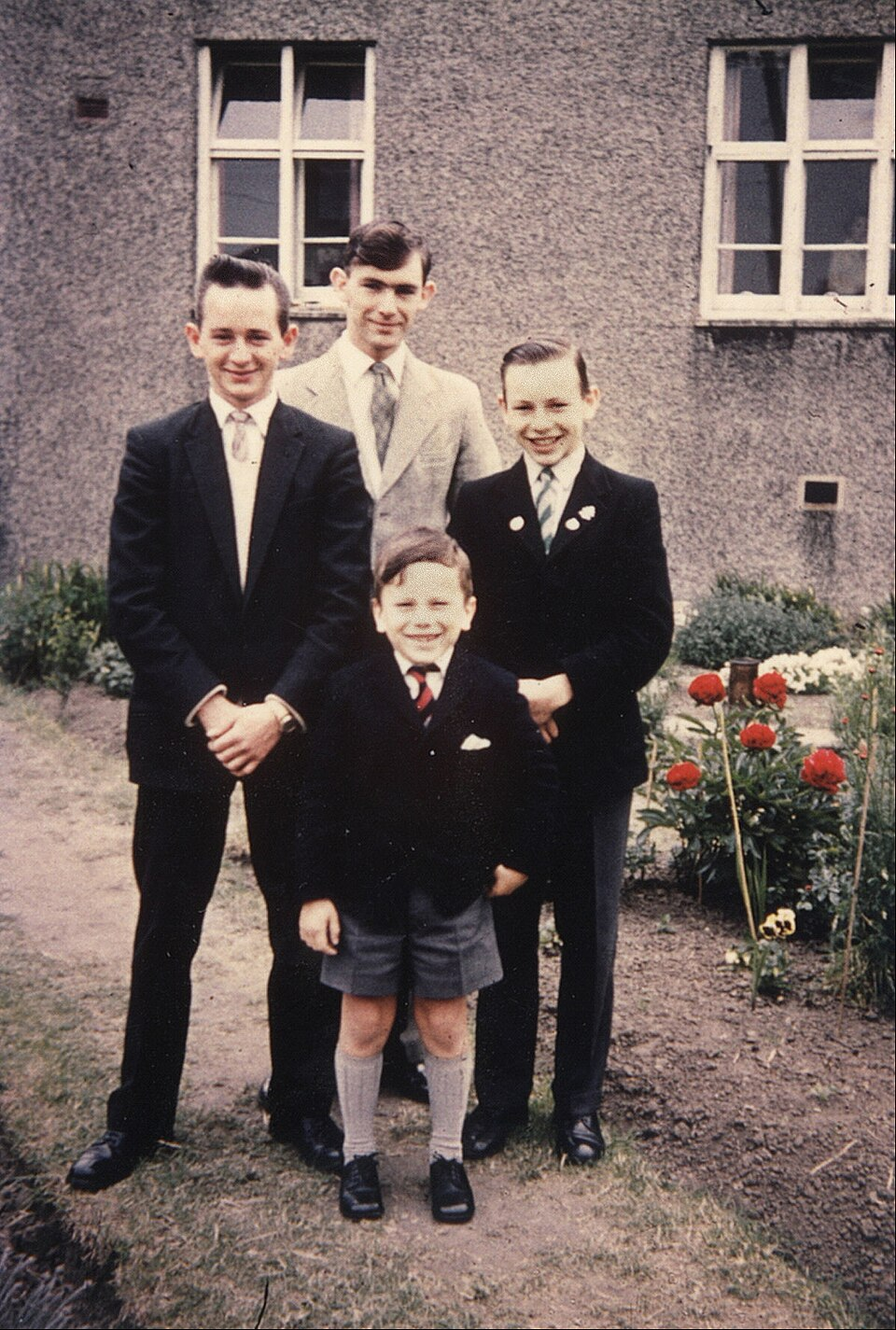
The calculation was the same one that governed every errand of the period.
An adult walking to another household to ask about a non-arrival spent half an hour and arrived as an adult making an enquiry, which is a different kind of visit entirely; a child arriving at the same door with the same question was a thinner and considerably easier thing for everybody involved.
That lightness was the point. Sending a child kept the whole enquiry at the level of a question rather than a concern, which is a piece of social calibration households performed without ever discussing it.
4. The Question Was Harder to Phrase Than Any Other Errand

Asking why somebody has not done something is difficult to put without implying a complaint.
The difficulty was real and children had no help with it. The question contains an accusation if phrased directly – that somebody had failed to do what they said – and a child had to produce something that got the information without delivering the complaint, unprompted and at eight years old.
Children solved it the same way everywhere. Most of them simply said that the household had been expecting somebody, and let the sentence sit there – which supplies the fact, asks nothing and invites the explanation, and is a considerably better piece of phrasing than anybody had taught them.
5. The Answer Was Almost Always Already Known at the Other End
The receiving household generally understood immediately and had an explanation ready.
The resolution was usually instant. Somebody at the door heard that a household had been expecting a person, said what had happened, and the whole errand was discharged in about fifteen seconds – because the explanation had existed all along and had simply had no route by which to travel.
That is the clearest illustration of what the errand was for. No information had to be discovered; it only had to be moved, and in 1964 moving it required a person to walk.
6. You Were Given an Explanation You Could Not Evaluate
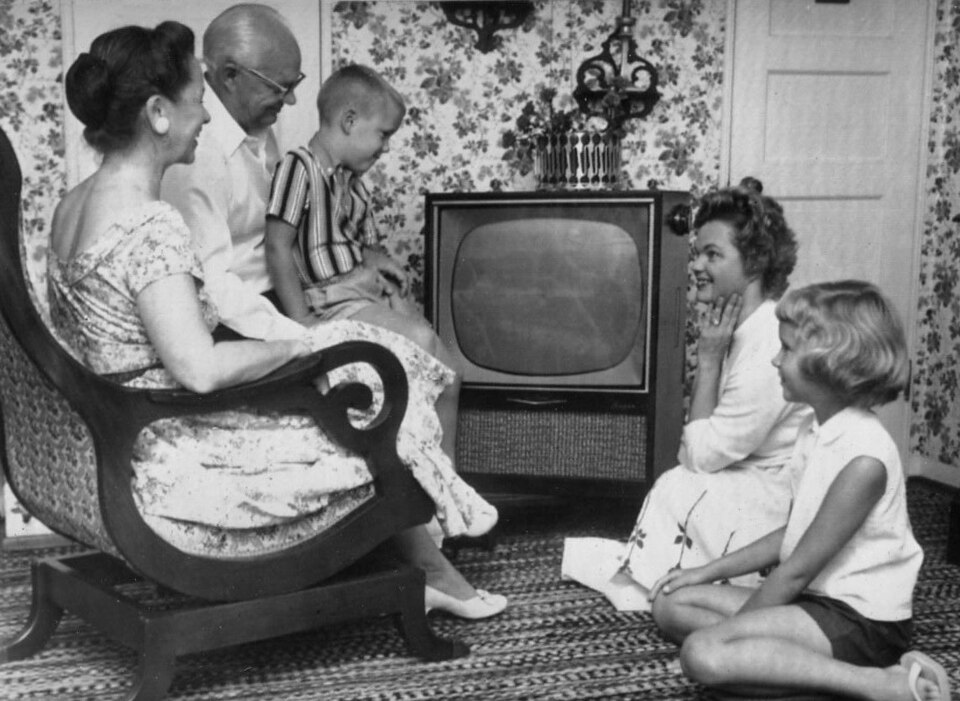
The reason was handed to a child who had no means of judging it.
The content was frequently beyond the child entirely. An account involving arrangements, other people and circumstances a child knew nothing about was delivered at adult speed, and the child’s job was to carry it rather than to assess it – which meant they transmitted something they did not understand.
Children handled this exactly as they handled every other opaque message. They held the words, carried them home and reproduced them as accurately as they could manage, and the household supplied the interpretation at the far end.
7. Sometimes the Person Was Standing Right There
The non-arrival was occasionally resolved by the person themselves answering the door.
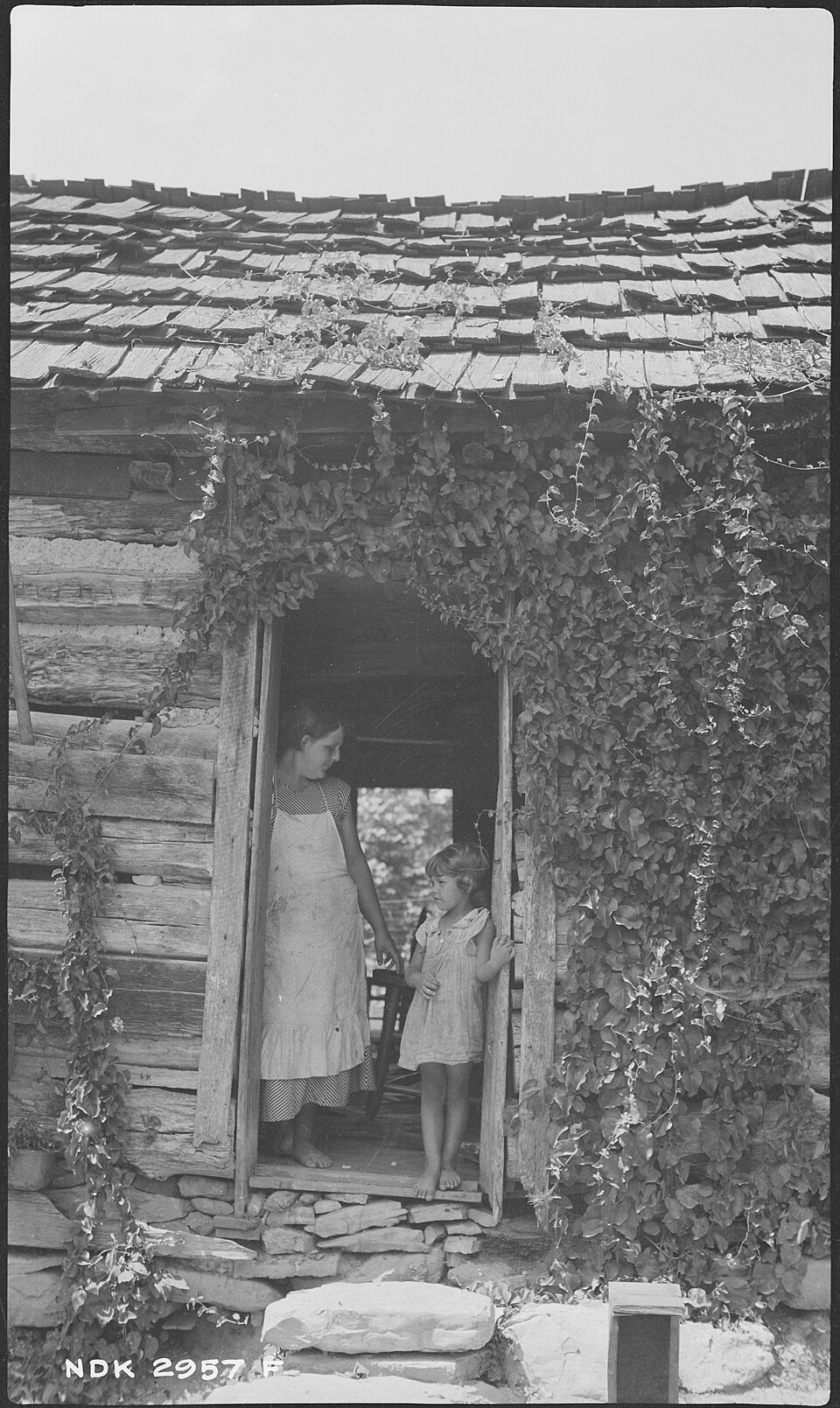
The outcome produced the most awkward exchange of the whole category. A child sent to ask why somebody had not come, faced with that person in their own doorway, had a question that could no longer be asked without being a reproach – and nobody had prepared them for it.
The resolution was always the adult’s. Somebody who had evidently forgotten an arrangement generally said so immediately, without being asked, which spared the child the sentence and is reported with some relief sixty years later.
8. The Explanation Frequently Made It Clear Nobody Had Forgotten Anything
A substantial proportion of these non-arrivals turned out to be a message that had not arrived.
The failure was in the transmission rather than in anybody’s conduct. Somebody had told somebody, or had sent word, or had assumed that a previous arrangement still stood – and the information had simply not reached the household that was waiting.
This was the commonest finding and nobody drew the obvious conclusion. A great many of these errands were generated by the failure of a previous errand, which means the whole system was absorbing its own error rate without anybody identifying that it had one.
9. Nobody Was Ever Annoyed With Anybody
The non-arrival produced no ill feeling at either end, in essentially every account.
The absence of friction is striking and is probably about expectations. In a period when arrangements were loose, confirmation was impossible and travel was unreliable, somebody not turning up was within the normal range of how things went – and treating it as a grievance would have been treating a routine event as an exception.
Children registered the calm and found it reassuring. A child dispatched on an enquiry that sounded serious and received at the far end as entirely ordinary learned something useful about the scale of the thing they had been sent about.
10. The Walk Home Was the Only Part With Any Weight to It

Carrying an explanation you could not assess is heavier than carrying a question.
The outbound journey had a question in it and the return had an account – and accounts are longer, more detailed and considerably easier to get wrong. A child who had held six or seven words on the way out was holding a paragraph on the way back, with no written record and no second chance.
This is where the errand actually failed when it failed. Children reproduced explanations imperfectly, which meant the household occasionally received a garbled reason for something entirely ordinary and had to work out what had been meant.
11. You Were Sent to Confirm the New Arrangement
The errand frequently generated a second errand on the spot.
The sequence was common. An explanation that included a revised plan – somebody coming tomorrow instead, or the following week – required acknowledgement, which meant the child was dispatched back with a reply before they had been home, or sent out again within the hour.
Nobody treated this as a complication. A household operating a communication system made of walking children absorbed a second journey without comment, because a second journey was simply what the next step cost.
12. Then an Absence Explained Itself

Contact of any kind removed the entire category: nobody now fails to arrive without an explanation arriving first.
Every part of that is an improvement. Knowing immediately why somebody is not coming, being able to ask without sending anybody anywhere, and never having to convert an absence into an account by walking are better in every respect.
What went with it is fifteen seconds at a door. An explanation that had existed all along and had no route by which to travel, handed to a child who could not evaluate it, carried home as a paragraph by somebody who had gone out with a question – and never once, in any account, turning out to be bad news.
What the Errand Was Actually Moving
Read in order, the twelve point to something simpler than the premise suggests. The answer was almost always already known at the other end: somebody at the door heard that a household had been expecting a person, said what had happened, and the whole thing was discharged in about fifteen seconds. No information had to be discovered – it only had to be moved, and in 1964 moving it required a person to walk.
The commonest finding is the one nobody drew a conclusion from. A substantial proportion of these non-arrivals turned out to be a message that had not arrived: somebody had told somebody, or sent word, or assumed a previous arrangement still stood, and the information had simply not reached the household that was waiting. Which means a great many of these errands were generated by the failure of a previous errand – the system absorbing its own error rate without anybody identifying that it had one.
The hardest part was the phrasing, and children solved it better than anybody taught them. Asking why somebody has not done something contains an accusation if put directly, so most children simply said that the household had been expecting somebody and let the sentence sit there – which supplies the fact, asks nothing and invites the explanation.
And the weight was all on the return leg. The outbound journey carried a question of six or seven words; the walk home carried an account, longer and more detailed and considerably easier to get wrong, with no written record and no second chance. That is where these errands failed when they failed – a household occasionally receiving a garbled reason for something entirely ordinary and having to work out what had been meant.
Two things are worth stating plainly. Nobody acted quickly: an expected person who had not appeared was given an hour or more, because arrangements of that period were loose and somebody being well behind a stated time was entirely normal. By the time a child was sent, the household had already satisfied itself this was a non-arrival rather than a delay, and had done so with no urgency at all.
And nobody was ever annoyed with anybody, at either end. In a period when arrangements were loose, confirmation was impossible and travel was unreliable, somebody not turning up was within the normal range of how things went – and children dispatched on an enquiry that sounded serious, then received at the far end as entirely ordinary, learned something useful about the scale of the thing.
Like our content? Follow us for more.