In 1966 lights out was an instruction with a time attached, and it was easy to enforce: a single ceiling light with a switch by the door, in a room off a landing, is a thing an adult can check from the bottom of the stairs. A prohibition that is strictly enforced and trivially circumvented by a battery and a bulb produces exactly one outcome, and it produced it in several million bedrooms at once. Here are twelve things every American kid remembers about reading under the covers in 1966, and what bedrooms changed about all of it.
1. Lights Out Was an Actual Instruction With an Actual Time
A household had a stated hour at which a child’s light went off, and it was enforced rather than suggested.
The enforcement was simple because the architecture allowed it. A single ceiling light with a switch by the door, in a room off a landing, is a thing an adult can verify from the bottom of the stairs, which made the rule unusually easy to police.
That is what created the whole business. A prohibition that is strictly enforced and trivially circumvented by a battery and a bulb produces exactly one outcome, and it produced it in several million bedrooms simultaneously.
The hour itself was also usually earlier than the child needed. A bedtime set for the household’s convenience rather than for anybody’s actual tiredness leaves a child lying awake in the dark with nothing to do, which is the condition the entire arrangement was invented to solve and which no adult of the period ever appeared to consider.
Like our content? Follow us for more.
2. The Light Itself Was Not Really Fit for Reading
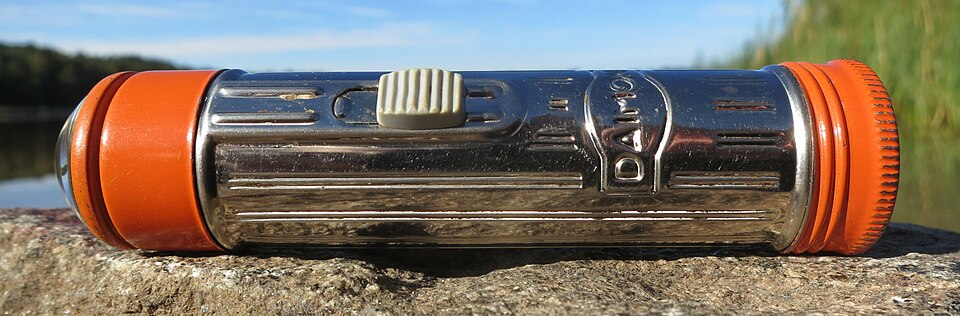
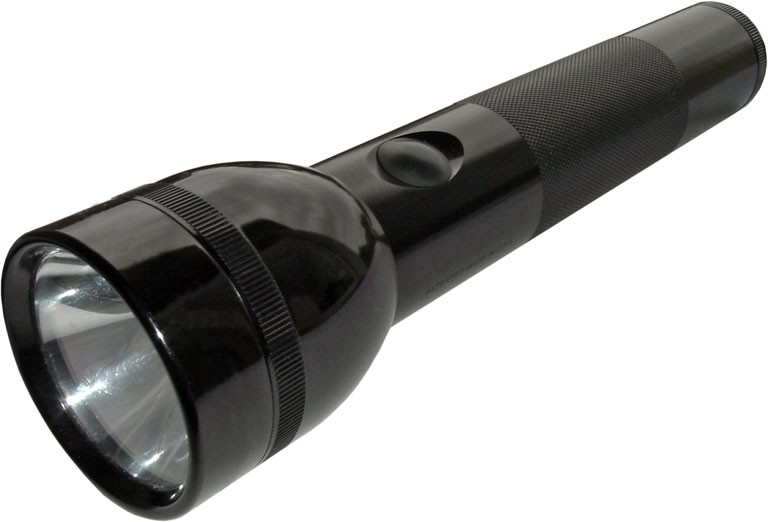
A narrow beam from a hand-held source, pointed at a page from six inches away, is a poor arrangement for reading anything.
The optics were the problem. A concentrated circle of light illuminates about a third of a page, which means the beam had to be moved continuously down the text and the page had to be held at an awkward angle to catch it.
Children adapted without noticing. The one-handed grip, the angled page and the moving beam were acquired automatically by everybody who did this, and nobody who did it has any memory of finding it difficult.
The grip also had a cost nobody mentions. Holding a light in one hand and a book in the other, in a confined space, for an hour, produces cramp in both, and the small repertoire of positions children worked out to relieve it was arrived at independently in every household and discussed in none of them.
3. Batteries Were the Entire Economy of the Thing
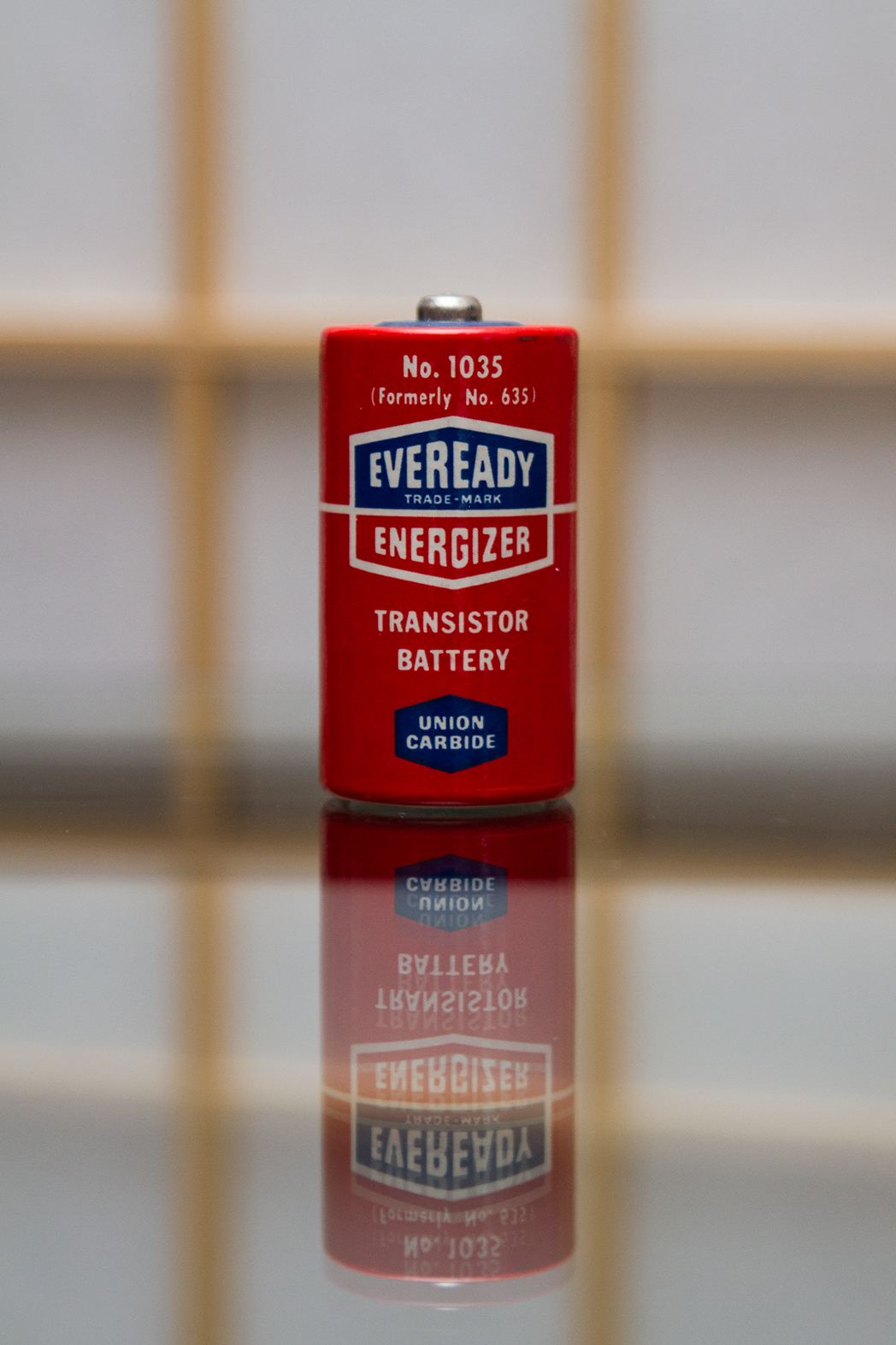
The supply was finite, expensive relative to a child’s resources and impossible to replenish without an adult.
The constraint governed everything. A child with a limited and non-renewable power supply has to ration it, which means the decision about whether tonight was worth it was made consciously before the thing was switched on.
Running out was a genuine disaster. A beam fading to nothing halfway through something, with no prospect of replacement for days, is a specific childhood catastrophe that nobody who experienced it has forgotten.
4. The Dimming Beam Was a Clock You Could Not Argue With
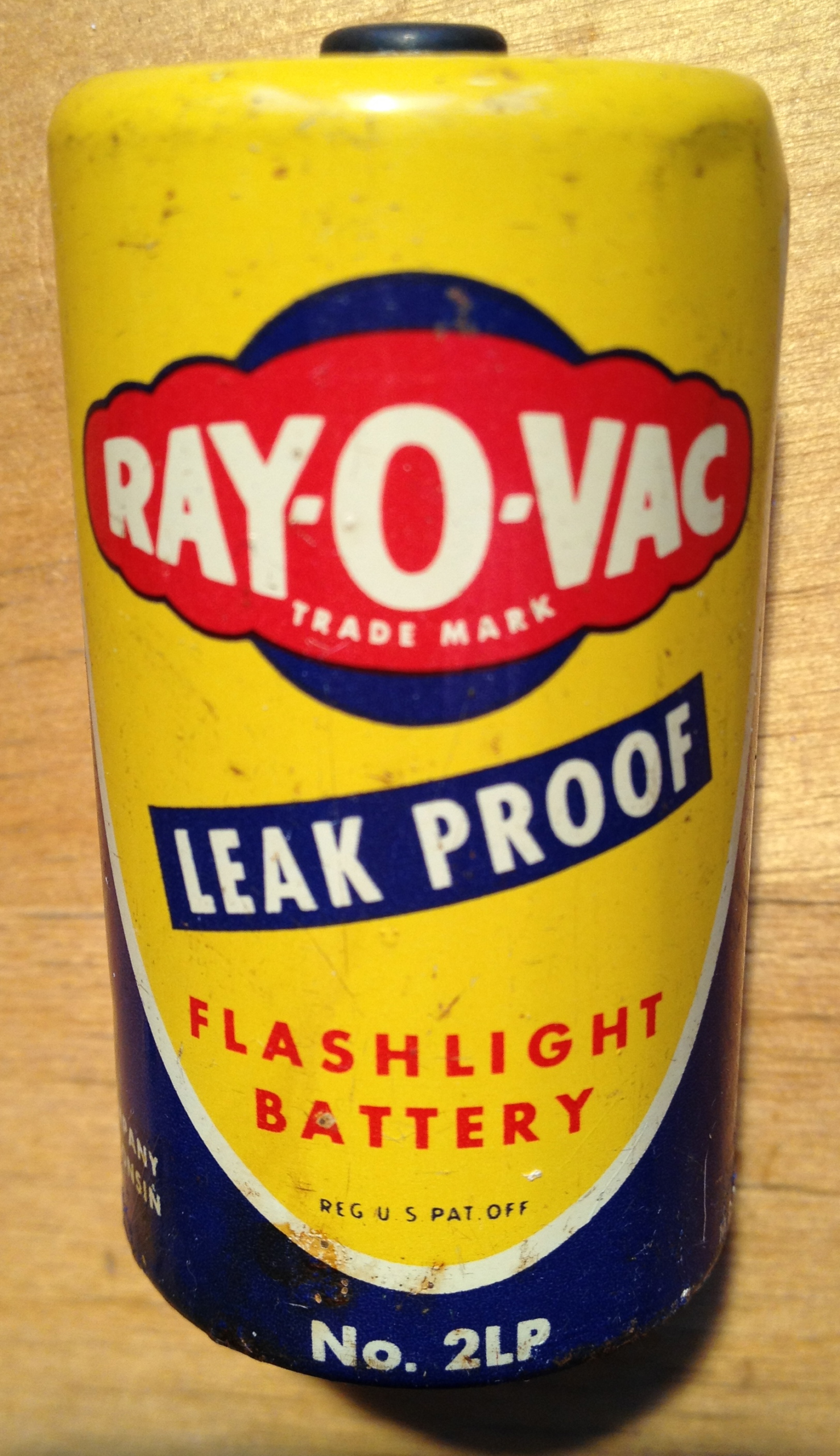
A failing supply announced itself gradually, which gave a child advance warning and no remedy.
The decline was informative. A light that was yellowing rather than white told its owner exactly how many nights remained, which produced a kind of careful husbandry nobody had taught and everybody practised.
It changed what got read. A child with two nights of power left chose differently from one with a fresh supply, which means the state of a battery was quietly determining what a considerable number of children read.
There was also a thriving unofficial trade. Batteries scavenged from other household objects, borrowed from a sibling or quietly removed from something nobody was currently using kept a great many of these operations running, and the discovery that something downstairs had stopped working was usually traced back correctly within a day or two.
5. Under the Covers Was About Concealment and Nothing Else
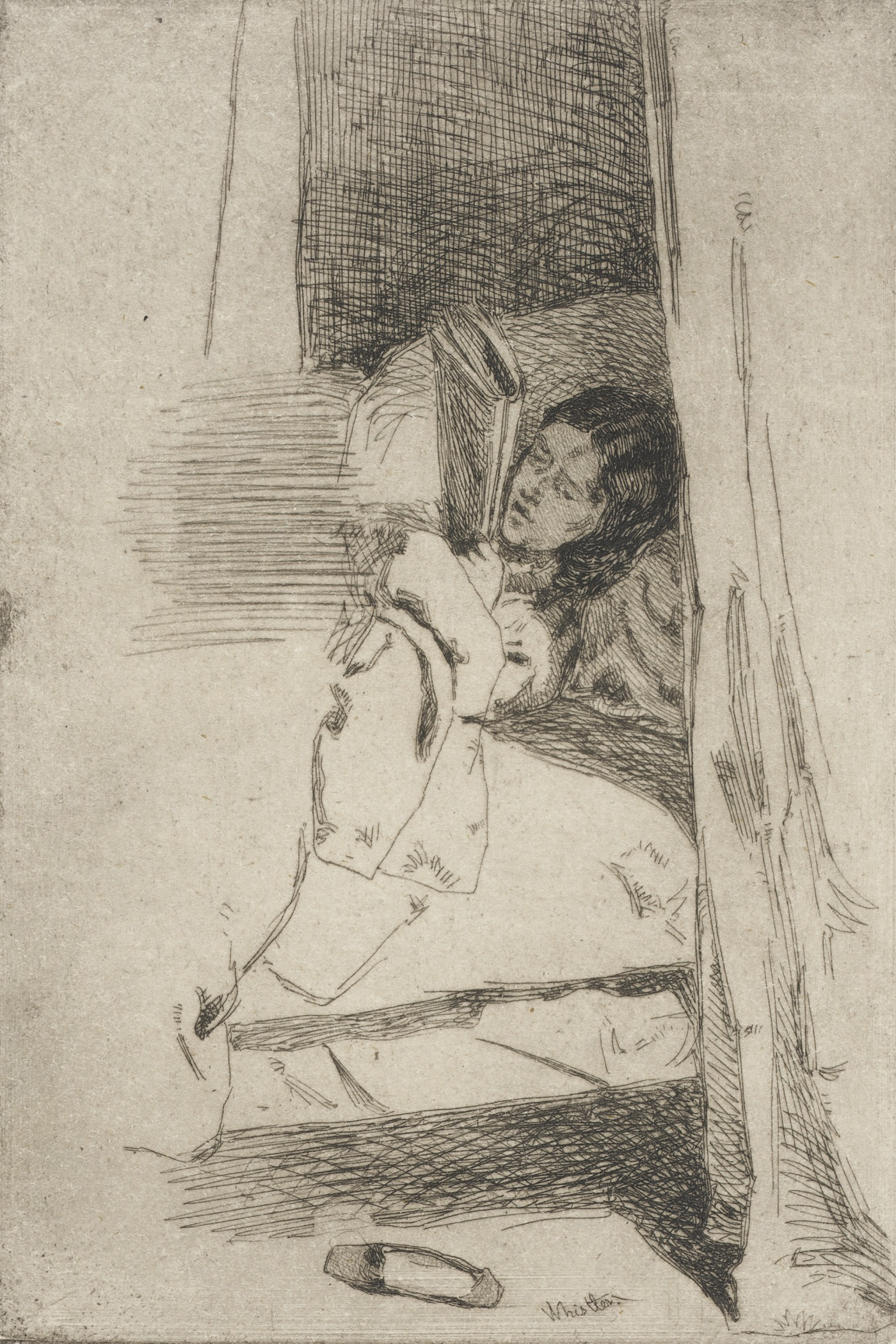
The position was uncomfortable, airless and bad for reading, and it was adopted because it hid the light.
The trade-off was entirely one-sided. A blanket over the head reduces visible light to almost nothing from outside the room, and makes the inside of the arrangement hot, cramped and difficult to hold a book in.
Children accepted all of it. Every disadvantage of the position was tolerated because the alternative was being caught, which tells you precisely how much the reading mattered relative to the discomfort.
6. You Learned to Hear Somebody Coming Up the Stairs

The whole operation depended on an early warning system, and children became extremely good at the one available.
The acoustics were learned in detail. Which step creaked, how long the landing took, whether a particular tread meant somebody was coming up or going down – all of it was acquired by children conducting this operation nightly.
The response was practised to a reflex. Light off, book down, eyes closed, breathing slowed, all within about a second, which is a sequence a great many adults could still perform if required.
The arrangement also failed completely in summer. A blanket over the head in July is unbearable within about ten minutes, which meant the whole operation was effectively seasonal, and the children who did most of this did it between October and March without ever having decided to.
7. Getting Caught Was Routine and the Consequence Was Small
Discovery happened regularly, the light was confiscated, and the whole thing resumed within a week.
The pattern was stable because neither side escalated. An adult who confiscated the light had made their point, and a child who recovered or replaced it had not been meaningfully deterred, which meant the cycle simply repeated.
Most adults were not really trying. The strong suspicion among people who did this is that a considerable proportion of parents knew perfectly well and intervened only when they had to, which is a conclusion most of them reached decades later.
8. The Books Were Whatever Was Available and That Is the Point

There was no selection, no recommendation and no supply beyond what happened to be in the house or borrowed from somewhere.
The scarcity shaped the reading. A child with three available books and several hours of concealed time reads all three repeatedly, which produces a relationship with a small number of texts that abundance does not.
That is why the titles are remembered so precisely. People who did this can name exactly what they read under a blanket in a way they cannot name anything they read a decade later with the light on.
The private ownership of the thing also mattered more than the thing itself. A light that was a child’s own, kept somewhere only they knew about, was frequently the single object in a household that belonged entirely to one person and was not shared, inspected, borrowed or tidied away by anybody else.
9. It Was the Only Time Nobody Knew What You Were Doing
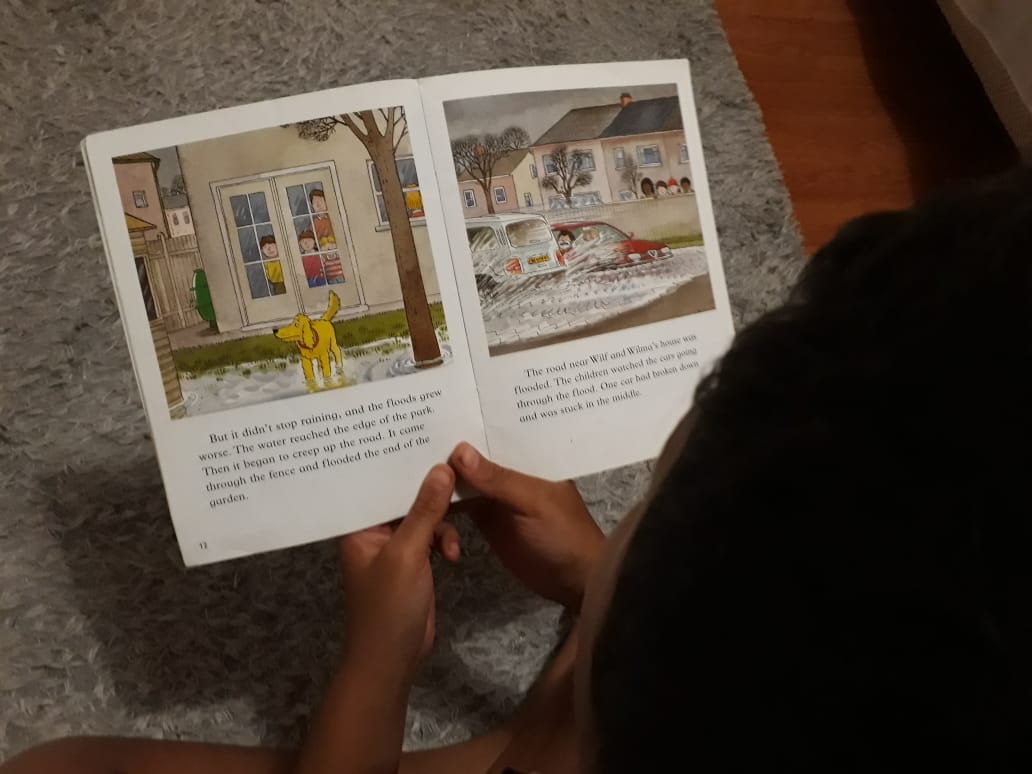
A child under a blanket with a light is the most private a person could be in a household of that period.
The privacy was structural. No bedroom door locked, no room was exclusively anybody’s in many houses, and a child had essentially no hours of the day unaccounted for – except this one, which they had taken rather than been given.
That is probably what it was actually for. The reading mattered enormously, and so did the fact that it was happening entirely outside the knowledge of everybody else in the building.
The repetition also produced an unusual kind of knowledge. A child who had read the same book eleven times under a blanket knew it in a way that no amount of reading a different book each week produces, and a surprising number of people can still quote from those three or four texts and from nothing else at all.
10. It Made the Next Day Considerably Worse and Nobody Stopped
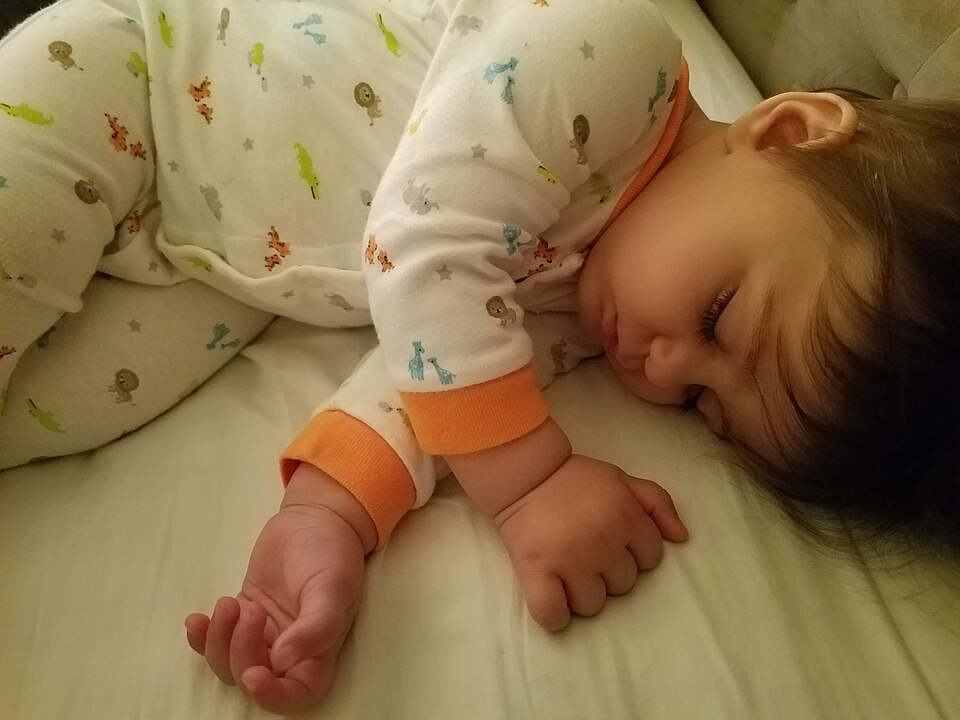
A child who had been up for two hours was tired at school, and the connection was obvious to everybody except the child.
The trade was made knowingly. A nine-year-old who had worked out that an hour of concealed reading cost them something the following morning generally decided the hour was worth it, which is a reasonable piece of cost-benefit reasoning.
Adults drew the link and were ignored. The observation that somebody was tired because they had been reading half the night was made in millions of households and changed almost nothing in any of them.
11. Sharing a Room Made It a Joint Operation or Impossible
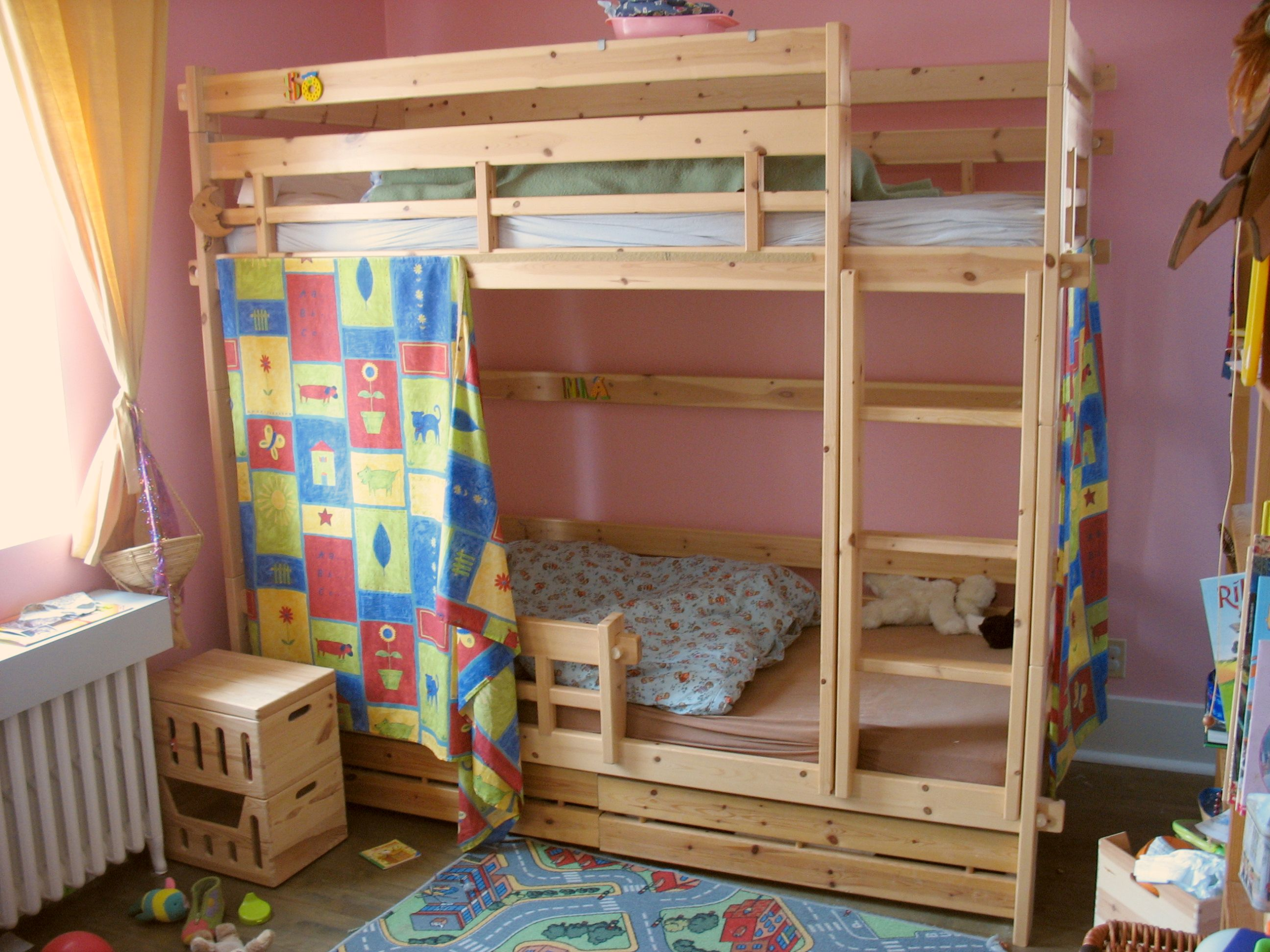
A sibling in the other bed was either a co-conspirator or the principal threat, with nothing in between.
The dynamic depended entirely on the sibling. One who wanted the same thing doubled the available power supply and the lookout capacity, and one who did not had a straightforward and costless way of ending the whole arrangement.
The negotiations were serious. The terms on which a sibling agreed not to mention the light are among the earliest real bargains a great many people ever struck, and the price was usually something quite specific.
The tiredness was also blamed on everything except the real cause. A child who had been up half the night attributed it to the weather, the lesson, the walk to school or simply having a bad morning, which is a small early exercise in not examining your own decisions too closely.
12. Then the Light Was Always On and the Secret Went
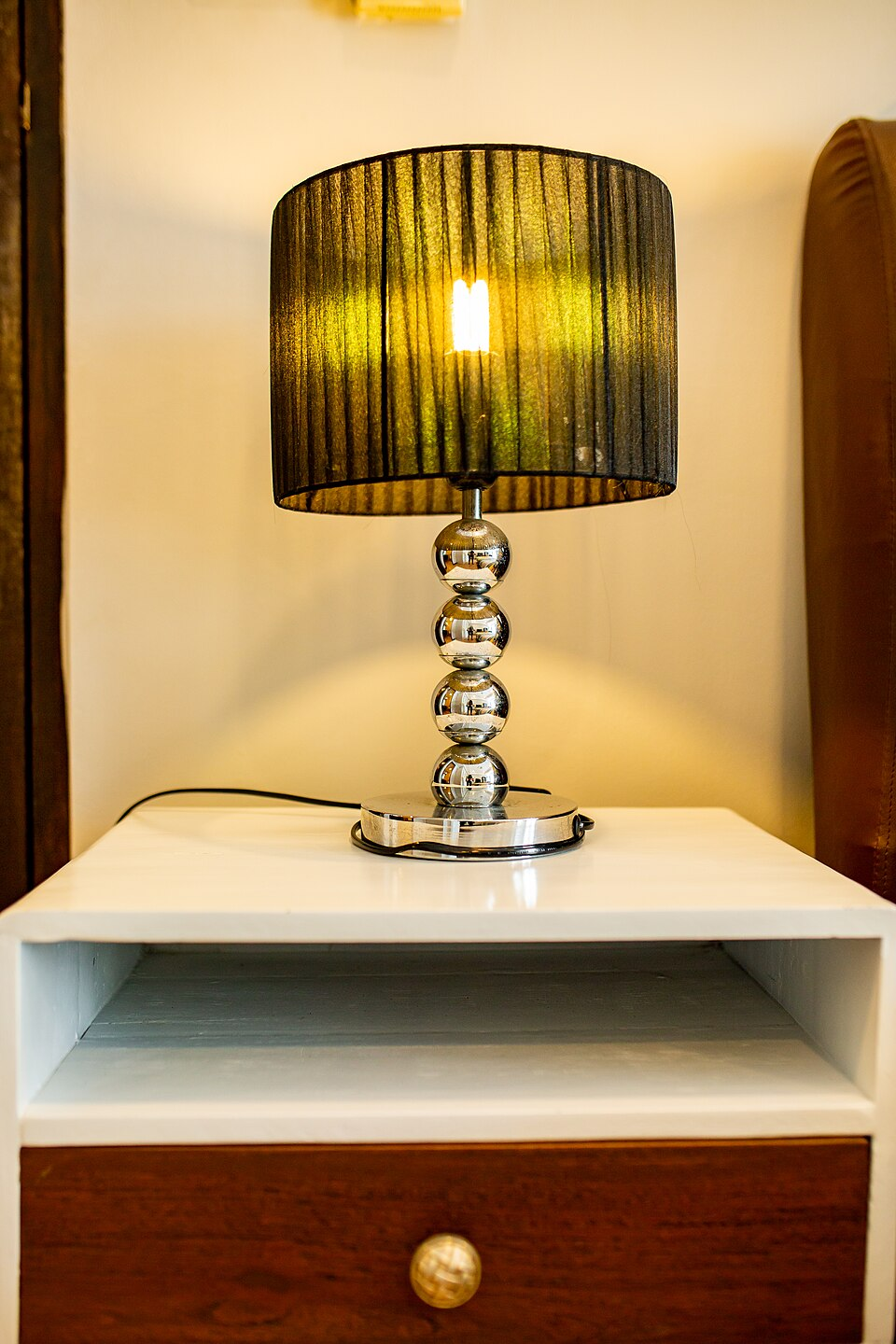
Illuminated devices, bedside lamps, far more relaxed bedtimes and the end of a single switchable ceiling light removed the entire arrangement.
None of that is a loss. Children now read in better light, at more sensible hours, with vastly more available to them, and nobody should wish a weak beam and a finite battery back on anybody.
What went with it is the concealment. A hand-held light pointed at a third of a page under a blanket, rationed against a supply that was visibly dying, with one ear on the stairs, a sibling paid off in something specific, and one hour of a day that belonged to nobody but the child having it.
What Was Actually Being Protected
Read in order, the twelve describe an arrangement that was bad at everything except the one thing it was for. The light was poor – a concentrated circle illuminating about a third of a page, which had to be moved continuously down the text while the page was held at an angle to catch it. The position was worse: hot, cramped and airless, adopted purely because a blanket over the head reduces visible light to almost nothing from outside the room. And the power supply was finite, expensive relative to a child’s resources and impossible to replenish without the very adults the operation was being concealed from, which meant the decision about whether tonight was worth it was made consciously before anything was switched on.
The dying battery turned out to be the most interesting part. A beam that was yellowing rather than white told its owner exactly how many nights remained, which produced a careful husbandry nobody had taught – and quietly determined what got read, because a child with two nights of power left chose differently from one with a fresh supply.
What was being protected was not really the reading. No bedroom door locked, few rooms were exclusively anybody’s, and a child had essentially no hours of the day unaccounted for – except this one, which they had taken rather than been given. That is also why getting caught never deterred anybody: the light was confiscated, the point was made, and the whole thing resumed within the week, with a strong suspicion among the people who did it that a considerable number of parents had known all along and intervened only when they had to.
None of the change is a loss. Children now read in better light, at more sensible hours, with vastly more available to them, and nobody should wish a weak beam and a finite battery back on anybody.
What went with it is the concealment: a hand-held light pointed at a third of a page under a blanket, rationed against a supply that was visibly dying, with one ear on the stairs, a sibling paid off in something quite specific, and one hour of the day that belonged to nobody but the child having it.
Like our content? Follow us for more.