In 1962 a street could have an animal that belonged to nobody. It arrived at four back doors, was admitted at none of them, was looked after at all of them, and had a different name at each house – with no mechanism anywhere for the four households to discover the conflict. Children accepted the idea that an animal might simply exist in a neighbourhood without belonging to anyone, which is not how any child would think about it now. Here are fourteen things every kid remembers about the cat that lived outside in 1962, and why streets no longer have one.
1. Nobody Could Say Whose It Was
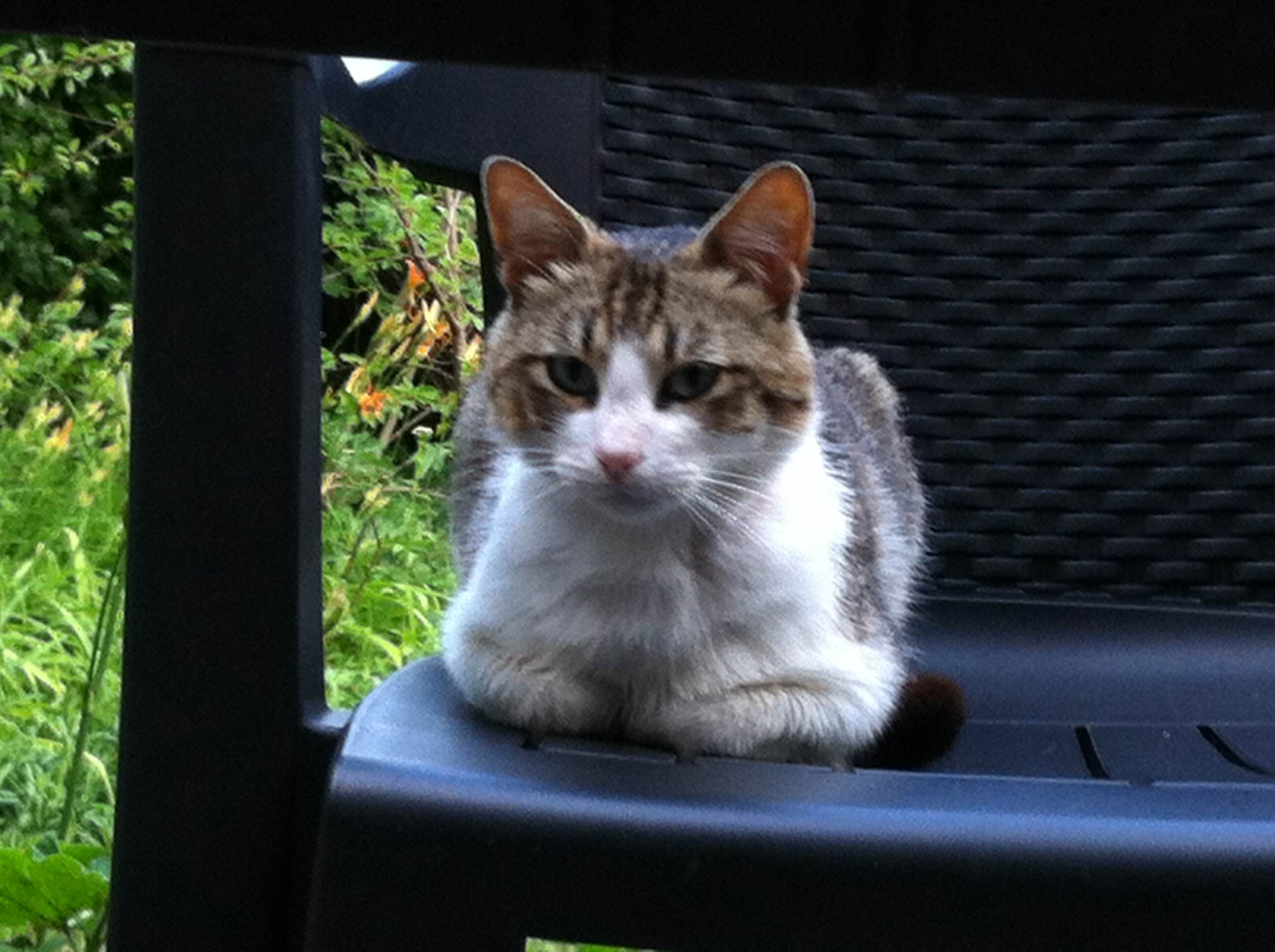
The animal was attached to a street rather than to a household, and several families each believed it was partly theirs.
The ambiguity was the defining fact. An animal that arrives at four back doors, is admitted at none of them and is looked after at all of them has no owner in any sense anybody could have written down.
Children found this entirely unremarkable. The idea that an animal might simply exist in a neighbourhood without belonging to anybody was accepted without question, which is not how any child would think about it now.
Like our content? Follow us for more.
2. It Had a Different Name at Every House
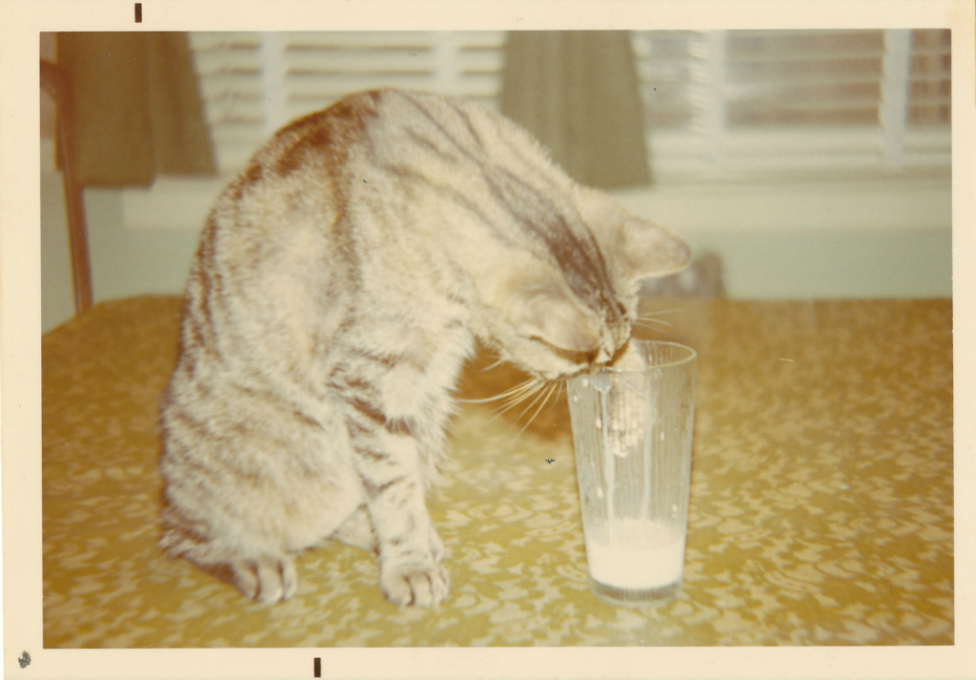
Each household had settled on something, none of the households knew what the others called it, and the animal answered to all of them.
The duplication followed inevitably from the arrangement. A household that has decided an animal is theirs will name it, and four households making that decision independently produce four names and no mechanism for discovering the conflict.
The discovery usually came much later. Two children comparing notes and realising they had been discussing the same animal under different names is a specific and widely shared memory of the period.
The names themselves followed a pattern nobody had coordinated. Each household chose something descriptive, obvious and slightly unimaginative, which meant the four names were frequently near-variants of one another, and two children could argue for ten minutes about whether they meant the same animal before working out that they did.
3. It Never Came Inside and Nobody Tried to Make It
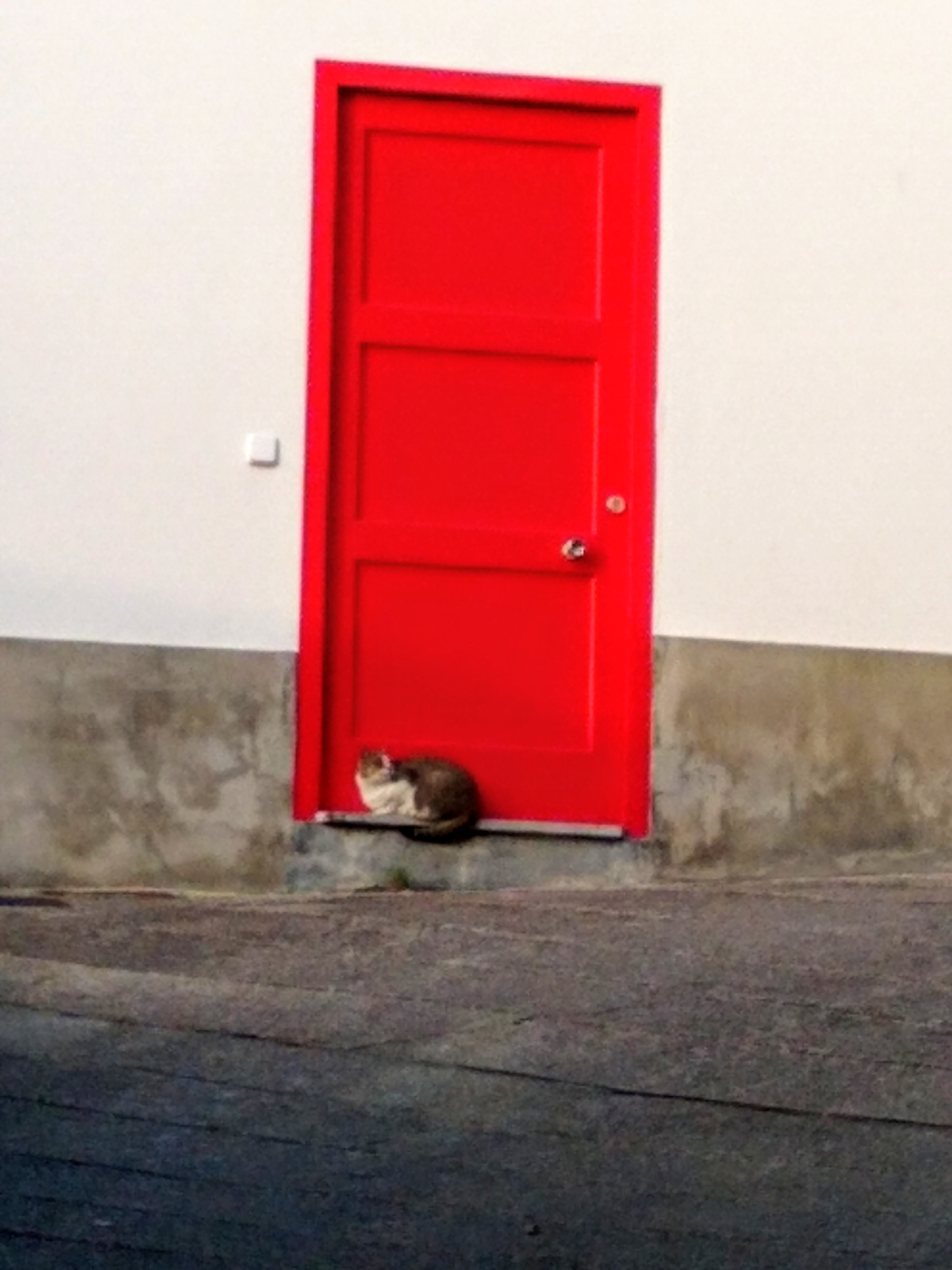
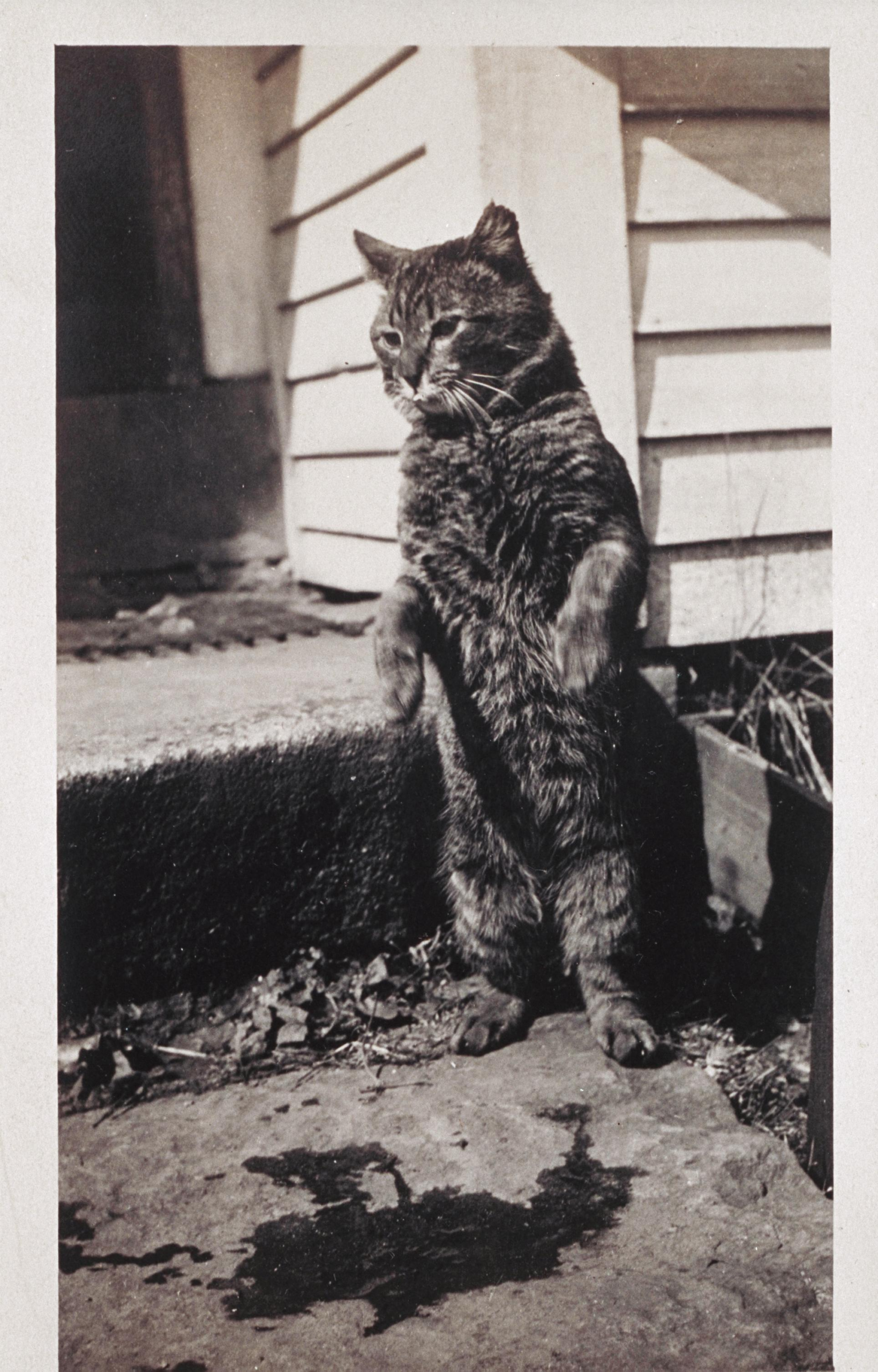
The animal’s relationship with every house stopped at the step, by what appeared to be mutual agreement.
The boundary was held from both sides. Households of the period did not generally admit animals that had not been invited, and the animal had no apparent interest in being admitted, which made the arrangement stable for years.
That is what made it different from a pet. A creature that comes close, is on good terms with everybody and will not cross a threshold occupies a category children today have almost no experience of.
4. Something Was Put Out at the Back Door Every Day
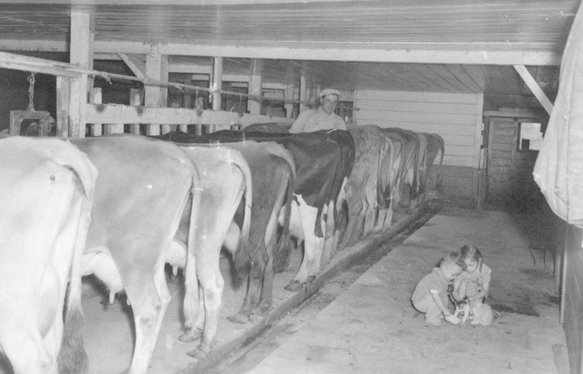
Each household quietly provided for it, and none of them mentioned doing so to any of the others.
The silence was the interesting part. Four households each believed they were the animal’s principal support, and each would have been surprised to learn the others existed, which is why nobody ever compared notes.
The animal was therefore considerably better provided for than anybody realised. An arrangement in which several parties independently take full responsibility for one creature produces an outcome none of them intended and all of them would have found funny.
5. It Chose One Child in Every Street and Nobody Knew Why
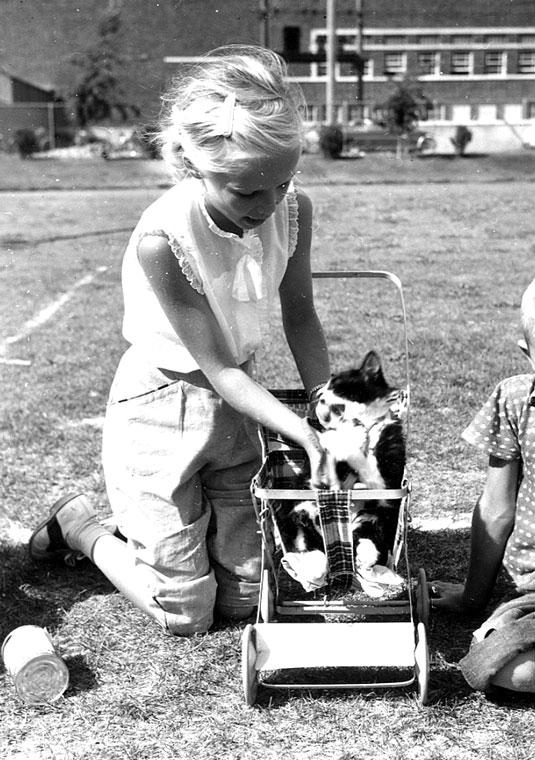
The animal was tolerant of most people and genuinely attached to one particular child, by criteria nobody could identify.
The selection was never explained. It did not correlate with who fed it, who tried hardest or who was kindest, and the children who were not chosen noticed the fact precisely and resented it quietly.
For the chosen child it mattered enormously. Being singled out by an animal that was indifferent to everybody else is a form of status a nine-year-old has no other route to, and the children concerned remember it vividly.
The reasons offered by children for the selection were also entirely invented. Every chosen child had a theory, each theory was different, none of them accounted for anything, and all of them were advanced with complete confidence to anybody who would listen.
6. It Disappeared for Days and Then Came Back
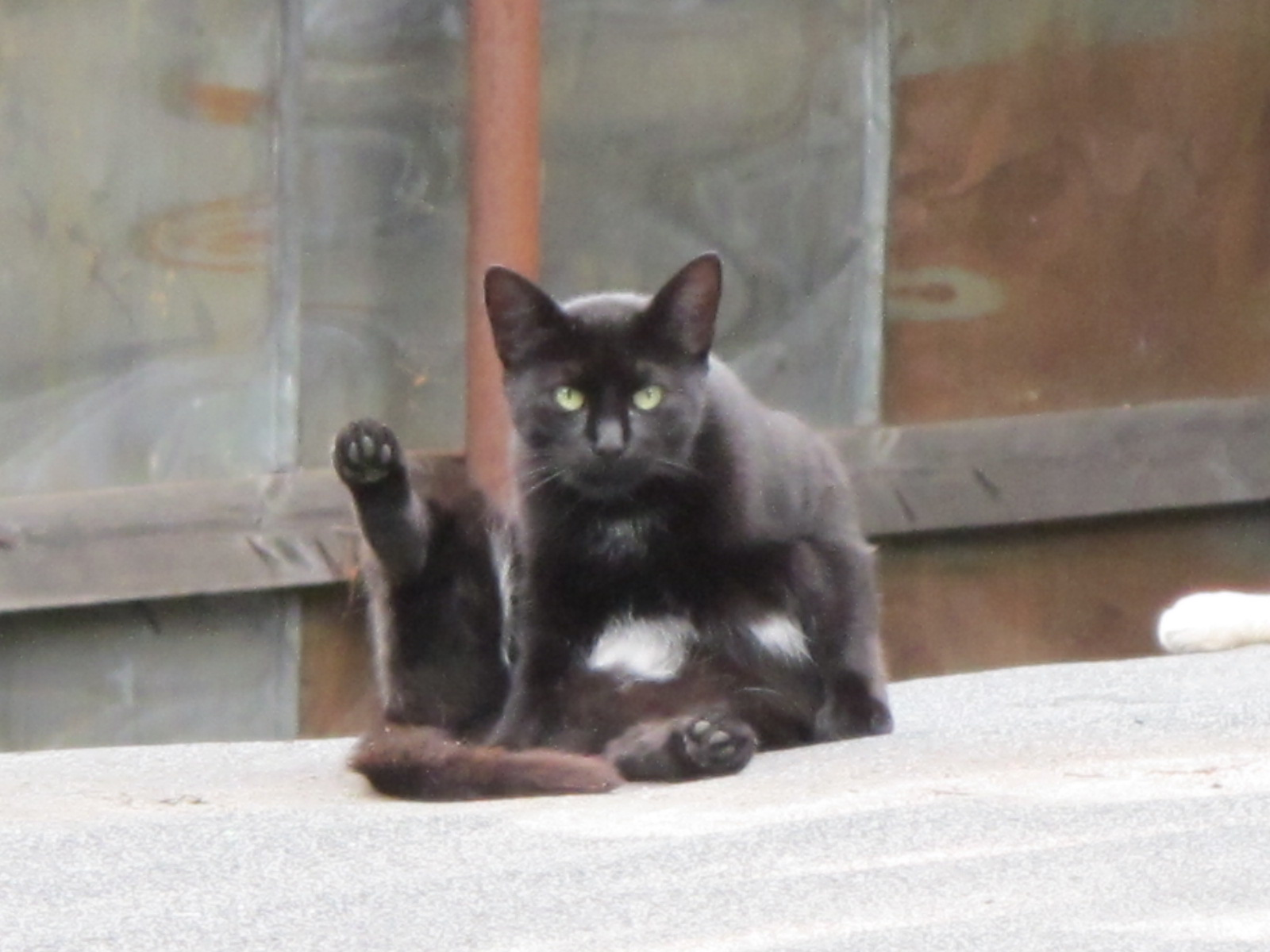
Absences of a week were ordinary, caused nobody any alarm and were never explained.
The acceptance reflected how little anybody knew. An animal with no collar, no record and no fixed address has a life nobody can account for, and households simply assumed it was somewhere and would return.
Children found the absences harder than adults did. A child who had decided the animal was theirs spent a week genuinely worried while the adults around them were entirely unconcerned, which is a disparity that was never addressed.
7. It Appeared at Windows and in Places It Should Not Have Been
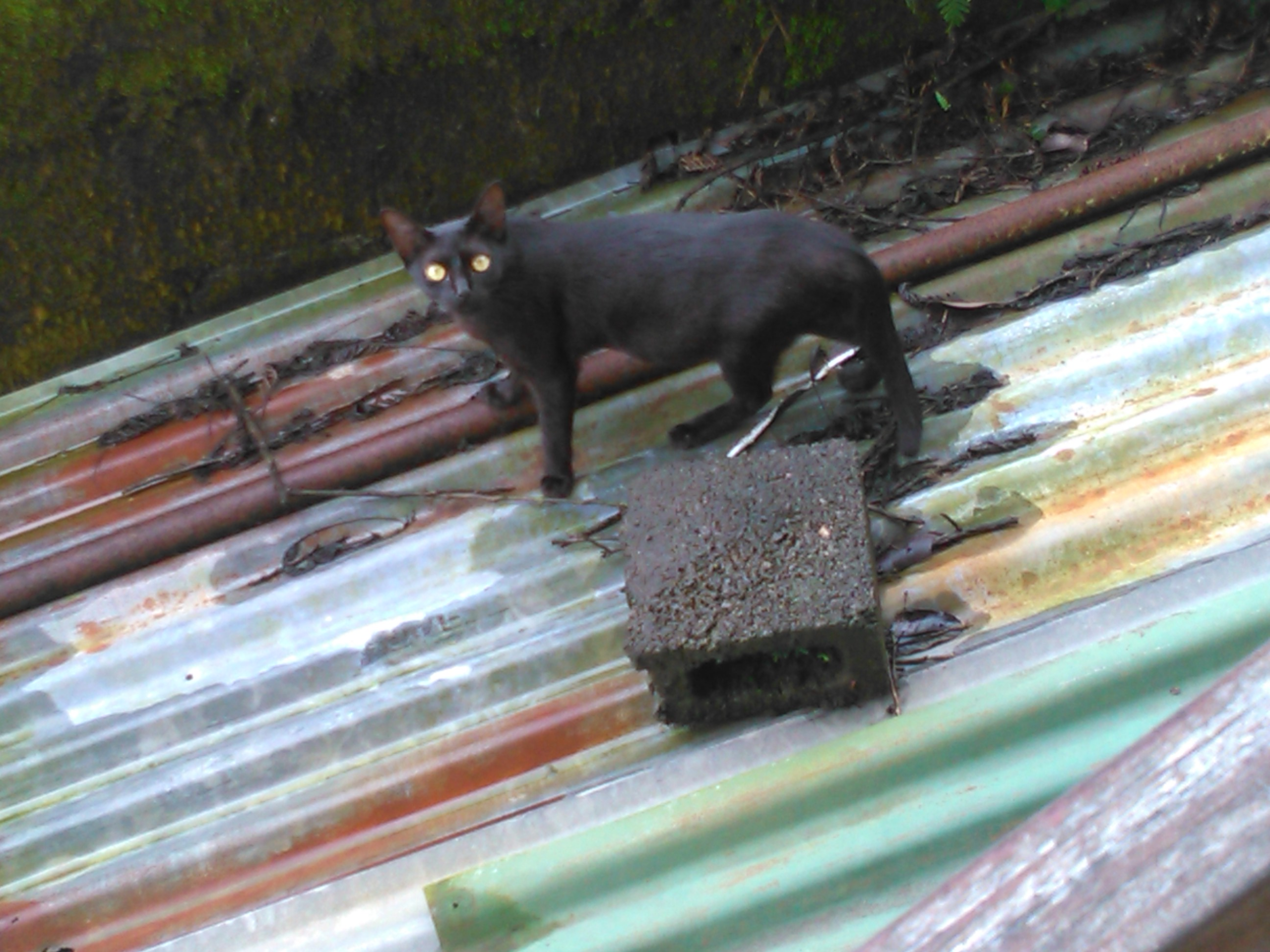
The animal turned up on sills, roofs, sheds and the inside of buildings nobody had let it into.
The access was a function of the period’s construction. Houses, outbuildings and garages of that era had gaps, open vents and doors left open, which means an animal with any determination had the run of a whole street.
Children treated each appearance as an event. The animal arriving somewhere unexpected was reported between children immediately, which gave it a kind of continuous presence in the neighbourhood’s conversation.
8. You Were Told Not to Pick It Up and You Did Anyway
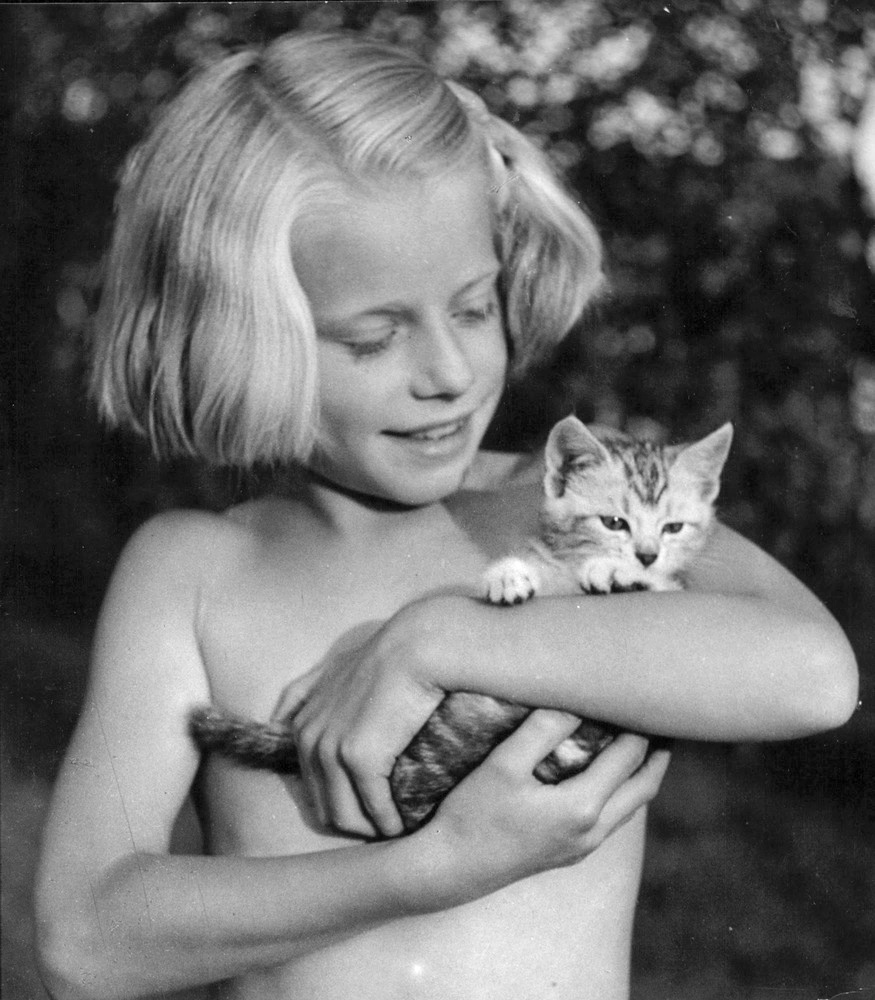
Adults gave a clear instruction about handling an animal nobody owned, and children ignored it more or less completely.
The instruction was sound and remains so. An animal with no known history, no veterinary record and no owner to ask about it is not one anybody should be handling, and the advice given then is the same advice given now.
Current practice is considerably better. Identification, registration and proper veterinary care mean the situation hardly arises today, which is an improvement, and nothing here should be read as suggesting any child approach an unknown animal.
9. It Was the Only Animal Some Children Had Any Contact With
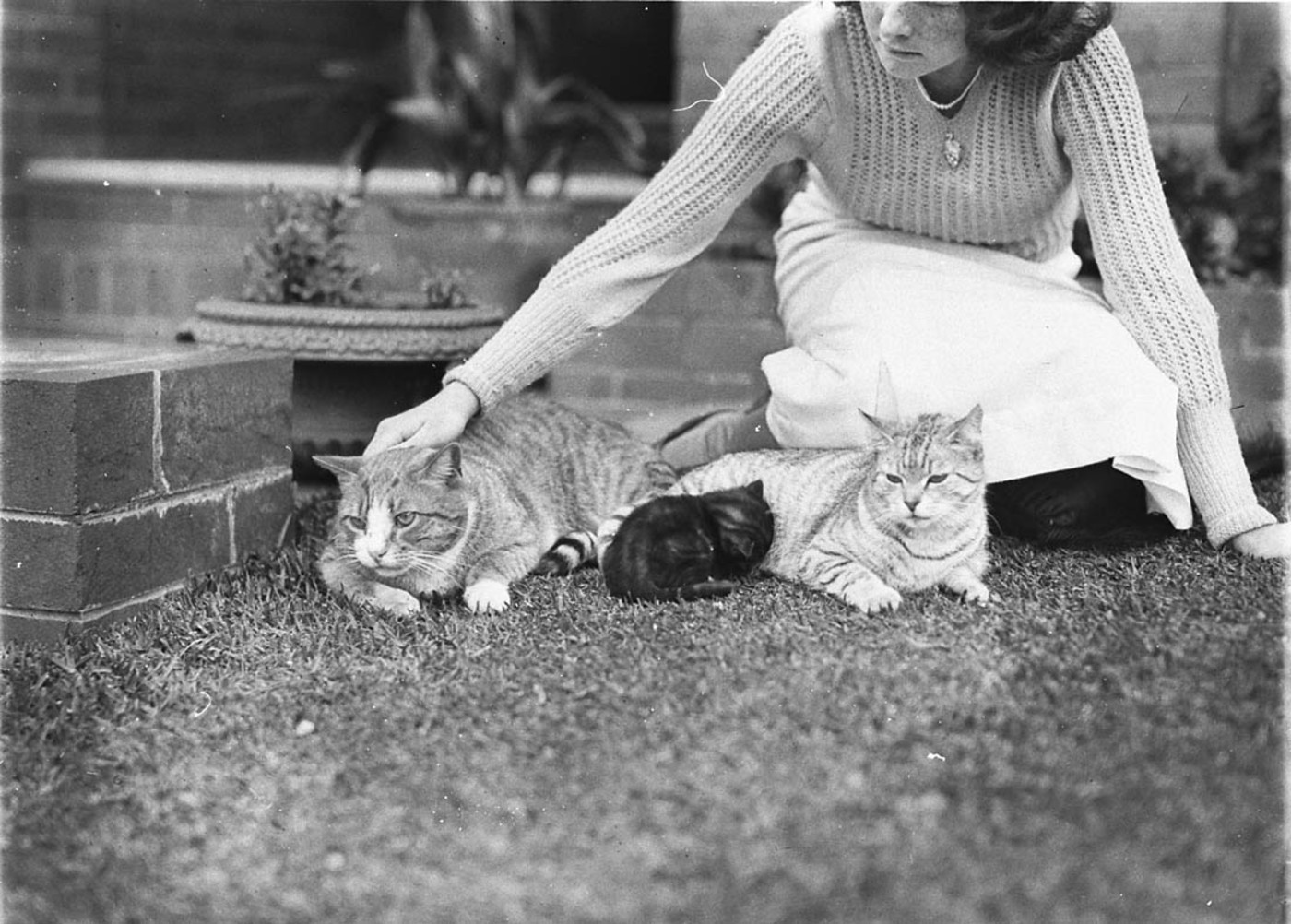
Households that could not or would not keep an animal had children who nonetheless had one, in a limited way.
The arrangement filled a real gap. A child who wanted an animal and whose household had said no could have a relationship with one anyway, provided they accepted that it happened entirely outdoors and on the animal’s terms.
That is why it is remembered with such force. For a proportion of children this was the only animal of their childhood, which gives a creature nobody owned a disproportionate place in a great many memories.
10. Its Age Was a Complete Mystery
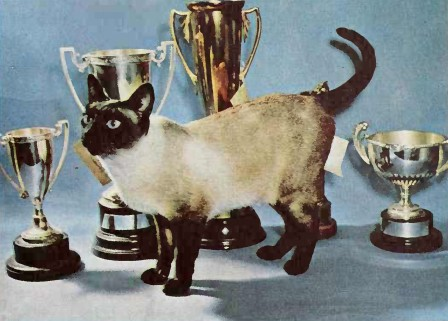
Nobody knew how old it was, where it had come from or how long it had been in the street.
The absence of a record is difficult to imagine now. An animal with no documentation, no purchase and no arrival anybody remembered simply had no history, and everybody’s account of how long it had been around disagreed.
Children assumed it had always been there. The animal was treated as a permanent feature of the neighbourhood, like a wall or a particular tree, which is roughly how it functioned.
The accounts also got longer with retelling. A household that had known the animal three years was certain it had been there for ten, and the figure went up steadily over the following decades without anybody ever having had a single piece of evidence about it.
11. Adults Pretended Not to Care About It
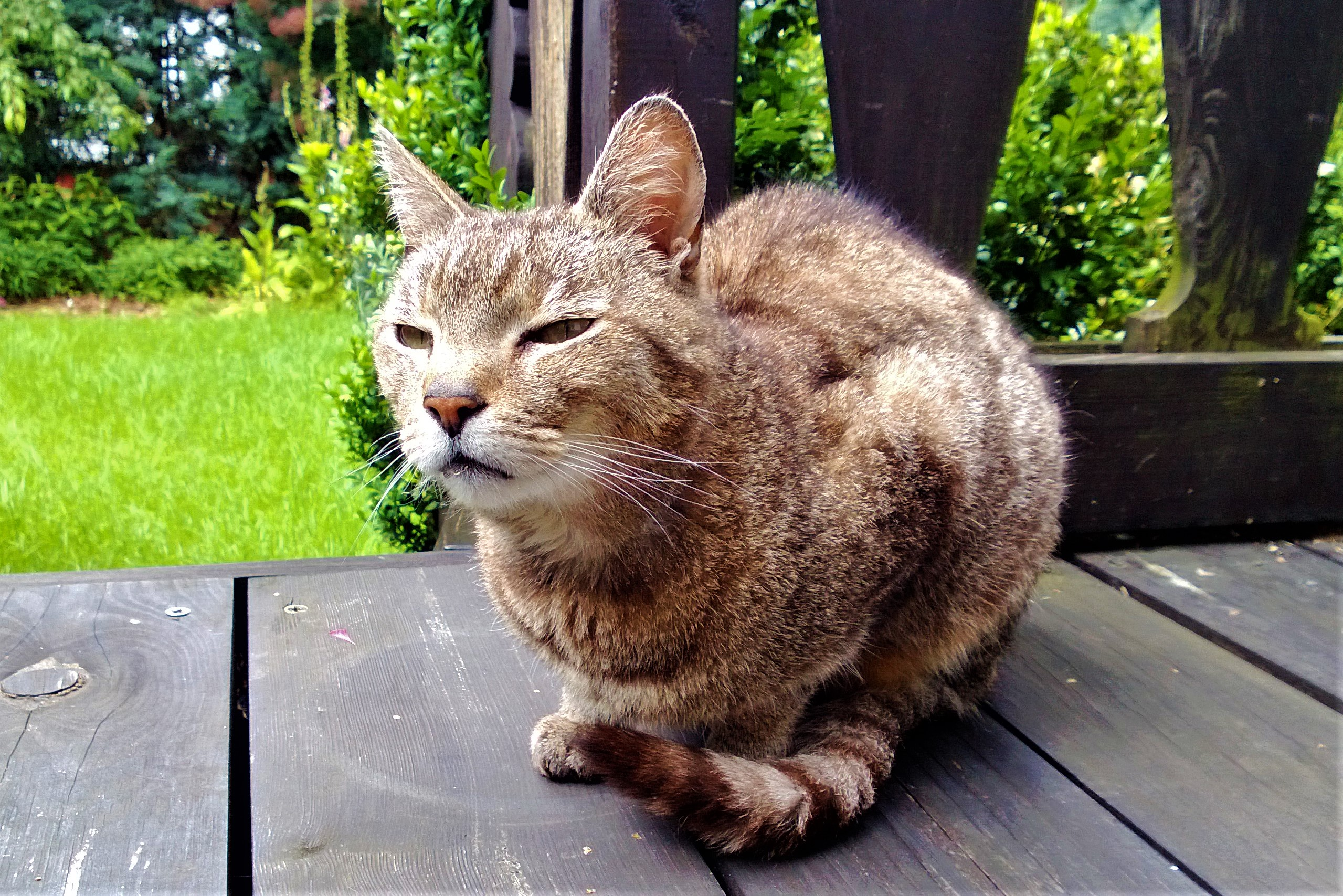
The household that put something out every day described the animal as a nuisance and continued putting something out.
The contradiction was universal and transparent. An adult who maintains that an animal is a bother while reliably providing for it twice a day has a position nobody in the household believed, including them.
Children found this instructive. Watching an adult say one thing and do another, about something harmless, with no consequences attached, is a useful early demonstration of how people actually work.
12. A New Household Moving In Could End the Whole Arrangement
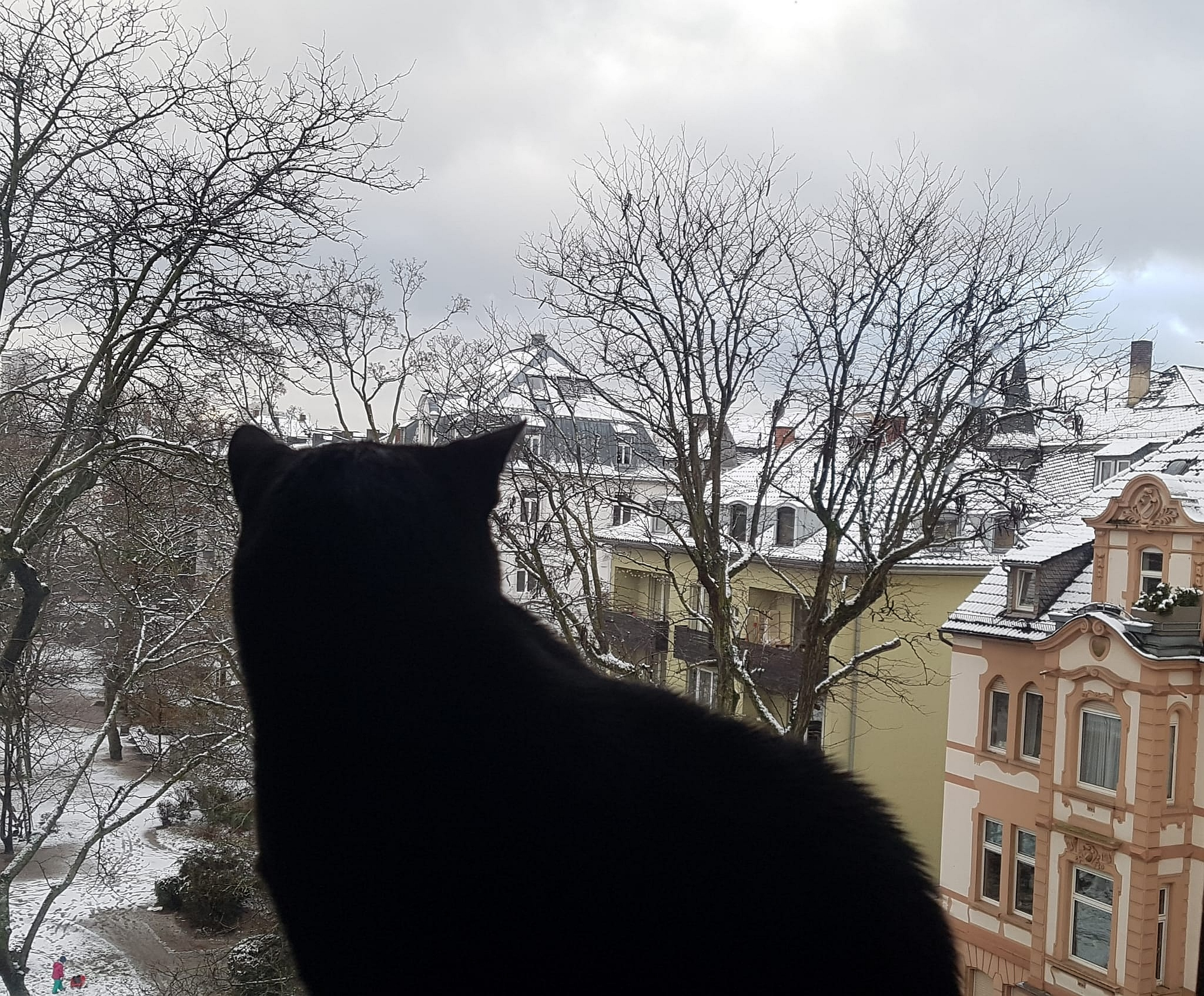
The animal’s position depended on every house along a street tolerating it, which meant one change could unsettle everything.
The fragility was built in. An arrangement held together by four separate unspoken decisions has no resilience whatever, and a household that took a different view removed one of its supports immediately.
Children noticed the change before anybody explained it. An animal that stopped appearing at a particular door was a visible alteration to the neighbourhood that children registered and adults rarely discussed.
13. It Was Discussed by Children as a Shared Possession
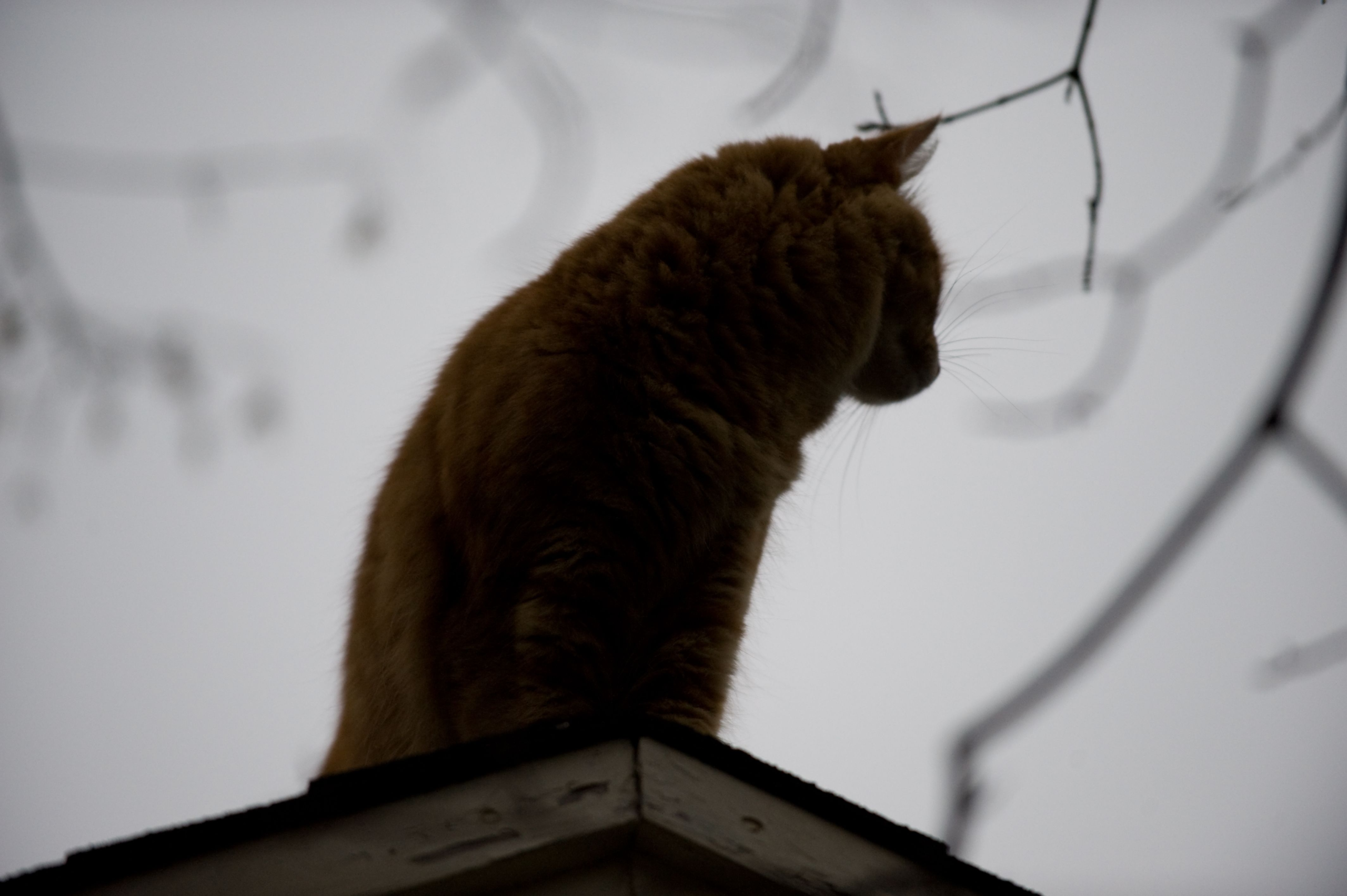
Conversations about the animal assumed collective ownership that bore no relationship to anything any adult had agreed.
The claim was sincere. Children who each believed the animal was theirs, discussing it with other children who believed the same thing, produced a running negotiation about an animal none of them had any standing over at all.
The negotiations were surprisingly peaceable. A shared claim to something nobody can actually own turns out to produce less conflict than a disputed claim to something somebody does, which is a small lesson in property nobody intended to teach.
The claim also expired the moment the animal was present. A child who had spent an afternoon asserting primary ownership fell completely silent when the animal arrived and went to somebody else, which happened regularly and was never acknowledged by anybody afterwards.
14. Then No Animal Was Allowed to Be Nobody’s
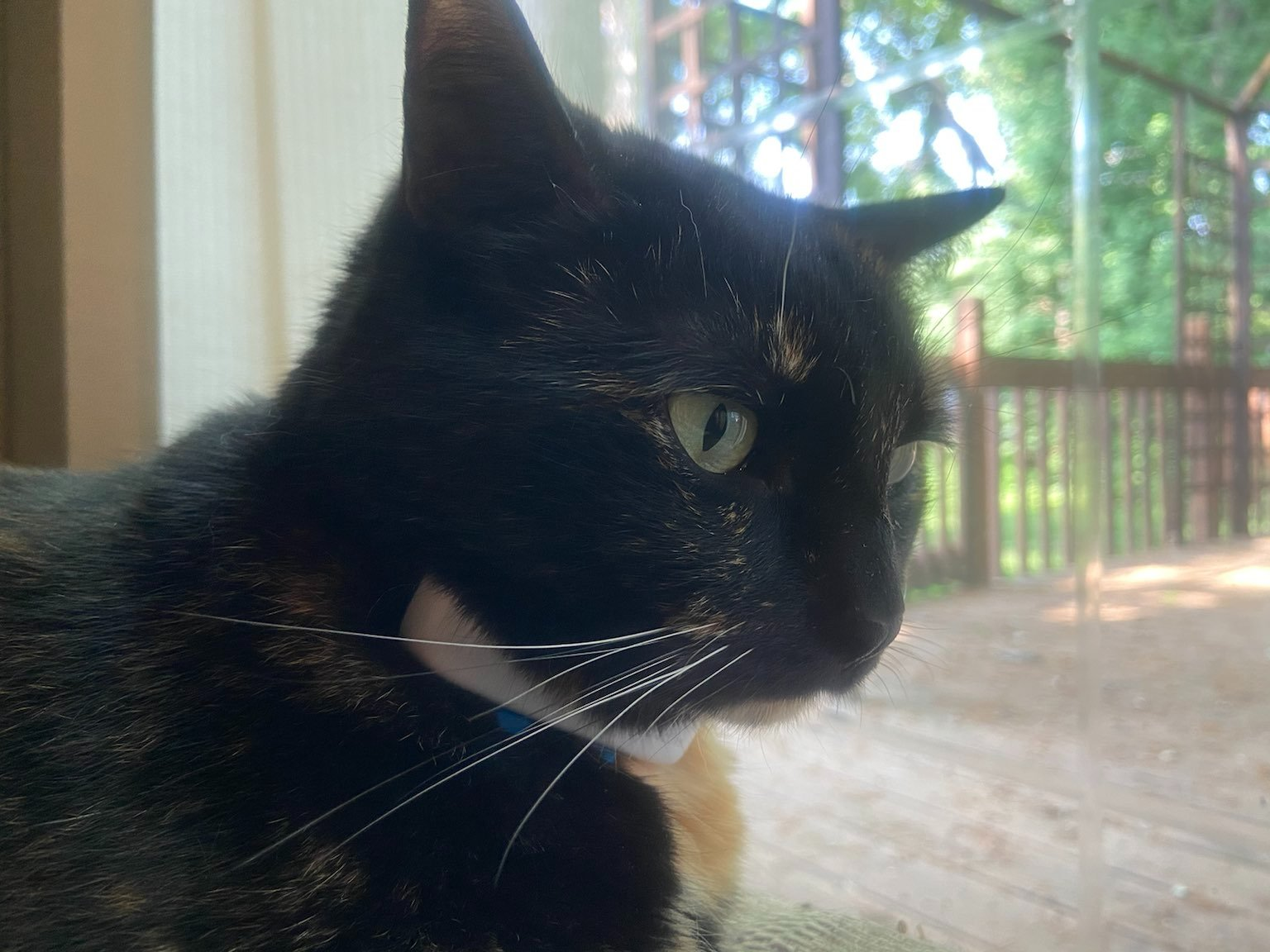
Identification, registration, veterinary care, neutering programmes and far better record-keeping mean an animal belonging to a whole street no longer exists.
That change is sound in every respect. Animals are properly identified, properly cared for and traceable to somebody responsible, which is better for the animals and better for everybody else, and nothing above is an argument against any of it.
What went with it is a creature attached to a place rather than a person. Four households each certain they were its principal support, four names nobody had reconciled, a week’s absence nobody could explain, one child singled out for reasons nobody could identify, and an animal that came as far as the step every single day and never once came in.
An Animal Attached to a Place

Read in order, the fourteen describe something that has no modern equivalent: a creature whose relationship was with a street rather than with a person. That one fact generates everything else. Four names, because four households each decided independently that it was theirs. Four daily provisions, each household silently certain it was the animal’s principal support and all of them wrong about being the only one. No known age, no origin and no arrival anybody remembered, because there was no record of any kind – which is why children treated it as a permanent feature of the neighbourhood, like a wall or a particular tree.
It also sat in a category children now have almost no experience of. It came close, was on good terms with everybody, and would not cross a threshold – by what appeared to be mutual agreement, held from both sides for years. For a proportion of children whose households had said no to keeping an animal, this was the only animal of their entire childhood, which is why a creature nobody owned occupies such a disproportionate place in so many memories.
And the whole arrangement was held together by nothing. Four separate unspoken decisions, with no resilience at all, so one household taking a different view removed a support immediately – a change children registered from the animal’s movements before any adult discussed it.
Two things are stated plainly here as endorsements of present practice. The instruction not to handle an animal with no known history and no veterinary record was sound then and is the same advice now; nothing above should be read as suggesting any child approach an unknown animal. And identification, registration, veterinary care and far better record-keeping mean an animal belonging to a whole street no longer exists, which is better for the animals and for everybody else.
What went with it is a creature attached to a place rather than a person: four households each certain they were its principal support, four names nobody had reconciled, a week’s absence nobody could explain, one child singled out for reasons nobody could identify, and an animal that came as far as the step every day and never once came in.
Like our content? Follow us for more.