

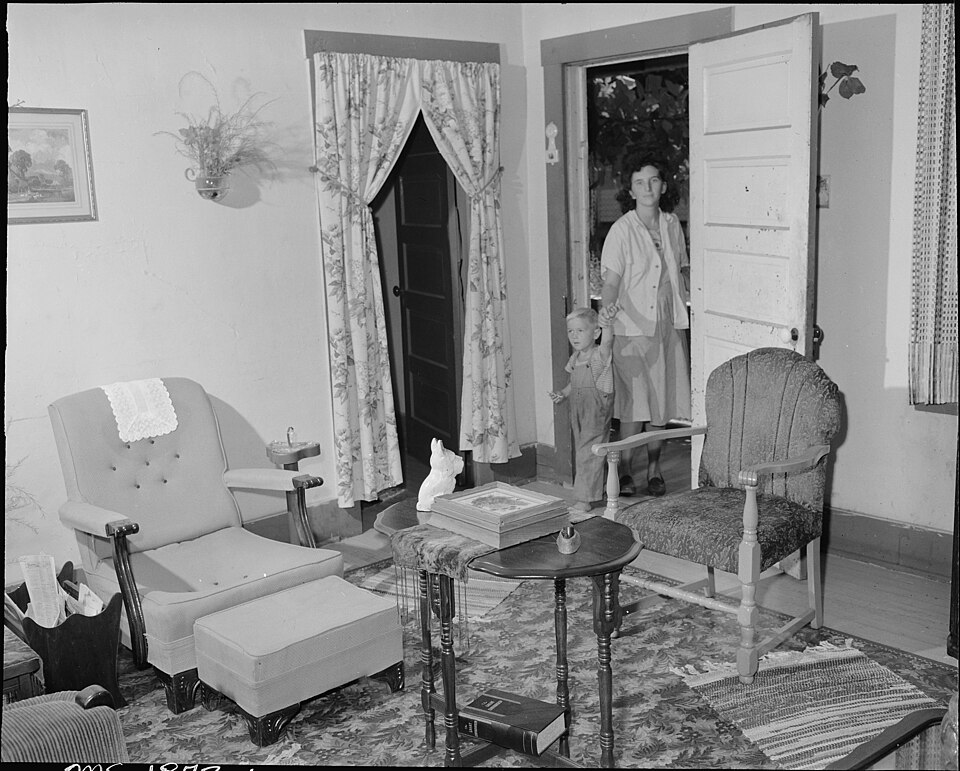
In 1962 a knock at the door was answered by whoever was nearest, which was frequently a child, and the person on the step could be anybody at all. There was no way of finding out in advance and no expectation that anybody would try.
The Door Was Opened Before Anybody Knew Who It Was

That is the single fact the rest of this follows from. A solid door with no glass, no viewer and nothing to look through meant the only way to establish who had knocked was to open it, which households did without hesitating.
Children did it at a run. The sound of a knock produced a small competition about who got there first, and the winner opened a door onto a complete unknown several times a week.
Like our content? Follow us for more.
Current Practice Is Different and Current Practice Is Right
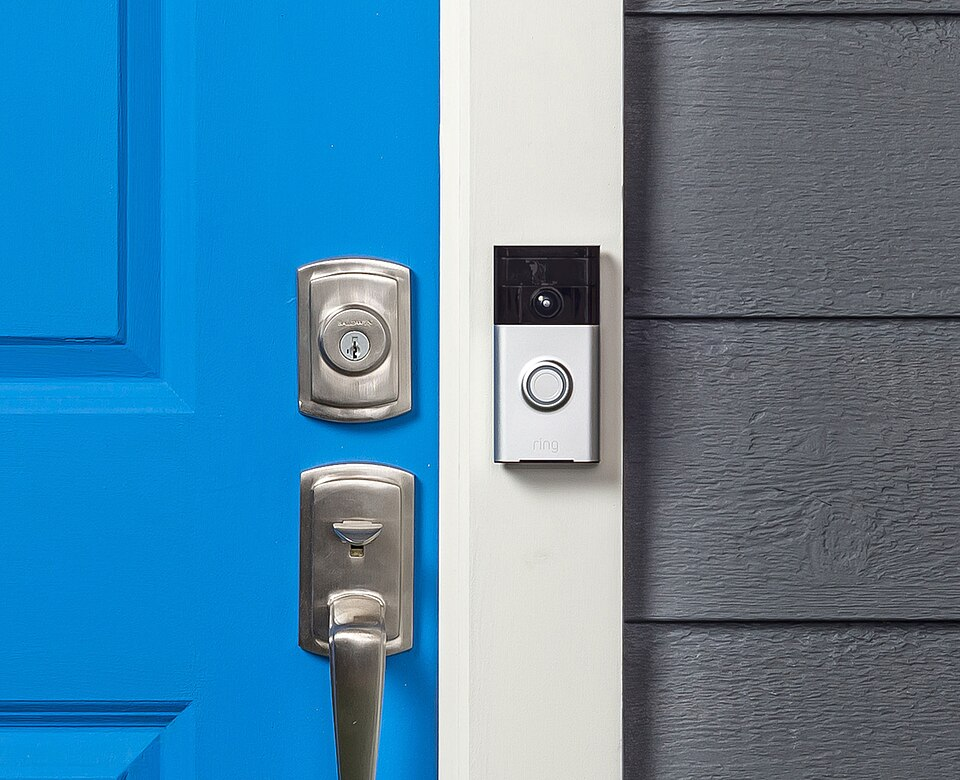
Nobody today would arrange for a seven-year-old to open a front door to an unidentified caller, and the reasons for that are not in dispute. Nothing in this piece should be read as describing how any household ought to handle anybody at a door now.
It is worth stating plainly rather than treated as fussiness. The standards of 1962 did not address this at all, everything about how it is handled today is better informed, and this is a description of what households did before any of it had been thought through.
Most Callers Were Expected by Somebody
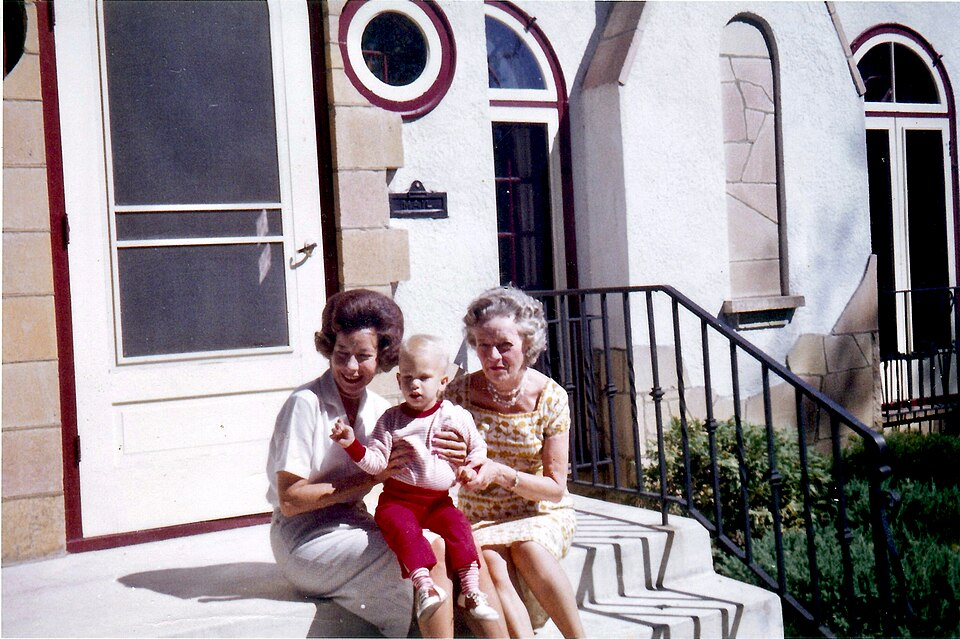
The overwhelming majority of people at a door were a neighbour, a relative, somebody delivering something or somebody known to the household, which is why nobody worried. The arrangement worked for the ordinary case and had no provision at all for anything else.
Height Was the Whole Problem
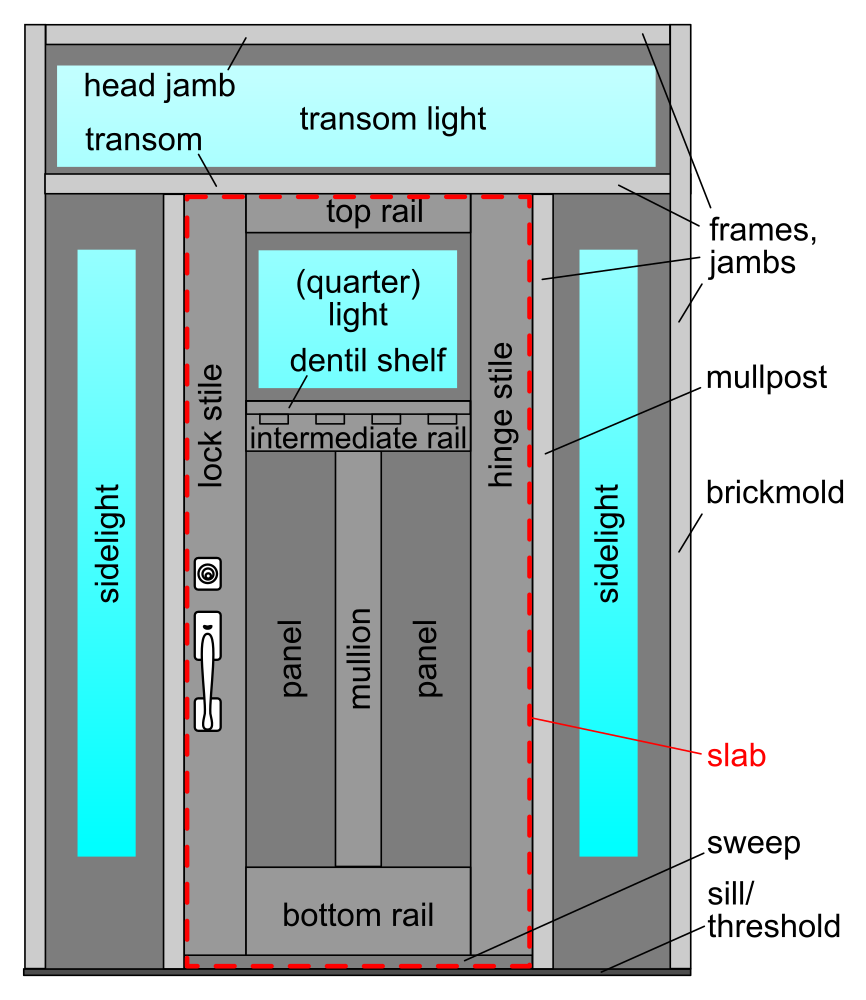
A small child opening a full-sized door is looking up at an adult from two feet below them, through a gap they are holding open with their whole body. The physical arrangement put the child at every possible disadvantage and nobody appears to have noticed it.
It also made the handle difficult. A door catch at adult height, on a heavy door, operated by somebody who had to reach for it, meant the opening itself was slow and frequently required both hands, which is the opposite of what anybody would design.
The Script Was Short and Nobody Had Taught It
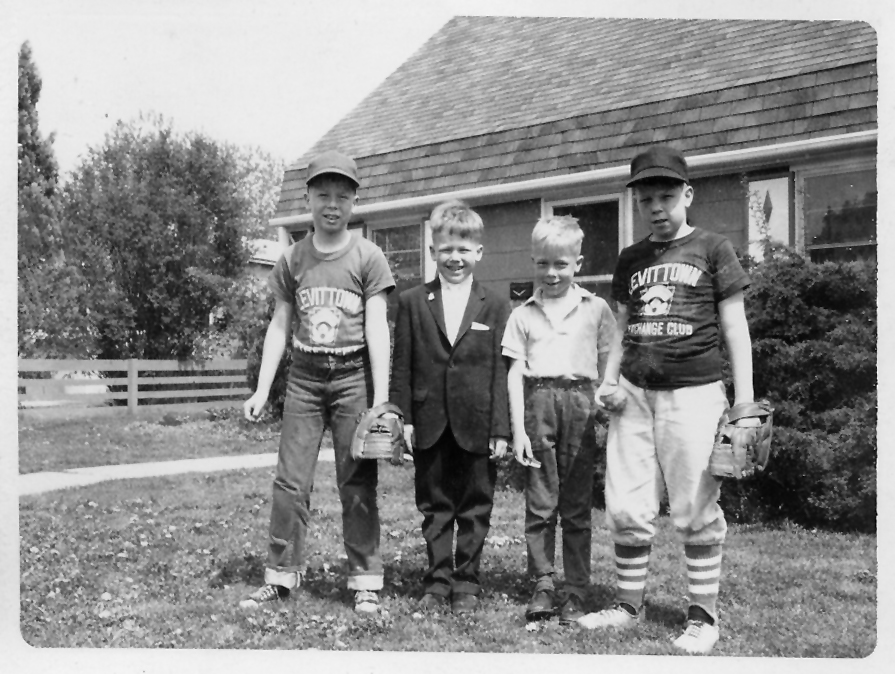
A child answering a door said very little – a greeting, and then went to fetch somebody – and the brevity was the whole technique. Children were not instructed in this and arrived at it immediately, because anything longer required information they did not have.
Going to Fetch Somebody Left the Caller Standing There
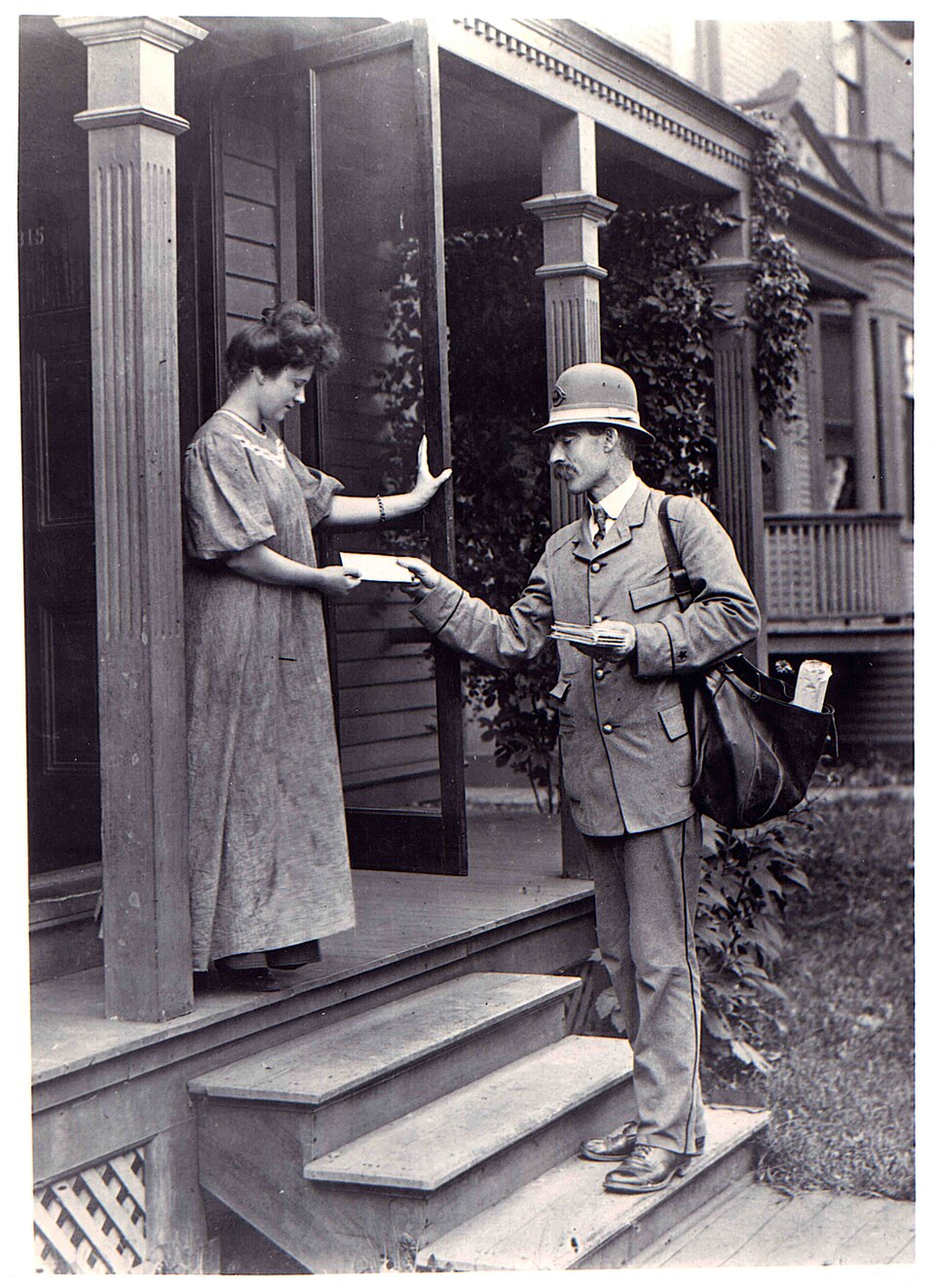
The standard sequence involved abandoning a stranger on a step while the child went to find an adult, which meant the caller spent thirty seconds alone at an open door. No household of the period regarded this as a problem.
Shutting the Door First Was a Household’s Own Rule
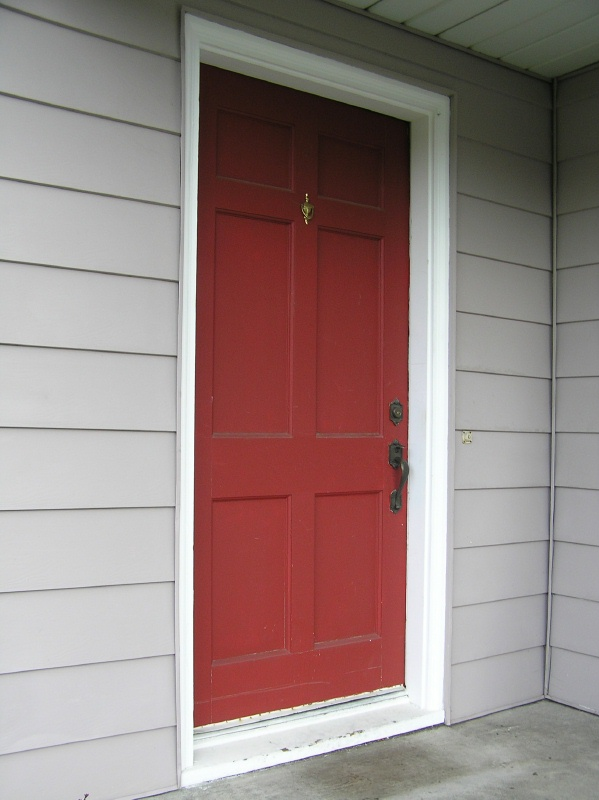
Some households had taught their children to close it while they went, and some had not, and the difference was never discussed between neighbours. A child who shut the door on a caller was following instructions and frequently appeared rude for it.
You Had to Judge Whether to Call Out or Walk
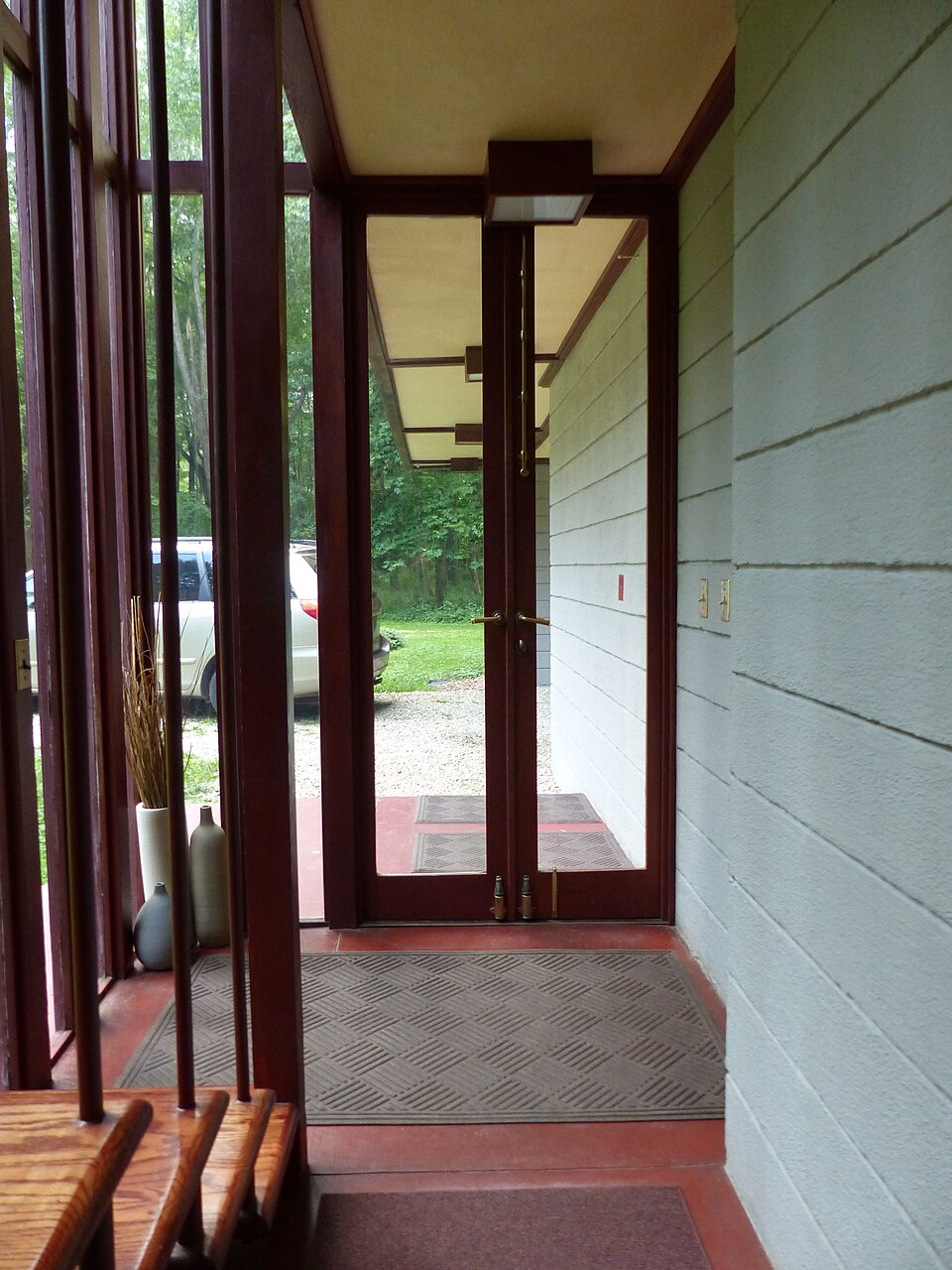
Shouting for an adult was faster and announced to the caller exactly who was in the house. Walking to find them was slower and gave nothing away. Children made that choice several times a week without ever being told it was a choice.
Saying Nobody Was Home Was Not Permitted
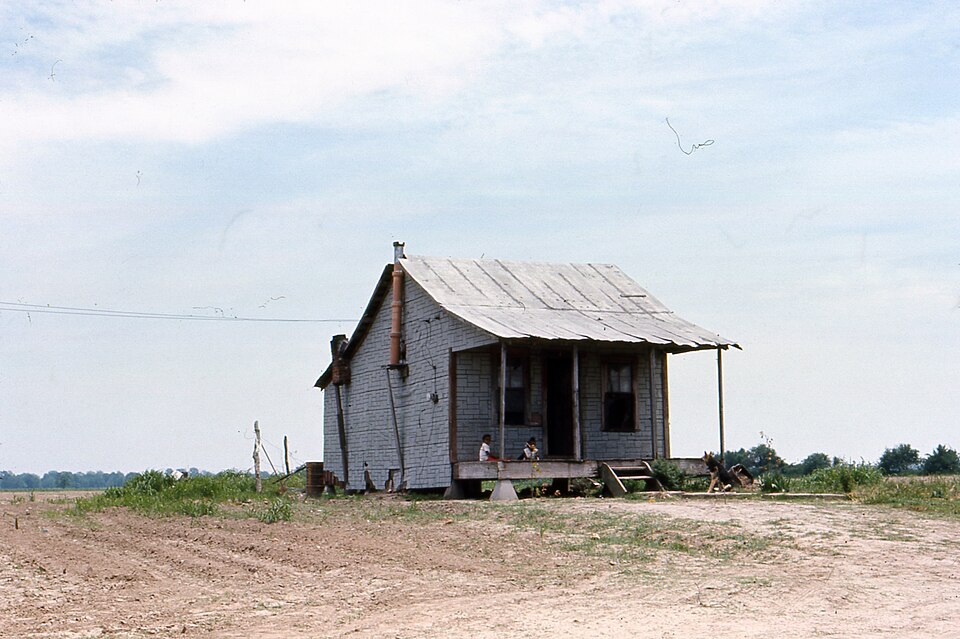
The one clear instruction most households gave was never to announce that the house was empty. Children followed it without understanding it, and the standard substitute – that somebody was busy or in another room – was delivered convincingly for years by children who had no idea why they were saying it.
Anything Left on the Step Became the Child’s Responsibility
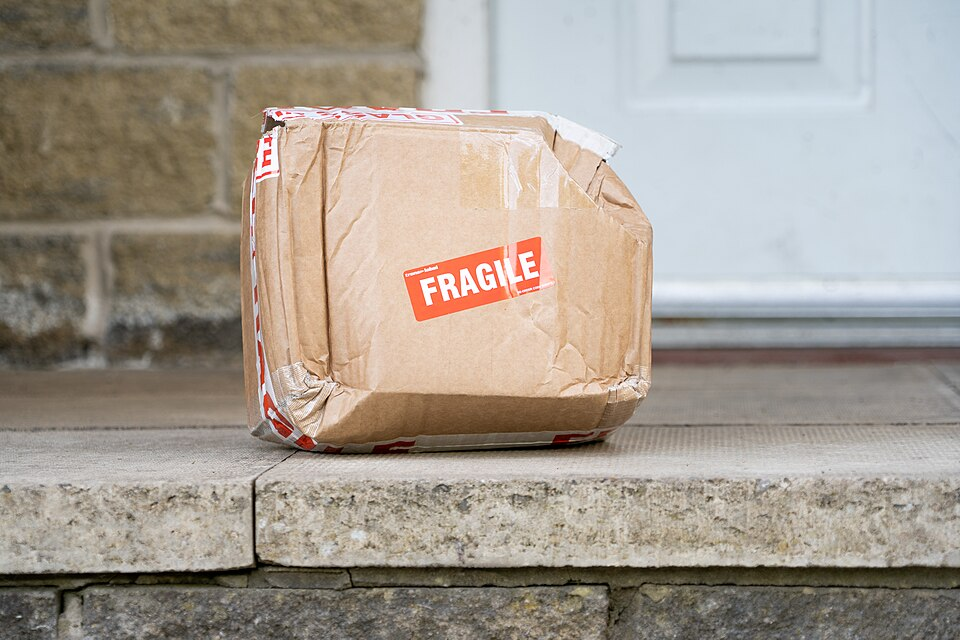
A caller who had been told to come back, or who could not wait, left whatever they had brought on the step, and the child who had answered was the only person who knew it was there. Items forgotten in that position stayed out all day.
The accounting came later and fell on the child. A household that discovered something had been standing outside since the morning traced it directly back to whoever had opened the door, which is a fairly heavy liability for a seven-year-old with no notebook.
Deliveries Involved Being Handed Something
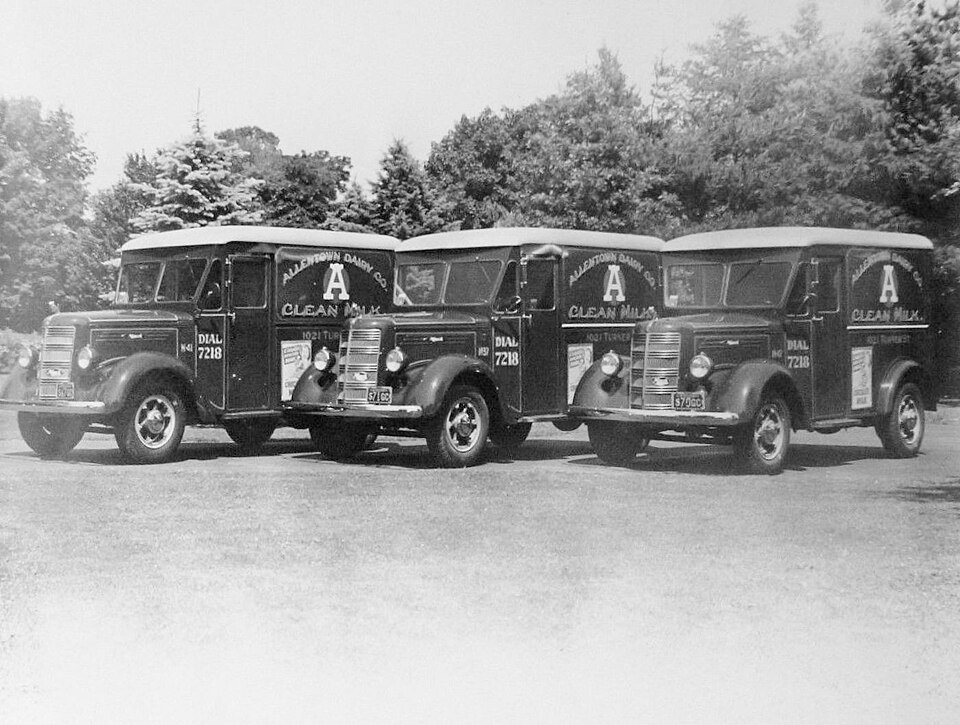
A child answering a door frequently ended up holding whatever had arrived, which they then had to carry somewhere and account for. Items were occasionally put down and forgotten, and the resulting search happened later that day.
Signing for Things Was a Problem Nobody Had Solved
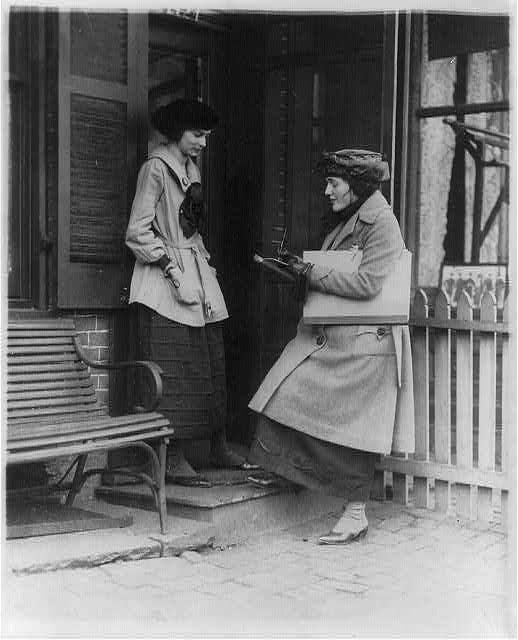
When something required an adult’s name, the child had no authority and the caller had no time, and the resolution varied. A proportion of those signatures were produced by whoever was at the door, which is a detail nobody involved considered worth mentioning.
Collectors and Canvassers Were the Hardest Cases

Somebody at a door asking for money, support or a decision presented a child with a request they could not evaluate and could not refuse politely. Most children fetched an adult; a few committed the household to something it had not agreed to.
The Caller Frequently Talked to the Child First
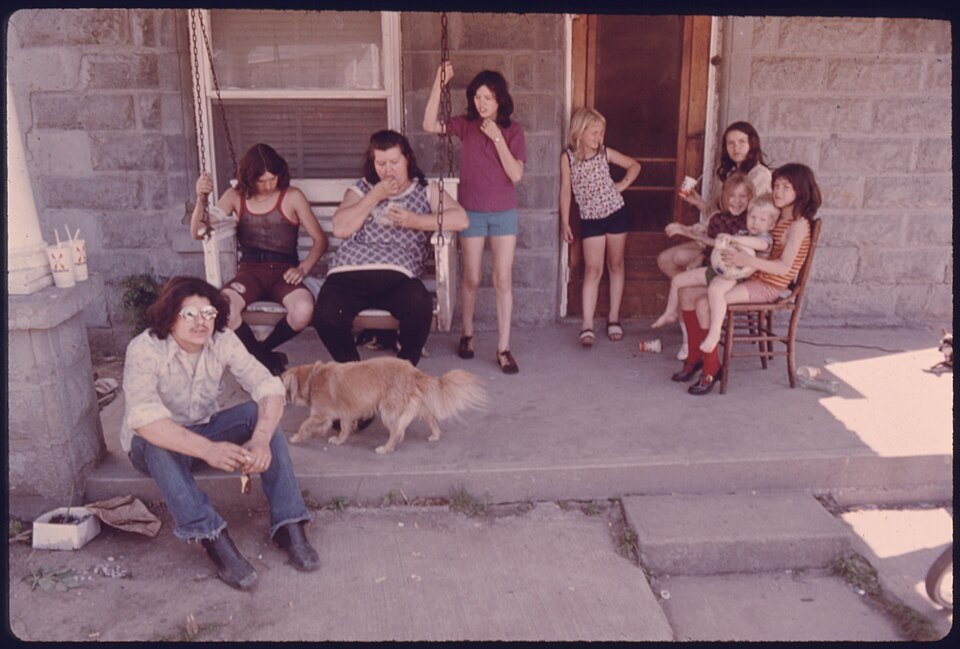
Adults at doors routinely conducted a short conversation with whoever had opened it, asking about school, age or siblings. Children answered all of it, because the alternative had never occurred to them.
You Learned to Read People at the Door Quickly
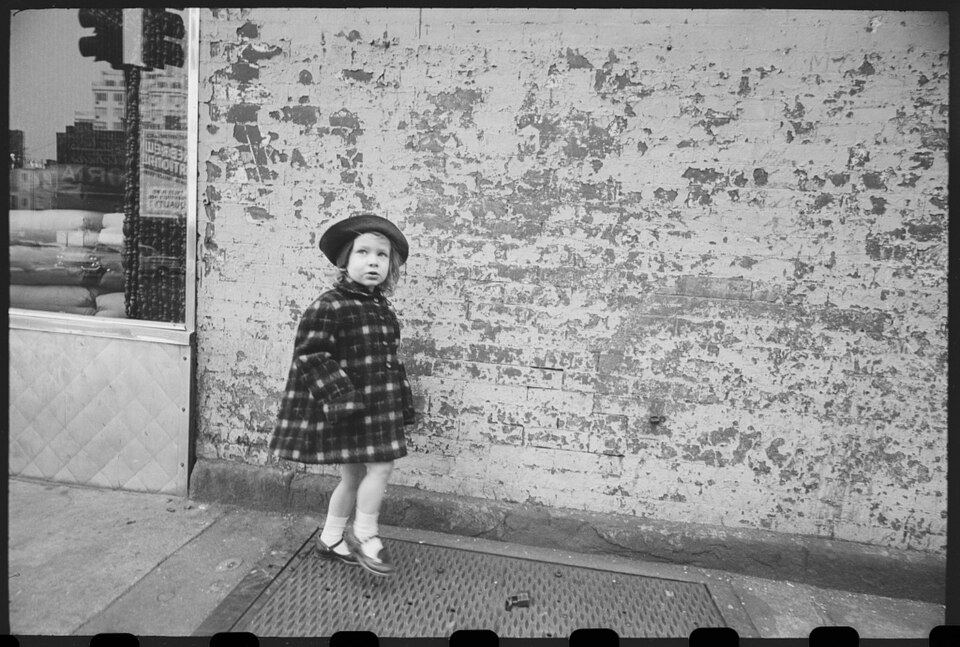
A child who answered doors several times a week developed a fast and reasonably accurate sense of who was about to be a problem, based on nothing they could have articulated. The competence was real and was never acknowledged by anybody.
Some Callers Only Ever Met the Children

Because the arrangement ran on whoever was nearest, a proportion of regular visitors dealt with the household’s children almost exclusively and formed their entire impression of the family from them. The adults never knew which of their callers this applied to.
That cut both ways. A household’s reputation on its own street was partly in the hands of its youngest members, performing a greeting they had invented themselves, several times a week, with nobody reviewing any of it.
Repeat Callers Became Fixtures
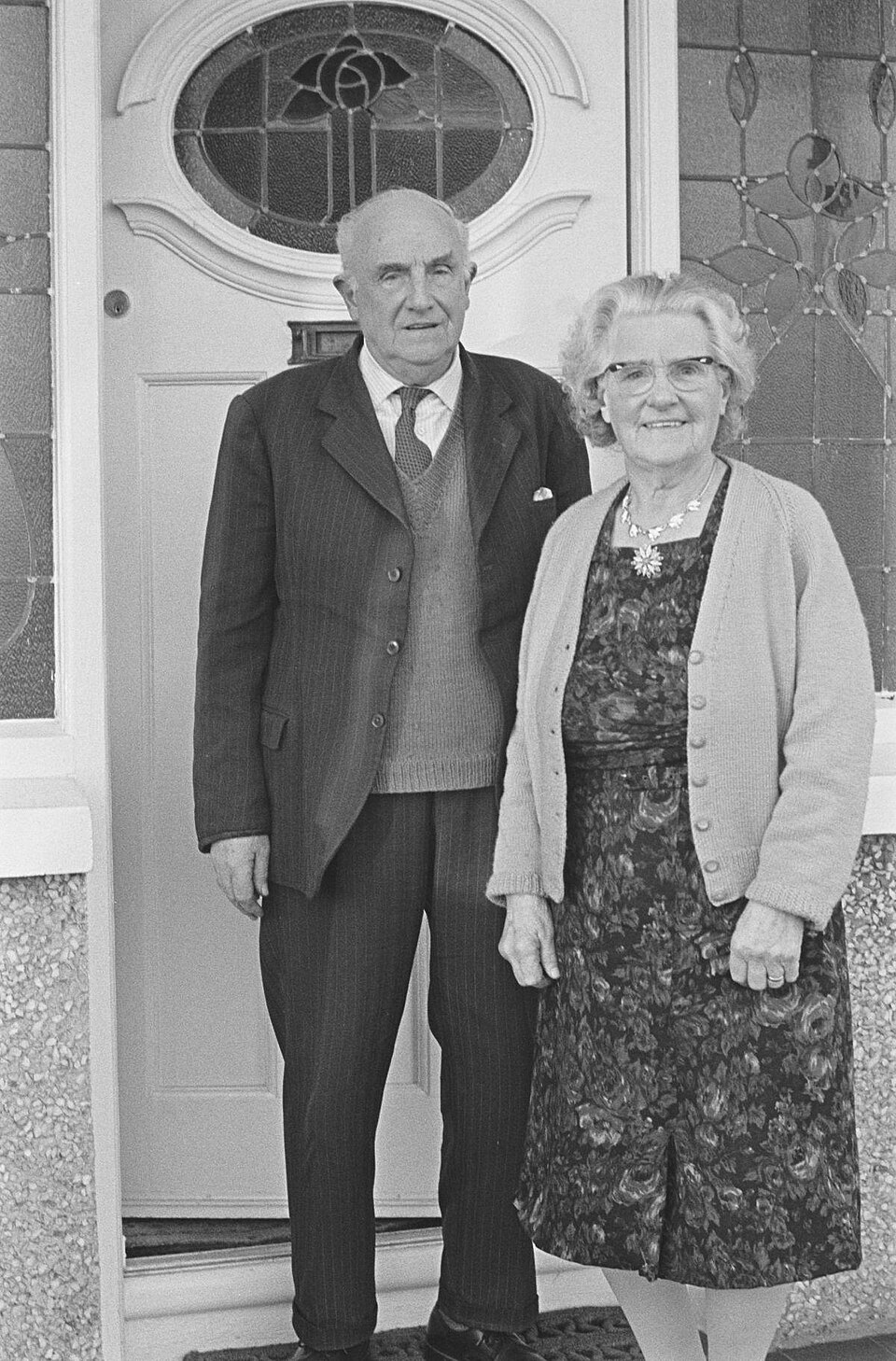
Anybody who came regularly was known by sight and often by name, which gave children a cast of adults they dealt with directly and independently of their family. Several of those relationships lasted for years and were conducted entirely on a doorstep.
The Door Itself Told You How Serious It Was
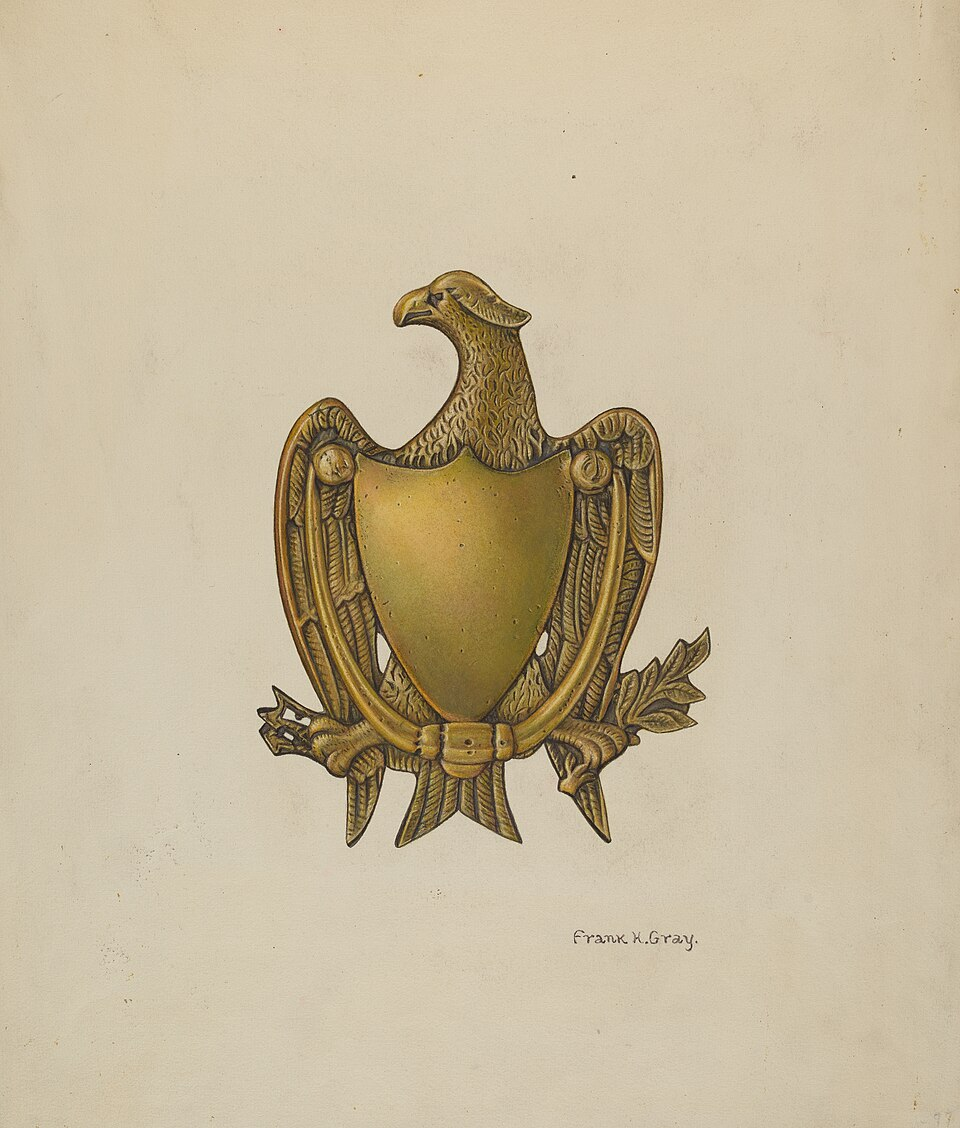
A knock, a bell and a knock-and-wait each meant different things, and children learned to distinguish them. The pattern of the knocking was reliable advance information, and a child who recognised an unfamiliar rhythm approached the door differently.
Looking Out of a Window First Was Cheating and Effective
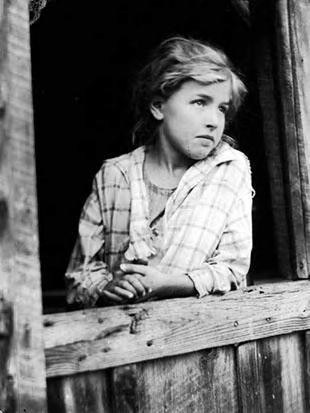
A child who checked from a room before answering had solved the whole problem, which is why households with a usable window had an easier time of it. The architecture of a house determined how exposed its children were, and nobody chose a house on that basis.
Night Knocks Were Answered by Adults

However casual the daytime arrangement, nobody sent a child to a door after dark. The distinction was absolute, unexplained and understood by every child in the country, which suggests households knew more about the risk than their daytime practice indicated.
Being the One Who Answered Carried Standing
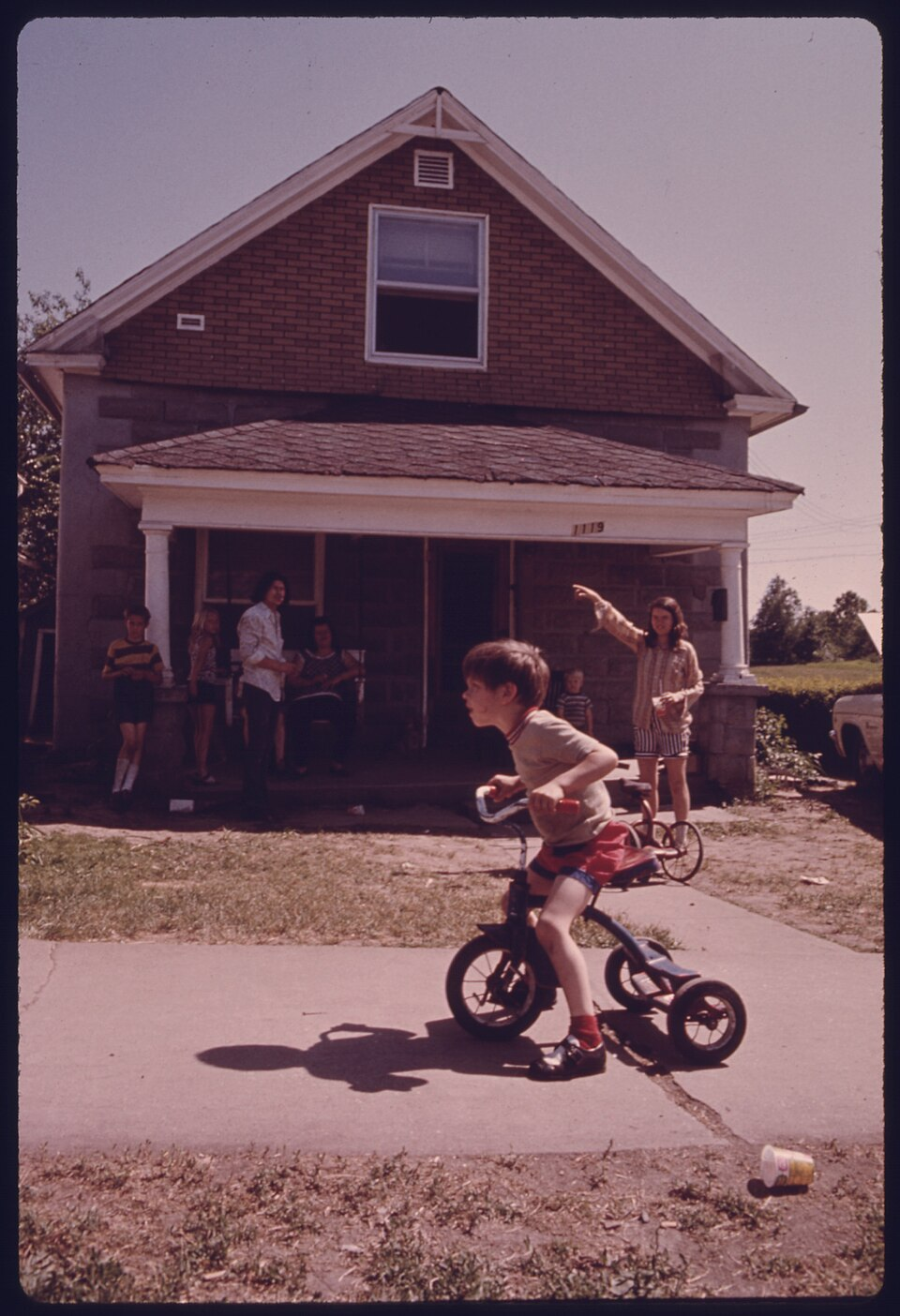
A child who dealt with the door was performing a household function in front of an outsider, which almost nothing else available to them allowed. The brief authority of being the person who opened it was part of why they ran.
Getting Rid of Somebody Was a Learned Skill

Ending a conversation at a door, politely, without having agreed to anything and without fetching anybody, is genuinely difficult. The children who could do it had acquired something most adults struggle with, entirely by repetition.
The Whole Thing Took Fifteen Seconds and Happened Constantly
None of this was an event. A knock, a run, a greeting, a fetch and a withdrawal occupied less than a minute and happened several times a week for a decade, which means a child of that period handled hundreds of these encounters and can recall almost none of them individually.
What survives is the pattern rather than the instances. People remember the running, the script and the specific feeling of opening a door onto somebody they had never seen, without being able to attach any of it to a particular afternoon.
Nobody Debriefed Anybody Afterwards
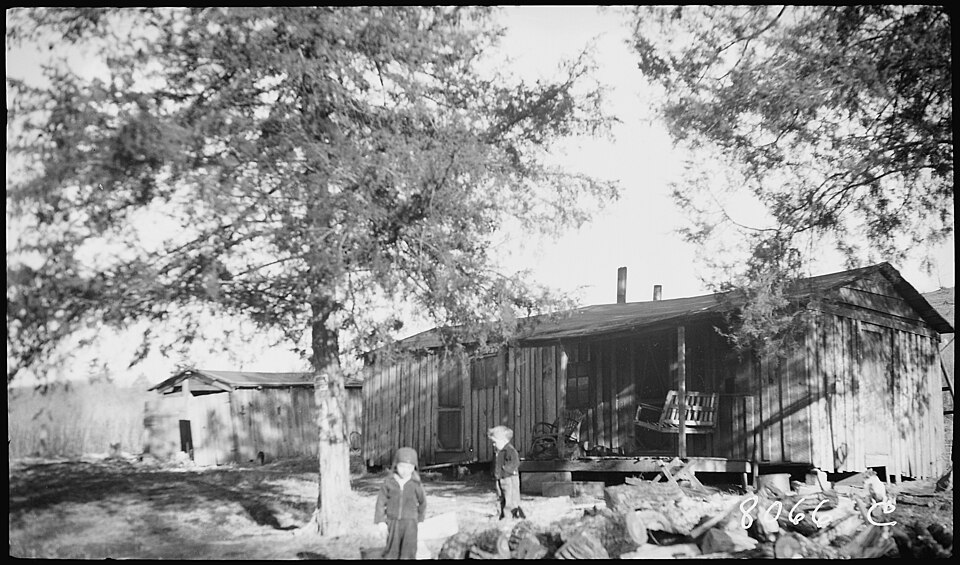
A child who had dealt with a caller was not asked about it. Whatever had been said at the door stayed with the child, which means households regularly received visitors nobody ever learned anything about.
Then the Door Stopped Being Answered at All
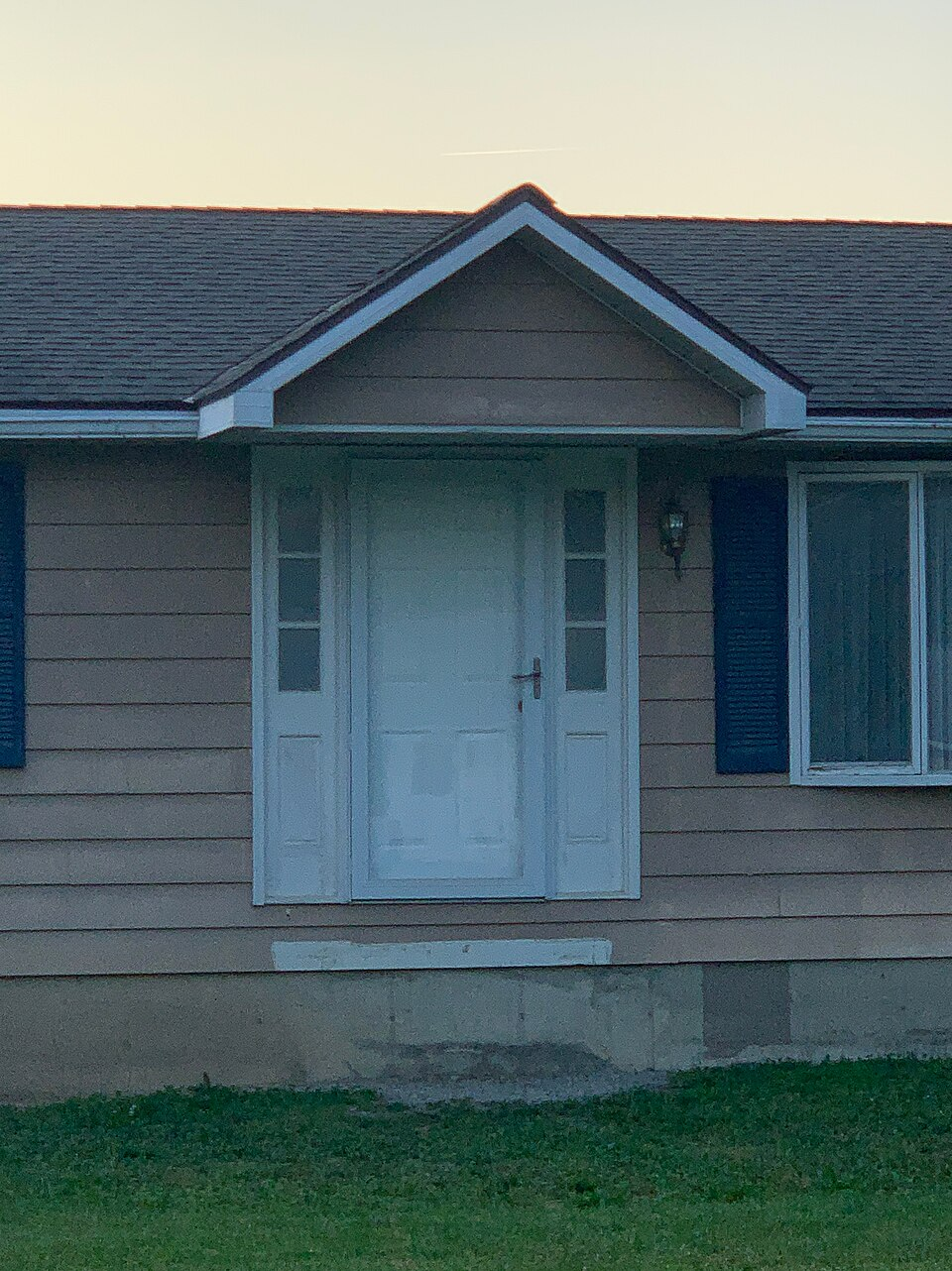
Viewers, glass panels, intercoms, cameras, far fewer unannounced callers and a complete change in what anybody expects of a child removed the whole arrangement. All of that is an improvement and none of it needs defending.
What Actually Went
A door with nothing to look through, opened at a run by whichever child got there first, onto whoever happened to be standing on the step, handled with a three-word script nobody had taught, with one absolute instruction nobody had explained, and never once discussed afterwards by anybody.
Like our content? Follow us for more.
