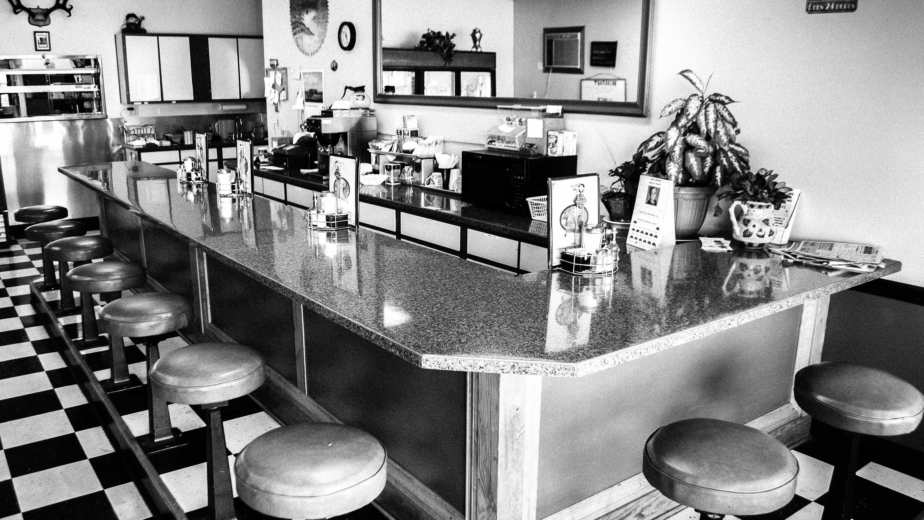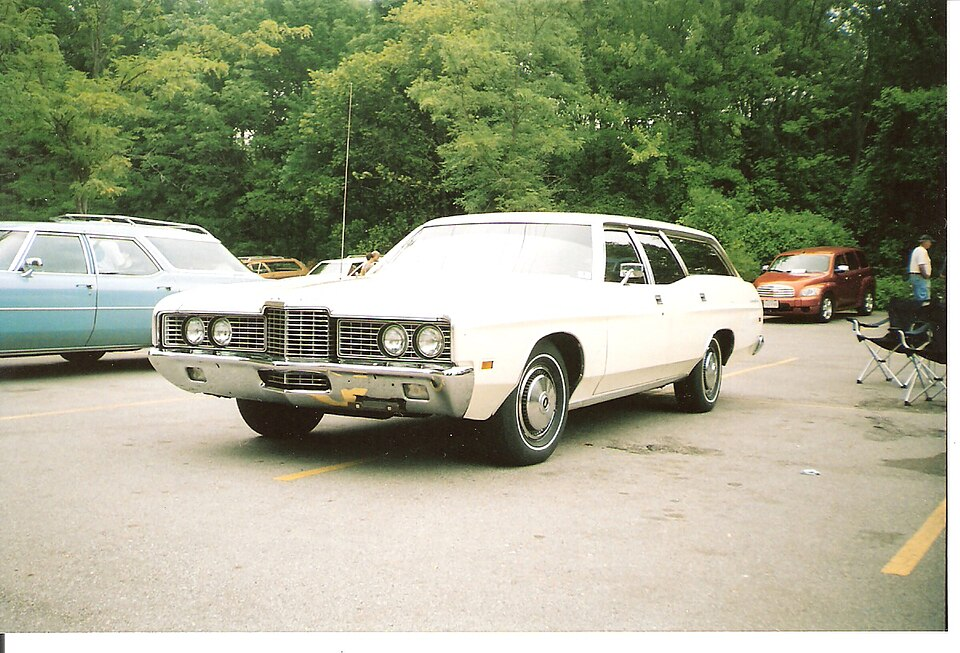
My father taught me to drive in a church parking lot on a Sunday afternoon, in a car with three pedals, and the entire curriculum was one sentence repeated for a month: feel where it catches. In 1972 that was how most people learned – a relative, an empty lot, a manual transmission and a great deal of shouting – and the formal driver education that ran alongside it was doing something quite different from what everybody assumed.
The Clutch Was the Entire First Month
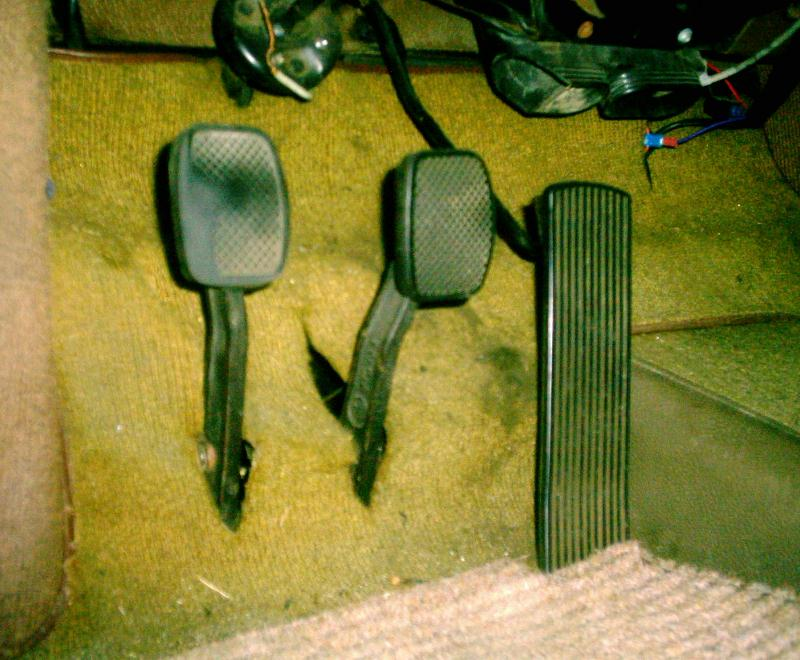
Start with the manual gearbox, because it determined what learning to drive actually meant. Most cars had three pedals, and a car with three pedals cannot be moved at all until one specific skill exists.
Everything else – steering, mirrors, judgement, road position – can be practised while moving. The clutch has to be solved before you can move, which means the first weeks of learning were spent entirely on a single coordination problem with no driving in them.
Like our content? Follow us for more.
Stalling in Public Was the Defining Humiliation
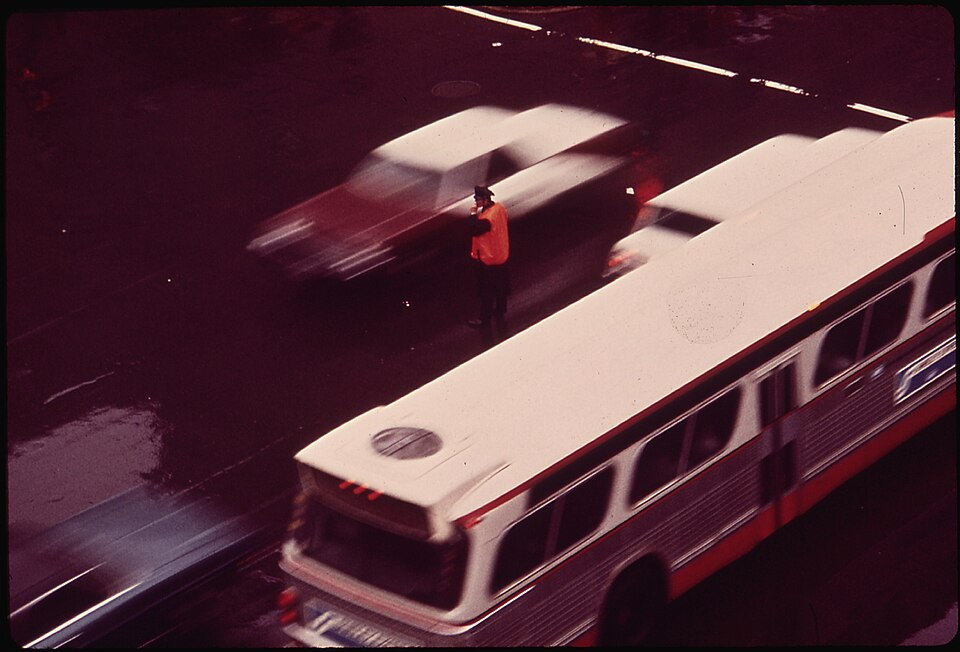
A stalled car at a junction with traffic behind it is a failure everybody present can see and hear, and it happens to every learner repeatedly.
That public failure mode is unique to the manual car and it shaped the emotional experience of learning. Nothing else a beginner does wrong is announced to thirty strangers at once, and the fear of it produced more bad driving than the mechanical difficulty did.
The Empty Lot Was the Universal Classroom
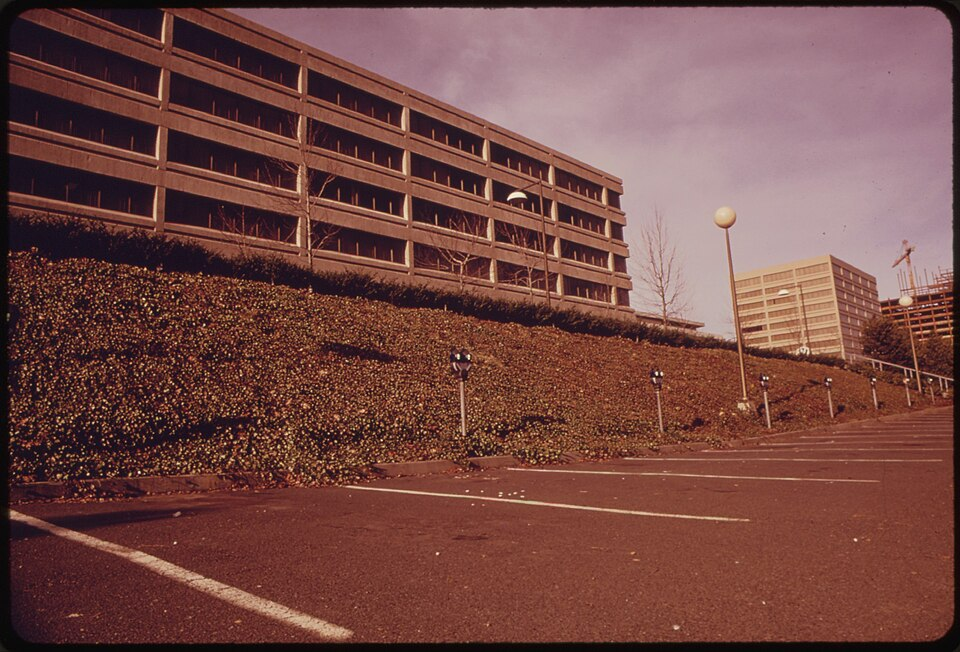
A church, school or shopping lot on a day it was closed gave space, no traffic, no obstacles and no consequences.
Finding somewhere with nothing to hit is the sensible first move and everybody made it. The lot removes every variable except the one being learned, which is exactly what you want when the task is a foot and a hand doing two different things in a specific order.
Hills Were the Test That Mattered
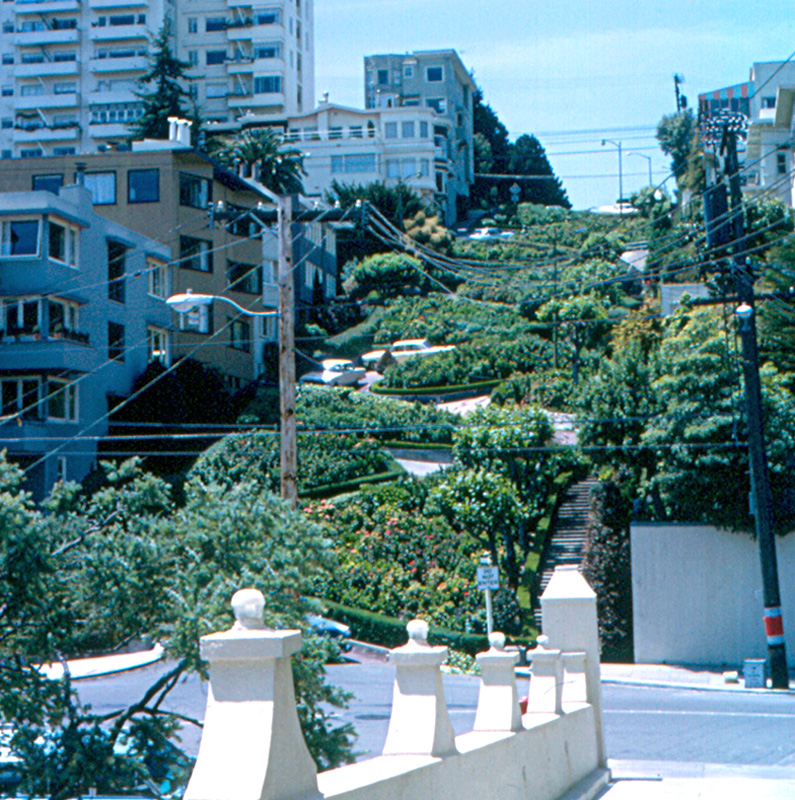
Starting on a slope in a manual car requires managing the clutch, the accelerator and the brake simultaneously, with the car rolling backwards if you get it wrong.
The hill start is the real examination of whether somebody can drive a manual, and everybody knew it. It is the only common situation where failure moves the car in the wrong direction toward something behind you, which is why it was practised deliberately and dreaded accordingly.
A Parent Teaching You Was a Terrible Idea and the Only Option
Teaching somebody to drive requires calm, clear instruction and tolerance of repeated failure, which is not how most people respond to their own child nearly damaging the family car.
The conflict was close to universal and it is structural. A parent is simultaneously the instructor, the owner of the vehicle, the person liable for it and somebody with twenty years of history with the pupil – and those four roles pull in different directions at the moment of a mistake.
Driver Education Was Really About Insurance
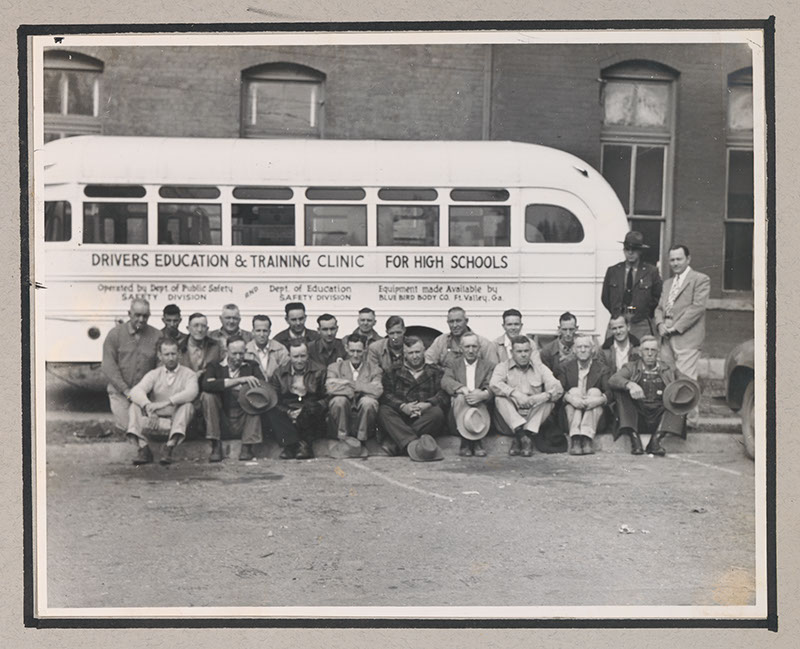
Formal courses at school taught rules, signs and procedure, and the strongest practical argument for taking one was the reduction in what a family paid to insure a teenage driver.
That is worth stating plainly because it explains the enrolment. The course had educational value and the thing that filled the classes was a discount – which is the same mechanism that filled every other voluntary programme of the period.
The Film Strip Did the Frightening Part
Driver education leaned heavily on films intended to impress consequences on teenagers, and they were deliberately severe.
The pedagogy was straightforward deterrence and it was openly described as such at the time. Whether it worked was argued about then and is argued about now, and this piece takes no position – but the intention was never subtle and the students understood exactly what was being attempted.
The Dual-Control Car Was the Real Innovation
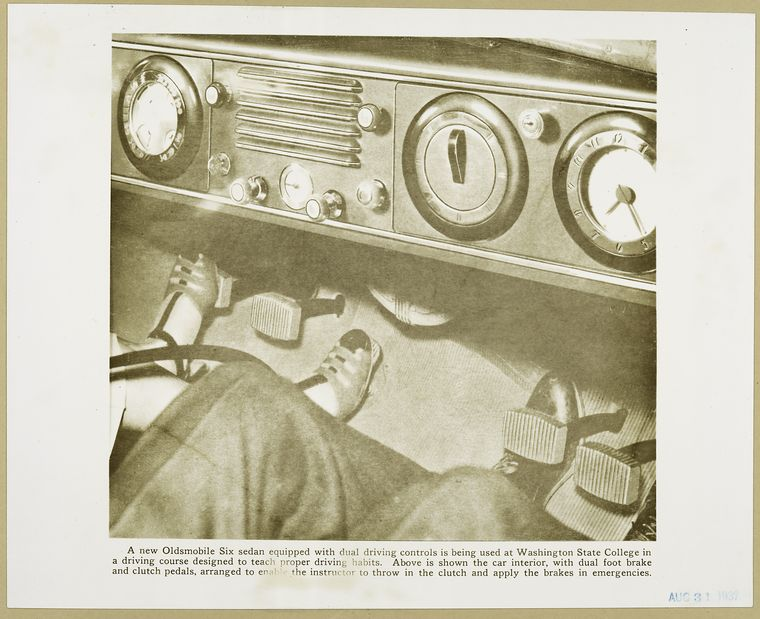
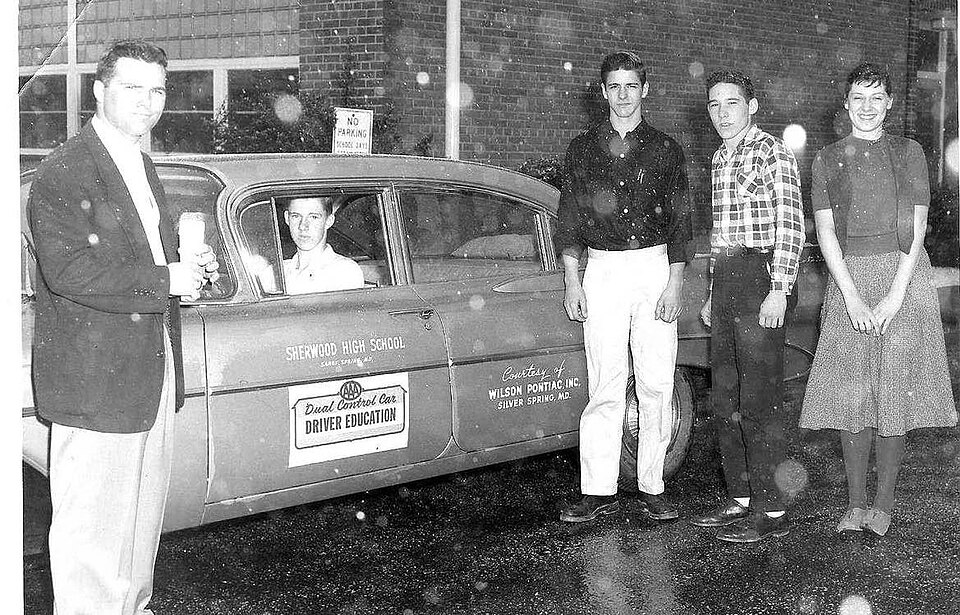
A training vehicle with a second brake pedal on the instructor’s side made it possible for a stranger to teach a beginner on a public road safely.
That one piece of equipment is what allowed instruction to move off the parking lot. An instructor who can stop the car removes the catastrophic outcome from the lesson, which means the pupil can be allowed to make mistakes in traffic rather than only in an empty space.
The Test Was Short and Mostly About Manoeuvres
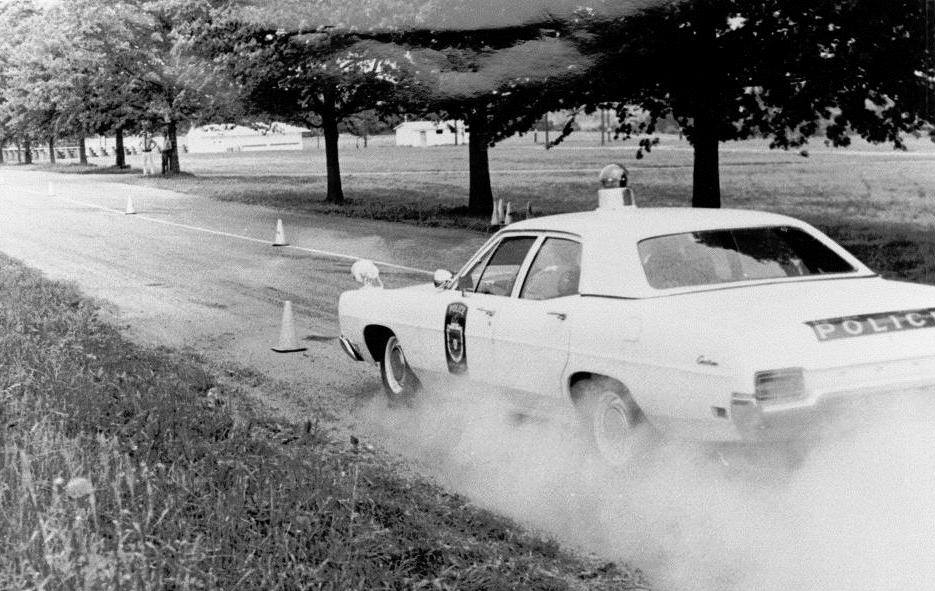
The examination concentrated on controlled tasks – parking, reversing, a three-point turn, a hill start – rather than on extended driving in real conditions.
Testing manoeuvres is testing what can be observed and scored in twenty minutes, which is a practical constraint rather than a judgement about what matters. The consequence is that people passed who could execute four set pieces and had very little experience of anything else.
Parallel Parking Was the One Everybody Feared
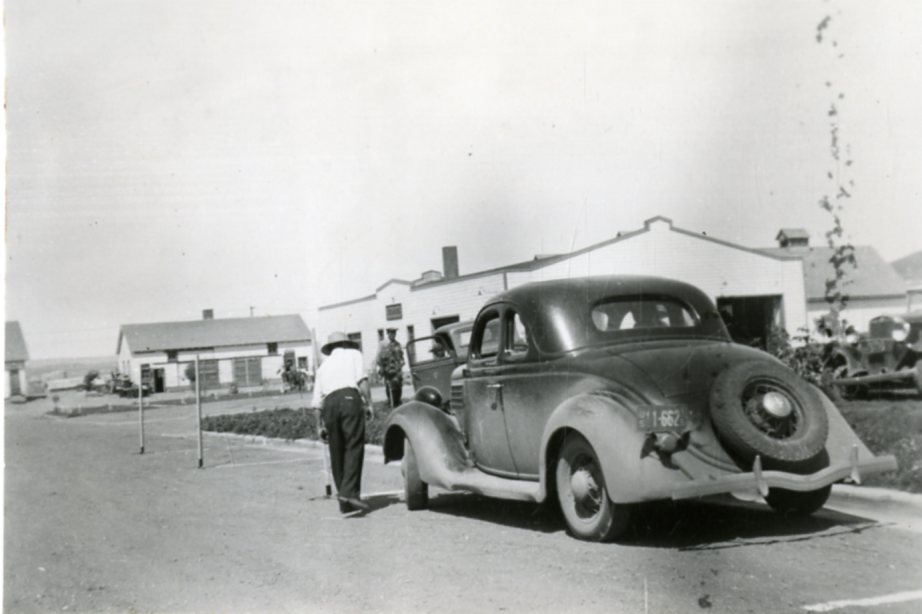
Reversing into a space between two vehicles requires judging clearances you cannot see, in a car with no assistance of any kind.
The difficulty is genuine and it is a geometry problem. You are fitting a long object into a slightly longer gap by rotating it, using mirrors and over-the-shoulder vision, and the only feedback is whether you hit something – which is why it was taught as a memorised sequence of reference points rather than as a judgement.
Hand Signals Were Still Taught and Still Used
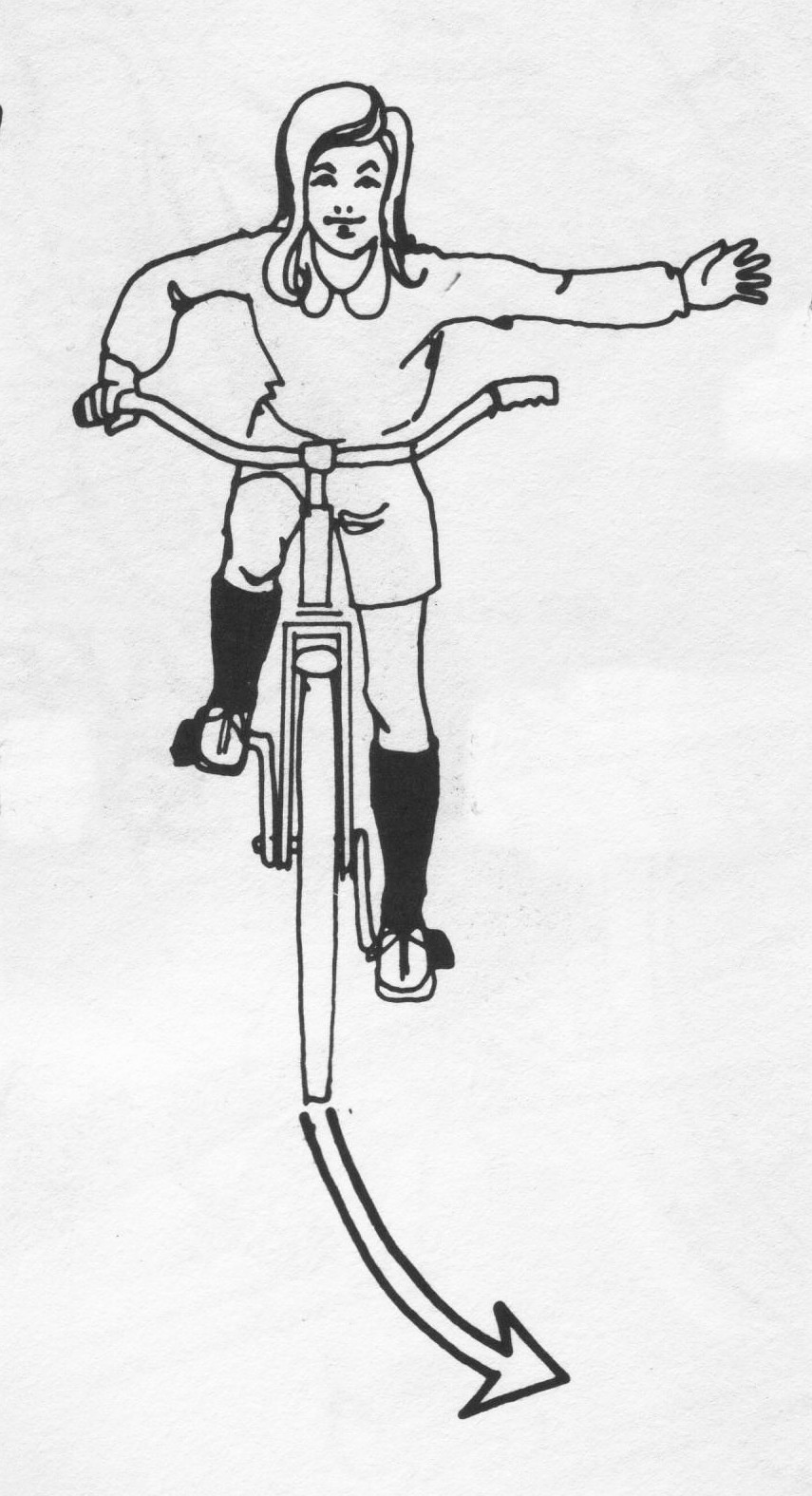
Arm signals out of the window were on the test and remained genuinely necessary, because indicator failures were common and not every vehicle had them working.
The persistence of hand signals tells you something about the reliability of the equipment. A procedure survives as a backup only as long as the primary system fails often enough to matter, and in 1972 it still did.
The Car Was Enormous and Had No Assistance
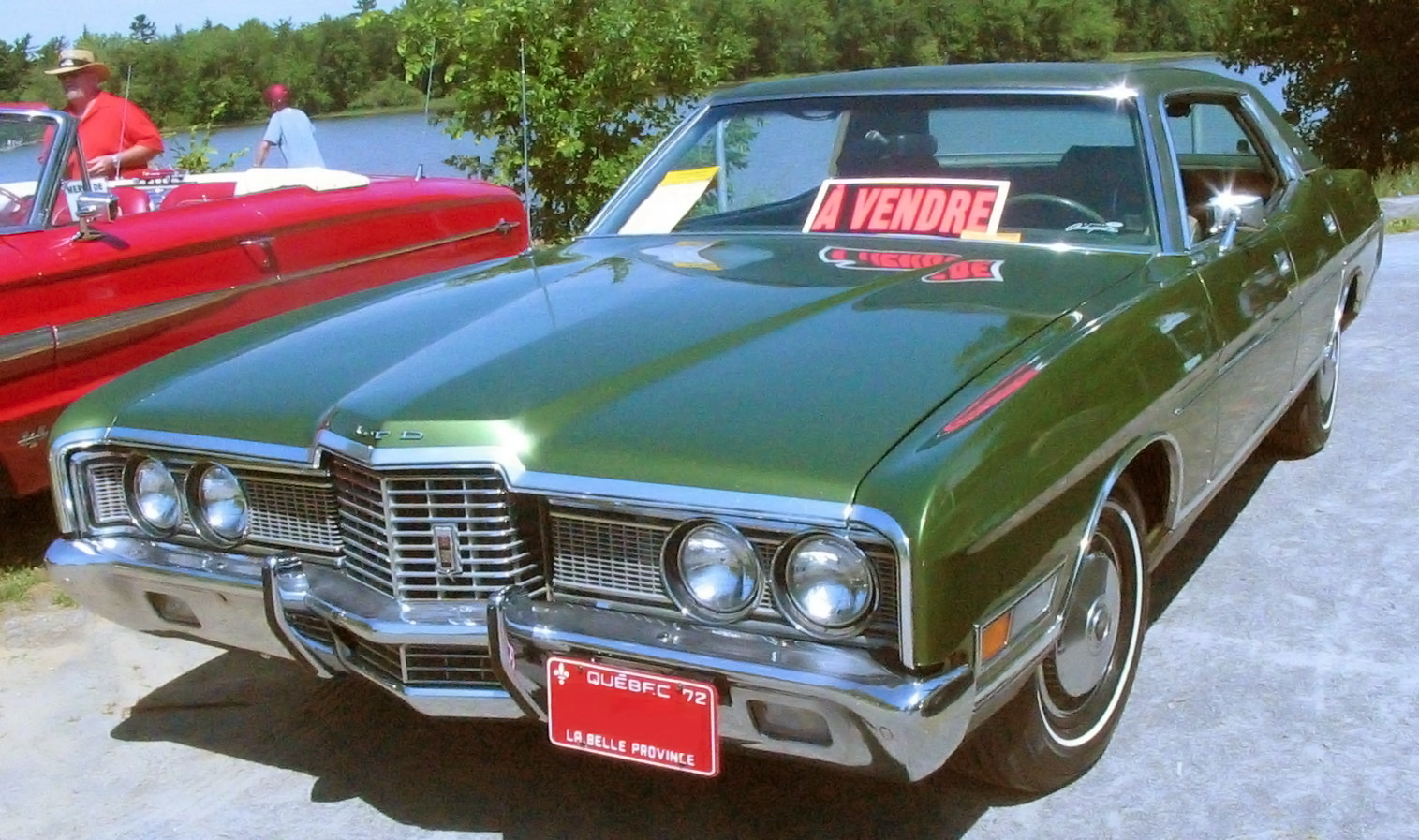
Power steering was not universal, brakes were unassisted on plenty of vehicles, and visibility out of a large car with thick pillars was poor.
Learning on that equipment is physically harder than learning now, and it changed the skill being acquired. Manoeuvring a heavy unassisted car at low speed takes genuine strength and forward planning, because you cannot correct a line instantly.
Mirrors Were the Only Information Behind You
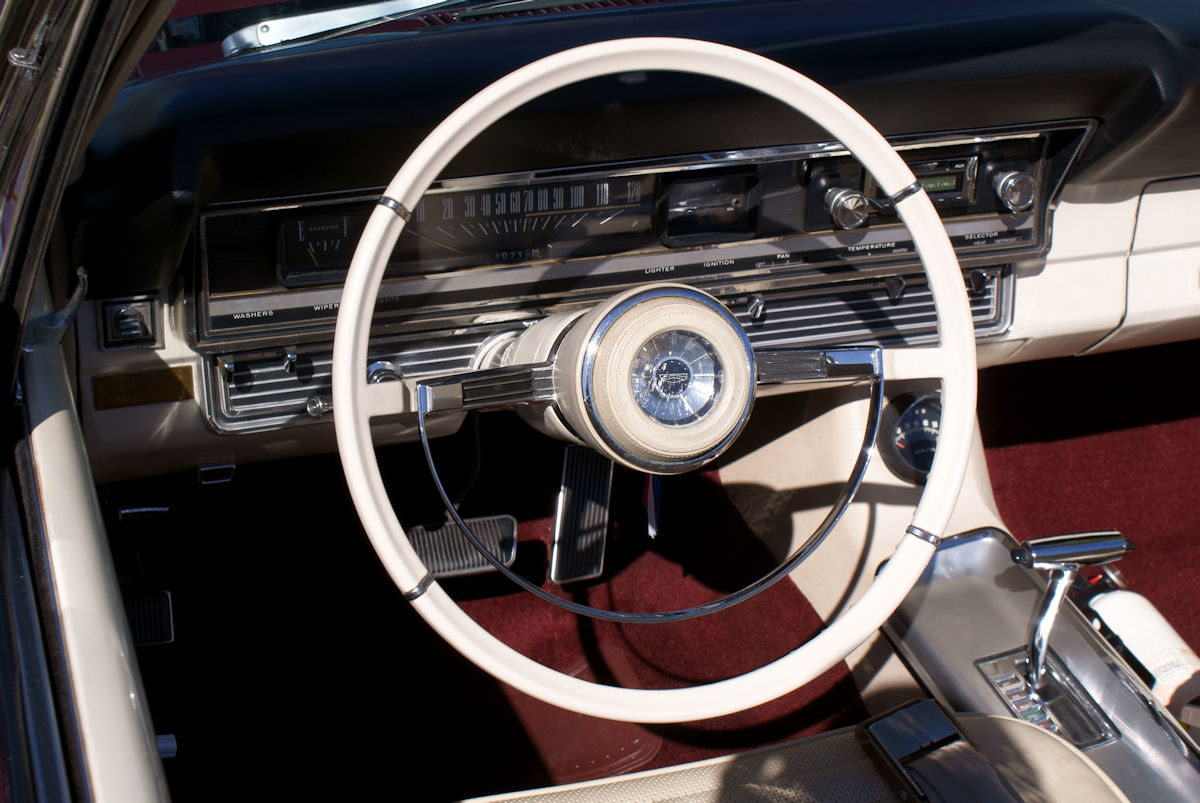
Two mirrors, a rear window, and a shoulder check were the complete set of tools for knowing what was behind the car.
That limitation made the shoulder check a non-negotiable habit rather than a formality. A driver who relied on mirrors alone had a genuine blind spot with nothing watching it, and the instruction to physically turn and look was the only mitigation available.
Nobody Was Wearing a Belt and It Was Not Discussed Much
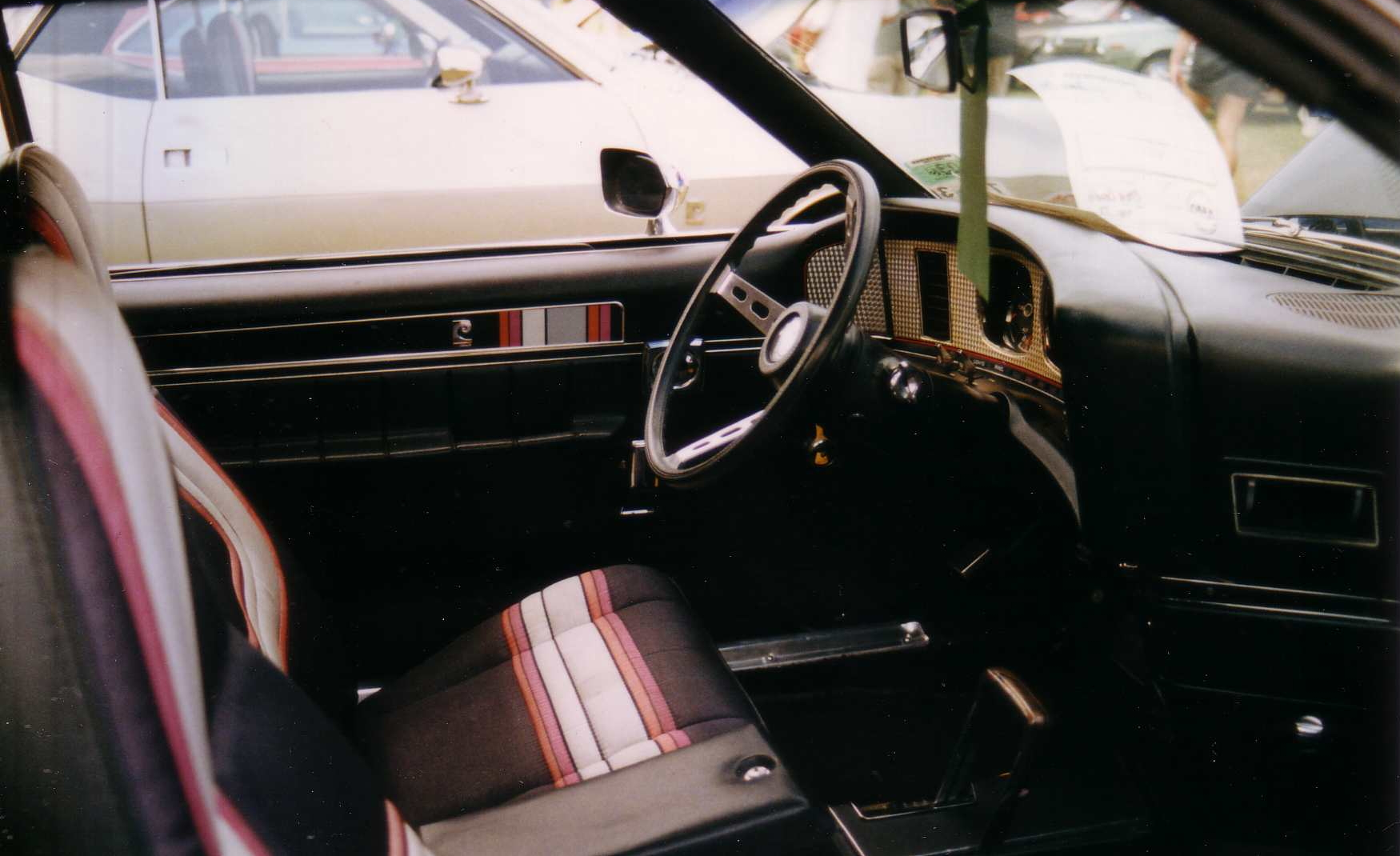
Belts existed in most cars of the period and were frequently unused, and instruction on the subject varied enormously.
It should be said plainly that the standards of the time were not the standards now, and that the change since has been enormous and beneficial. Current practice on restraints is not a matter of preference and nothing in this piece should be read as describing how anybody ought to drive today.
Learning in Traffic Came Last, If at All
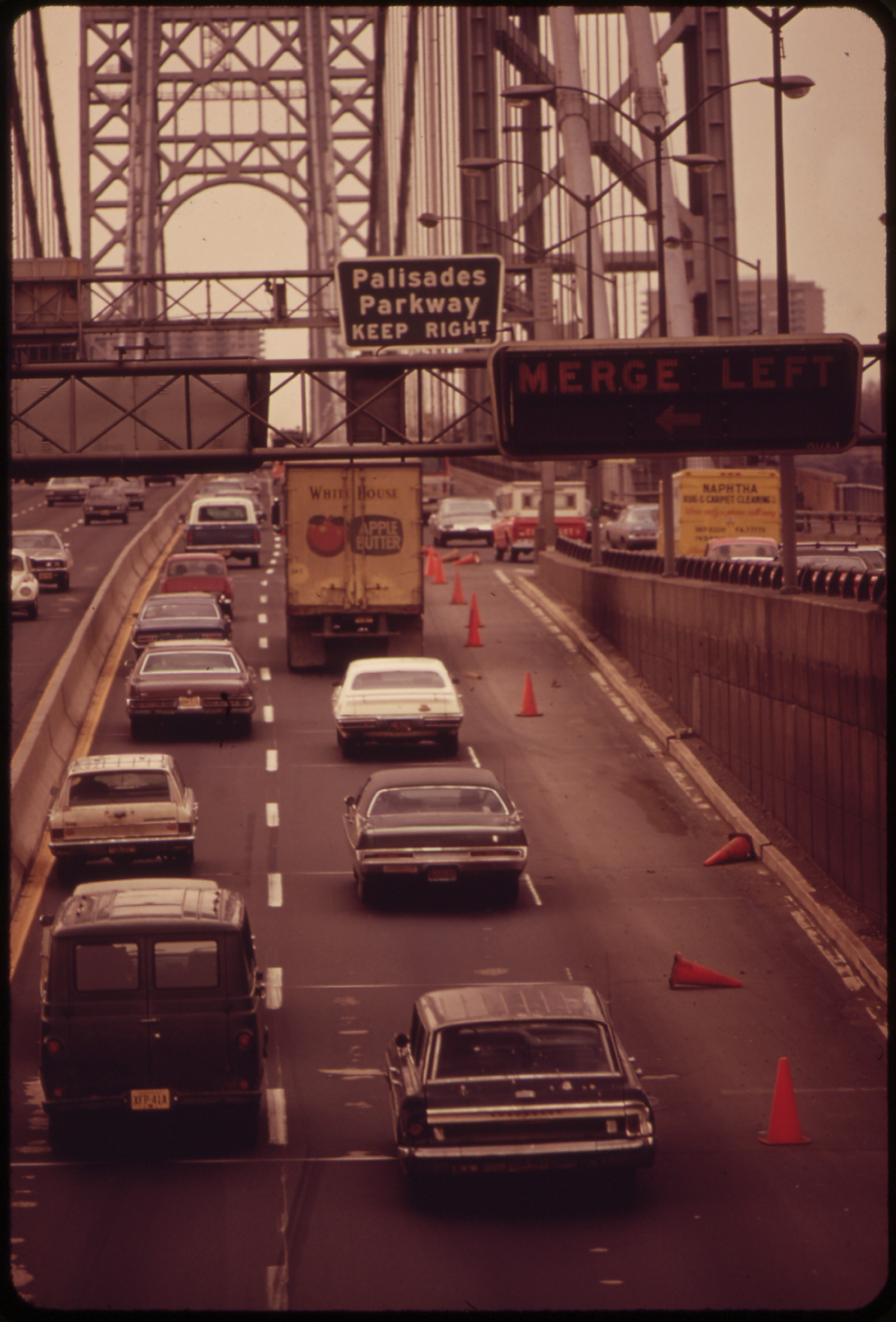
Once the mechanical skills existed, the remaining learning – judgement, anticipation, reading other drivers – happened unsupervised, after the licence.
That ordering is the structural weakness of the whole system and it persists. A test that certifies control of a vehicle does not certify judgement, and judgement was acquired afterwards, alone, on real roads, by people who had just been told they were qualified.
The Licence Changed a Teenager’s Life Completely
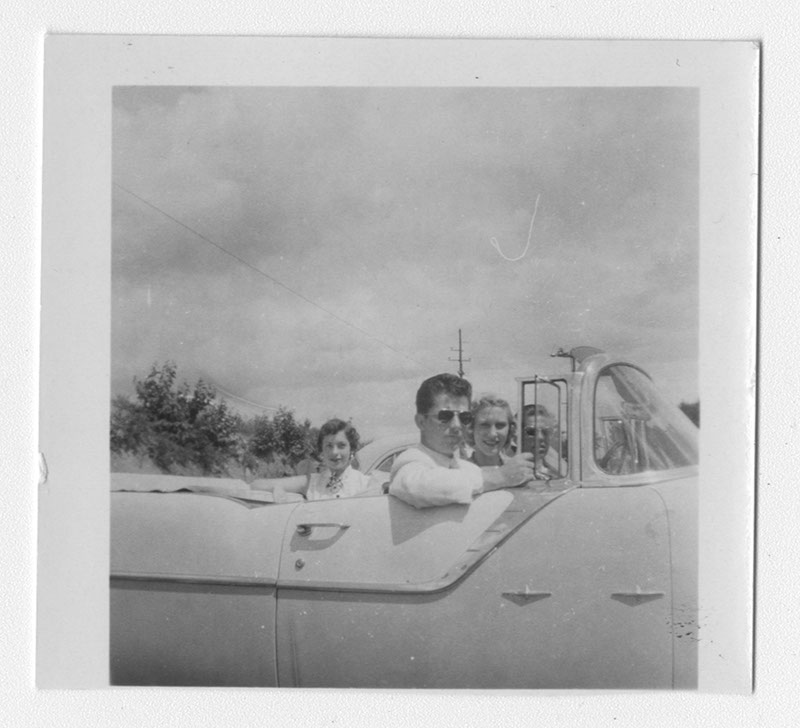
A driving licence converted a person who had to be taken places into a person who could go places, which is the single largest expansion of autonomy available at that age.
Everything else about the period’s teenage life sat downstream of that. The supervision apparatus around dating, the geography of friendship and the reach of a weekend evening all changed the moment a licence existed, which is why it was wanted so badly and granted so cautiously.
Then the Automatic Transmission Removed the Hard Part
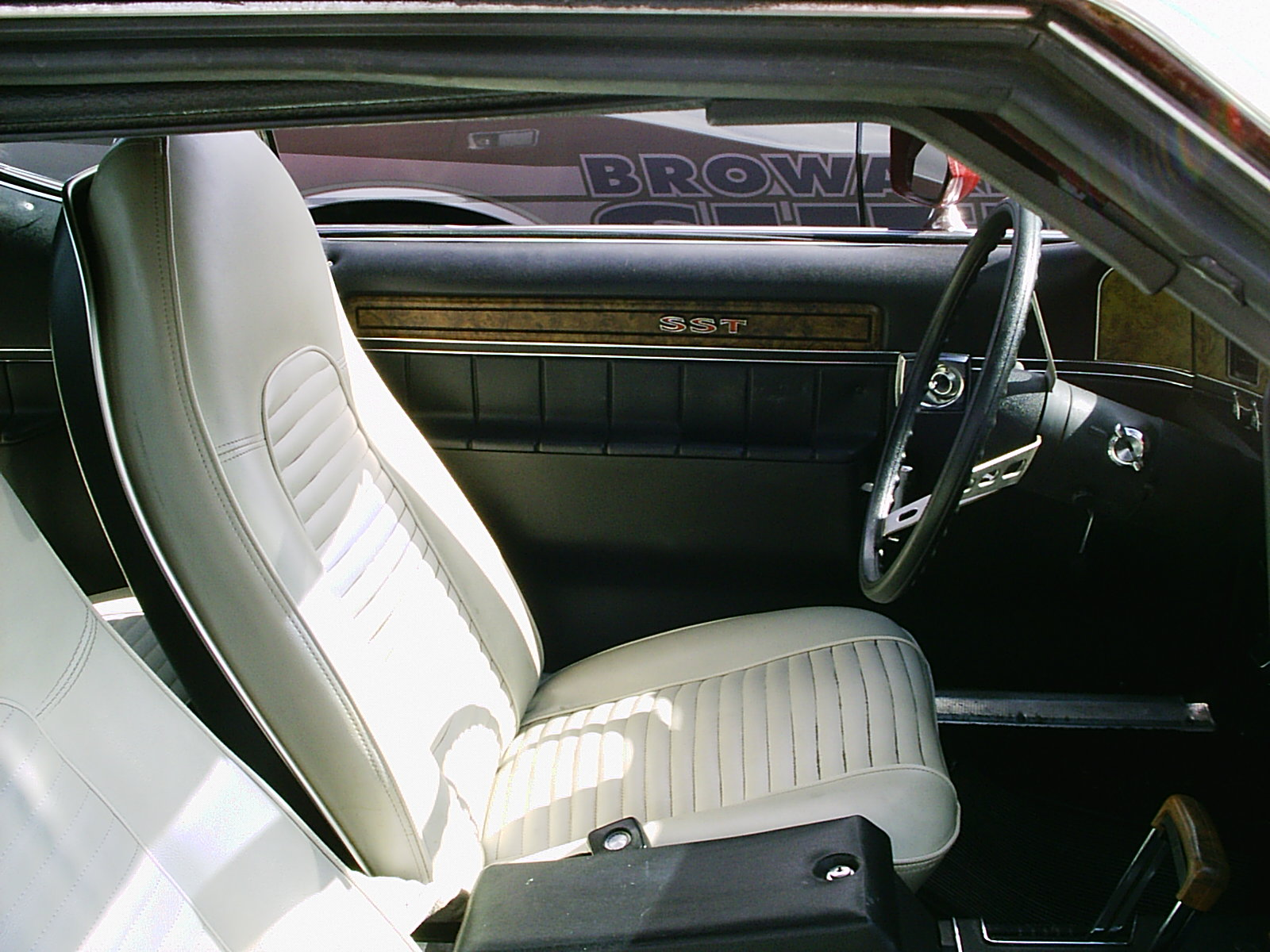
As automatics became standard, the clutch – and with it the first month of learning, the stalling and the hill start – simply vanished from the experience.
The change is larger than it appears. An enormous share of what learning to drive consisted of was the operation of one mechanism, and removing it did not make driving easier so much as make a completely different and much shorter skill the price of entry.
And the Teaching Moved Away From Families
The honest ending is that almost everything about this got better, and what went was a particular kind of afternoon.
Professional instruction in a dual-control car, graduated licensing, far better vehicles and a test that reflects more of real driving are improvements by any measure, and the casualty figures are the argument. What disappeared with them is a specific thing that happened between a parent and a teenager in an empty lot on a Sunday: a month of failing at one task in front of somebody who could not help being exasperated about it, and then, eventually, not failing – which was the first adult competence a great many people ever demonstrated to a parent.
Like our content? Follow us for more.