

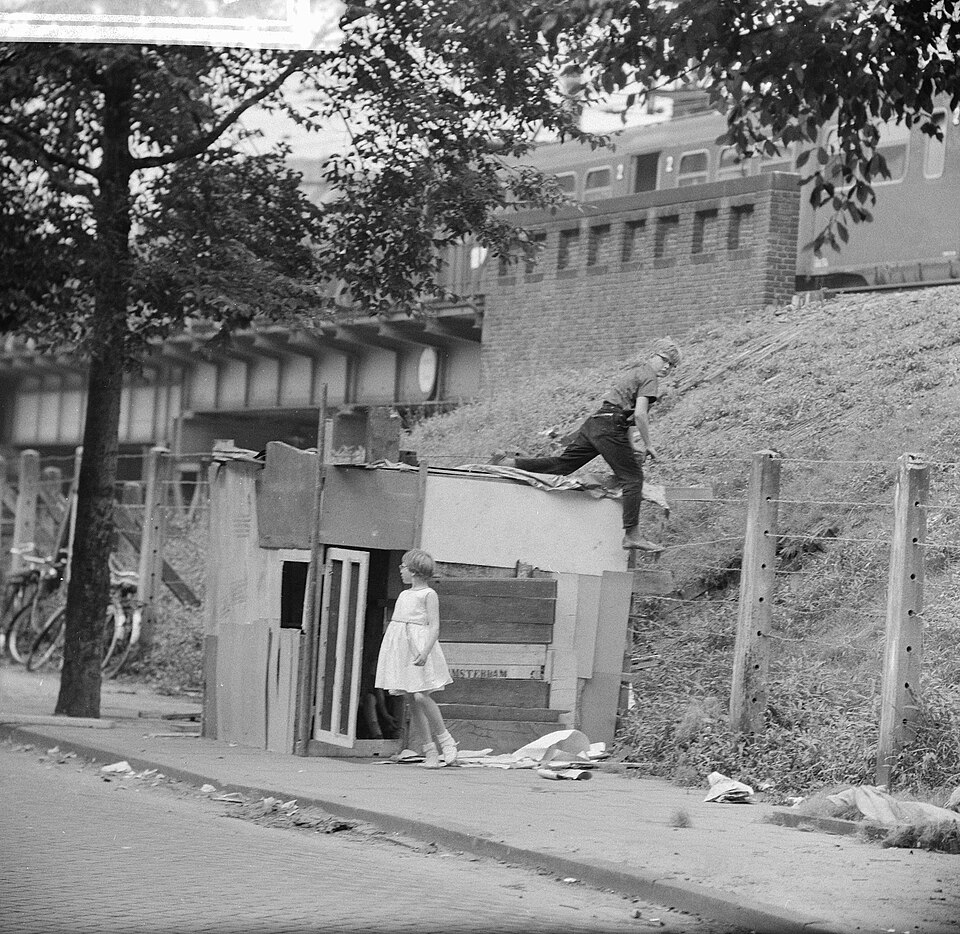
Nothing was bought, and that one fact decided every fort ever built.
Scrap lumber, pallet boards, packing crates and whatever a building site had thrown out determined what was possible. Children did not draw a plan and then find materials – they found materials and worked out what those materials could become, which is an entirely different way of designing something.
And nails were scarcer than wood. A handful of fasteners was worth more than a plank, so the first job on any salvaged board was drawing and straightening the nails already in it. Wood was everywhere and free; something to hold it together was neither, and that shortage shaped more of these structures than any other single thing. Here are sixteen things every kid knew.
1. The Materials Were Scavenged, Which Decided the Design
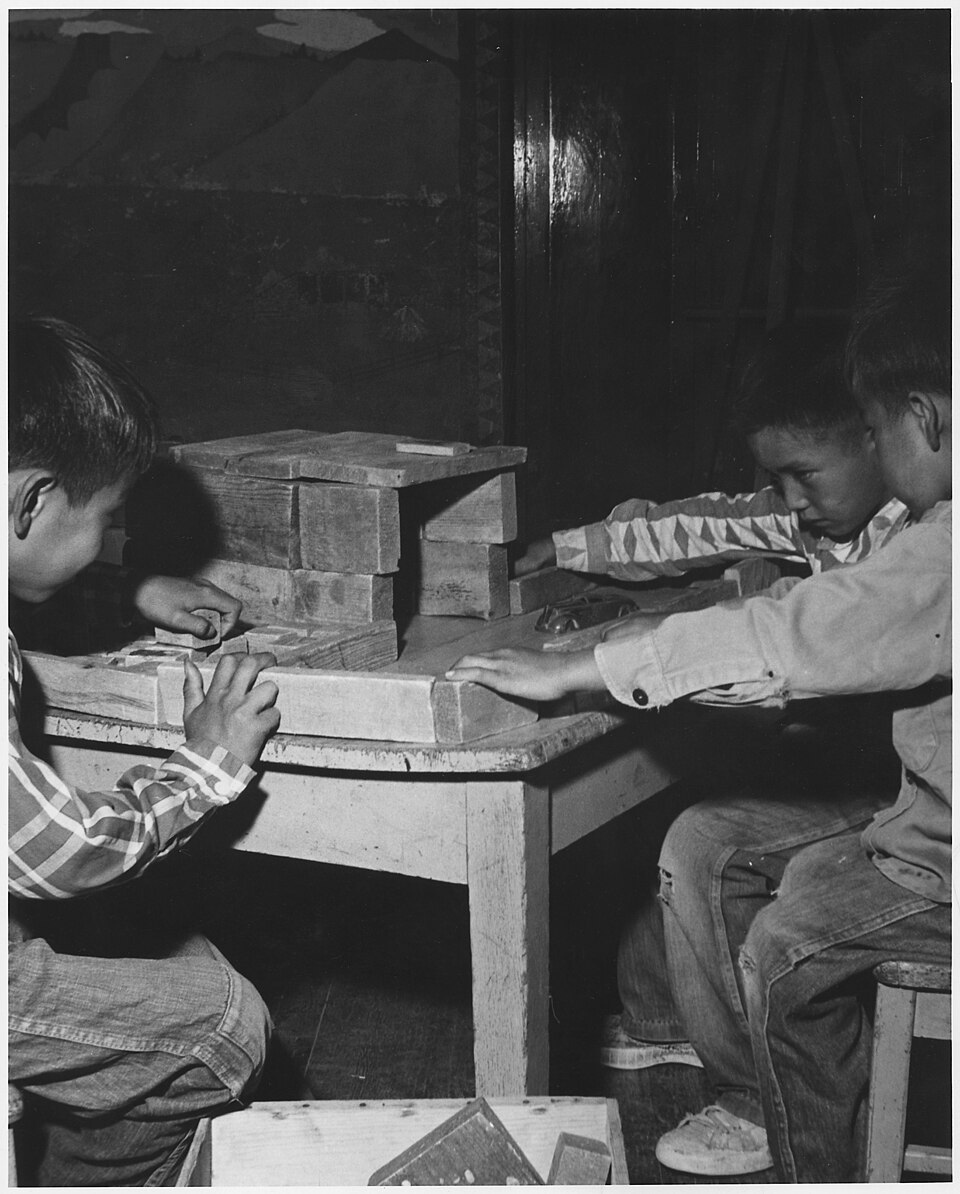
Nothing was bought. Scrap lumber, pallet boards, packing crates and whatever a building site had discarded determined what could be built.
Kits and purpose-built structures.
Start with the supply, because the design was downstream of it entirely. Children did not draw a plan and then find materials – they found materials and then worked out what those materials could become, which is a completely different way of designing something.
Like our content? Follow us for more.
2. Nails Were the Scarce Resource and Were Pulled From Old Wood
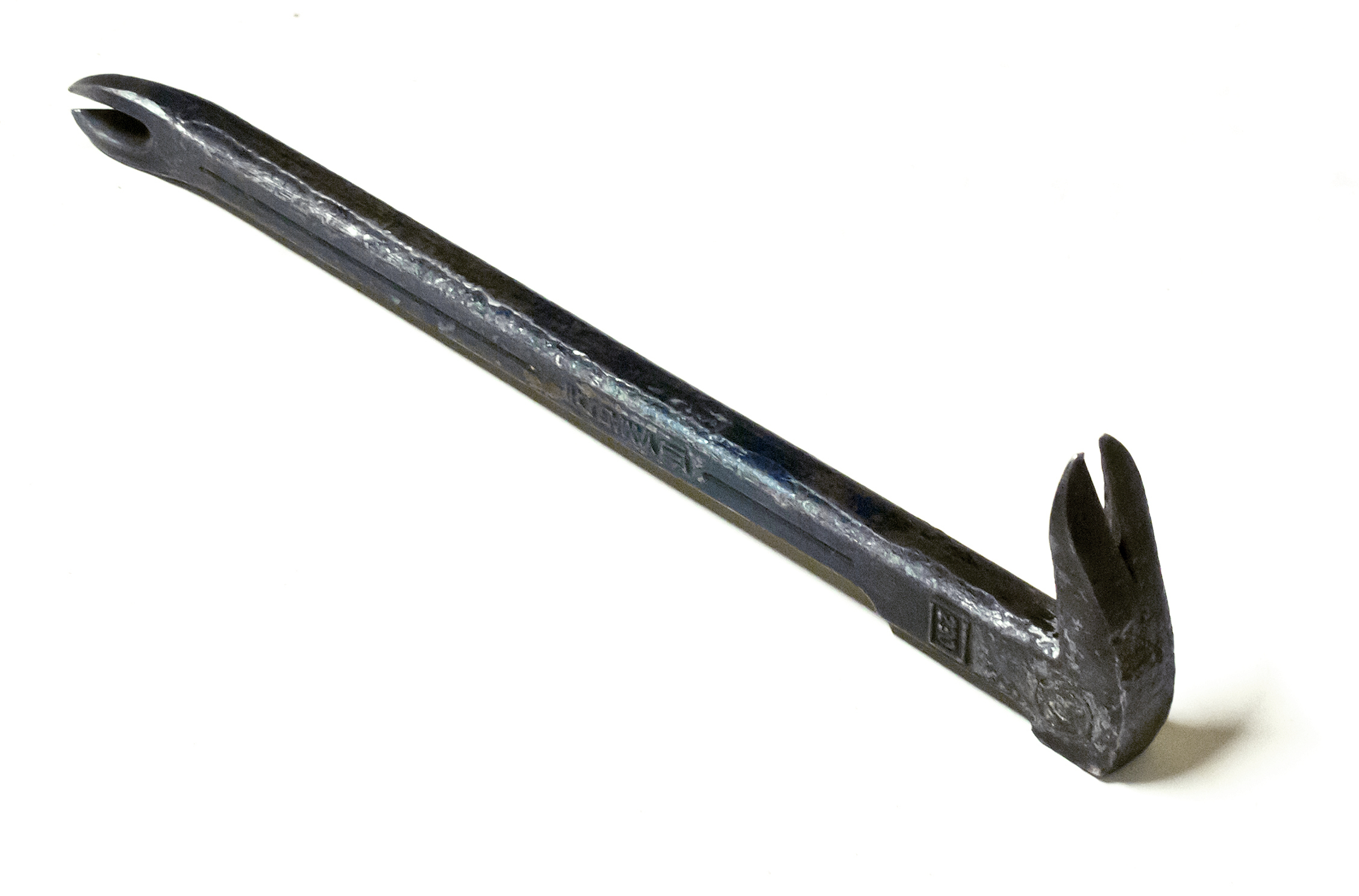
A handful of nails was more valuable than a plank, so boards were salvaged by drawing and straightening the nails already in them.
Bought by the box.
The economics of fasteners shaped everything and the straightened nail is the emblem of the whole enterprise. Wood was everywhere and free; something to hold it together was neither – so a child’s first job on any salvaged board was recovering its hardware.
3. Choosing the Tree Was an Engineering Decision Made by Children
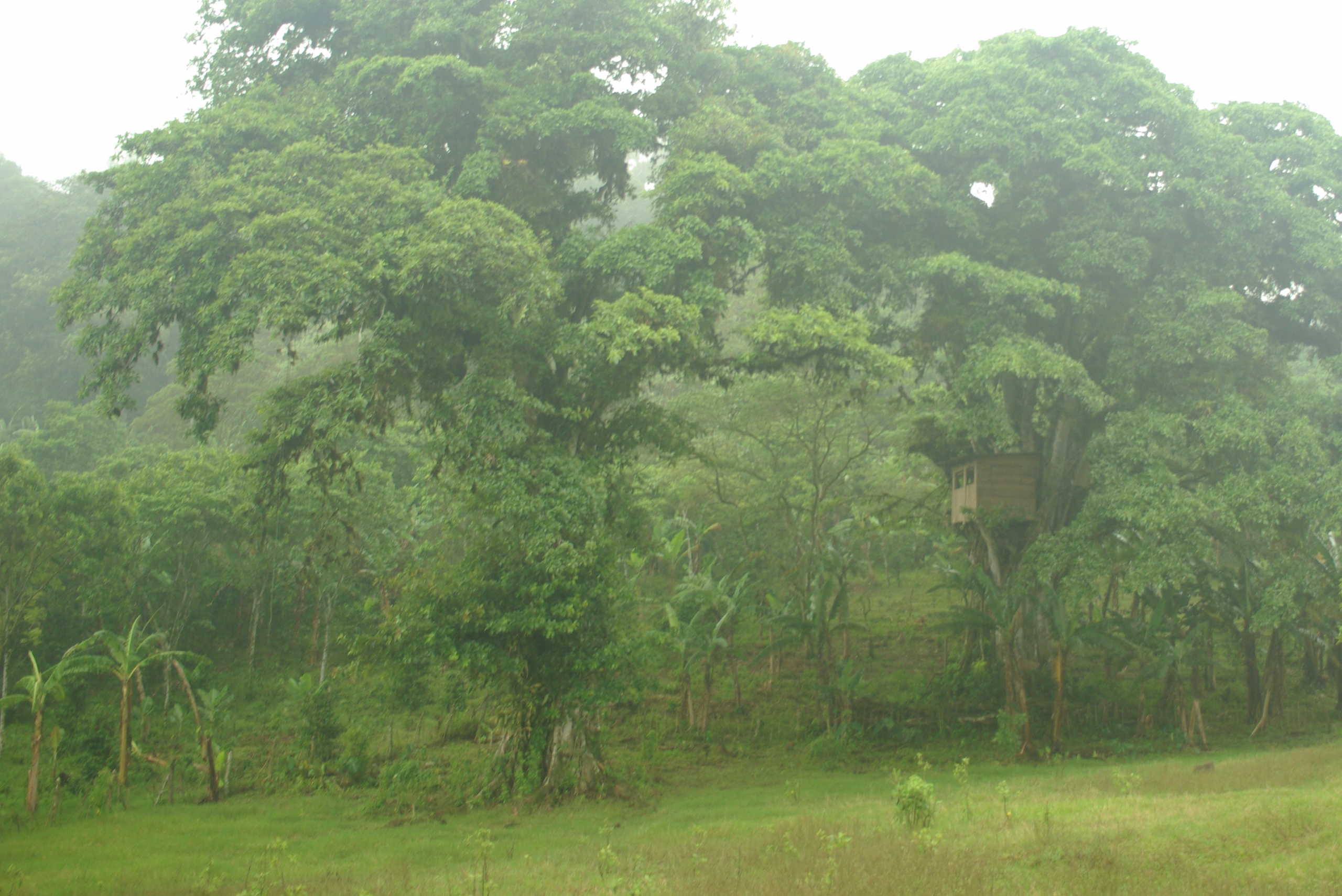
The tree had to have a fork at a useful height, branches thick enough to carry weight, and be somewhere nobody would object to.
Chosen by an adult, or not at all.
The site selection is more sophisticated than it looks, and children assessed it carefully. A fork provides three bearing points instead of one, branch thickness determines what the floor can hold, and the surrounding cover determines whether the thing survives being noticed.
4. The Floor Was Built First and It Was the Only Part That Mattered
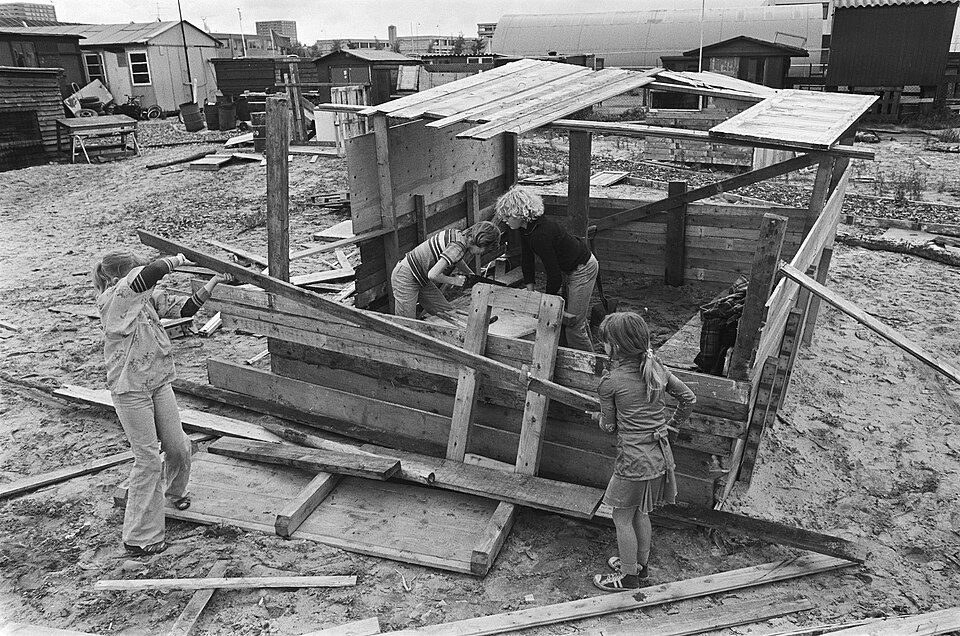
A platform wedged or nailed into the fork came before any wall, roof or ladder, because everything else rested on it.
Not applicable.
Building the floor first is correct practice arrived at by trial, and the reason is structural. The platform carries every load in the structure, so an inadequate floor fails under people while an inadequate wall merely looks bad – and children learned that order quickly.
5. Getting Up There Was Solved Badly and Repeatedly
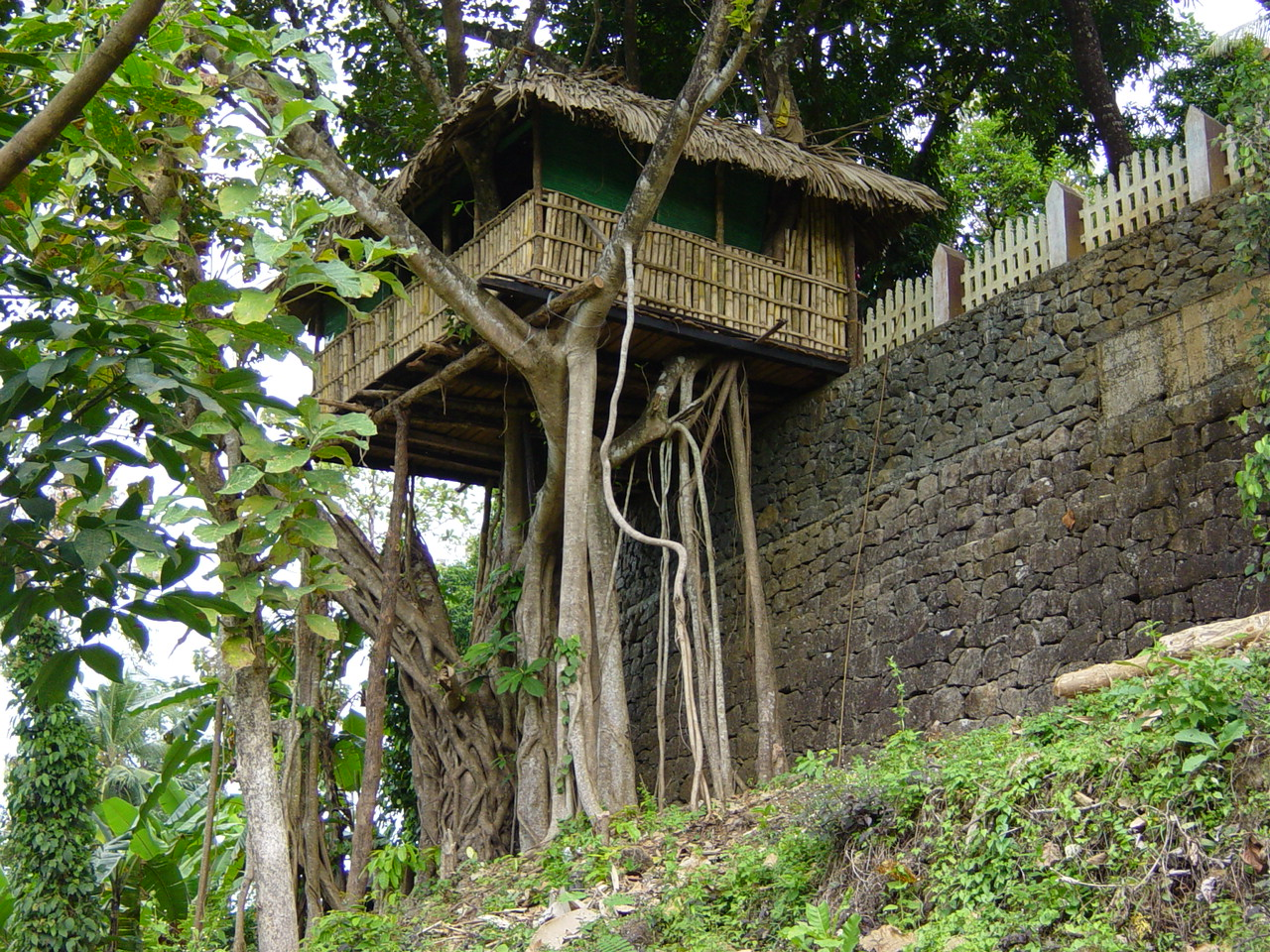
Ladders were nailed to the trunk as individual rungs, improvised from scrap, or dispensed with in favour of climbing.
Proper steps.
Access was the hardest problem and the one most often botched. A rung nailed into a living trunk is held by two nails in bark, which is the weakest connection in the entire structure, and it is also the connection that carries the most repeated loading.
6. The Walls Were a Luxury and Usually Unfinished
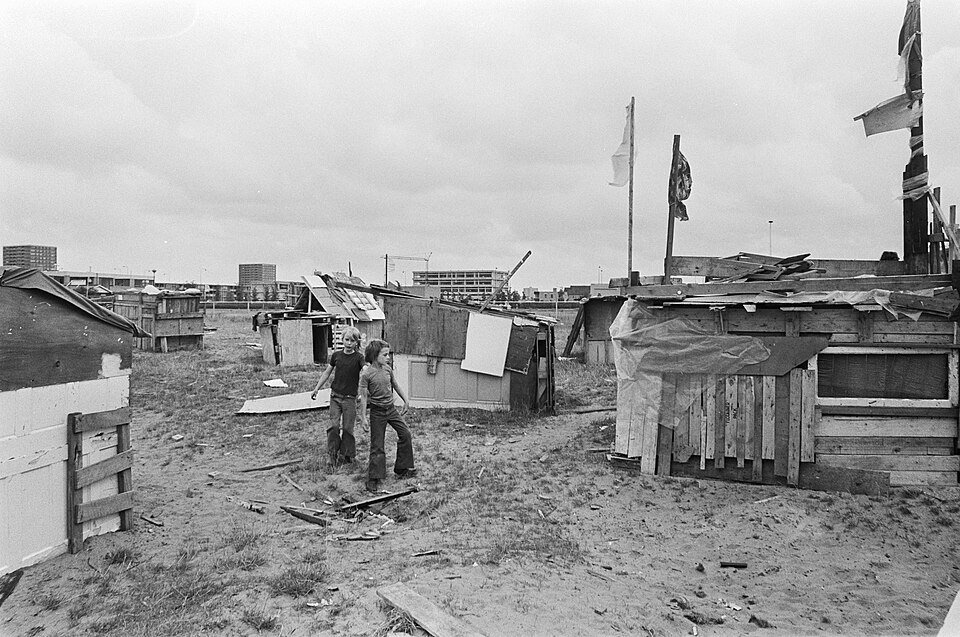
Most forts had a floor, something to hold onto, and perhaps two partial walls – the complete enclosed cabin was rare.
Not applicable.
The unfinished state is the normal condition rather than a failure, and the reason is supply. Material arrived in unpredictable amounts at unpredictable times, so a fort grew when a windfall of lumber appeared and stopped when it ran out, which meant most existed permanently half-built.
7. A Ground Fort Was the Common Version
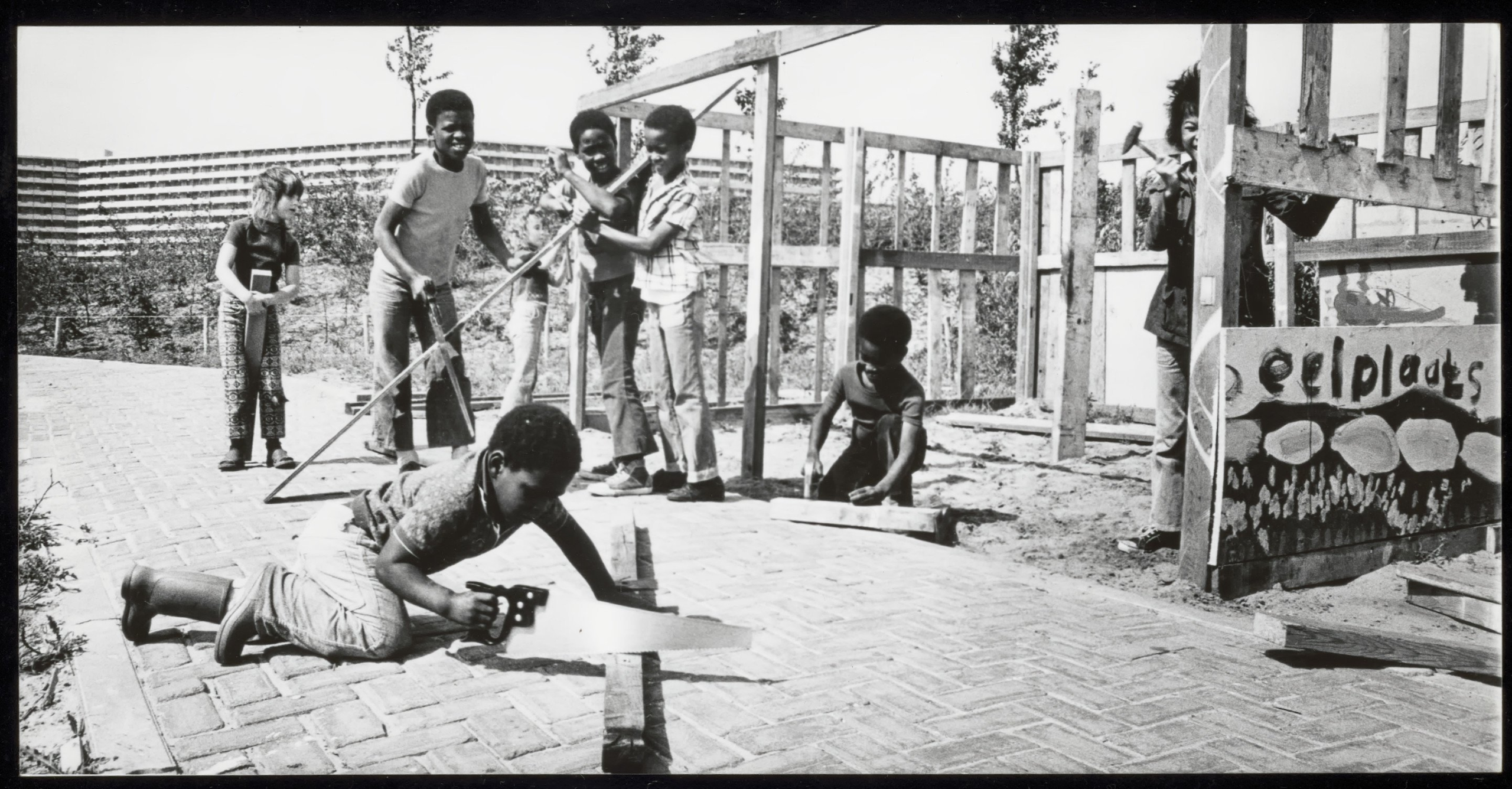
Far more were built against a fence, in a thicket, under a porch or out of a packing crate than were ever built in a tree.
Not applicable.
The tree house dominates the memory and the ground version dominated reality. It is easier, safer, needs no climb and can be bigger – and the only thing it lacks is the one thing the tree supplied, which is being somewhere adults do not casually go.
8. The Point Was Jurisdiction, Not Shelter
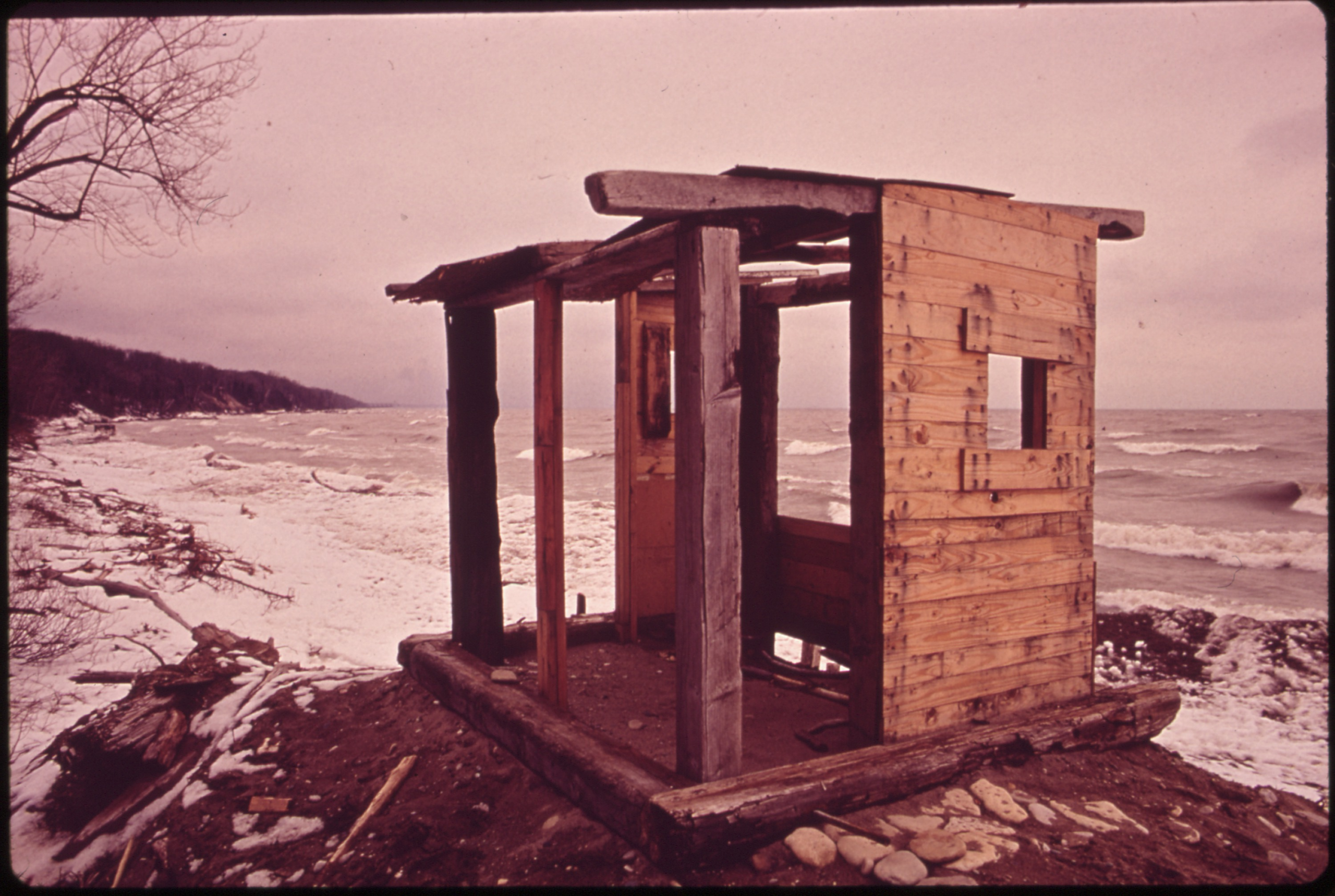
A fort was territory a child controlled – who came in, what the rules were, what it was called – rather than a place to be comfortable.
Rare.
This is the actual function, and the structure is almost incidental to it. Children in that period had almost no space where they set the rules, so a few square feet of claimed ground mattered enormously regardless of whether it kept the rain off.
9. Membership Was Governed and Enforced
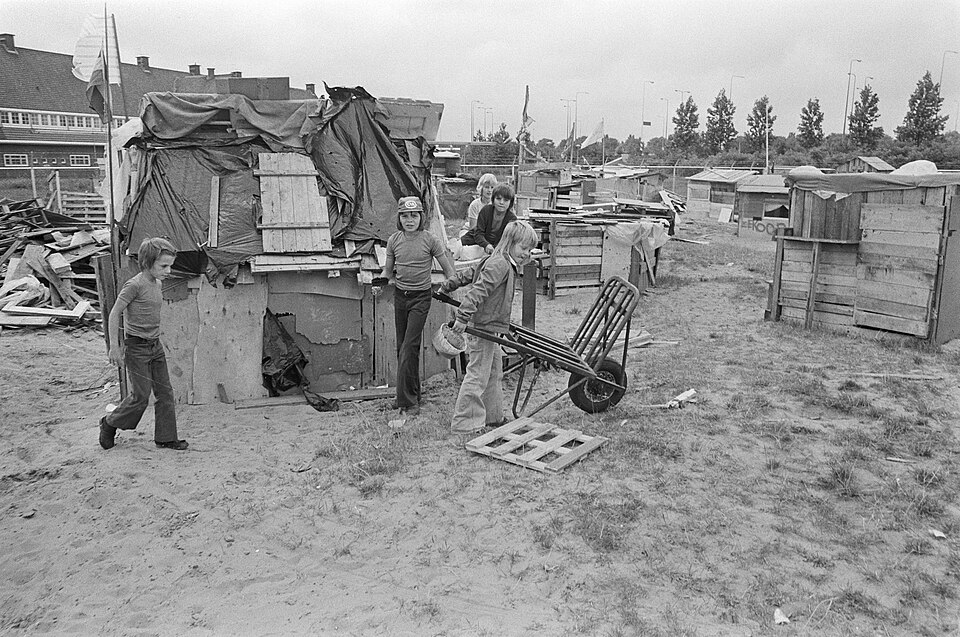
Who was allowed in, under what conditions, and who had been excluded were live and serious questions with real feeling attached.
Not applicable.
Governance is where most of the actual drama lived, and it followed from the jurisdiction. A space with a boundary immediately raises the question of who controls the boundary, so forts generated membership rules, disputes and expulsions as a matter of course.
10. It Was Stocked With Things Nobody Would Miss
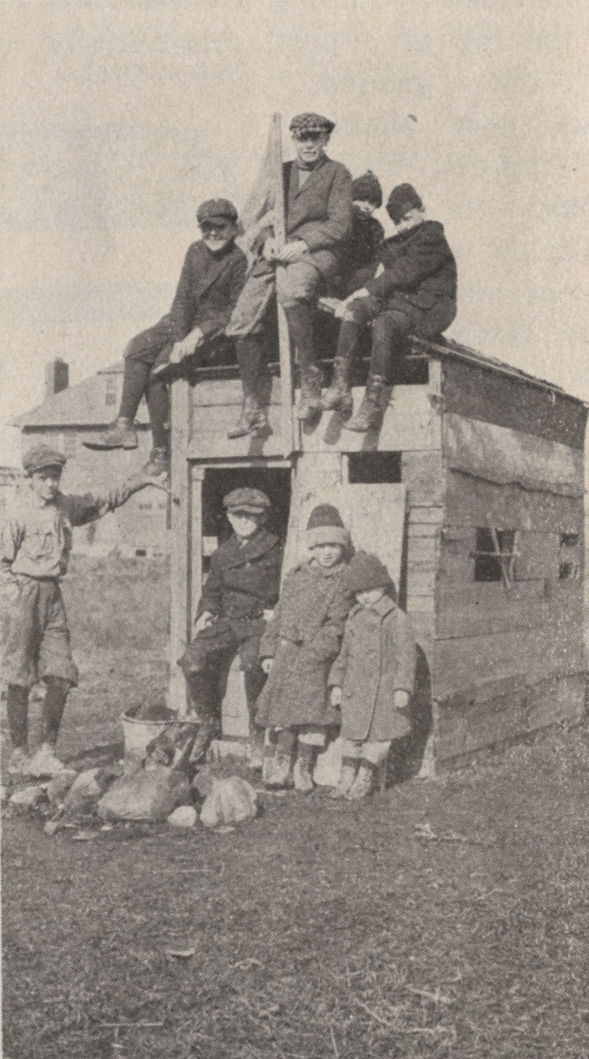
Comics, a blanket, a jar, a torch, a tin of something – possessions moved out of the house into a place adults did not inventory.
Not applicable.
Stocking the fort is what converted it from a structure into a residence, and the contents are revealing. These were deliberately things that would not be looked for, which tells you the point was having possessions somewhere outside adult oversight.
11. Rain Ended Most of Them
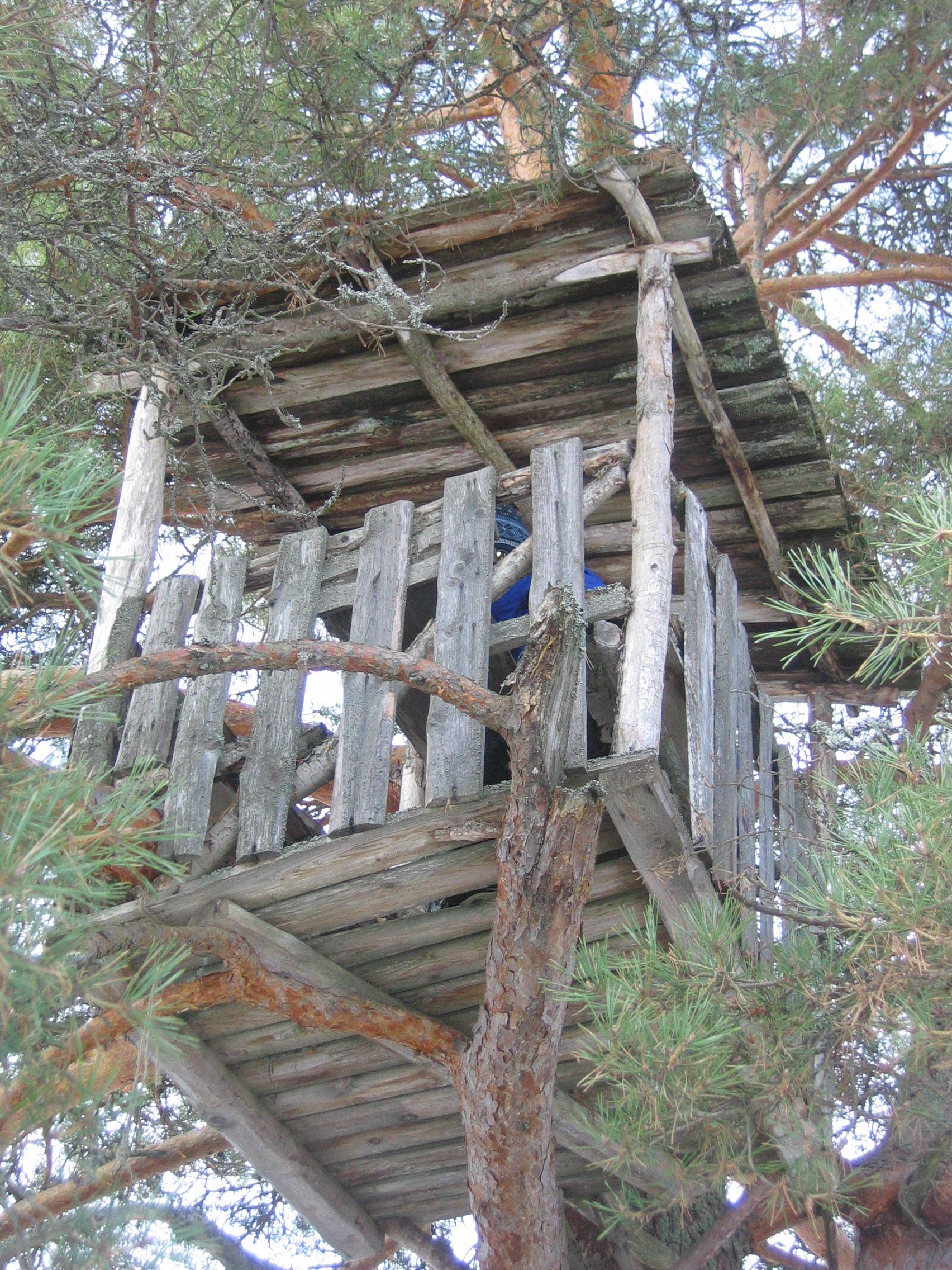
Untreated scrap lumber exposed to weather warps, rots and loses its nails within a season or two.
Not applicable.
The lifespan was short and the failure was material rather than social. Salvaged wood with no finish and no overhang will not survive two winters, so a fort that mattered enormously in July was frequently a sagging ruin by the following spring.
12. Rival Forts Were a Genuine Social Structure
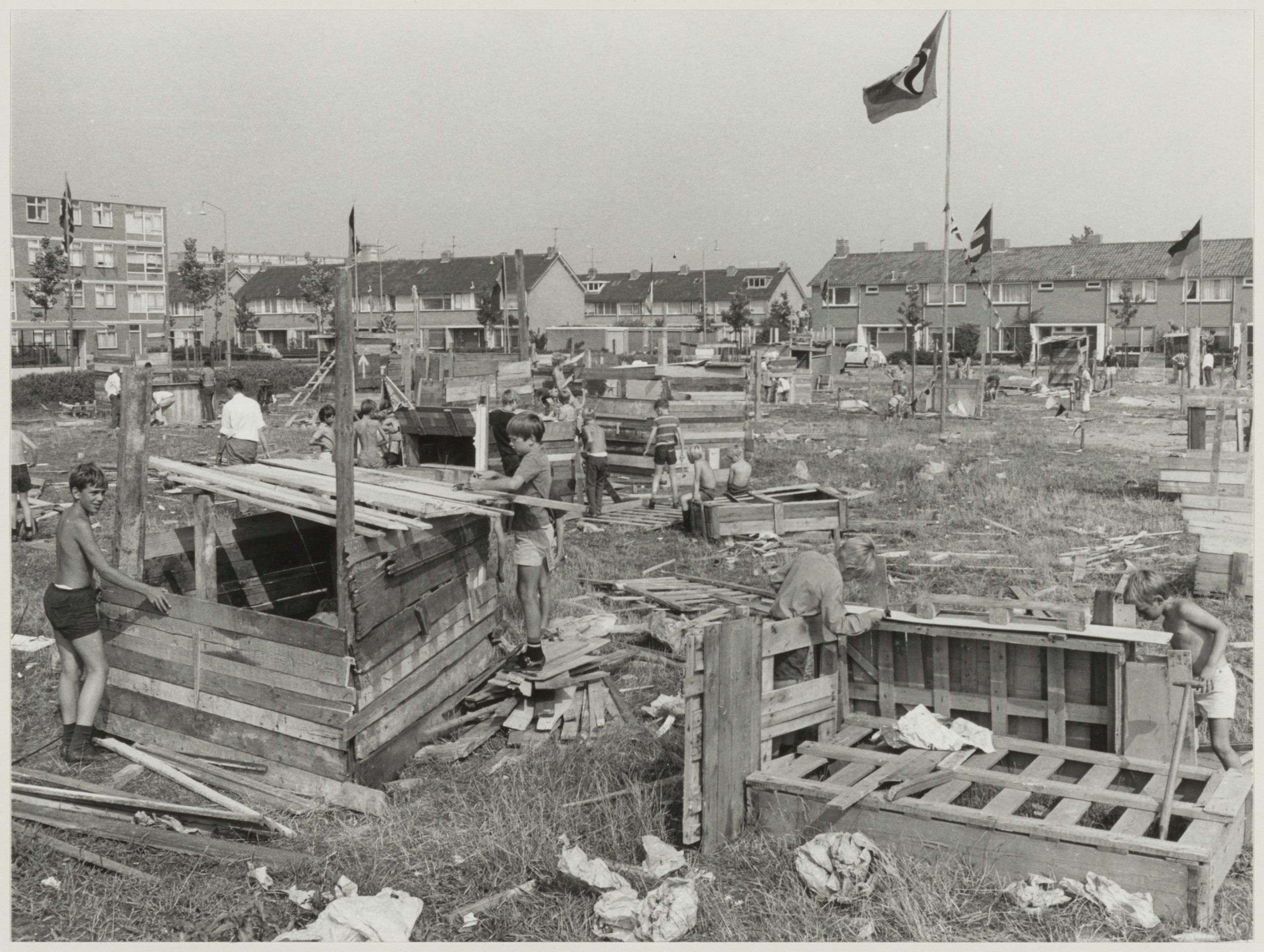
Other groups built elsewhere, and the relationship between forts – raids, alliances, mutual avoidance – was a real feature of a neighbourhood.
Not applicable.
Multiple claimed territories in one area produce politics automatically. The existence of a second fort creates borders, incursions and negotiations, and a great deal of a summer’s social energy went into relations between groups that had each claimed a patch of ground.
13. Adults Mostly Pretended Not to Know
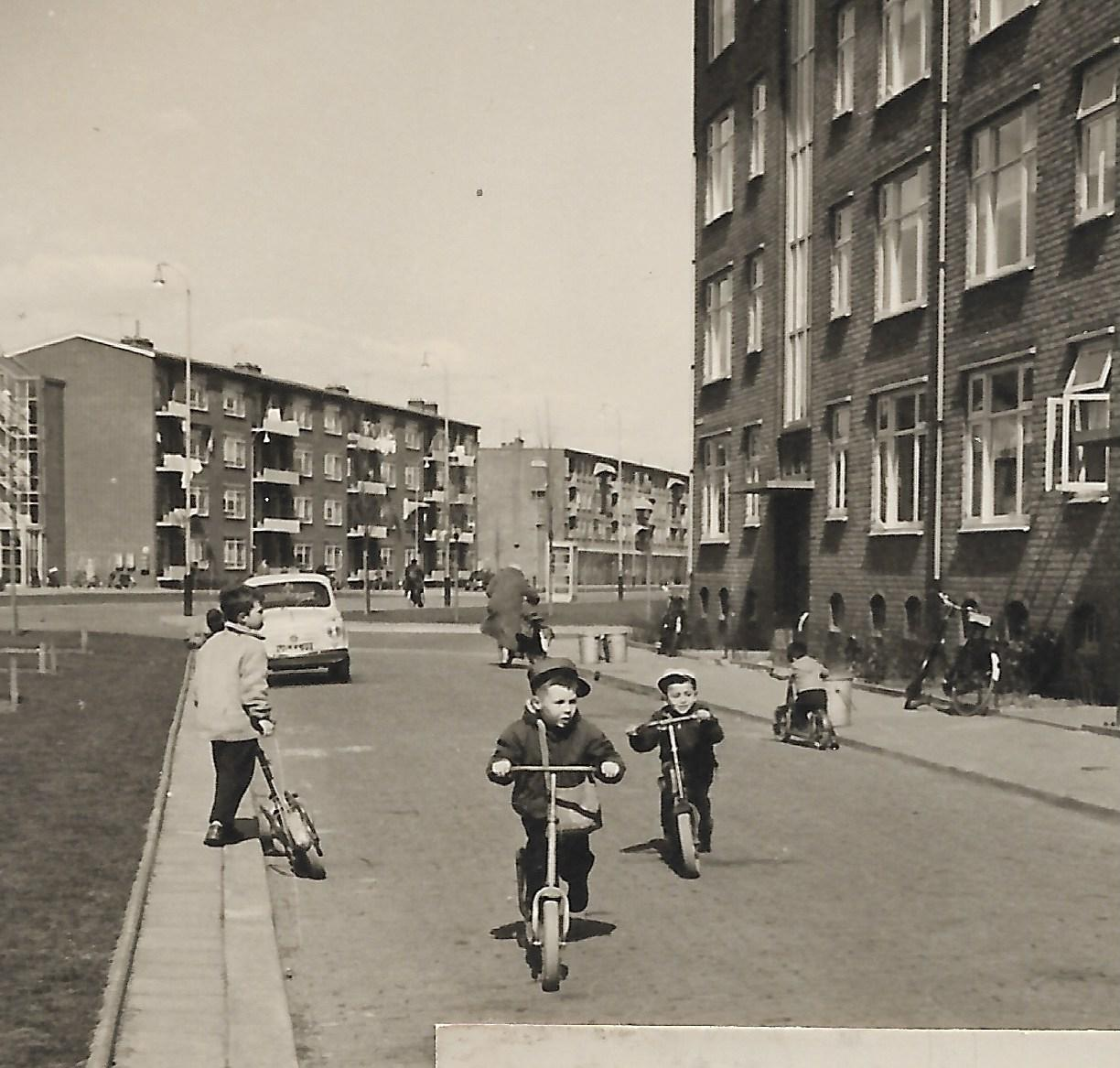
Parents were often aware of where a fort was and what it was made of, and deliberately avoided inspecting it too closely.
Supervised or prohibited.
The tolerated-ignorance arrangement is the most interesting part of the whole subject. The jurisdiction only worked because adults consented not to exercise theirs, which means the independence children felt was partly real and partly granted – and both sides mostly left it unexamined.
14. Tools Were Borrowed Without Being Asked For
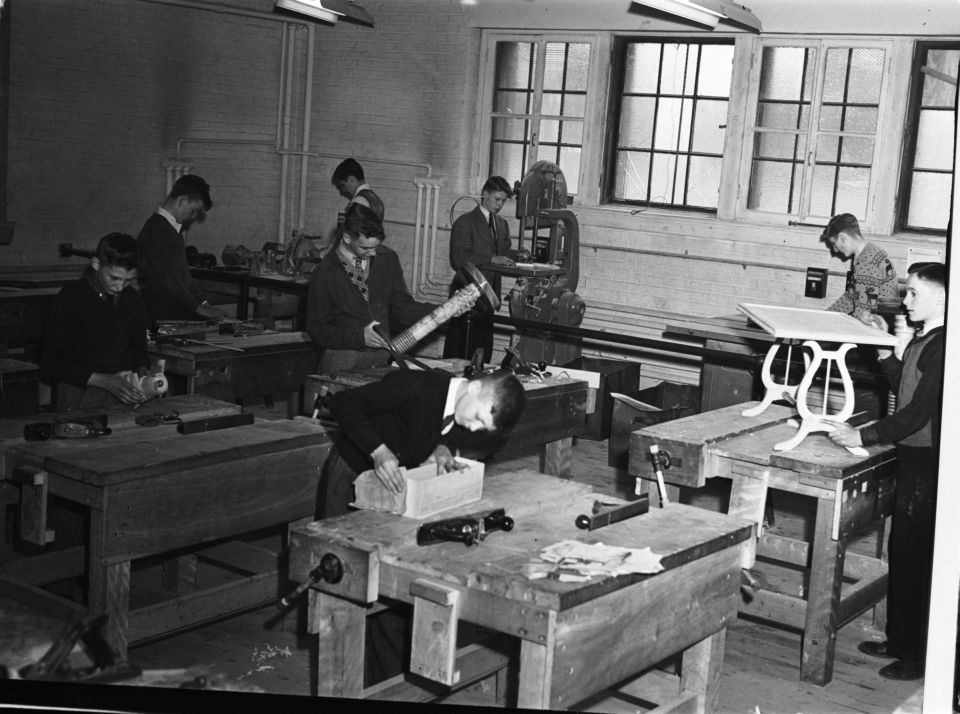
A hammer, a saw and sometimes a hatchet came out of a garage and went back, usually without any conversation.
Not applicable.
The tool supply ran on the same tacit arrangement as everything else. Nobody issued tools to children and nobody locked them up either, which is a specific balance that depended on an adult deciding not to notice something they could easily have noticed.
15. Then the Land It Needed Disappeared
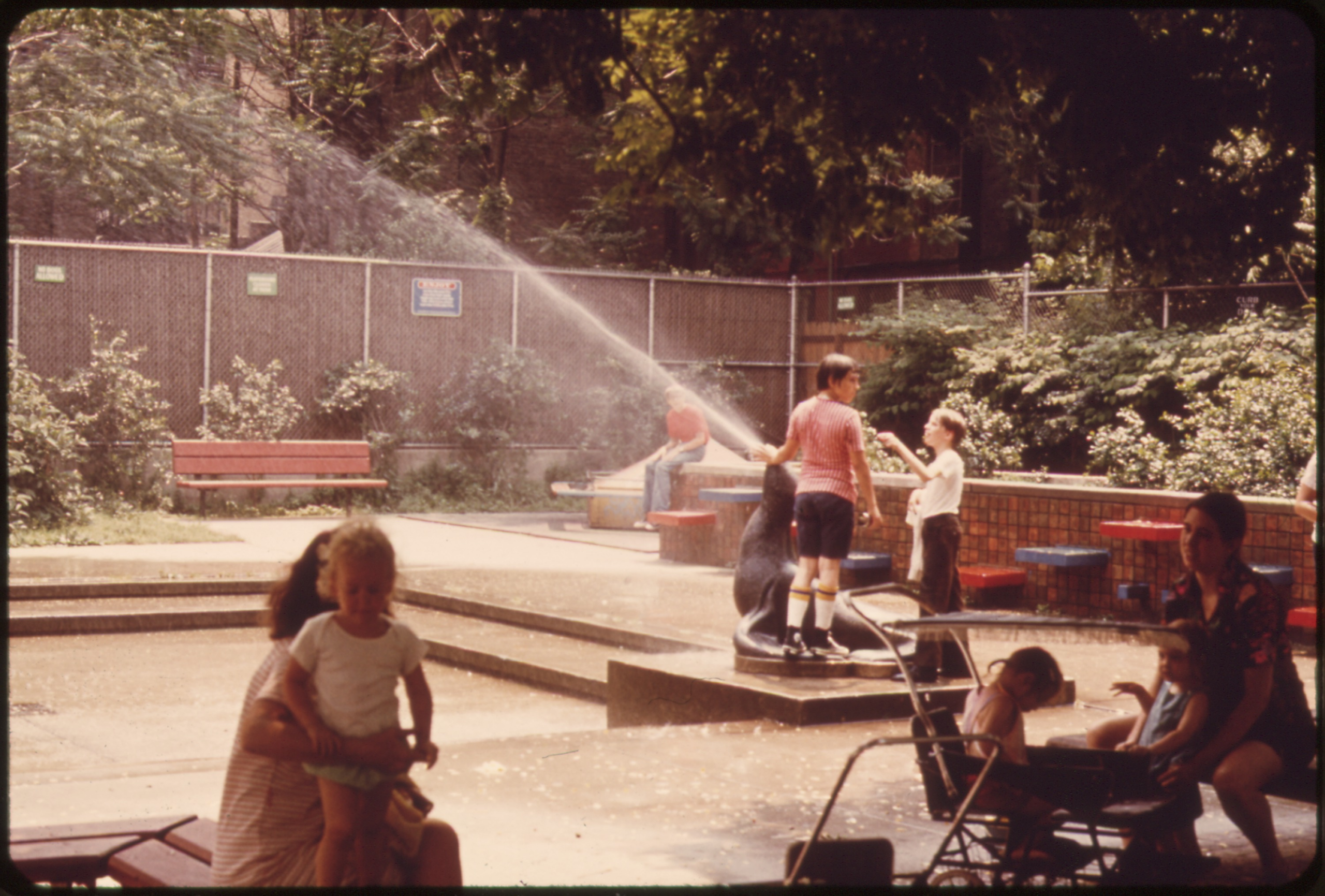
Vacant lots were built on, woodlots were cleared, scrap stopped sitting around, and the unsupervised spaces a fort requires stopped existing.
Gone.
The decline is a land-use story more than anything else. A fort needs ground nobody is using, material nobody is counting and an absence of observation – and the first two went with development while the third went with changing expectations about where children should be.
16. And by 1968 It Was Already Easier to Buy One Than Build One
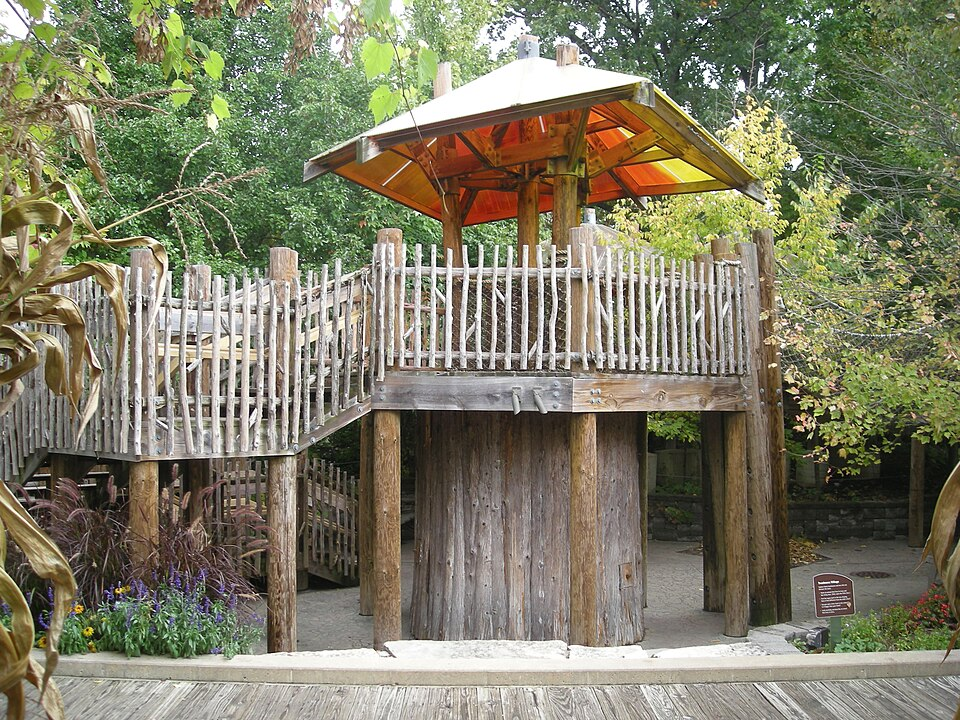
Manufactured play structures arrived, assembled by adults, sited where they could be watched, with nothing scavenged and nothing claimed.
Universal.
And what deserves the last word is that the fort was never really a building. It was a jurisdiction – a few square feet where a child decided who came in, what the rules were and what the place was called – and in a period when children controlled almost nothing, that mattered far more than whether it kept the rain out. Everything else followed: the design came from whatever scrap turned up, so forts were permanently half-finished; nails were scarcer than lumber, so the first job was always straightening old ones; the floor was built first because it carries every load; and the structure rotted within two winters because salvaged wood always does. And the independence was partly granted, because adults knew where it was and chose not to look. What ended it was not safety rules or boredom – it was that the vacant lot got built on, the scrap pile went away, and a purchased structure arrived that was assembled by somebody else and placed where it could be seen.
It Was Never a Building. It Was a Jurisdiction
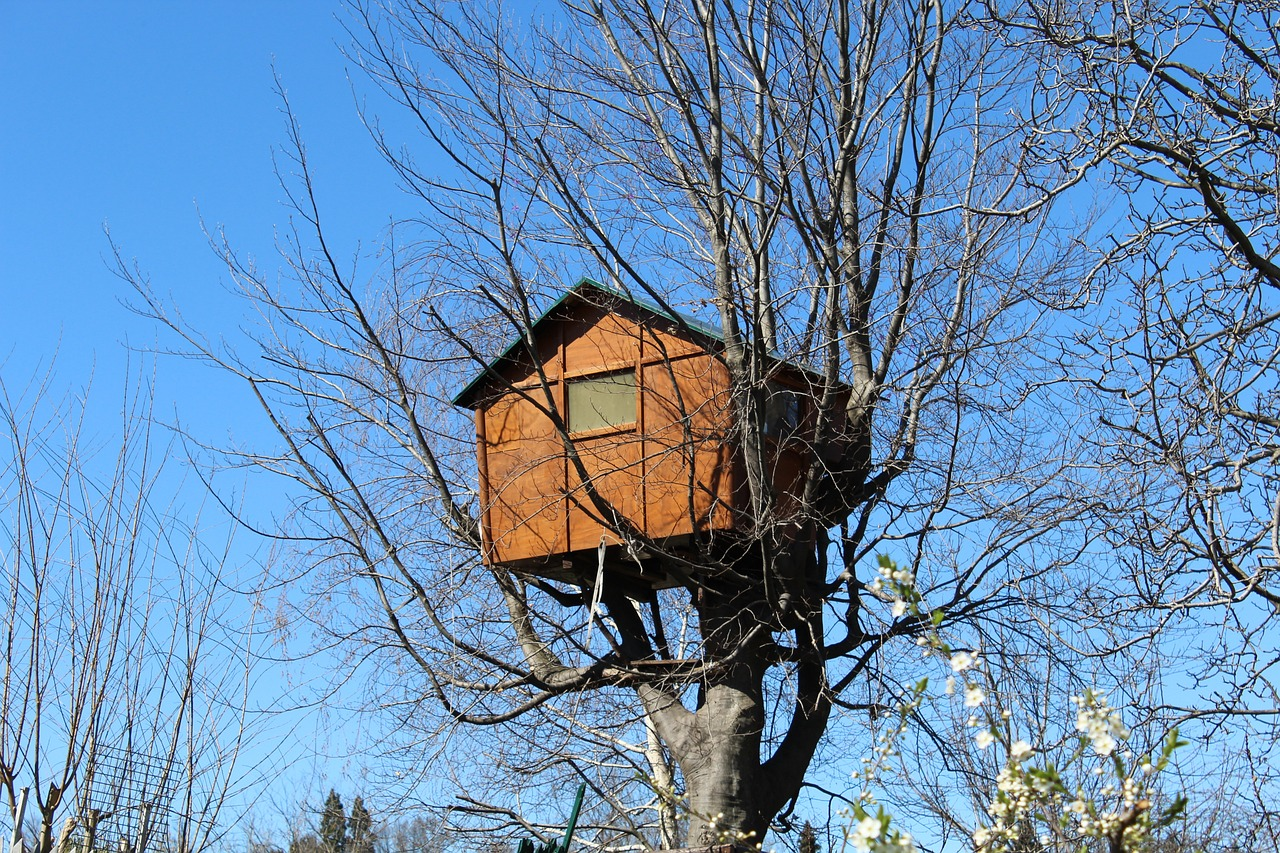
Fort building looks like children playing at construction, and the construction was almost beside the point.
What a fort actually was is territory. A few square feet where a child decided who came in, what the rules were and what the place was called – and in a period when children controlled almost nothing, that mattered enormously regardless of whether the thing kept the rain off.
Which is why governance generated most of the real drama. A space with a boundary immediately raises the question of who controls the boundary, so forts produced membership rules, conditions of entry, disputes and expulsions as a matter of course. And a second fort elsewhere in the neighbourhood created borders, raids, alliances and mutual avoidance, which absorbed a serious share of a summer’s social energy.
Stocking it is what turned a structure into a residence, and the contents tell you the point. Comics, a blanket, a jar, a torch, a tin of something – deliberately things nobody would look for, because having possessions outside adult inventory was the whole idea.
The building itself followed from supply rather than from intention.
Materials were scavenged, so the design was reverse-engineered from whatever turned up. Nails were the scarce resource, so old ones were drawn and straightened. Lumber arrived in unpredictable amounts at unpredictable times, which is why most forts were permanently half-built – a windfall of boards produced a burst of work and then it stopped.
The tree selection was a genuine engineering assessment made by children: a fork at a useful height, because a fork gives three bearing points instead of one; branches thick enough to carry weight; and enough cover that the thing would not be noticed.
The floor came first and was the only part that mattered, which is correct practice arrived at by trial. The platform carries every load, so an inadequate floor fails under people while an inadequate wall merely looks unfinished.
Access was the hardest problem and the most often botched – rungs nailed individually into a living trunk, held by two nails in bark, which is the weakest connection in the structure and also the one loaded most often.
And for all the tree house dominates the memory, the ground version dominated reality: against a fence, in a thicket, under a porch, out of a packing crate. Easier, bigger, no climb – lacking only the one thing a tree supplied, which was being somewhere adults do not casually go.
That points at the most interesting fact in the whole subject. Adults generally knew where the fort was and what it was made of, and chose not to inspect it. Tools came out of a garage and went back without conversation. Nobody issued them and nobody locked them up.
So the jurisdiction only existed because the adults declined to exercise theirs. The independence children felt was partly real and partly granted, and both sides left that unexamined – which is probably why it worked.
The structures themselves were short-lived. Untreated salvaged wood with no finish and no overhang warps, rots and loses its nails within two winters, so something that mattered immensely in July was often a sagging ruin by spring.
What ended the practice was not safety rules or changing tastes. It was land. A fort needs ground nobody is using, material nobody is counting, and an absence of observation. Vacant lots got built on, woodlots were cleared, scrap stopped lying around – and then a manufactured structure arrived, assembled by an adult and sited where it could be watched.
Which is a perfectly good thing to play on. It is just not territory, because somebody else chose it, built it and put it where they could see it.
If you built one, think about what you kept in it.
Those were the things nobody would come looking for, which was the entire point.
Like our content? Follow us for more.

