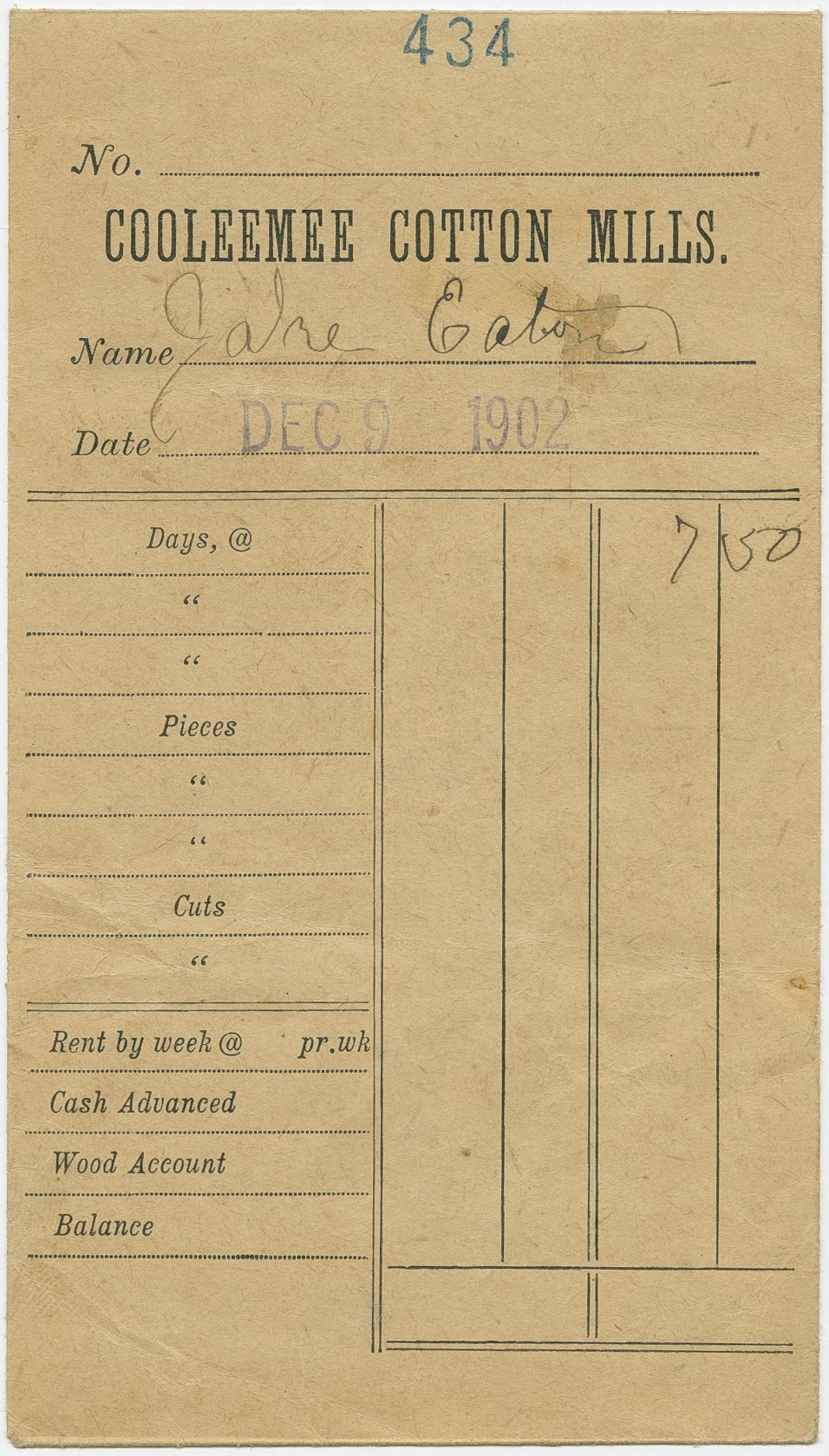
The pay came home in an envelope, in cash, and everything about household money followed from that one fact.
Wages arrived as notes and coins in a paper envelope on a known day, which means a household’s entire income was a countable physical object. That is a completely different thing to manage from a number appearing in an account – it has to be divided, by hand, by somebody, before any of it can be spent.
So the division happened at the kitchen table on payday, before anything was bought. Rent, food, fuel, insurance, church and savings each had a named envelope or tin, and the money went into them immediately. Money set aside before anything is spent cannot be accidentally spent, which means the budget was enforced by physical separation rather than by willpower. Here are fifteen things every household did.
1. The Pay Came Home in an Envelope, in Cash
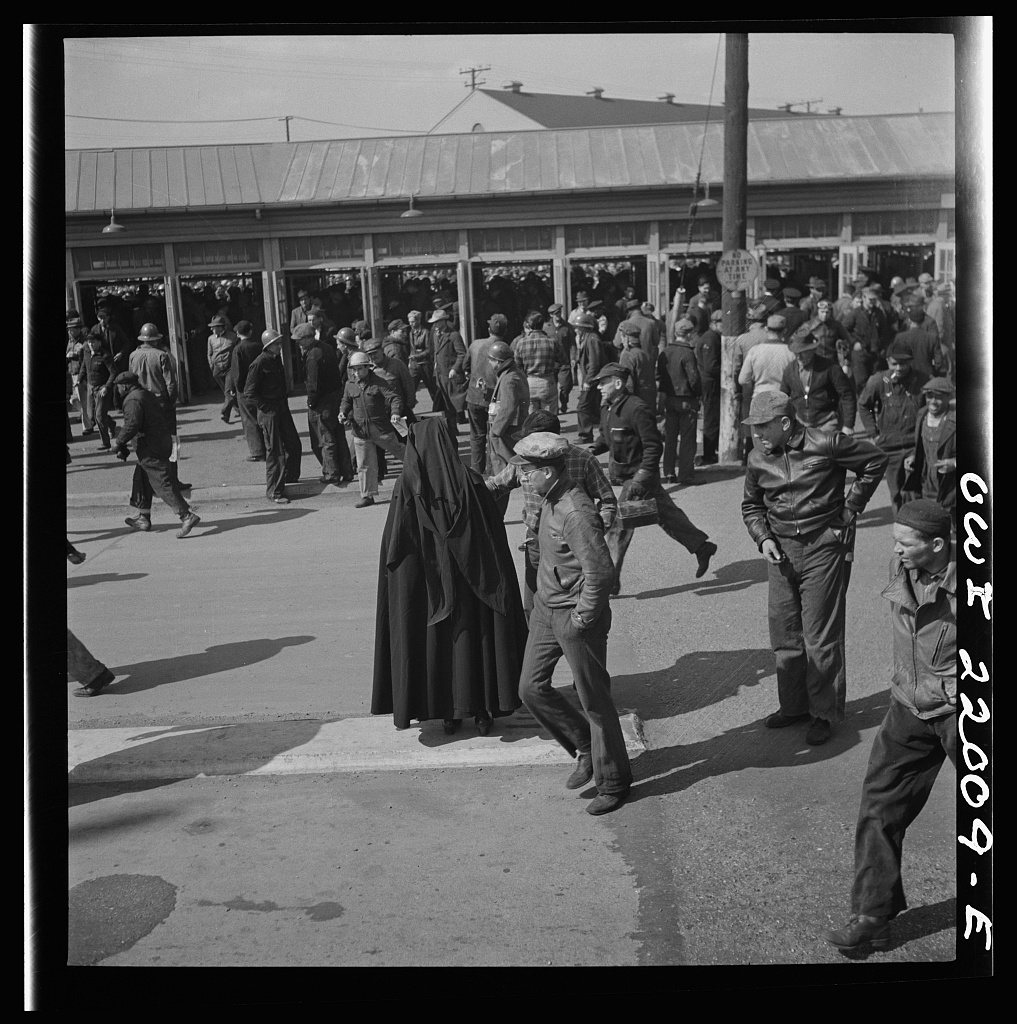
Wages were handed over as notes and coins in a paper envelope, which meant the household’s entire income arrived as a physical object once a week.
Deposited electronically, never seen.
Start with the form the money took, because everything else follows from it. Income that arrives as a countable object on a known day is a completely different thing to manage than a number that appears in an account – it has to be divided, physically, by somebody, before anything can be spent.
Like our content? Follow us for more.
2. The Division Happened at the Kitchen Table on Payday

The envelope was opened and the contents sorted immediately into separate amounts for separate purposes, before any of it was spent.
Allocated by direct debit, invisibly.
Doing the allocation first is the entire discipline, and it is the opposite of how most spending works now. Money set aside before anything is bought cannot be accidentally spent, which means the budget is enforced by the physical separation rather than by willpower.
3. Each Purpose Got Its Own Envelope or Tin
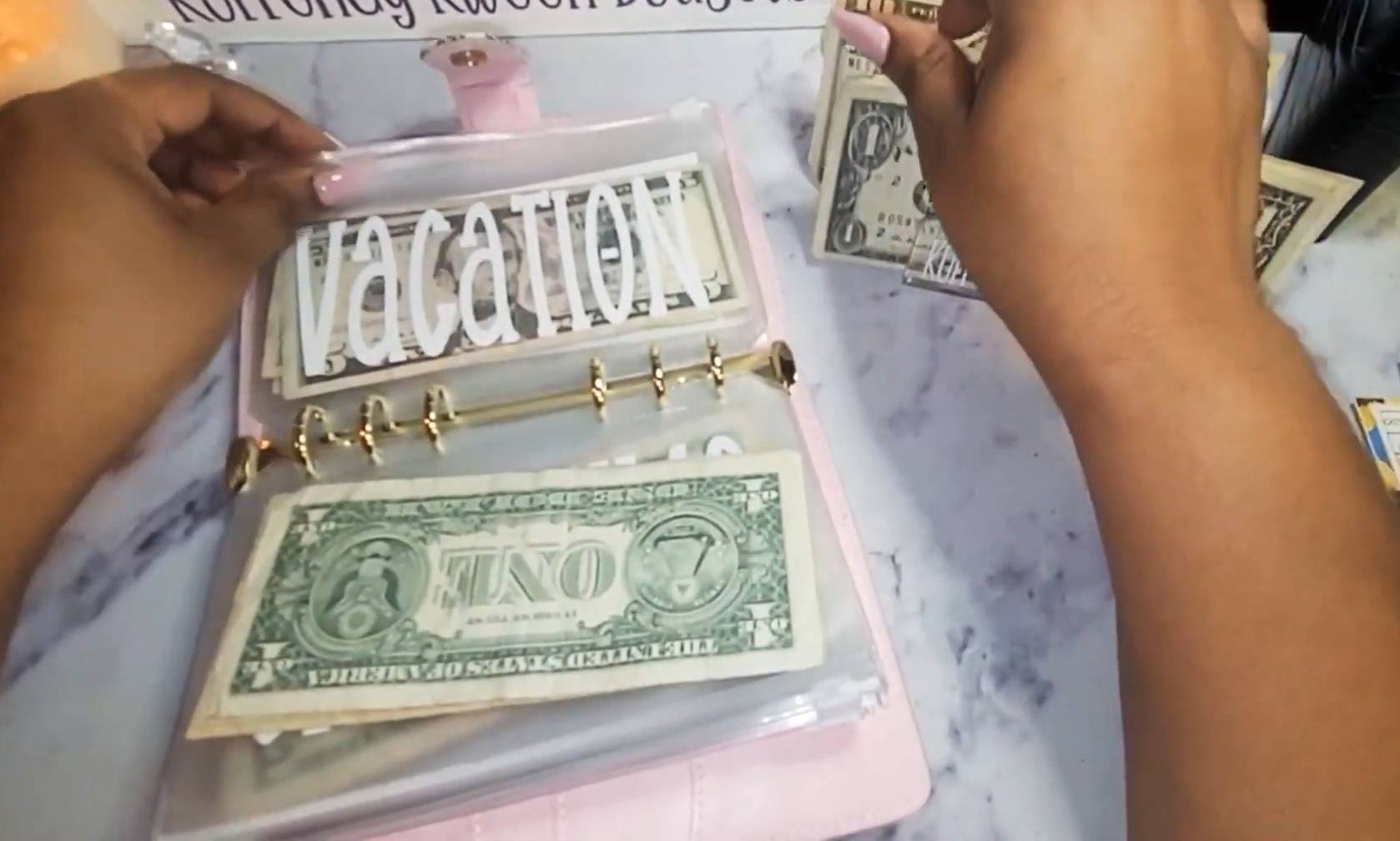
Rent, food, fuel, insurance, church and savings each had a named container, and money moved into them on payday and out of them as needed.
Categories in an app.
The containers are what made the system work, and the mechanism is tangible rather than notional. An envelope with nothing in it is a fact you cannot argue with, so the question of whether there is money for something answers itself by weight.
4. Running Out of an Envelope Was the Signal to Stop
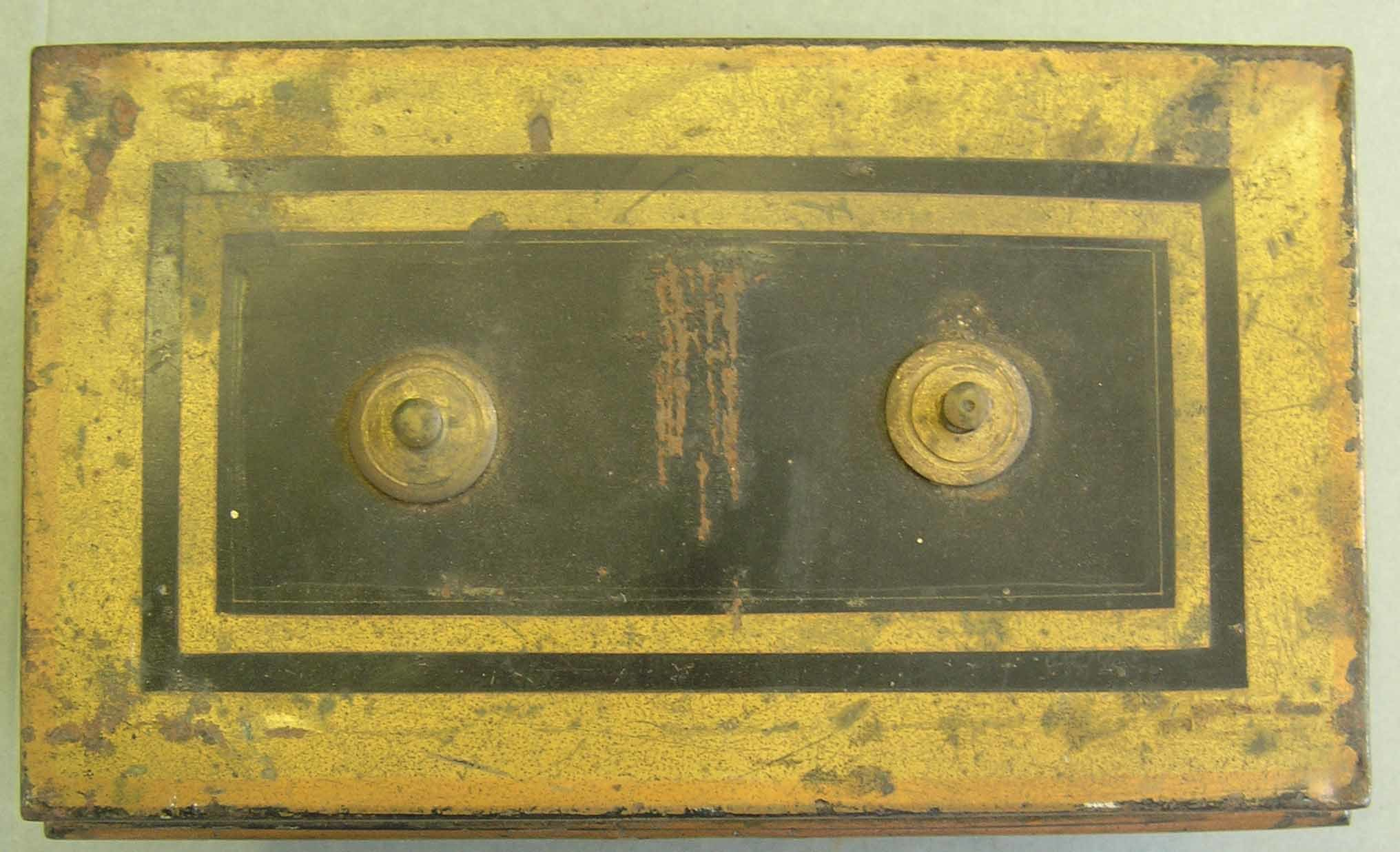
When a category was empty, that category was finished for the week – and borrowing from another envelope was a decision somebody had to actually make.
Overdrafts and credit absorb it.
The hard stop is the feature, and it has been engineered out of modern money entirely. Taking from the fuel envelope to pay for food is a visible, deliberate act with an obvious consequence later in the week, which is a very different thing from a balance quietly going lower.
5. The Woman of the House Usually Ran It
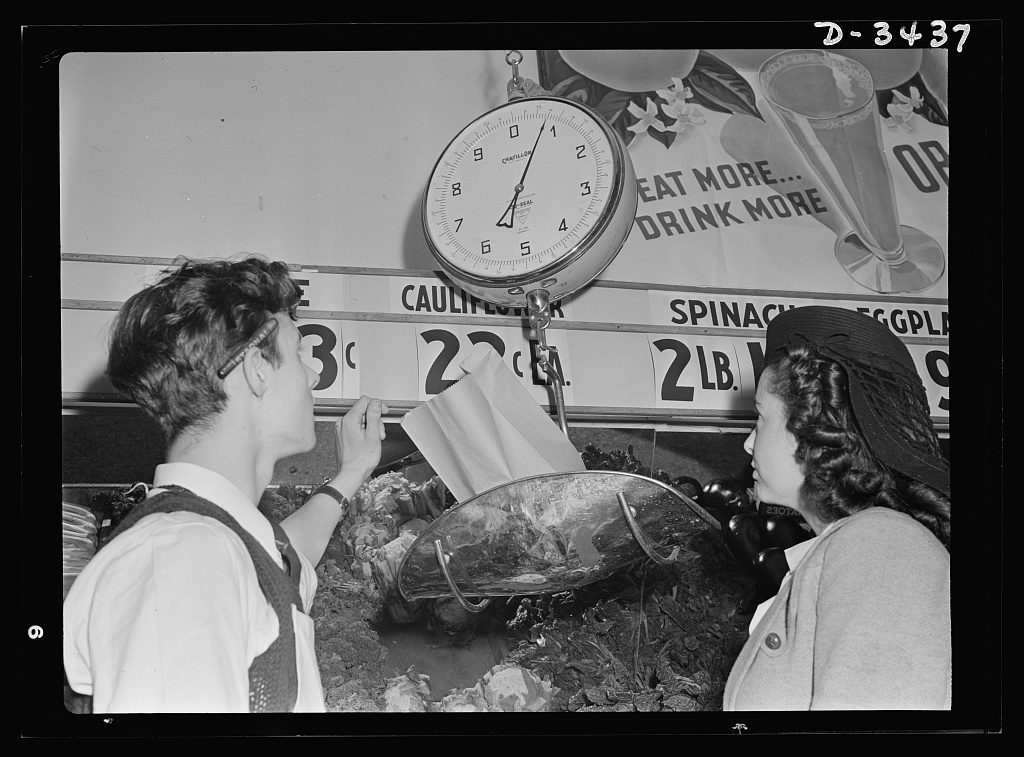
In most households the wage earner handed over the envelope and somebody else did the allocating, the shopping and the accounting.
Varies, and is usually shared or automated.
This was real financial management and it was rarely described as such. Running a household on a fixed weekly amount with no margin requires forecasting, prioritising and negotiating – and the person doing it was generally not the person credited with earning it.
6. Nothing Was Paid by Anything Except Cash or Money Order
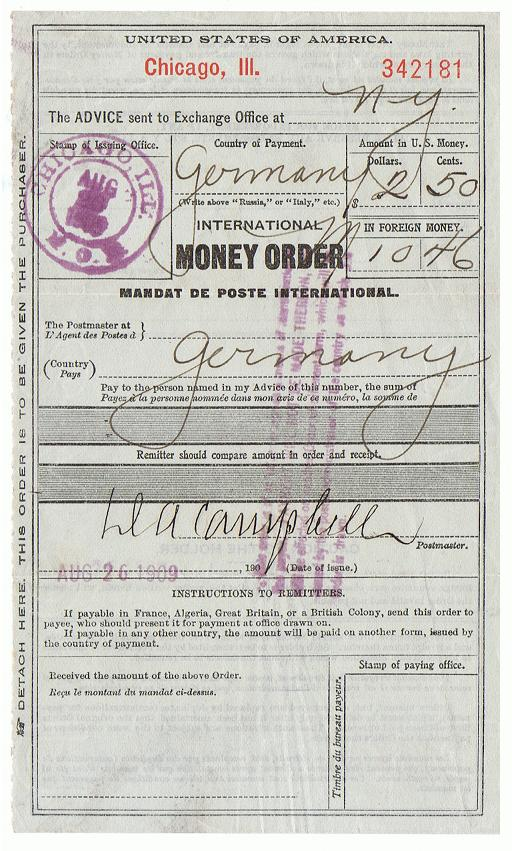
Rent was taken round, bills were paid in person or by money order, and a great many households had no cheque account at all.
Almost entirely electronic.
A cash-only household has a specific rhythm that has vanished. Paying meant going somewhere, handing something over and getting a receipt – so every transaction had a journey, a person and a piece of paper attached to it.
7. The Rent Was the First Envelope Filled, Always
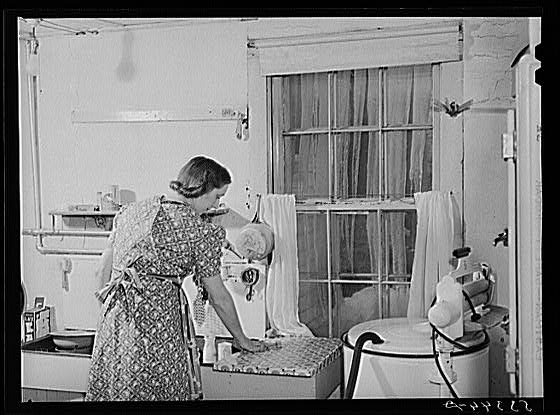
Housing came out before anything else, without discussion, because the consequence of missing it was categorically different from every other shortfall.
Still true, broadly.
The ordering of priorities was fixed and everybody knew it. Some bills can be late and some cannot, and a system that fills the critical envelope first means the household can never find itself short on the one thing that matters most.
8. Saving Was a Category, Not a Leftover
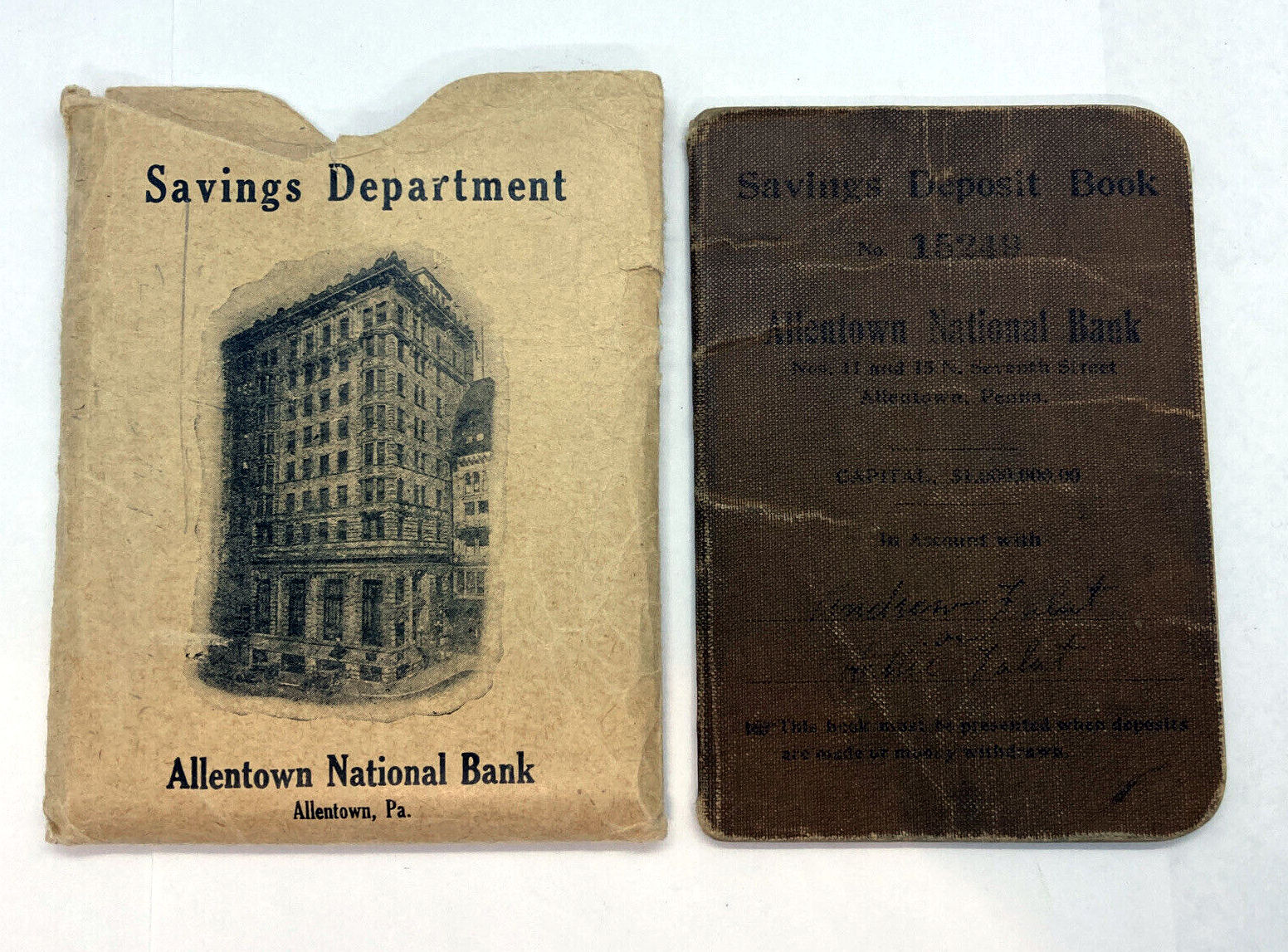
An amount went into the savings envelope on payday alongside everything else, rather than being whatever happened to remain at the end.
Often the leftover.
Treating saving as a bill is the single most durable idea in the whole system. A category that is funded first gets funded; a category that is funded last does not – which is why a household with very little could still accumulate something and a household with more might not.
9. The Christmas and Vacation Envelopes Ran All Year

Known annual expenses were accumulated weekly in their own containers, so the cost arrived spread out rather than all at once.
Credit absorbs the lump.
Smoothing a lump sum by saving toward it is the alternative to borrowing against it, and it is the same mechanism the bank’s Christmas club sold. A household doing it in a tin at home was running the identical product without the bank.
10. Children Watched the Whole Thing Happen
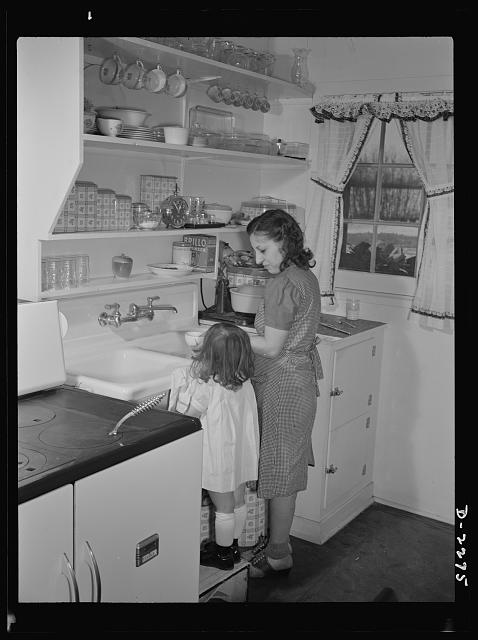
The sorting was done at a table in a shared room, which meant every child in the house saw the week’s money divided up.
Invisible.
The visibility is the part that has gone most completely, and the effect was real. A child who watches a fixed amount get split between competing needs understands scarcity, priority and trade-off directly, without anybody explaining it – which no amount of discussion replaces.
11. The Money Was Hidden Somewhere in the House
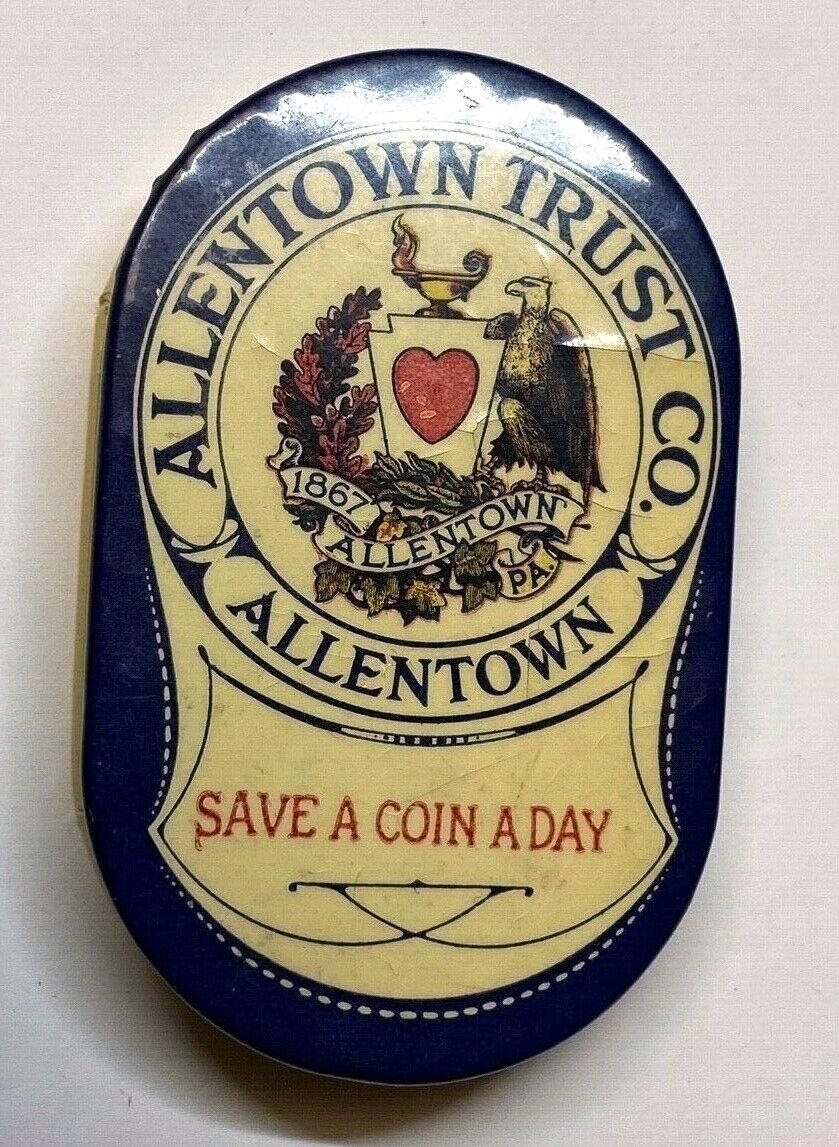
Envelopes and tins lived in specific places – a drawer, a flour canister, under a mattress, behind a clock – known to the household and nobody else.
Held by institutions.
Keeping the household’s reserves at home was simply what a cash economy requires, and it carried the obvious exposure. Fire, theft or a flood took not a balance but the actual money, and there was no record of it anywhere.
12. A Bad Week Was Absorbed by the Household, Not by Credit
Short pay, an illness or an unexpected cost meant eating differently, delaying something or going without, because there was nothing to borrow against.
Credit cards, overdrafts and loans.
This is the honest side of the system and it should not be romanticised. Living without credit means living with every shock landing immediately and in full, and the envelope method was not protecting anybody from hardship – it was a way of managing one that had no cushion in it at all.
13. Buying on Time Was the Alternative and It Was Feared
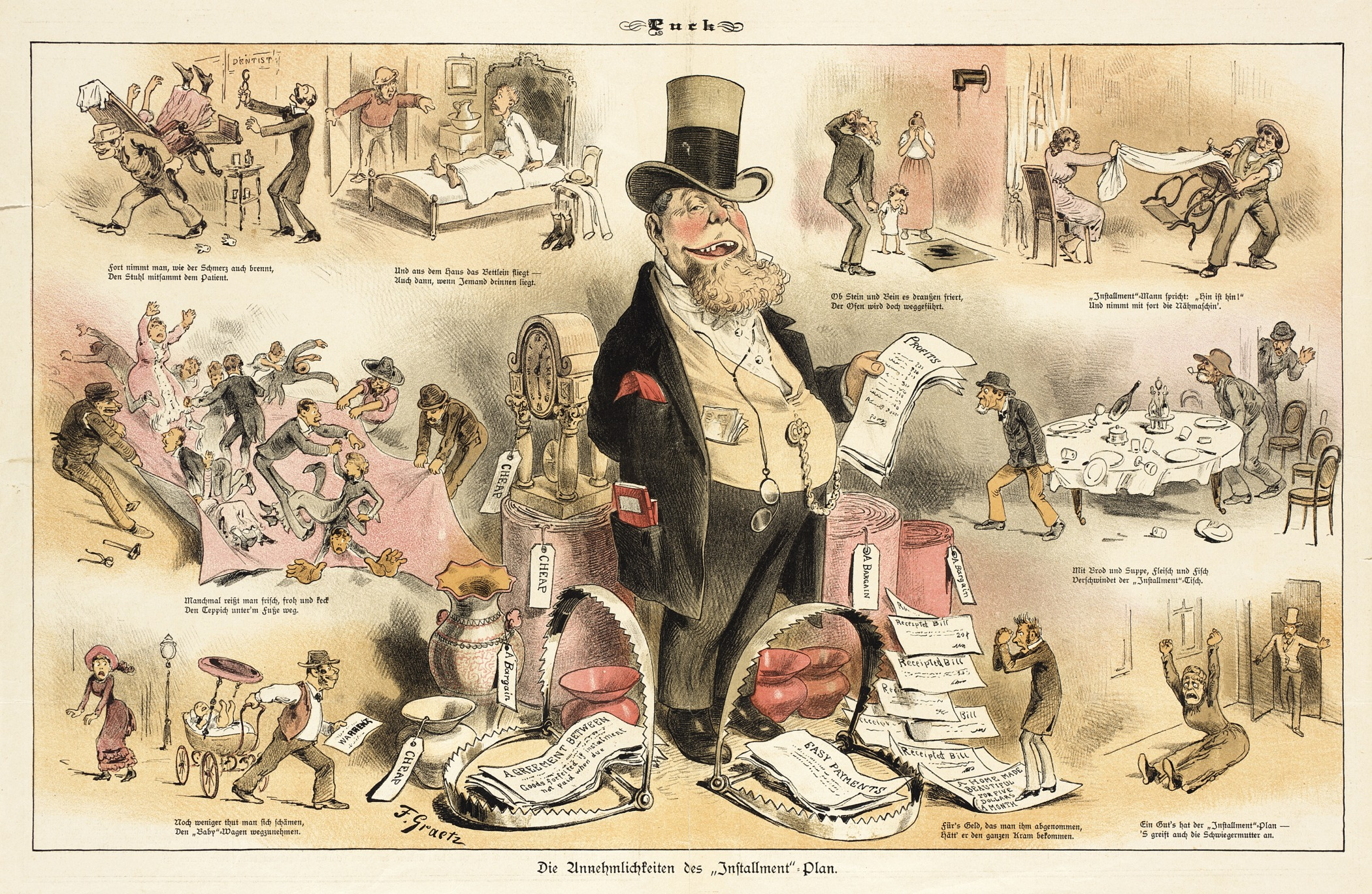
Instalment buying existed and was widely used, and plenty of households regarded it as something to avoid on principle.
Normalised.
The suspicion of credit was a moral position as much as a financial one, and it was taught. A household that paid cash for everything thought of debt as a different category of thing entirely, rather than as a tool with a price attached.
14. Then Pay Moved Into a Bank Account
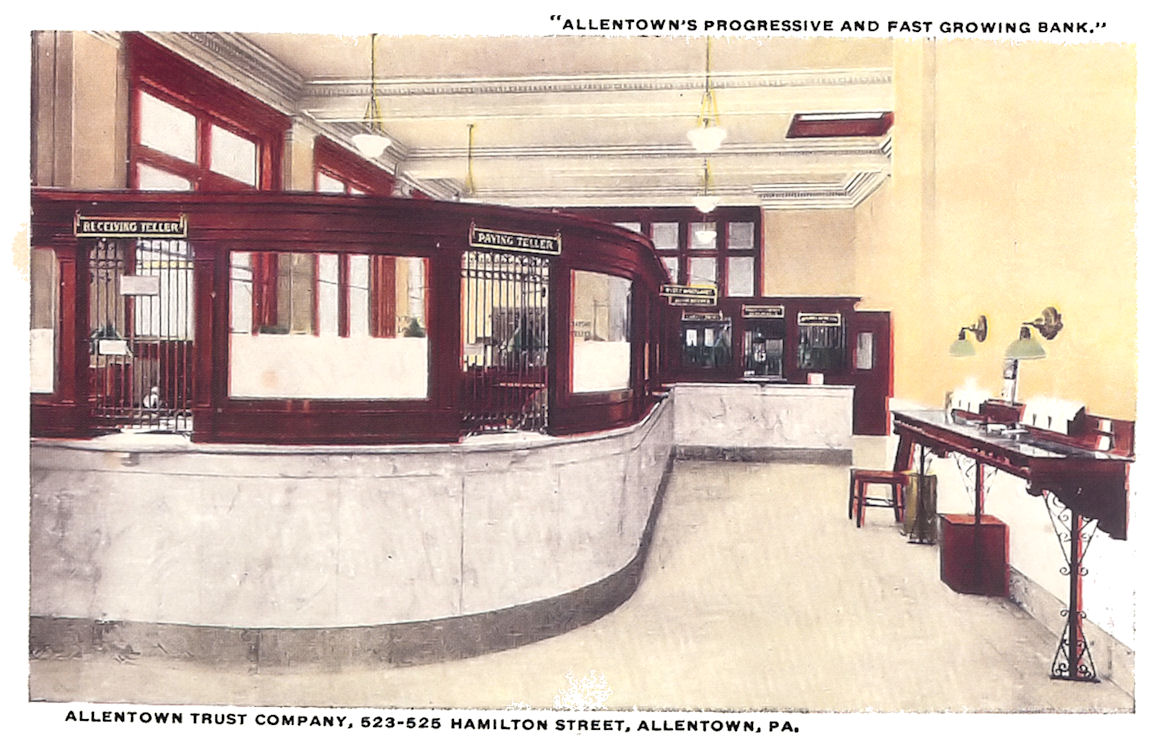
Direct deposit removed the envelope, which removed the object that the entire system was built around.
Universal.
The change looks administrative and it was foundational. You cannot divide into envelopes money you never hold, so the physical allocation stopped being possible at the exact moment the physical money stopped arriving – and the discipline went with the object.
15. And by 1962 the Whole Thing Was Already Being Replaced by Credit
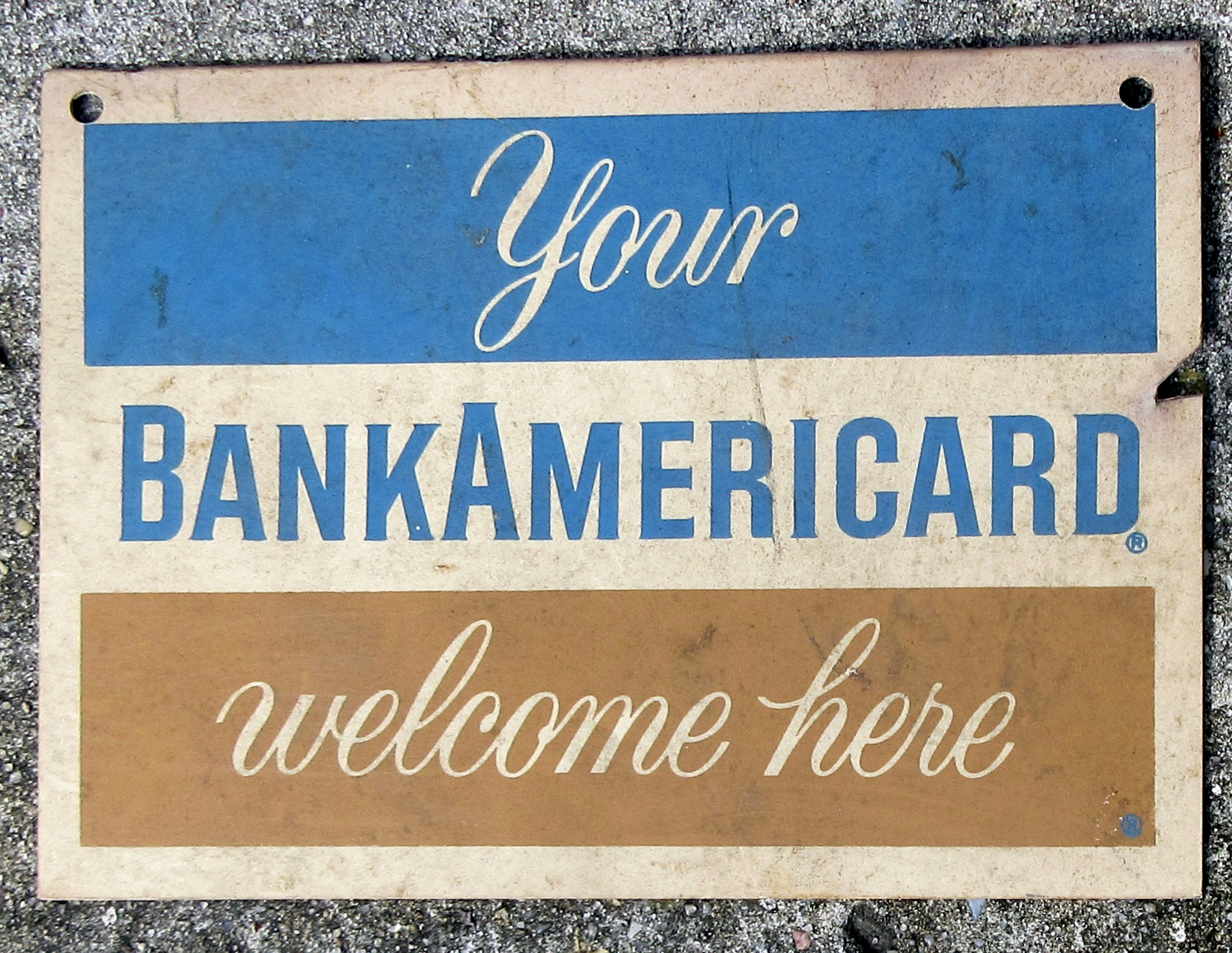
Cards, accounts and instalment plans spread rapidly, and the question changed from how to divide what you had into how much you could repay.
Universal.
And what deserves the last word is that this was a budgeting method enforced by physics rather than by discipline. The wage arrived as an object, so it had to be divided by hand before anything could be spent; an envelope with nothing in it answers the question of whether you can afford something without any arithmetic; and taking from one envelope to fill another is a deliberate visible act with a consequence attached. Savings and the annual costs were funded first, as categories rather than as leftovers, which is why households with very little still accumulated something. The person running it was doing real financial management and was rarely credited with it, and every child in the house watched a fixed sum being split between competing needs, which teaches scarcity in a way no explanation does. None of that made anybody better off. It had no cushion whatever – a bad week landed in full – and it ended not because people got worse at money but because the money stopped arriving in a form you could put into envelopes.
It Was a Budgeting Method Enforced by Physics
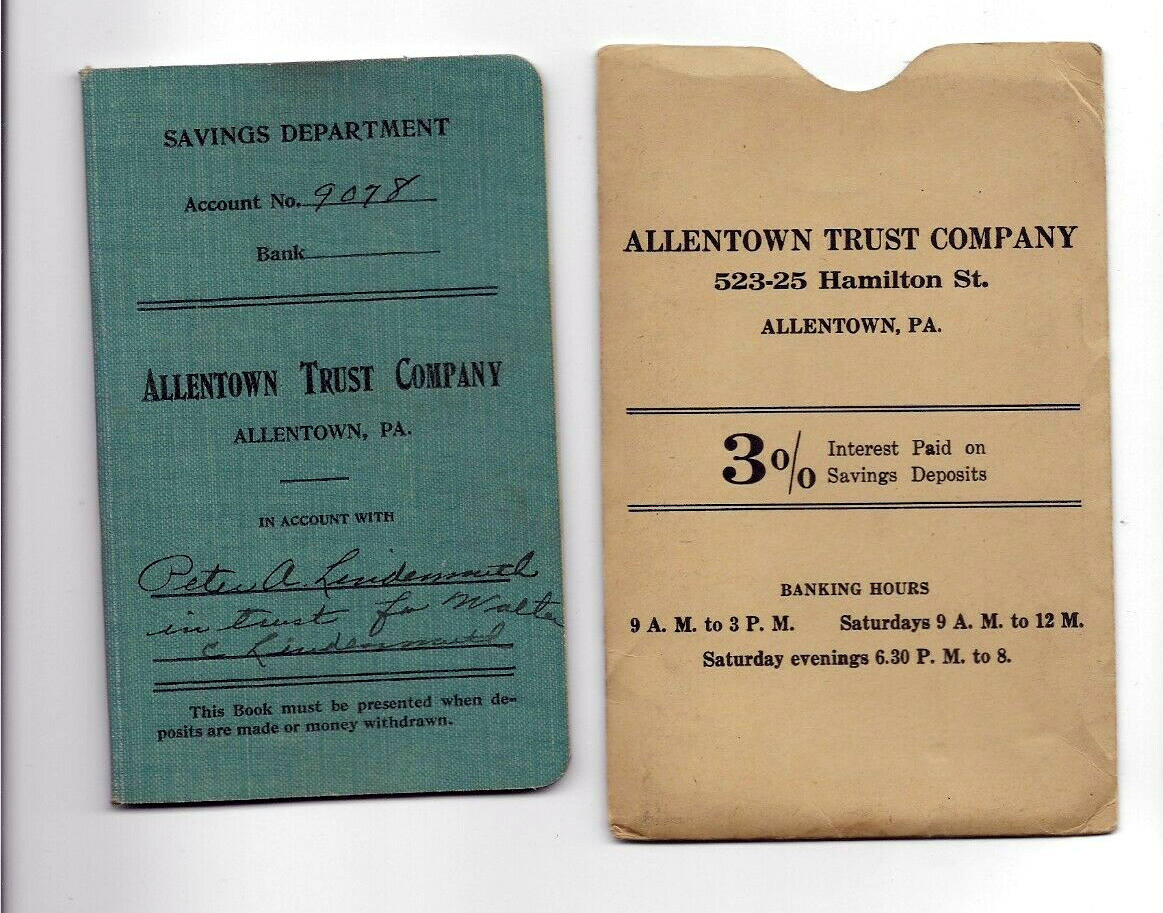
The envelope system is sold now as a discipline technique, and in 1962 it was not a technique at all. It was the only way to handle money that arrived in a paper packet.
The wage came home as an object, so it had to be divided by hand before anything could be spent. That single fact produces every feature of the system.
The division happened first, at a table, on payday – rent, food, fuel, insurance, church, savings, each into its own envelope or tin. Allocating before spending is the whole discipline, and it is the reverse of how money works when it sits in one pool.
The containers did the enforcing. An envelope with nothing in it is a fact nobody can argue with, so the question of whether there is money for something answers itself by weight, with no arithmetic involved.
And running out was a hard stop. Taking from the fuel envelope to buy food is a deliberate, visible act with an obvious consequence later in the week – which is a completely different experience from a balance quietly going lower. That hard stop has been engineered out of modern money entirely.
Two priorities were fixed and everybody knew them.
Rent came out first, without discussion, because the consequence of missing it is categorically different from every other shortfall. A system that fills the critical envelope first can never leave a household short on the thing that matters most.
And saving was a category rather than a leftover – funded on payday alongside the bills, not out of whatever remained. That is the single most durable idea in the whole method, because a category funded first gets funded and a category funded last does not, which is why a household with very little could still accumulate something while a household with more might not. The same logic ran the Christmas and vacation tins all year, which is exactly the product the bank sold as a club, operated at home for nothing.
Two things about the arrangement deserve to be stated plainly.
The person running it was doing real financial management and was rarely credited with it. The wage earner handed over the envelope; somebody else – usually the woman of the house – did the allocating, the shopping and the accounting. Running a household on a fixed weekly amount with no margin takes forecasting, prioritising and negotiating.
And every child in the house watched it happen. A child who sees a fixed sum divided between competing needs understands scarcity, priority and trade-off directly, with nobody explaining anything – and that is the part that has disappeared most completely, because money now moves invisibly.
Now the honest half, which should not be romanticised.
A cash household keeps its reserves at home, in a drawer, a canister, under a mattress, behind a clock – with fire, theft and flood taking not a balance but the actual money, and no record of it anywhere.
And there was no cushion. A short week, an illness or an unexpected cost meant eating differently, delaying something or going without, because there was nothing to borrow against. The envelope method did not protect anybody from hardship. It was a way of managing one in which every shock landed immediately and in full.
Instalment buying existed and plenty of households feared it on principle – debt treated as a different category of thing rather than as a tool with a price. That was a moral position as much as a financial one, and it was taught.
Then pay moved into a bank account, which looks administrative and was foundational. You cannot divide into envelopes money you never hold, so the physical allocation became impossible at the exact moment the physical money stopped arriving.
The discipline did not fail. The object it was built around went away.
If you saw this done at a kitchen table, you learned something nobody taught you.
An envelope with nothing in it ends the argument without any arithmetic.
Like our content? Follow us for more.