In 1974 an American school served one meal, to everybody, with no alternative, on a moulded tray with six wells in it that the kitchen filled because an empty well looked like a mistake.
The food came off a steam table and had been sitting over hot water. A substantial part of it was surplus agricultural commodity the school was obliged to use. You paid with a ticket that got punched in front of everybody. And the women behind the counter knew every child in the building by name.
Here are sixteen things every American kid did in the school lunch line in 1974, and what replaced each of them.
1. The Tray Was Compartmented and You Took What You Were Given
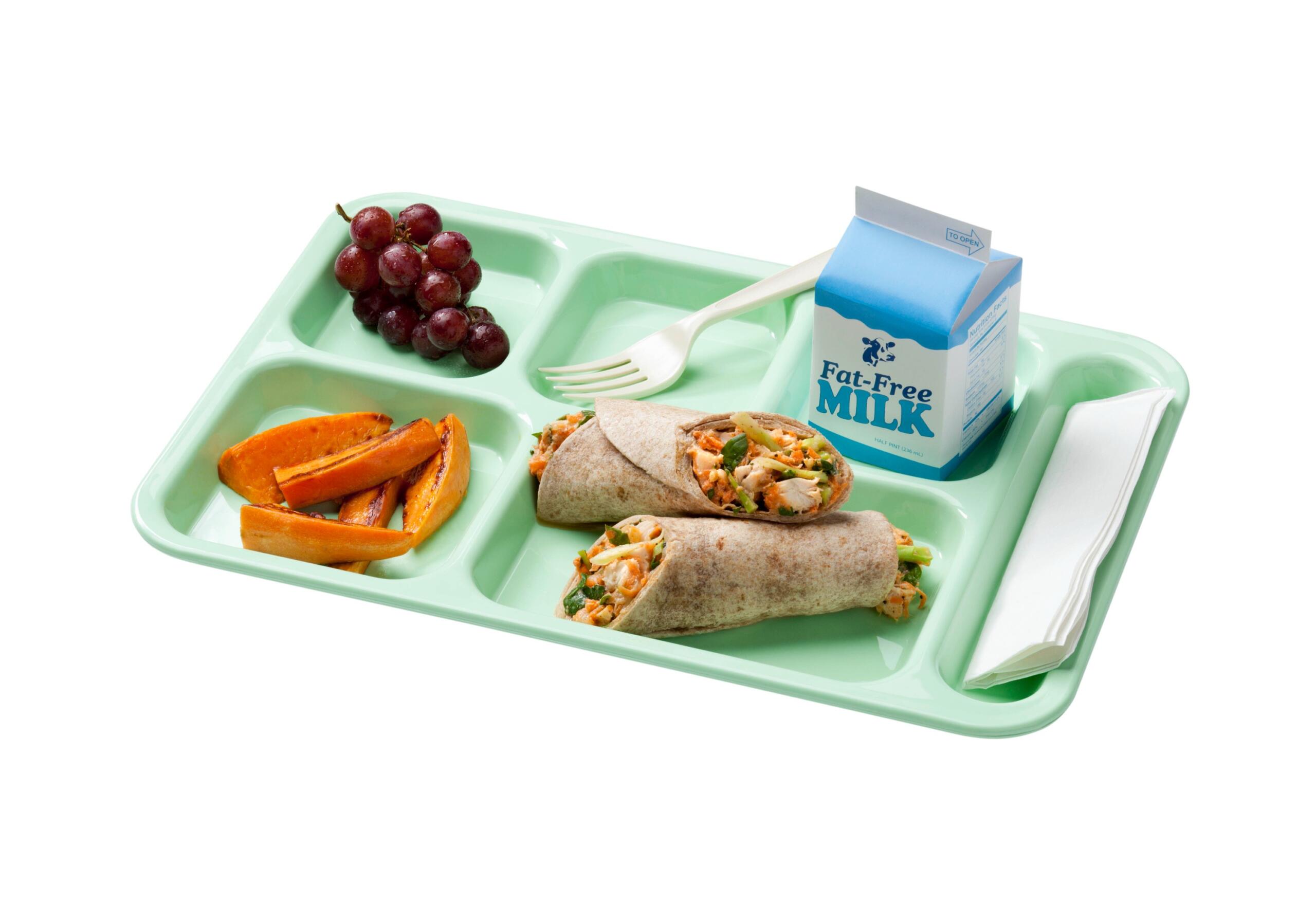
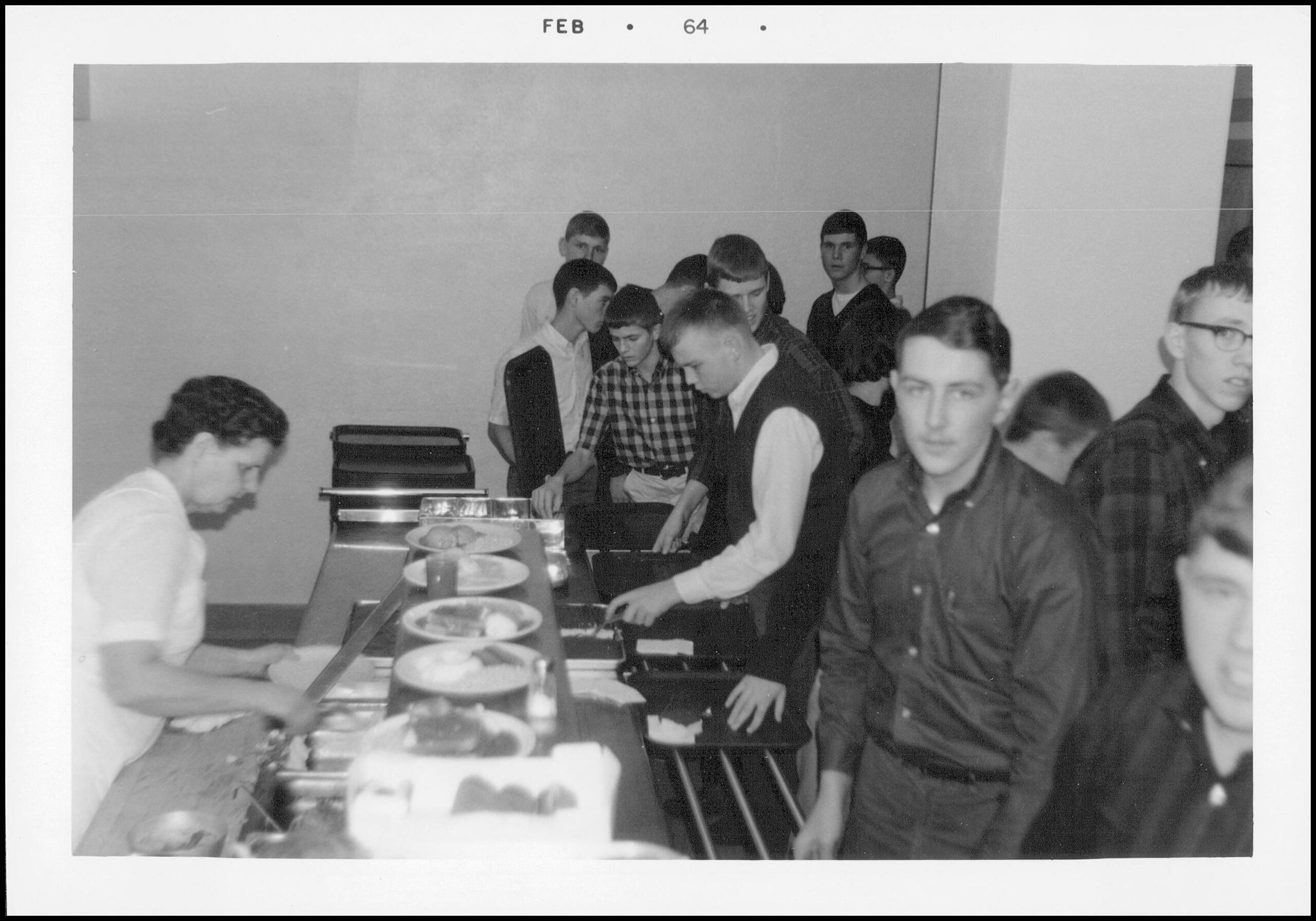
The tray was a moulded shape with five or six wells in it – a big one, two medium, a small one for dessert and a round depression sized for a glass or a carton – in brown or beige plastic, or in older buildings stainless steel.
Flat trays with separate bowls and plates, or compostable boarded trays, in cafeterias where a student assembles their own combination from several lines.
The compartments were not a convenience, they were the menu. A tray with six wells in fixed sizes is a specification: this much starch, this much vegetable, this much protein, this much dessert, one drink – and the kitchen filled every well because an empty one looked like a mistake.
Like our content? Follow us for more.
2. There Was One Menu and No Choice Whatsoever
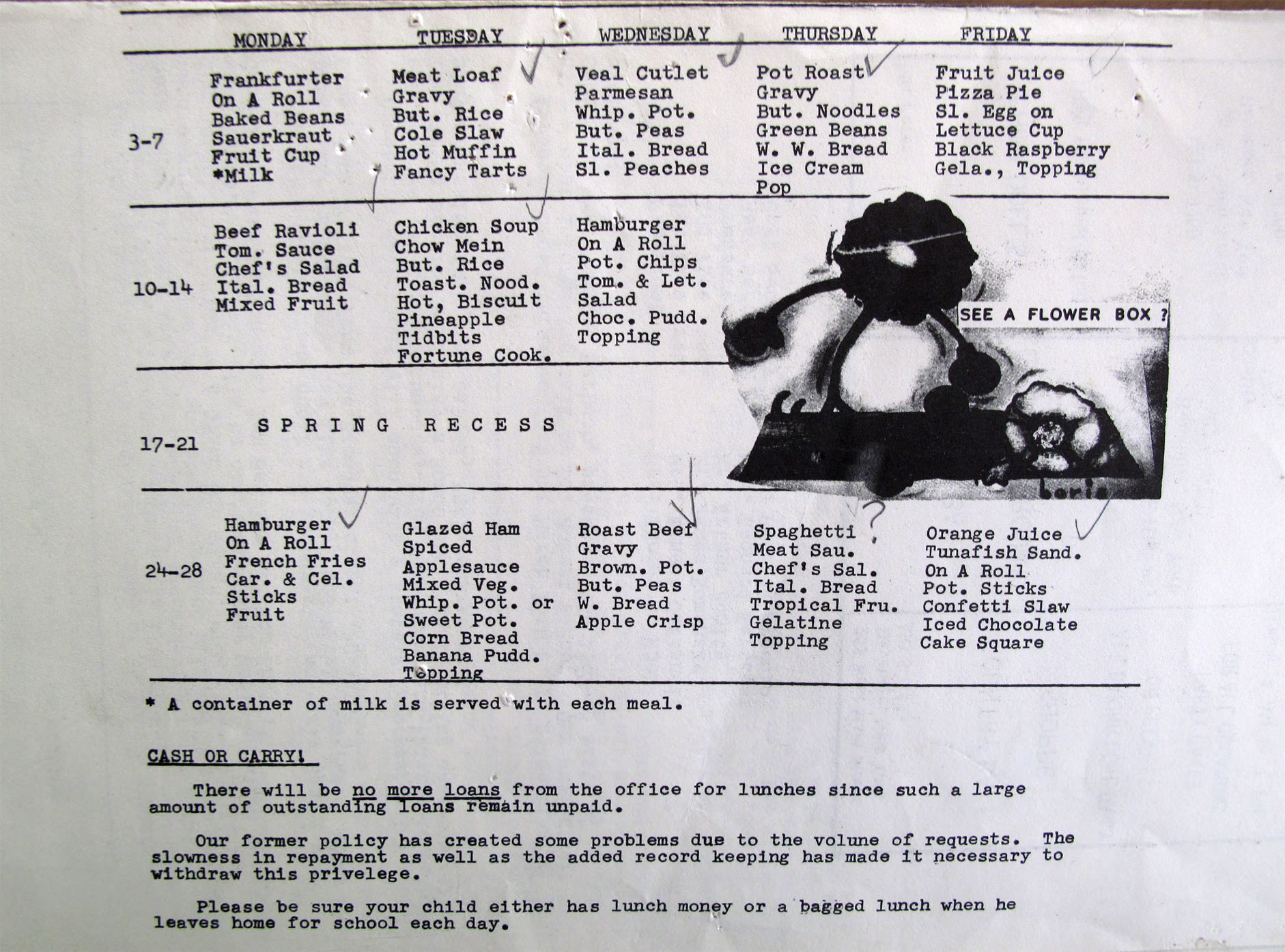
What was being served that day was being served. There was no second option, no salad bar, no sandwich line and no vending alternative – you went through the line once and came out with the day’s meal.
Multiple serving lines, daily alternatives, salad and sandwich bars, published menus a month ahead and in many districts an application that lets a parent see what is on offer.
Which made the menu an object of enormous interest. A school with one meal a day has a schedule everybody memorises, a Wednesday everybody dreads and a Thursday everybody looks forward to, and the whole student body is having the same experience at the same moment – which is a kind of shared event that choice abolished.
3. The Steam Table Was the Whole Kitchen
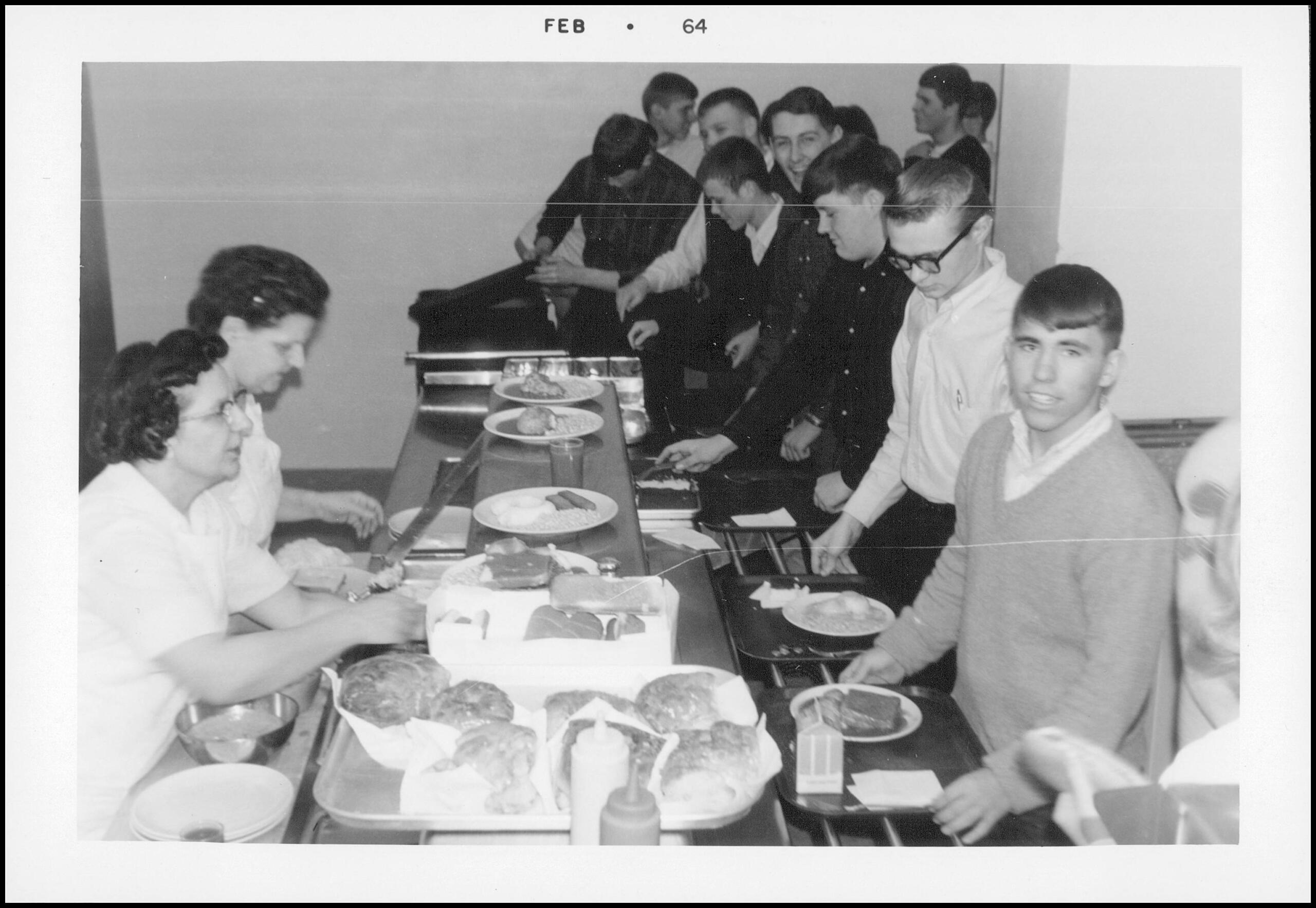
Service was from a long counter of stainless wells sunk into a hot water bath, with trays of food sitting in them, replaced from the kitchen behind as they emptied.
Combination ovens, induction, cook-to-order stations and batch cooking timed to service, with far shorter holding periods.
The steam table is the single biggest reason the food is remembered as it is. Anything held over hot water for an hour arrives soft – vegetables lose structure, bread goes damp, anything breaded loses its coating – and the kitchen was not doing it badly, it was doing the only thing the equipment allowed.
4. The Women Behind the Counter Knew Every Child in the Building
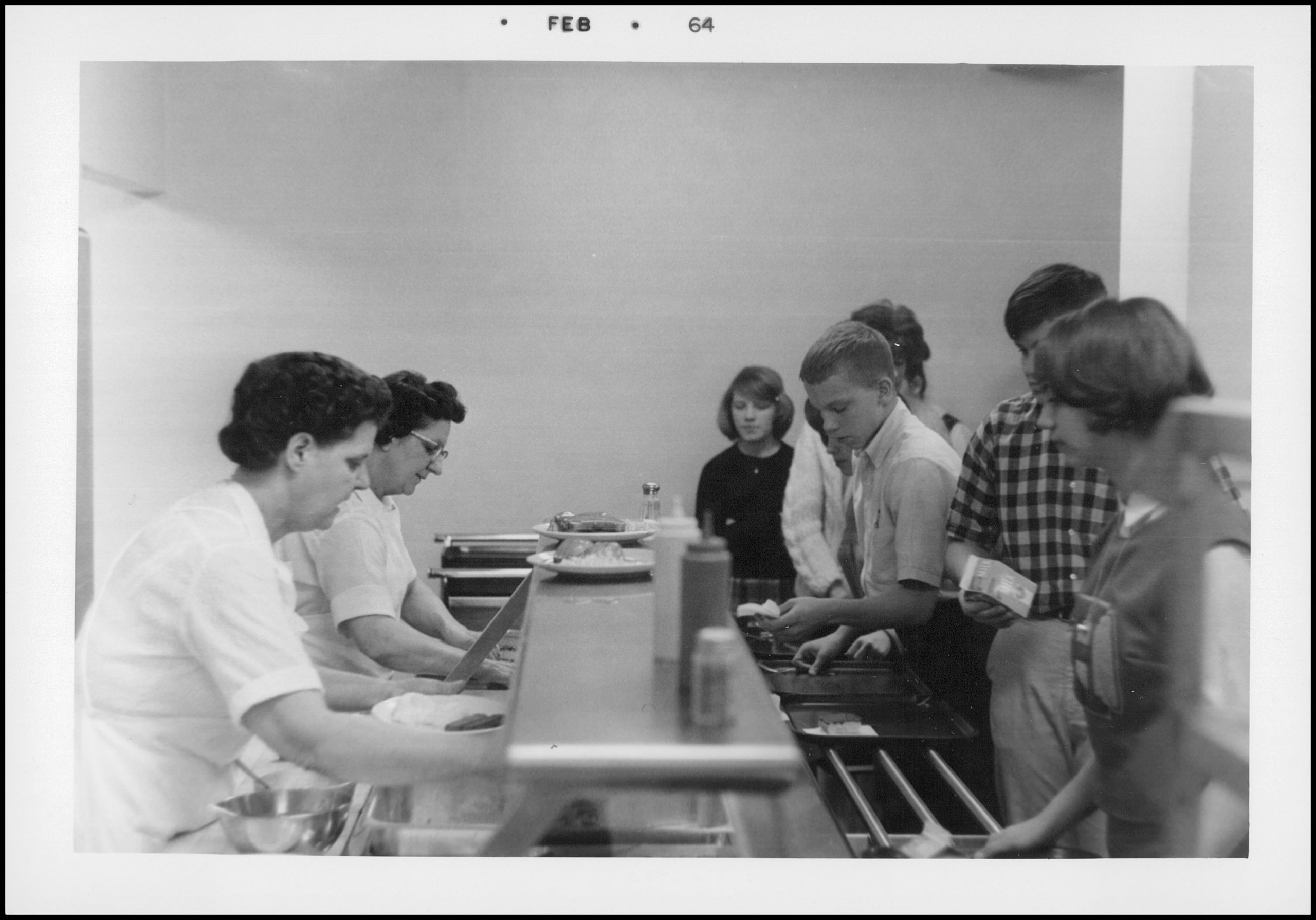
Service was by a small permanent staff – frequently local women, frequently mothers of pupils, in white or pastel uniforms and hairnets – who worked the same station for years and addressed children by name.
The same role in many schools, with professionalised food service, certification requirements and in large districts contracted management – and considerably more turnover.
The continuity was the valuable part and it was never in anybody’s job description. A woman serving the same six hundred children for eleven years knew who ate and who did not, who was having a bad week, which child had nobody packing anything at home, and who needed a second roll – and she acted on it quietly, which is the detail former pupils raise first.
5. You Had to Take the Milk Whether You Drank It or Not
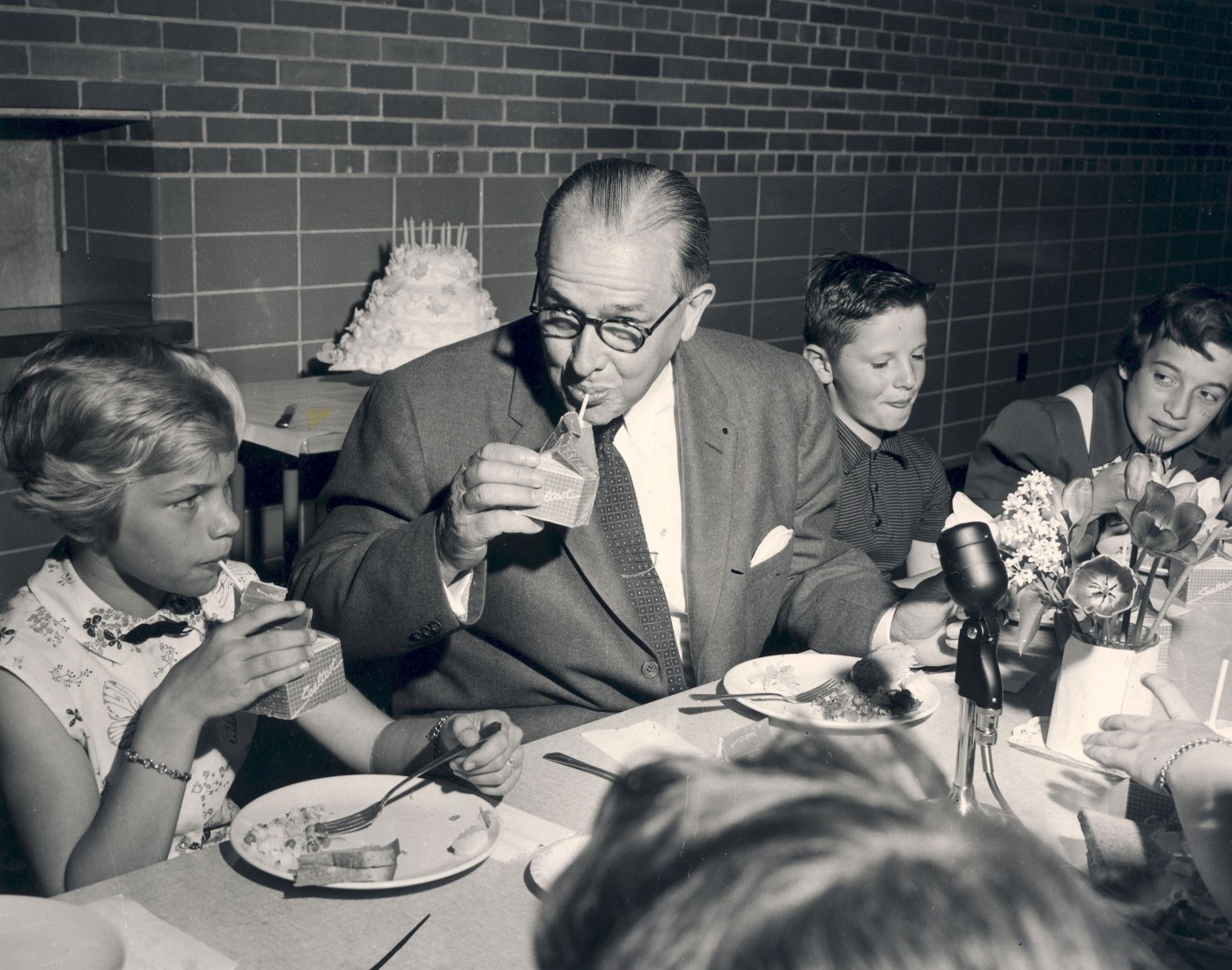
A half-pint carton went onto every tray as a matter of course, and taking it was not optional in a great many schools.
Milk still offered as a standard component with a required choice at point of service, alongside alternatives in many districts – and a long-running argument about waste.
The reason was financial rather than nutritional dogma, which almost nobody knew. Federal meal reimbursement depended on a meal containing specified components, milk among them, so a tray leaving the line without one was not a reimbursable meal – which meant the kitchen’s budget, not the child’s health, is why the carton was placed on the tray.
6. The Food Was Whatever the Government Had Too Much Of
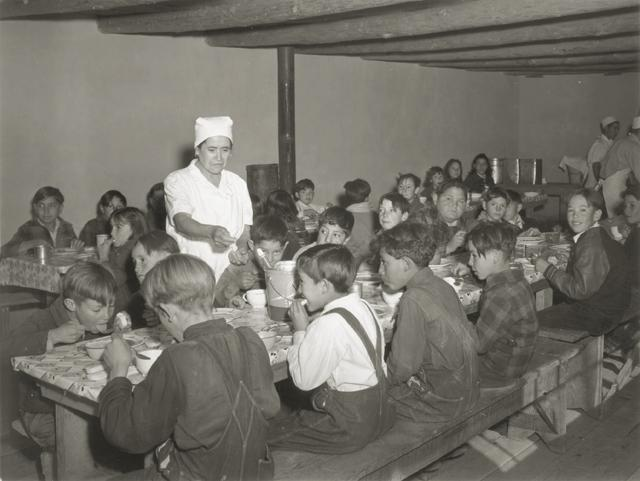
A substantial part of what was cooked arrived as surplus agricultural commodities distributed to schools – specific items in bulk, in quantity, with the school obliged to use them.
Commodity support still exists and is far more flexible, with districts selecting from a catalogue and much of the entitlement taken as processed products or as cash in lieu.
Which explains the menus better than anything else does. A run of three weeks with the same ingredient appearing in four different forms is not a lack of imagination in the kitchen – it is a delivery of that ingredient that has to be consumed, and the cook’s job was to disguise it as many ways as possible.
7. The Dishes Were Specific and Everybody Remembers the Same Ones
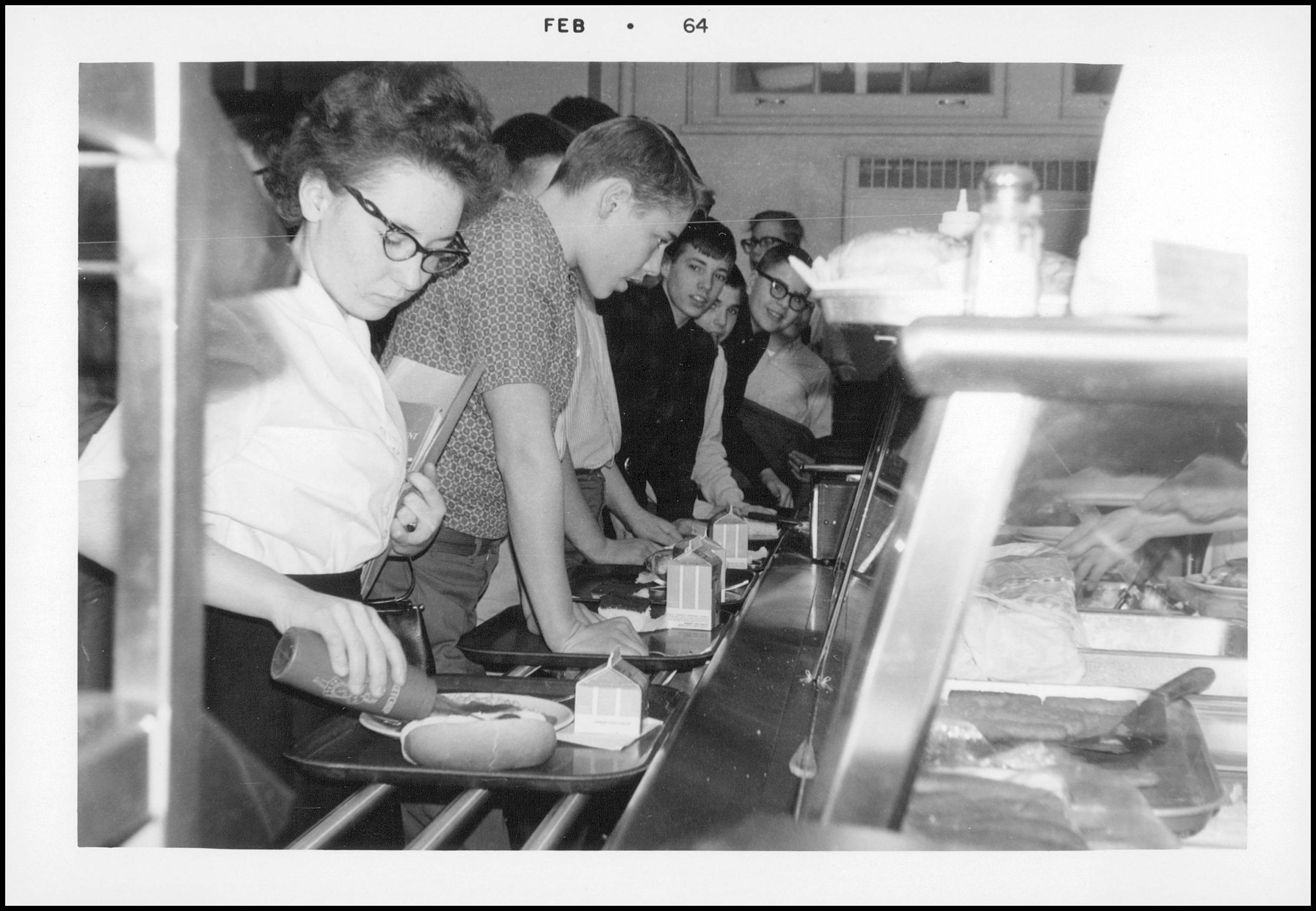
The rectangular pizza cut in squares. The yeast roll. Fish on Friday. Salisbury steak in gravy. Chipped beef. Macaroni and cheese in a pan. Peanut butter and a graham cracker. Canned fruit cocktail with exactly one cherry per serving.
An enormously wider range including fresh produce, whole grains and international dishes, with the rectangular pizza surviving as a deliberate nostalgia item on some menus.
The uniformity across the entire country is the striking part. Americans who grew up two thousand miles apart describe the same dishes in the same words, because the commodity distribution, the equipment, the reimbursement rules and the published recipe guidance were national – so a school lunch in 1974 was close to a standardised national product.
8. You Paid With a Ticket That Got Punched
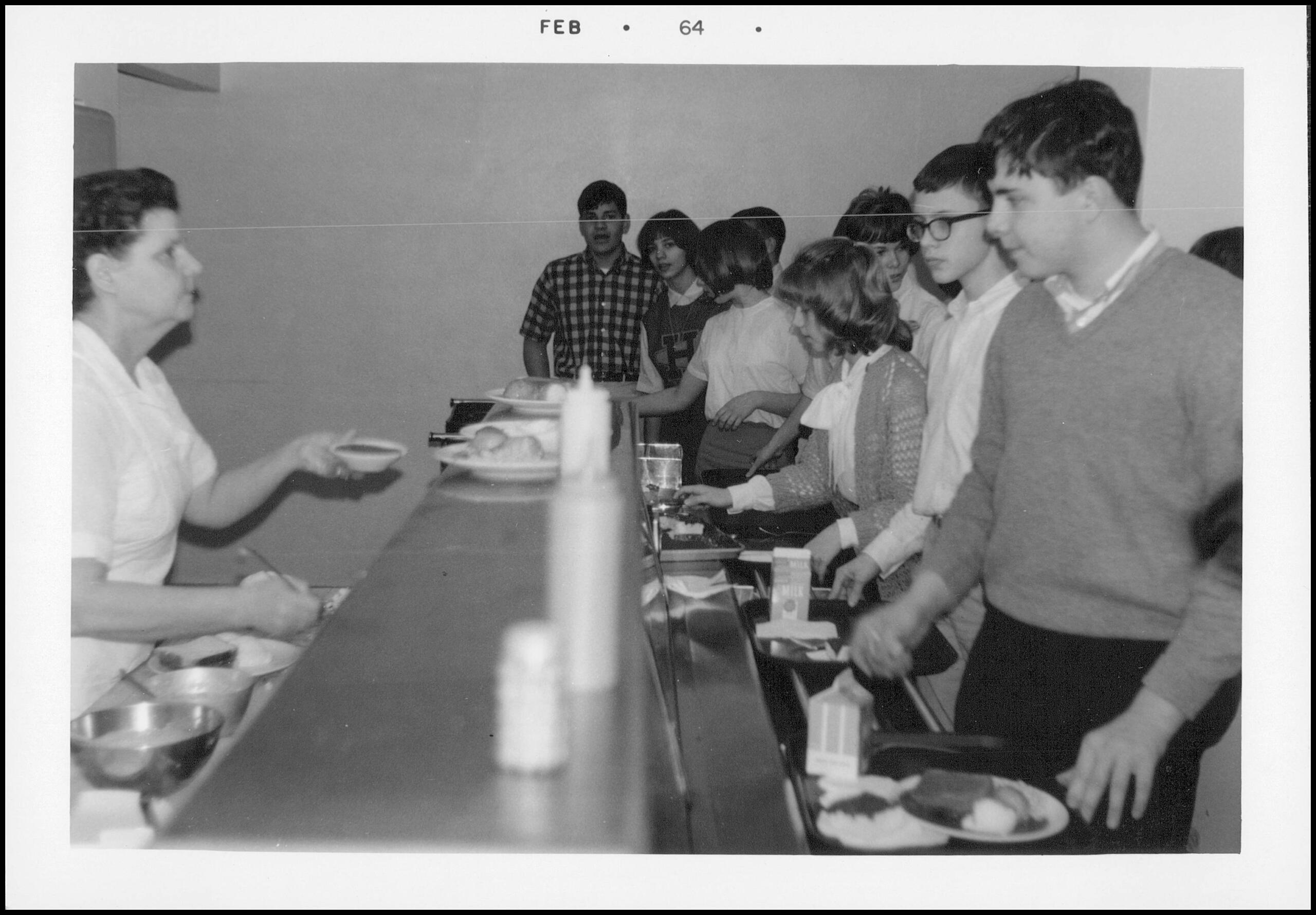
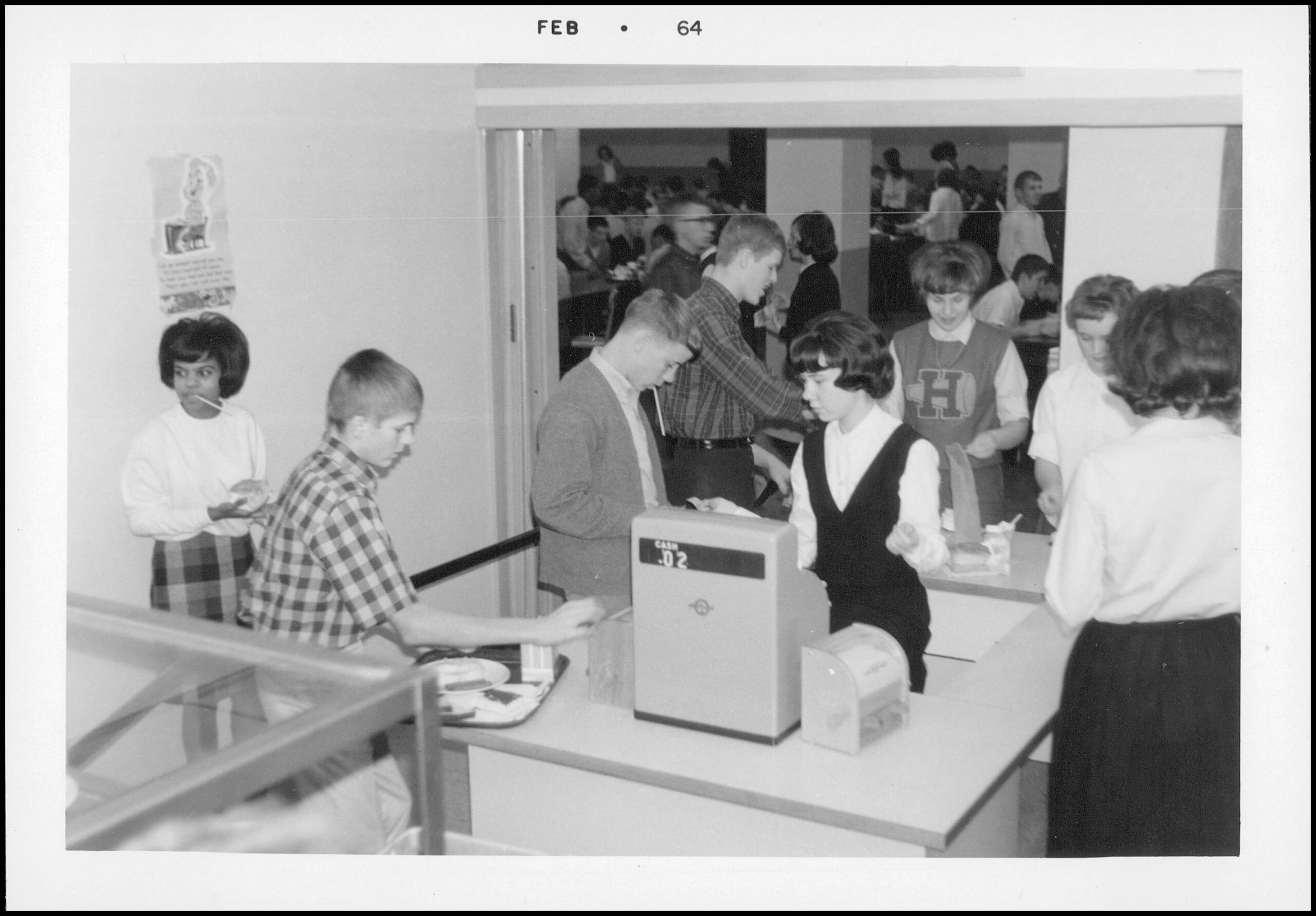
Payment was a paper or card ticket bought by the week or the month and punched or marked at the line, or a token, or coins handed over at a cash box.
Prepaid electronic accounts accessed by a number, a card or a fingerprint, topped up online by a parent, with the balance invisible to anybody in the queue.
The punched ticket worked and it had one serious flaw, which is that it was visible. Everybody in the line could see what kind of ticket you had, and that is the hinge on which the most consequential change in American school food turned.
9. Free Lunch Was Obvious to Everybody in the Queue
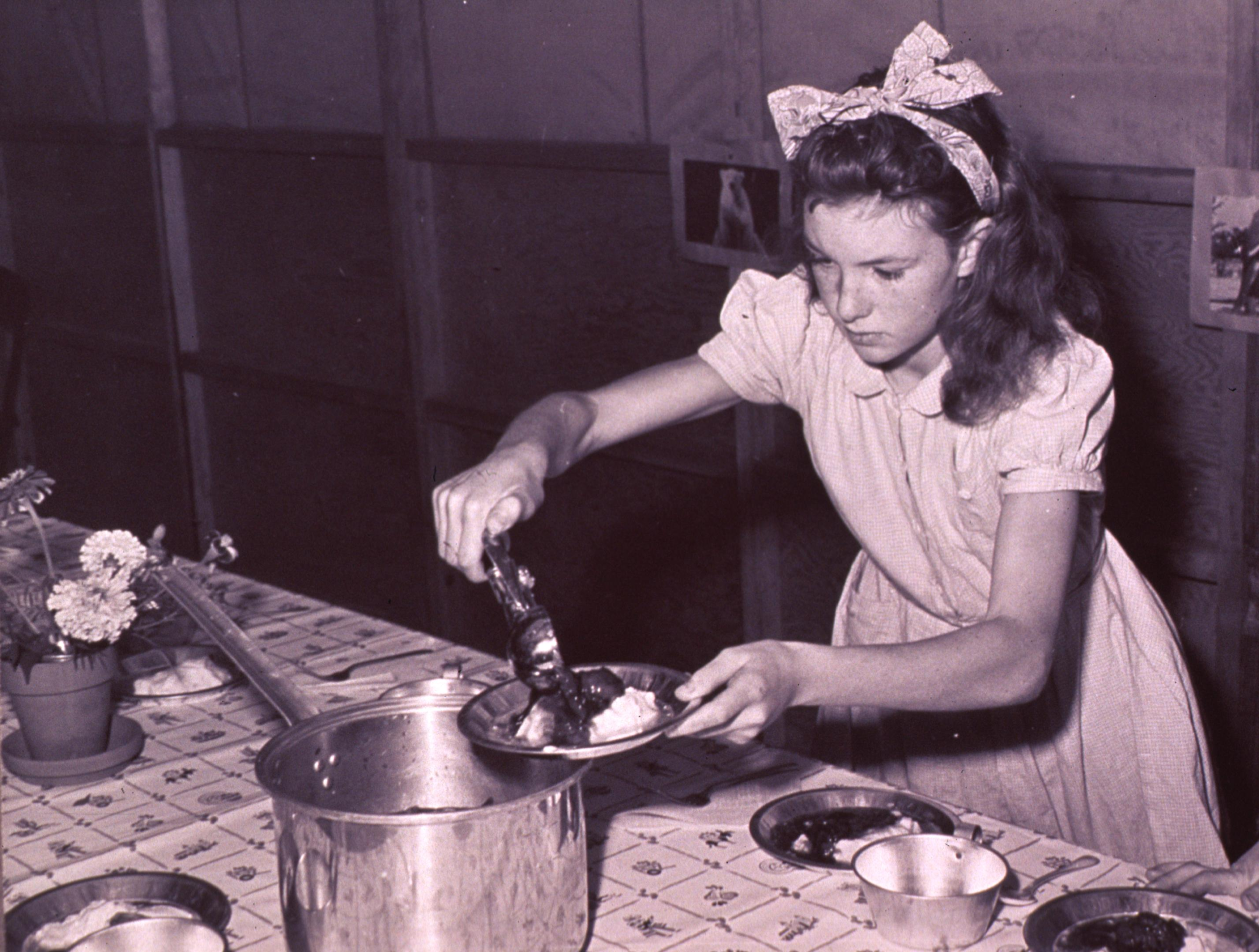
Children receiving free or reduced-price meals were frequently identified at the point of service – a different coloured ticket, a separate list, a name checked off, or simply a different queue.
Electronic accounts in which every child enters the same number at the same keypad, so that eligibility is invisible to staff and to other students by design, and in a growing number of schools and districts meals provided at no charge to everybody.
This is the single most important change on this list and it has nothing to do with food. Visible eligibility meant children declined meals they were entitled to rather than be seen collecting them, which is a documented effect and the reason the anonymity of the electronic system was pursued deliberately rather than as a side benefit of computerisation.
10. Everybody Ate at the Same Time in the Same Twenty Minutes
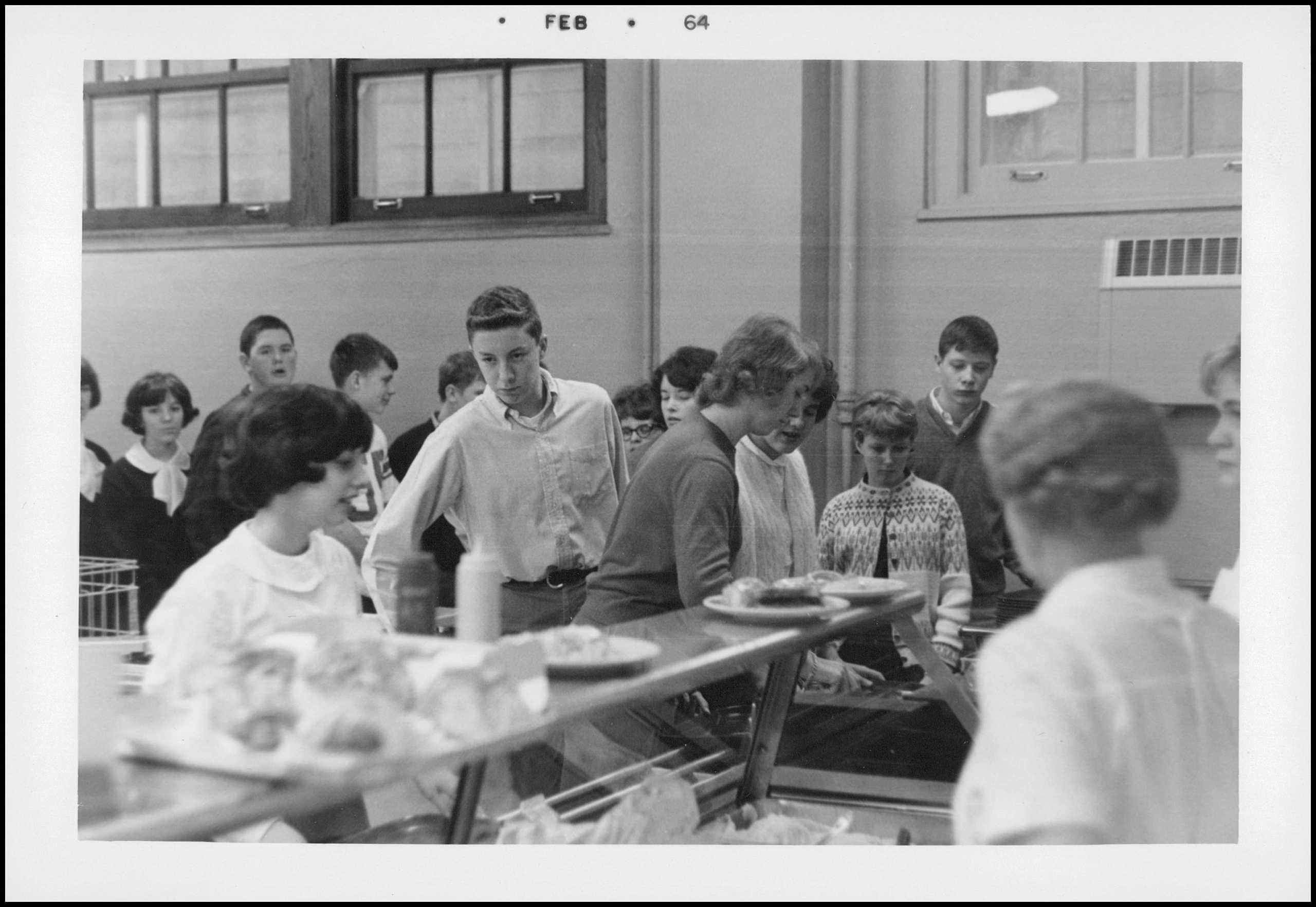
Lunch was a scheduled period of twenty to thirty minutes including queueing, and in a large school the sittings were staggered by grade, with a teacher or an aide on duty.
The same arrangement, frequently with the same complaint – that the period is too short once queueing is subtracted – and with far more documented attention to whether children have time to eat what they have taken.
The arithmetic was always poor and still is. A twenty-five minute period that includes walking there, standing in a line of two hundred and finding a seat leaves perhaps twelve minutes of eating, which is the main reason trays came back with food on them.
11. You Sat Where You Were Told, or Where You Could
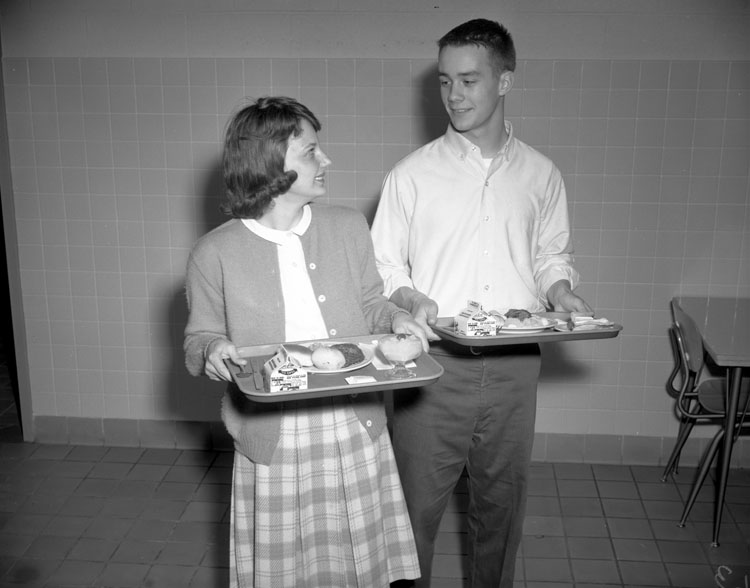
Seating was long tables with attached benches that folded into the wall, and in many schools assigned by class, with rules about talking and about which end of the room a grade used.
Mixed seating, round tables in some buildings, and a general reduction in assigned places – alongside a great deal more awareness of how lunchroom seating works socially.
The fold-away table is the detail that dates the room. A cafeteria in 1974 was frequently also the gymnasium, the auditorium and the assembly hall, and the tables went into the wall so that the same floor could be three rooms in a day – which is why the lunchroom smelled of a gymnasium and the gymnasium smelled of lunch.
12. Somebody Stood at the Bin and Watched What You Scraped
Trays were returned to a window, and in a great many schools an adult or an older pupil stood at the bin and commented on what was being thrown away.
Share tables where unopened items can be left for others, composting and waste measurement programmes, and policies that explicitly discourage pressuring children to finish food.
The change in approach is substantial and well founded. Pressure to clear a tray does not reduce waste in any lasting way and does teach a child to eat past the point of wanting to – and the modern answer, which is to attack the causes of waste in portioning and in time allowed, addresses the actual problem.
13. There Was No Water Available and Nobody Thought of It

The drink on the tray was milk. A cafeteria in 1974 typically offered no water at the line, and a child who wanted water went to a fountain in the corridor if there was time.
Required availability of drinking water during meal service, which became a specific expectation rather than an assumption, with water stations in many cafeterias.
It is a small thing that illustrates how the meal was conceived. The tray was a reimbursable set of components, and water is not a component – so it was not on the tray, was not provided at the line, and nobody involved registered that as an omission.
14. Nutrition Meant Quantity, Not Composition
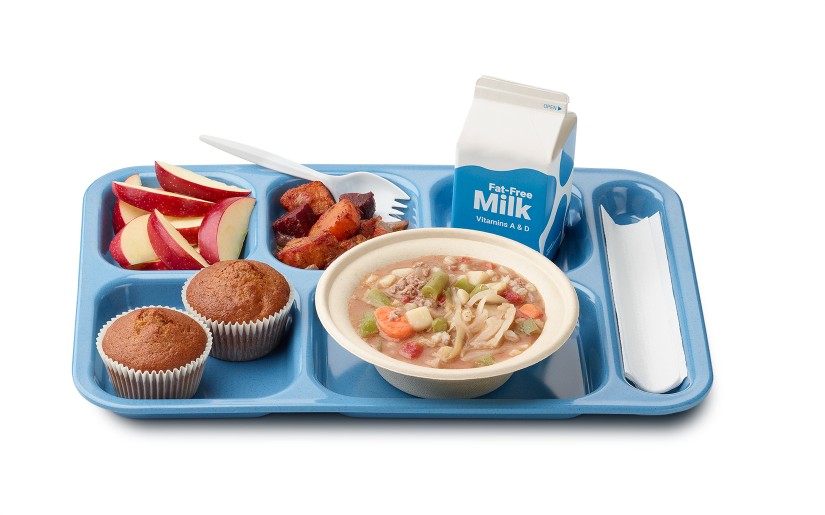
The standard was built around providing specified amounts of specified components – so much protein, so much bread, so much vegetable or fruit, so much milk – with the emphasis on children being adequately fed.
Standards specifying calorie ranges by age, limits on sodium and saturated fat, requirements for whole grains and for variety across the week, and a weekly rather than daily accounting.
And the original emphasis was the right one for its moment, which is worth saying. The programme was built in an era whose documented concern was children arriving at school underfed, and a rule that guarantees a hot meal with protein in it is addressing that directly. The later shift to composition reflects a change in which problem was pressing, not a correction of an error.
15. Lunch Was Cooked in the Building, From Scratch, by People Who Lived There
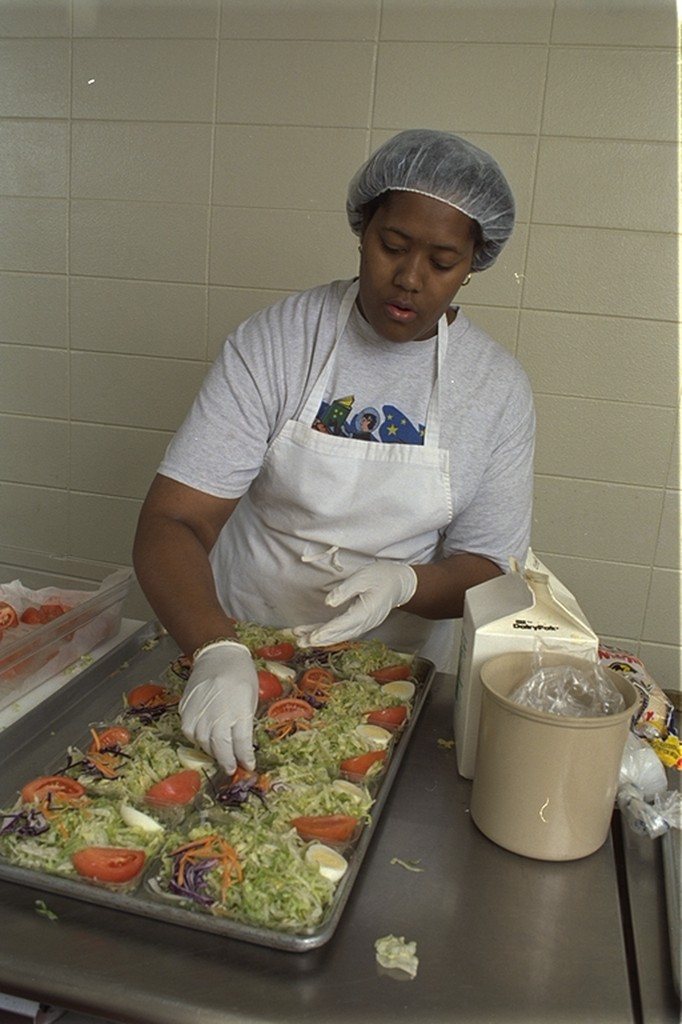
Most schools had a full kitchen – ovens, kettles, mixers, a bakery operation in larger ones – and the meal was cooked that morning on the premises by staff employed by the school.
A mixture of on-site cooking, central production kitchens serving several schools, and heat-and-serve delivery, which varies enormously by district and is driven by capital cost and labour availability.
The loss of kitchens is a decision that is hard to reverse and is not widely noticed. A school without an oven cannot later choose to cook, whatever anybody decides about menus – so a capital decision taken for budget reasons in one decade determines what children can be fed in the next.
16. Then the Ticket Became a Number and the Stigma Went With It
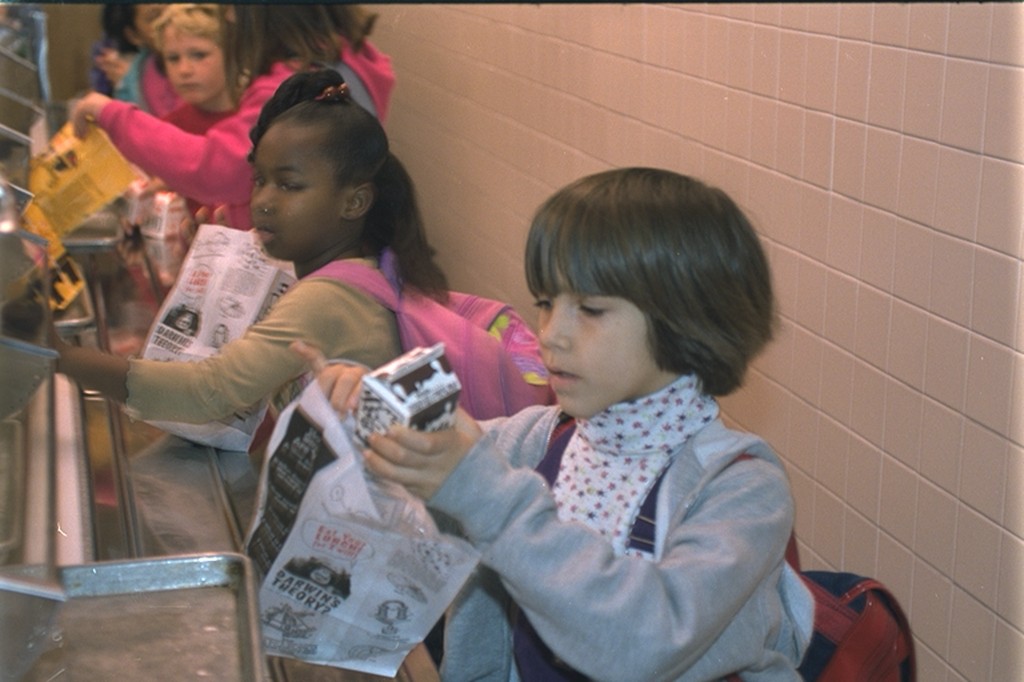
All of it rested on a national system delivering standardised components through identical equipment to children who had no choice, paid with a visible ticket, in a room that was also the gymnasium.
Choice at the line, far wider menus, composition-based standards, water provision, share tables – and above all an electronic account in which every child, whatever their family’s income, enters the same number at the same keypad and nobody in the line can tell the difference.
If only one thing on this list had changed, that should have been it. The food got better and the arguments about it continue, as they should. But the punched ticket told two hundred children a day which of their classmates could not afford lunch, and the documented consequence was that eligible children went without rather than be seen – so a keypad that makes everybody’s transaction identical did more for whether American children actually eat at school than any menu revision ever has.
The Keypad Mattered More Than the Menu

Arguments about American school food are almost always arguments about what is on the tray. Portions, sodium, whole grains, fresh produce, pizza, the question of whether a given vegetable counts as one.
Those arguments are worth having and the food genuinely has improved. But the most consequential change in this whole system was not nutritional, and it was not about food at all.
It was the end of the visible ticket.
In 1974 a child receiving a free or reduced-price meal was frequently identifiable at the point of service. A different coloured ticket. A name checked off a list. A separate line. Something that two hundred other children standing in a queue could see.
The documented consequence of that is the thing that matters: eligible children declined meals they were entitled to, rather than be seen collecting them. A programme designed specifically to feed the children who most needed feeding was, by its own payment mechanism, discouraging exactly those children from using it.
Everything about the modern arrangement attacks that. A prepaid electronic account accessed by a number at a keypad means every child in the line performs an identical action. The staff cannot tell. The child behind cannot tell. A parent tops it up online, or does not, and nothing in the queue reveals which. And in a growing number of schools and districts, meals are provided at no charge to everybody, which removes the question entirely.
That anonymity was pursued deliberately. It is not a convenient side effect of computers arriving in cafeterias; it is the point, and the people who built those systems said so.
Set it against the rest of the list honestly. Choice at the line is a real gain. Composition standards are a real gain. Drinking water being available at a meal is a correction of a genuine oversight. The end of an adult standing at the bin pressuring children to clear a tray is a real gain. Every one of those improved the meal.
But the punched ticket was telling a room full of children, every single day, which of their classmates could not afford to eat – and making some of them choose hunger over that.
A keypad that makes everybody’s transaction look the same did more for whether American children actually get fed at school than any menu revision has managed since.
If you went through this line, you can name the day of the week by what was on the tray.
And you remember which woman behind the counter gave you the extra roll, and that she never made anything of it.
Like our content? Follow us for more.