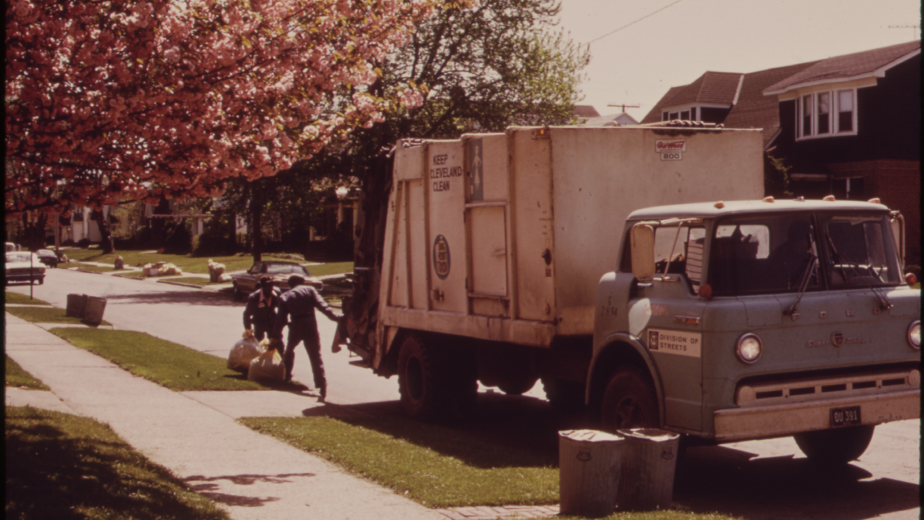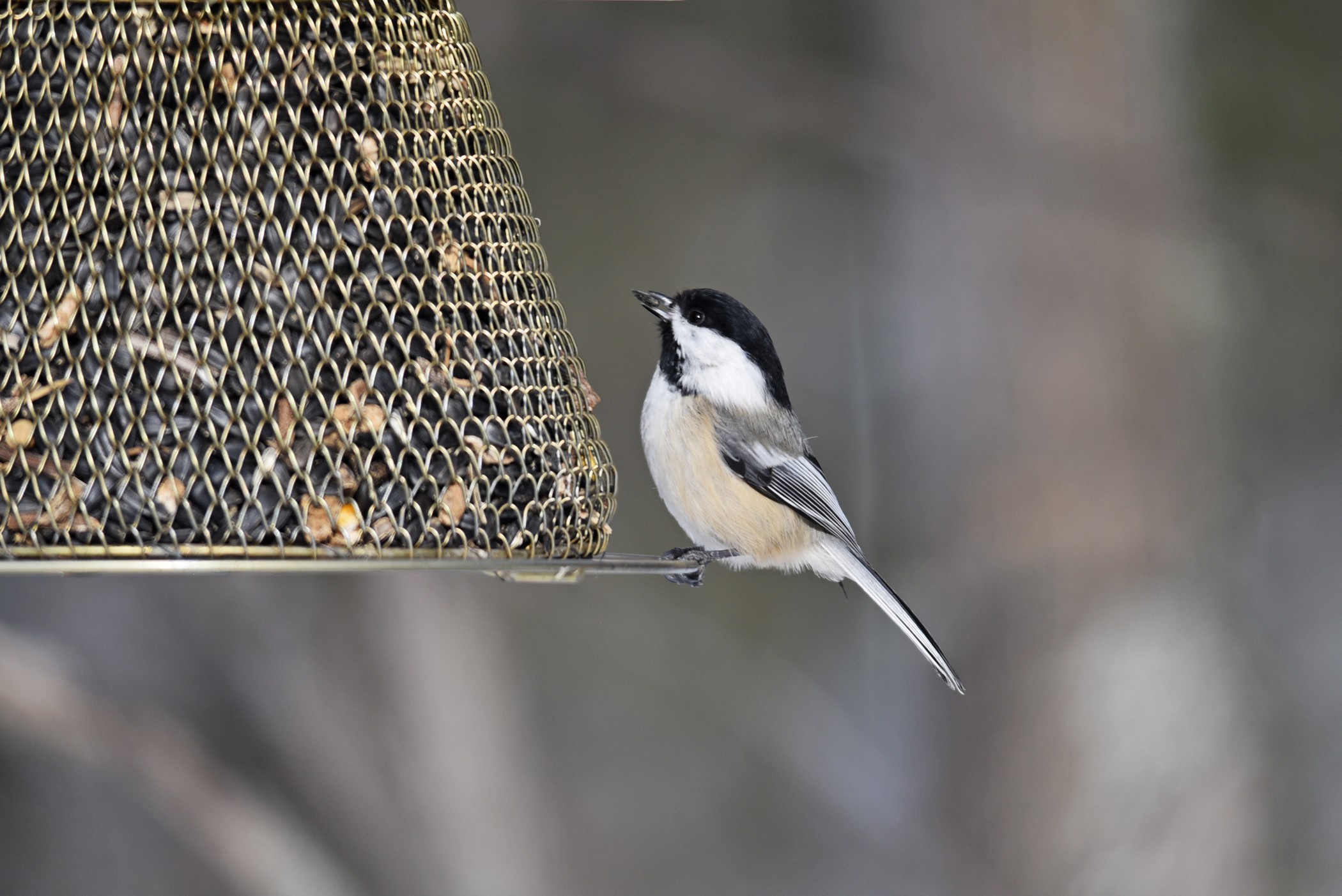
It was a small wooden house on a post, or hanging from a branch, with clear plastic sides and a tray at the bottom, and it was filled from a paper sack kept in the garage.
Somebody in the house looked at it every morning from the kitchen window, announced what was on it, and knew which birds were which.
The Classic Design Was Solving a Specific Problem
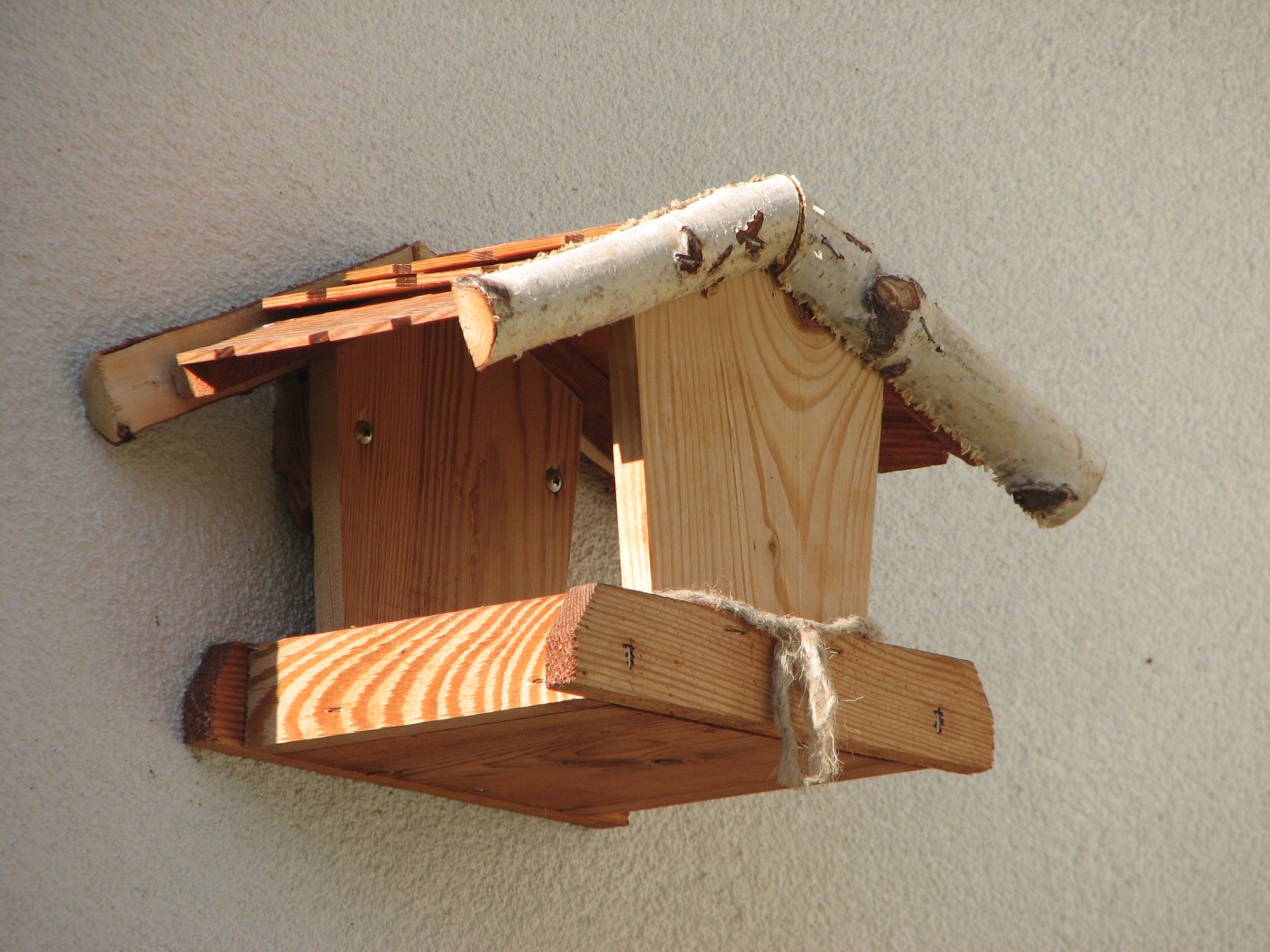
The hopper feeder – the little house shape – is a gravity-fed reservoir, and the shape follows the function.
Seed goes in through a lifting roof. The sides are clear so the level is visible from the house, which matters because the whole point is that it does not need checking daily. The seed falls by gravity into a narrow slot at the bottom, where a lip and a perch let a bird take it a few at a time. And the roof overhangs the slot so rain runs clear of the opening, because wet seed clumps, blocks the slot and spoils.
That is a well-reasoned object and it was made by the thousand in school shop classes, which is the other reason so many houses had one. A hopper feeder is a straightforward project in softwood with a sheet of acrylic, and a generation of American fathers received one for Christmas.
Like our content? Follow us for more.
Most of What Was in the Sack Did Not Get Eaten
The seed is where the period’s practice diverged most sharply from what is understood now.
Cheap mixed birdseed of that era was heavily bulked with filler – a large proportion of red millet, cracked corn, wheat and in some mixes whole oats or rice hulls – and the majority of the birds coming to an American feeder do not want most of that.
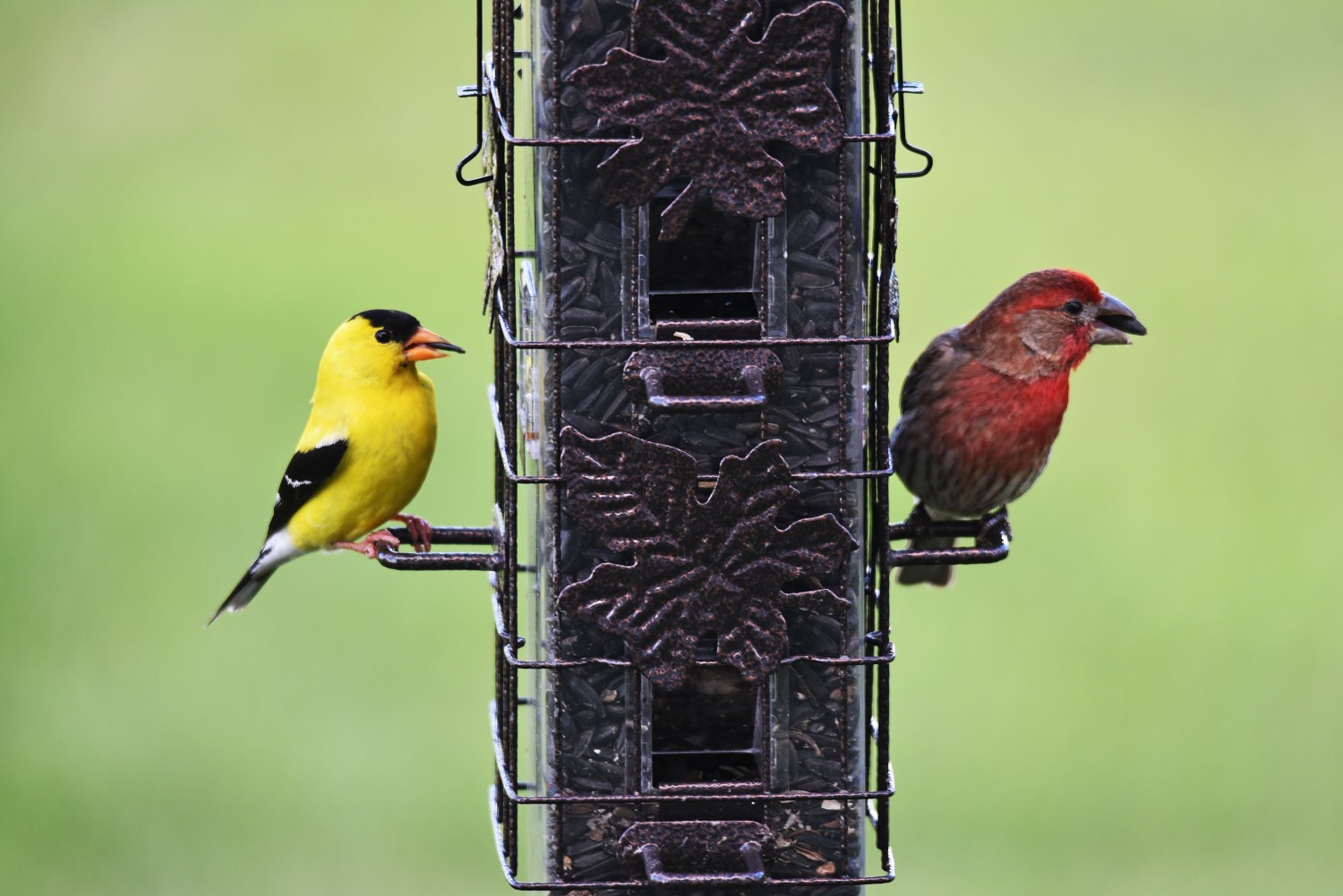
So what actually happened at a 1974 feeder is that birds arrived, picked out the sunflower seeds, and flicked everything else onto the ground. The sack emptied, which looked like success, and a layer of rejected millet and corn built up underneath, which attracted ground-feeding birds, rodents and then the trouble that comes with rodents.
The understanding that black oil sunflower seed is what most feeder birds actually eat – thin shell, high fat, right size – spread through the following decades, and modern mixes are far less bulked. Which means the single biggest change in bird feeding is that the sack now largely gets eaten.
The Squirrel Was the Entire Plot
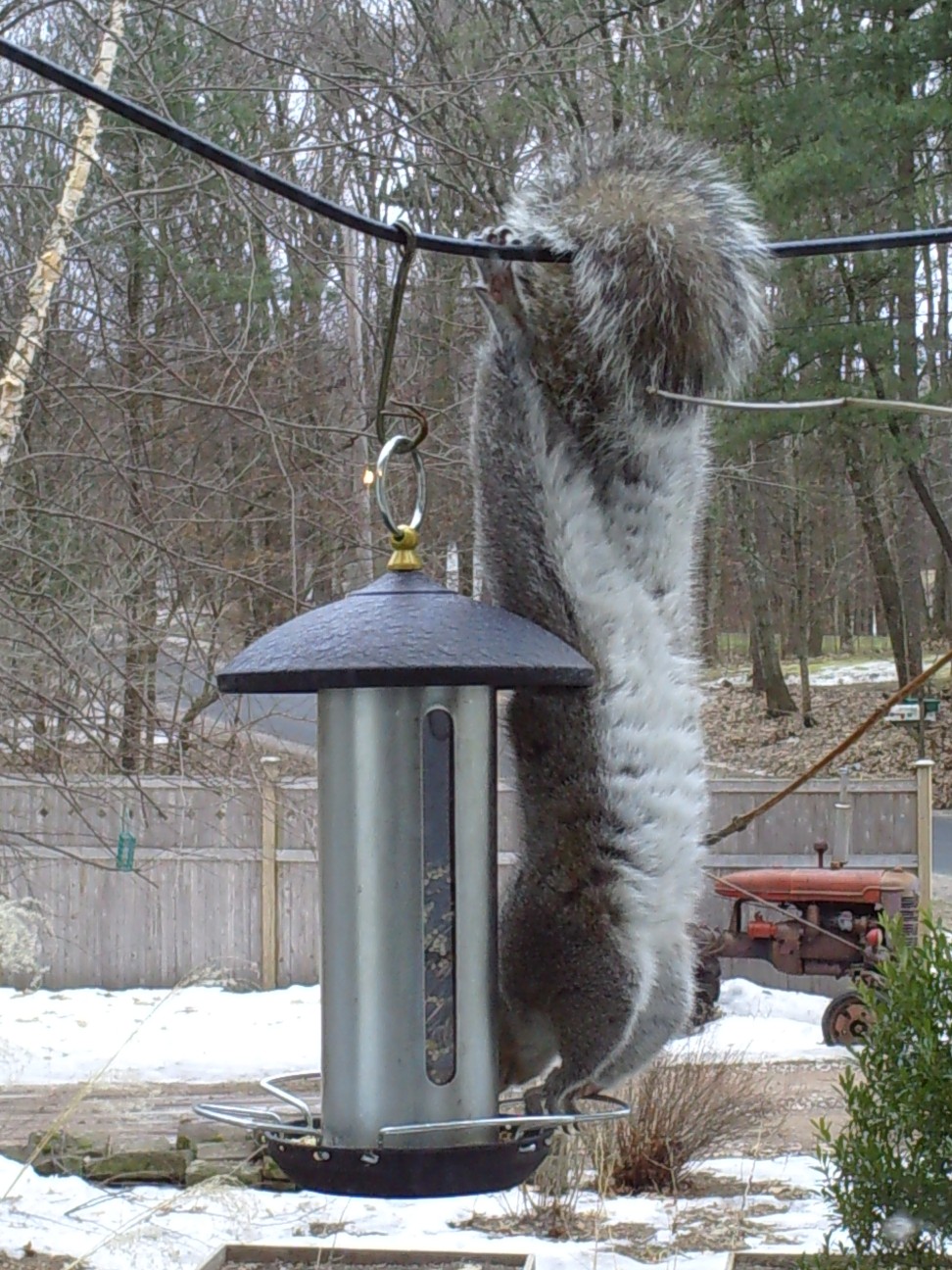
The feeder’s real relationship was not with birds.
A grey squirrel can jump a horizontal distance of several feet and a vertical one of more, climb anything with texture, hang upside down indefinitely, chew through wood and soft plastic, and will return to a food source every day for years. A wooden hopper on a wooden post is, from a squirrel’s point of view, a dispenser.
The arms race that followed is one of the better-documented pieces of American domestic engineering. Baffles above and below. Smooth metal poles. Poles greased, which worked and was messy. Feeders hung on wire between two trees. Spring-loaded perches that close the slot under a squirrel’s weight. Cages sized to admit a chickadee and exclude a squirrel. Hot pepper treatments, on the basis that mammals detect capsaicin and birds largely do not.
Every household developed its own programme, escalated it over years, and generally lost – and the squirrel became the acknowledged protagonist of the whole hobby, which it remains.
Suet Was the Winter Half of the Operation
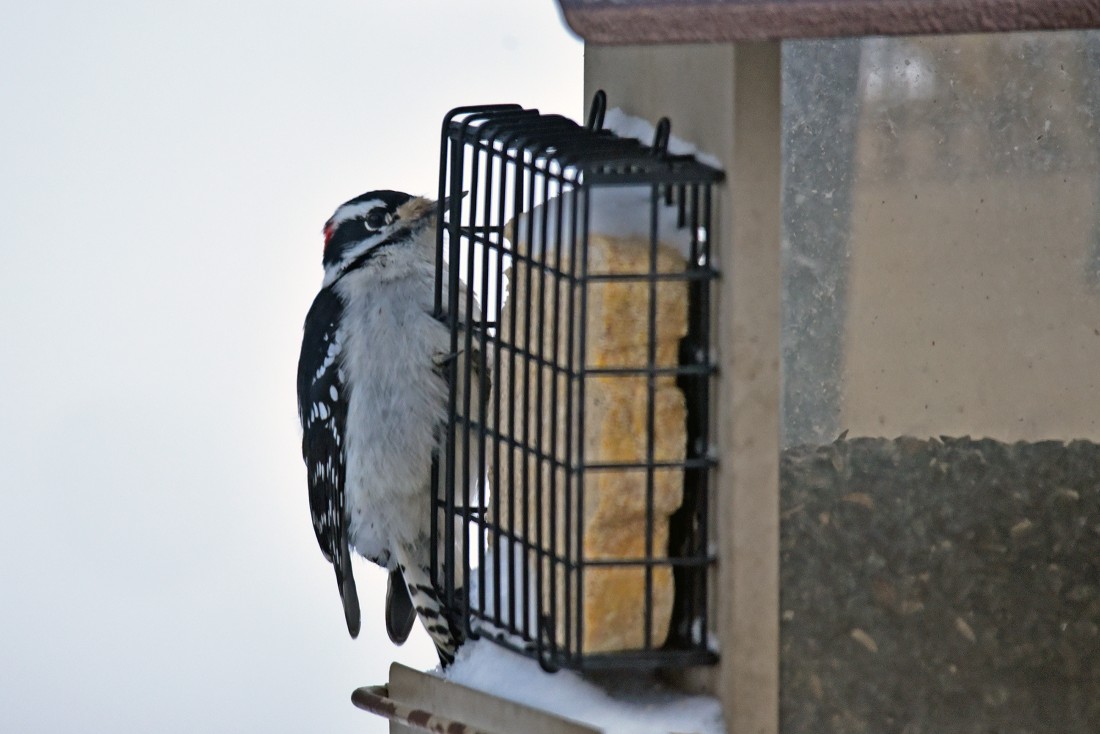
Alongside the seed was fat: a block of rendered suet in a wire cage, or in the home version, fat pressed into a pine cone or a mesh bag, hung on a trunk.
The reasoning is sound and physical. A small bird in winter is losing heat fast relative to its body mass and has only a few hours of daylight to replace it, so energy density matters more than anything else. Fat has about twice the energy per unit weight of carbohydrate, which makes suet the most efficient thing a household can hang on a tree in January.
It also brings a different set of birds – the ones that cling to bark and work vertically rather than perching – which is why a household with both a seed feeder and a suet block saw roughly twice as many species as one with seed alone.
The Window Was the Actual Product
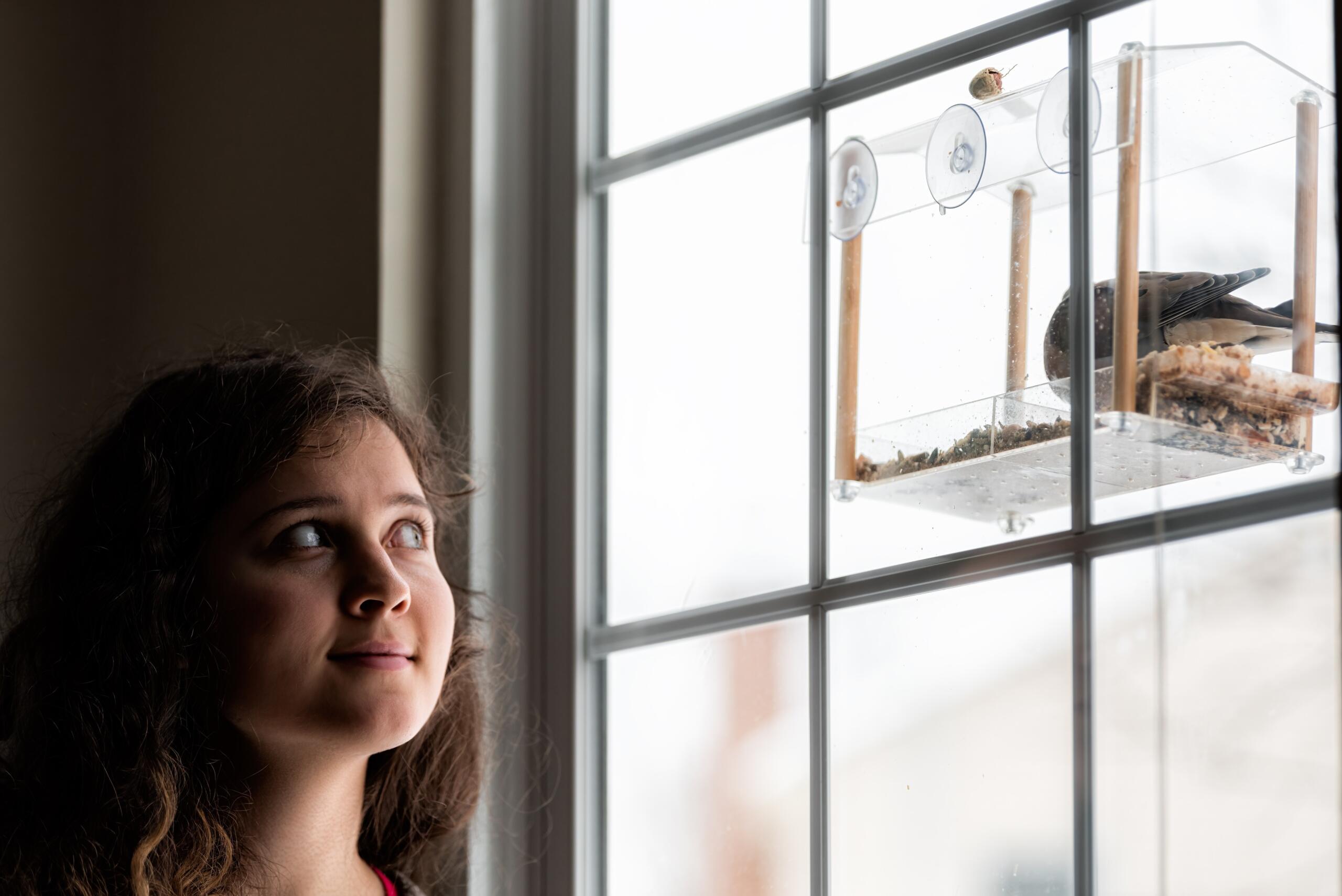
The thing the feeder really delivered was a reason to look out of a particular window.
A kitchen window above a sink, in winter, in a house where somebody spent a great deal of time standing at that sink, with a feeder six feet away. That is the arrangement, and it explains why bird feeding was so overwhelmingly a domestic habit of people who were at home during the day.
Which produced a specific kind of knowledge. Somebody who looks at the same six square feet of yard every morning for fifteen years knows which species arrive in which month, which individual has a damaged foot, what time the flock comes, what makes them all leave at once, and that a hawk has moved into the neighbourhood before anybody else does.
That is observational natural history conducted at a sink, by people who would not have described it that way, and it is the reason so many Americans of that generation can identify two dozen birds without ever having owned binoculars.
Feeding Changed Where the Birds Actually Live
Here is the part that elevates the whole thing from hobby to phenomenon.
Tens of millions of American and Canadian households putting out high-energy food, in winter, continuously, across the entire continent, for decades, is a very large intervention – and it had measurable effects.
The best-documented is range. Several species that formerly moved south for winter, or were scarce in the north, now winter considerably further north than they did, and supplementary feeding is understood to be a significant contributing factor alongside a warming climate and changing land use. A bird that can reliably find concentrated fat and seed in January can survive a latitude it could not otherwise.
There are other documented effects. Feeder birds shift their foraging behaviour and their flock composition. Some species have become substantially more numerous in suburbs than in the habitat they are supposed to prefer. And the geographic spread of certain introduced species was assisted by exactly this food supply.
None of that was anybody’s plan. It is the aggregate of a few million people independently deciding to hang something on a post, and it is one of the largest uncoordinated wildlife interventions in history.
And It Brought a Problem Nobody Anticipated
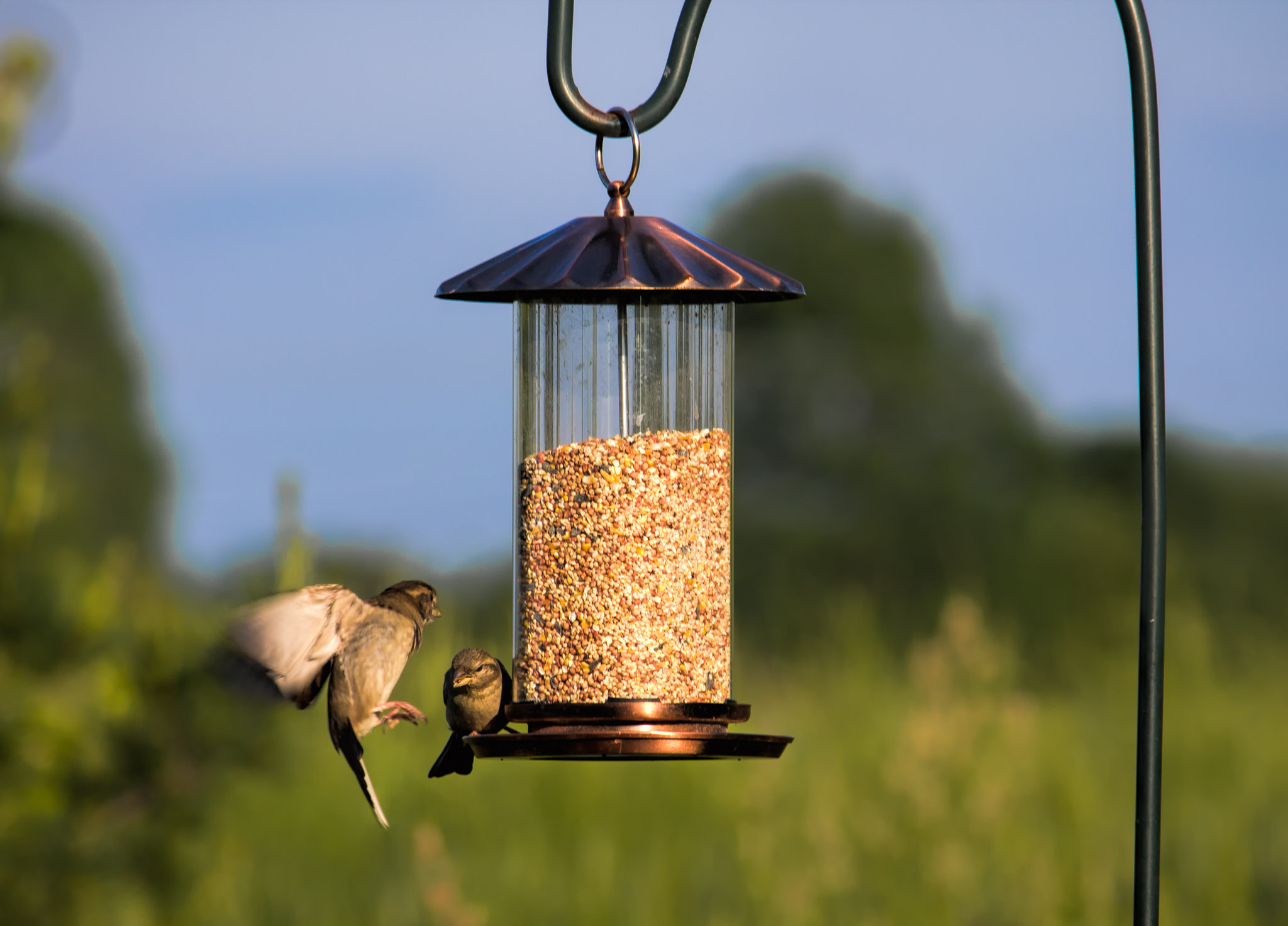
Concentrating large numbers of birds at a single point, repeatedly, is also how disease spreads.
A feeder is a place where many individuals from many flocks contact the same surfaces and the same food, day after day, and several diseases of wild birds are known to transmit efficiently in exactly those conditions – including an eye disease that affects finches and was first noticed spreading through feeder populations.
This is now a routine part of how the practice is discussed. Wildlife agencies and ornithological organisations issue guidance on feeder hygiene, and during outbreaks they sometimes advise taking feeders down temporarily in affected areas – which has happened more than once in recent years.
That is a genuine change in the hobby’s self-understanding, and this piece does not offer guidance of its own: anybody feeding birds now should follow the current advice from their own state wildlife agency or a recognised ornithological body, which is the only reliable source for what is circulating where.
Every Household Had a Field Guide With a Broken Spine
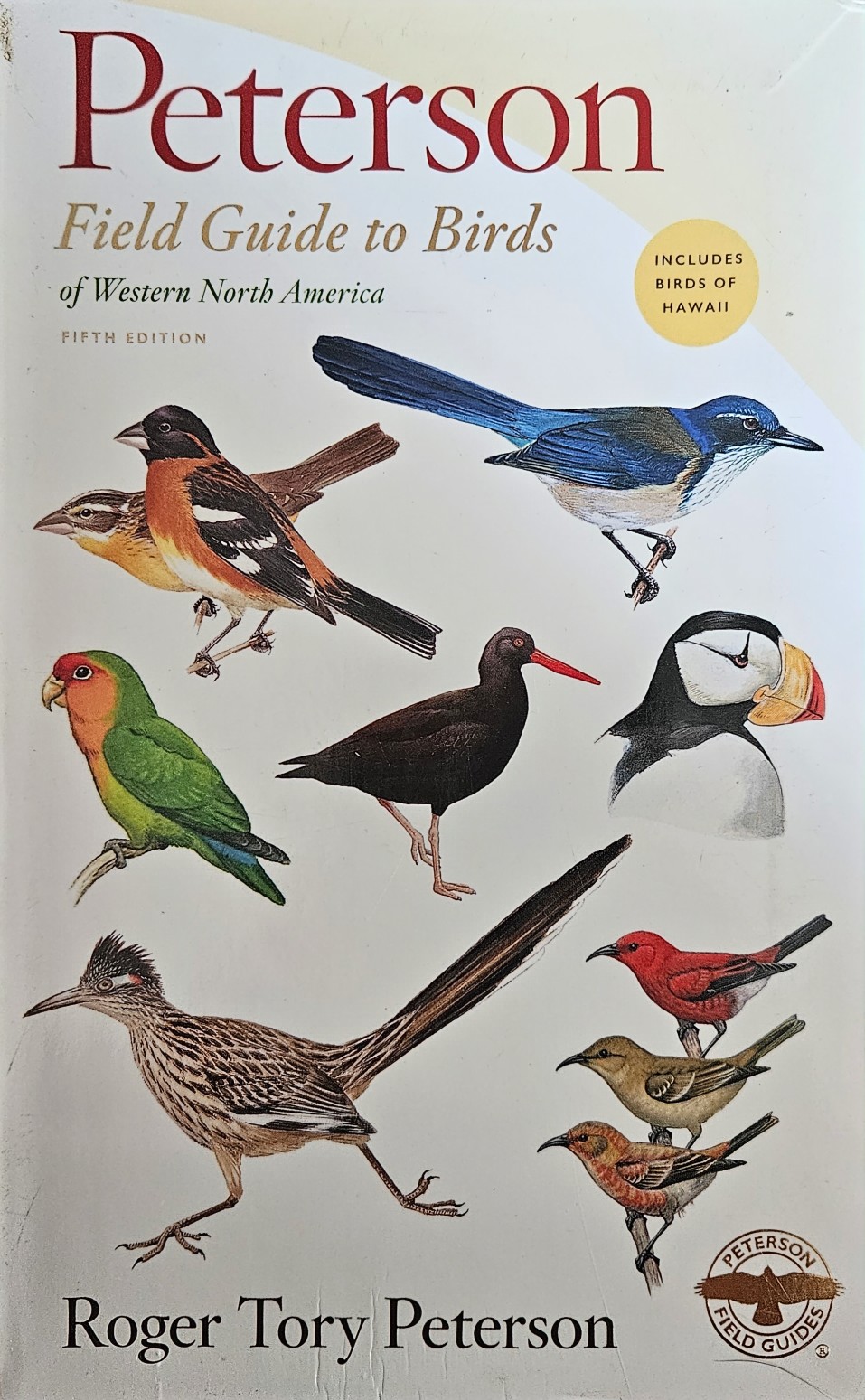
The other object in this story is the book, and it was always in the same place.
A paperback field guide lived on a windowsill, a kitchen shelf or the top of the refrigerator – wherever it could be reached from the window without anybody having to go and find it. It was soft at the corners, the spine had gone, and the pages for the common feeder birds were dirty while the pages for shorebirds were pristine.
What made those guides work was an organising decision: birds grouped by what they look like and arranged so that similar species sit on the same page, with the distinguishing marks indicated. That turns identification from remembering into comparing, which is something an untrained person at a window can actually do.
Households annotated them. Dates written beside a species the first time it appeared. A tick. A note about where. In a house where the same person used the same book for twenty years, the margins became a private record of one yard – and those annotated guides are now the most interesting thing in a great many boxes of inherited books, because nobody else has that data about that place.
The Twist: The Hobby Got Serious and Became Data
Bird feeding did not decline. It is larger than it was – a substantial industry, with better feeders, better seed and a great deal more knowledge behind it.
What changed is that the looking stopped being private.
The householder at the kitchen window in 1974 was accumulating excellent observational data and it died with them. Nobody collected it, nobody compared it, and the fact that the juncos arrived three weeks early that year was a remark made over a sink.
Then somebody worked out that the people at the windows were a continental sensor network. Organised counts now ask householders to record what comes to their own feeders, on specified days, to a common standard, and submit it – and the resulting datasets, built from millions of back yards, are used in published research on distribution, abundance, timing and range shift.
Which is a rather satisfying inversion. The feeder was always accidentally doing science to the birds, by changing where they could survive the winter. Now it is deliberately doing science about them, using the same person at the same window.
The squirrel is still winning.
Like our content? Follow us for more.