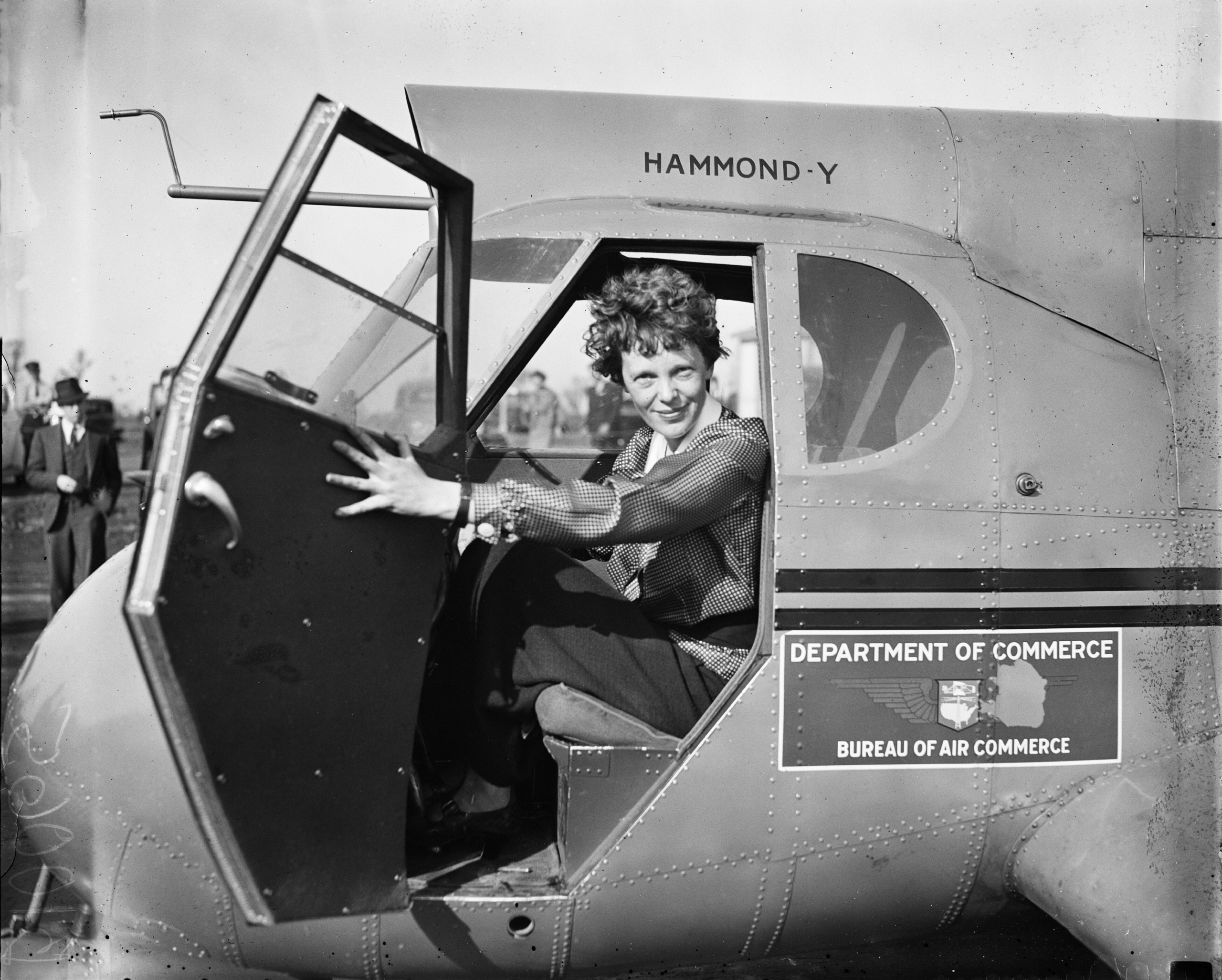
Few Americans are as famous and as thoroughly misremembered as Amelia Earhart. Nine decades of speculation, movies, and internet theories have layered so much myth over the record that the actual woman — an elite professional pilot with a long list of records and a sharp understanding of her own celebrity — often disappears behind the mystery of her final flight. On Amelia Earhart Day, here are ten common misconceptions, corrected.
1. She Wasn’t Trying to Be the First Person to Fly Around the World
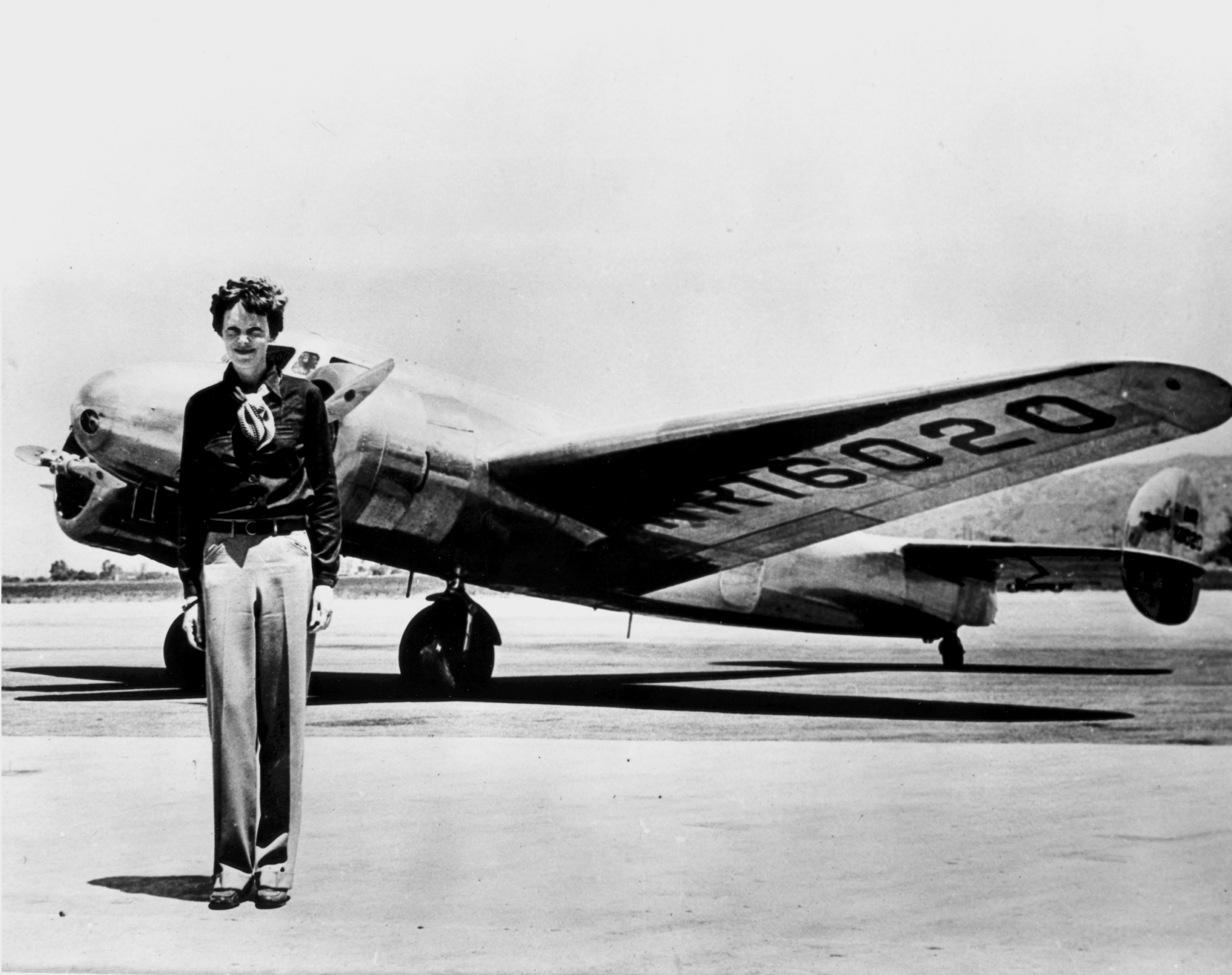
Men had already done it. Her goal was to be the first woman — on the longest possible route.
The round-the-world flight is often described as if Earhart were attempting something no human had done. She wasn’t. A U.S. Army team completed the first circumnavigation by air back in 1923, and other aviators had circled the globe in the years that followed. Earhart’s goal was to become the first woman to do it — and to fly a route near the equator, which is significantly longer than the higher-latitude routes flown before. She was chasing a specific, difficult, clearly defined record, not inventing the category.
Like our content? Follow us for more.
2. She Wasn’t an Inexperienced Amateur
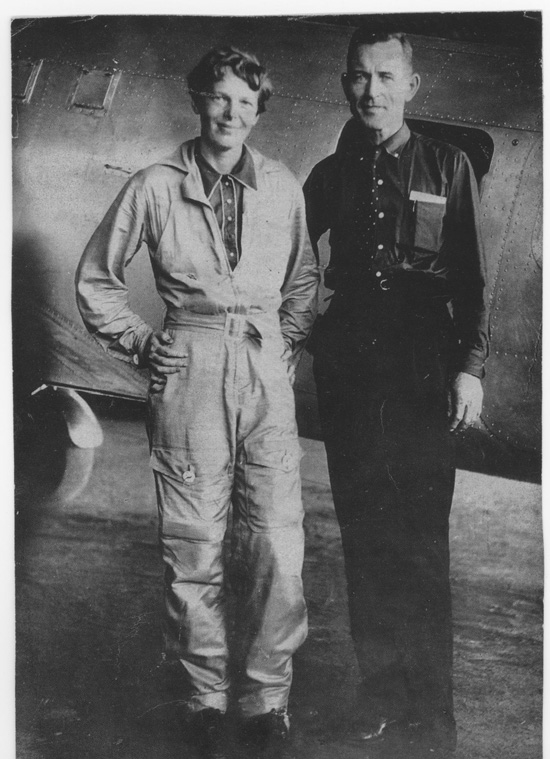
She was a record-setting professional with a serious résumé long before 1937.
A persistent undercurrent in the retellings suggests Earhart was a plucky enthusiast who attempted more than she could handle. The record disagrees. She had been flying for well over a decade by 1937, held a string of records, and in 1932 became the first woman to fly solo across the Atlantic — one of the most demanding solo flights anyone had attempted at that point. She was a professional aviator, an author, and a public figure in aviation, and the 1937 flight was the culmination of a long career rather than a reckless first venture.
3. She Wasn’t Flying Alone
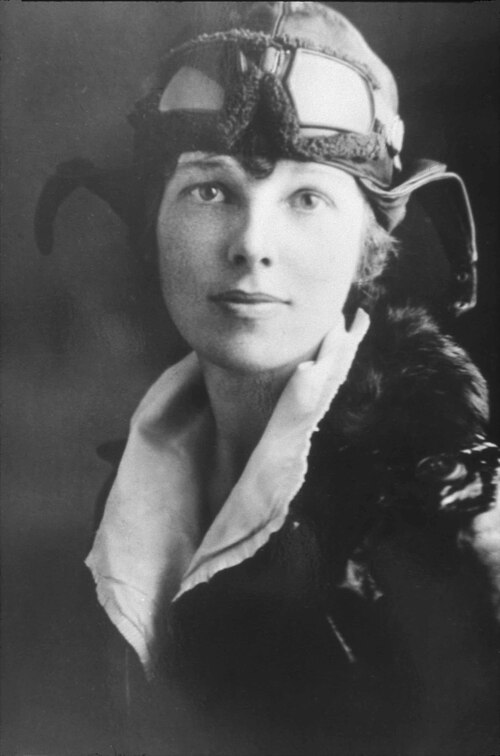
Fred Noonan, an experienced navigator, was with her — and he’s often forgotten entirely.
Because so many of her records were solo flights, people frequently assume she disappeared alone. She didn’t. Fred Noonan, a highly experienced navigator with extensive Pacific flying experience from his commercial aviation career, was aboard as navigator for the round-the-world attempt, and he vanished with her. Noonan is the forgotten half of the story — a skilled professional whose family also lost him that day, and whose contribution to the flight is routinely erased in the retelling. Two people were lost, not one.
4. She Didn’t Disappear Somewhere Vague — the Target Was Extremely Specific
She was aiming for Howland Island, a coral speck about two miles long in the open Pacific.
The disappearance is often described loosely as “somewhere over the Pacific,” which obscures how precise and how brutal the challenge actually was. Earhart and Noonan were flying roughly 2,500 miles from New Guinea to Howland Island — a flat coral strip about two miles long and half a mile wide, sitting nearly on the equator. Hitting it required navigation of extraordinary accuracy after an exhausting overwater flight, with the fuel margin tight. The U.S. had built airstrips on the island specifically for her arrival. She was not lost in a featureless void; she was trying to hit a target the size of a small town after nearly a full day in the air.
5. The Radio Problem Was the Real Killer, Not Bad Piloting
She could transmit but apparently couldn’t receive — and that broke the whole plan.
The plan depended on the Coast Guard cutter Itasca, waiting at Howland, helping guide the plane in by radio. What went wrong was a communications breakdown: the ship received Earhart’s voice transmissions, growing stronger as she approached, but two-way contact never properly worked — she apparently could not hear the ship, and the Itasca could not obtain a reliable bearing on her. She reported that she was low on fuel and could not see the island; the ship burned oil to make black smoke, and she never sighted it. The failure was one of radio coordination and direction-finding, not of nerve or basic flying skill.
6. “Crash and Sink” Is What Most Experts Actually Believe
The mainstream explanation is the plainest one — and it’s rarely the version that goes viral.
For all the exotic theories, the position held by most aviation historians and researchers is straightforward: unable to find Howland, the aircraft ran out of fuel and went down in the ocean near the island, sinking in very deep water. It fits the radio evidence, the fuel arithmetic, and the total absence of confirmed wreckage on land. Deep-sea expeditions have searched without confirmed success, but the seafloor there is enormous and extremely deep. The unglamorous explanation is the leading one — it just makes for a far less shareable story than the alternatives.
7. The Nikumaroro Castaway Theory Is Serious — but Unproven
The best-known alternative has real researchers behind it and no confirmed proof.
The most credible alternative theory holds that the pair turned south along a navigational line and reached an uninhabited atoll then called Gardner Island, now Nikumaroro, landing on a reef flat and surviving briefly as castaways. Supporters cite reported post-loss radio signals, a partial skeleton found on the island in 1940 whose measurements have been re-analyzed and disputed for decades, and recovered artifacts they argue fit a 1930s American. Skeptics note that each piece is ambiguous on its own. It is a real research hypothesis pursued by serious people — and it has not been proven.
8. The “Captured Spy” Story Has Never Been Backed by Evidence
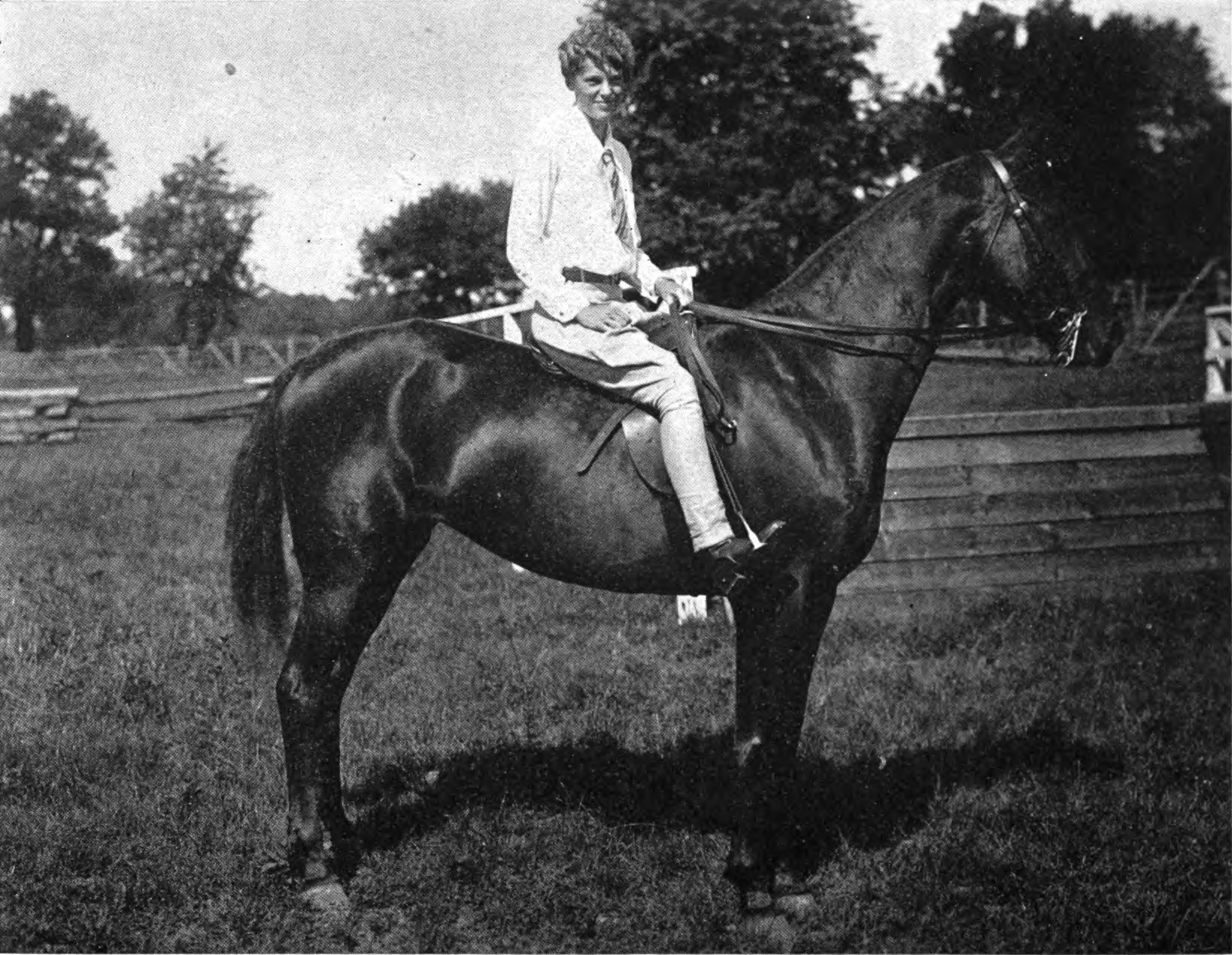
The most popular conspiracy theory has been examined repeatedly and never substantiated.
The most durable of the exotic theories claims Earhart was on a secret intelligence mission, was captured after coming down in Japanese-held territory, and died in custody. It has been advanced in books and documentaries for decades and has never been supported by verified evidence; a widely publicized photograph presented as showing Earhart and Noonan in the Marshall Islands was subsequently reported to have come from a publication predating the disappearance. Historians consistently place this theory outside the evidence-based mainstream, and the recent release of thousands of declassified government files did not change that assessment.
9. Her Plane Has Never Been Found — Despite Many Claims

No wreckage has ever been confirmed as the Electra, in nearly nine decades of searching.
Headlines announcing that Earhart’s plane has been located have appeared repeatedly over the years, most recently from deep-ocean sonar surveys — and every one so far has failed to hold up on closer examination, with promising sonar shapes turning out to be geological features. As of now, no confirmed piece of her Lockheed Electra has ever been recovered and verified. A research team has been preparing an expedition to examine an anomaly in the Nikumaroro lagoon, and any claim to have found the aircraft should be judged by whether identification survives scrutiny — the pattern so far has been announcement first, deflation later.
10. The Mystery Overshadows the Career — and That’s the Real Loss
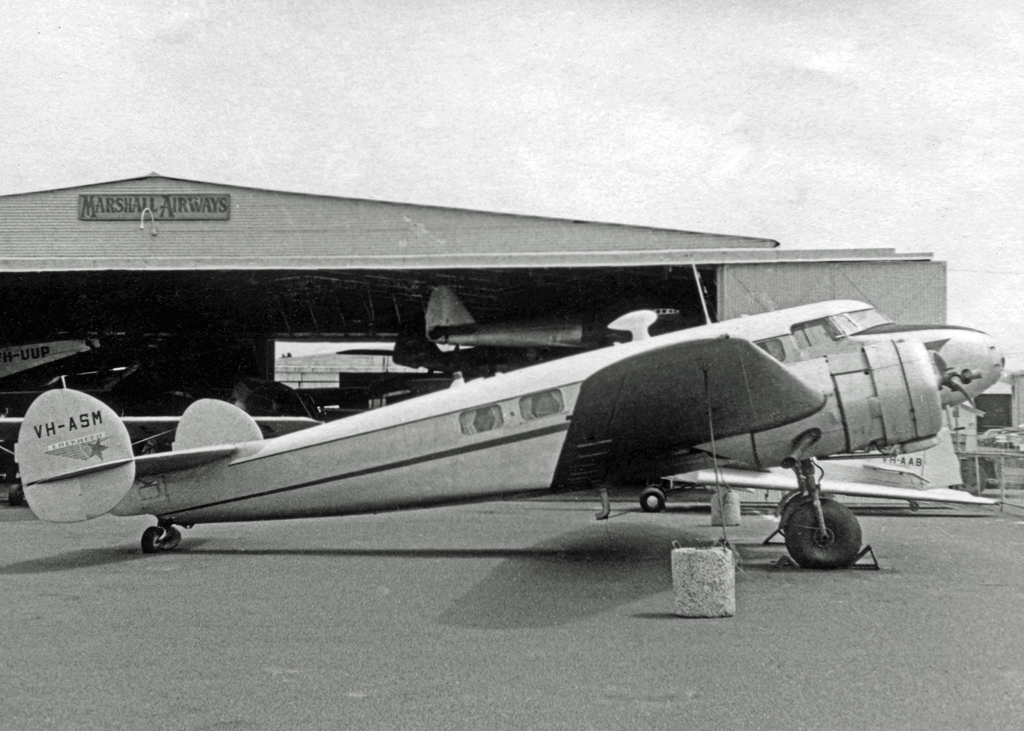
She was one of aviation’s most accomplished figures. The disappearance is the least of it.
The biggest misconception is one of proportion. Earhart is remembered almost entirely for how she vanished, which reduces a substantial career to a puzzle. She set multiple aviation records, was the first woman to fly the Atlantic solo, wrote bestselling books, helped promote commercial air travel to a skeptical public, and campaigned persistently for women’s place in aviation and in professional life generally. She earned her fame before the last flight, through accomplishment rather than tragedy. On her birthday in particular, that’s the part worth centering.
The Woman Behind the Legend
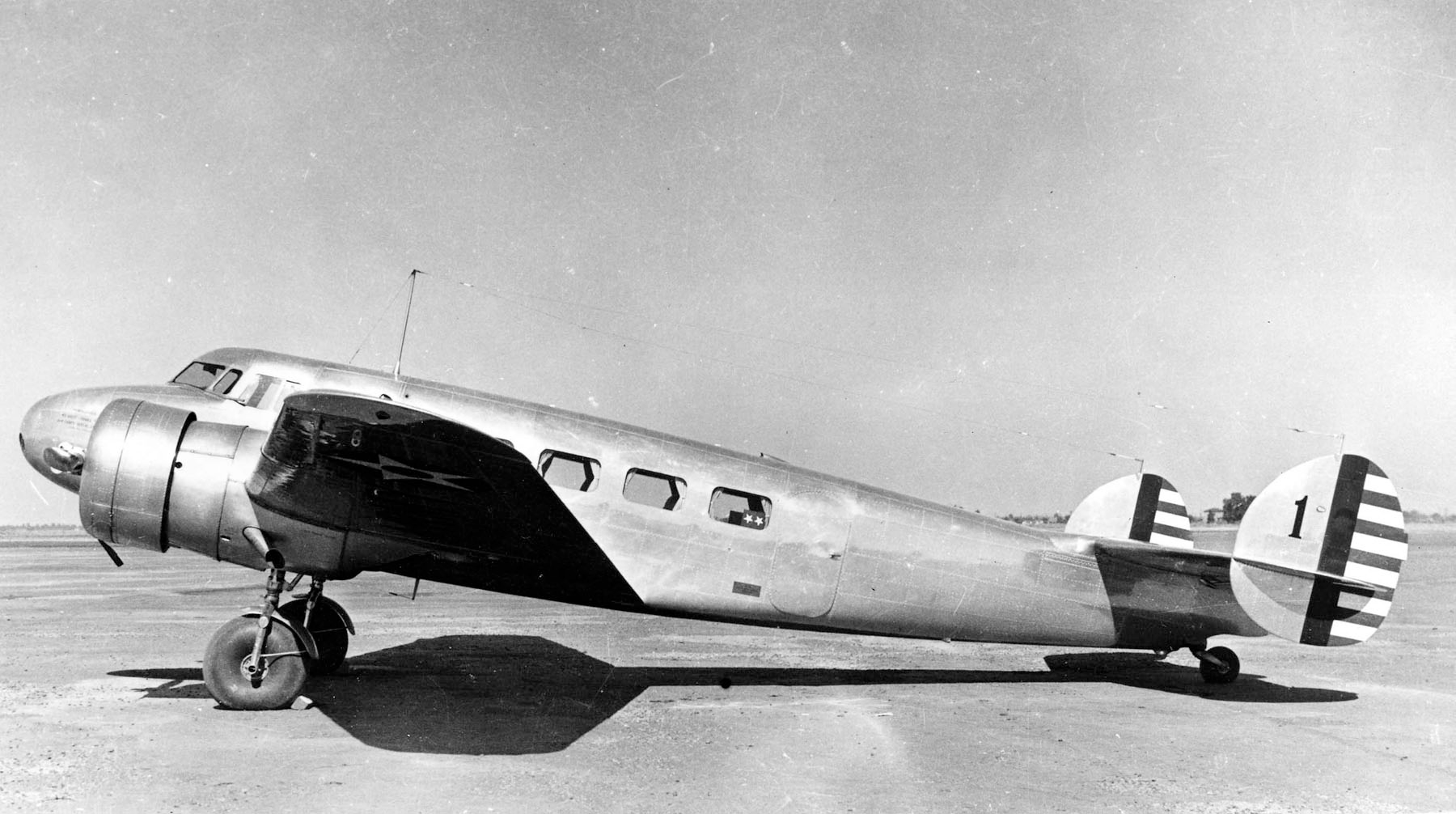
She was chasing a woman’s record, not a human first; she flew with a navigator whose name deserves remembering; the target was a two-mile island and the radios failed; the likeliest ending is the plainest one — and the career that preceded all of it was remarkable on its own terms.
Amelia Earhart Day falls on her birthday for a reason. The disappearance will keep drawing expeditions and headlines, and if a research team finally identifies wreckage the story will lead the news everywhere — but the anniversary itself is an invitation to remember what she actually did while she was here. Getting the facts right about her is a better tribute than another round of speculation, and the corrected version is more impressive than the myth.
Like our content? Follow us for more.