No food on the planet generates a more reliable argument than pineapple on pizza. It has been denounced by chefs, defended by prime ministers, and litigated endlessly online, with a passion entirely out of proportion to what it is — a slice of pizza with fruit on it. And through all of that debate, one basic fact goes almost universally unnoticed: the dish has no connection whatsoever to Hawaii.
Hawaiian pizza was invented in Canada. Specifically, it was created in 1962 in the small southwestern Ontario town of Chatham, at a restaurant run by a Greek immigrant who had arrived in Canada eight years earlier, and who happened to be curious about what would happen if he put canned pineapple on a pizza. The real story behind the world’s most divisive food is a small, warm, thoroughly unglamorous tale of immigrant experimentation in a Canadian diner — and it’s substantially more interesting than the tropical origin most people assume.
The Man Who Tasted Pizza in Naples
Sotirios Panopoulos, known as Sam, was born in Greece in 1934 and left for Canada in 1954, at the age of 20. The journey itself supplied the crucial detail: the ship carrying him stopped in Naples, and there, in the city that invented the dish, he tasted pizza for the first time. He liked it immediately.
What he found on arriving in Canada was that essentially nobody there had heard of it. Pizza was barely present in Canadian life in the 1950s, and by his own account the closest place to reliably find it was across the border in Detroit. Panopoulos settled in Ontario, worked in mining for a period, and eventually went into the restaurant business with his brothers. In October 1962, he and his brother opened a dining lounge called the Satellite in downtown Chatham, serving the standard fare of the era — burgers, fries, all-day breakfast — alongside a selection of the Americanized Chinese dishes that were popular in Canadian restaurants at the time.
Panopoulos had no formal training in making pizza. What he had was an interest in it, a memory of Naples, and a willingness to try things.
Like our content? Follow us for more.
The Can of Pineapple
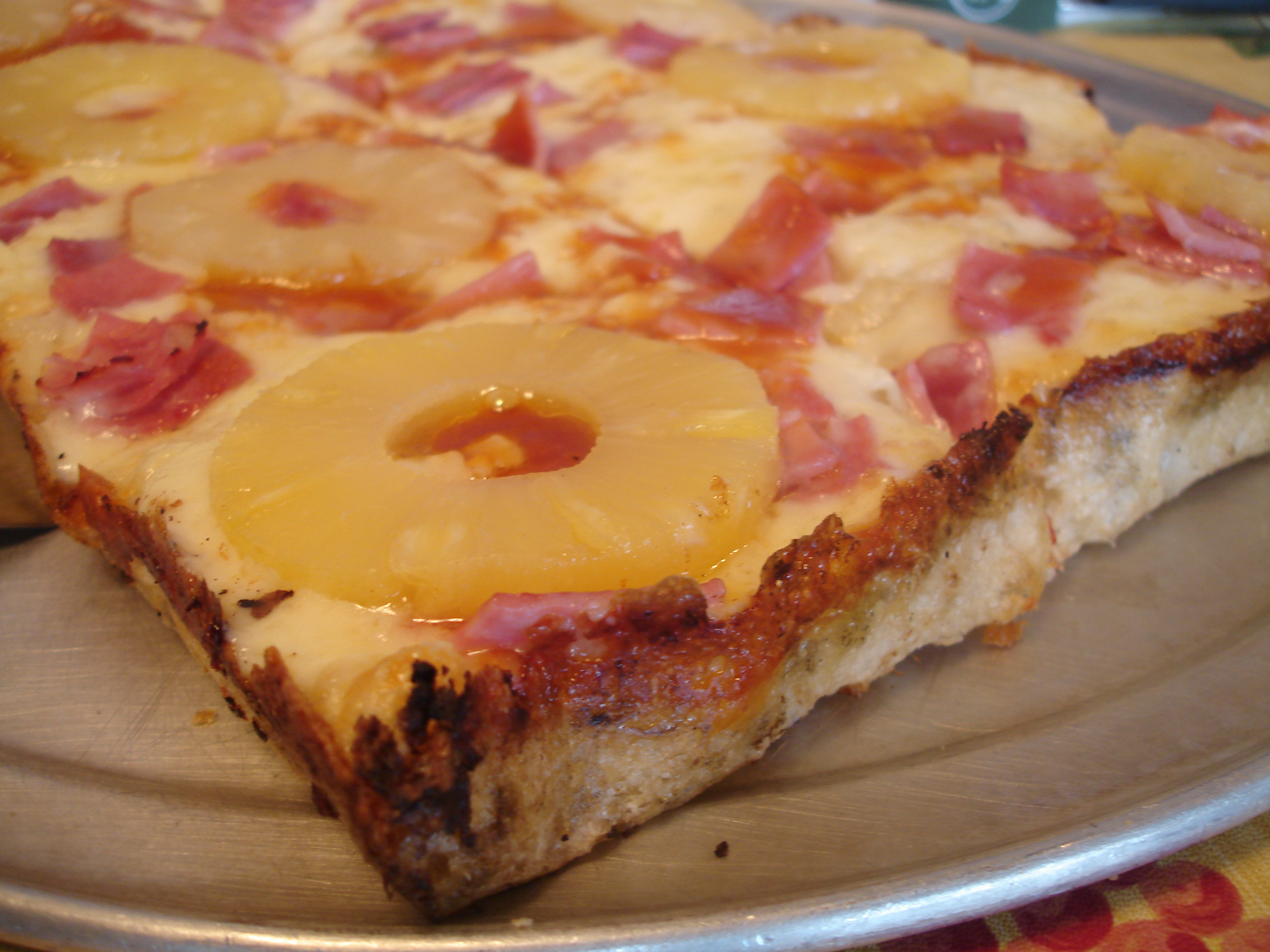
By his telling, the pizza available in Canada at the time was dismal and monotonous. He described it as essentially dough, sauce, cheese, and a choice among three toppings — mushroom, bacon, or pepperoni — and that was the entire universe of options. He had watched chefs in nearby Windsor make their pies, was unimpressed by the ingredients and the equipment, and went back to his own kitchen determined to experiment.
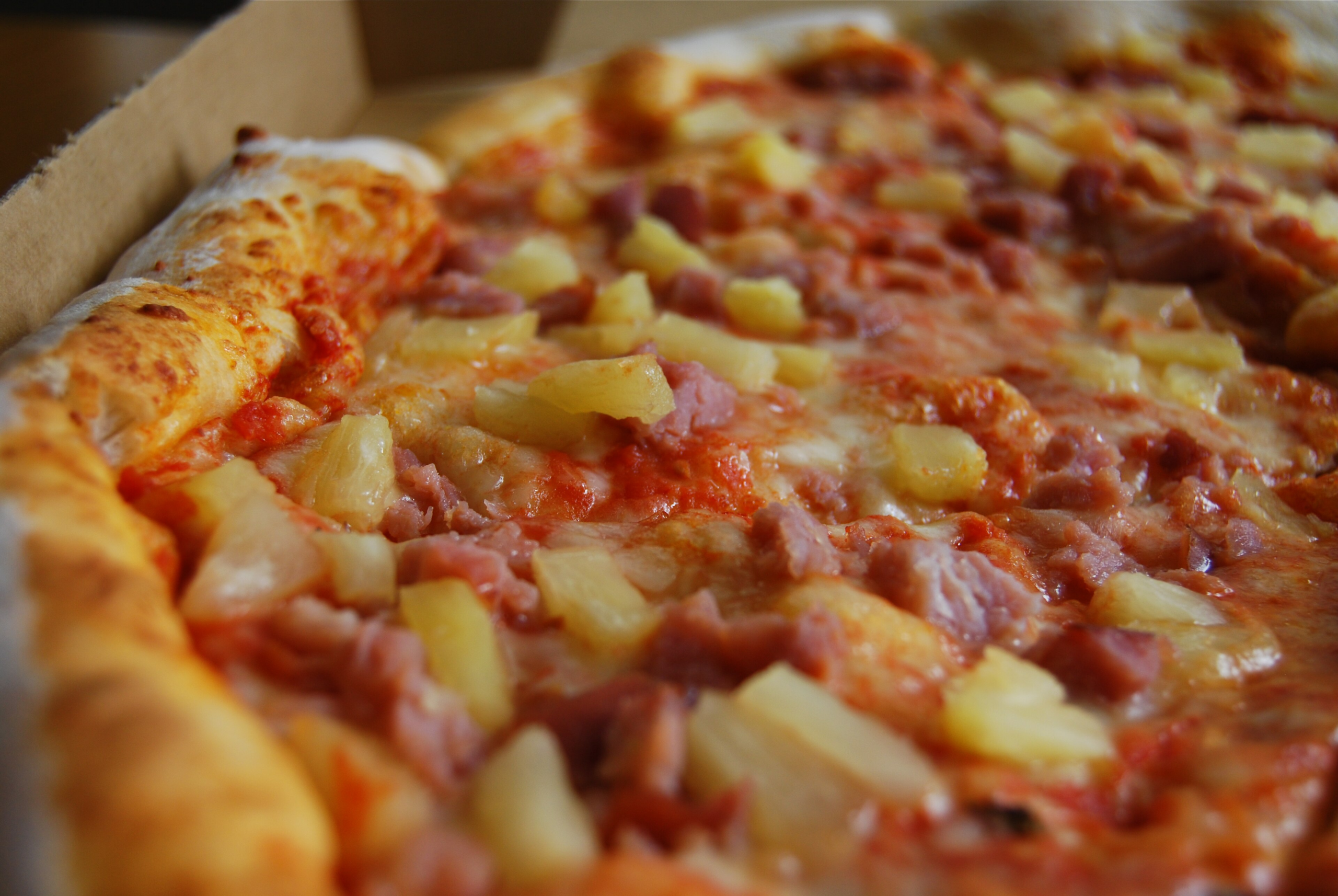
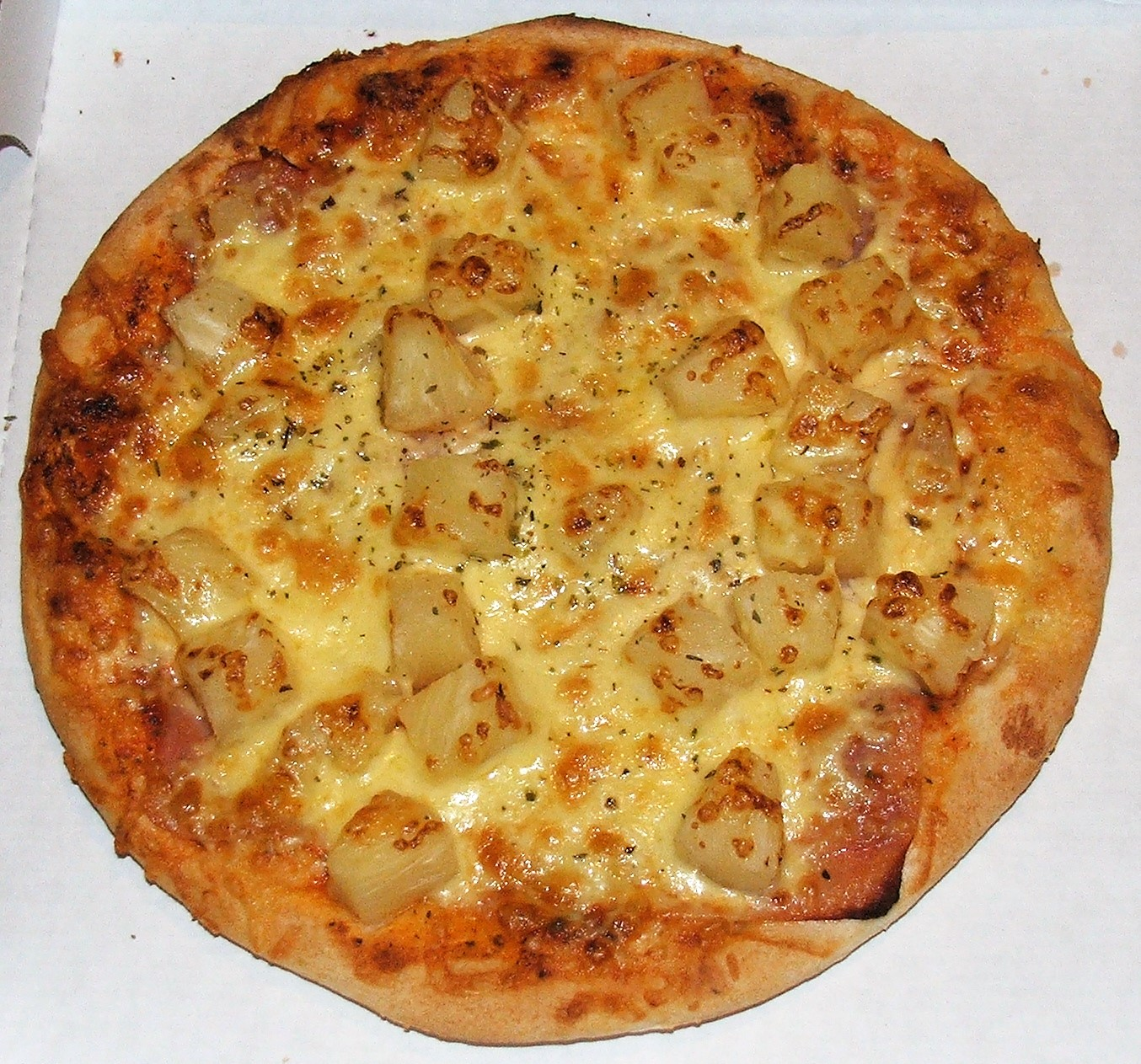
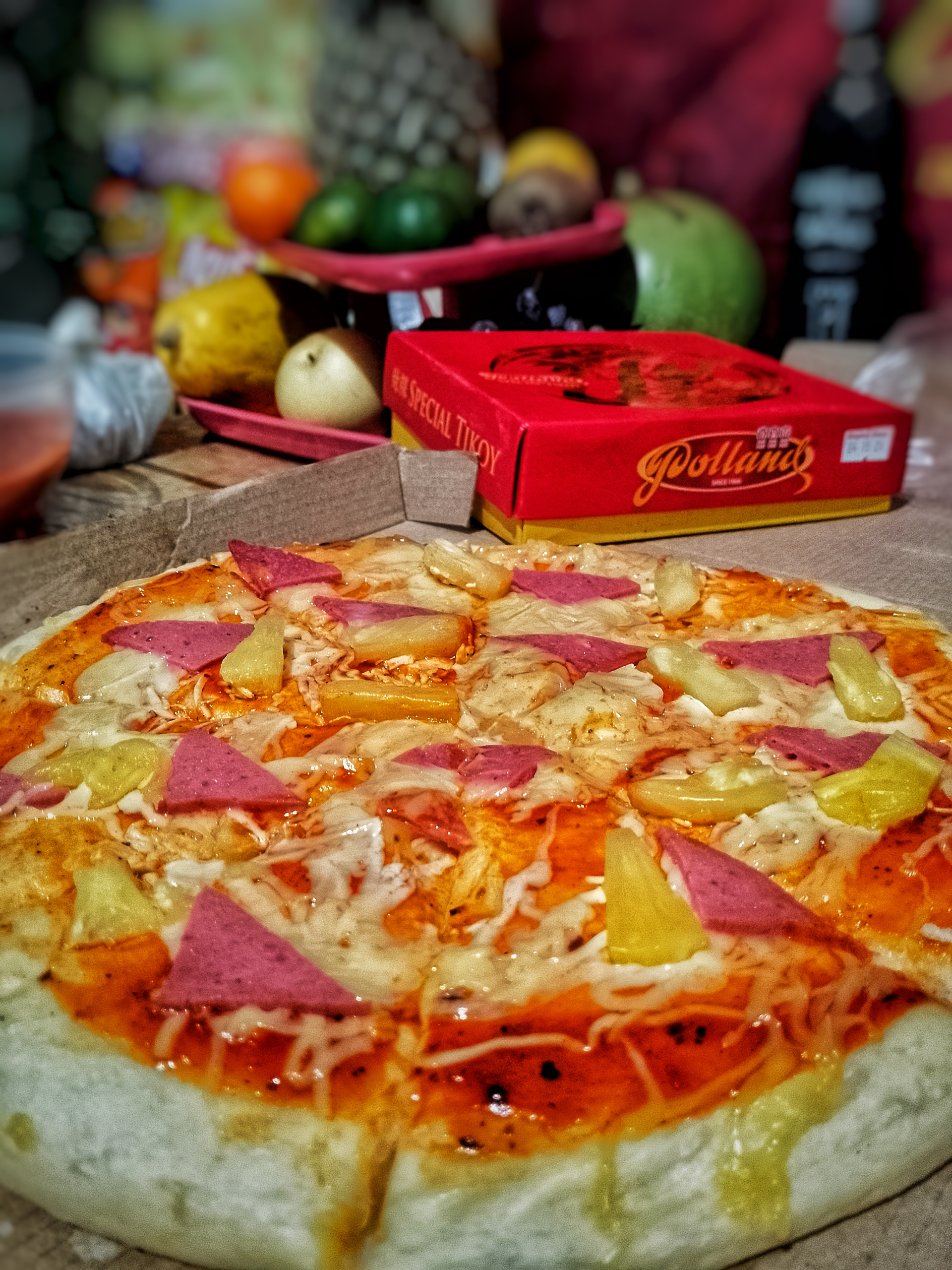
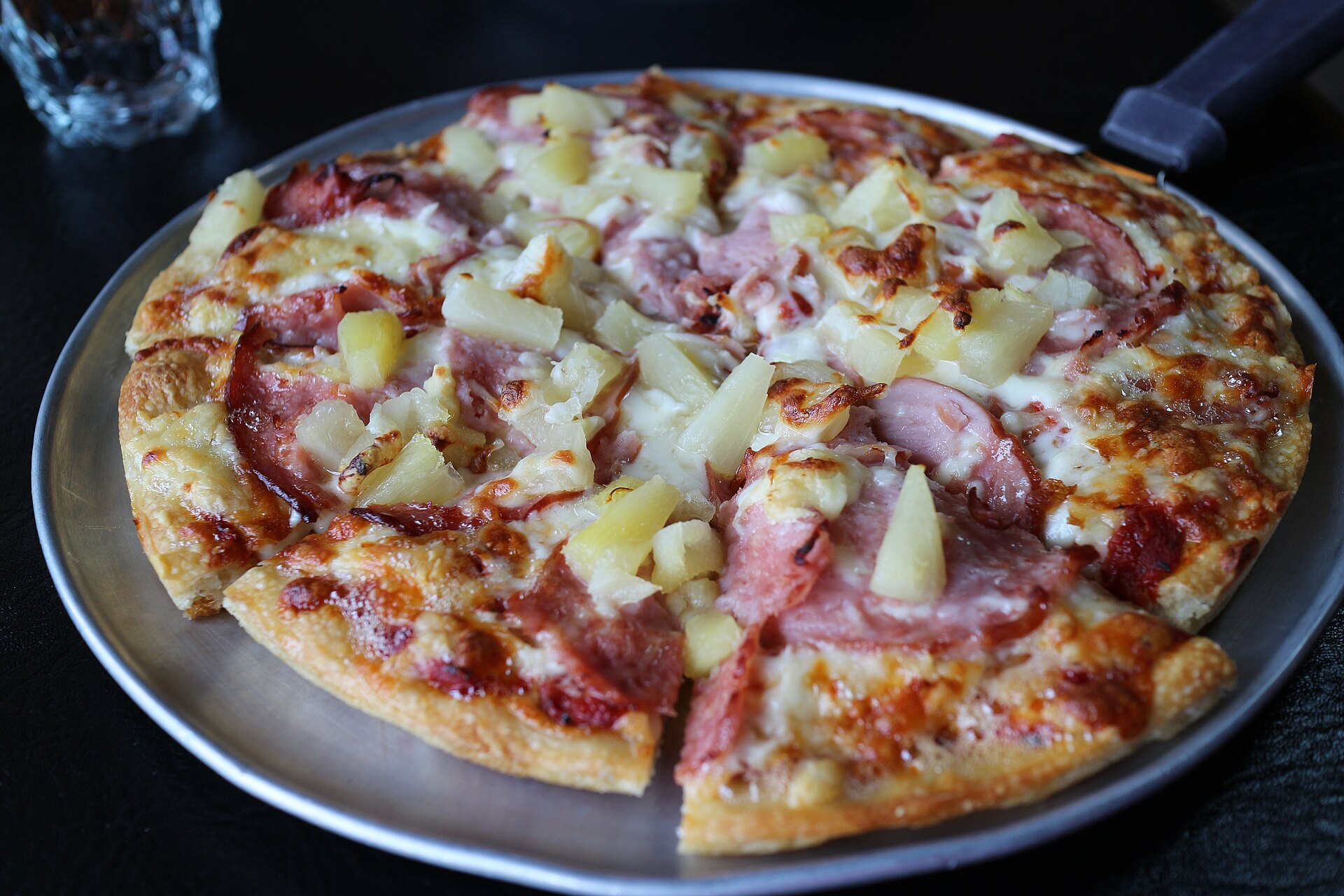
He tried various combinations, including salty ones like olives and anchovies. And then, in 1962, he reached for a can of pineapple. The influence, by his own explanation, came from the other half of his menu: the Americanized Chinese dishes the Satellite served leaned on sweet-and-sour flavor combinations, and Panopoulos was drawn to the idea of that same sweet-savory contrast on a pizza. He opened the can, drained the fruit, scattered the chunks over a pie along with ham and bacon, and baked it.
He and his brothers tasted it and liked the contrast. The name came from the most mundane source imaginable: the brand printed on the can of pineapple was Hawaiian, so that became the name of the pizza. There was no tropical inspiration, no Polynesian influence, no connection to the islands at all — just a label on a tin in a small-town Ontario kitchen.
Nobody Liked It at First
The invention was not an immediate hit. Panopoulos said afterward that customers initially rejected it and that people told him he was crazy for doing it — an early preview of an argument that would eventually go global. Fruit on a pizza struck the diners of 1960s Chatham as roughly as wrong as it strikes its detractors today.
But it caught on locally, and once it did, it became a substantial part of the restaurant’s business. From there it spread — through Ontario, across Canada, into the United States, and eventually onto pizza menus worldwide, where it became a permanent fixture and, in many markets, one of the most ordered varieties on the board. Panopoulos went on to run a string of restaurants with his brothers and became a well-known figure in his local community. He never made a fortune from the invention; he had simply put something on a menu, and the world took it from there.
The Argument That Went Global
The dish’s most famous chapter came decades later, in 2017, when the president of Iceland remarked that he was opposed to pineapple on pizza and joked that it ought to be banned. The comment ignited an international debate that dominated food coverage for weeks, prompted a clarifying statement from the Icelandic president’s office, and drew a lighthearted response from Canada’s prime minister, who defended the dish as a southwestern Ontario creation.
It is a strange kind of immortality: a small-town restaurateur’s improvised experiment becoming a topic on which heads of government felt obliged to state a position. Panopoulos, for his part, took the controversy in good humor and continued to defend his creation publicly. He died in June 2017 in London, Ontario, at 82 — as it happened, only months after the argument over his pizza reached its global peak. His family described a man who had not been looking for fame and had simply been proud of his work and his family.
It should be noted that some have disputed his claim to be the originator, as tends to happen with any popular dish. But the Chatham account is the one carried by mainstream reference works and news organizations, it is supported by his own consistent testimony over many years, and it is the version that the historical record broadly supports.
Why the Name Fools Everyone
The reason almost nobody knows any of this comes down to the name, and the name is essentially an accident of branding. “Hawaiian” told customers nothing true about the pizza’s origins; it described the fruit’s marketing, not the dish’s heritage. But a name is a powerful thing, and once the pizza spread internationally, the label did what labels do — it supplied an origin story that people assumed rather than checked.
There’s a broader pattern here that food historians point out constantly. Dishes are named for all sorts of reasons that have nothing to do with where they come from — a marketing decision, an ingredient’s brand, an imagined association, a nod to a place that sounds appealing — and the names then calcify into a false history that becomes very difficult to dislodge. The pizza that everybody assumes is Hawaiian is Canadian; the argument is that a name, repeated often enough, simply beats the truth.
What the Fight Is Actually About
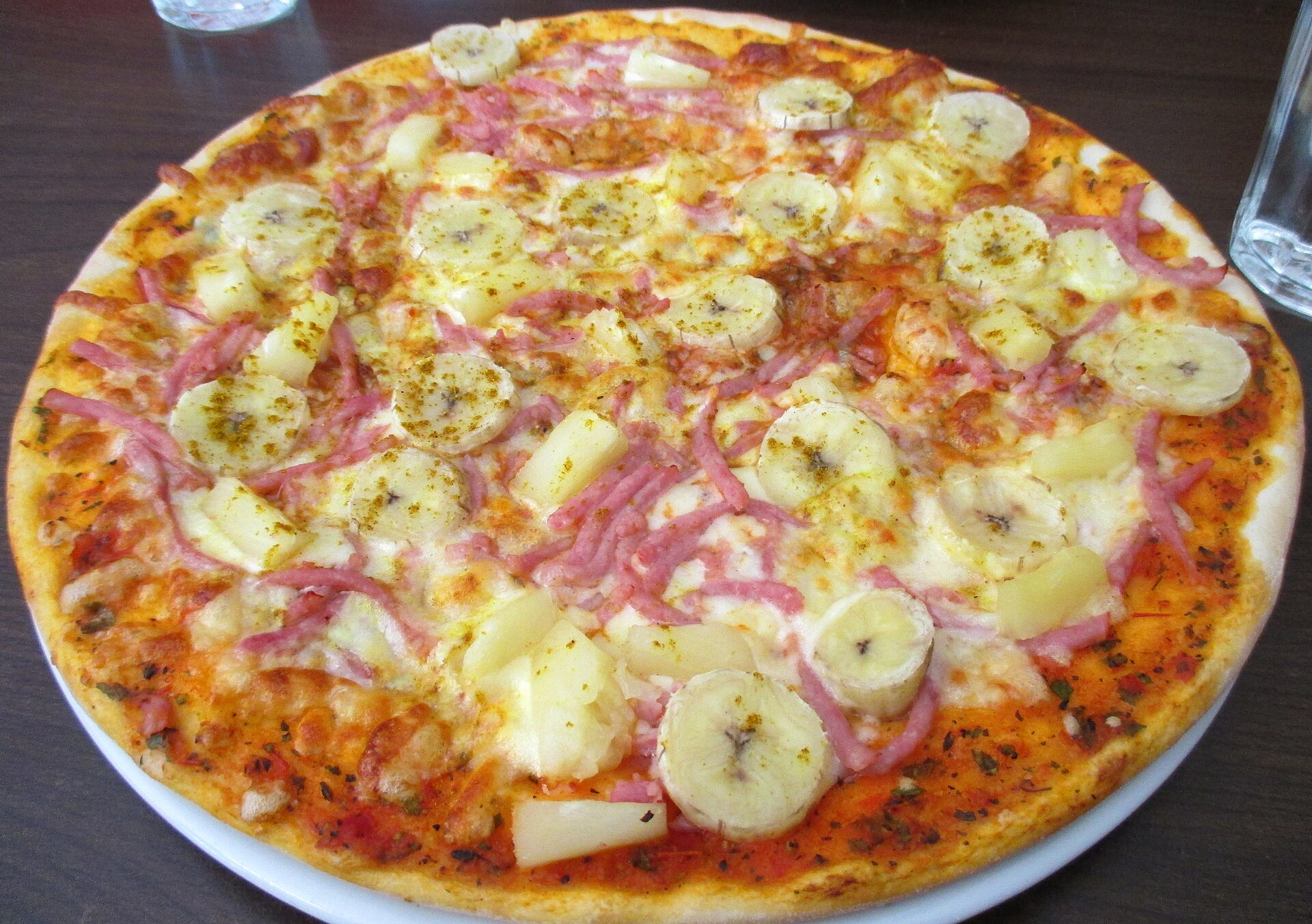
Beneath the jokes, the pineapple argument turns on a real culinary question, and it’s worth taking seriously for a moment. The objection is rarely that the pizza tastes bad — it’s a claim about category. Critics argue that pizza’s flavor architecture is savory, salty, and acidic, and that adding a sweet fruit disrupts the balance the dish is built on, particularly when the pineapple releases moisture onto the crust during baking. The defense is equally coherent: sweet-and-salty pairings are among the most reliable combinations in cooking, from melon with cured ham to honey drizzled over sharp cheese, and pineapple with salty ham sits comfortably in that tradition.
What’s notable is that Panopoulos arrived at that reasoning from the opposite direction. He wasn’t defending a theory; he was borrowing a flavor idea from the Chinese-Canadian dishes he was already cooking and testing whether it would work on a pizza. The argument that would eventually involve chefs and heads of state was, at its origin, a small practical experiment by a cook who wanted more interesting options on his menu — and who had no particular reverence for Italian tradition, having encountered pizza exactly once, briefly, in a Naples harbor.
A Small Restaurant, a Long Argument
The story of Hawaiian pizza is a truly charming immigrant story hiding inside one of the internet’s dumbest arguments. A young man leaves Greece, tastes pizza for the first time during a stop in Naples, arrives in a country where nobody eats it, opens a restaurant in a small Ontario town, decides the local pizza is boring, borrows a sweet-savory idea from the Chinese-Canadian dishes on his own menu, opens a can, and creates something that ends up on menus on every continent.
That’s the reality behind the pineapple wars: not a corporate invention, not a tropical tradition, but one curious cook in Chatham in 1962 trying something because nobody had told him he couldn’t. Whether the result belongs on a pizza is a matter of taste and always will be — people are entitled to their strong feelings, and the argument is clearly part of the fun. But the next time it comes up at a table, the truly interesting contribution isn’t a position on the fruit. It’s the fact that the most divisive pizza in the world was born in small-town Canada, named after a label on a tin, and rejected by its first customers before conquering the planet.
Like our content? Follow us for more.