Ask a barbecue devotee in Texas, Memphis, or the Carolinas what “real” barbecue is, and you’ll get very different, very passionate answers. That’s because American barbecue isn’t a single cuisine but a patchwork of deeply rooted regional traditions, each shaped by local livestock, available wood, and generations of family and community recipes. Understanding the differences is part of the fun of exploring the country’s barbecue map. Here are eight distinct American barbecue styles and what makes each one different, counted down one by one.
1. Texas: Beef and Post Oak Smoke
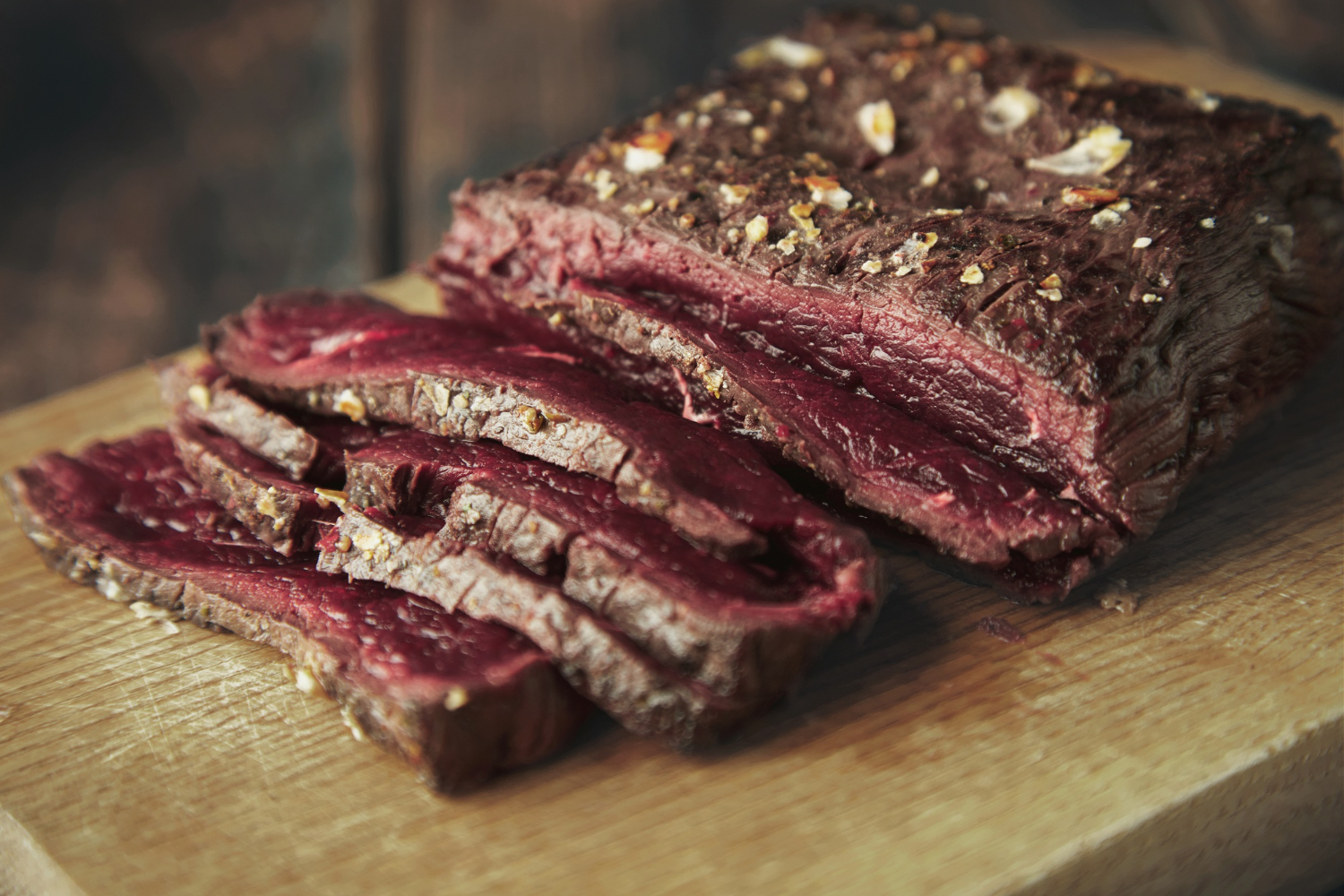
Texas barbecue centers on beef, especially brisket. Simple seasoning lets the smoke shine.
Texas barbecue, especially the Central Texas style associated with the state’s German and Czech meat-market traditions, centers on beef, above all the brisket, smoked low and slow over post oak wood for many hours. Seasoning stays minimal, typically just salt and coarse pepper, letting the meat and smoke carry the flavor. Sauce, if used at all, is served on the side rather than mixed in. Texas barbecue is defined by its beef-forward simplicity, a tradition that trusts quality meat and patient smoking above heavy seasoning, producing the tender, deeply smoky brisket the state has become internationally famous for.
Like our content? Follow us for more.
2. Memphis: Dry-Rubbed Ribs
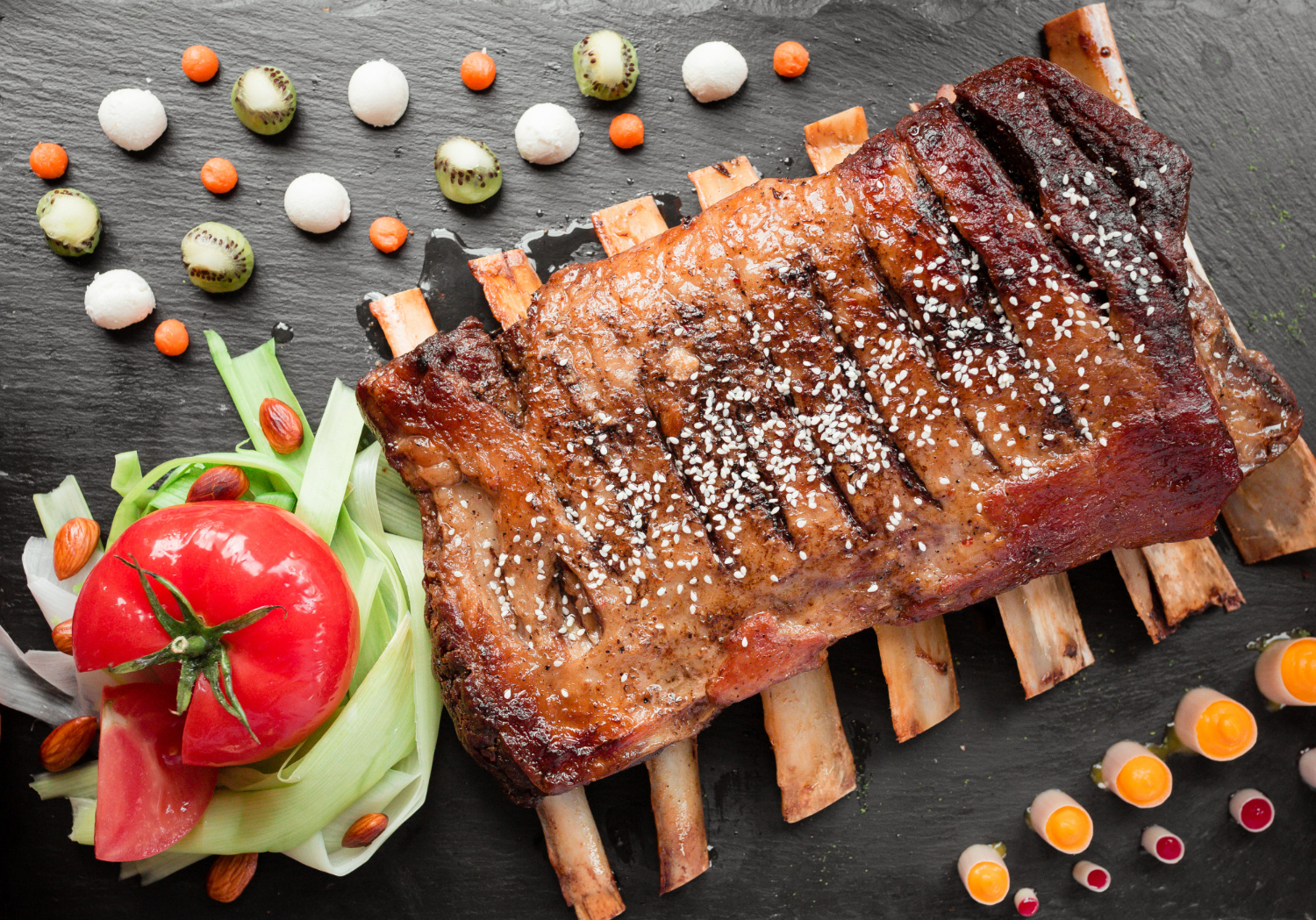
Memphis barbecue favors pork ribs with a spice rub. Sauce is often optional, served on the side.
Memphis barbecue puts pork ribs front and center, prepared “dry,” coated in a flavorful spice rub of paprika, garlic, and other seasonings before smoking, with barbecue sauce served on the side rather than slathered on. “Wet” ribs, brushed with sauce during cooking, are also available, giving diners a choice. The rub itself does much of the flavor work. Memphis barbecue stands out for its rub-forward approach to ribs, a style that celebrates the seasoning and smoke of the meat itself, giving diners the option to add sauce rather than baking it in from the start.
3. Kansas City: Burnt Ends and Sweet Sauce
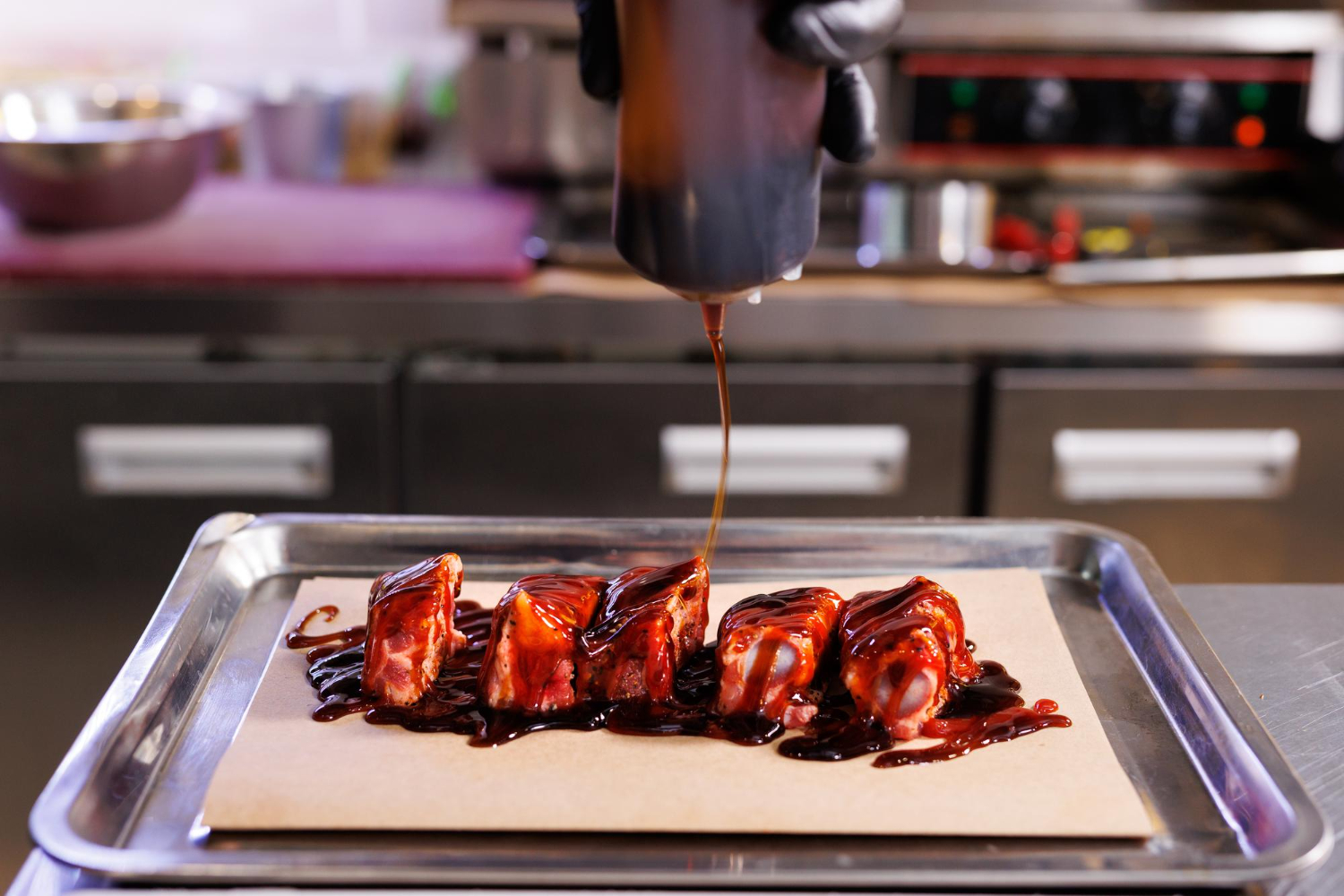
Kansas City barbecue is known for its variety. Thick, sweet, tomato-based sauce is the signature.
Kansas City barbecue is known for its variety, smoking everything from ribs and brisket to chicken and sausage, but its true signature is the thick, sweet, tomato-and-molasses-based sauce that coats much of what comes off the smoker. A local specialty, burnt ends, the flavorful, caramelized end pieces of a smoked brisket, has become a beloved dish in its own right. Kansas City barbecue is defined by its bold, sweet sauce and its embrace of variety, a tradition that draws from multiple meats and techniques while unifying them under that thick, tangy-sweet glaze the city is famous for.
4. North Carolina (Eastern): Whole Hog and Vinegar
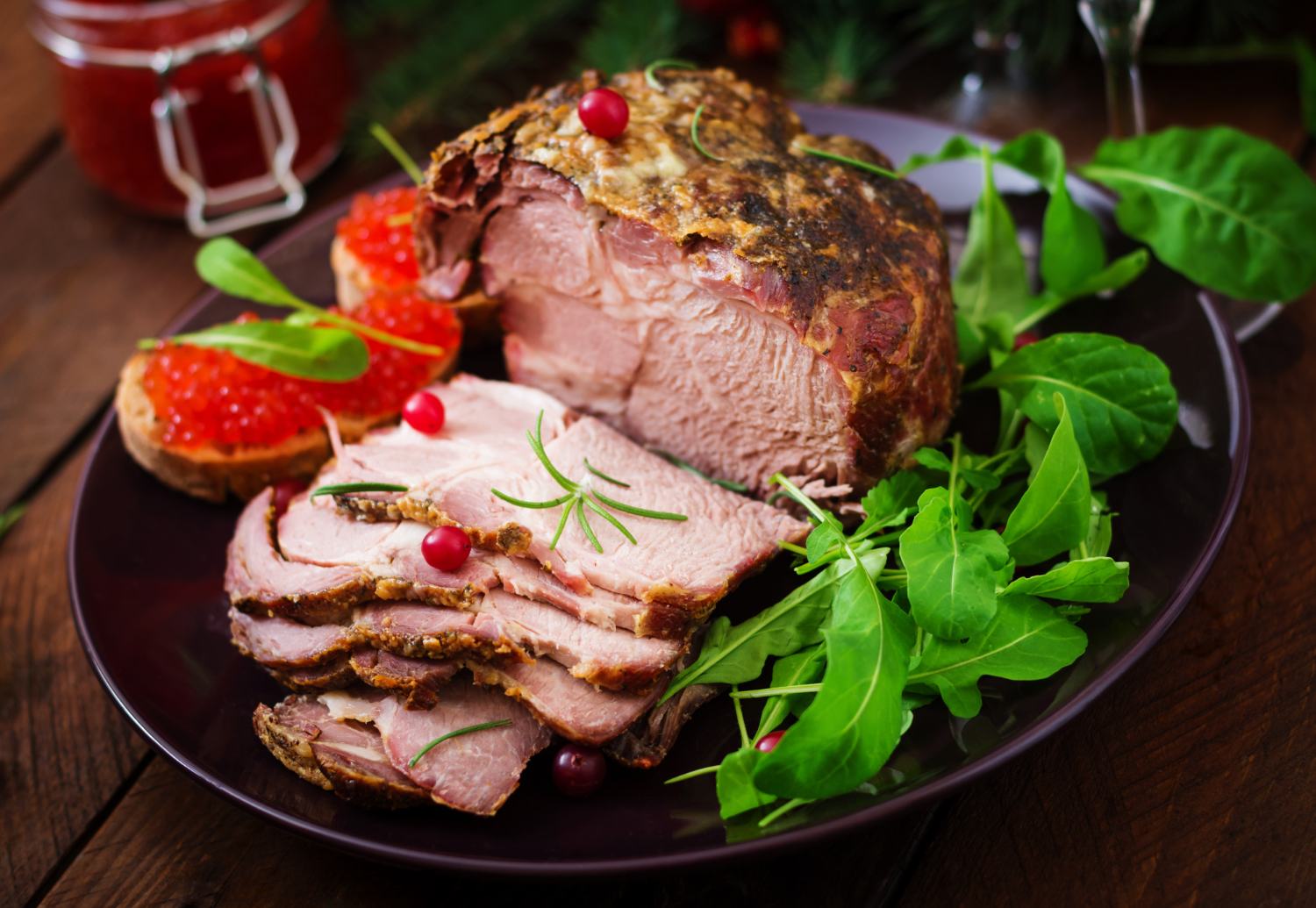
Eastern North Carolina smokes the whole pig. A thin, peppery vinegar sauce is the hallmark.
Eastern North Carolina barbecue traditionally smokes the whole hog, chopping the meat and mixing dark and light cuts together, then dressing it with a thin, peppery vinegar-and-pepper sauce that cuts through the richness of the pork without masking its smoky flavor. There’s no tomato in sight in this style. It’s a tangy, distinctly different approach to barbecue sauce. Eastern North Carolina barbecue is defined by its whole-hog technique and sharp vinegar sauce, one of the country’s oldest barbecue traditions, reflecting a simple, historically rooted approach that predates the sweeter, tomato-based sauces found elsewhere.
5. South Carolina: Mustard-Based Sauce

South Carolina is known for its golden mustard sauce. It’s a regional twist unique to the state.
South Carolina barbecue is best known for its distinctive golden, mustard-based sauce, a tangy blend of yellow mustard, vinegar, and spices found largely within the state’s borders and rarely seen elsewhere in the country. Rooted in the German heritage of early settlers in the region, it’s typically paired with smoked pork. The bright yellow color makes it instantly recognizable. South Carolina barbecue is defined by its unique mustard sauce, a genuinely distinctive regional twist that sets it apart from every other major American barbecue tradition and reflects the specific immigrant history of the area that created it.
6. Alabama: White Barbecue Sauce
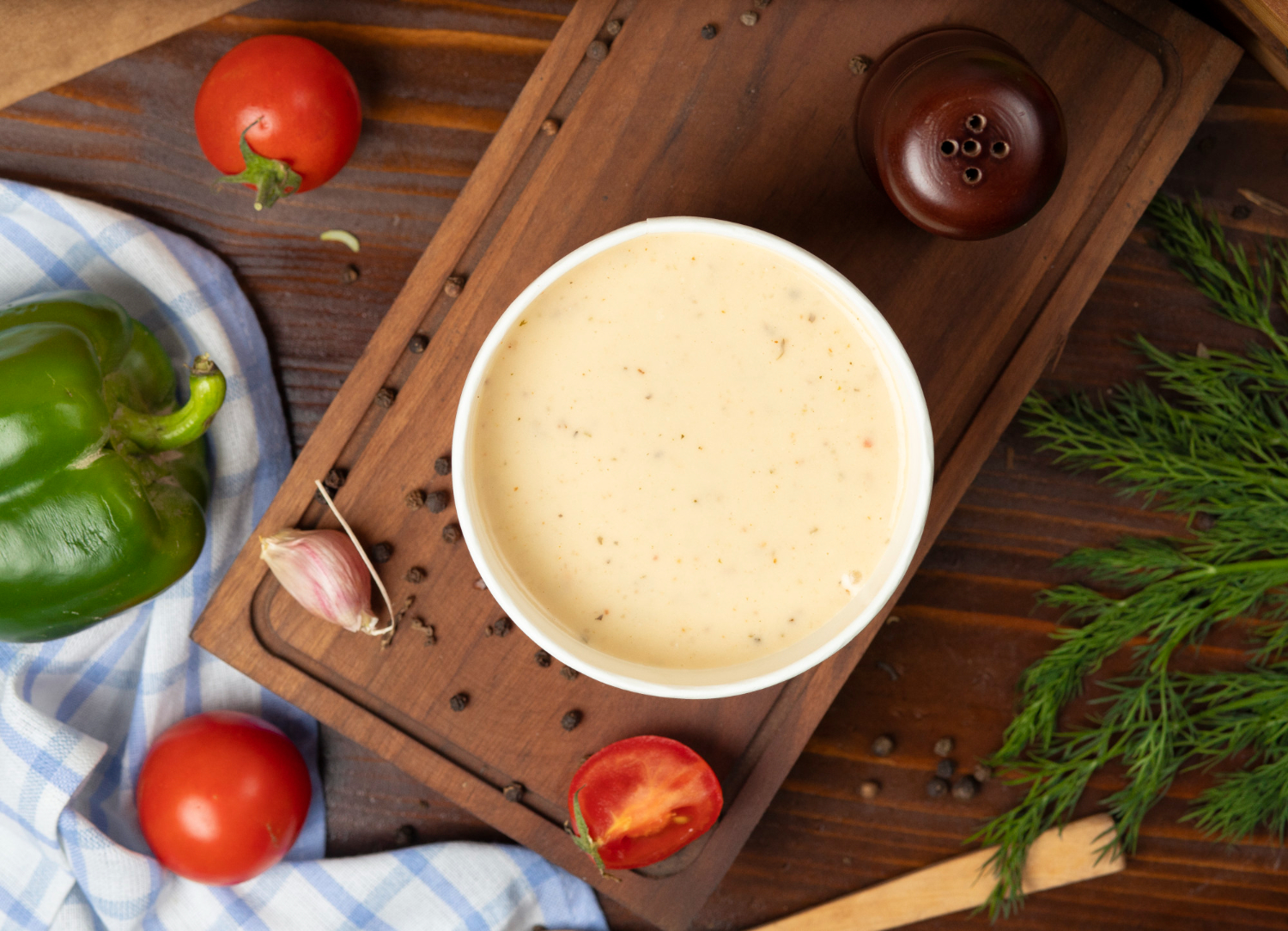
Alabama is famous for its mayonnaise-based white sauce. It’s typically served with smoked chicken.
Alabama barbecue is defined by an unusual regional creation, white barbecue sauce, a tangy, peppery blend built on a mayonnaise base rather than tomato or mustard, traditionally drizzled or dunked over smoked chicken. Originating in North Alabama, it offers a creamy, tangy contrast to the smoky meat that’s unlike any other regional sauce. It’s a beloved local specialty with passionate devotees. Alabama barbecue is defined by its distinctive white sauce, a creamy, tangy creation found almost nowhere else, giving the state a barbecue identity entirely its own within the broader American barbecue landscape.
7. St. Louis: Pork Steaks and Snap-Cut Ribs
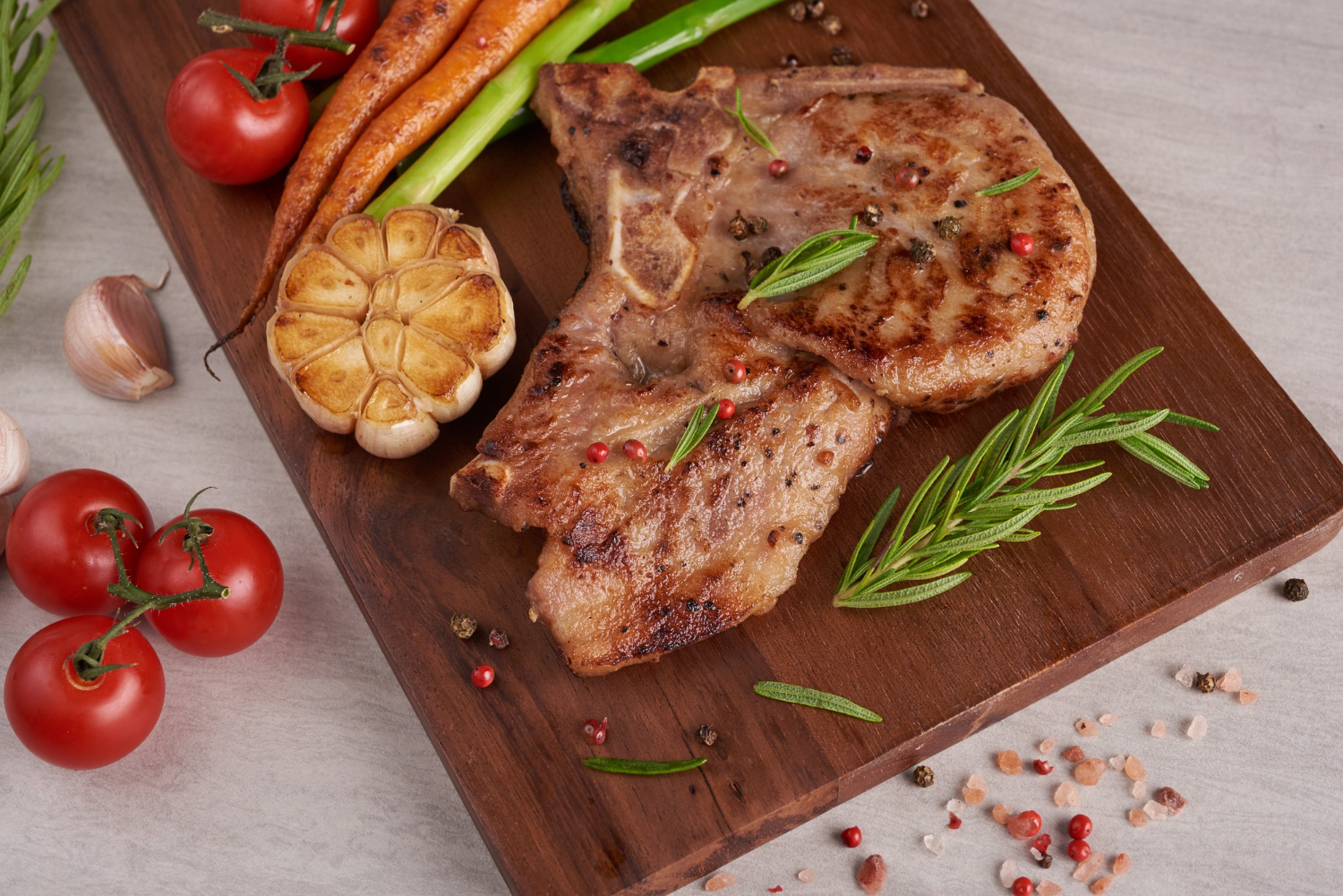
St. Louis barbecue favors pork steaks and trimmed ribs. Its style has its own local character.
St. Louis barbecue has developed its own local character, centered on pork steaks, thick-cut slices from the shoulder, grilled and often finished with sauce, alongside “St. Louis-style” spare ribs, trimmed of the rib tips and breastbone into a neat, rectangular rack that has become a widely used cut nationwide. The sauce here tends toward sweet and tomato-based. St. Louis barbecue is defined by its distinctive cuts, particularly the pork steak and the trimmed rib style that now bears the city’s name, a practical, community-cookout tradition with its own set of local favorites.
8. Kentucky: Smoked Mutton
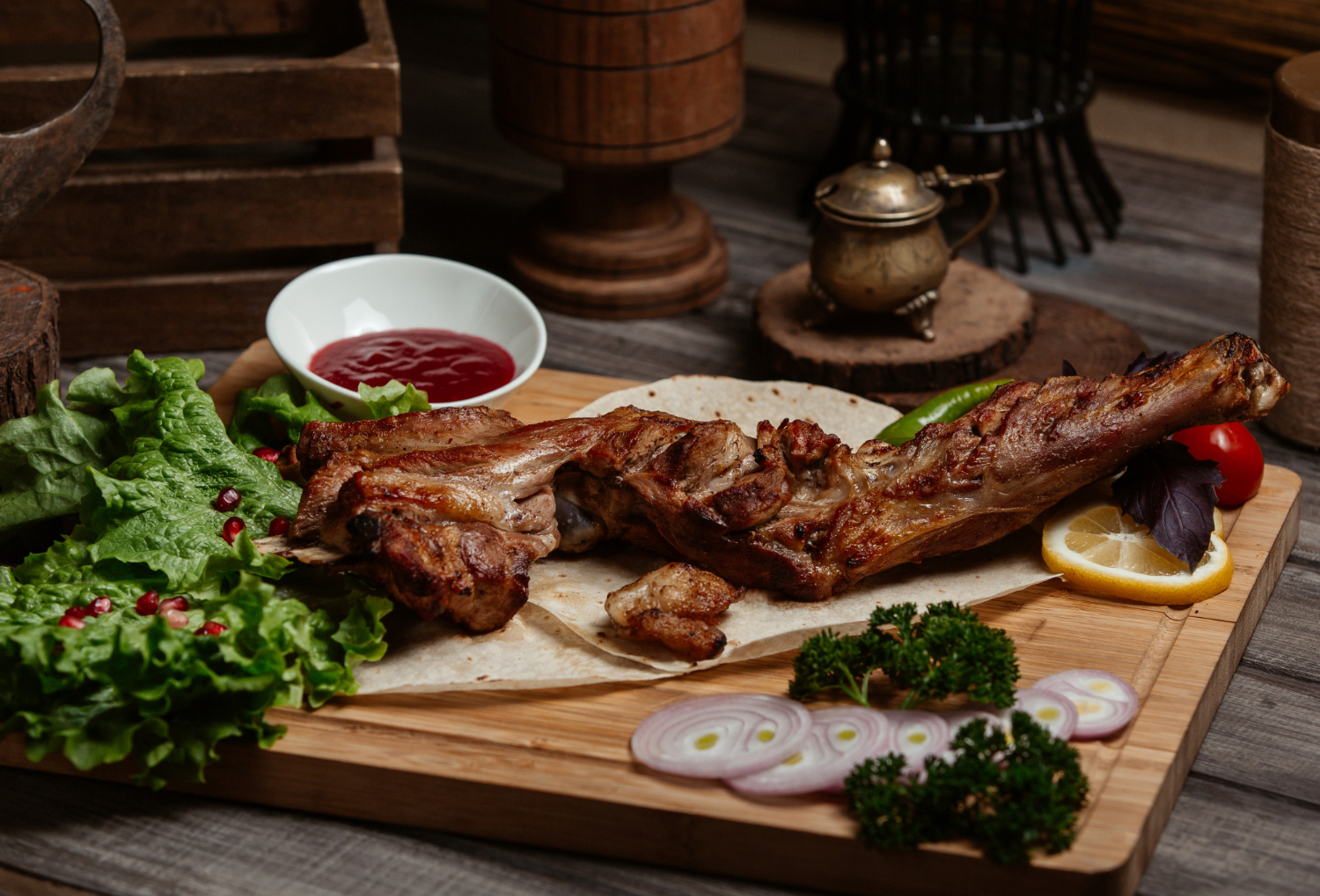
Kentucky, especially around Owensboro, favors mutton. A Worcestershire-based “black dip” sauce is traditional.
Kentucky barbecue, particularly around the western city of Owensboro, stands out for its use of mutton, smoked slowly and traditionally basted or served with a thin, dark Worcestershire-based sauce sometimes called “black dip.” This tradition dates back generations and reflects the sheep-farming history of the region. It remains a rare and cherished regional specialty. Kentucky’s mutton barbecue is defined by its unusual meat choice, a distinctly regional tradition that sets it apart from the beef and pork that dominate barbecue nearly everywhere else in the country, a genuinely unique taste of local history.
A Delicious, Divided Map
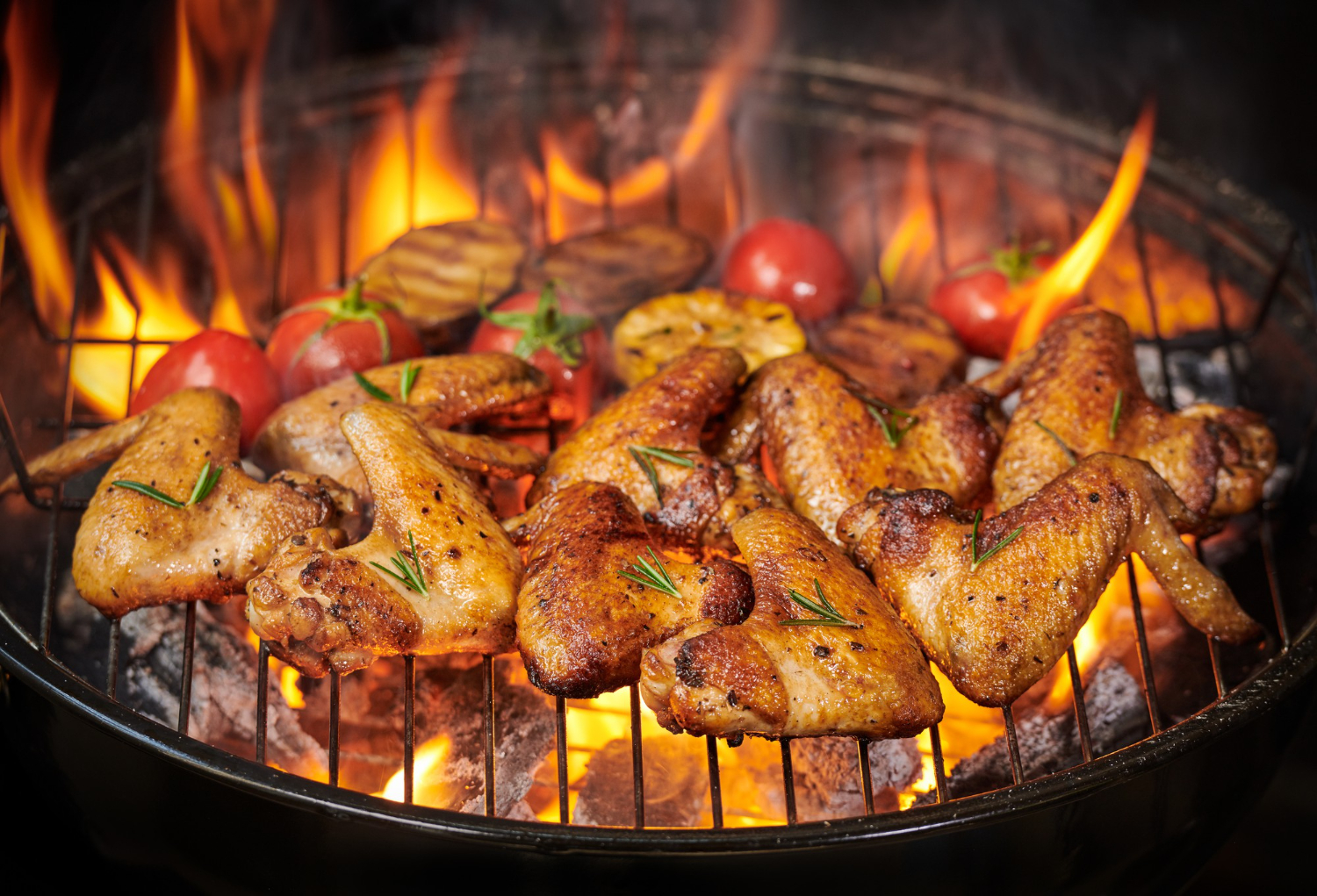
Taken together, these eight styles show just how regionally diverse American barbecue really is, from Texas beef and Carolina vinegar to Alabama’s mayonnaise-based sauce and Kentucky’s smoked mutton. Rather than one national cuisine, barbecue is really a delicious, proudly divided map, with each region defending its own traditions with real passion.
Like our content? Follow us for more.