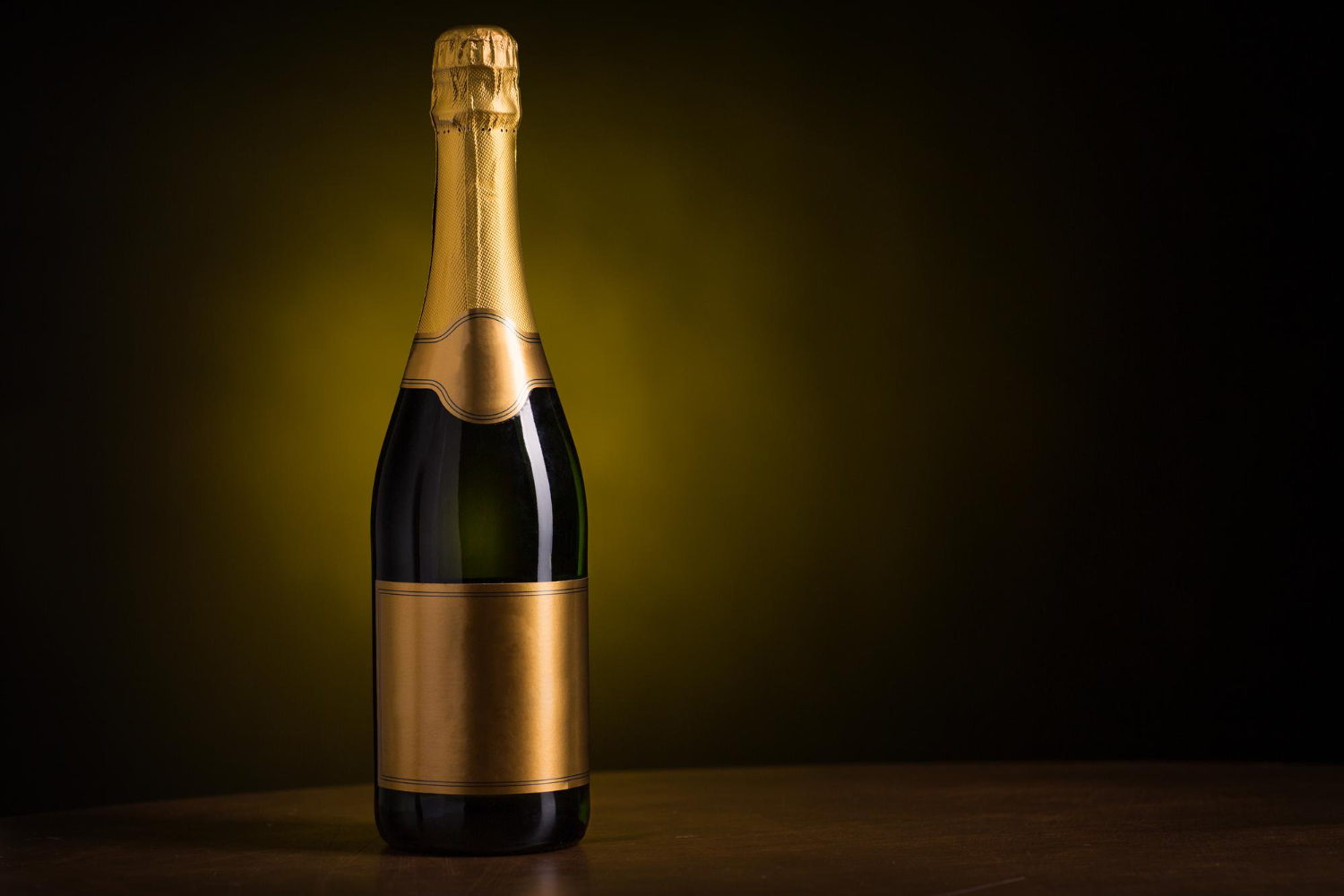
A bottle of champagne is under roughly five to six atmospheres of pressure. That is comparable to the pressure at a depth of around 50 metres of water, and about three times the pressure in a typical car tyre.
It is contained by a thick glass bottle with a deep indentation in its base, a cork compressed into the neck, and a wire cage holding the cork down. Every one of those features is a solution to the same problem, and that problem was, for a long time, considered a catastrophe rather than a selling point.
The wine was known in the Champagne region as le vin du diable — the devil’s wine — because nobody could work out why bottles were exploding in the cellars.
The story of how a fault became the most celebrated quality in wine involves a misattributed monk, a chain reaction in French cellars, and a seventeenth-century English law about firewood. Here is what actually happened.
The Accident in the Cellar
The bubbles were originally a seasonal accident with a straightforward cause that nobody understood at the time.
Champagne is a northern wine region with cold winters. Wine fermenting in autumn would be interrupted when temperatures dropped, because yeast becomes dormant in the cold. Winemakers, seeing fermentation apparently complete, would bottle the wine, cork it, and store it in the cellars.
Then spring arrived. The cellars warmed, the yeast woke up, and fermentation resumed — this time inside a sealed bottle, with the carbon dioxide unable to escape.
Pressure built until something gave. Corks were ejected; bottles shattered. And because bottles were stored stacked together, one failure could set off a chain reaction through a cellar, destroying enormous quantities of wine and posing a real hazard to anyone working nearby.
Nobody understood the microbiology, so explanations reached elsewhere. Some blamed malevolent spirits. The name stuck.
Like our content? Follow us for more.
What Dom Pérignon Actually Did

Pierre Pérignon was a Benedictine monk and cellar master at an abbey in the Champagne region in the late seventeenth century, and his reputation is almost exactly backwards.
He did not invent sparkling champagne. He was one of a number of people charged with curing the wines of their expensive and dangerous tendency to fizz.
The famous quotation — an exclamation about coming quickly because he was tasting the stars — is a myth with no contemporary basis. It appears to have emerged much later, and it has the unmistakable shape of marketing.
None of this means he was unimportant. He made substantial and well-documented contributions to winemaking in the region: blending techniques that improved consistency, careful handling of grapes, and improvements in pressing. When tastes eventually shifted and fizz became fashionable rather than faulty, his mandate reversed, and he worked on production methods including approaches to carbonation.
But the accurate description is that he refined a wine and improved a region’s practice, rather than discovering bubbles. As one account puts it, in the development of champagne he was a supporting actor rather than the star.
The wine was not deliberately and regularly produced as a sparkling style in Champagne until the nineteenth century.
The English Fuel Law
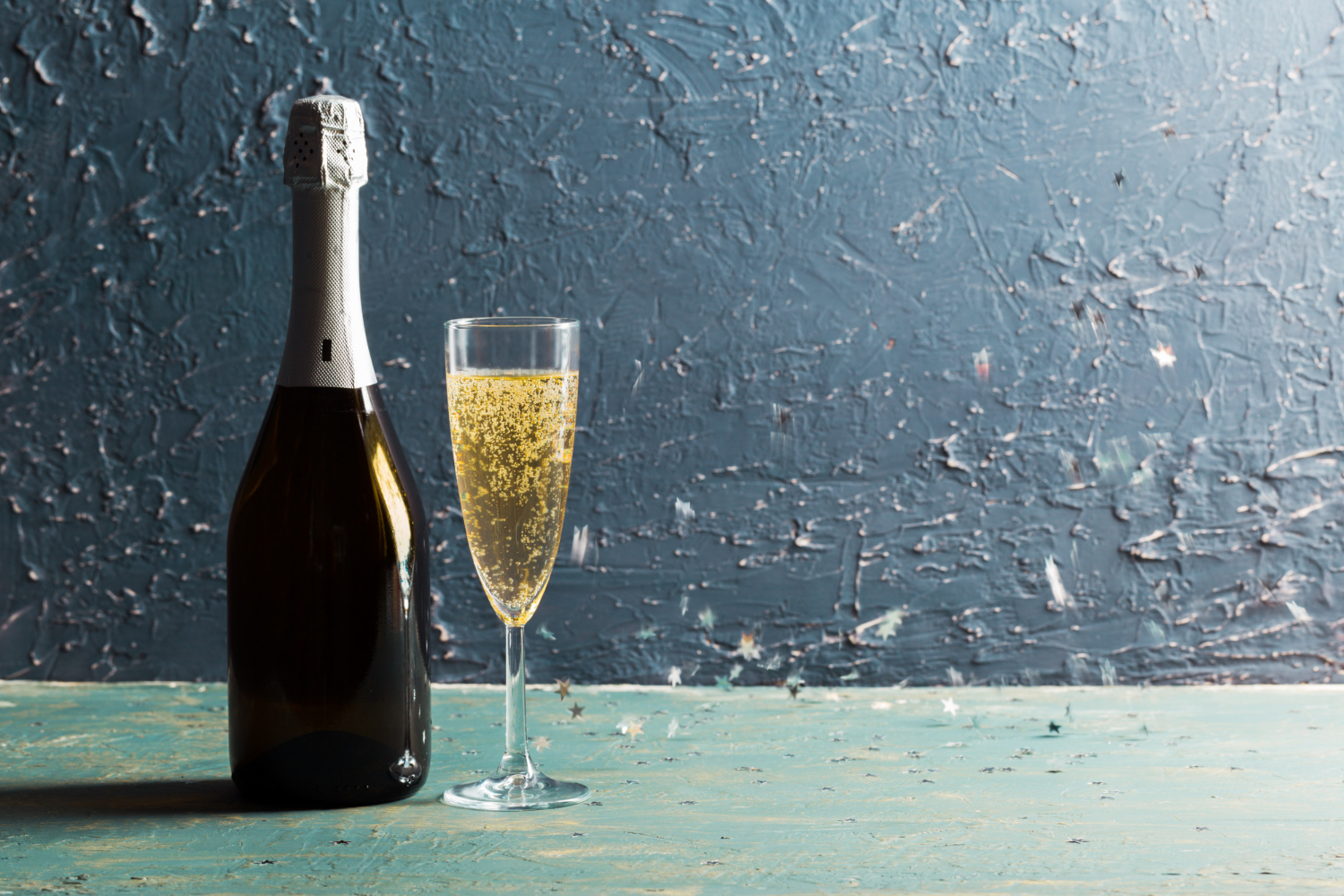
Here is the part of the story almost nobody knows, and it is the reason champagne exists in a bottle at all.
The exploding-bottle problem was fundamentally a materials problem. French glass of the period simply could not withstand the pressure.
Wine at the time was shipped across the Channel in barrel rather than bottle, and merchants in Britain bottled it themselves. The sparkling tendency travelled with it — but in England the bottles held.
The reason traces to an unrelated piece of legislation. In 1615, Parliament banned the use of wood as fuel, in order to preserve timber for shipbuilding. Glassmakers switched to coal, which burns hotter. Hotter furnaces produced stronger, more durable glass.
So English coal-fired bottles could contain a pressure that French wood-fired bottles could not, and the sparkling wine that was a disaster in a Champagne cellar was a novelty that survived intact in London.
That is a truly satisfying causal chain: a timber conservation measure produced a fuel switch, which produced better glass, which made it possible to keep bubbles in a bottle on purpose.
Stronger French glass followed later, with the exploding-bottle problem tackled directly in the nineteenth century, alongside other refinements including the riddling process for removing sediment, developed by a widow whose name remains on a well-known label.
How the Bubbles Get In
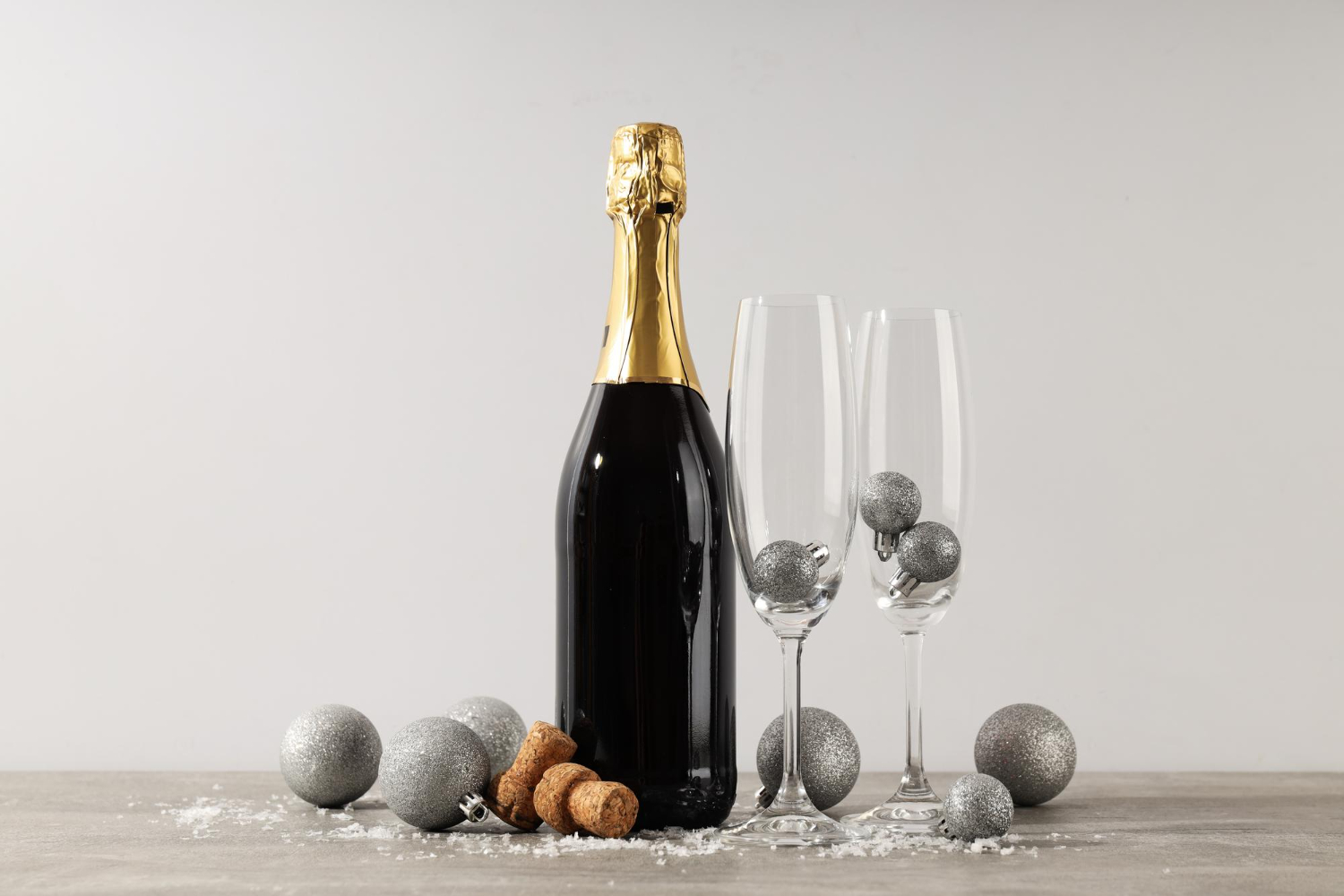
The modern method is deliberate, and the mechanism is the same one that used to wreck cellars.
A base wine is made through an ordinary first fermentation. That still wine is then bottled together with a measured mixture of yeast and sugar, and sealed.
A second fermentation takes place inside the sealed bottle. The yeast consumes the added sugar, producing alcohol and carbon dioxide, and because the bottle is closed, the gas has nowhere to go. It dissolves into the wine under increasing pressure.
By the time the yeast has finished, the bottle holds roughly 9 to 10 grams of dissolved carbon dioxide per litre, at about five to six atmospheres of pressure. Most of the CO2 is dissolved in the liquid rather than existing as bubbles; it only becomes bubbles when the pressure is released.
The dead yeast then has to be removed, which is what riddling and disgorgement accomplish — gradually rotating and tilting the bottles so the sediment collects in the neck, then removing that plug.
This bottle-fermented method is what distinguishes traditional-method sparkling wines from those carbonated in a tank, which is faster and tends to produce larger bubbles because the gas is trapped in a large vessel rather than in the bottle.
The Physics of the Pop

The numbers involved in opening a bottle are more dramatic than they appear.
A 0.75 litre bottle must release around five litres of CO2 — roughly six times its own volume — for the liquid to reach equilibrium once opened. About 80 percent of that simply diffuses out of the surface, with the remainder forming the visible streams of bubbles.
There is enough dissolved gas to generate something in the region of 20 million bubbles from a single bottle.
The pressure explains the cork’s behaviour. Released suddenly, a cork can leave the bottle at speeds reported up to around 30 miles per hour, which is why every serious source advises easing it out rather than launching it — and why the wire cage exists.
There is a practical argument for restraint beyond safety. As much as 80 percent of the dissolved CO2 can be lost in a violent opening, so easing the cork out slowly preserves more of the gas in the wine, which is the entire point of the drink.
The punt — the deep indentation in the base — contributes to the bottle’s ability to withstand internal pressure, and modern bottles have been refined with sturdier glass and greater curvature at the base.
Why the Bubbles Are Small
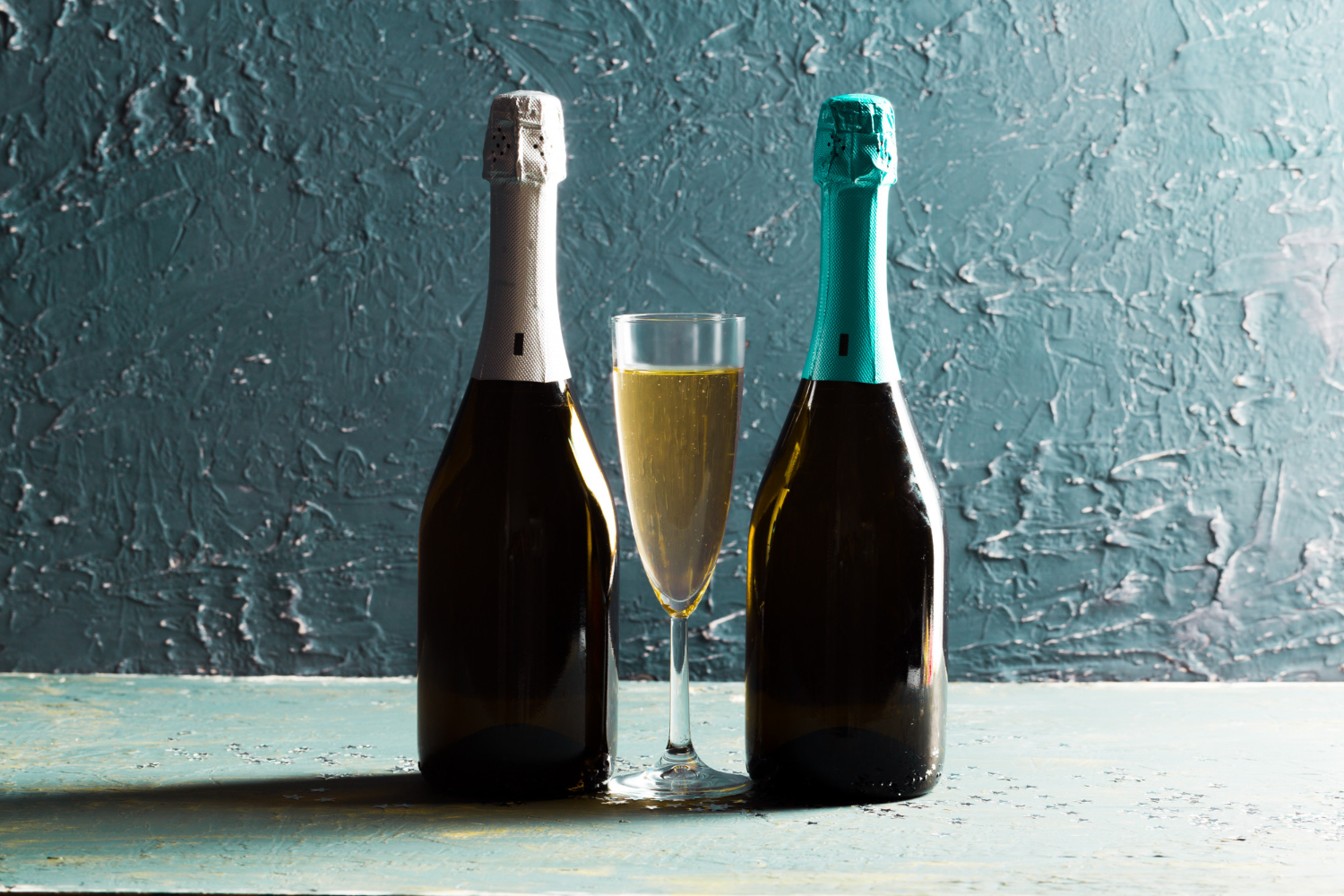
One detail separates a well-made traditional-method sparkling wine from a cheaply carbonated one, and it comes down to where the gas was dissolved.
In the bottle-fermented method, carbon dioxide is produced slowly by yeast inside a sealed bottle over months or years, and it dissolves into the wine gradually and thoroughly under steadily increasing pressure. In tank-carbonated wines the gas is introduced into a large vessel far more quickly.
The result is a difference in how the gas comes out of solution. Slowly dissolved gas in a bottle-fermented wine tends to produce finer, more persistent bubbles; faster methods tend to produce larger ones.
Bubble size also depends on things that have nothing to do with quality. Older bottles have smaller bubbles, because some gas has escaped through the cork over time and less remains dissolved. Less sugar added at the second fermentation means less gas and smaller bubbles, which is part of why drier styles have become associated with finer beads.
And the glass matters more than the wine snobbery suggests, though not in the way usually claimed. Researchers have noted that the weight of liquid above affects bubble size, so the shape and fill level of a glass changes what you see.
The bubbles themselves also do work beyond appearance: as they rise, they carry aromatic compounds to the surface, which is part of why sparkling wine smells the way it does.
A Fault That Became the Point
What makes this history worth knowing is how completely the value judgement inverted.
For decades, bubbles in the wines of Champagne were a defect. They destroyed stock, endangered cellar workers, and had no explanation. Considerable effort went into eliminating them, and the region’s most famous name belongs to a man who was part of that effort.
Then fashion changed, the English happened to have bottles strong enough to hold the pressure, and the fault became the feature. Everything that followed — the second fermentation, the riddling, the reinforced glass, the wire cage — is engineering built around deliberately reproducing an accident that people had spent years trying to prevent.
So the next time a bottle is opened at a celebration, the accurate version is this: the monk on the label was trying to stop that from happening, the bottle is strong enough to allow it because of a seventeenth-century English law about firewood, and the sound everyone waits for used to be the noise of somebody’s cellar being destroyed.
Like our content? Follow us for more.