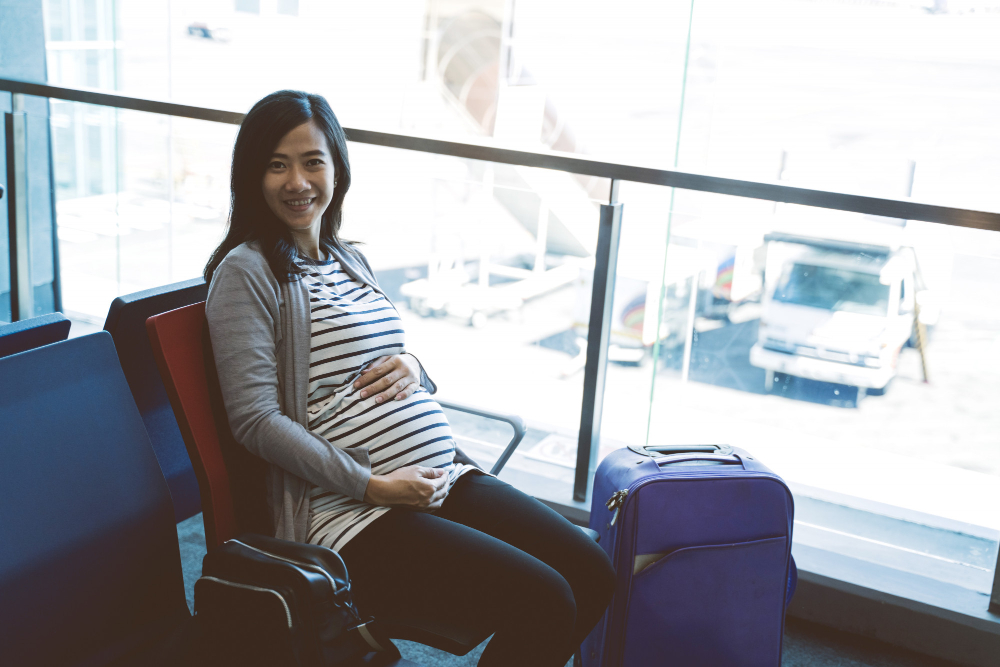
Airlines set their own limits on carrying passengers during a pregnancy, and they are commercial and operational decisions rather than medical judgements about any individual: an aircraft has no obstetric facility and a diversion is the only response available in the air.
The rules are published, specific, applied at check-in, and differ between carriers and sometimes between routes. The clinical side of this subject belongs entirely with a doctor or midwife, and nothing here addresses it. What follows is the paperwork. Here are fifteen things that decide whether a journey happens.
1. Every airline sets its own cut-off, and they are not the same

There is no single industry rule. Each carrier publishes a point in a pregnancy beyond which it will not carry a passenger, and the points differ between airlines and sometimes between short and long routes on the same airline.
The restriction is a commercial and operational decision rather than a medical judgement about any individual. An aircraft has no obstetric facility and a diversion is the only response available in the air, which is what the published limits are built around.
Find the specific carrier’s published policy for the specific route, in writing, before booking. Do not rely on what another airline allowed last year.
Like our content? Follow us for more.
2. The cut-off is measured against the return, not the departure

This is the mistake people make. A policy stated as a limit applies to every flight in the itinerary, which means the date that matters is the last one, and a trip that is comfortably inside the limit on the way out can be outside it on the way back.
Airlines apply it at check-in on the day, on the information in front of them, and a passenger who can fly out and not back is in a considerably worse position than one who could not fly at all.
Calculate against the final flight of the journey, including any connection, and add margin for a delay or a change of plan.
3. Past a certain point a letter is required, in the form the airline specifies

Most carriers require written confirmation from a doctor or midwife beyond a published point, typically stating the stage of the pregnancy, the expected date, that it is progressing normally and that the person is fit to fly.
The requirements are specific: some airlines require the letter to be dated within a set period before travel, some require it on letterhead, some have their own form, and a letter that does not meet the format is sometimes refused at the desk.
Download the airline’s own form if it has one, have it completed within their stated window, and carry it in hand baggage rather than in a case.
4. Multiple pregnancies have earlier limits
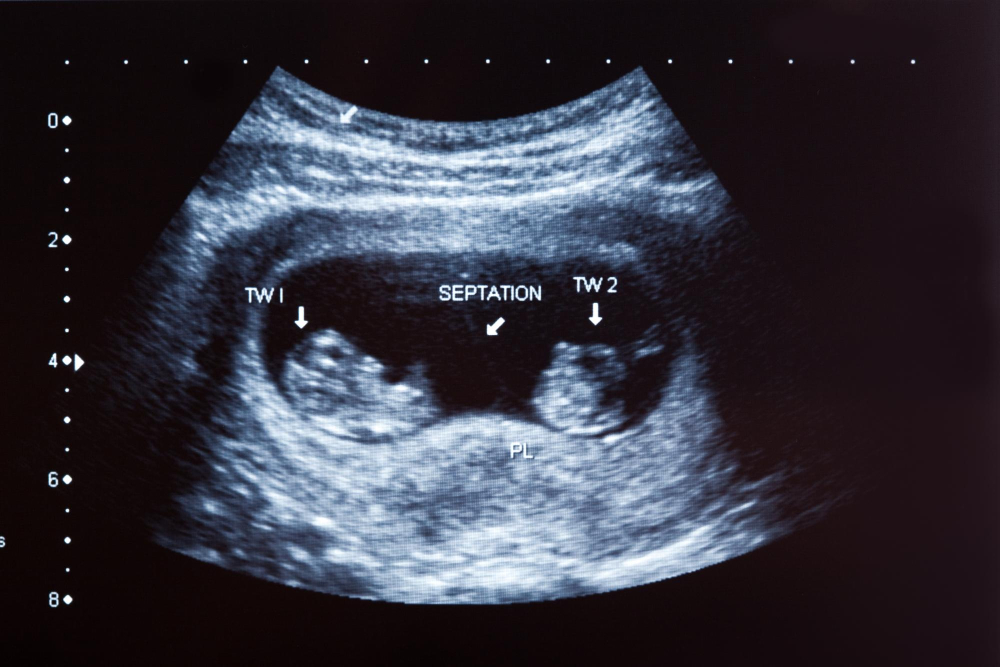
Carriers apply earlier cut-offs where more than one baby is expected, and the documentation requirements usually start earlier too. The policies state both figures separately.
This catches people who have read the headline figure and not the detail underneath it. The difference between the two limits can be substantial in terms of the dates a trip is possible.
Read the policy for the specific circumstance rather than the general figure, and confirm it with the airline against your booking.
5. Travel insurance has to cover pregnancy explicitly

Policies vary widely. Some cover pregnancy as standard up to a stated point, some exclude it, some exclude anything to do with childbirth, and some require declaration as a pre-existing circumstance even where the pregnancy is entirely ordinary.
What is almost universally excluded is routine antenatal care and a planned birth abroad. What matters is cover for an unexpected medical situation, and separately whether a newborn would be covered if a birth happened unexpectedly away from home.
Read the pregnancy and childbirth wording before buying, ask the insurer the newborn question directly, and get the answer in writing.
6. A birth abroad creates documentation consequences that take months

Where a baby is born in another country, the local registration process applies, and the family then needs a local birth certificate, a consular registration or report of birth where their country offers one, and a first passport before the child can travel.
None of that is quick. Processing times run to weeks or months in normal circumstances, and the family cannot leave until the child has a travel document, which means a stay far longer than the trip.
This is the structural reason the airline limits exist, and it is the consideration that should weigh most heavily in a decision about a long trip late in a pregnancy.
7. Nationality rules for a child born abroad are not uniform
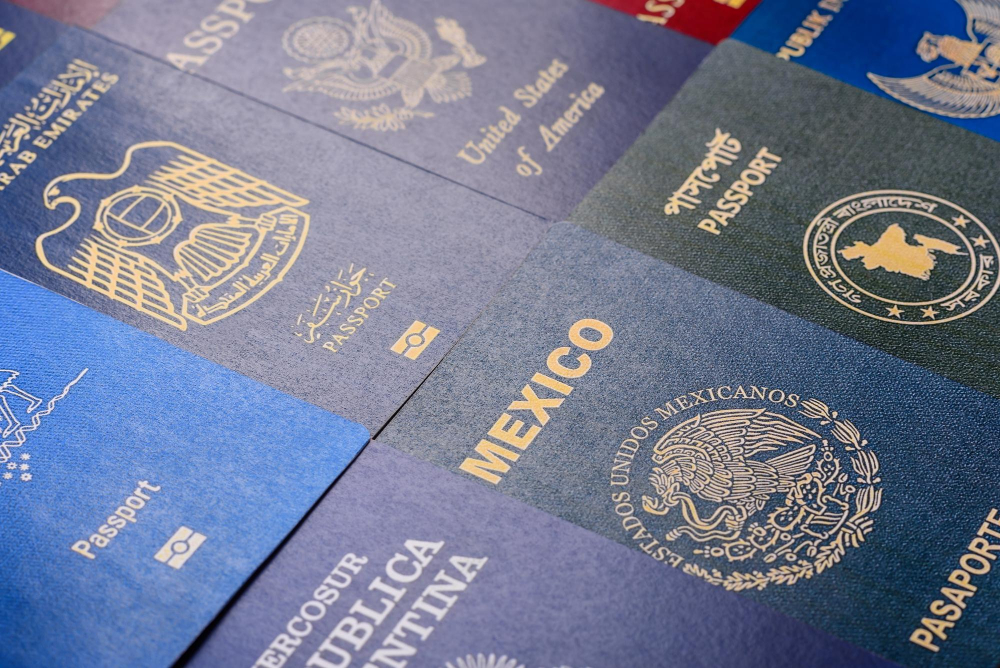
Some countries grant nationality by place of birth and some by descent, which means a baby born abroad may acquire a nationality the family did not expect, may not automatically acquire the parents’ nationality, or both.
Transmission by descent sometimes has conditions — registration within a time limit, a parent’s own residence history, a particular marital status at the time of birth — and the conditions are easy to miss.
If a birth abroad is a realistic possibility, read both countries’ published rules on nationality by descent and by birthplace before travelling.
8. What the destination’s healthcare costs, and whether you can use it

Reciprocal health arrangements where they exist often do not cover maternity care, and private care abroad is charged at commercial rates with payment expected at the time. Some facilities require a deposit before admitting a patient.
The cost of unexpected care, particularly if specialist facilities are involved, is of an order that insurance exists for and savings generally do not meet. This is the same reason the evacuation limit matters in a policy.
Establish what your policy covers, what the destination charges, and whether your insurer has a direct billing arrangement with facilities there.
9. Vaccination and medication questions belong with a doctor, not an article

Some destinations have vaccination requirements or recommendations, and some have disease risks for which medication is normally advised. Which of those are appropriate during a pregnancy is a clinical question with a clinical answer that differs by person and by destination.
Nothing in this file addresses it, and nothing published generally should be relied on for it. The relevant conversation is with a doctor or a travel health clinic, with the specific destination and the specific circumstances in front of them.
Book that appointment early, because some requirements involve a course given over weeks and the timing matters.
10. Some destinations carry advisories specific to pregnancy

Public health authorities periodically advise against travel to particular regions during pregnancy, and those advisories are published, updated and specific to the place and the time. They are not permanent features of a destination.
An advisory of that kind also interacts with insurance, because travelling against official advice is excluded by most policies, which can remove cover for everything rather than only for the matter the advisory concerned.
Check your own country’s current published travel health advice for the destination before booking and again before departure, and check what your policy says about travel against official advice.
11. Seat choice and the belt matter more than usual
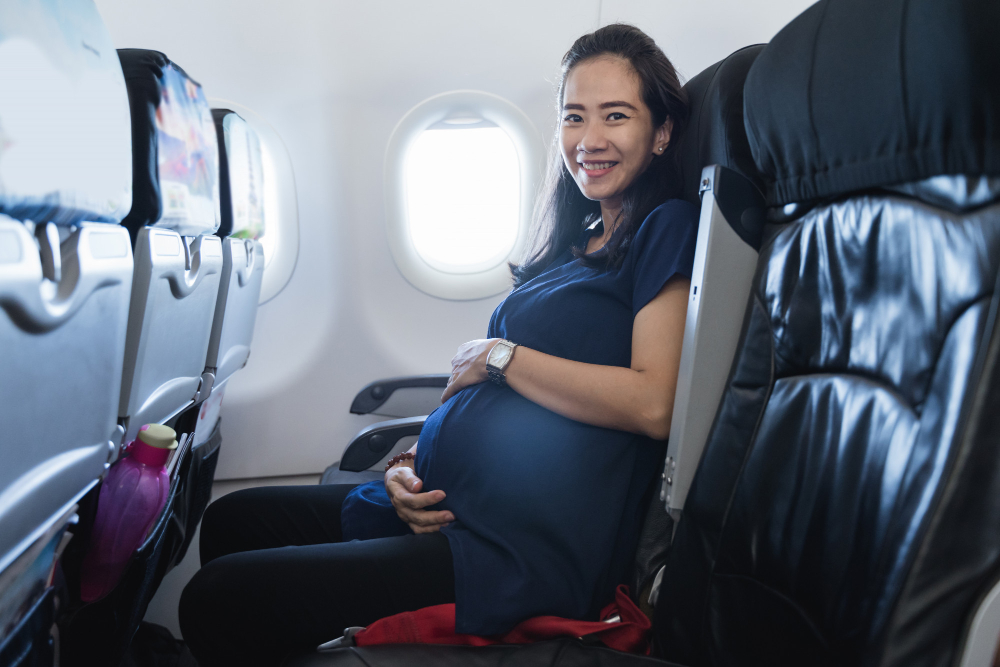
An aisle seat allows movement without climbing over people, a seat near the front reduces the walk, and a bulkhead seat gives space. Airlines will often allocate a suitable seat on request and sometimes without charge.
The seatbelt should sit low, below the bump rather than across it, and cabin crew can supply an extension if the standard belt is short. It stays fastened in the same circumstances as anybody else’s.
Request the seat when you book rather than at check-in, and ask crew for a belt extension if you need one rather than leaving the belt loose.
12. Long flights and long periods of sitting need planning

Prolonged immobility is a recognised consideration on long flights for all passengers and more so during pregnancy, and the general measures — moving about the cabin when it is safe to, drinking water, loose clothing — are the ones airlines publish.
Anything beyond those general measures, including whether compression stockings or any medication are appropriate, is an individual clinical question. It differs by person and it is not something an article can answer.
Ask your doctor or midwife what they recommend for your circumstances and for the length of flight you are planning, before you book a long route.
13. Security screening is routine and you can ask

Walk-through metal detectors and the body scanners in general use are considered safe by the authorities that operate them, and passengers are screened normally. A passenger who would prefer not to use a scanner can usually request a physical search instead.
That request is generally accommodated without difficulty and does not require an explanation or a document. It may take a few minutes longer and may involve a private screening area.
If you would rather be searched by hand, say so at the point of screening. It is an ordinary request.
14. Tell the airline, and tell them early

Airlines do not generally require advance notification before their documentation threshold, but telling them means the booking carries a note, the seat request is on record, and any question about the policy is resolved weeks before a desk is involved.
It also matters for disruption. If a flight is cancelled and rebooked onto a later date, a passenger close to a cut-off can find the replacement flight is outside it — and a booking with a note on it is handled better than one without.
Call the airline after booking, get the policy confirmed in writing against the booking reference, and keep that message.
15. And the sequence that makes all of this straightforward

In order: speak to your doctor or midwife about the trip you are considering; check the specific airline’s policy for the specific route and calculate it against the final flight; buy insurance after reading the pregnancy and childbirth wording and asking the newborn question; obtain the airline’s letter in their format inside their window.
Then carry it all in hand baggage: the letter, the insurance policy number and emergency line, your maternity notes or their digital equivalent, and a note of a contact at home.
The honest summary: the cut-off is calculated against the return flight and that is where people come unstuck, the letter has to be in the airline’s own format and inside their window, insurance that excludes childbirth is the expensive gap, and the documentation and nationality consequences of a birth abroad are the reason the limits exist at all. Every clinical question in this subject belongs with a doctor or midwife and not with an article.
Where the paperwork goes wrong

Three failures account for most of the trouble, and all three are administrative rather than medical.
The cut-off calculation is the first. It applies to every flight in the itinerary including connections, so the governing date is the last one, and a passenger who can fly out but not back is in a far worse position than one who could not travel at all. Multiple pregnancies carry earlier limits, stated separately in the same policy, and the headline figure is the one people read.
The letter is the second. Beyond a published point most carriers require written confirmation from a doctor or midwife giving the stage, the expected date, that the pregnancy is progressing normally and fitness to fly — and they are specific about format, letterhead, their own form, and how recently it must be dated. A letter that does not meet the format is sometimes refused at the desk.
The insurance is the third and the most expensive. Routine antenatal care and a planned birth abroad are almost universally excluded; what matters is cover for an unexpected situation and, separately, whether a newborn would be covered if a birth happened away from home. Behind that sits the reason the limits exist: a birth abroad means local registration, a consular report where one is offered, and a first passport before the child can travel, which takes weeks or months.
The order that makes this simple. Speak to your doctor or midwife about the trip you are considering, including anything to do with vaccinations, medication, long flights or a particular destination — all of which are clinical questions this file deliberately does not answer. Then check the specific carrier’s published policy for the specific route and calculate it against the final flight. Then buy insurance, after reading the pregnancy and childbirth wording and asking the insurer the newborn question in writing. Then obtain the airline’s letter, in their format, inside their window.
Tell the airline after booking and get the policy confirmed in writing against the booking reference, because a booking with a note on it is handled better when a cancellation pushes a flight onto a later date.
And carry it all in hand baggage: the letter, the policy number and its emergency line, your maternity notes or their digital equivalent, and a contact at home.
Like our content? Follow us for more.