Ask what the longest tunnel in the world is and the answer most people reach for is a railway. The Gotthard Base Tunnel through the Alps is the longest rail tunnel at around thirty-five miles, it is a genuinely remarkable piece of engineering, and it is not the longest tunnel.
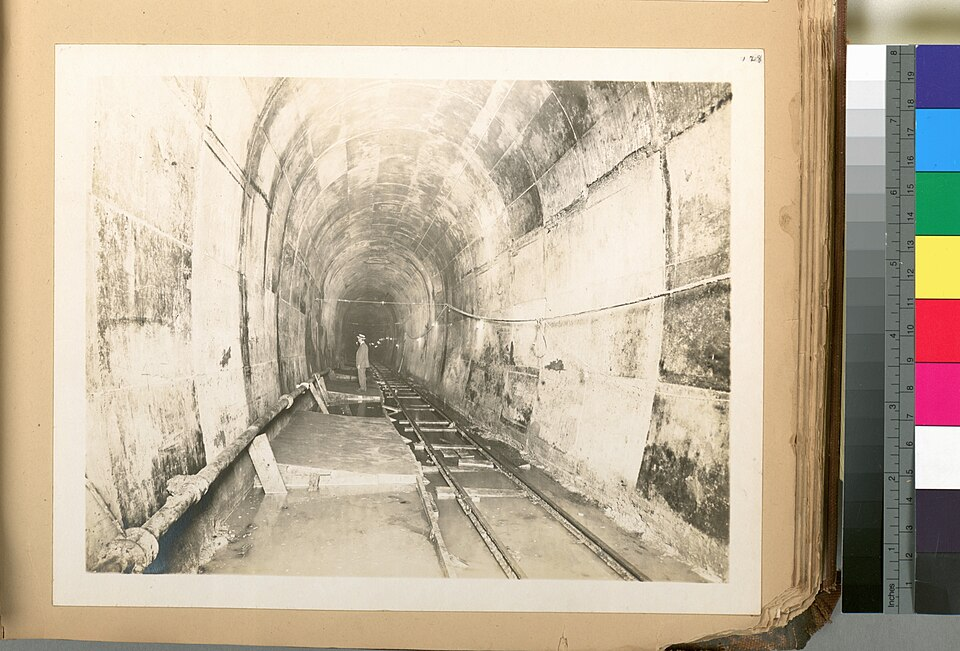
That distinction belongs to a water tunnel in New York State, driven through rock between the 1930s and the 1940s, which runs for about eighty-five miles and has no station, no carriageway and no occupants. It is longer than every rail and road tunnel on the planet and most people who depend on it have never heard of it.
The tunnel nobody thinks about
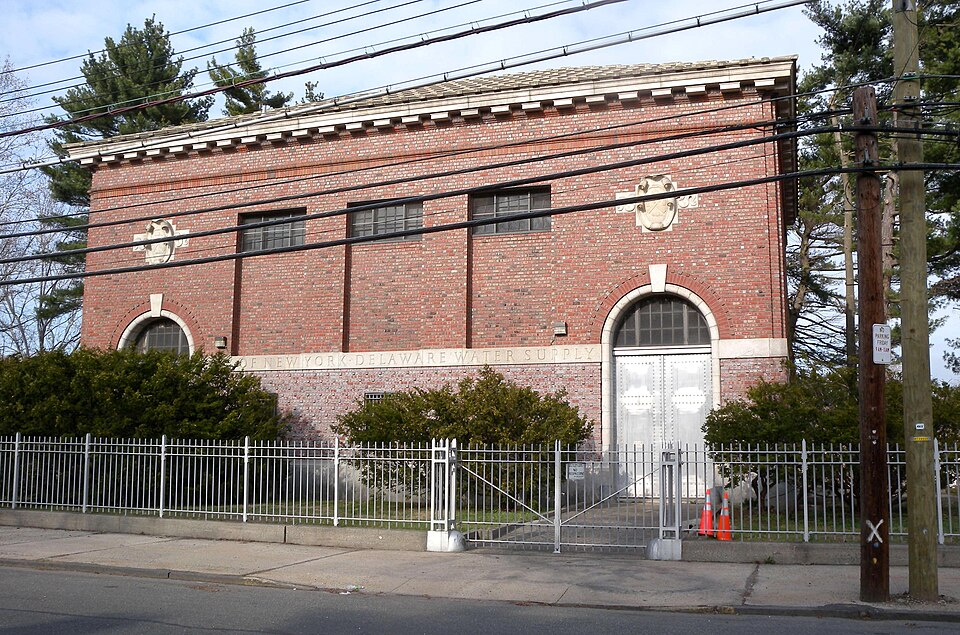
The Delaware Aqueduct brings water from reservoirs in the Catskill mountains to New York City, flowing by gravity through a bored and lined tunnel at depths that in places exceed a thousand feet. It supplies roughly half of the city’s drinking water and it has run continuously for most of its life.
The reason it is remarkable is the reason it is also a problem. A tunnel carrying trains can be closed at night; a tunnel carrying half a city’s water supply cannot be closed at all without an alternative in place, and for most of its existence there was no alternative.
It has been leaking since at least the 1980s, through fractured rock in a limited number of locations, at a rate measured in tens of millions of gallons a day. That is a very large volume in absolute terms and a modest proportion of the total flow, which is exactly why the situation persisted: it was expensive, it was embarrassing, and it was not an emergency. Water infrastructure fails in this particular way more often than people realise: the systems are enormous, they were built once, and the thing that eventually forces action is not the leak but the discovery that there is no way to inspect what is causing it.
Like our content? Follow us for more.
How you repair something you cannot switch off
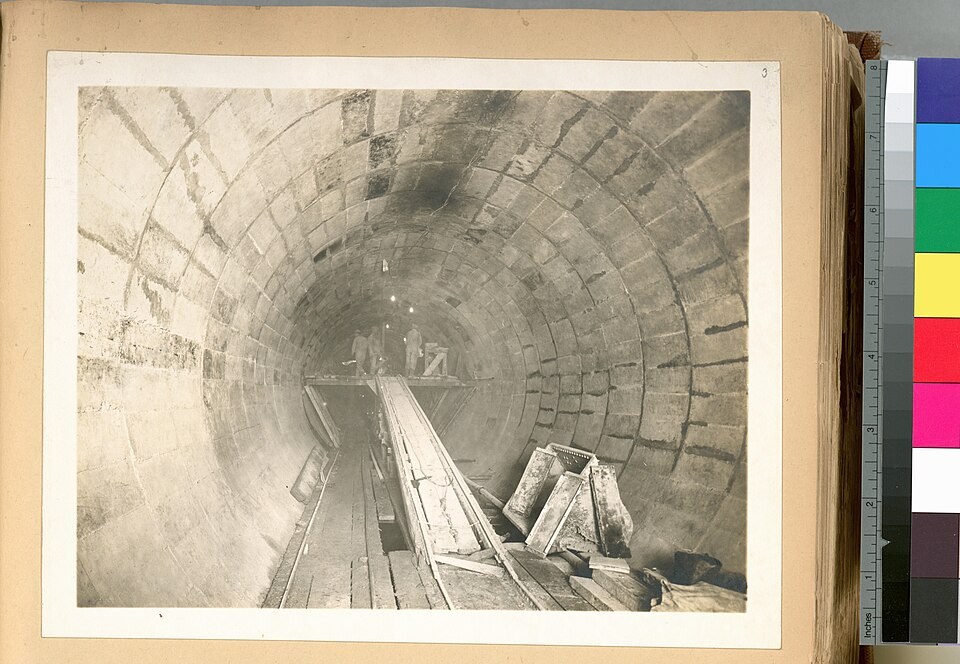
The answer was to build a bypass. A new tunnel was driven to carry the flow around the worst-leaking section, so that the original could finally be drained, inspected and repaired, and the connection work required the aqueduct to be shut for a period while the city drew on other sources and on conservation measures.
That is a genuinely unusual engineering problem: a scheduled outage of a system with no redundancy, planned for decades, with the rest of the supply network adjusted in advance to absorb it. The project is one of the larger pieces of water infrastructure work undertaken anywhere in recent decades and almost none of it is visible at the surface.
The broader point is that water tunnels are the hidden giants of the category. Several of the longest tunnels in the world carry water rather than vehicles, because water needs no ventilation, no lighting, no emergency egress and no clearance for people, which makes a water tunnel enormously cheaper per mile than a transport tunnel of the same length. A water tunnel also does not need to be straight, level or gently curved for the comfort of anybody, which removes most of the alignment constraints that drive the cost of a railway.
The longest tunnel people actually travel through
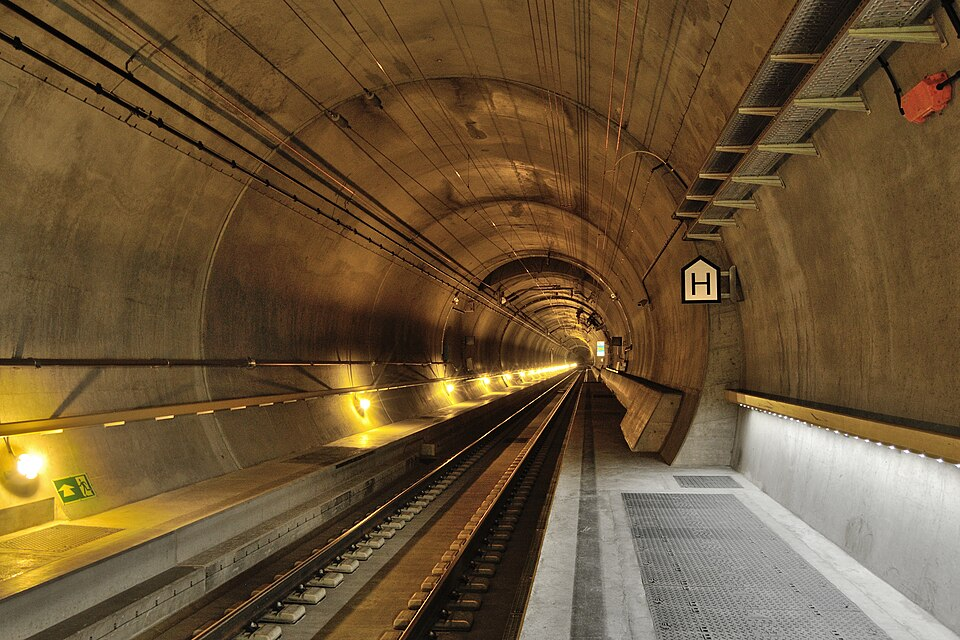
The Gotthard Base Tunnel opened in 2016 after seventeen years of construction and is the longest rail tunnel in the world. Its purpose is not simply to be long: it is a base tunnel, driven low through the Alps rather than climbing to a pass, which means trains cross the range on a route that is essentially flat.
That is the whole point of it. The old Gotthard line climbs through spiral tunnels to a summit, which limits train length and weight and requires additional locomotives. A flat route allows heavy freight to cross the Alps at speed in a single train, which is what the tunnel was built for; the passenger time saving is a secondary benefit.
It consists of two single-track tubes connected by cross-passages at regular intervals, with two underground multifunction stations partway through containing crossovers, ventilation plant and emergency stopping facilities. The rock temperature at depth reaches levels that required cooling during construction and ventilation design afterwards, and one section ran through a geological zone that engineers had specifically feared and probed in advance before committing to the route. That probing is the part of the project engineers talk about, because the zone in question had the potential to stop the whole scheme, and the decision to proceed rested on a programme of exploratory boring carried out years before the main drive began.
Road tunnels are a different problem entirely
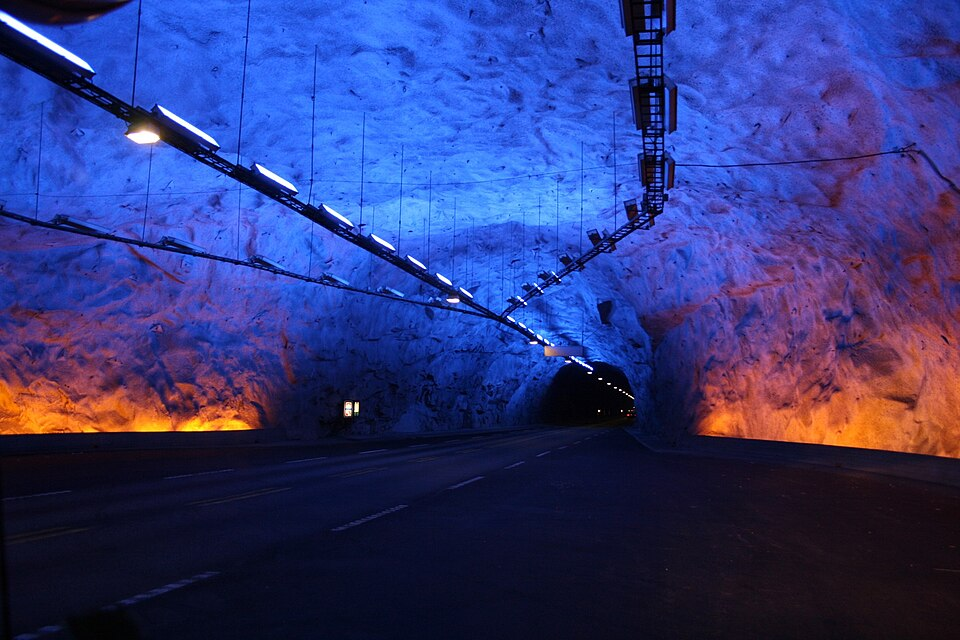
The longest road tunnel is in Norway and is about fifteen miles long, and road tunnels are limited by something railways are not: the vehicles are driven by members of the public, carry their own fuel, and can stop anywhere.
That changes the engineering completely. A long road tunnel requires ventilation capable of removing exhaust and, critically, of managing smoke; lay-bys and turning points; emergency telephones and refuges; continuous monitoring; lighting designed for the transition from daylight; and in the Norwegian case deliberately varied internal spaces with coloured lighting to address driver fatigue and the psychological effect of a long enclosed drive.
A fire in an Alpine road tunnel in 1999 led to a comprehensive revision of European tunnel safety requirements, covering ventilation, escape provision, signage, emergency response and restrictions on hazardous loads and on the spacing of heavy vehicles. Much of what a driver now notices in a long tunnel dates from that review. The requirements are visible to anybody paying attention: the recesses with telephones, the signs counting down to the nearest exit, the lane restrictions for lorries and the gantries that can close the tunnel in seconds.
Under the sea
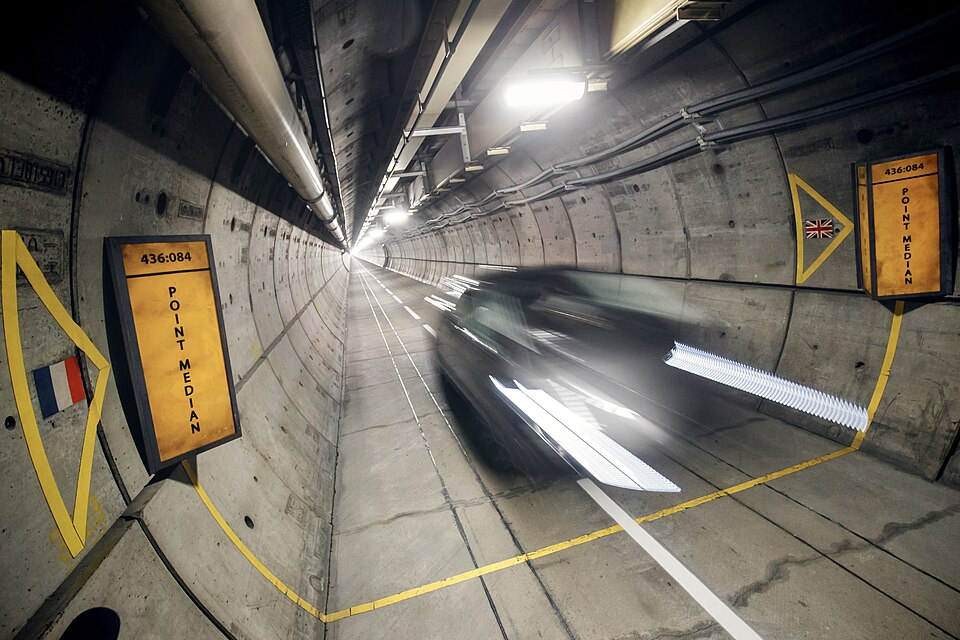
Undersea tunnels are their own category and the constraint is geology rather than length. The Channel Tunnel’s undersea section is the longest stretch of tunnel beneath the sea, and the route was chosen to follow a particular chalk layer that is strong enough to bore through and impermeable enough to keep the water out.
That is the governing principle of subsea tunnelling: you do not go where the shortest line is, you go where the rock allows. Japan’s Seikan tunnel, which was the longest rail tunnel before Gotthard, encountered far more difficult ground and took far longer, which is the comparison that demonstrates the point.
The other subsea constraint is what happens if water gets in, which is why these tunnels have pumping capacity, drainage galleries and in the Channel Tunnel’s case a separate service tunnel between the two running tunnels that functions as an escape route, a maintenance access and a ventilation plenum.
What makes a tunnel long
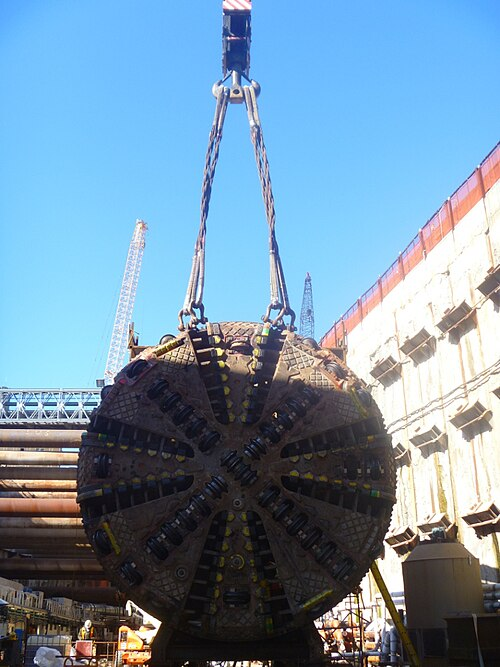
The pattern across all of these is that length is a consequence of purpose rather than an objective. A water tunnel is long because the mountains holding the clean water are a long way from the city that needs it. A base tunnel is long because going low through a mountain range is further than going over it. A subsea tunnel is long because the sea is wide and the usable rock layer is not straight.
The enabling technology in every case is the tunnel boring machine, which has transformed the economics over the past half century: a machine that excavates, removes spoil and installs a lining as it advances, continuously, in ground that suits it, at rates that drill-and-blast methods cannot approach.
What the machine cannot do is handle ground it was not designed for, which is why geological investigation is the dominant risk in any long tunnel and why the projects that overrun are almost always the ones that met something unexpected rather than the ones that misjudged the engineering.
The thing worth taking from it
The ranking is a reminder that the most significant infrastructure is usually the least visible. A rail tunnel through the Alps is an event, is opened by politicians and is photographed; a water tunnel under New York State is longer, older, serves more people daily and is known mainly to the engineers maintaining it.
It is also a reminder that infrastructure ages. The longest tunnel in the world has been leaking for forty years, not through negligence but because no part of the system was designed to be taken out of service, and fixing it required building a second tunnel first. Almost every large piece of twentieth-century infrastructure has a version of that problem waiting in it.
For anybody who simply wants to travel through a long tunnel, the Gotthard is the one, and the experience is twenty minutes of nothing at all. That is the measure of how well it works: the longest rail tunnel ever built is, from a seat, completely unremarkable.
That is the appropriate note to end the records block on. Three of the four places in it are superlatives created by decisions rather than by geology — an airline’s network, a wilderness statute, a city’s need for water — and all three are maintained continuously by organisations most people never think about. The fourth, the altitude of an airfield on the Tibetan plateau, is the only one in the set that is genuinely a fact about the planet, and even that exists because somebody decided a particular valley should have a runway in it.
Like our content? Follow us for more.