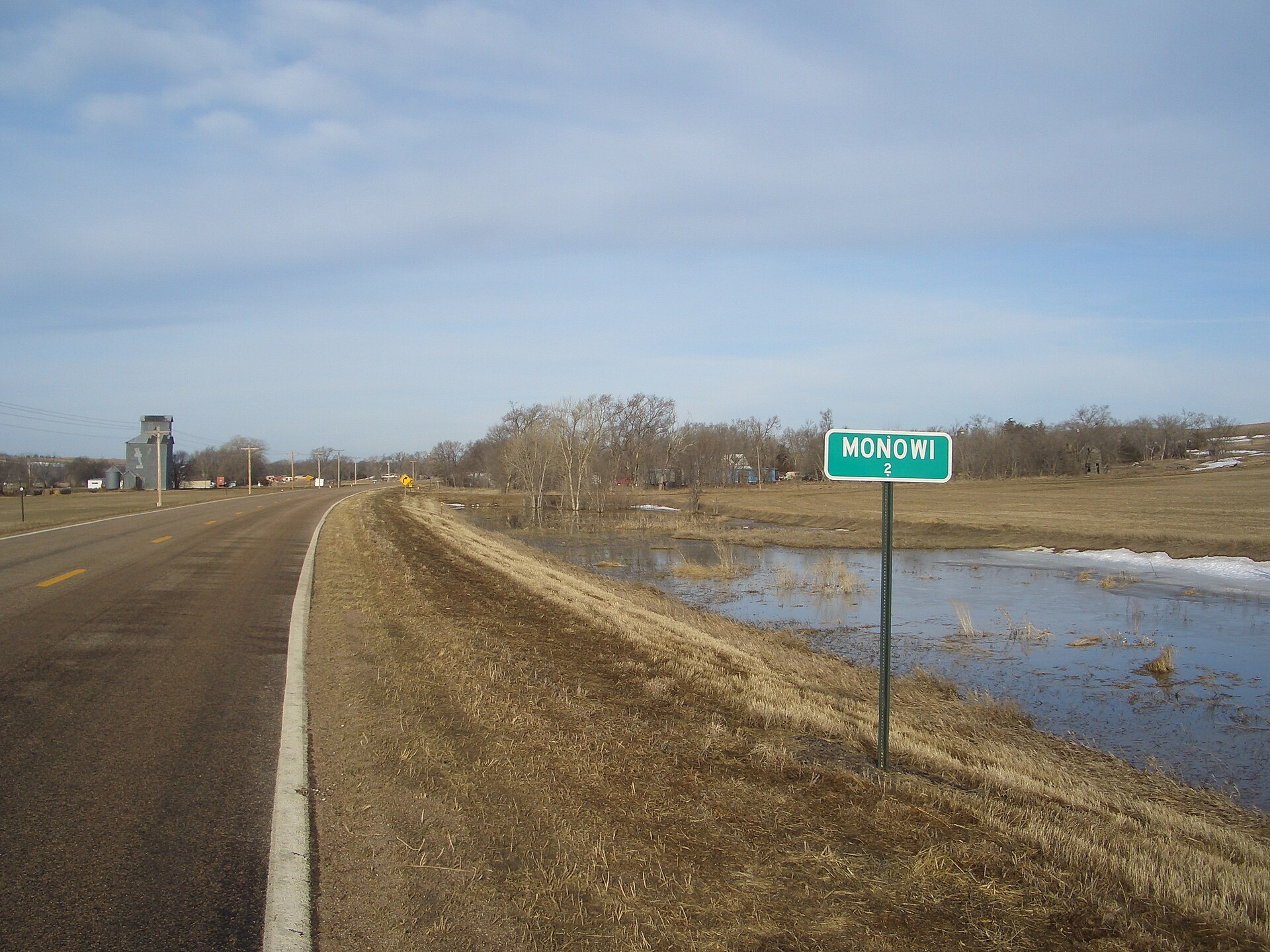
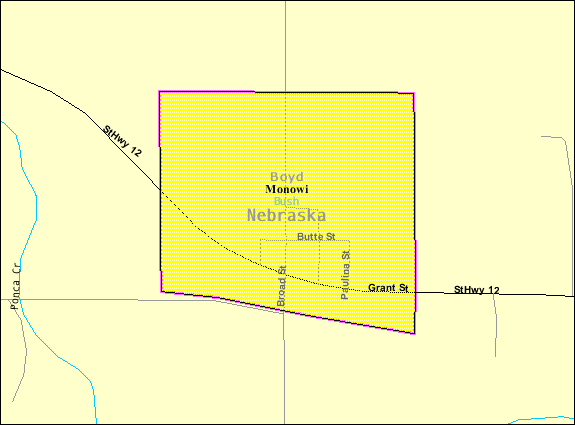
There is a place on the Nebraska plains where the “Welcome to” sign and the “population” sign carry the same number, and that number is 1. Monowi, a speck in the state’s remote northeast corner, is the only incorporated municipality in America with a single resident — a real town, with a mayor, a budget, a road, and streetlights, all belonging to and maintained by one woman who is, by herself, the entire population, government, and business community of an incorporated place.
Her name is Elsie Eiler, and her story has drawn journalists and travelers from around the world to a dot on the map most Nebraskans couldn’t find, because Monowi is a living answer to a question most people never think to ask: what does it take to keep a town a town when everyone else is gone? The answer, it turns out, is one determined person, a well-loved tavern, and a refusal to let a place die just because it emptied out.
A Town That Used to Be a Town
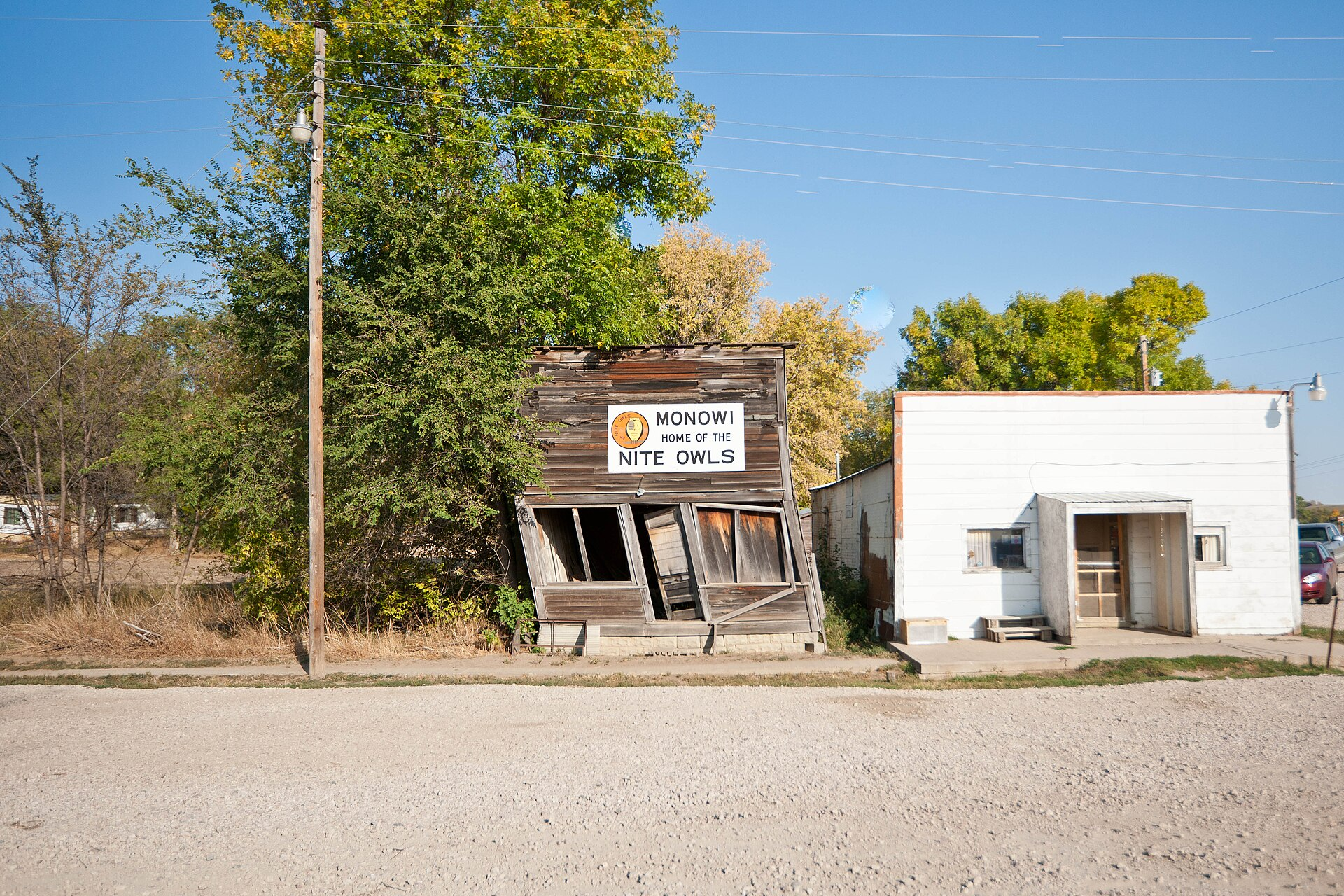
Monowi was not always a population of one. Founded around 1902 as the railroad pushed across the northern plains, it was a modest but real prairie town in its day — home, at its peak in the 1930s, to about 150 people, with the full kit of small-town American life: houses, a school, a grocery, a couple of churches, grain elevators, and businesses serving the surrounding farms and ranches. It was never large, but it was complete, one of the countless little agricultural towns that stitched the Great Plains together in the railroad era.
Then the twentieth century did to Monowi what it did to hundreds of plains towns. Farming mechanized, fewer hands were needed on the land, the railroad’s importance faded, and young people left for cities and jobs that the countryside could no longer offer. Decade by decade, the population drained away — the school closed, the businesses shuttered, the churches emptied, families moved on — in the slow, quiet depopulation that has hollowed out the rural Great Plains for generations. By the 1980s, Monowi was down to a handful of people. And then, one after another, that handful dwindled too.
Like our content? Follow us for more.
Down to Two, and Then to One
By the turn of the century, Monowi’s population had fallen to exactly two: Elsie Eiler and her husband, Rudy. The couple had both grown up in Monowi, left, and returned — high school sweethearts who came back to the shrinking town they loved and made their life there, running the tavern that had long been the community’s gathering place. For years, the two of them were Monowi, the last holdouts of a town that had otherwise vanished around them.
Then, in 2004, Rudy died. And Elsie Eiler became the sole resident of Monowi, Nebraska — the last person in a town that had once held 150, faced with a choice that most people in her position never get: leave, and let Monowi dissolve into the countless “ghost towns” that dot the plains, or stay, and keep an incorporated town alive as a population of one. She stayed. And in staying, she became the only person in the United States who is, all by herself, an entire town.
Being an Entire Town Is a Lot of Paperwork
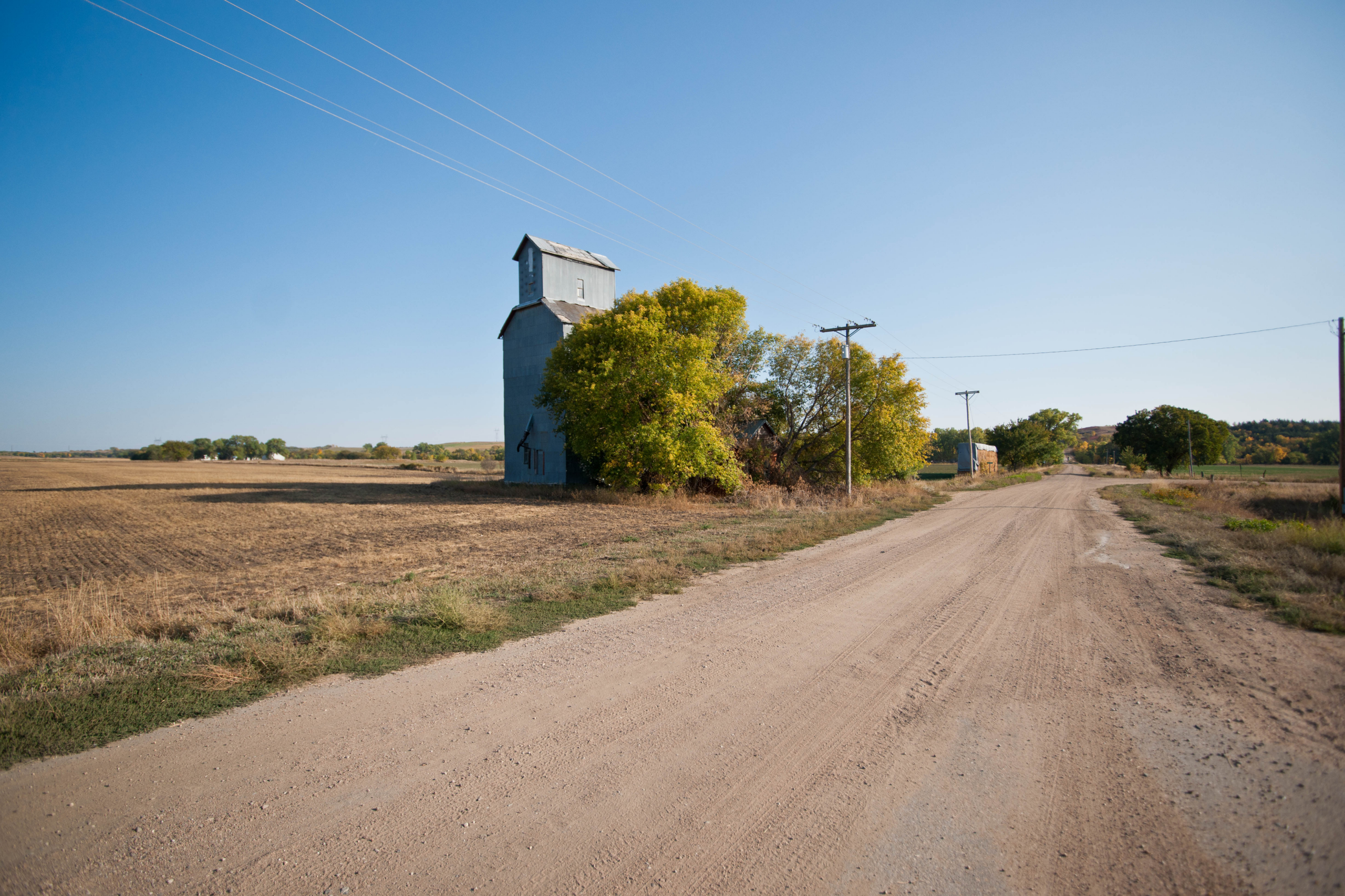
Here is where Monowi becomes more than a sad story about rural decline — because keeping a town incorporated, even a town of one, involves real bureaucracy, and Elsie Eiler does all of it herself. As Monowi’s only resident, she is its mayor. She is also the town clerk, the treasurer, and the secretary. Each year she must produce a municipal road plan to secure the modest state funds that keep Monowi’s few streetlights on and its road maintained — a plan she writes, submits to, and approves as the entire town government, a loop of paperwork she runs single-handedly and with evident good humor.
And in the detail that has charmed the world, she grants herself a liquor license every year. To legally serve drinks at her tavern, Monowi requires a licensed establishment; as the town’s government, Elsie Eiler issues the license to herself, the town’s sole business owner, so that she can keep pouring. She pays taxes to herself, in effect, and files them upward to the county and state like any other municipality. Running a town of one is, she has said in her characteristically plainspoken way, a fair amount of work — but it’s work she knows, in a place she loves, and she does it faithfully year after year, keeping Monowi legally, officially, stubbornly alive.
The Monowi Tavern: Population One, Regulars Many
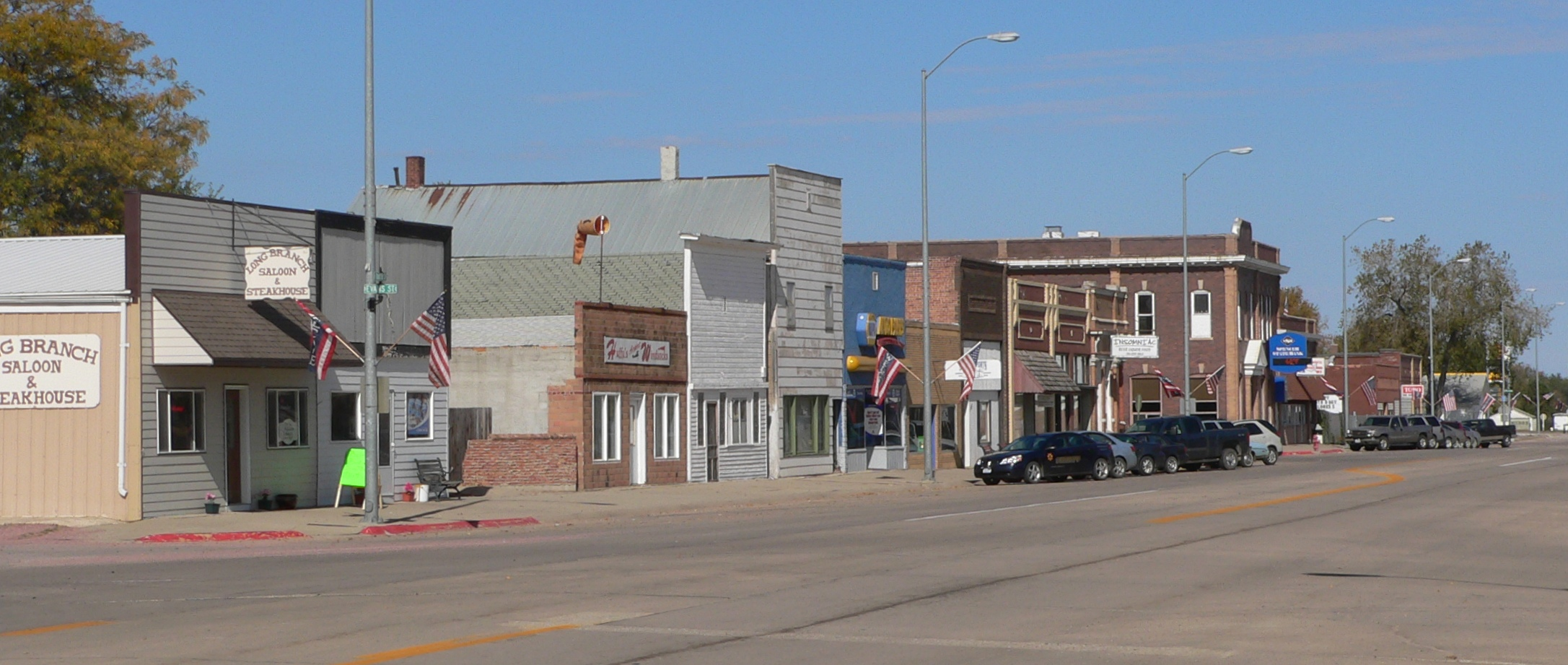
The beating heart of Monowi — and the reason it’s more alive than its population suggests — is the Monowi Tavern, the bar and grill Elsie Eiler has run for decades and continues to open most days. Though the town’s population is one, the tavern’s clientele is not: farmers and ranchers from the surrounding countryside, truckers, curious road-trippers, and a steady stream of travelers who’ve heard the story drive in from all directions for a burger, a cold drink, and a conversation with the woman who is the whole town. The tavern is unpretentious and welcoming — the walls layered with local history and decades of memories — and it functions as exactly what it always was: the community’s gathering place, even after the community, on paper, has shrunk to a single soul.
Elsie Eiler cooks, serves, tends bar, and talks with everyone who comes through, and the tavern’s reputation has grown far beyond Nebraska. She has been profiled by news outlets around the world, filmed by documentary crews, and visited by travelers from other continents who make the pilgrimage specifically to meet her. Monowi, improbably, has become a destination — a place people go precisely because almost no one lives there, drawn by the human story of one person keeping a town’s flame alight.
The Library Her Husband Left Behind
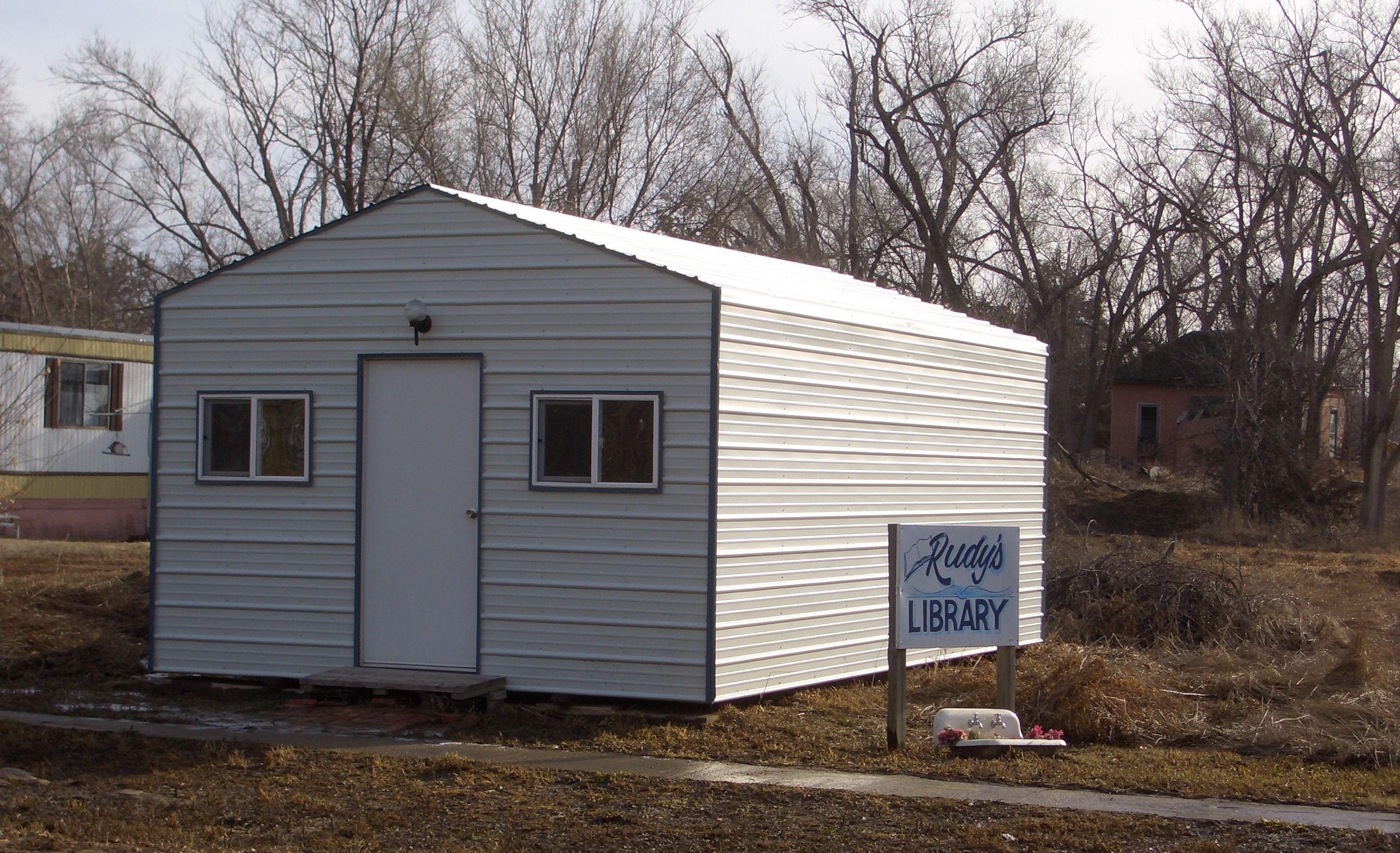
There’s one more institution in Monowi, and it’s the story’s most tender detail. Rudy Eiler was a lifelong reader who accumulated thousands of books over his lifetime, and after his death, Elsie helped fulfill his wish by establishing Rudy’s Library — a small building near the tavern housing his collection of some 5,000 volumes, open to visitors, run on the honor system, a memorial in the form of a reading room. In a town of one, there is a public library, tended by the sole resident in memory of the man she shared the town with, its shelves holding a lifetime of one man’s reading for anyone who wants to browse.
It captures something essential about Monowi. The town persists not out of stubbornness alone but out of love — for a place, for a life built there, for a person no longer present. Rudy’s Library is Monowi in miniature: small, improbable, deeply human, and kept alive by one person’s refusal to let what mattered simply disappear.
Monowi even keeps its own small piece of infrastructure running against the odds. The town maintains its handful of streetlights, its road, and the trappings of a functioning municipality, all funded through the paperwork Elsie files as the town’s entire government — a working demonstration that “incorporated town” is a legal status as much as a population, and that a single determined person can, with enough diligence, keep that status alive. It is bureaucracy as an act of devotion, a town’s paperwork completed faithfully so a town can keep being a town.
Why a Town of One Matters
Monowi is often told as a curiosity — the town with a population of one, the mayor who licenses herself — and it is certainly that. But it resonates far beyond its novelty because it distills a much larger American story into a single vivid figure. The emptying of the rural Great Plains is one of the country’s great quiet migrations, thousands of little towns fading toward zero as the economy that created them moved on, and Monowi is that entire history embodied in one woman standing at one bar in one town that used to be full.
For travelers, a visit is a real pilgrimage — a long drive to a remote corner of Nebraska to shake hands with the sole citizen of an American town, eat a burger she cooked, browse a dead man’s library on the honor system, and understand something about resilience, memory, and place that no larger town could teach. Monowi will not last forever; it is, ultimately, one person, and towns of one cannot be inherited. But for now, against every trend and every reasonable expectation, there is a place on the Nebraska plains where one woman is the mayor, the clerk, the bartender, and the whole population — and where the light she keeps on says something hopeful about how much a single person can hold together. Population: one. Spirit: considerable.
Like our content? Follow us for more.