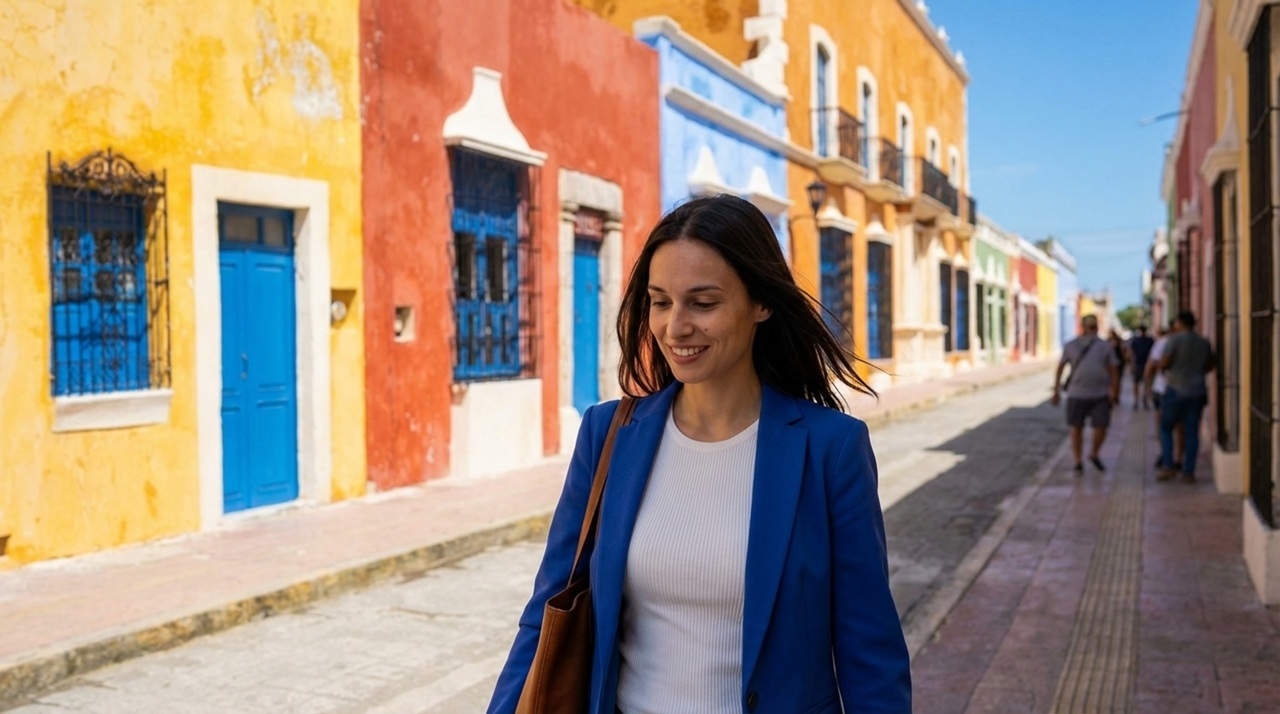
My recent month-long immersion in a Mexican neighborhood offered a rich tapestry of experiences, many of which defied my preconceived notions. Beyond the vibrant colors and lively sounds, I discovered a profound sense of community, a unique approach to daily life, and culinary delights that extended far beyond the familiar. This sojourn was a powerful reminder that true understanding often lies in stepping outside one’s comfort zone and embracing the unexpected nuances of a different culture.
The Pervasive Warmth of Community
One of the most striking revelations was the profound sense of community that permeates daily life in a Mexican neighborhood. Unlike the often-insular nature of many Western communities, here, neighbors actively engage with one another, creating a tightly knit social fabric. This isn’t merely a superficial politeness; it’s a genuine interconnectedness, where mutual support and shared experiences are paramount. Familismo, the value of family being central to an individual’s identity, extends beyond immediate relatives to encompass the entire neighborhood, fostering an environment where people truly look out for one another. This collective spirit manifests in spontaneous help, shared meals, and a general atmosphere of camaraderie that is both deeply comforting and immensely enlivening. It’s a stark contrast to the individualism often prevalent elsewhere, offering a valuable perspective on the power of strong social bonds.
A Different Cadence to Daily Life
The rhythm of daily life in a Mexican neighborhood operates on a cadence that is both distinct and, initially, surprising. The concept of time often feels more fluid, with less emphasis on rigid schedules and more on adapting to the natural flow of events. While some associate this with a slower pace, it’s more accurately described as a different prioritization, where relationships and unhurried interactions take precedence over strict adherence to the clock. The midday meal, often a substantial affair, and the subsequent period of rest, though less common now due to modern demands, still influence the day’s structure. This more relaxed approach to time, while requiring adjustment for those accustomed to a faster pace, ultimately encourages a greater appreciation for the present moment and a less stressful existence.
Culinary Surprises Beyond Tacos
My culinary journey during that month was an ongoing revelation, continuously expanding my understanding of Mexican cuisine far beyond its international stereotypes. While tacos are indeed a staple, the sheer diversity and regionality of dishes were astounding. I encountered a vast array of flavors, ingredients, and preparation methods that showcased the depth and complexity of this rich gastronomic heritage. From the intricate spice blends to the vibrant use of fresh produce, each meal was an exploration. The liberal use of chili and lime on an astonishing variety of items, from fruits to candies, was a particularly delightful discovery, adding an unexpected zest to everyday foods. This culinary landscape is a testament to Mexico’s deep cultural roots and its vibrant, ever-evolving food scene.
The Art of Indirect Communication
Navigating conversations within the neighborhood often involved a nuanced dance of indirect communication. In contrast to the directness common in some Western cultures, Mexicans frequently employ a more diplomatic approach to convey messages, often avoiding direct refusms to maintain harmony and prevent confrontation. This can manifest as roundabout answers or polite deflections, requiring a heightened sensitivity to context and nonverbal cues. Understanding this cultural preference for preserving social harmony is key to effective interaction. It’s not about being evasive, but rather about showing respect and consideration for the other person’s feelings, a practice that, once understood, fosters deeper and more meaningful connections.
A Vibrant Street Life Culture
The streets are not merely thoroughfares in a Mexican neighborhood; they are dynamic extensions of community life, buzzing with activity and character. From the early morning calls of vendors to the late-night hum of social gatherings, the streetscape is a constant source of sensory engagement. Open-air markets, known as tianguis, are vibrant hubs where commerce, social interaction, and cultural exchange converge, offering a rich tableau of daily life. The presence of street food vendors, the sounds of music, and the general energy create an immersive experience that is both captivating and deeply authentic. This lively street culture is integral to the neighborhood’s identity, pulsating with the energy of its inhabitants.
Modesty and Practicality in Daily Routines
A subtle yet pervasive observation was the blend of modesty and practicality that often characterized personal routines. While personal presentation is valued, there’s an unpretentious approach to grooming and appearance, even in public spaces. For instance, seeing women adeptly apply makeup on the go, whether in traffic or waiting for transport, highlighted a pragmatic approach to daily life. This isn’t about a lack of care, but rather an efficiency born from busy lives, where looking presentable is achieved with resourceful adaptation. This practicality extends to everyday dress, where comfort and appropriateness for the context often take precedence over ostentatious displays, reflecting a grounded and down-to-earth sensibility.