South America packs an extraordinary range of wonders into one continent, and many of its greatest are protected as UNESCO World Heritage Sites, places recognized for outstanding value to all of humanity. There are more than 70 of them, spanning ancient cities, lost citadels, island ecosystems, thundering waterfalls, and advancing glaciers. Peru alone holds 11. For travelers, the list doubles as the ultimate bucket-list itinerary, a guide to the sites that best capture the continent’s history, culture, and staggering natural beauty. Here are some of the most astonishing UNESCO sites in South America, what makes each one special, and why they’re worth the journey. Many sit far apart, so most travelers tackle them a region or country at a time.
Machu Picchu, Peru
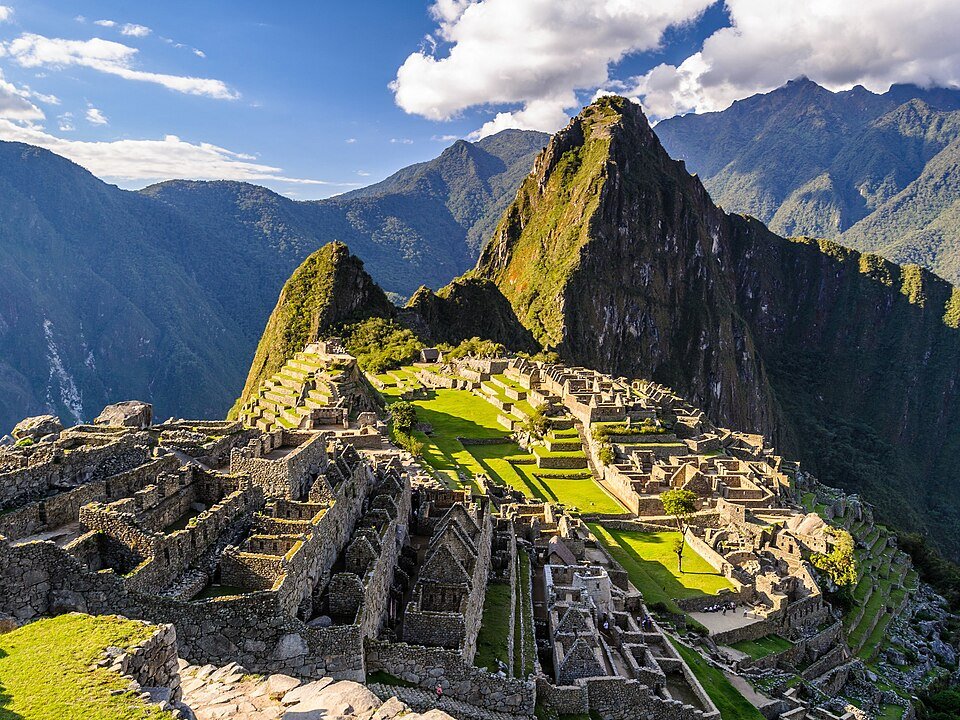
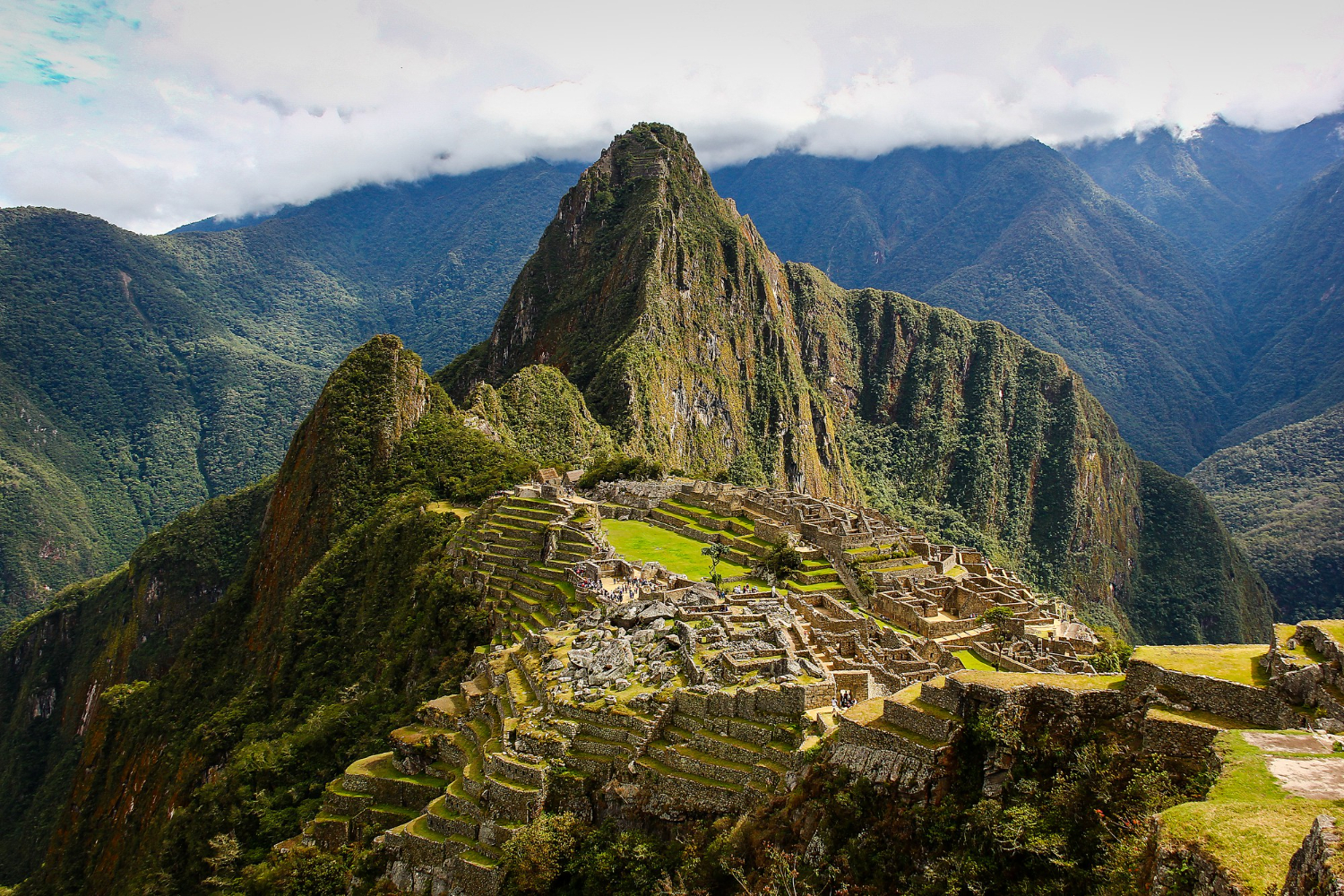
The most famous site on the continent, Machu Picchu, is a 15th-century Inca citadel set high in the Andes and named a UNESCO site in 1983. Built around the middle of the 1400s and mysteriously abandoned roughly a century later, it’s renowned for precisely cut stonework, terraced fields, and sophisticated water management that reveal the engineering brilliance of the Inca Empire. Perched at about 2,430 meters above sea level and wrapped in cloud forest, it offers some of the most dramatic views anywhere. Reached by train or by hiking the legendary Inca Trail, it draws travelers from around the globe. As a mixed cultural and natural site, it represents the Inca ideal of harmony between human settlement and mountain landscape.
Like our content? Follow us for more.
Galápagos Islands, Ecuador
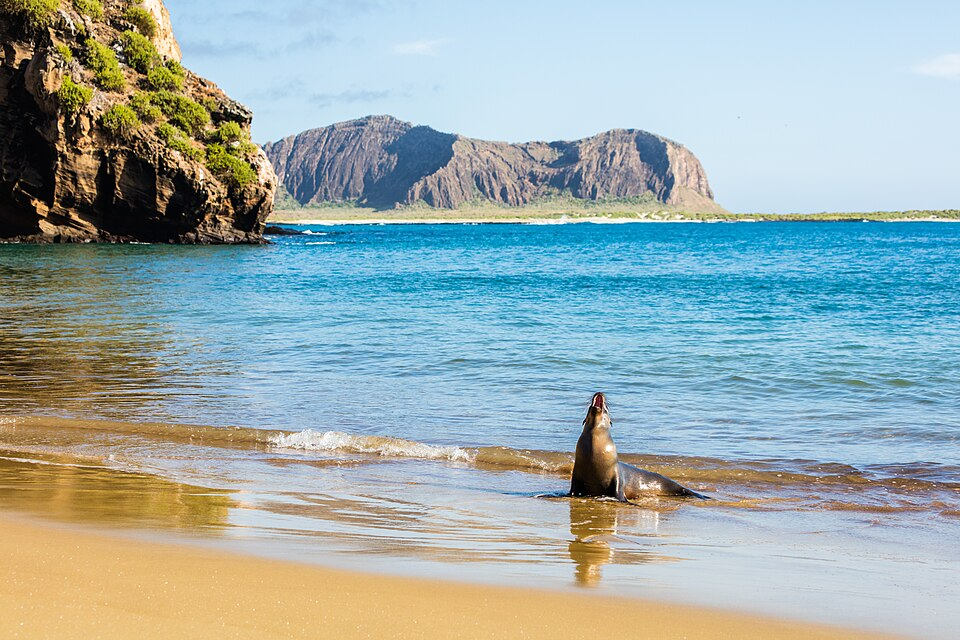
One of the very first places ever named a UNESCO site, in 1978, the Galápagos Islands earned the honor for both natural beauty and scientific importance. It was here that Charles Darwin studied the wildlife that helped shape his theory of evolution. The volcanic archipelago, off the coast of Ecuador, is home to thousands of species, including the famous Galápagos giant tortoise, marine iguanas, sea lions, Galápagos penguins, and blue-footed boobies, many of which show no fear of humans. The islands are usually explored by cruise ship, which allows access to multiple islands and their distinct ecosystems. Few places on Earth offer such intimate, up-close encounters with rare wildlife in a setting this pristine and otherworldly.
Iguazú Falls, Argentina & Brazil
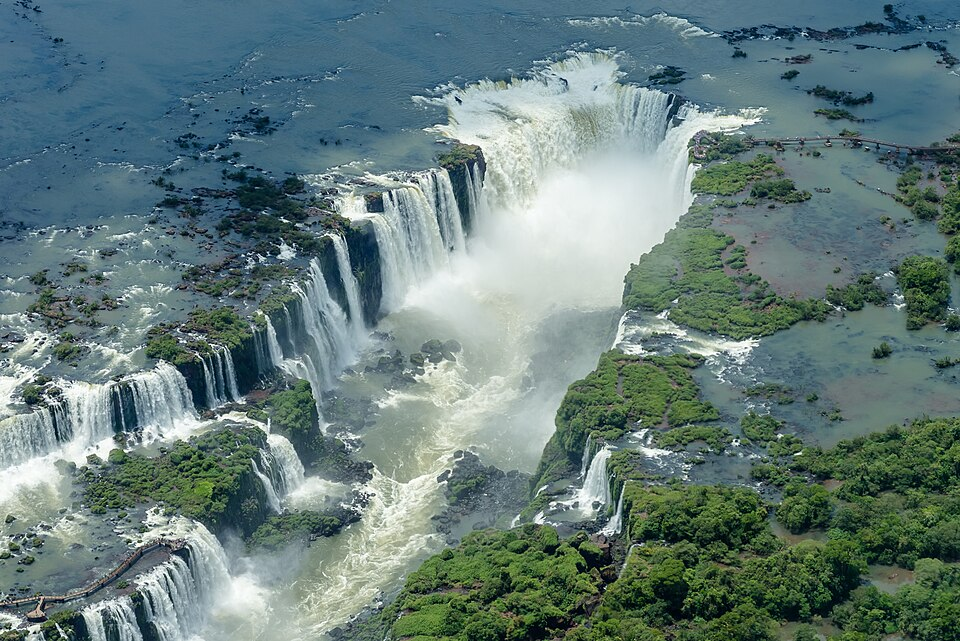
Straddling the border between Argentina and Brazil, Iguazú National Park protects one of the planet’s most spectacular natural wonders: a vast system of waterfalls far larger than a single cascade. The park is actually an expansive subtropical rainforest surrounding the falls, home to jaguars, toucans, capybaras, and countless other species. Visitors can hike networks of trails to different viewpoints, ride an ecological train, and take boats right up to the base of the thundering water. The two countries offer different perspectives, with Argentina providing the closer, more immersive walkways and Brazil delivering the sweeping panorama. The sheer power and scale of Iguazú make it one of South America’s most unforgettable experiences.
Rapa Nui (Easter Island), Chile
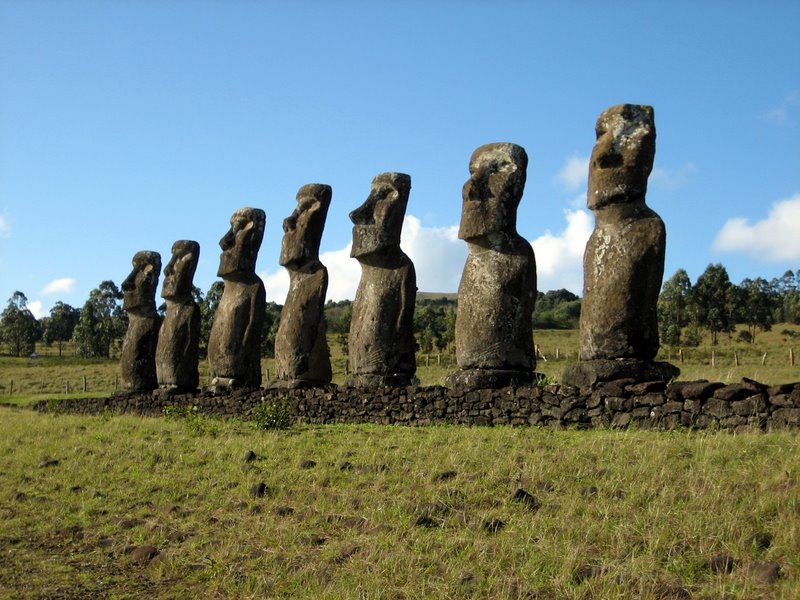
Among the most isolated inhabited places on Earth, Rapa Nui, better known as Easter Island, lies thousands of kilometers off the coast of Chile and joined the UNESCO list in 1995. The island is famous for its moai, the enormous carved stone heads and figures created by its Polynesian inhabitants centuries ago, which still gaze out across the volcanic landscape. Beyond the iconic statues, the national park preserves ceremonial sites, volcanic craters, and a rich, mysterious cultural history that continues to fascinate archaeologists. The remoteness only adds to the sense of wonder; reaching Rapa Nui feels like traveling to the edge of the world, and standing among the moai is a genuinely humbling experience.
Cartagena, Colombia
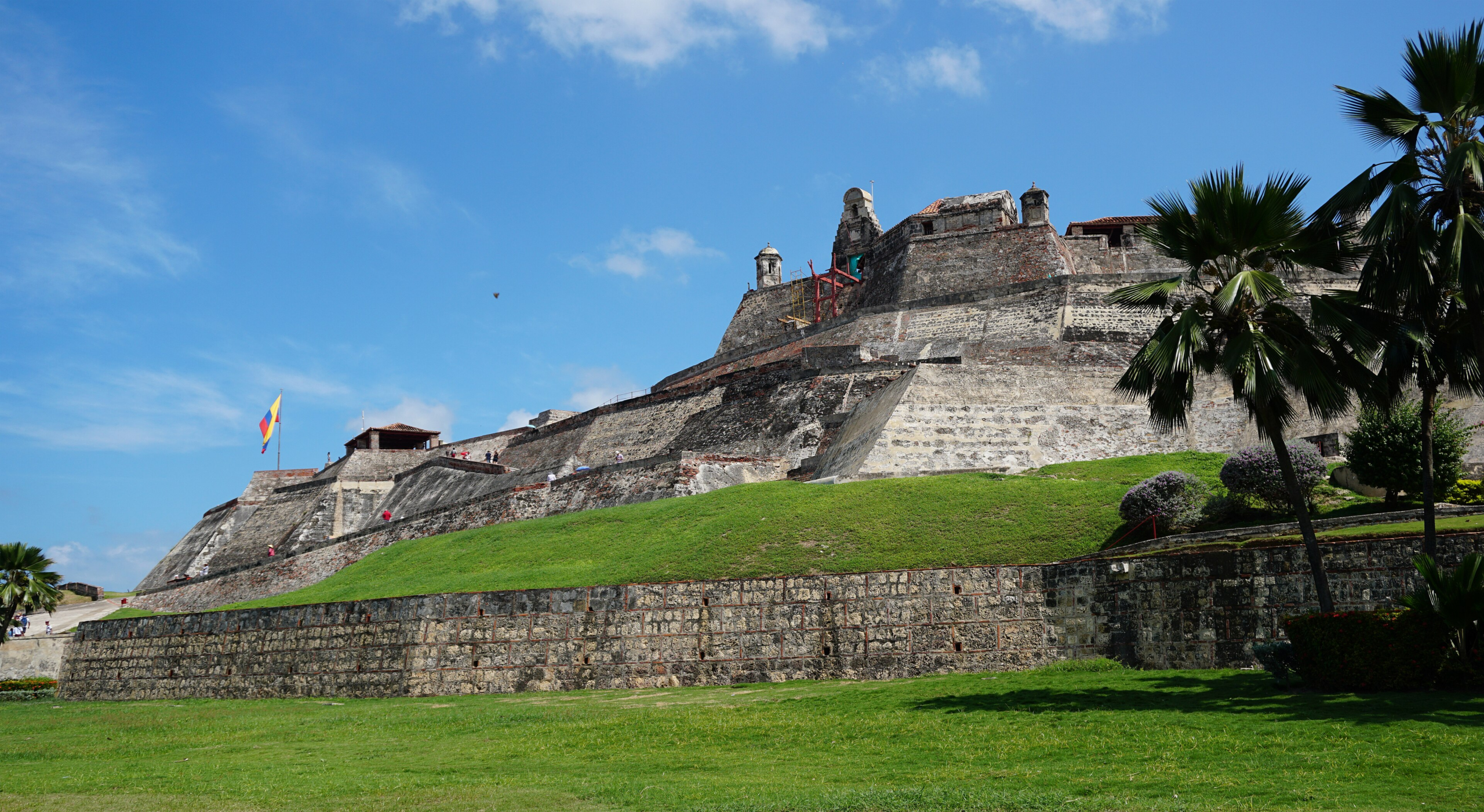
On Colombia’s Caribbean coast, the historic port of Cartagena is one of Latin America’s most lively and beautiful cities, recognized by UNESCO for its colonial architecture and fortifications. Founded centuries ago, the walled old town is a maze of colorful streets draped in bougainvillea, with balconied houses, plazas, and churches that make it a delight to wander, especially in the cooler morning and evening hours. Overlooking the city is the imposing San Felipe castle, which protected the port for over 500 years from pirates and foreign invasions. Cartagena blends Caribbean energy, Spanish colonial heritage, and a romantic, atmospheric old town into one of the continent’s most enchanting urban destinations.
Rio de Janeiro, Brazil
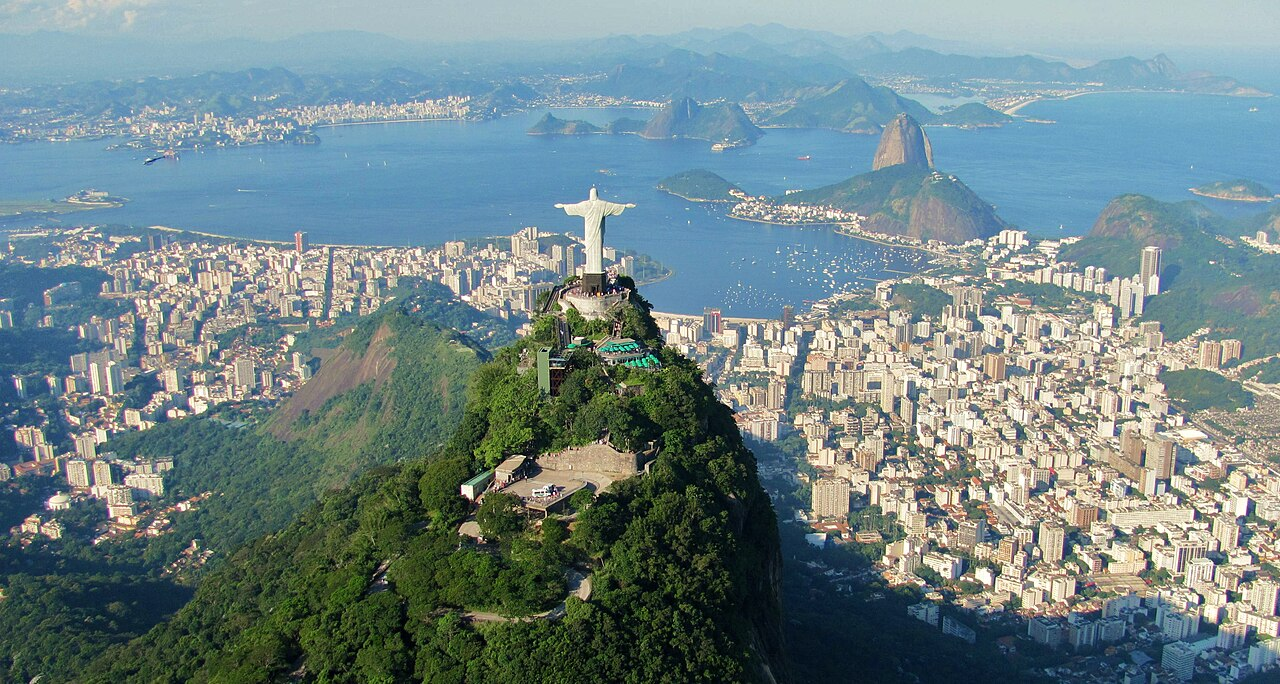
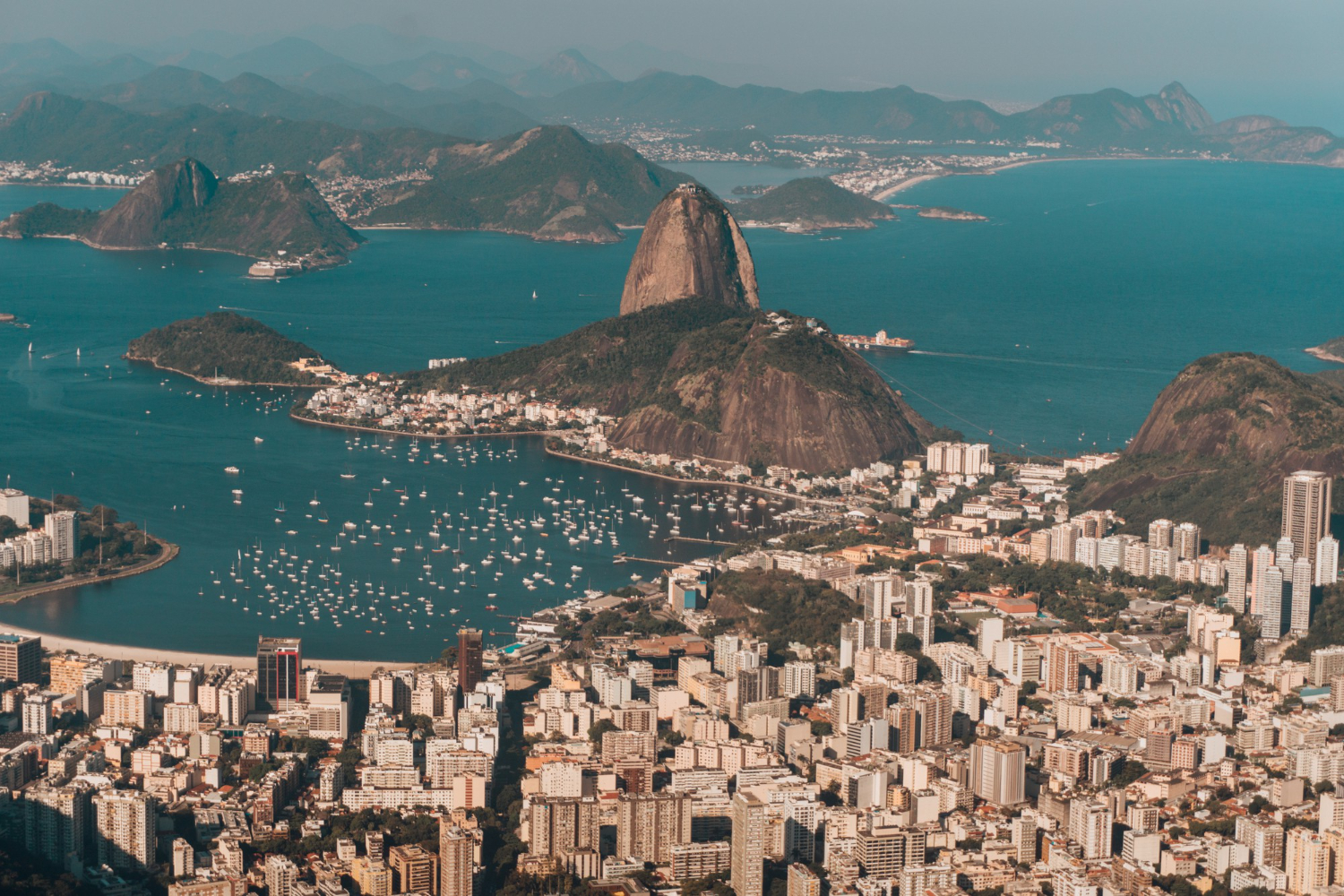
Unusually, it’s the landscape of Rio de Janeiro itself, the dramatic meeting of mountain, forest, and sea, that earned UNESCO recognition. The setting is unmistakable: the granite peak of Sugarloaf Mountain rising from the bay, the statue of Christ the Redeemer atop Corcovado looking out over the city, and the forested hills tumbling down to famous beaches like Copacabana and Ipanema. The designation celebrates the way the city is woven into its extraordinary natural surroundings, from Tijuca Forest to the curving shoreline. Few cities on Earth occupy such a spectacular natural amphitheater, and the panorama from the high viewpoints is among the most iconic urban vistas anywhere in the world.
Los Glaciares & Perito Moreno, Argentina
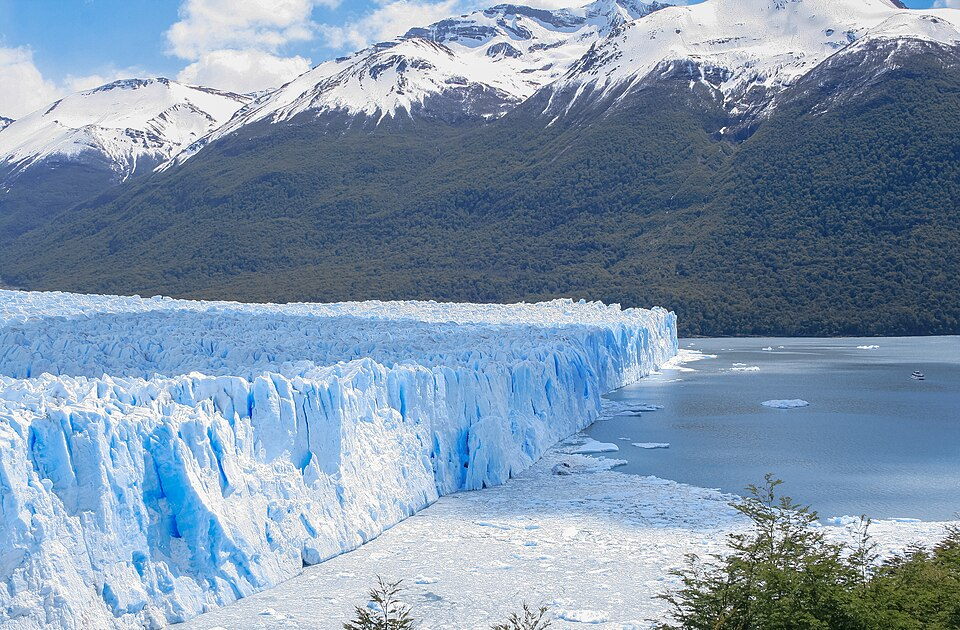
In the far south of Argentine Patagonia, Los Glaciares National Park is an area of exceptional natural beauty, home to the famous Perito Moreno glacier. Remarkably, Perito Moreno is one of the few glaciers in the world that is still advancing rather than retreating, and visitors can watch enormous chunks of ice calve off its face and crash into the milky-grey waters of Lake Argentino with a thunderous boom. The park’s rugged, towering mountains, including the spires around Mount Fitz Roy, and its numerous glacial lakes make it a paradise for hikers and photographers. Witnessing the scale and motion of the ice here is a genuinely once-in-a-lifetime experience.
Salvador de Bahia, Brazil
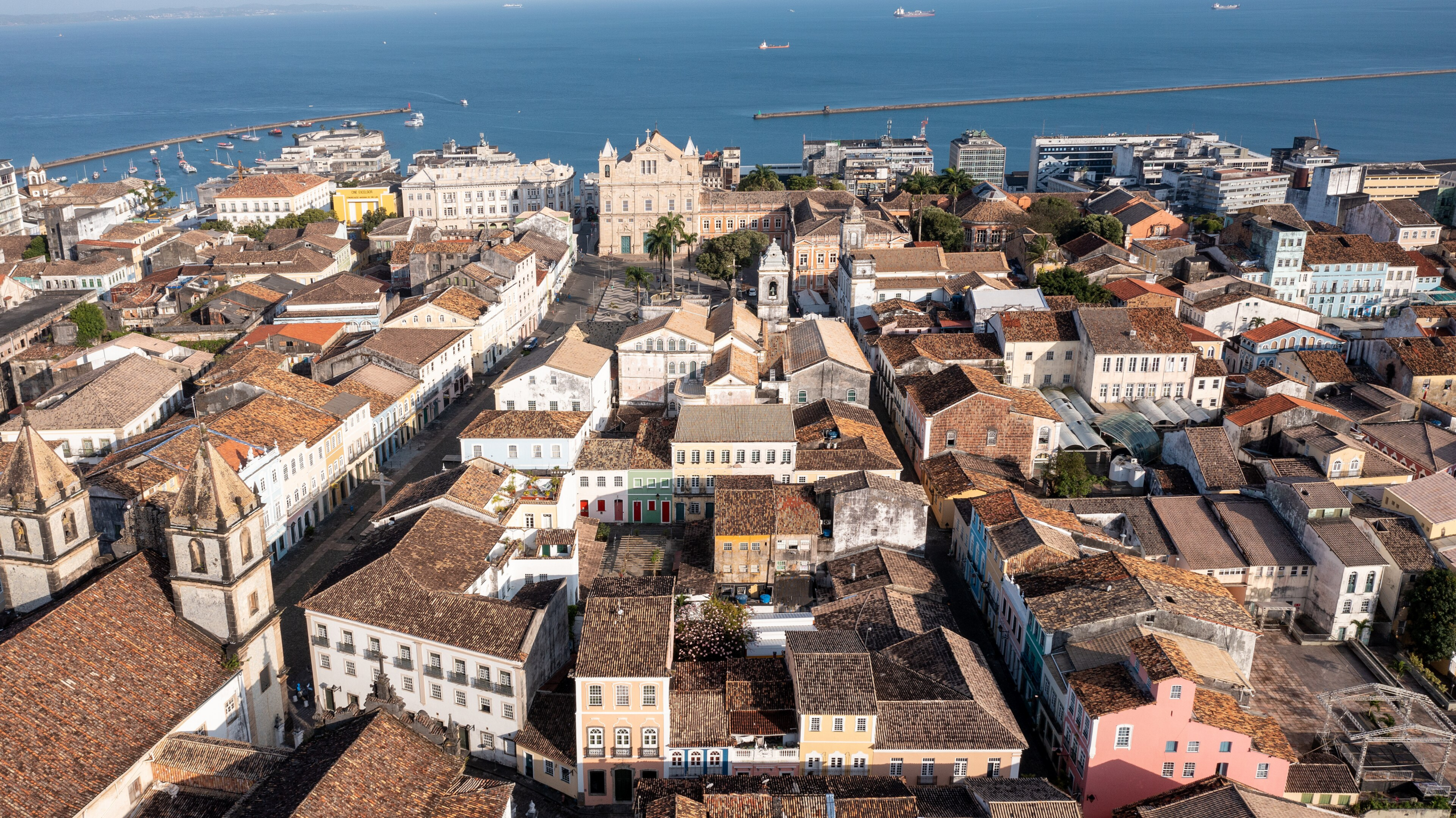
The historic center of Salvador de Bahia is a riot of color and culture, and a UNESCO site for good reason. As one of the earliest colonial capitals of the Americas, it became a melting pot where European, African, and Indigenous cultures blended from the 16th to 18th centuries, a fusion still visible in its architecture, music, food, and religion. The Pelourinho district is famous for its steep cobblestone streets lined with brightly painted Renaissance-style buildings and baroque churches. Salvador is considered the heart of Afro-Brazilian culture, and its rhythms, cuisine, and festivals give the beautifully preserved old town a living energy that sets it apart from a static historic site.
The Pantanal, Brazil
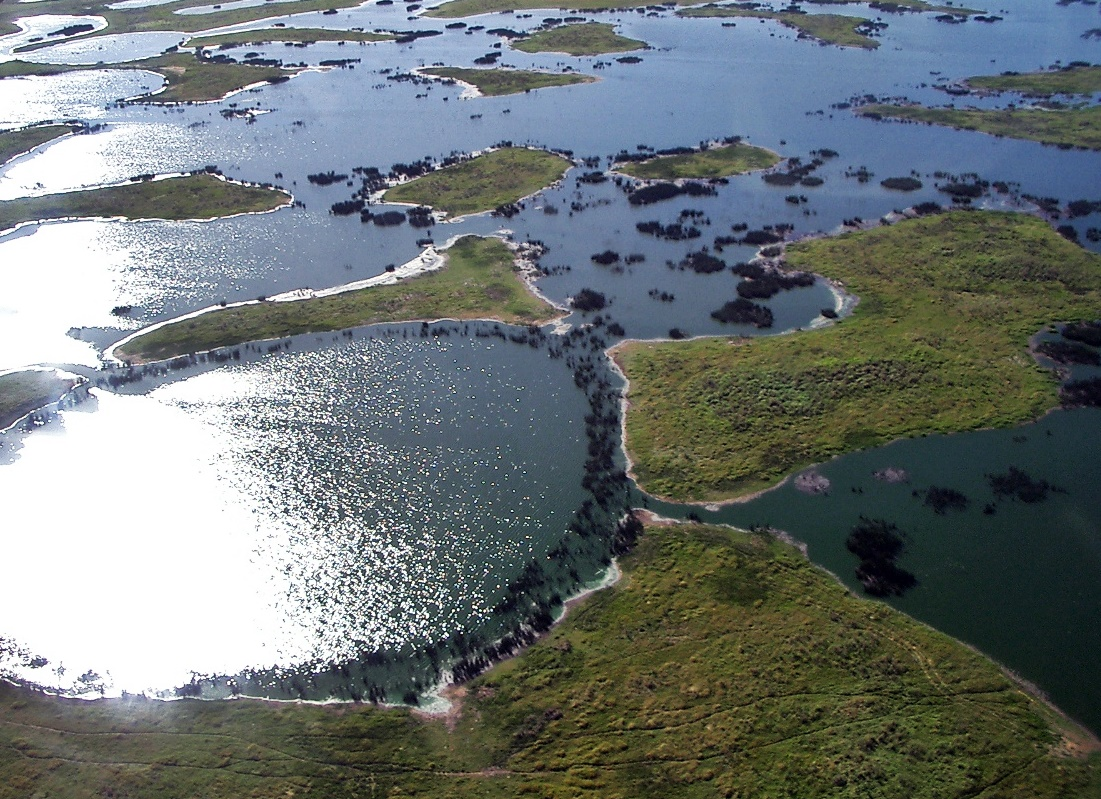
For wildlife on an epic scale, the Pantanal Conservation Area protects part of the world’s largest tropical wetland. This immense region, far less famous than the Amazon but often better for spotting animals, teems with life, including jaguars, giant anteaters, caimans, capybaras, and the striking hyacinth macaw. The open, seasonally flooded landscape makes wildlife easier to see than in dense rainforest, which is why it has become a premier destination for safaris and birdwatching in South America. The Pantanal offers one of the best chances anywhere on the continent to see a jaguar in the wild, and its sheer biodiversity makes it a natural wonder every bit as significant as the headline sites.
Peru’s Ancient Layers: Nazca and Caral
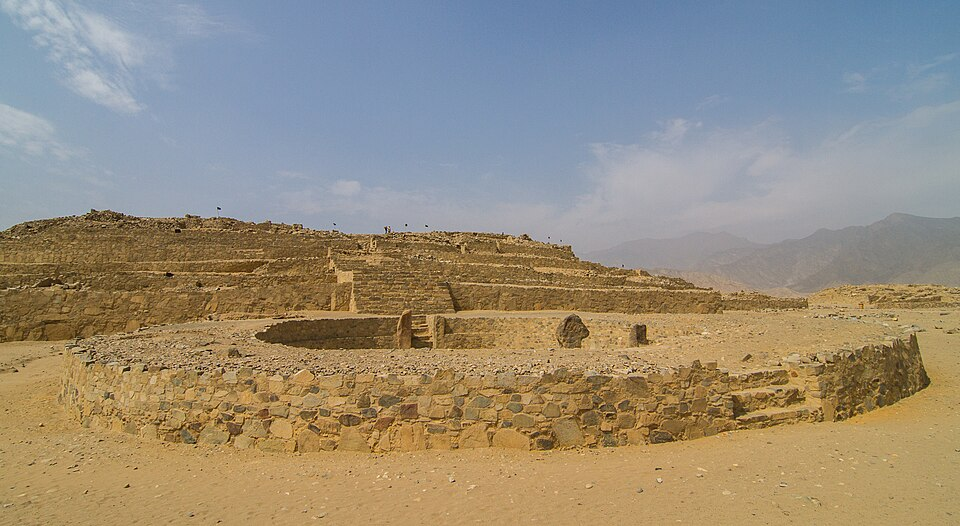
Beyond Machu Picchu, Peru’s UNESCO sites reach deep into the human past. The Nazca Lines are a collection of enormous ancient geoglyphs etched into the desert floor, vast figures of animals and shapes best appreciated from the air, whose purpose still puzzles researchers. Older still is Caral-Supe, one of the oldest known urban civilizations in the world, dating back over 5,000 years, whose monumental pyramids and plazas have reshaped understanding of how civilization began in the Americas. Together with the historic center of Lima and the Inca capital of Cusco, they show that Peru’s heritage stretches across millennia, making it the richest single country on the continent for UNESCO sites.
Planning a UNESCO Tour of South America
The catch with South America’s UNESCO sites is distance: the continent is enormous, and the sites are scattered across many countries. Rather than trying to see them all in one trip, most travelers focus on one country or region at a time, pairing, say, Machu Picchu with Cusco, Lima, and the Nazca Lines in Peru, or Iguazú with Rio and Salvador in Brazil. Many sites, especially the natural ones like the Galápagos and the Pantanal, are best experienced on guided tours or cruises that handle the logistics. Whichever you choose, building a trip around these protected wonders is one of the most rewarding ways to experience the history and natural splendor of South America.
Like our content? Follow us for more.