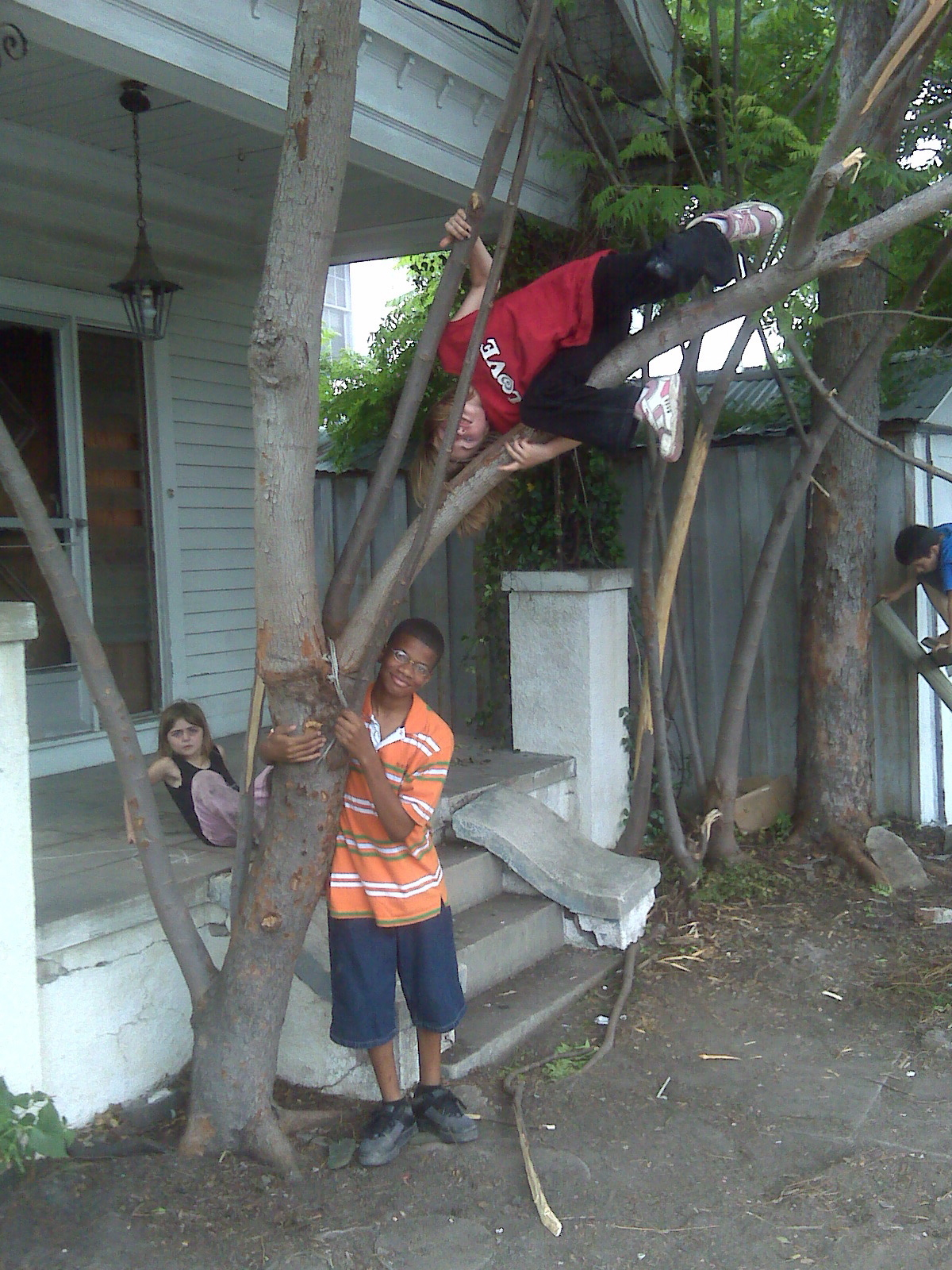
In 1962 the supply of climbable trees in any neighbourhood was small, specific and completely mapped by children who had inherited the map from older children. A tree needed a low first branch, which most do not have, and the difficulty of that one move classified the whole tree. Going up was easy, coming down was not, everybody had a personal height they would not pass, and the entire regulatory system was one adult voice from a back door. Here are sixteen things every kid knew about the climbable trees in 1962, and why the activity has gone from most childhoods.
1. Not Every Tree Could Be Climbed and Children Knew Which
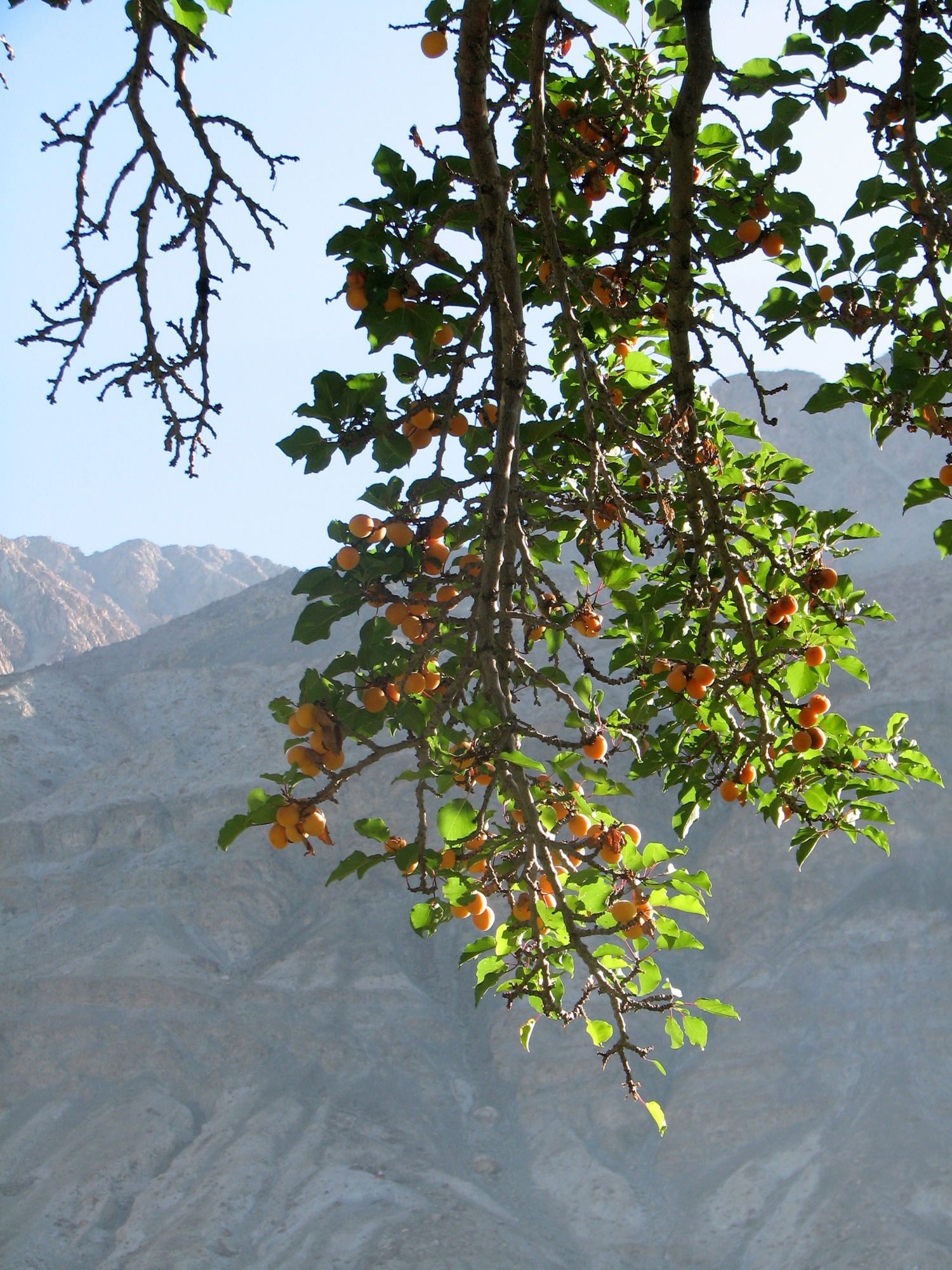
A climbable tree needs a low first branch, and the overwhelming majority of trees do not have one.
That single requirement eliminated most of the available candidates. A trunk with nothing on it for eight feet is unclimbable by a child regardless of what is above, which means the supply of usable trees in any neighbourhood was small, specific and completely mapped.
The mapping was shared and durable. Every child in an area knew which three or four trees were usable, the knowledge was passed down by older children, and it frequently outlasted the children who had compiled it.
Like our content? Follow us for more.
2. The First Branch Was the Whole Problem
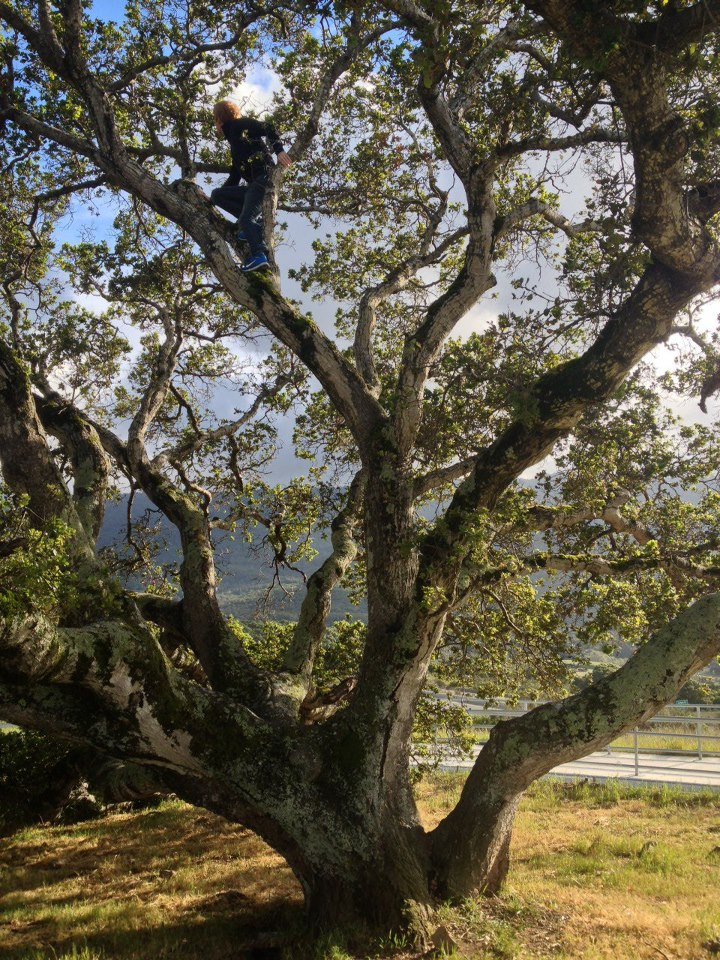
Getting off the ground was harder than anything that followed, and a tree was classified entirely by how difficult that first move was.
The hierarchy was precise. A tree with a branch at waist height was for everybody, one at chest height was for most people, one requiring a jump was for a few, and one requiring a boost from somebody else was a two-person operation.
The boost was therefore a social transaction. A smaller child who could not reach needed a larger one to supply a hand, which meant access to the best trees was controlled by whoever was prepared to help.
3. Going Up Was Easy and Coming Down Was Not
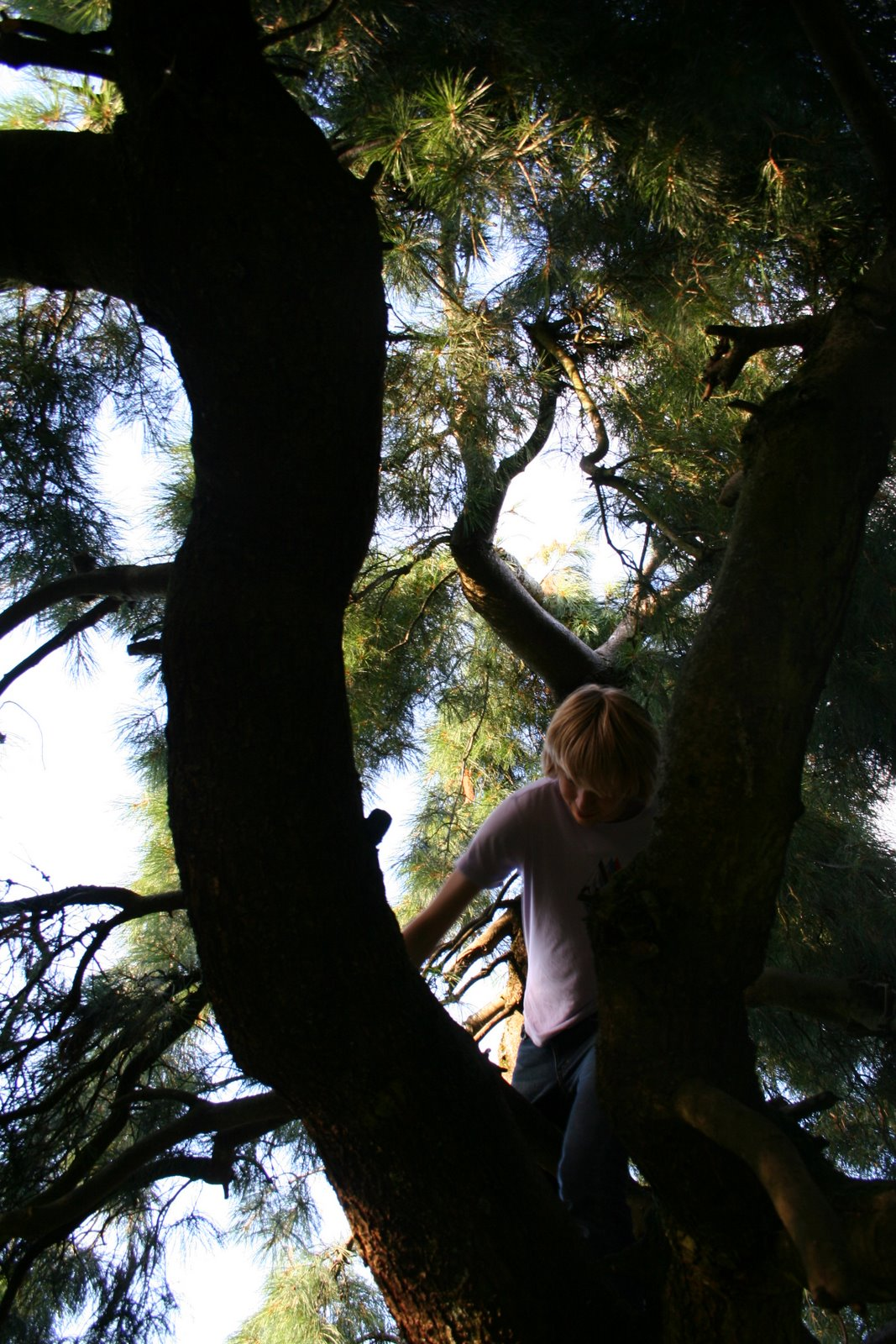
Ascending a tree is a different problem from descending one, and almost every child discovered this the hard way at some point.
The asymmetry is the central practical fact. Climbing up means looking at what you are reaching for, and climbing down means reaching for something you cannot see, which is considerably harder and is the point at which most difficulties occurred.
That is stated as the reason children got stuck rather than as instruction. The risks involved were real and were not well understood at the time, and nothing in this piece should be read as describing anything anybody ought to do.
4. Getting Stuck Was Common and Was Humiliating
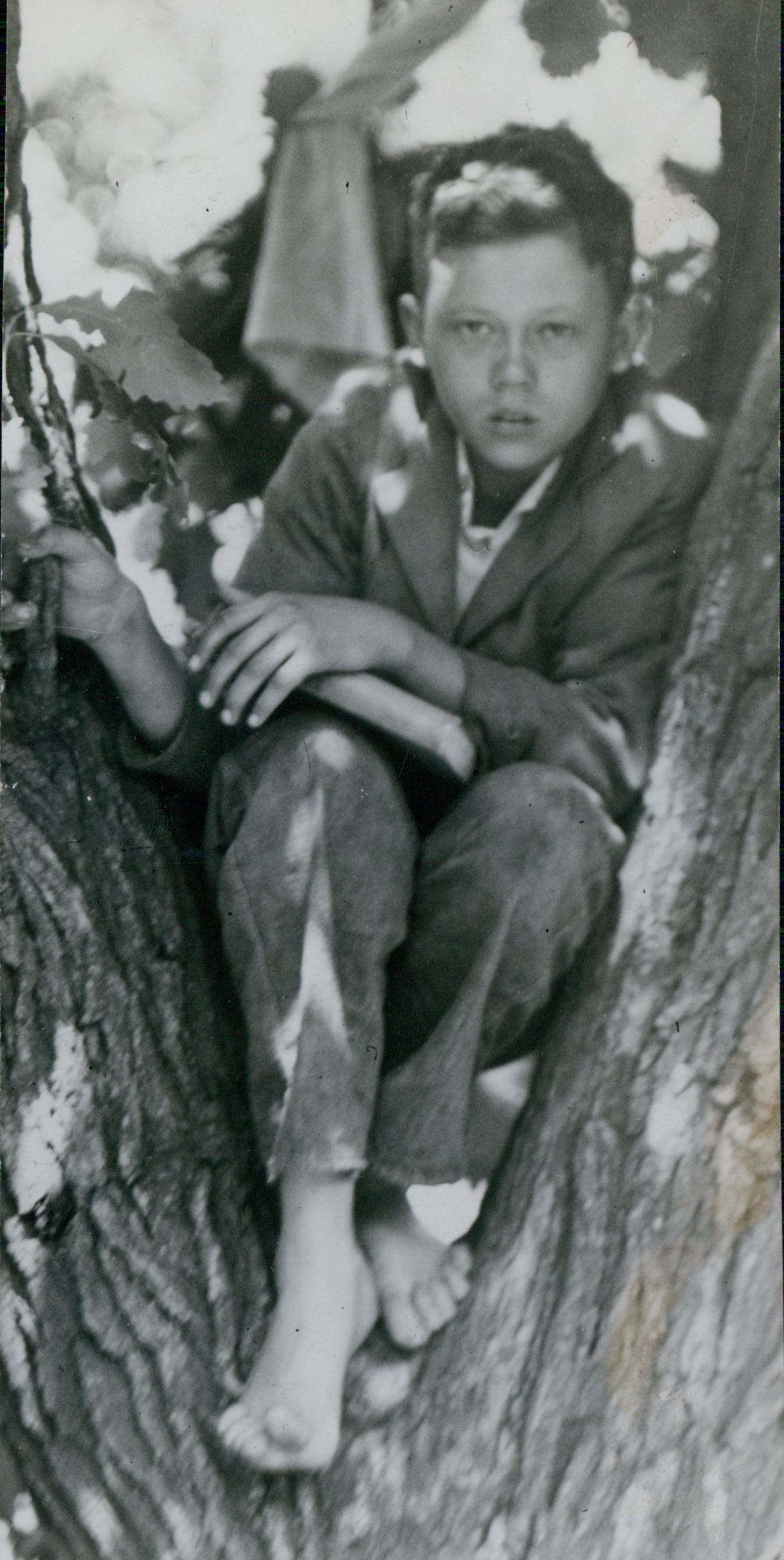
A child who had gone higher than they could get down from had to call for help, and the calling was the worst part.
The embarrassment outweighed the difficulty by a considerable margin. A child in a tree who cannot descend is not in immediate trouble but is in a position that requires an adult, and the adult arriving in front of other children was the actual penalty.
Most of them got down by themselves eventually. A child left for ten minutes with nobody watching generally solved the problem, which is why a great many of these incidents were never reported to anybody at all.
5. Everybody Had a Height They Would Not Pass
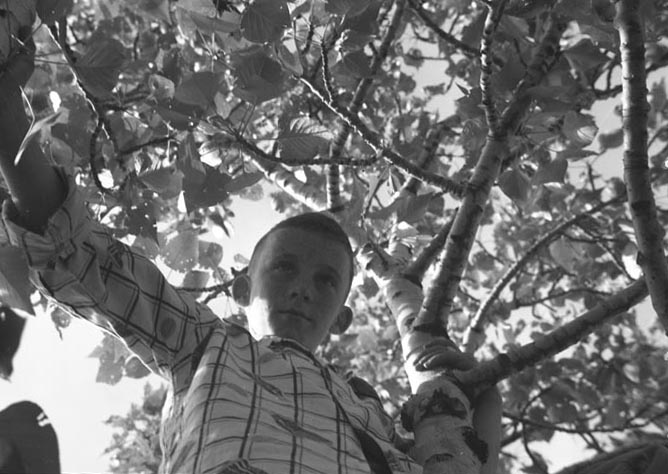
Each child had a personal limit, it was specific, it was known to them precisely, and it was not advertised.
The limits were honestly held and rarely tested. A child who had decided they went no further than a particular branch stopped there consistently, which is a considerably more sensible arrangement than anybody gave children credit for.
Pressure to exceed it was mild and usually ineffective. The children who went highest were the children who were comfortable going highest, and the social cost of stopping lower than somebody else was smaller than it looks from outside.
6. Bark Did Real Damage to Everybody’s Clothing
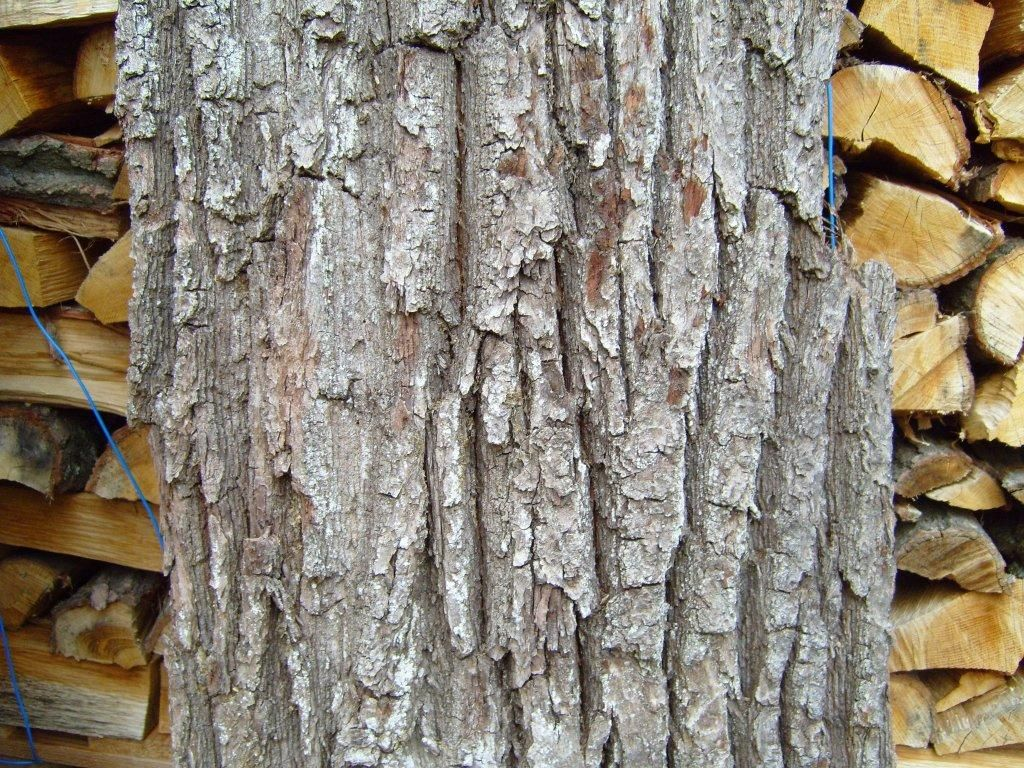
Knees, elbows and the insides of forearms all took the wear, and the garments were ruined rather than dirtied.
The clothing consequence was the main thing adults objected to. A household could tolerate mud, which washes, and could not tolerate a sleeve worn through, which does not, and a great many prohibitions on tree climbing were in fact prohibitions on ruining clothes.
Children developed a wardrobe accordingly. A child with one set of garments designated as the ones that could be ruined had solved the problem, and the designation was frequently made by the household rather than by the child.
7. The Sap, the Insects and the Dirt Came Home With You
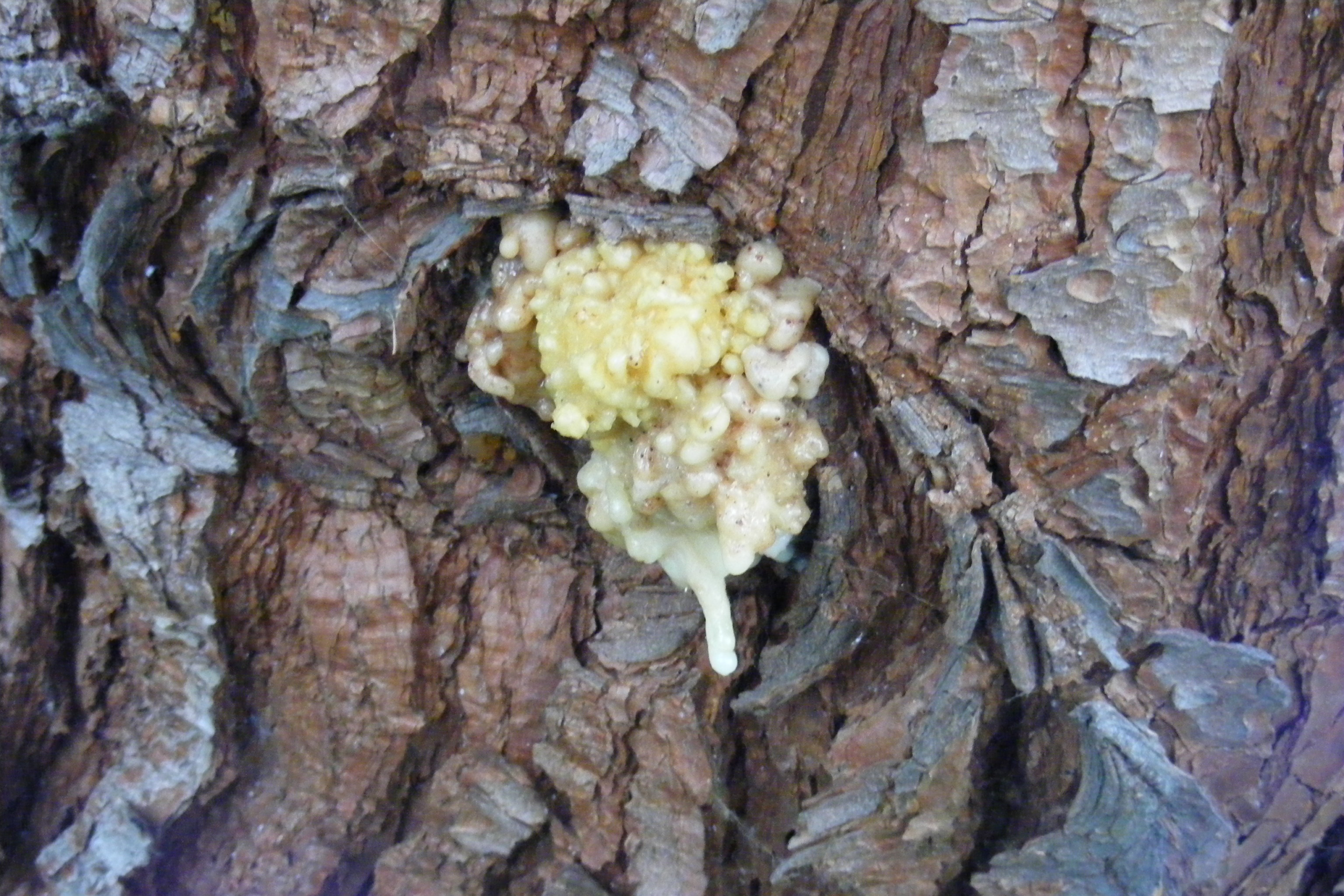
Hands, hair and clothing acquired a quantity of material from the tree, and some of it did not come off easily.
The residue was the evidence. A child who had been climbing could not conceal it, which means the activity was essentially impossible to do without a household finding out, and most households simply accepted that.
Nobody minded very much. A degree of mess acquired outdoors in the course of ordinary activity was within the expected range for 1962, and the standards about what a child came home looking like were considerably broader than they are now.
8. The View Was the Entire Reward
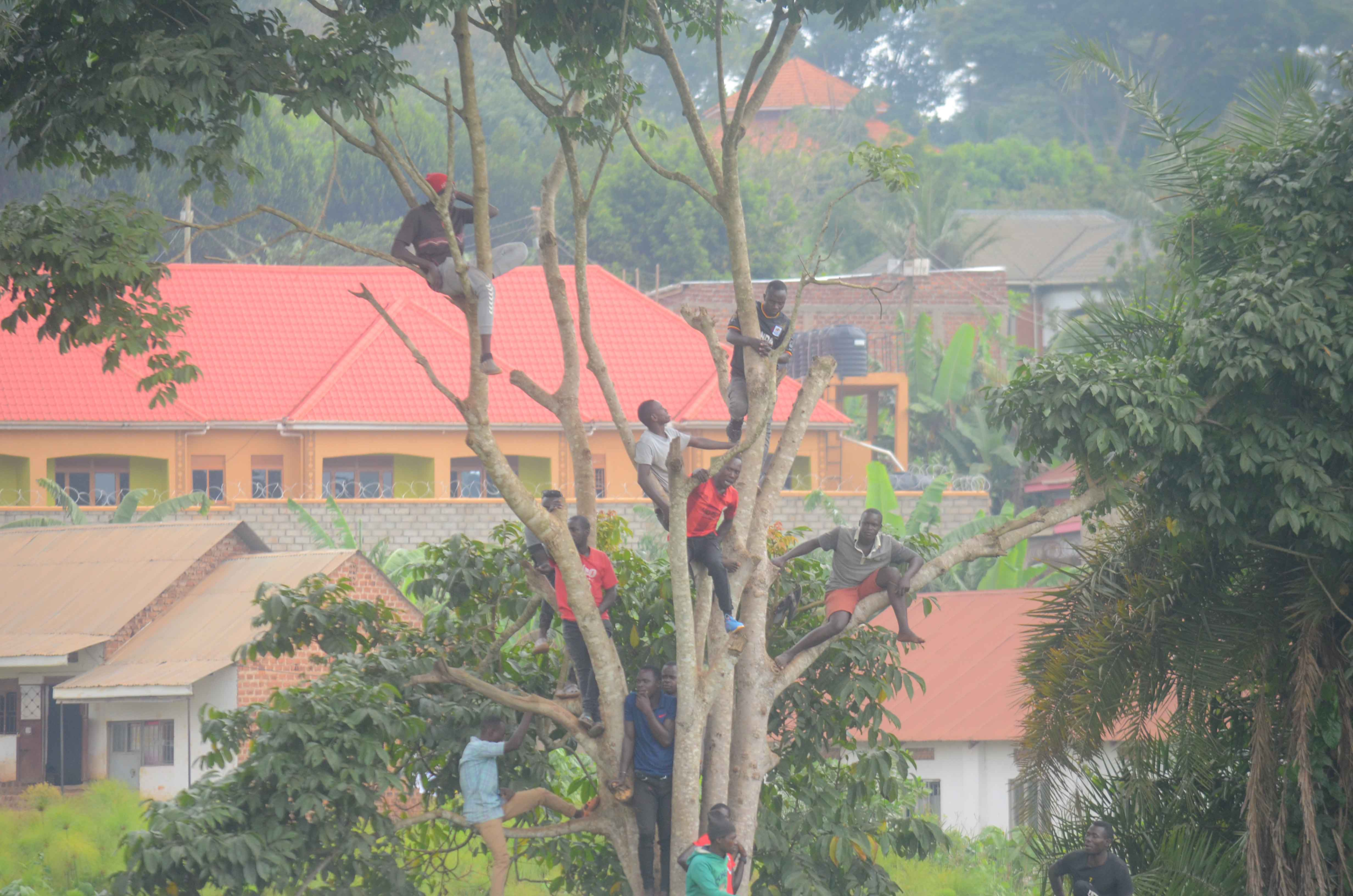
Getting high enough to see over something – a wall, a hedge, a roofline – was the objective, and the achievement was visual rather than physical.
That is the part that is easiest to underestimate. A child’s entire experience of their own neighbourhood was conducted at four feet above the ground, and twenty feet up supplied an aerial view of a place they thought they knew completely.
The novelty did not wear off. A child who had climbed the same tree fifty times still looked, because the view changes with the season, the weather and the time of day, and it was the only elevated position available to anybody.
9. Being Up There Was the Only Genuinely Private Place
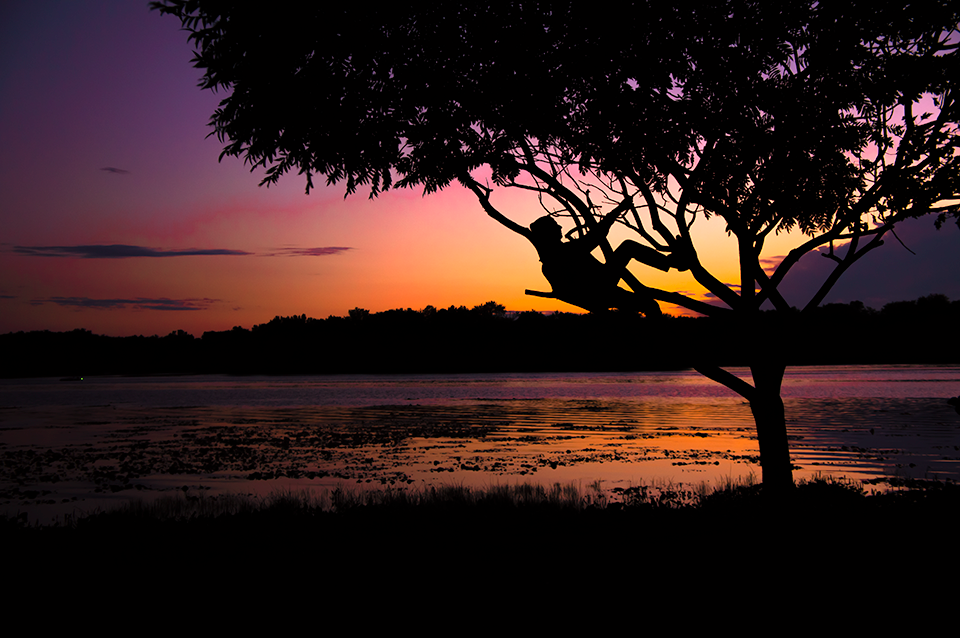
A child in a tree is visible and unreachable, which is a combination almost nothing else in their life provided.
The privacy was of a specific and unusual kind. A child in a bedroom can be walked in on and a child in a tree cannot, which means the branch was the one location where somebody could be entirely alone while remaining in plain sight.
A great deal of thinking happened up there. People who did this describe going up specifically to be unavailable, which is a use of the activity that has nothing to do with climbing at all.
10. Carrying Anything Up Was a Logistics Problem
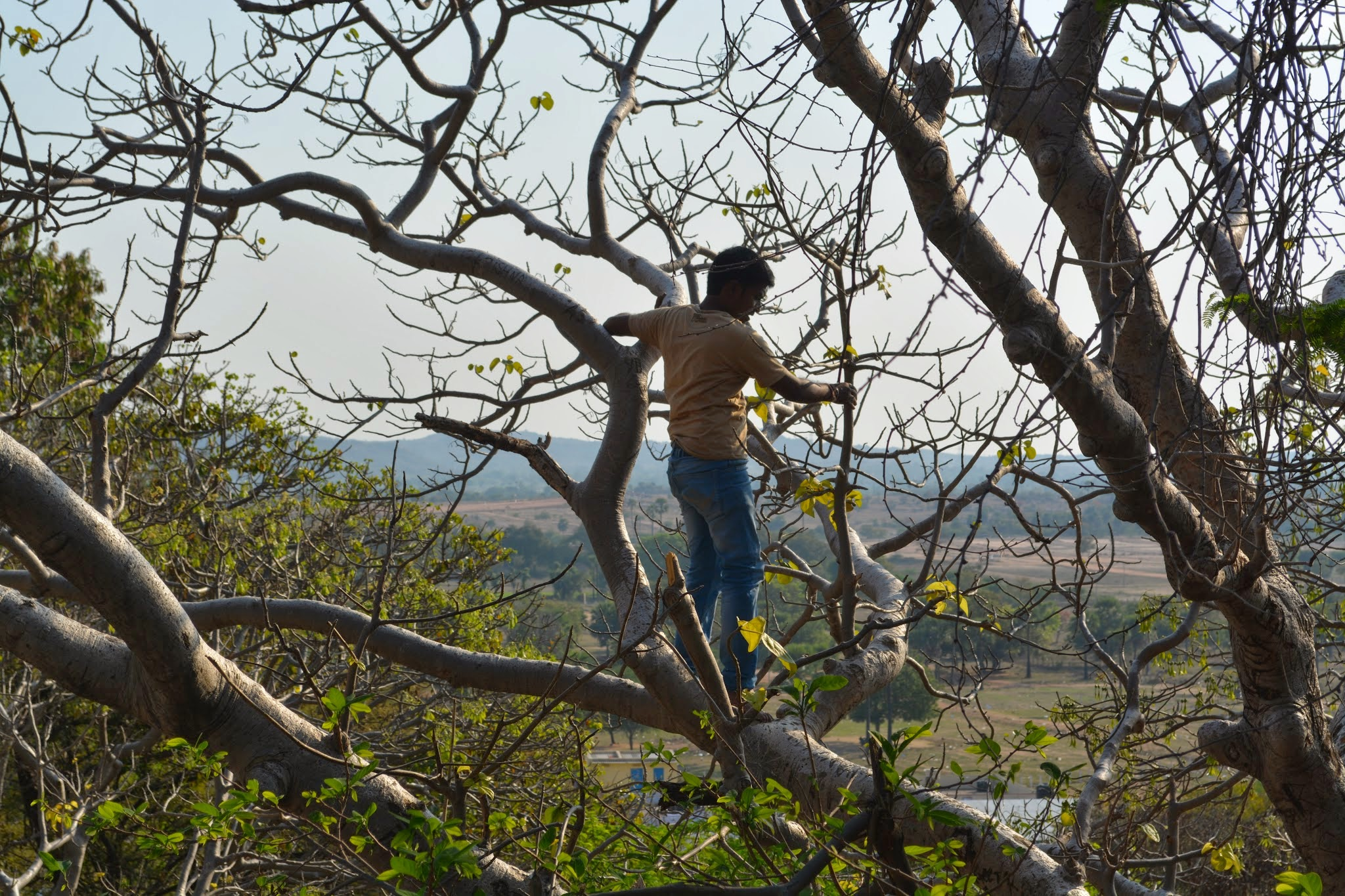
Both hands are required for the ascent, which means anything a child wanted at the top had to be got there somehow.
The constraint produced genuine ingenuity. Pockets, a bag over a shoulder, something tucked into clothing or a rope improvised from whatever was available were all used, and each of them had been arrived at independently by somebody.
Dropping it was the standard outcome. An object carried up a tree by a child with both hands occupied has a high probability of ending up on the ground, which is why so much of what went up came down faster.
11. Two Children in One Tree Was a Negotiation
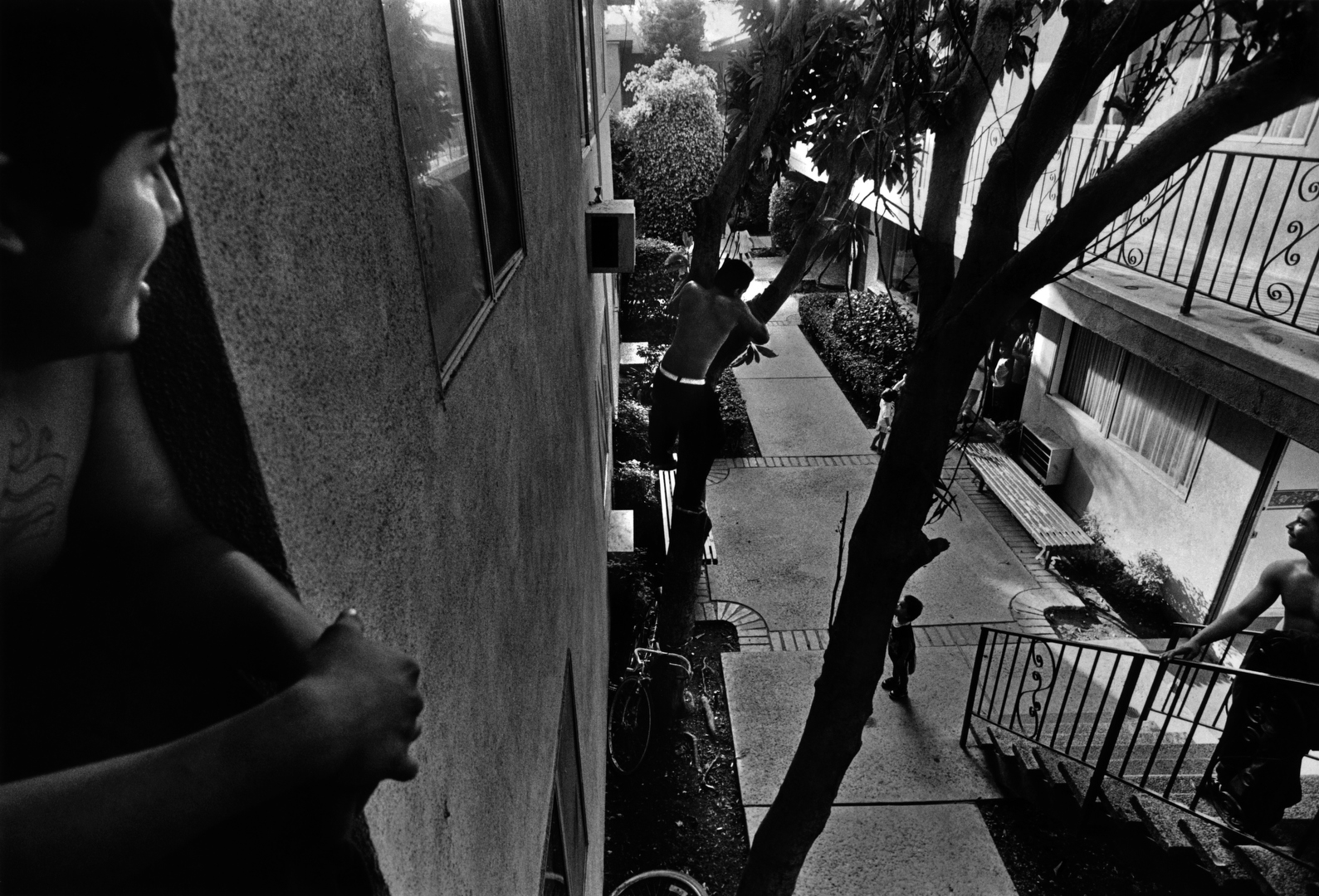
Branches support one person comfortably and two with difficulty, which meant occupancy had to be agreed.
The negotiation was conducted without any rules. Who was higher, who had arrived first, who was permitted past whom and whether anybody had to come down were all settled on the spot, and the settlements were consistent enough to suggest an unwritten convention.
Seniority decided most of it. The older child was higher, had arrived first in the account that was given afterwards and had the better branch, which is how almost every children’s dispute of the period resolved.
12. The Same Tree Belonged to Somebody
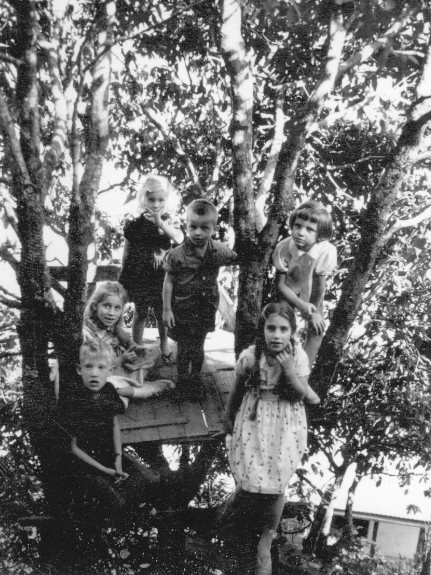
Every usable tree had a child or a group who regarded it as theirs, and the claim was recognised by other children.
The territorial arrangement was informal and real. A tree with an established occupant could be used by somebody else and could not be occupied, and the distinction between those two things was understood by everybody involved.
The claims were inherited rather than ended. A child who outgrew a tree passed it on, usually to a sibling or a neighbour, and a great many of these trees had a documented succession that no adult ever knew about.
13. Falling Happened and Was Mostly Not Serious
Children came out of these trees, usually from low down, and the outcomes were generally minor.
That is stated honestly rather than fondly, and the proportion is the point. Most falls were from the lower branches because that is where most of the time was spent, and the ones from higher up were rarer and were not minor at all.
Nothing about the activity was designed, surfaced or supervised. The standards of the period were not the standards now, the risks were real and were poorly understood, and the reasons for everything that has changed since are not in dispute.
14. Adults Had a Height They Objected To and It Was Visible
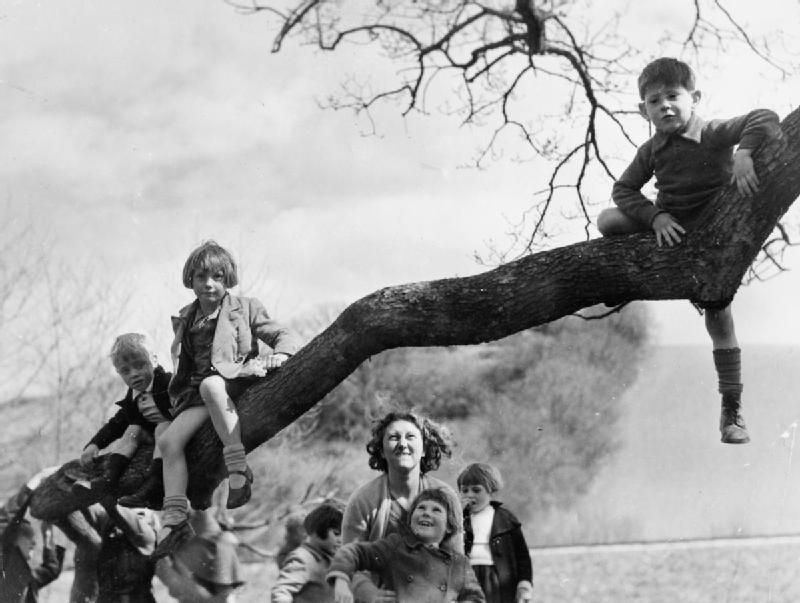
A household watching from a window tolerated a certain elevation and intervened above it, and the threshold was never stated.
The line was discovered by crossing it. A child who had gone too high found out by being called, which means the limit was learned empirically and was different in every household.
Enforcement was by shouting. There was nothing else available – an adult cannot retrieve a child from twenty feet up without considerable difficulty – which means the entire regulatory apparatus was one voice from a back door.
15. Learning It Was Entirely Self-Taught
Nobody instructed anybody. A child watched somebody else, tried it, failed, tried it again and eventually could do it.
The method is the same one that produced every practical skill of the period. A child who had worked out which branches hold, how to test one and where to put their weight had acquired real knowledge by trial, and could not have explained a word of it.
The knowledge was genuinely transferable. A child who could climb one tree could climb an unfamiliar one, which means what had been learned was a general principle rather than a particular route.
16. Then the Trees Became Somebody’s Liability
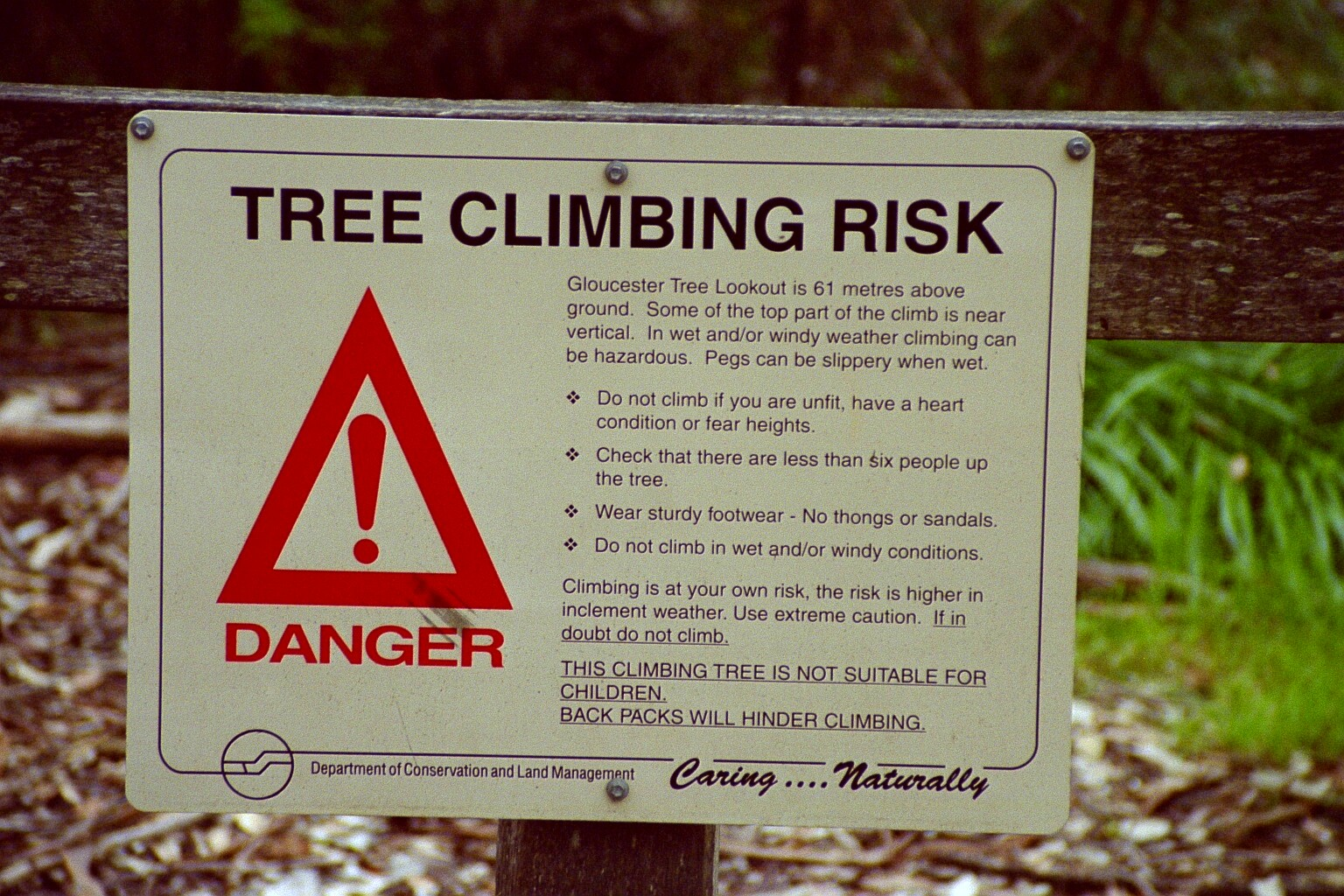
Changed attitudes to risk, a far better understanding of fall injuries, and the question of who is responsible when a child comes out of a tree removed the activity from most childhoods.
The change is not one anybody should argue with. Falls from height are a serious category of childhood injury, nothing about an unsupervised tree mitigates them, and the reasons for the caution that followed are sound.
What went with it is the elevated position. The only place a child could be entirely alone while remaining in full view, the only aerial picture of their own neighbourhood available to anybody, and the small shared map of three or four usable trees that one generation compiled and handed to the next.
What the Branch Was Actually For
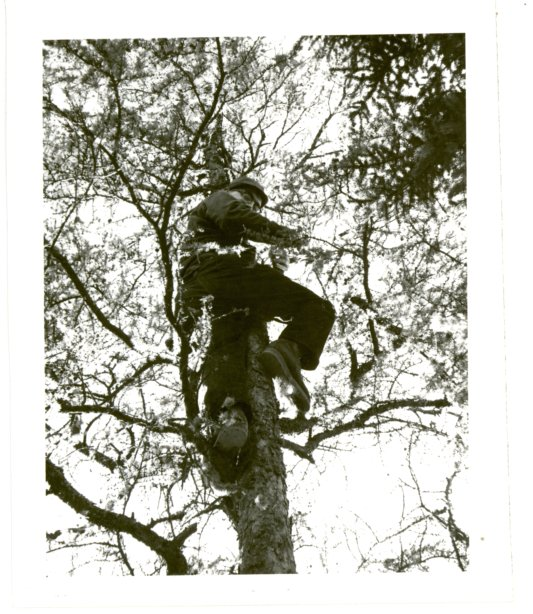
Read in order, the sixteen describe something whose value had very little to do with climbing. The view was the stated objective: a child’s whole experience of their own neighbourhood was conducted at four feet above the ground, and twenty feet up supplied the only aerial picture of it available to anybody. But the ninth item is the one people describe most often without being asked. A child in a tree is visible and unreachable at the same time, which is a combination almost nothing else in a 1962 childhood provided. A bedroom can be walked into; a branch cannot. People who did this describe going up specifically in order to be unavailable, which is a use of the activity that involves no climbing at all.
Everything else about it was self-taught and genuinely transferable. Nobody instructed anybody: a child watched, tried, failed and eventually knew which branches hold, how to test one and where to put their weight – and could not have explained a single word of it. What they had acquired was a general principle rather than a particular route, which is why a child who could climb one tree could climb an unfamiliar one.
The caution that ended it is not something to argue with. Falls from height are a serious category of childhood injury, nothing about an unsupervised tree mitigates the consequences, and the reasons behind the change are sound. The standards of the period were not the standards now, the risks were real and were poorly understood at the time, and nothing above should be read as describing anything anybody ought to do.
What went alongside it is the elevated position itself: the only place a child could be completely alone while remaining in full view, the only aerial picture of their own streets available to anybody at any price, and the small inherited map of the three or four trees in a neighbourhood that actually had a branch low enough to start on.
Like our content? Follow us for more.