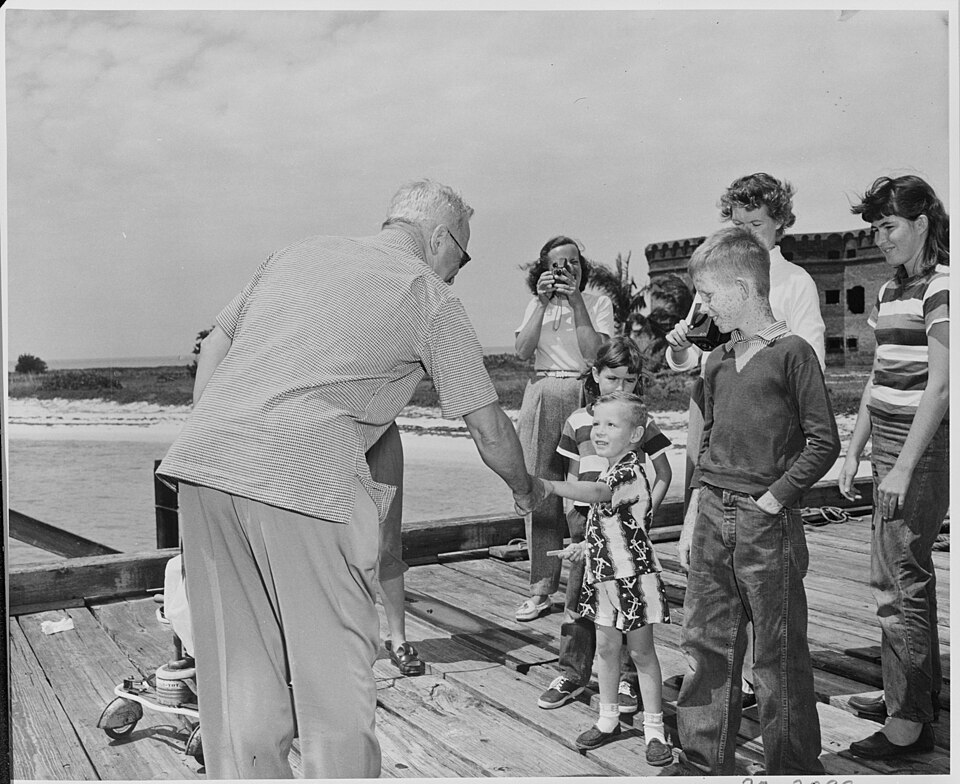
You were pushed forward about half a step, told to say the person’s name, and expected to put your hand out and look up. In 1960 the whole of that was taught deliberately, repeatedly and with a certain amount of impatience, and it was one of a very short list of things a household drilled into a child before anything else.
The Occasion Was Always an Adult Arriving
The skill existed for one specific situation: a grown-up coming into the house, or being encountered outside it, whom the child was obliged to acknowledge.
That narrow purpose is what made it teachable. A procedure required at a predictable moment can be rehearsed in advance, and children were coached in the minutes before visitors arrived with considerable regularity.
Like our content? Follow us for more.
Being Introduced Was Not Optional
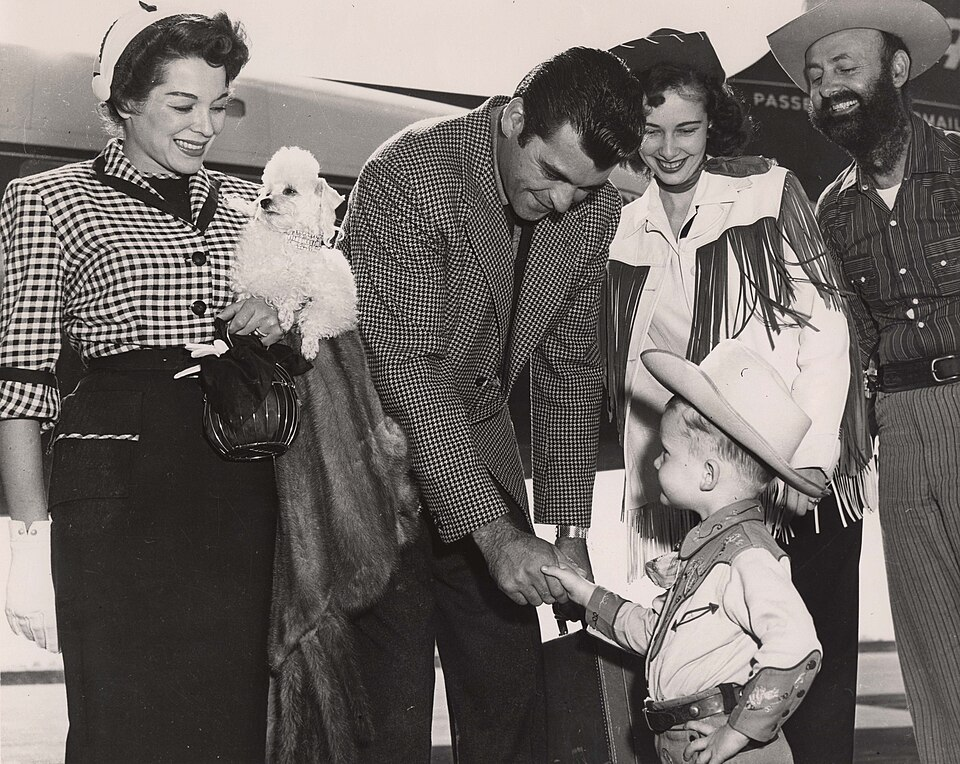
A child present when an adult arrived was produced, named and expected to perform, and disappearing was not available as a strategy.
The compulsion is the part that is hardest to convey now. There was no arrangement under which a child could remain in another room, and a household’s reputation rested partly on whether its children could manage thirty seconds of this.
The Looking Up Was the Hard Part
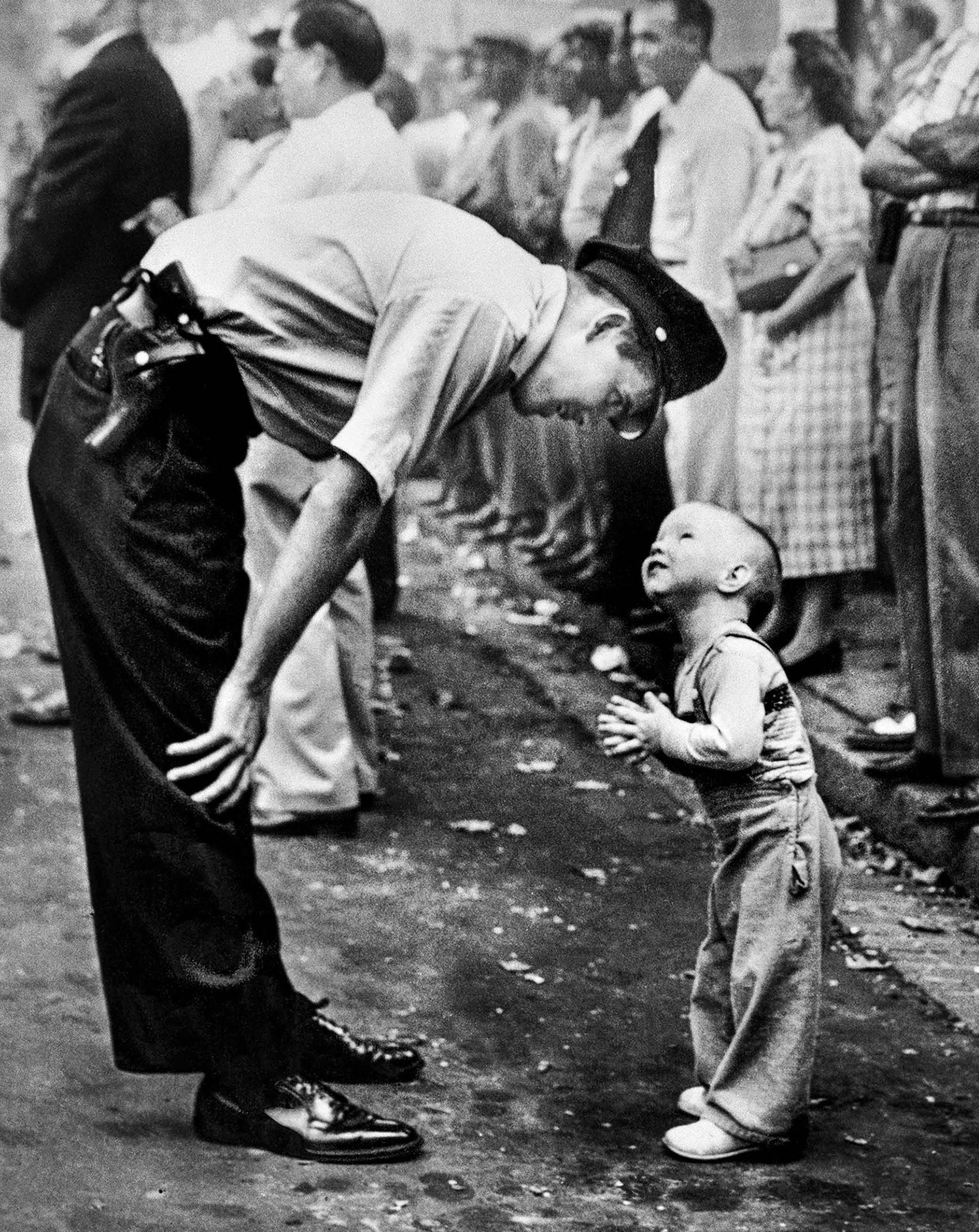
Putting a hand out is mechanical. Raising your eyes to an unfamiliar adult’s face and holding them there is genuinely difficult at eight years old.
That is why the instruction was repeated so often. The hand is easy and the eyes are not, and every adult doing the teaching knew exactly which half of the lesson a child was failing.
Saying the Name Back Was the Third Requirement
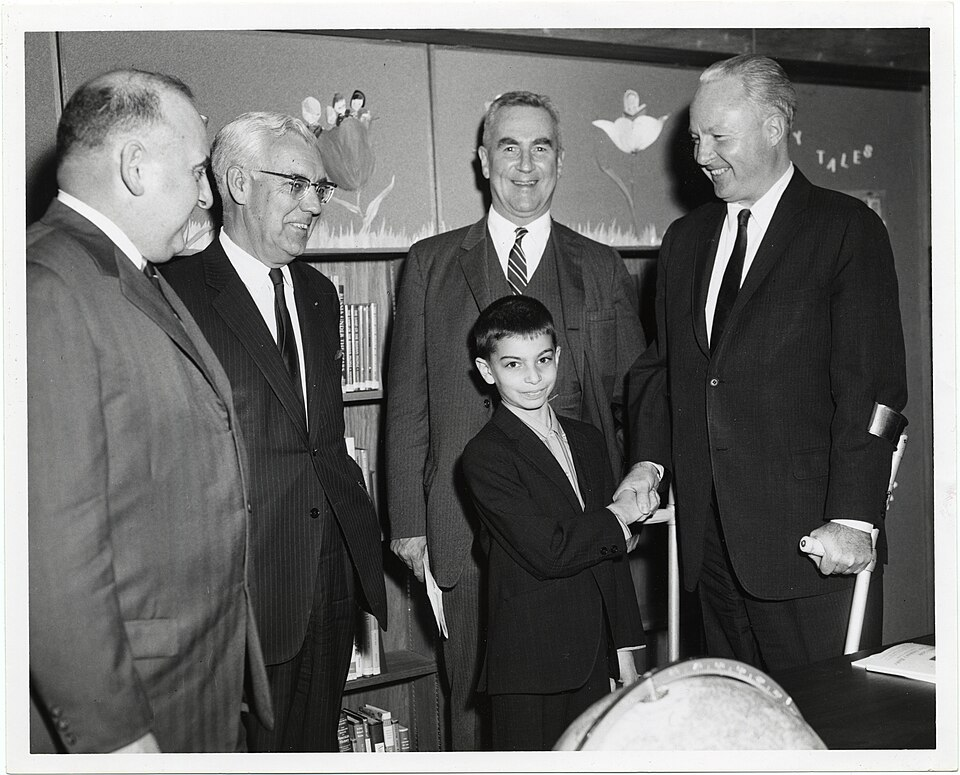
The full form was a greeting, the person’s name and then the hand, and leaving out the name was the commonest failure.
The name was doing real work in the exchange. Repeating it demonstrates attention, fixes it in memory and confirms that the child has registered a specific person rather than a generic adult, which is the entire difference between a greeting and a noise.
Mumbling Was the Universal Default

Almost every child’s first several hundred attempts were inaudible, and the instruction to speak up was the single most repeated correction in the whole business.
The volume problem had nothing to do with volume. A child speaking quietly is a child hoping not to be heard, and the correction was addressed at the reluctance rather than at the decibels.
The Grip Was Taught as a Specific Thing

Firm but not hard, brief, with one clear movement, and both extremes were corrected with equal firmness.
The attention paid to this is remarkable in retrospect. A household spent real effort calibrating a four-year-old’s handshake, because the two failure modes – limp and crushing – were both understood to say something about a person that nobody wanted said about their child.
Standing Up Was Part of It
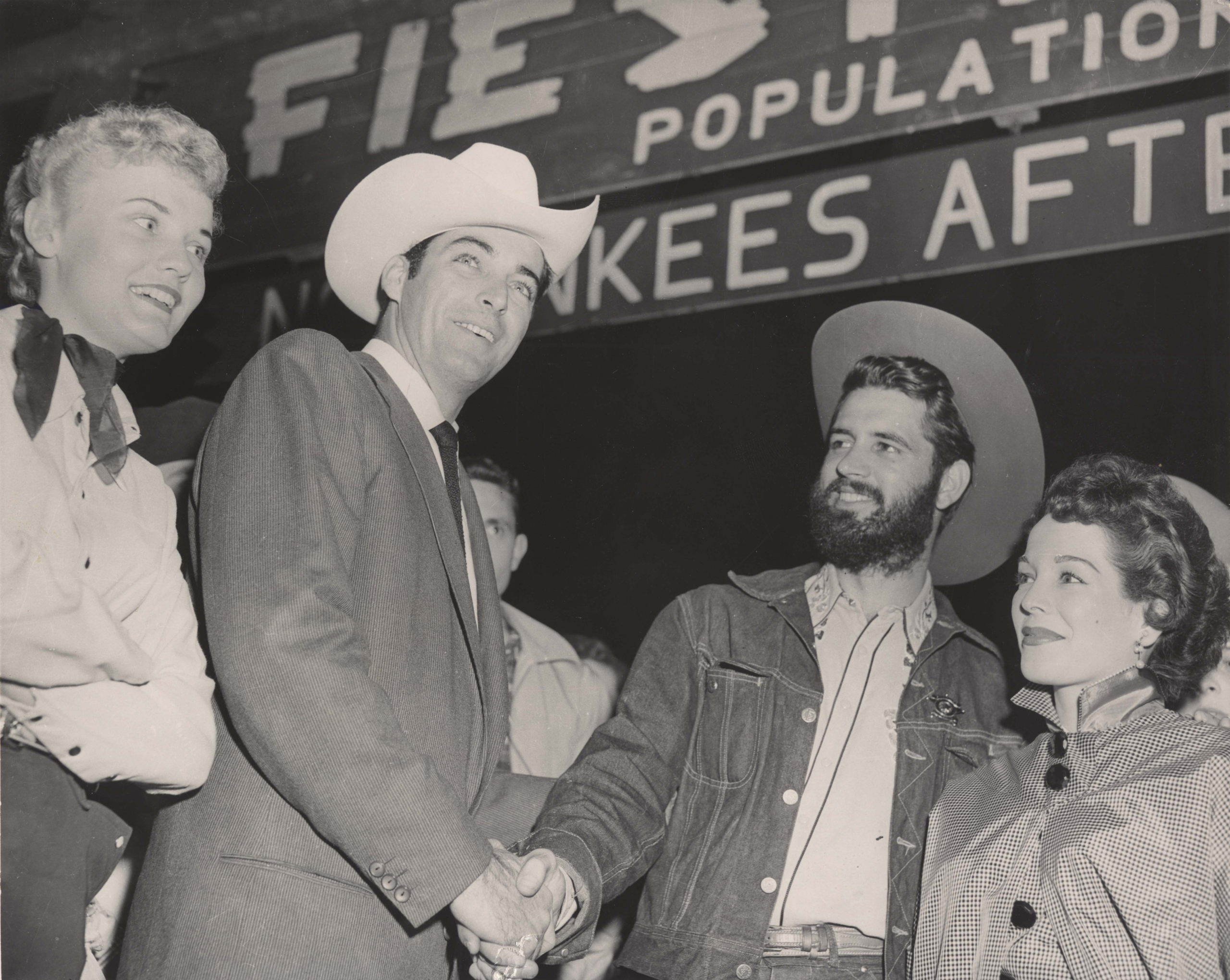
A child seated when an adult entered was expected to get up, and remaining seated was treated as a distinct offence from failing to speak.
The physical component was taken as seriously as the verbal one. Rising is a visible acknowledgement that somebody has entered a room, and a child who stayed in a chair had communicated something they almost certainly did not intend.
It Was Drilled Before Events Rather Than Taught in Principle
Nobody explained why. A child was simply rehearsed immediately before an occasion and corrected immediately afterwards.
The absence of explanation is characteristic of how all of this was transmitted. Household training of that period was overwhelmingly procedural, and a child who asked why was told that this was what you did, which is both unsatisfying and perfectly effective.
There Was a Wrong Answer to Every Question They Asked
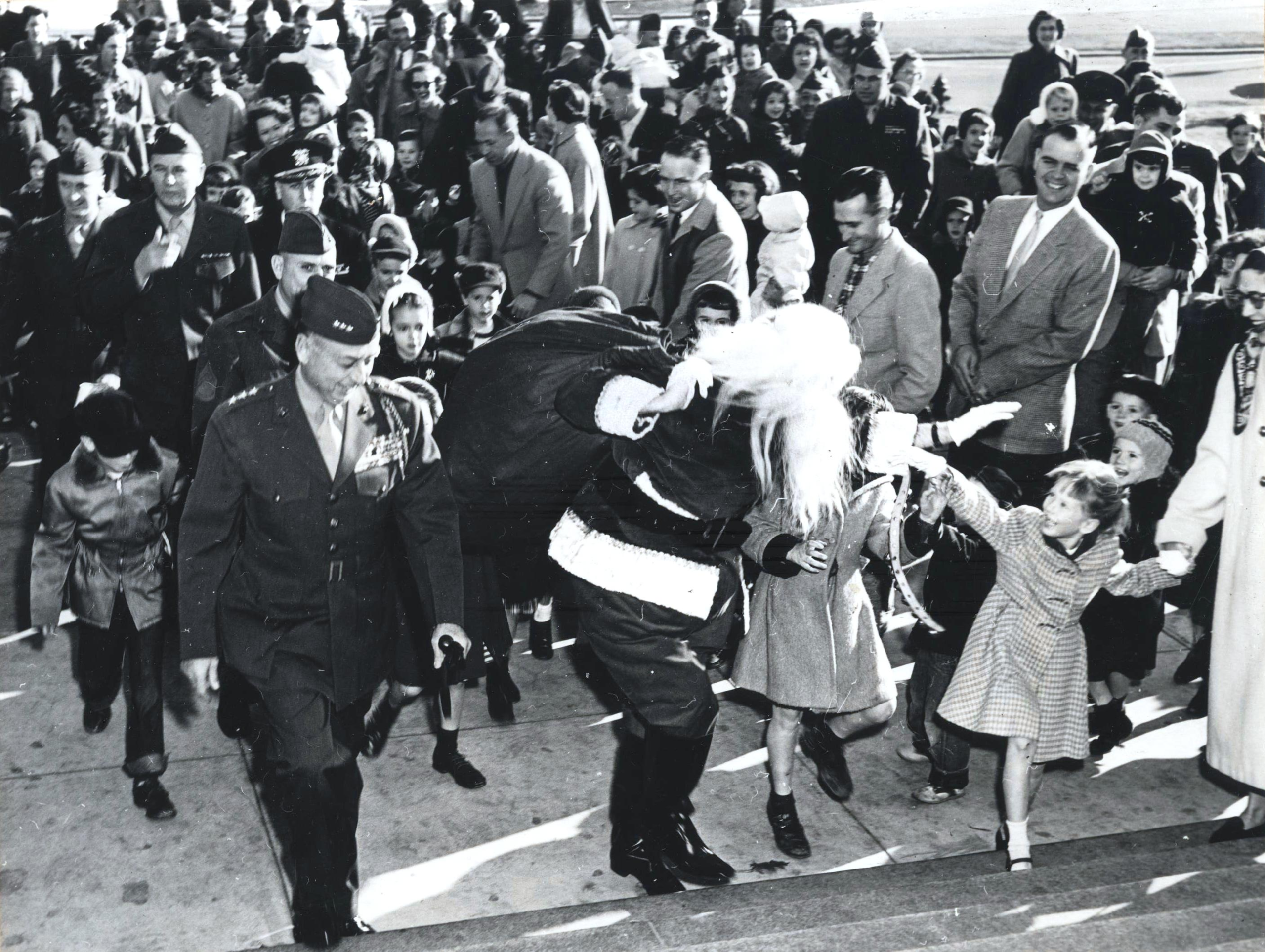
Visiting adults asked a child the same three or four questions, and the expected reply to each was a complete sentence rather than a single word.
The questions were almost always the same: how old you were, which school, which class, whether you liked it. Children consequently had answers prepared, and the prepared answers were considerably longer than the questions deserved, because a one-word reply was understood as a failure of the whole exercise rather than as brevity.
The adults were not interested in the answers. What was being tested was whether a child could produce a sentence to order in front of strangers, and both sides of the exchange understood that perfectly well.
The Correction Came Afterwards and Was Private
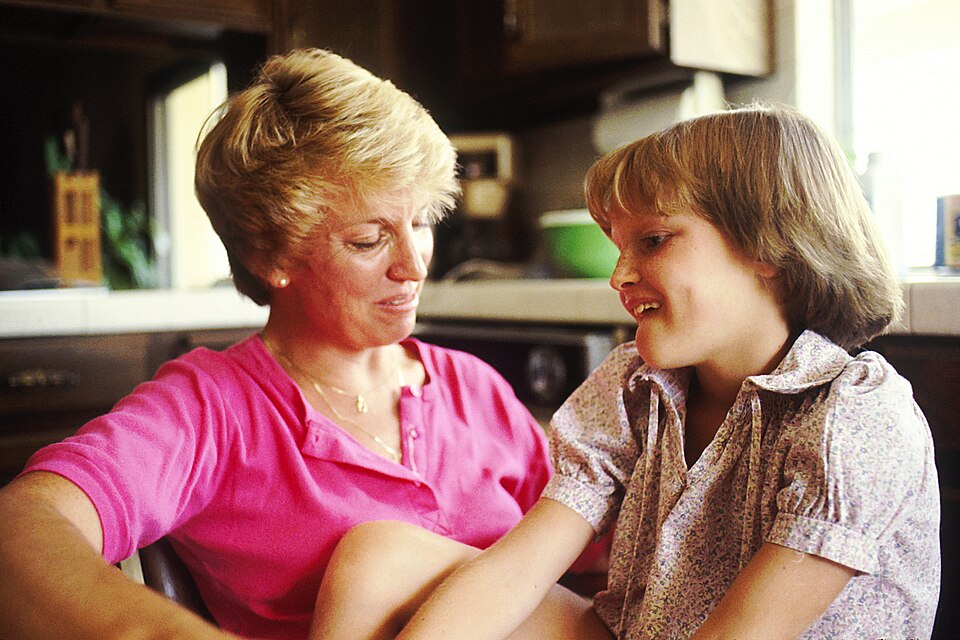
What was said about the performance was said in the kitchen, once the visitor had gone, and it was specific.
The timing was deliberate and considerate. Correcting a child in front of the person they have just greeted badly compounds the failure, and almost every household understood that the review happened later.
Failure Reflected on the Household Rather Than the Child
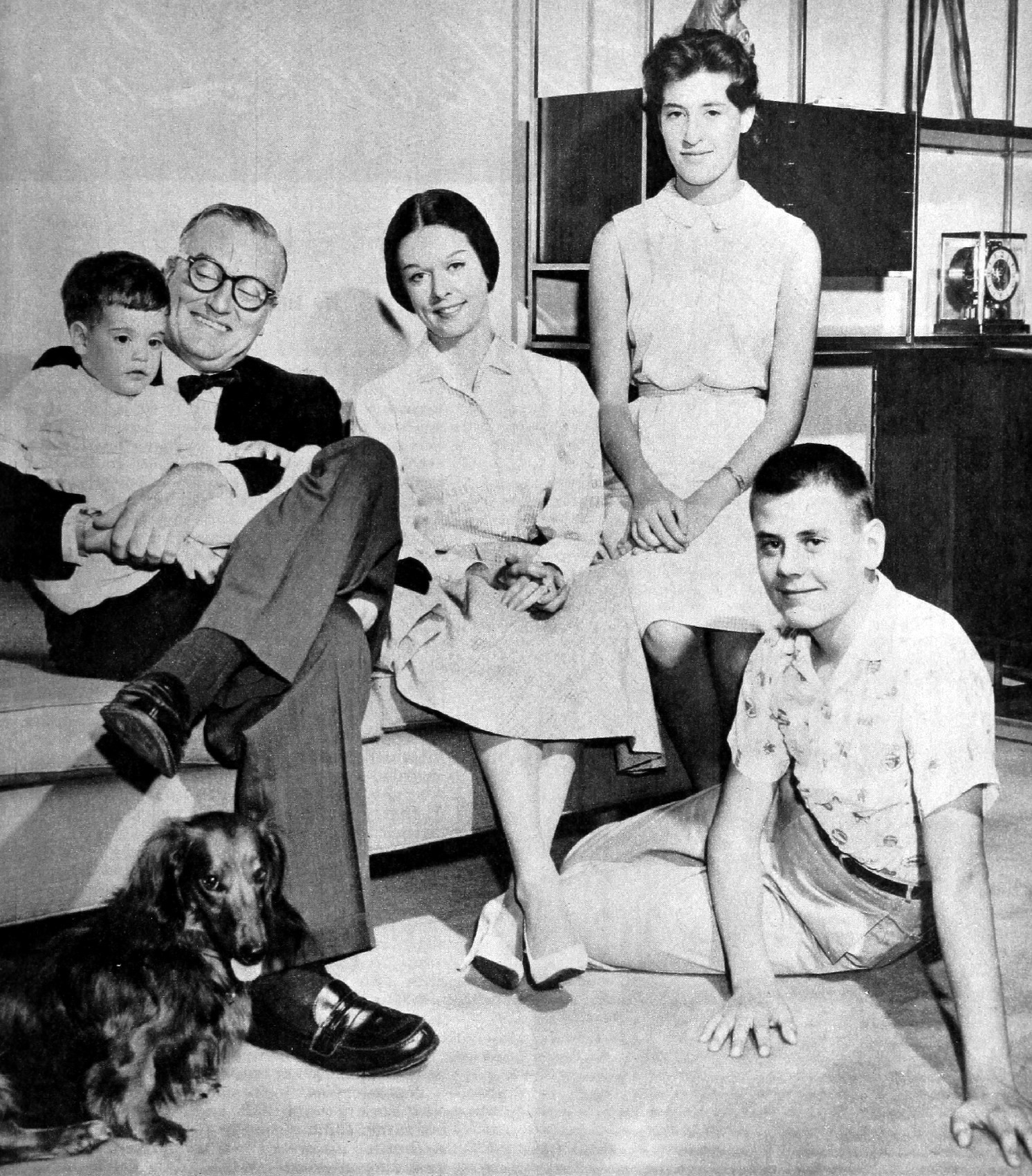
A child who could not manage it was understood to indicate something about how they were being brought up, and the parents knew it.
That is the pressure that explains the effort. The audience for a child’s handshake was not the visitor’s opinion of the child; it was the visitor’s opinion of the household, and parents were coaching a performance in which they were the ones being assessed.
Younger Siblings Learned It by Watching Rather Than Being Taught
A second or third child in a household absorbed the whole procedure from observation long before anybody attempted to drill them in it.
The difference in how it arrived is noticeable in the results. A first child was taught the sequence explicitly and performed it stiffly for years; a younger one had watched it two hundred times before their first attempt and frequently produced something considerably more natural on a first try.
That is the ordinary advantage of going second in a household, and it applied to almost everything of this kind. Explicit instruction produces competence and observation produces fluency, and a household teaching its eldest was doing the harder version of the job.
The Skill Transferred Immediately to Every Adult Encounter
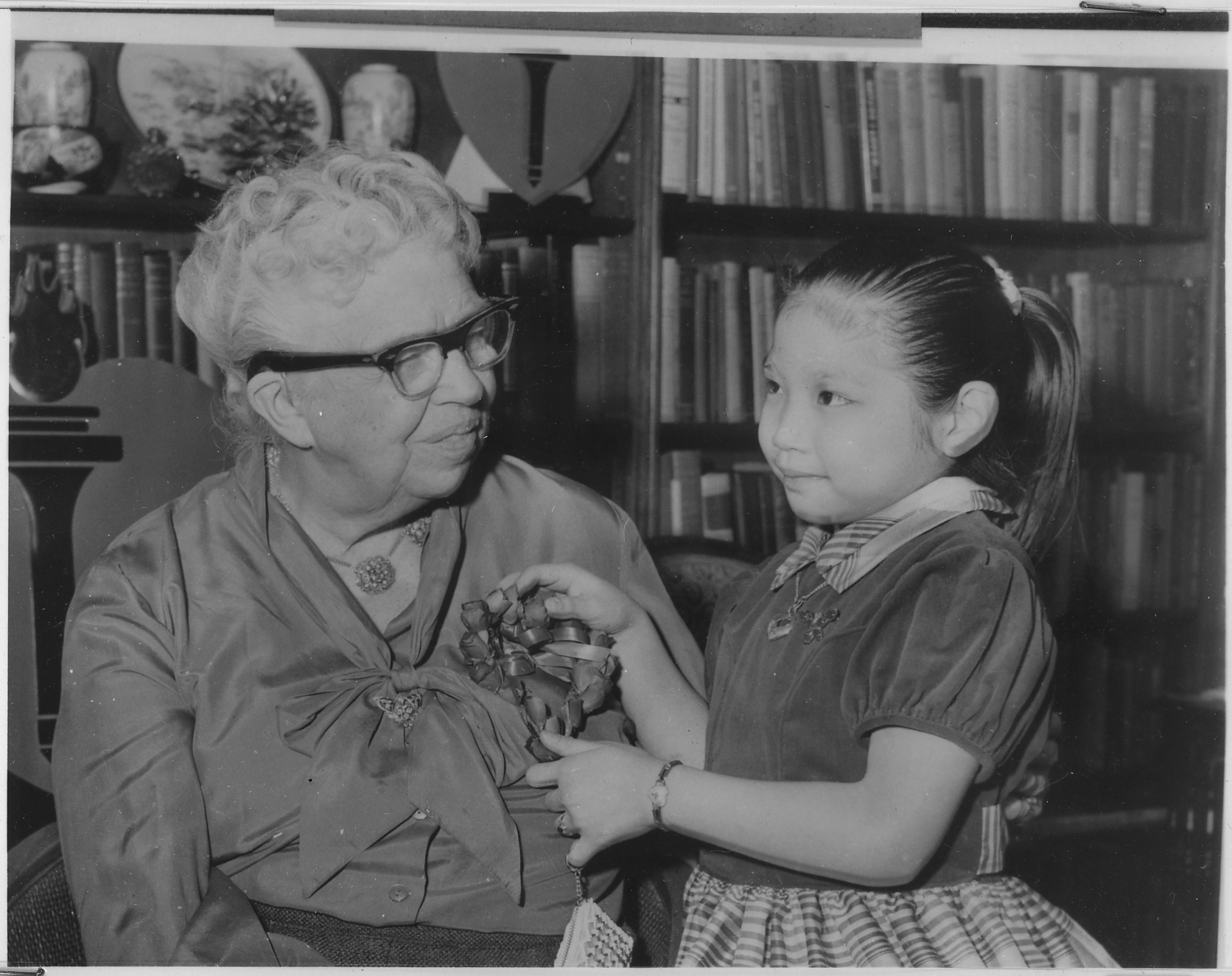
Shops, doctors, teachers, officials and strangers all became manageable once the procedure was secure.
The generalisation is what made it valuable rather than merely formal. A child who has a reliable script for the first ten seconds of an encounter with an unfamiliar adult has removed the single most intimidating part of every such encounter for the rest of their life.
Girls and Boys Were Taught Slightly Differently
The expectations diverged in details that varied by household, and nobody involved regarded the variation as worth discussing.
The differences are a fact of the period rather than a recommendation. What was expected of a child depended on conventions that have since changed considerably, and the only point worth making here is that the training itself was given to everybody.
Practising on Relatives Was How It Was Learned
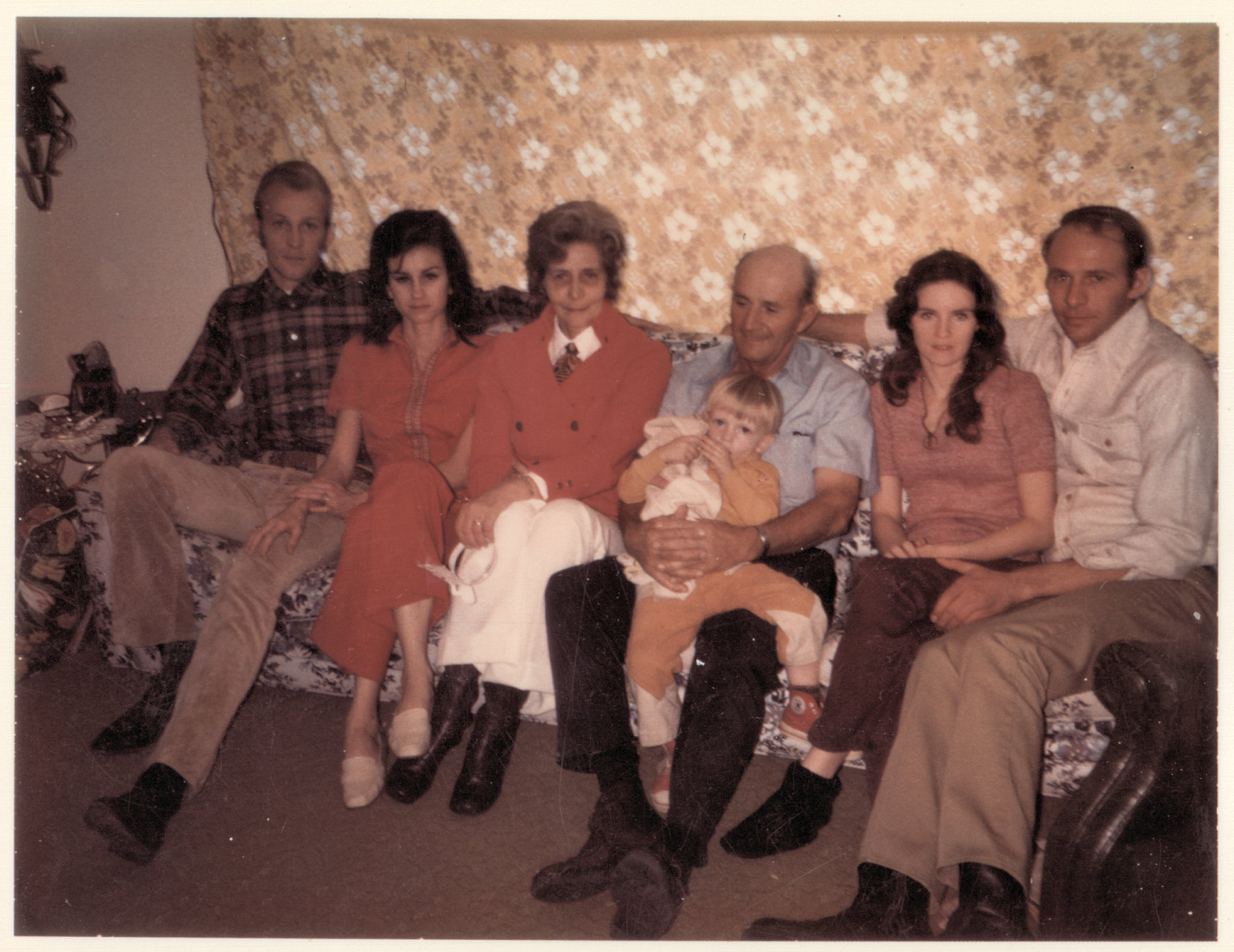
Family gatherings supplied a safe supply of adults on whom the procedure could be performed badly without consequence.
The low stakes made the practice possible. An aunt will tolerate a mumbled greeting and a weak handshake several hundred times, which is exactly what a child needs in order to arrive at a competent one.
The Reward Was Being Treated Differently
A child who did it properly was spoken to as a person rather than about as an item, and the change was immediate and obvious.
The feedback loop is the reason children eventually complied. An adult who has been greeted properly includes the child in the conversation, asks them something and waits for an answer, and a child who has experienced that once has a reason to do it again.
Getting It Wrong in Public Was Mortifying
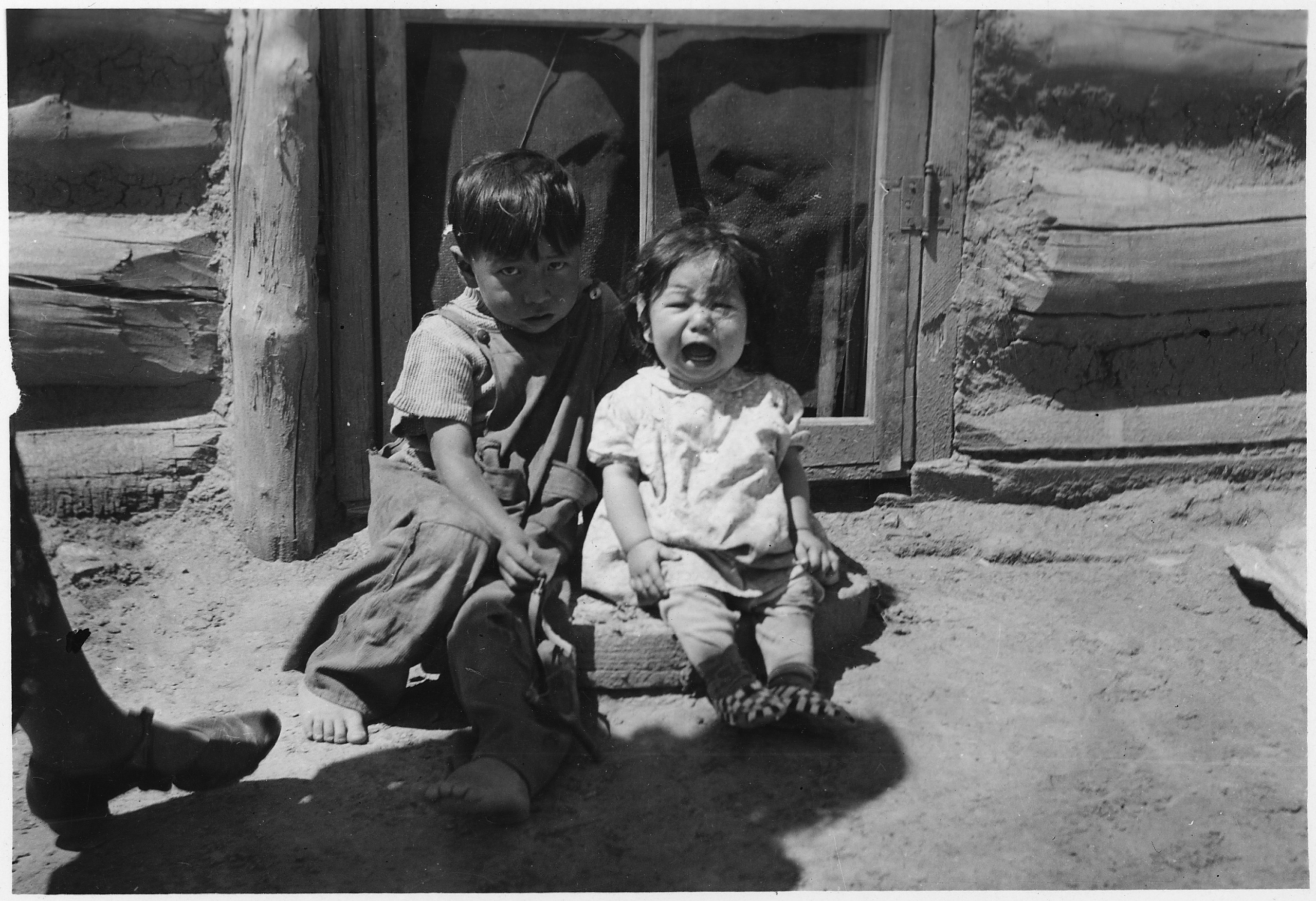
A failed introduction in front of several adults was remembered for years by the child and forgotten within a minute by everybody else.
The asymmetry is universal and is worth stating. Nobody except the child retained any memory of the incident at all, which is true of almost every social humiliation and is of no comfort whatsoever at the time.
The Whole Thing Was Compressed Into About Four Seconds
Rise, look up, greet, name, hand, release – the entire sequence occupied less time than it takes to describe.
The brevity is what made it worth drilling. A procedure lasting four seconds can be made automatic by repetition, and once automatic it costs nothing, which is the best possible return on a household’s teaching effort.
It Was Explicitly About Rank
The procedure was performed by the junior party towards the senior one, and the direction never reversed.
That hierarchy is the part that has changed most. The greeting acknowledged a difference in standing between a child and an adult, and a great deal of what the lesson actually taught was that such a difference existed and had to be marked.
Then Households Stopped Receiving Visitors in the Same Way
Fewer unannounced callers, fewer formal visits and fewer occasions on which a child was produced for inspection removed most of the situations the skill existed for.
The removal of the occasion is the main cause. A procedure for greeting adults who arrive at the house declines in usefulness as the arrivals decline, and the rehearsal before visitors stopped happening because the visitors stopped coming.
And the Expectations Themselves Softened
Adults became considerably less interested in being formally acknowledged by children, and the whole transaction stopped being required.
Which is a mixed outcome rather than a simple loss. The old arrangement was rigid, was mostly about the standing of the adults involved, and placed an uncomfortable amount of weight on a nine-year-old’s performance in front of strangers. What it also did, almost incidentally, was hand every child a reliable four-second script for the most intimidating moment in any encounter with an unfamiliar adult – and nothing in particular has replaced that.
Like our content? Follow us for more.