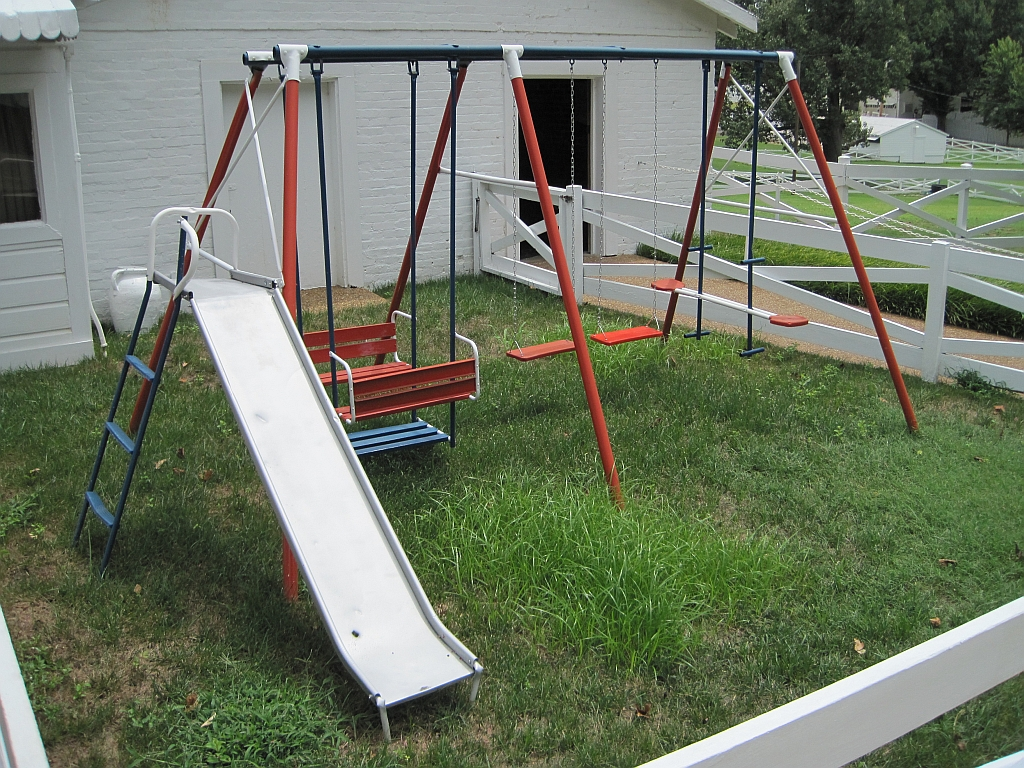
In 1966 the thing arrived in a flat box and cost somebody a weekend in a garden with inadequate instructions and an impatient audience. The legs were meant to be fixed into the ground and frequently were not, the grass underneath it was bare earth within a month, the metal was too hot to touch by noon and the one place every child wanted to be was the top bar nobody was allowed on. Here are sixteen things every family knew about the backyard swing set in 1966, and why almost nothing about it would be built that way now.
1. It Arrived in a Flat Box and Took a Whole Weekend
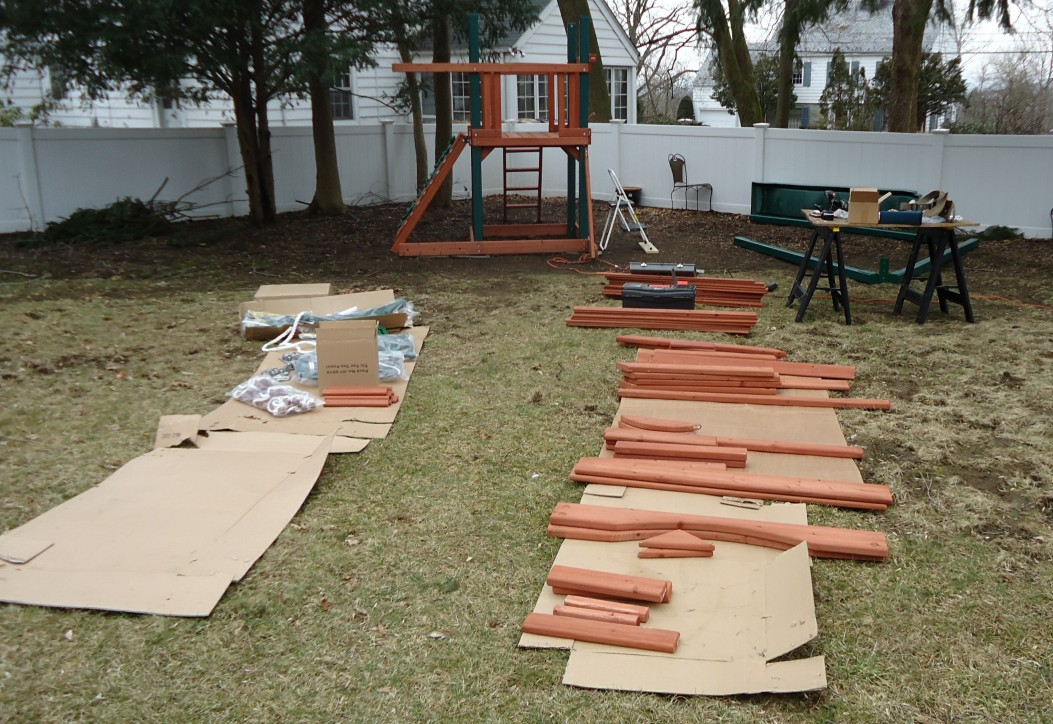
The thing came in pieces, with instructions, and somebody spent two days in a garden assembling it while children watched.
The assembly is the part of the memory that belongs to the adults. A household that had bought one had committed a weekend to it, the instructions were inadequate, and the process was conducted in front of an audience with no patience whatsoever.
Children contributed nothing and were present throughout. The watching was compulsory as far as they were concerned, and a great many people remember the construction considerably more clearly than anything they did on the finished object.
Like our content? Follow us for more.
2. It Was Never Properly Anchored and Everybody Knew
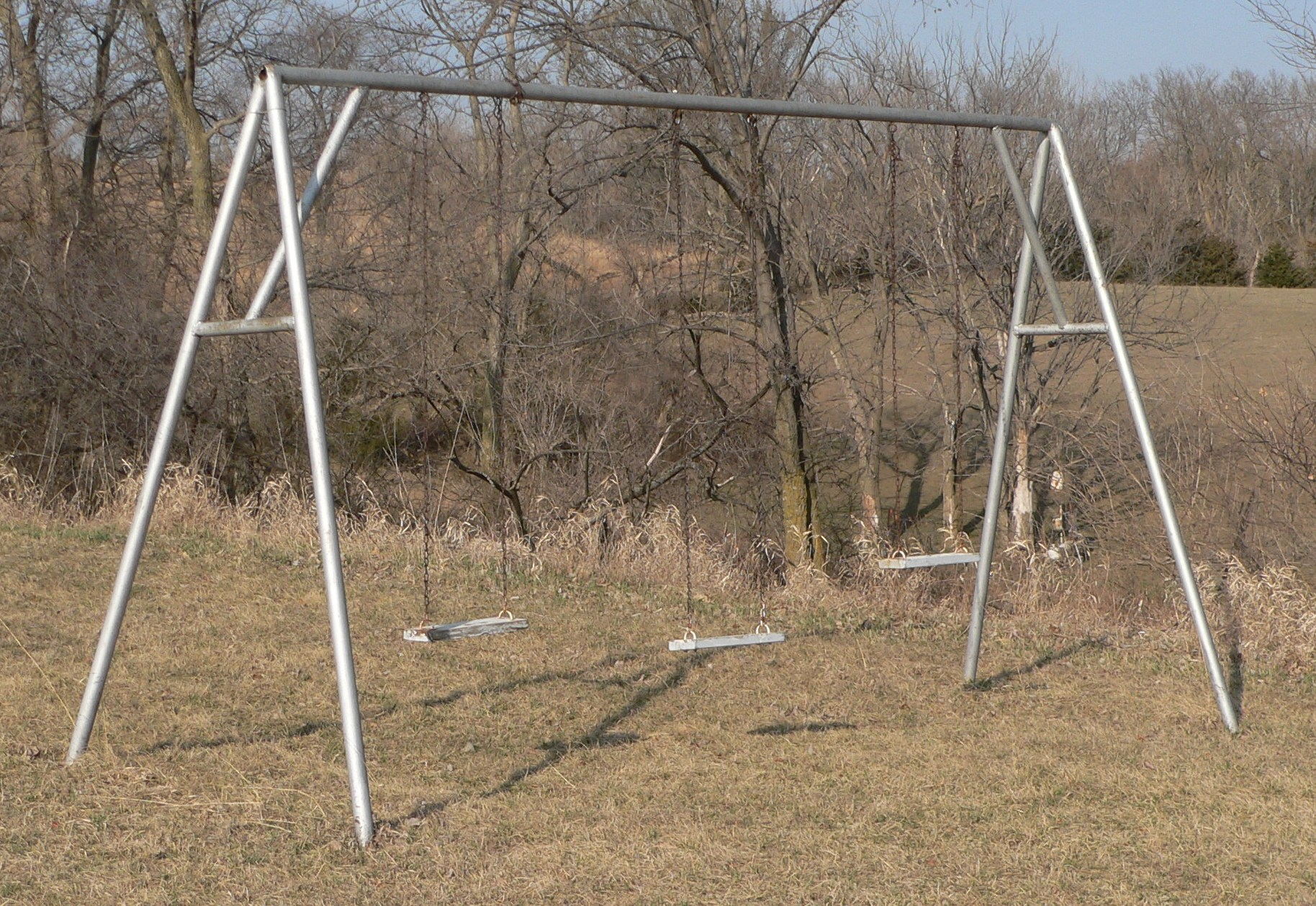
The legs were supposed to be fixed into the ground and in a large proportion of gardens they simply were not.
The omission was universal enough to be a defining feature. Concrete, stakes or proper fixings were specified, were a great deal of additional work, and a household that had already lost a weekend to the assembly frequently stopped short of them.
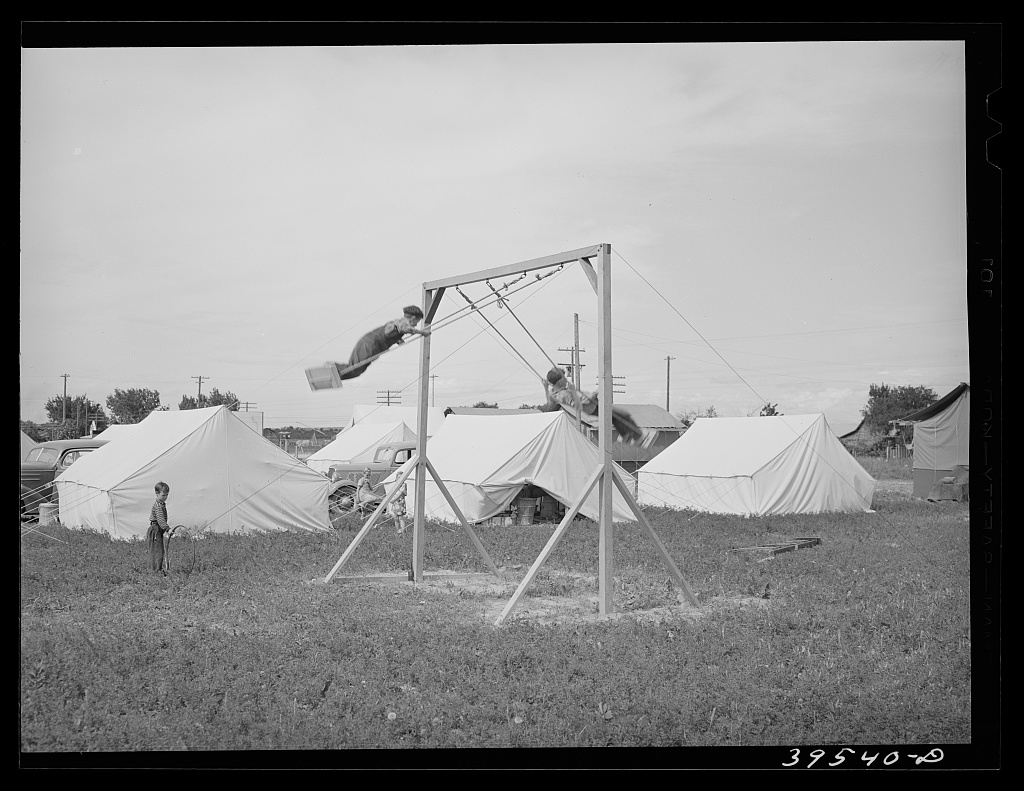
The consequence was movement. A structure carrying a child in motion and not fixed to anything shifts, and the rocking of the whole frame at the extremes of a swing is the single most widely shared sensation in this entire subject.
3. The Legs Came Out of the Ground on the Big Swings
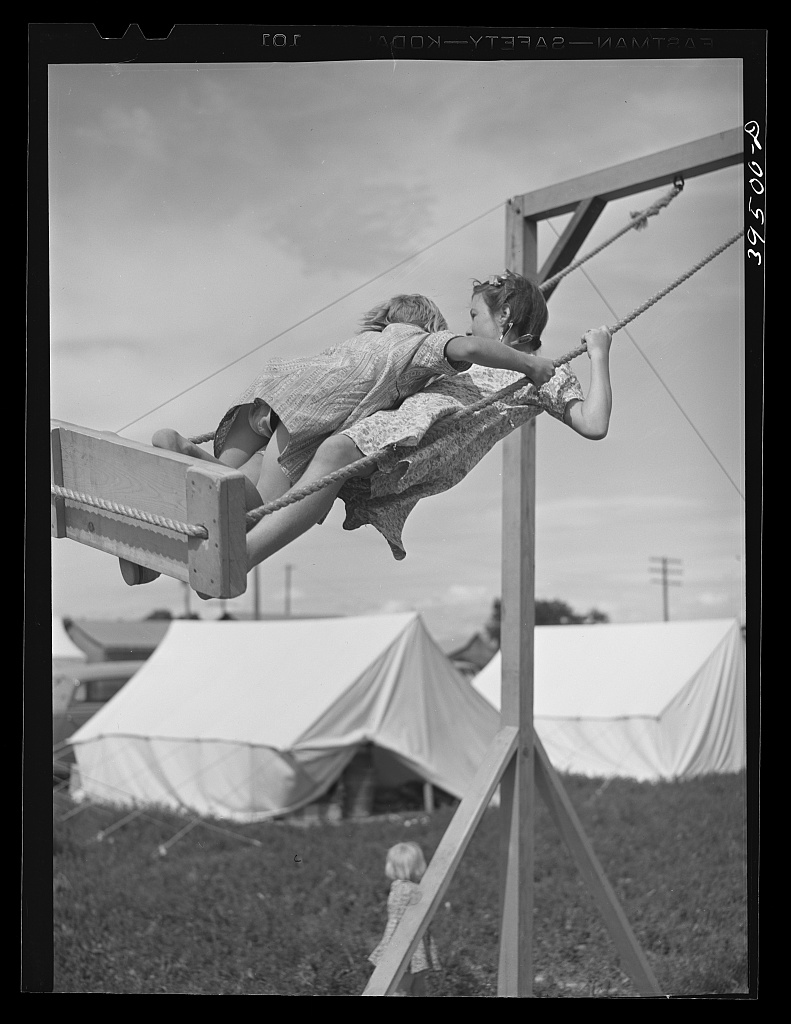
At sufficient height the frame lifted at one end, came down again, and everybody involved treated this as part of the experience.
That is stated as what happened rather than as something anybody should reproduce. The structure was not designed to do it, the behaviour was a direct consequence of inadequate anchoring, and the risks involved were real and poorly understood at the time.
Children were entirely aware and entirely unconcerned. A frame that moved was more exciting than one that did not, and the children on it were competing to produce exactly the effect the thing was not supposed to produce.
4. The Surface Underneath Was Whatever the Garden Had
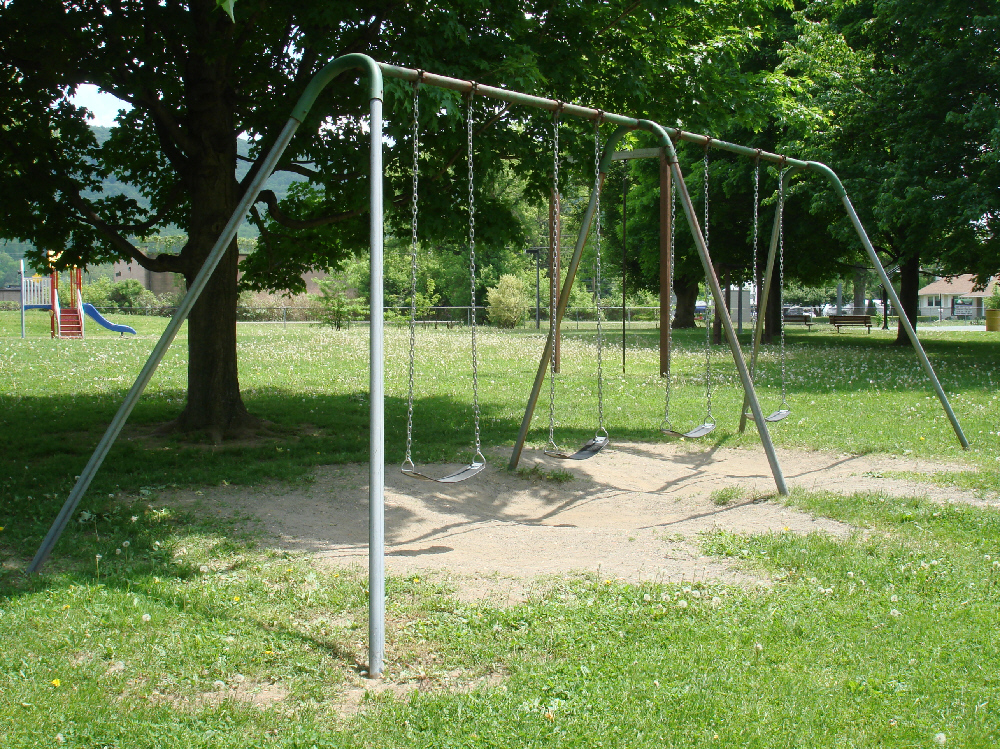
Grass, worn to bare earth within a month, was the standard, and nothing was ever put down over it.
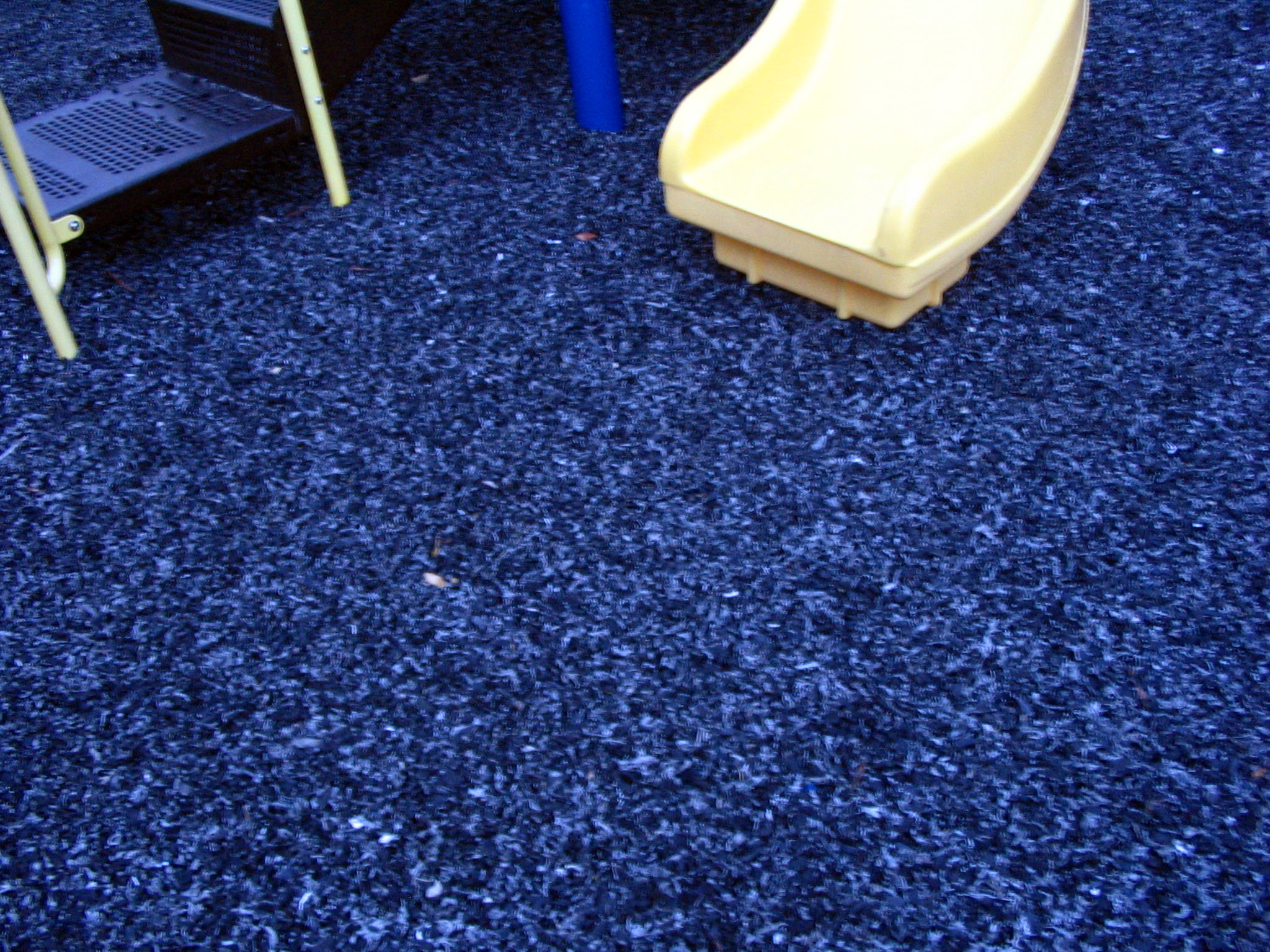
The absence of any surfacing is the clearest difference from anything built now. A modern installation is designed around what is under it, and a 1966 garden version was designed around nothing at all.
The wear pattern was permanent. Two bare patches under the swings and one at the bottom of the slide appeared within weeks and did not recover for as long as the structure stood, which is why so many of these gardens had a permanent scar in them.
5. Everything Got Hot Enough to Be a Problem
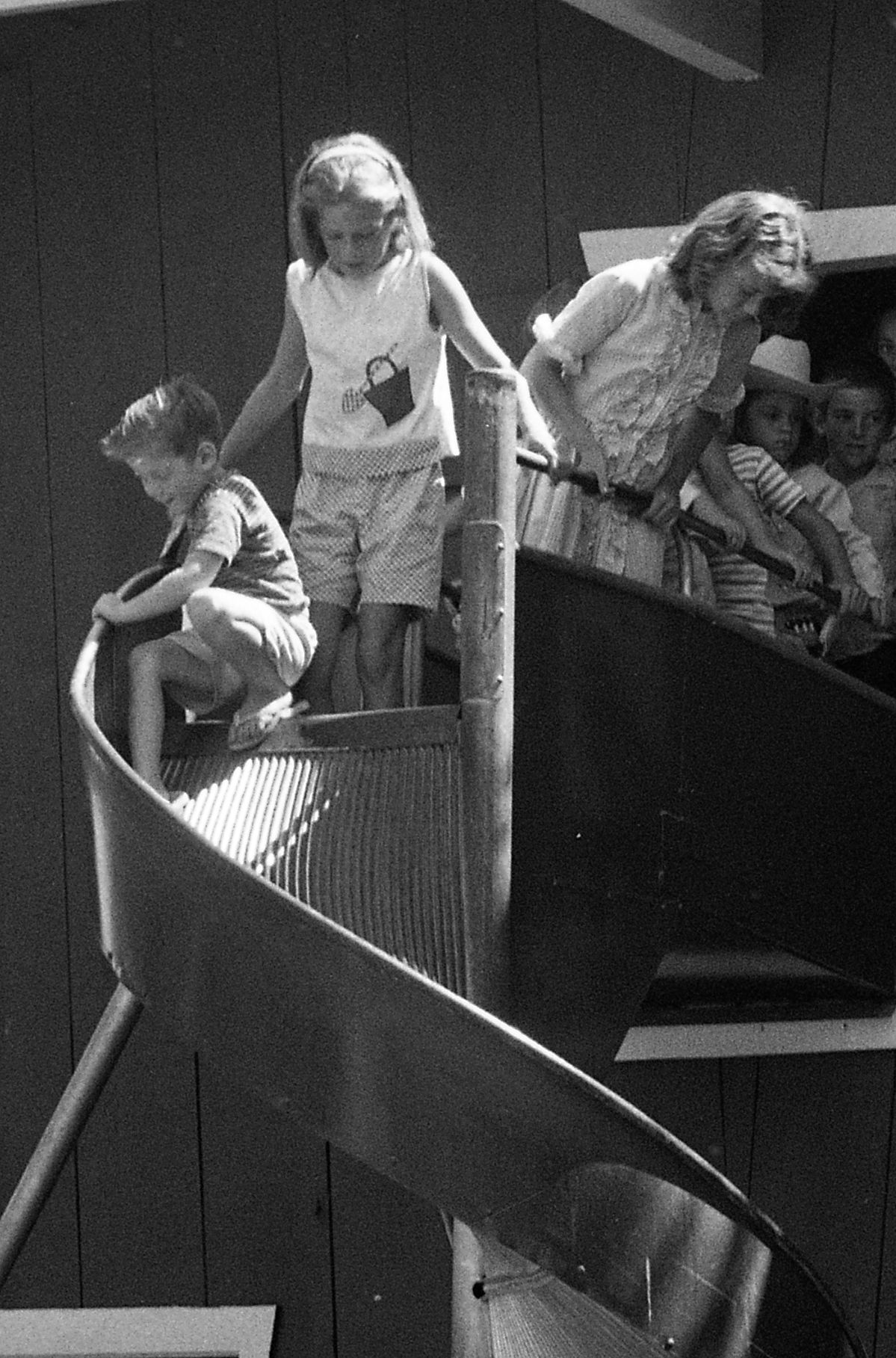
Metal in direct sun reaches a temperature that bare skin notices immediately, and nothing about the design addressed it.
The physics were not considered by anybody. A metal slide facing south on a clear afternoon is unusable for several hours, and the discovery was made annually by every child who used one.
Children developed their own mitigations. Going in the morning, going after rain, putting something down first or simply accepting it were the available options, and every household’s children worked out which they preferred.
6. The Chains Caught Everybody at Least Once

The links pinched, and a hand in the wrong place at the wrong moment produced a small injury that almost every user experienced.
The hazard was inherent and was not treated as a defect. A chain is an articulated object carrying a load, it closes under tension, and a child’s finger between two links is a predictable outcome rather than an accident.
Nobody reported it. The pinch was a minor, universal, entirely expected event, and the child it happened to carried on, which is a reasonably clear indication of how the whole arrangement was regarded.
7. The Slide Was the Part Nobody Used Much
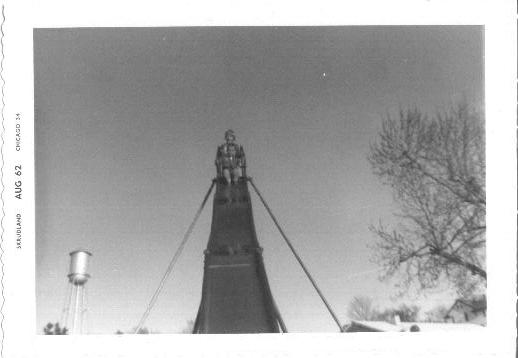
After the first fortnight the slide was the least popular element, and it was the most expensive part of the structure.
The mismatch between cost and use is consistent across households. A slide delivers one short identical experience, offers no variation and cannot be done badly, which means it is exhausted quickly by children who want a challenge.
It acquired other functions instead. A slide that had stopped being a slide became a ramp, a lookout, a surface and a route onto the top of the frame, none of which it had been built for.
8. Getting On Top of the Whole Thing Was the Real Objective
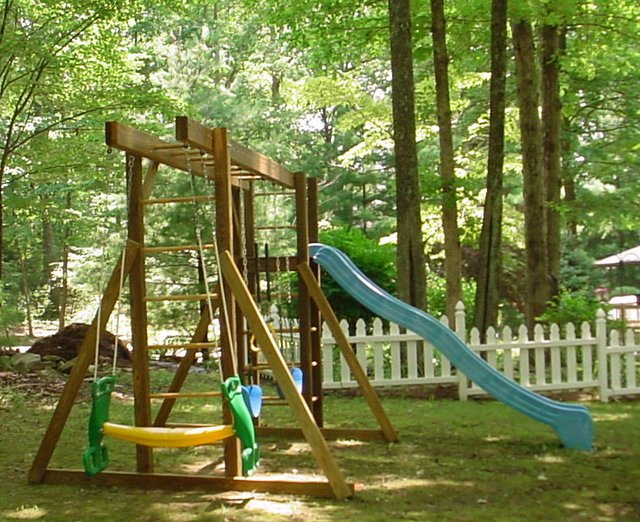
The horizontal bar across the top was where children wanted to be, and it was the one place the structure was not designed for anybody to go.
The appeal is completely predictable. A frame with a climbable structure and a high horizontal element is going to be climbed, the manufacturer had not intended it and no instruction anybody gave made the slightest difference.
Adults prohibited it continuously and without effect. The prohibition was universal, the compliance was close to zero and the whole business was conducted in plain view of kitchen windows across the country.
9. The Rings or the Trapeze Were the Prestige Element
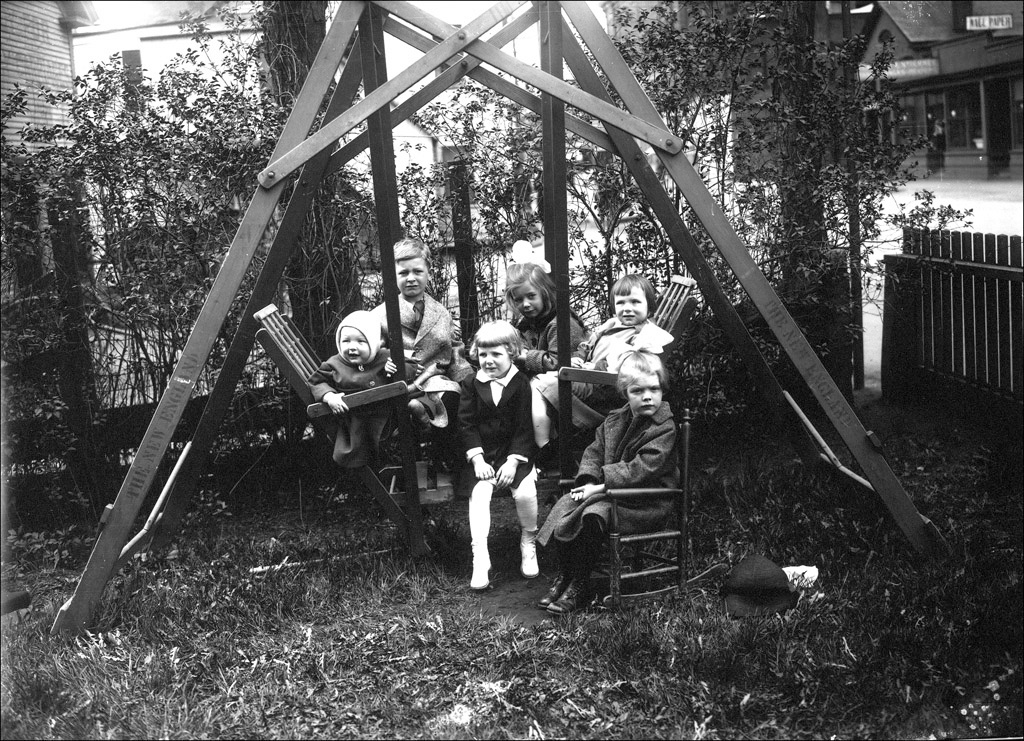
A set with additional hanging apparatus was ranked above one without, and the ranking was understood across a whole street.
The hierarchy was detailed and entirely clear to children. A basic frame with two swings sat at the bottom, additional elements moved a garden up, and the household with the most elaborate installation received visitors accordingly.
Which made somebody’s garden the venue. One set on every street was the best one, the children of that household had a permanent social advantage they had done nothing to earn, and their parents had acquired a daily crowd they had not anticipated.
10. It Was the Reason Other Children Came Round
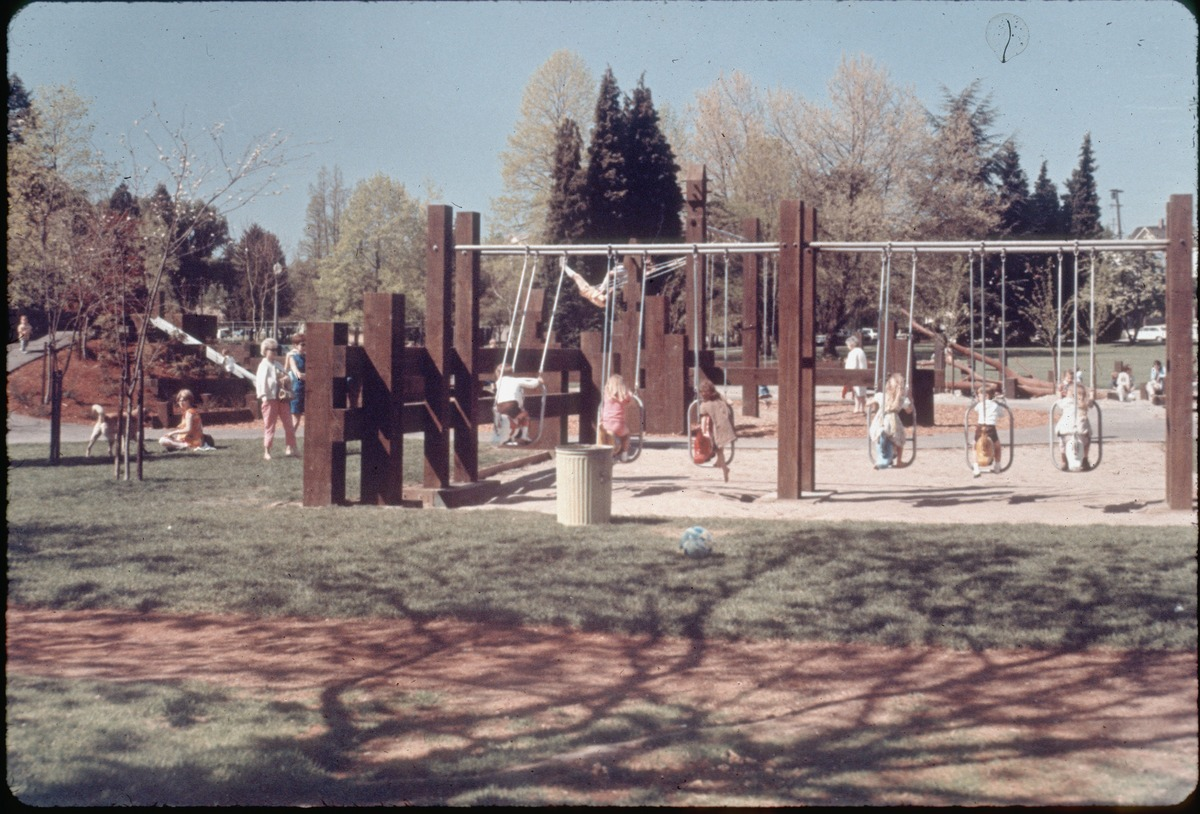
A garden with a structure in it attracted the neighbourhood, and the arrangement was negotiated entirely between children.
The social function was the main return on the purchase. A household that had spent a weekend assembling something had bought a reason for other children to be in their garden, which is worth considerably more to a child than the object itself.
The parents were ambivalent. A permanent supply of other people’s children in a garden is a mixed outcome, and a great many households discovered within a month that they had installed something with a social cost attached.
11. Somebody Always Fell Off and It Was Nobody’s Fault

Falls happened, were treated as ordinary, and produced a brief interval indoors before the child returned.
The casualness is the thing that has changed most and it is worth being honest about rather than fond of. Nothing about the installation was designed to reduce the consequences of a fall, there was nothing underneath, and the fact that most of these incidents were minor is a matter of luck rather than design.
The standards of the period were not the standards now. Everything that has since been introduced – surfacing, fall heights, anchoring requirements, pinch-point design – exists for reasons that are not in dispute, and nothing in this piece should be read as describing how anybody ought to equip a garden today.
12. The Whole Thing Rusted From the First Winter
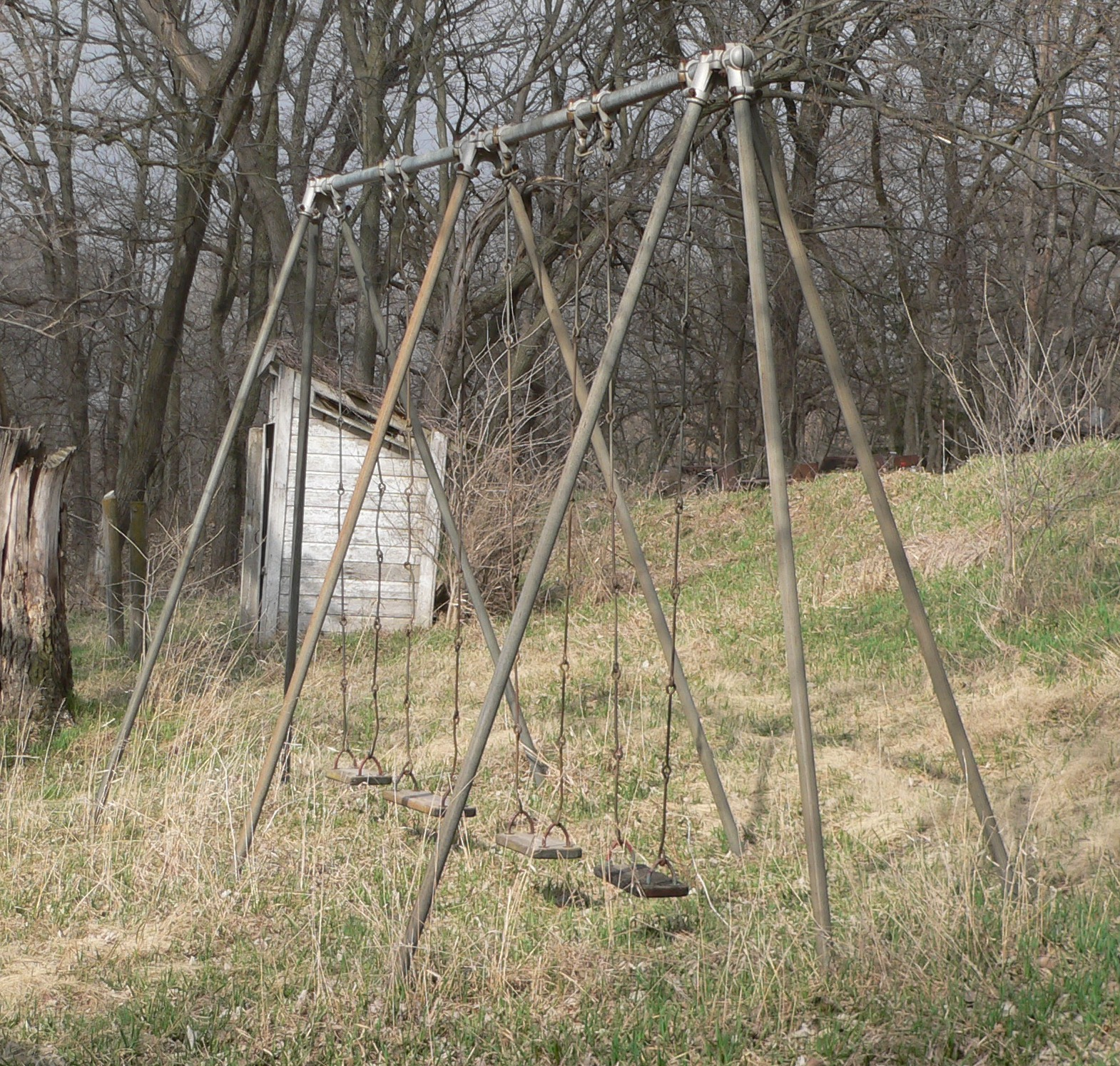
Painted tubular steel left outdoors through a wet season began corroding immediately and never stopped.
The deterioration was visible and unarrested. Nobody treated these structures, nobody dismantled them for the winter, and the condition declined from the day it was built until the day it was removed.
A rusted joint was eventually the reason it went. These structures were not retired because children had outgrown them but because something had corroded far enough to be obviously unsound, and the decision was usually made by an adult who had noticed.
13. It Stood There for Years After Anybody Used It
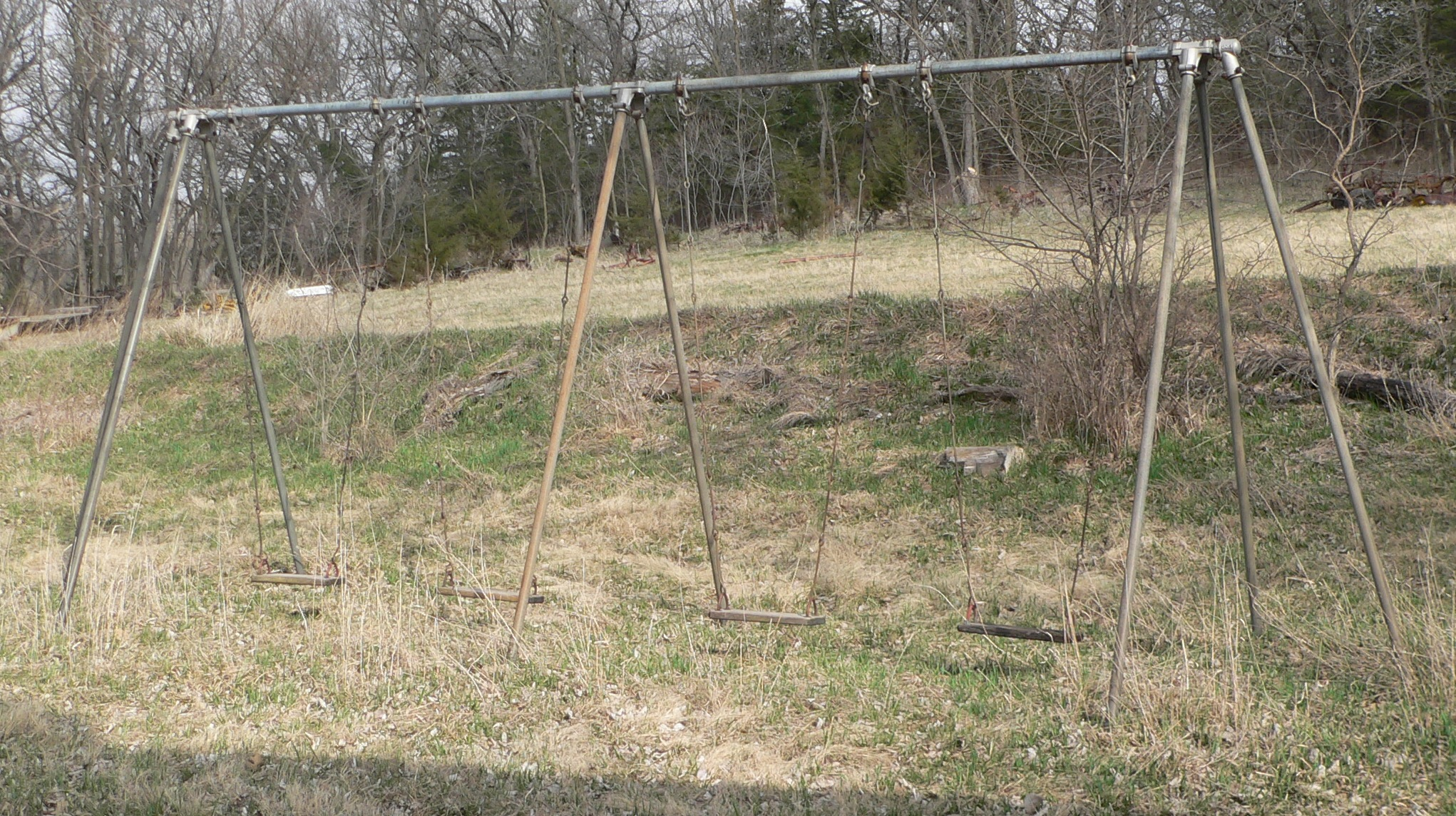
Children outgrew the thing long before the household removed it, and it occupied a garden unused for a considerable period.
The persistence is a function of effort. An object that took a weekend to assemble takes a weekend to dismantle, and no household undertakes that until there is a reason, so the structure simply stayed where it was.
It became a landscape feature. Grass grew back under it, the garden rearranged itself around it, and a great many of these frames were standing empty in gardens for a decade with nothing left to do.
14. Taking It Down Was More Work Than Putting It Up
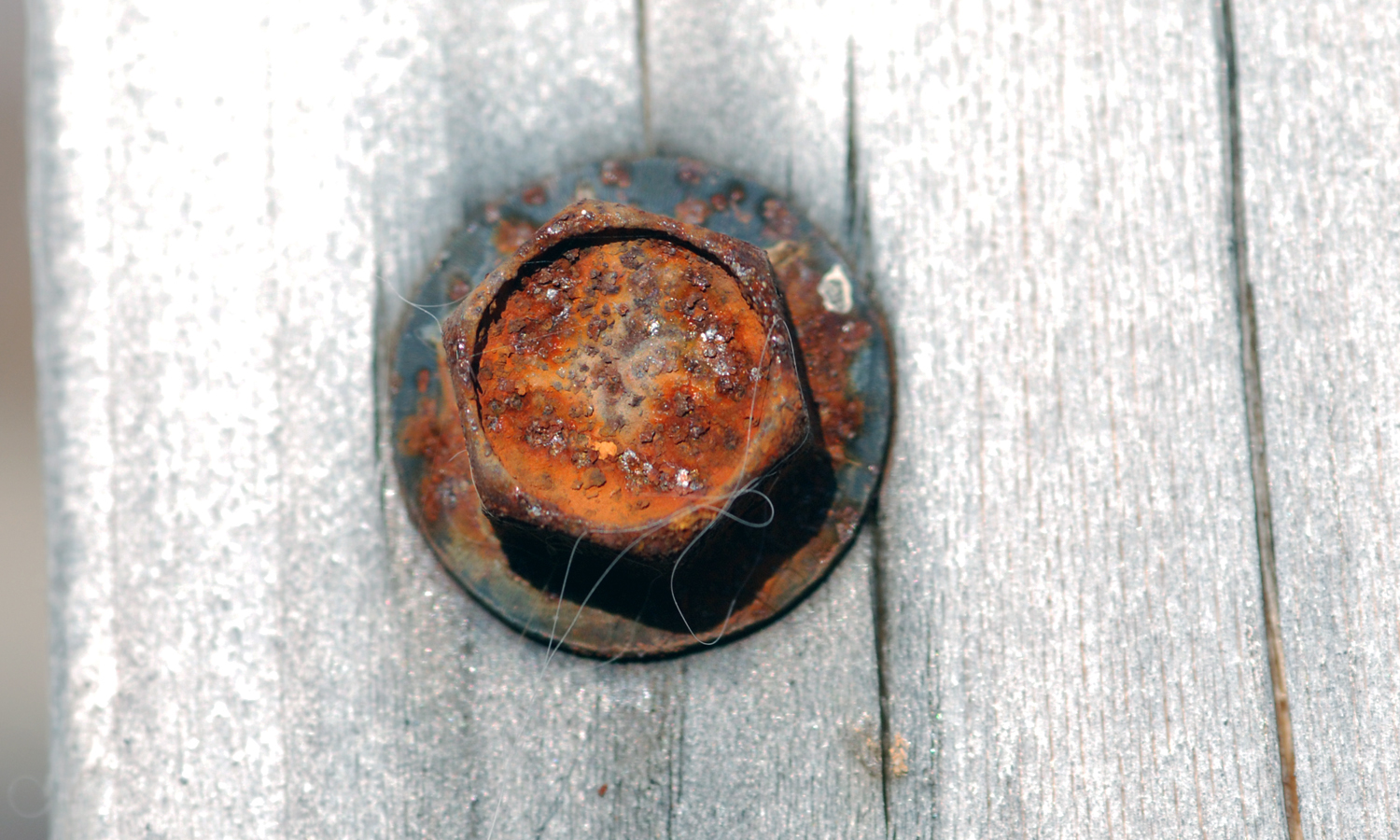
Corroded fixings, seized joints and ten years of weather made dismantling a considerably harder job than assembly had been.
The reversal was not anticipated by anybody. A structure that went together in a weekend with a spanner comes apart over a fortnight with a great deal more than a spanner, because nothing that has been outdoors for a decade undoes itself willingly.
The children who had used it were frequently gone by then. A structure removed when the household’s children had grown up was dismantled by somebody on their own, in a garden with nobody watching, which is the exact opposite of how it had been assembled.
15. Everybody Remembers the Feeling of the Frame Moving
Of all the physical sensations in this subject, the shift of an unanchored structure at the top of a swing is the one almost everybody can still describe.
The specificity of that memory is remarkable. A single mechanical sensation, experienced in thousands of separate gardens, is recalled identically by people who have nothing else in common, which is as close to a shared physical memory as a generation gets.
It is also the sensation that could not survive. Everything about modern installation exists precisely to prevent it, which means the feeling is unavailable to anybody who did not experience it before the standards changed.
16. Then Gardens Got Smaller and Standards Got Serious
Smaller plots, far better understanding of what these structures need underneath them, and a complete rethinking of anchoring, heights and pinch points changed the object entirely.
The changes are improvements that nobody would reverse. Properly fixed, properly surfaced equipment with designed-out hazards is better in every respect, and the reasons for all of it are not contested.
What went with the old version is a particular kind of garden. A weekend of assembly watched by an audience, two bare patches in the grass, a metal slide too hot to use by noon, the top bar nobody was allowed on, a street’s children arriving every afternoon, and a frame that lifted one leg out of the ground at the top of every big swing.
What the Unanchored Frame Actually Produced
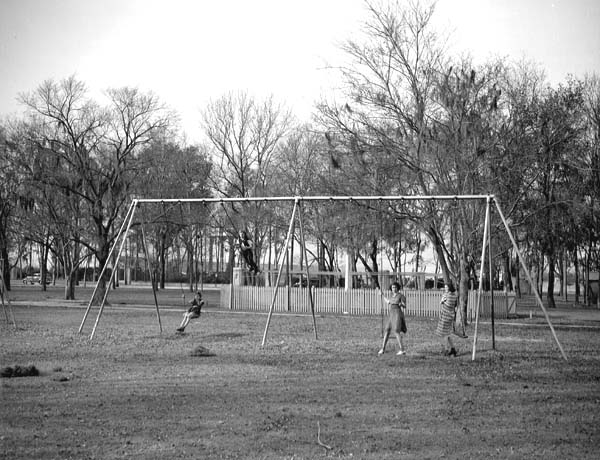
Read in order, the sixteen describe an object whose most memorable property was a defect. The legs were specified to be fixed into the ground, concrete and stakes were a great deal of additional work, and a household that had already lost a weekend to the assembly frequently stopped short of them. What that produced is the sensation almost everybody who used one can still describe: the whole frame shifting at the top of a swing, one leg coming clear of the ground and coming down again. Children were competing to produce exactly the effect the structure was not supposed to produce, in plain view of a kitchen window, and nobody stopped them.
The rest follows from the same inattention. There was nothing underneath it but grass, and the grass was gone within a month. The chains pinched, universally and predictably, and nobody reported it. The slide was the most expensive element and the least used after a fortnight. And the object rusted from its first winter without anybody treating it, which is eventually what retired it – not children outgrowing it, but a joint corroding far enough that an adult noticed.
Everything that has changed since has changed for reasons nobody disputes. Proper anchoring, designed surfacing, controlled fall heights and engineered-out pinch points are improvements, and the fact that most falls from these structures were minor was luck rather than design. The standards of the period were not the standards now, and nothing above should be read as describing how anybody ought to equip a garden today.
What went with the old version is a particular kind of afternoon: a weekend of assembly watched by an audience with no patience, two permanent bare patches in a lawn, a metal slide unusable until four o’clock, the top bar nobody was permitted on and everybody got onto, a street’s worth of children arriving daily because your garden had the good one, and a frame that lifted a leg clear of the ground at the top of every serious swing.
Like our content? Follow us for more.