For decades, tourism was something destinations chased. Now, in a growing number of the world’s most beautiful and popular places, residents are pushing back — and travelers are noticing a distinctly cooler reception. From water-pistol protests in Barcelona to entry fees in Venice, a wave of anti-overtourism sentiment has swept across Europe and beyond, as locals contend with unaffordable housing, overwhelmed neighborhoods, environmental strain, and a quality of life eroded by sheer visitor numbers. This isn’t really about disliking individual tourists — it’s a backlash against the scale and impact of mass tourism. The good news for travelers is that understanding what’s happening, and adjusting how you travel, makes all the difference between being part of the problem and being a genuinely welcome guest. Here are ten places where tourists are getting a cooler welcome, why, and how to still be wanted there.
1. Barcelona, Spain
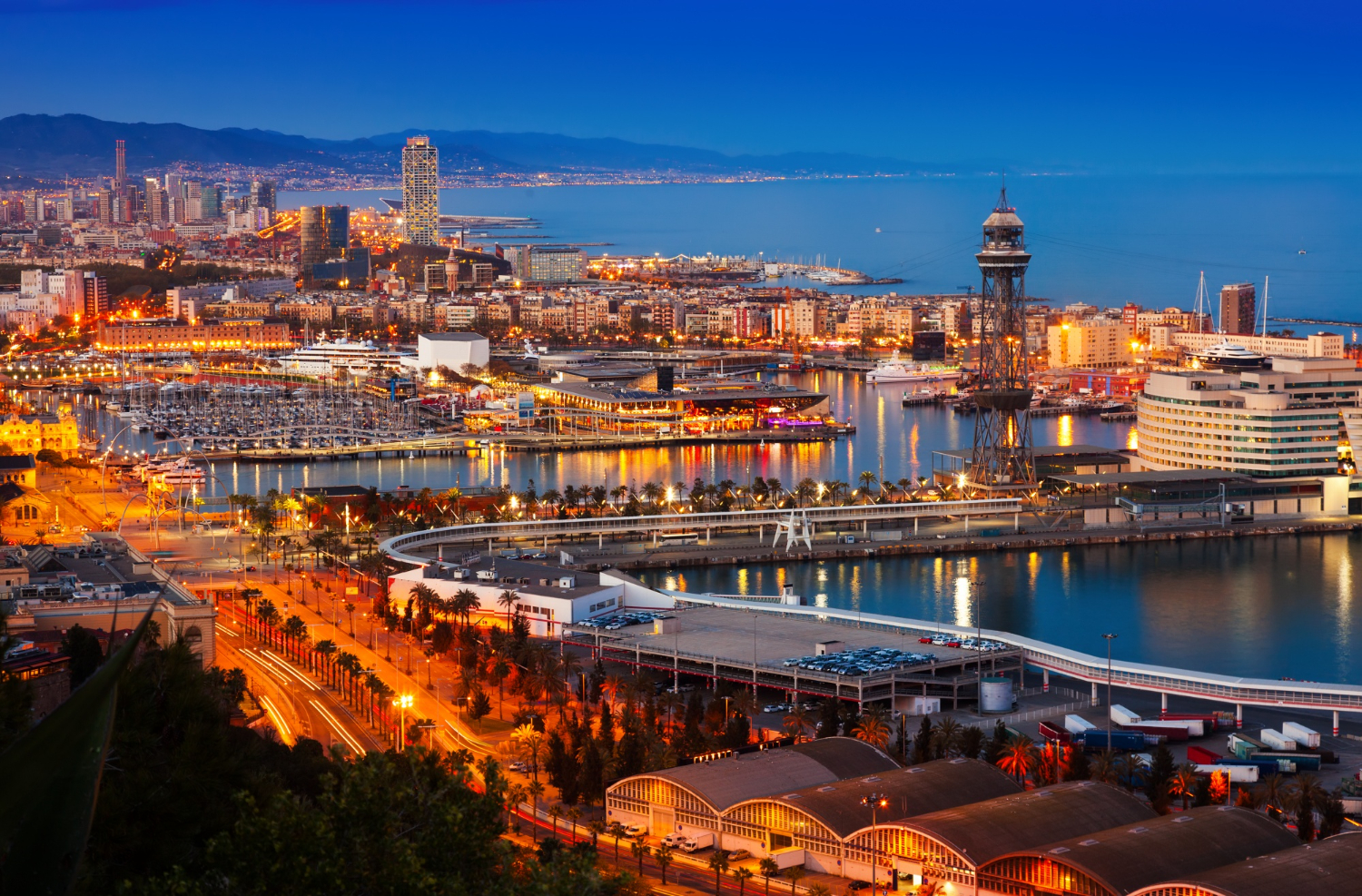
Barcelona has become the epicenter of the anti-overtourism movement. In 2025, demonstrators took to the streets with water pistols and banners reading “Your holidays, my misery,” protesting how mass tourism has driven up rents and hollowed out neighborhoods. The city has announced plans to eliminate all short-term tourist rentals by 2028 and to curb cruise traffic. The frustration is rooted in a real housing crisis. Travelers can still be welcome by staying in licensed hotels rather than apartment rentals, spending money at local businesses, and venturing beyond the most overcrowded sights to spread their impact.
Like our content? Follow us for more.
2. The Canary Islands, Spain
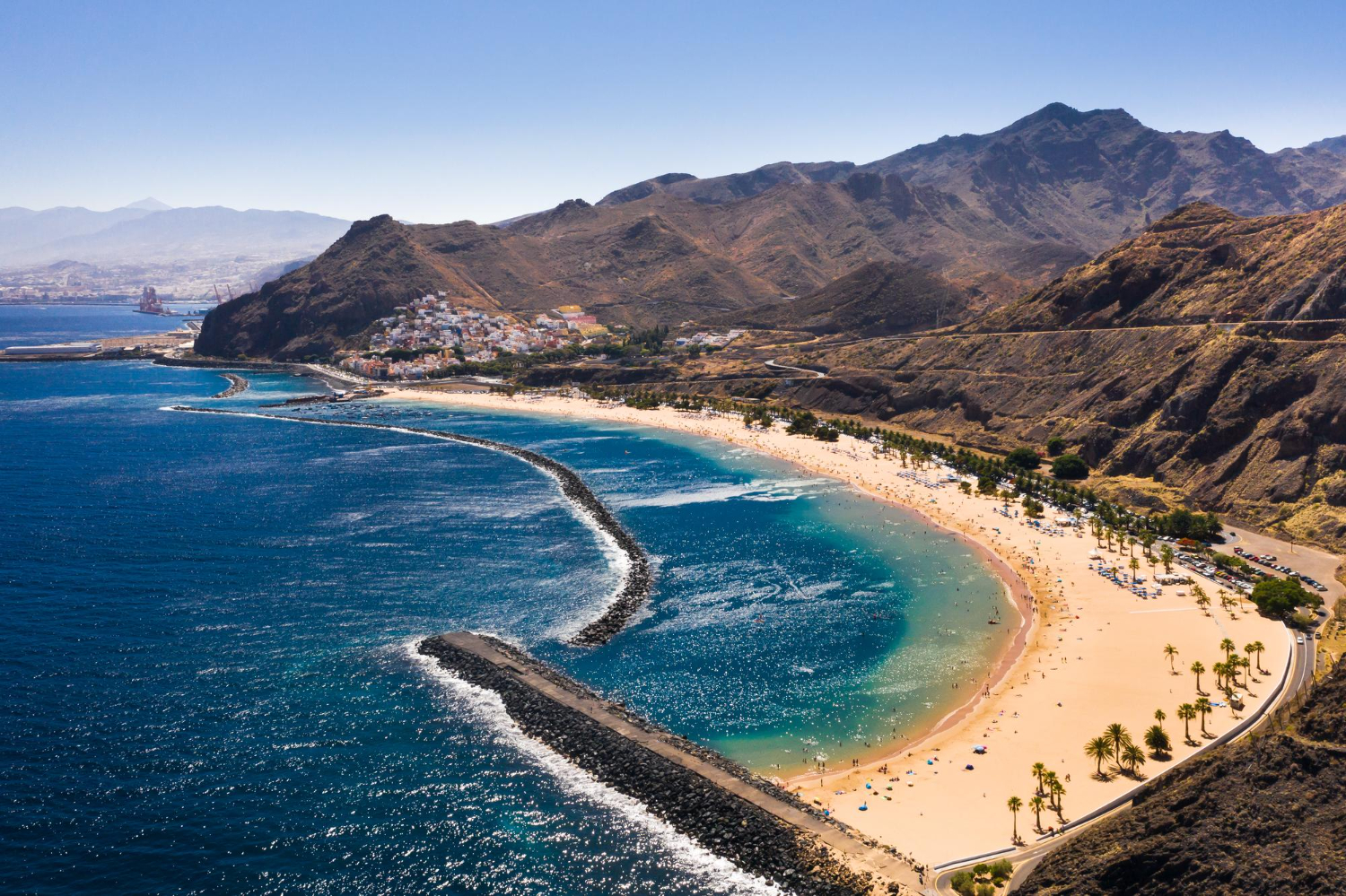
The Canary Islands have seen significant protests, with residents citing water scarcity, environmental strain, and unaffordable housing driven by tourism on the resource-limited islands. Demonstrators have voiced frustration that tourism’s benefits flow to outside interests while locals bear the costs. Travelers to the Canaries can be more welcome by being mindful of water use, respecting the fragile island environment, supporting locally-owned businesses, and recognizing that the islands’ resources are genuinely limited. The backlash reflects real environmental pressure, and visitors who tread lightly are part of the solution rather than the problem.
3. Venice, Italy
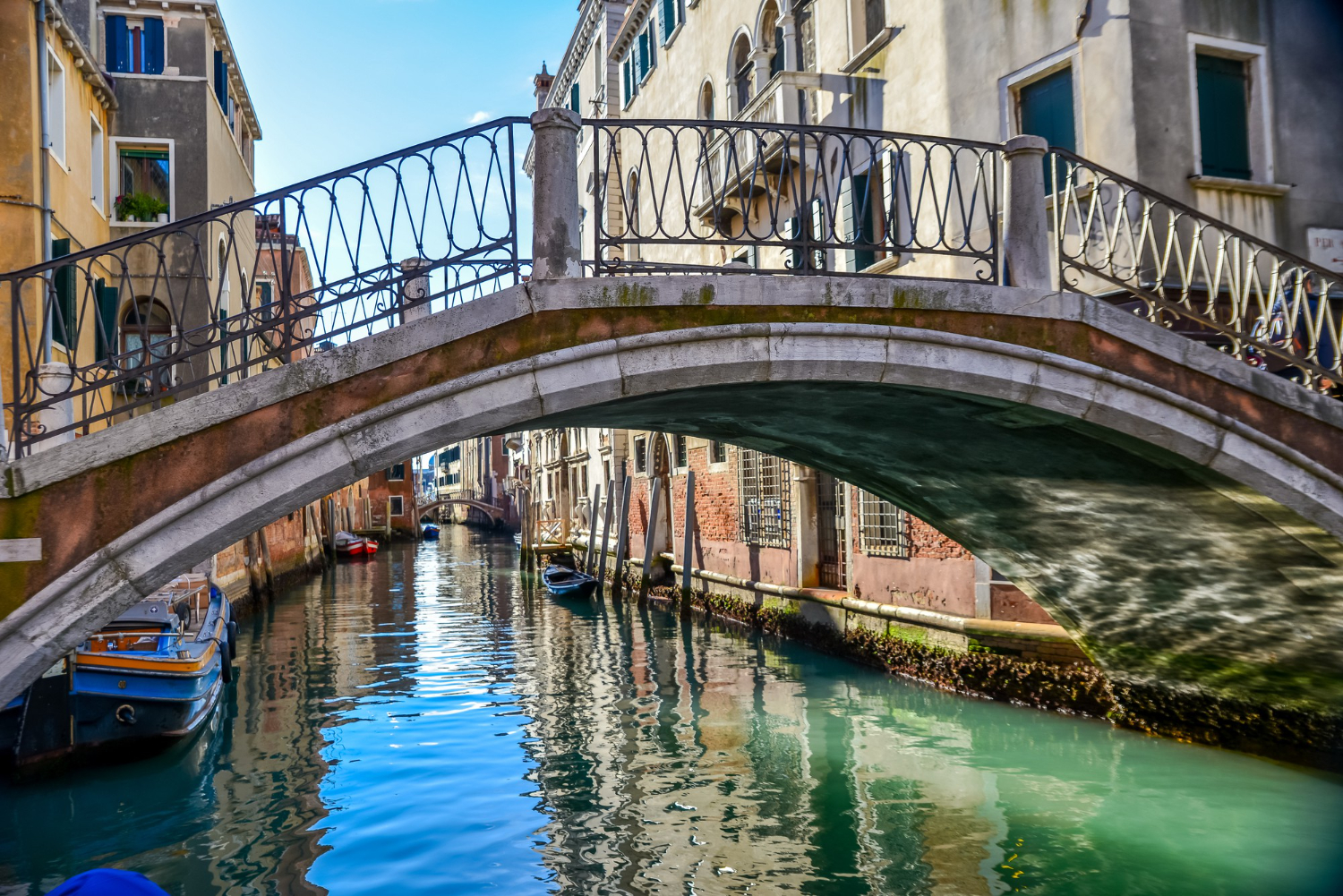
Venice has become a symbol of overtourism, with over 20 million annual visitors crowding a fragile city of roughly 50,000 residents. The city introduced a day-tripper entry fee (around five euros, with plans to expand it) and has restricted large cruise ships from the historic center. The narrow alleys clog and housing costs soar. Travelers can be more welcome by staying overnight rather than day-tripping (overnight visitors support the local economy more), visiting in the off-season, exploring the quieter islands and neighborhoods, and treating the living city with the respect it deserves rather than as a backdrop.
4. Santorini, Greece
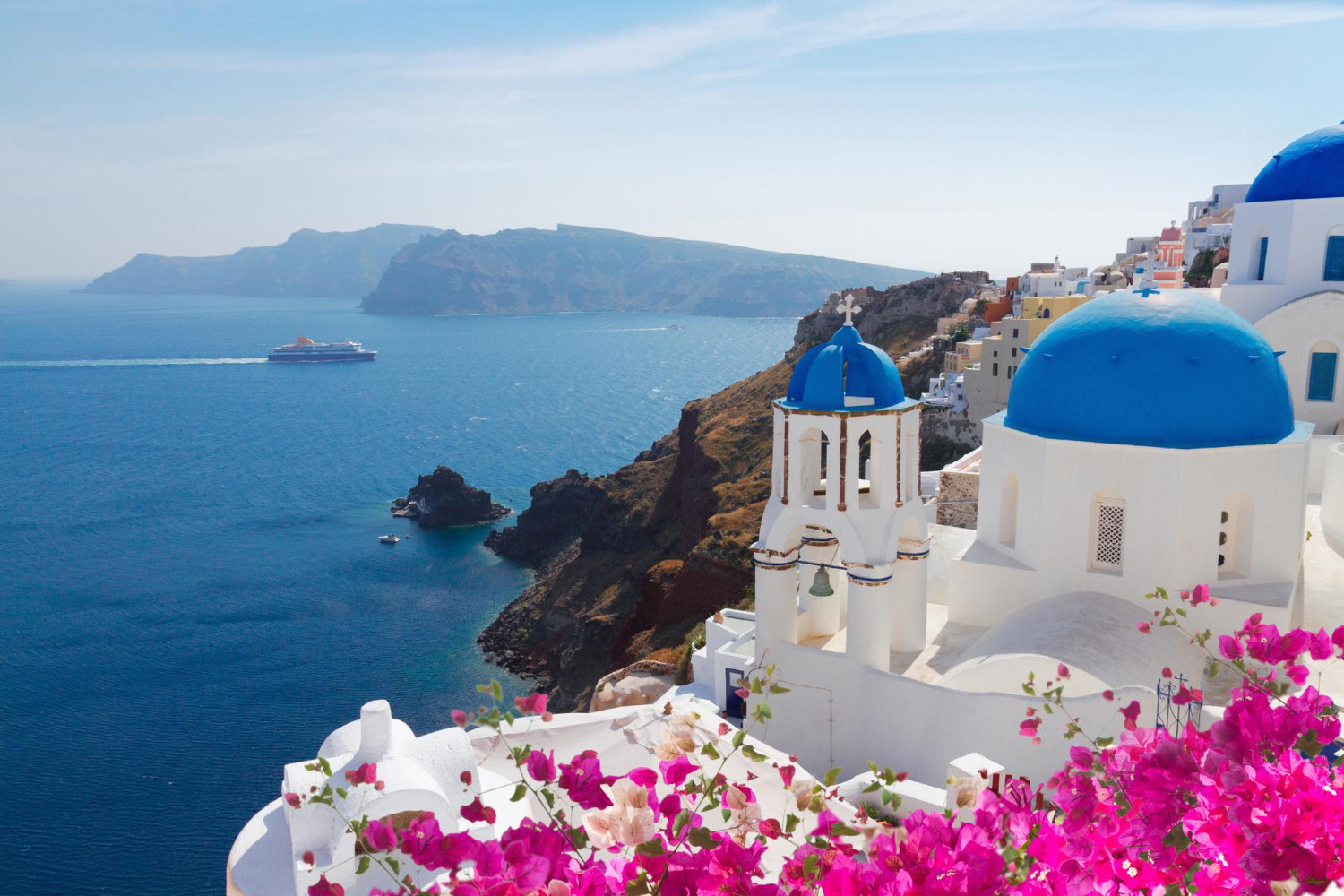
Santorini drew over two million visitors in a recent year to an island of limited capacity, and residents have protested the crush, especially from cruise ships disgorging thousands at once. Greece has introduced cruise-passenger fees and docking limits. The iconic sunset spots become dangerously crowded. Travelers can be more welcome by visiting outside the peak summer crush, staying multiple nights rather than arriving by cruise for a few hours, exploring beyond the most famous viewpoints, and supporting local businesses. The island’s beauty is real, but so is its fragility under the weight of mass tourism.
5. Amsterdam, Netherlands
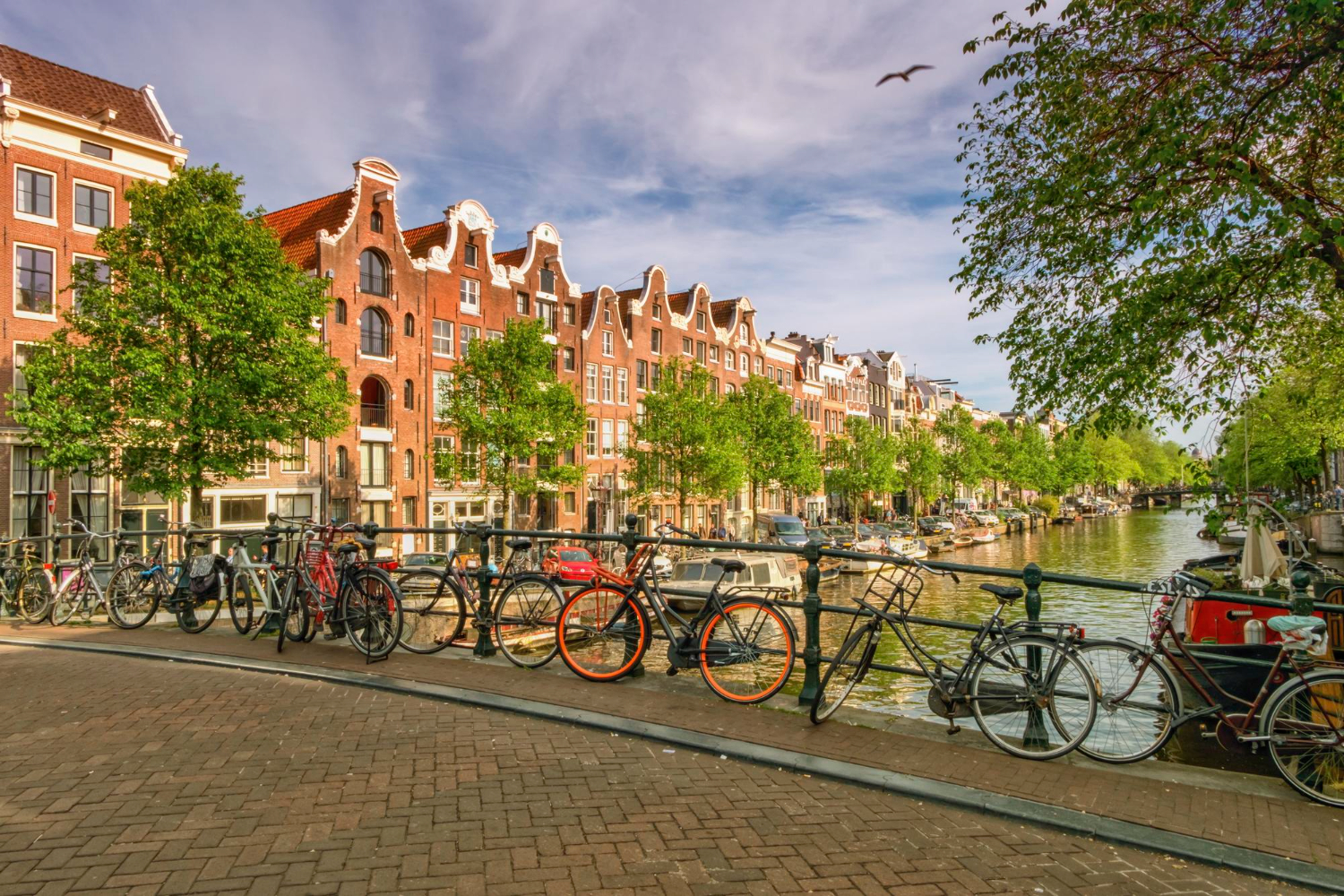
Amsterdam has taken some of the most comprehensive steps of any city, cutting cruise-ship visits dramatically, banning new hotel construction, and setting an annual visitor cap to keep the city livable. The city has actively discouraged certain kinds of party-focused tourism. Travelers can be more welcome by coming for the city’s genuine culture — its art, history, and canals — rather than its party reputation, behaving respectfully in residential areas, and recognizing that Amsterdammers want visitors who appreciate their city rather than treat it as a playground.
6. Kyoto, Japan
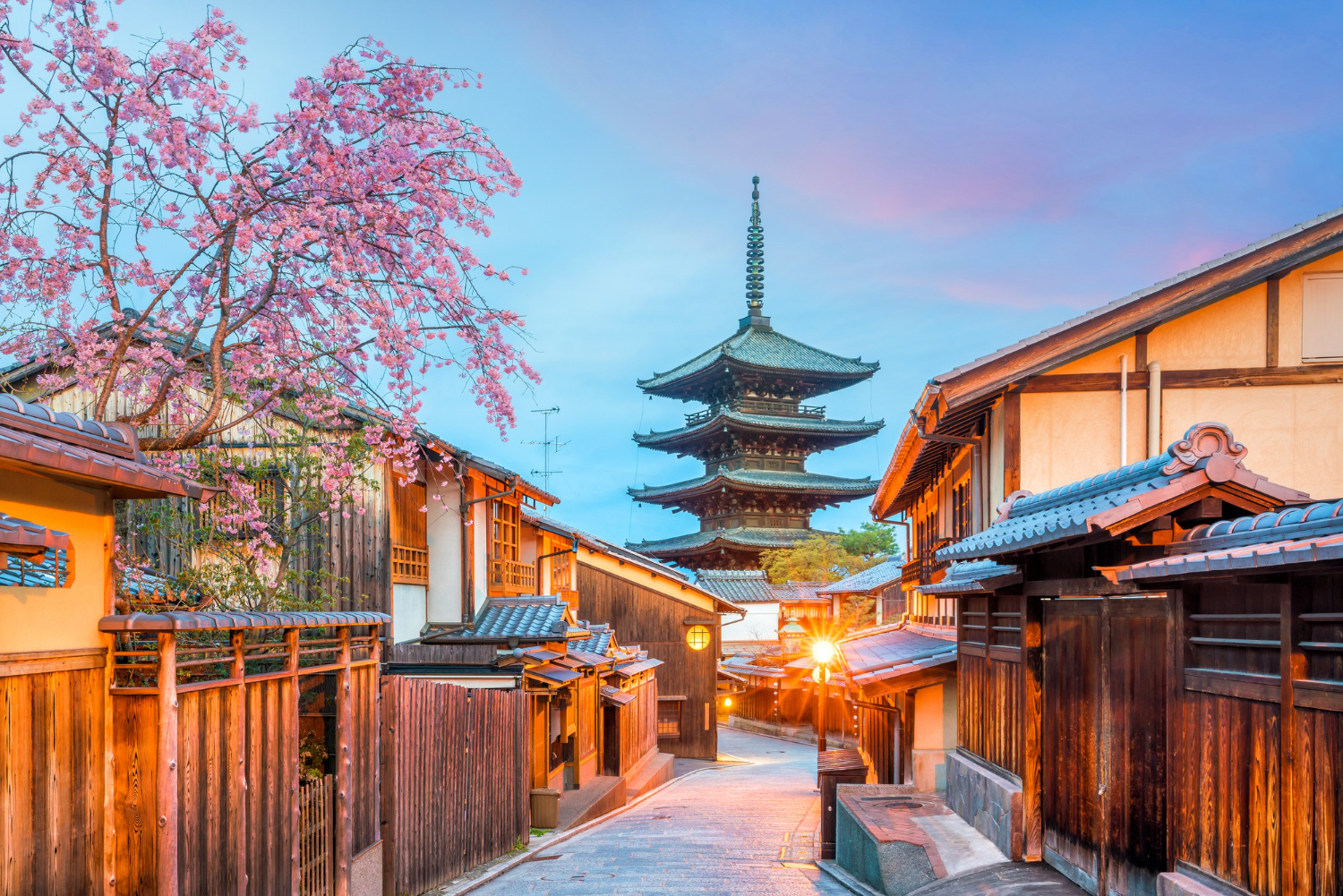
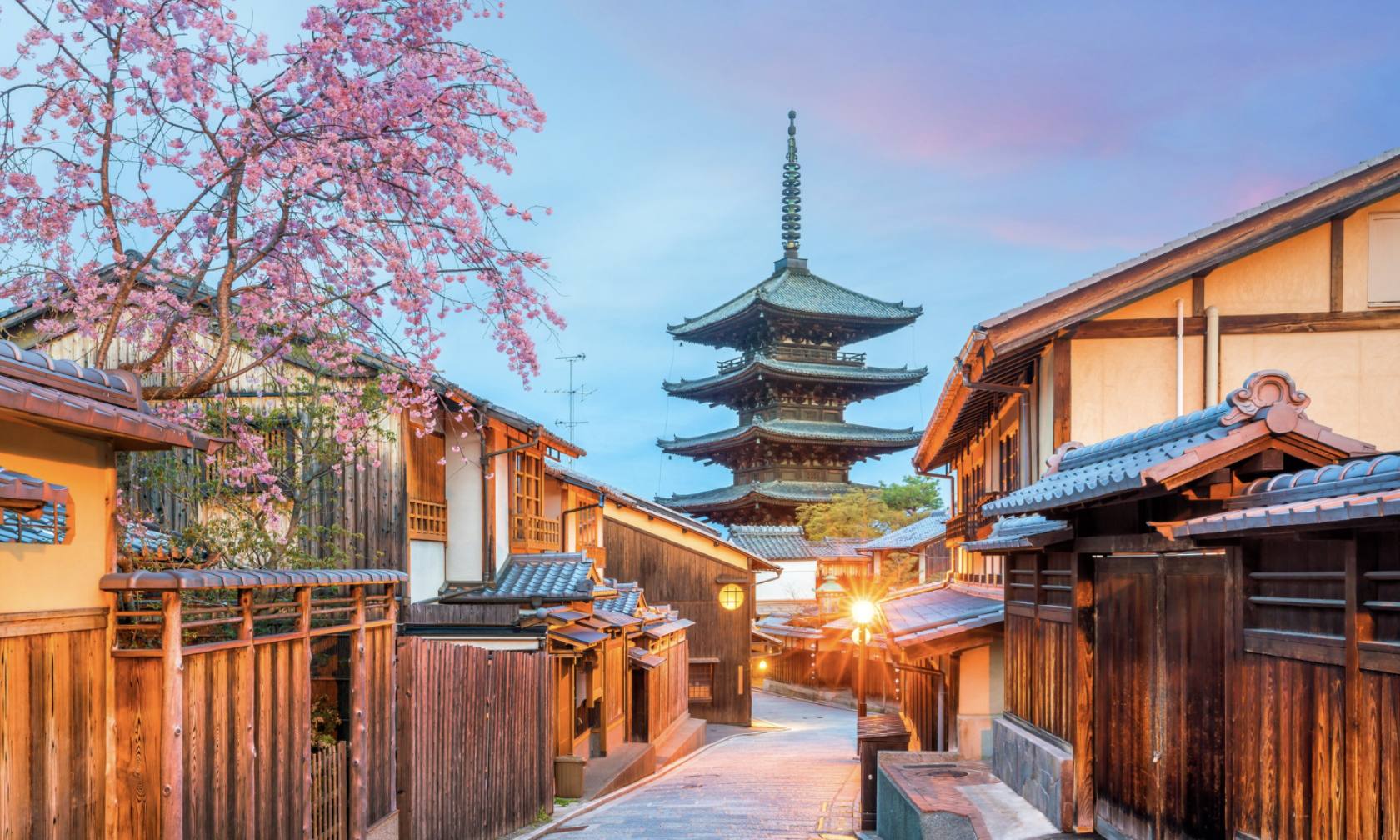
Kyoto has struggled to balance its cultural heritage with record crowds, with particular tension in the historic Gion geisha district, where some areas have restricted tourist access after problems with visitors harassing geisha and crowding private lanes. Japan is urging visitors to explore beyond the most crowded cities and sites, and Kyoto has moved to raise its accommodation tax substantially. Travelers can be more welcome by respecting local customs and privacy, staying on public streets, visiting lesser-known temples and neighborhoods, and following the genuinely important etiquette rules that matter deeply in Japanese culture.
7. Dubrovnik, Croatia
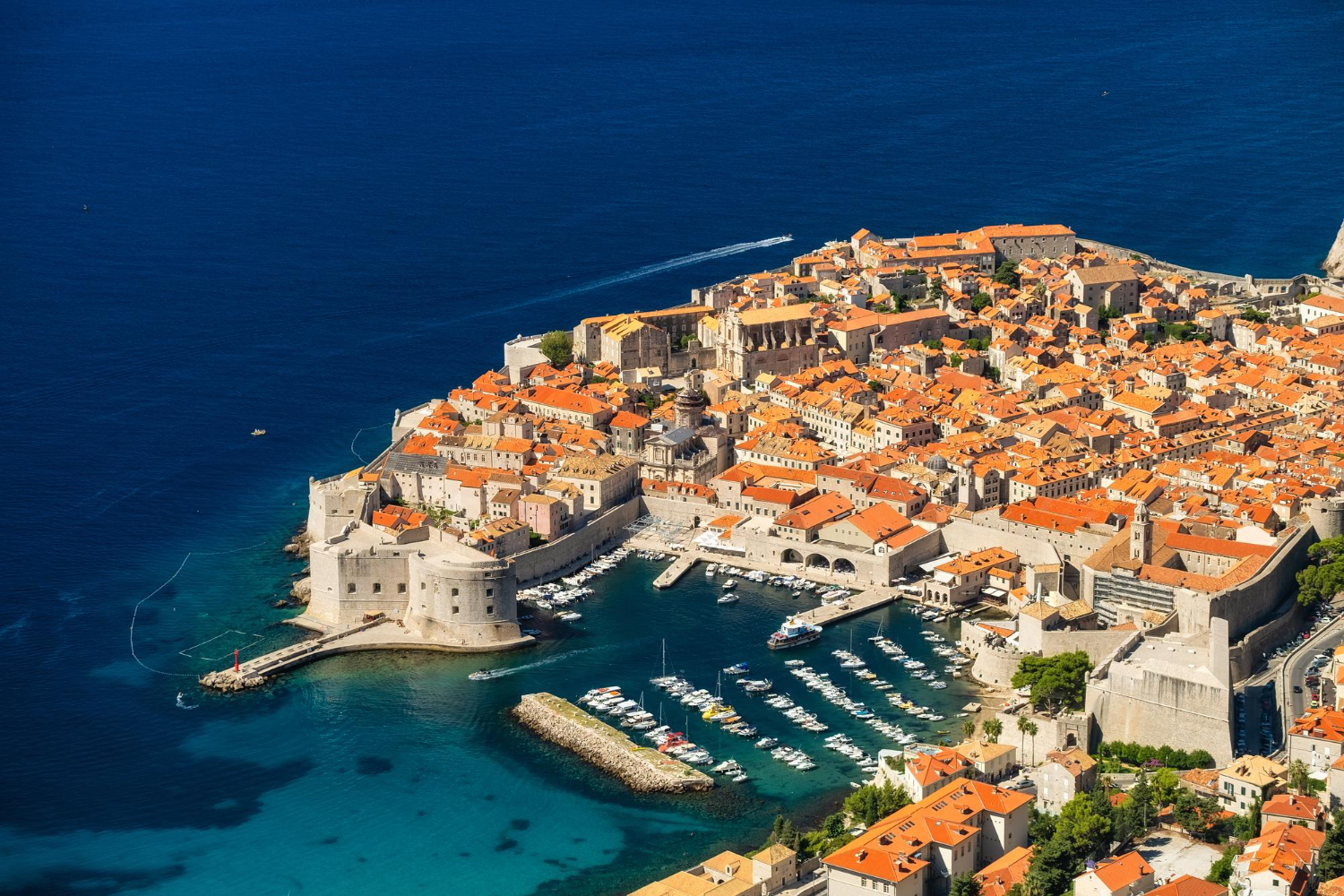
Dubrovnik became overwhelmed partly due to its fame as a filming location, with cruise crowds flooding the small walled Old Town. The city’s “Respect the City” initiative caps the number of cruise ships and visitors allowed at once and asks tourists to behave respectfully, famously telling cruise passengers not to be “just a backdrop for selfies.” Croatia is also clamping down on short-term rentals. Travelers can be more welcome by avoiding peak cruise hours, exploring beyond the Old Town walls, staying in the region longer, and treating the small, living city with consideration.
8. Mallorca and the Balearic Islands, Spain
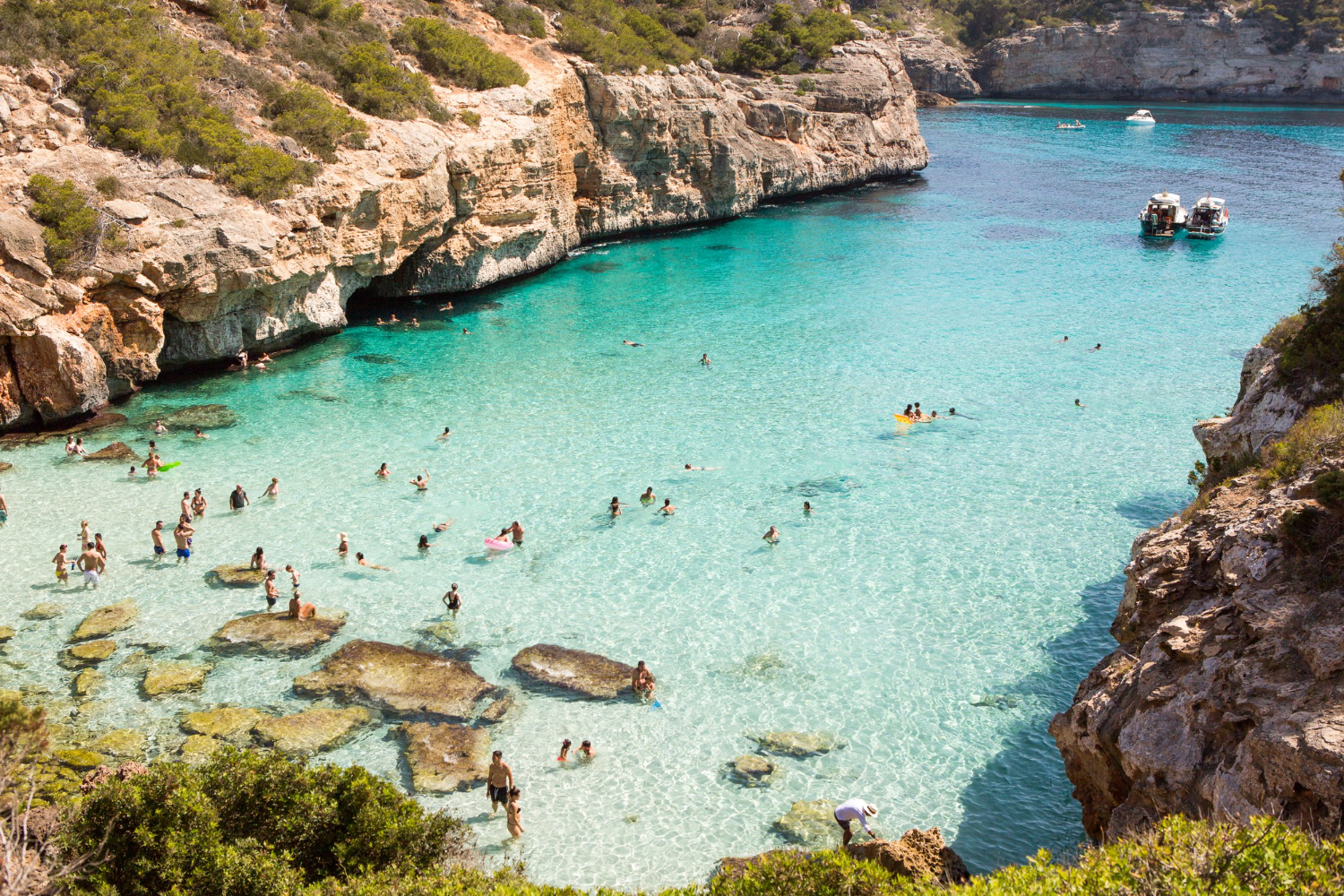
Mallorca and the broader Balearic Islands have seen vigorous protests under banners like “Less Tourism, More Life,” with residents frustrated by housing costs, crowding, and environmental strain on the islands. The local movement has called for limits on the tourism that dominates the islands’ economy and landscape. Travelers can be more welcome by respecting the islands’ environmental limits, supporting local rather than chain businesses, avoiding the rowdy party-tourism the islands are trying to move away from, and recognizing residents’ genuine concerns about being priced out of their own home.
9. Bali, Indonesia
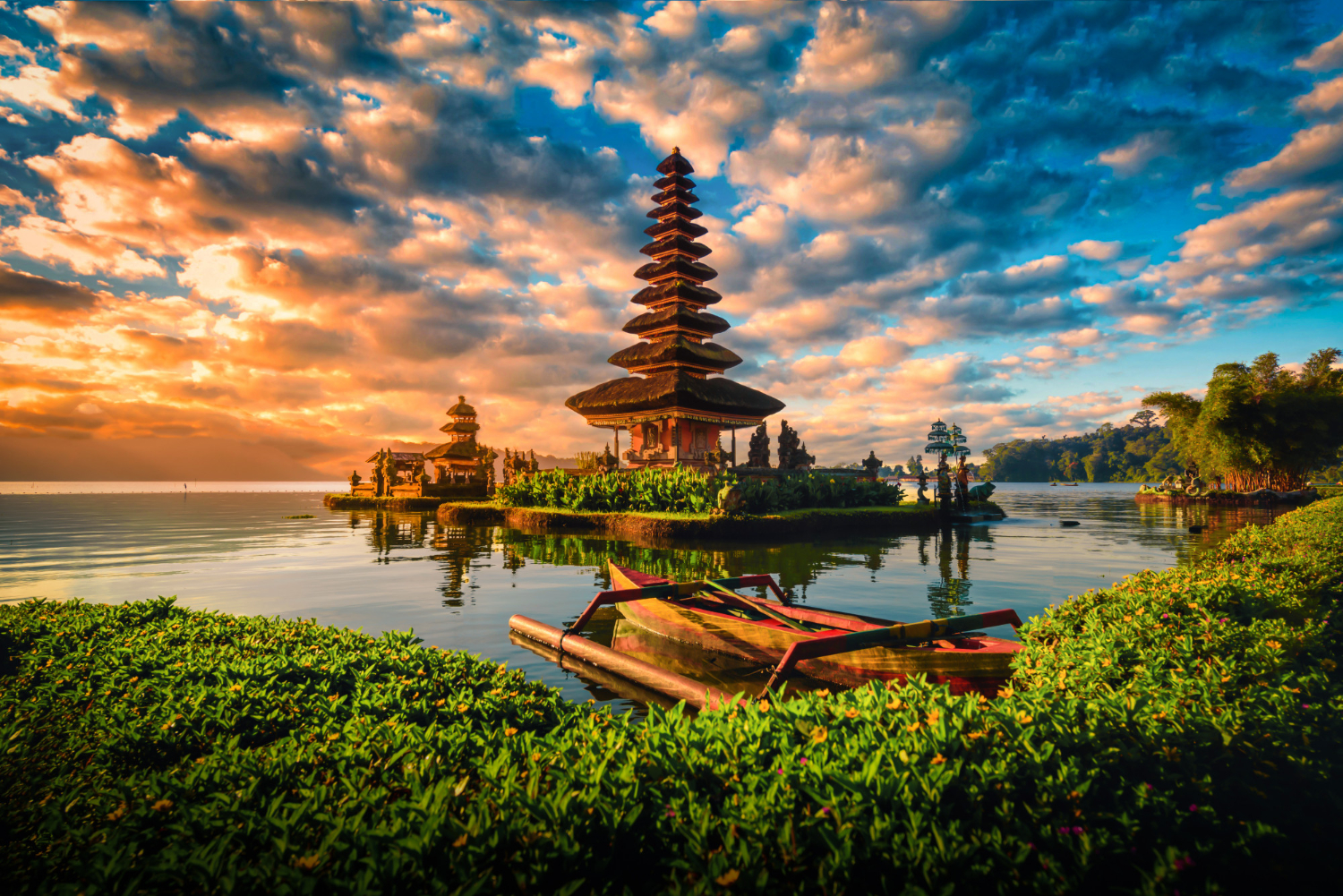
Bali has introduced a tourist levy and issued conduct guidelines after high-profile incidents of visitors behaving disrespectfully at sacred sites. The island, deeply shaped by its Hindu culture and religious traditions, has grown less patient with tourists who ignore local customs and sacred spaces. Travelers can be more welcome by dressing and behaving respectfully at temples and sacred sites, learning and following the conduct guidelines, supporting local communities, and approaching Bali as a living culture rather than just a backdrop for social media, which is exactly the behavior that prompted the new rules.
10. Edinburgh, Scotland, and the Tourist-Tax Wave
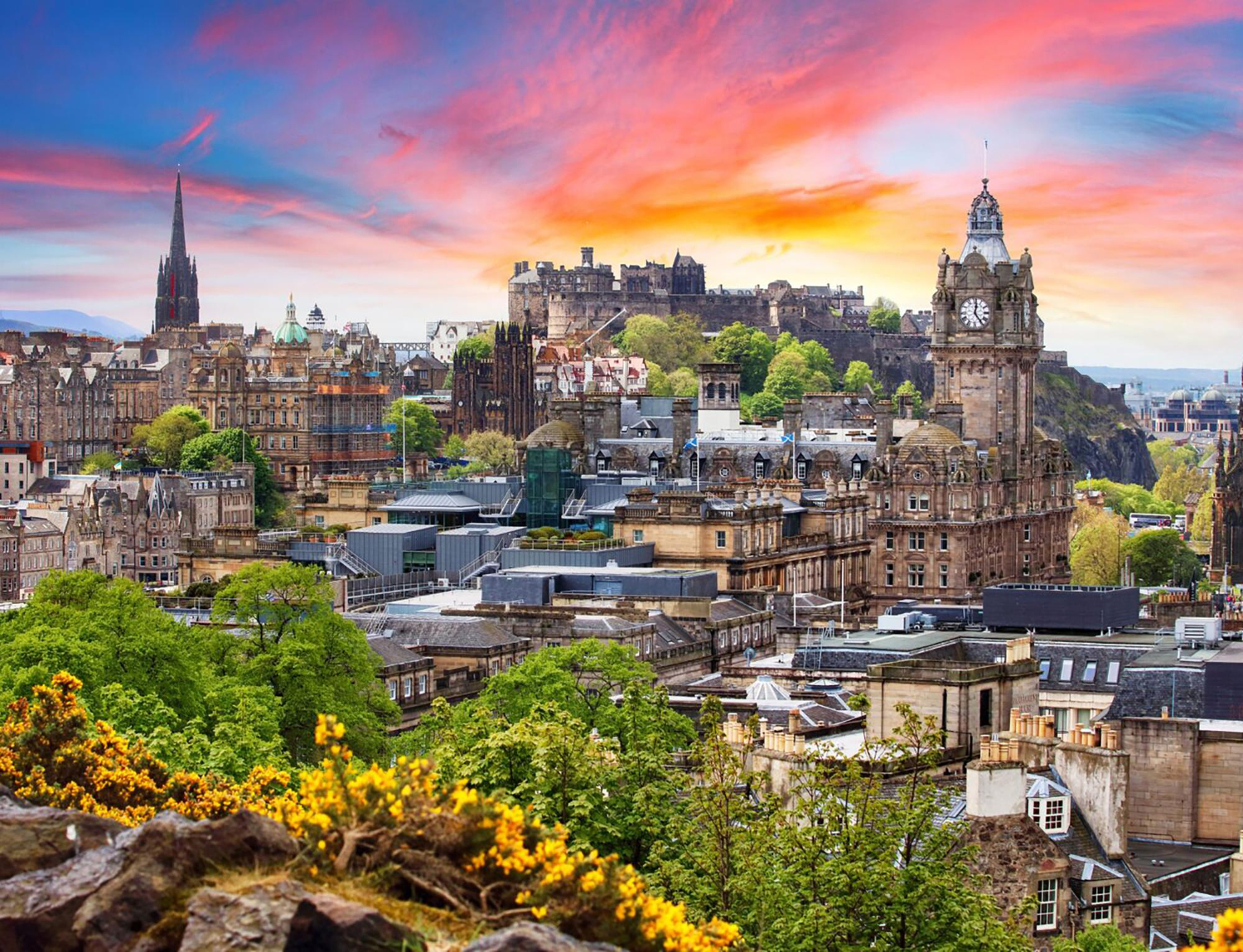
Edinburgh is introducing an overnight tourist tax (a percentage added to accommodation costs) starting in 2026, joining a growing global list of cities taxing visitors to help cover tourism’s costs. This reflects a broader trend: rather than turning tourists away, many destinations are using fees and taxes to manage tourism’s impact and fund services. Travelers should simply expect these tourist taxes as a normal part of visiting popular destinations now, budget for them, and understand they’re a reasonable way for cities to offset the genuine costs that visitors impose on local infrastructure and services.
How to Be a Genuinely Welcome Traveler
The thread running through all of this is that the backlash isn’t really aimed at individual visitors — it’s aimed at the scale and behavior of mass tourism, and the difference between being resented and being welcomed is largely within each traveler’s control. The destinations themselves have been clear about what helps: travel outside peak season when crowds and pressure are lower; stay longer in fewer places rather than rushing through; venture beyond the most overcrowded landmarks into neighborhoods and regions that genuinely want visitors; and spend money in ways that reach local people — family-run restaurants, local guides, licensed accommodations — rather than the short-term rentals that drive up housing costs. Just as important is simple respect: learning a few local phrases, dressing and behaving appropriately at religious and cultural sites, keeping noise down in residential areas, and treating a living city as someone’s home rather than a backdrop for photos. None of this requires giving up travel to these extraordinary places. It requires traveling a little more thoughtfully, with awareness that the beautiful destinations on every bucket list are also real communities where people are struggling with the consequences of their own popularity. The traveler who understands that, and adjusts accordingly, will not only avoid the cooler welcome but will frequently find the warmth that mass tourism has strained, because locals can tell the difference between a guest who respects their home and a crowd that doesn’t. In an era of overtourism, being a welcome traveler is less about where you go and more about how you go.
Like our content? Follow us for more.