Card games spread along the same routes as trade and armies, mutating at every border. Here are seventeen, and what is known about where each came from.
1. Whist – England
A trick-taking game that dominated polite society for well over a century and generated an entire literature of strategy manuals.
It is the direct ancestor of several later games and is still played, though it has been largely displaced by its own descendants. Whist is the card game that spawned most of what replaced it.
Like our content? Follow us for more.
2. Bridge – Descended From Whist
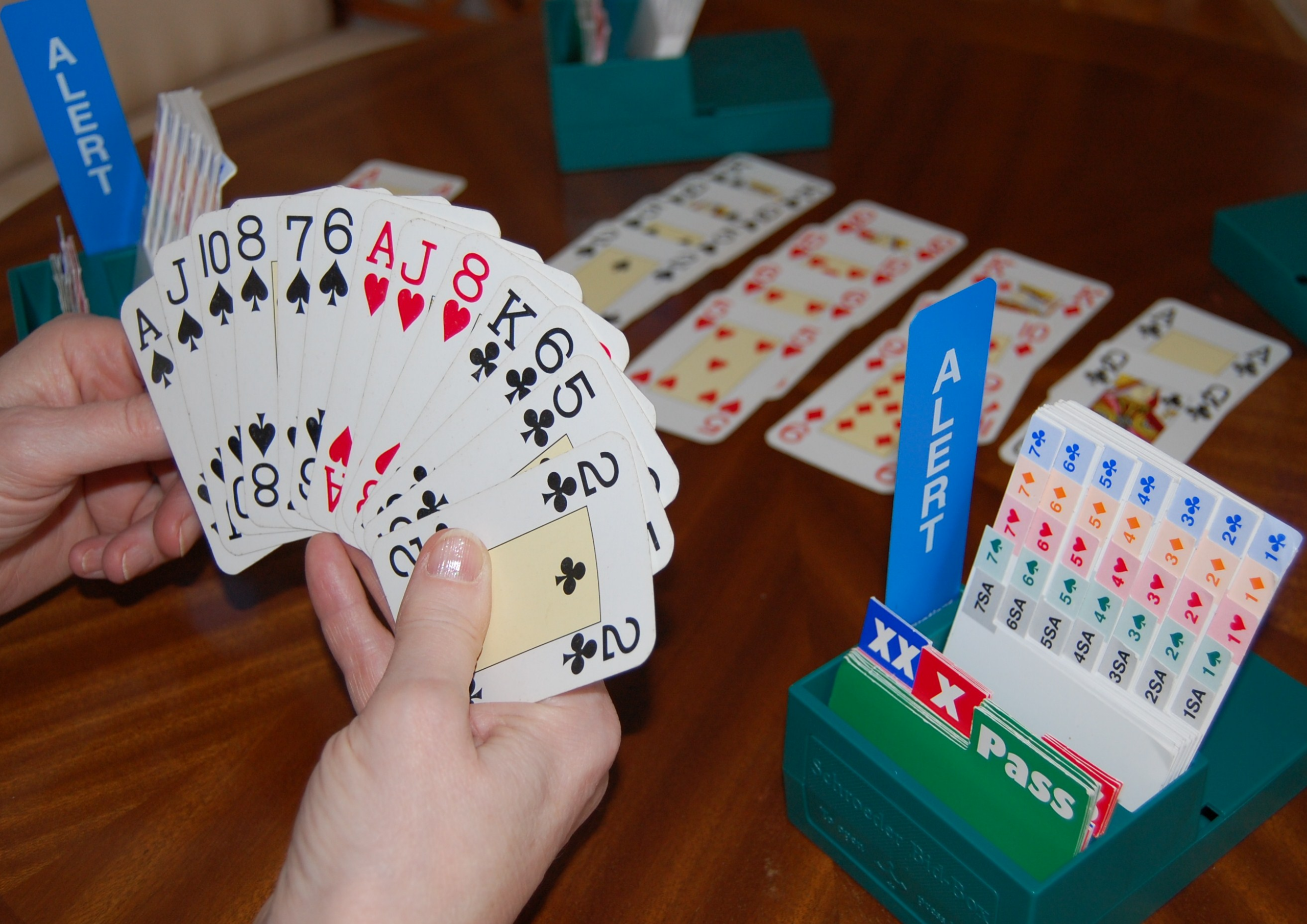
Developed from whist through several intermediate forms, adding an auction and a dummy hand, and becoming the most seriously studied card game there is.
It has a competitive structure, a governing body and a body of theory comparable to chess. Bridge is the card game that turned a parlour pastime into a sport.
3. Poker – Mississippi River, Nineteenth Century
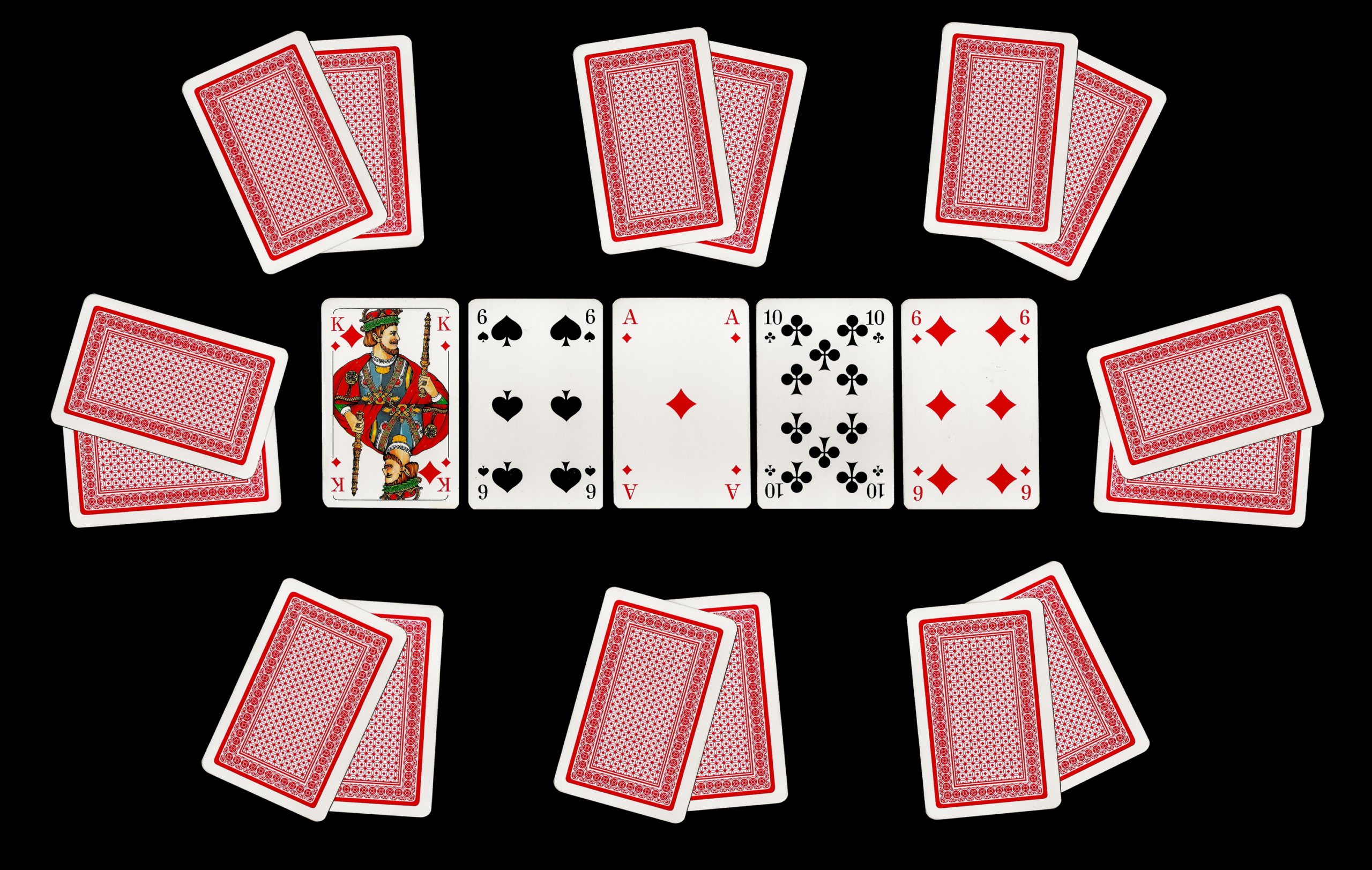
Assembled from earlier European betting games, taking shape on riverboats and in frontier towns before spreading nationally and then globally.
Its ancestors include French and Persian games with similar ranking and betting structures. Poker is the card game that emerged from several older ones on a river.
4. Rummy and Its Enormous Family
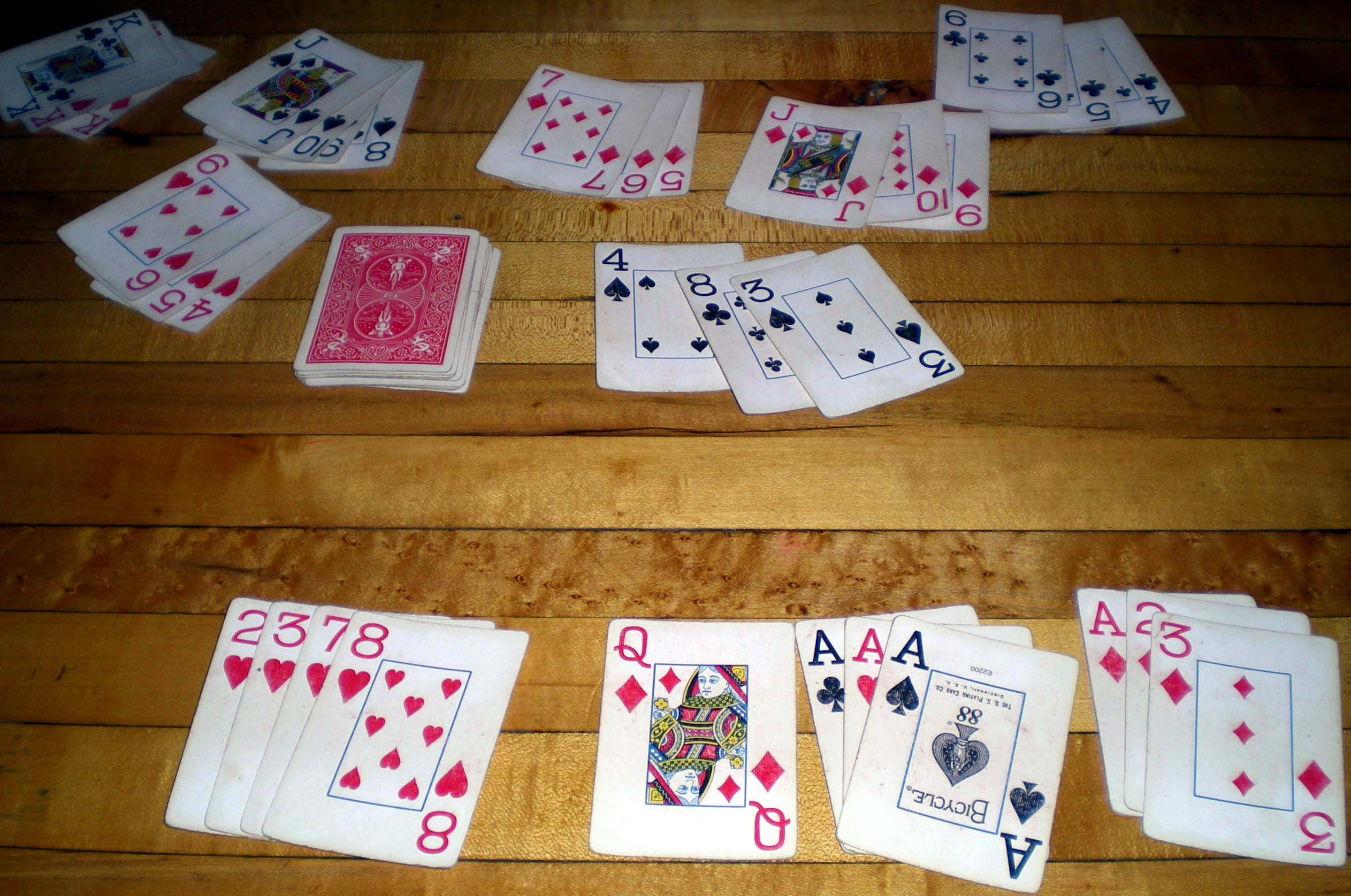
A group of games based on collecting sets and runs, with versions across many countries and no clear single origin.
It probably descends from a Mexican game, which may itself derive from a Chinese one. Rummy is the card game family whose ancestry runs across three continents.
5. Canasta – Uruguay
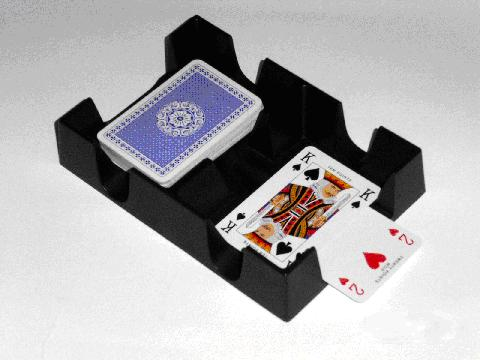
Developed in the 1940s as a rummy variant and became a global craze within about a decade before subsiding again.
Its rise and fall is one of the clearest examples of a game becoming a fashion. Canasta is the card game that conquered the world and then steadily receded.
6. Solitaire and Patience
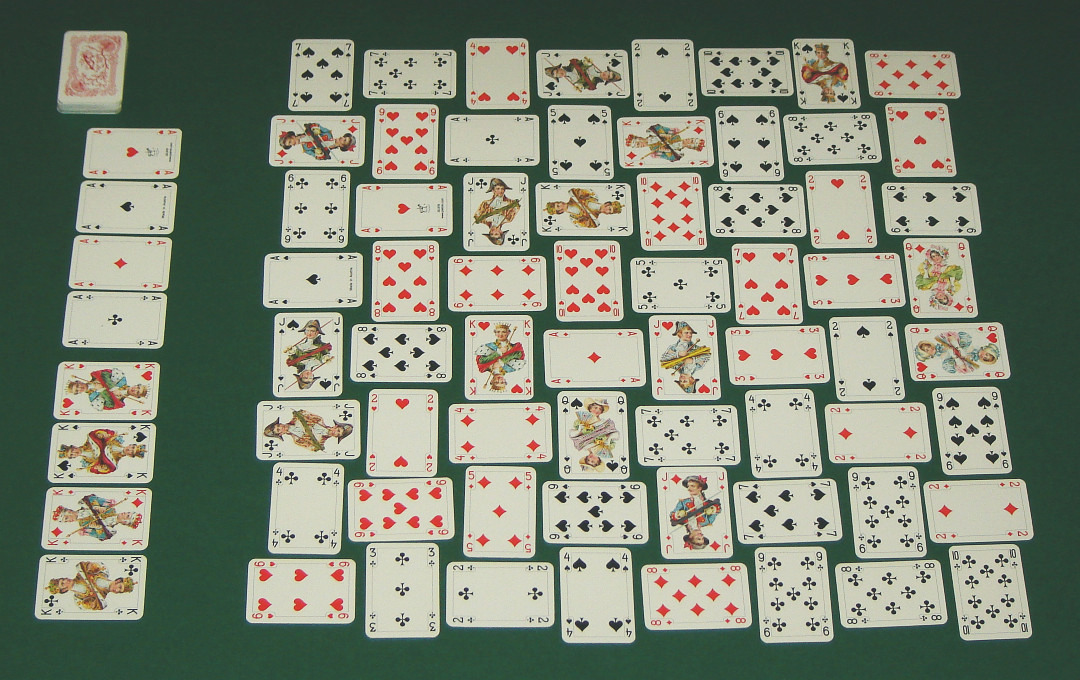
A family of single-player games with a documented history going back at least to the eighteenth century, long predating any computer.
Their modern ubiquity is entirely down to being bundled with early personal computers. Solitaire is the card game most people learned from a machine rather than a person.
7. Blackjack – From French Vingt-et-Un
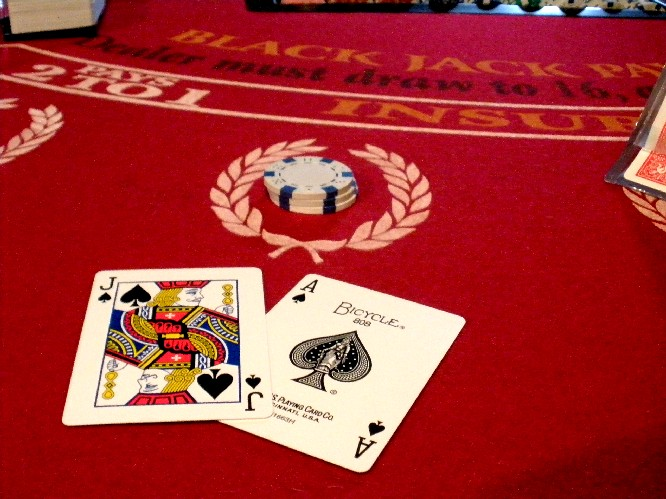
Derived from a French game whose name means twenty-one, with the modern name coming from a promotional bonus offered for a particular hand.
The bonus is long gone and the name stuck. Blackjack is the card game named after a marketing offer nobody has seen for a century.
8. Cribbage – Seventeenth-Century England
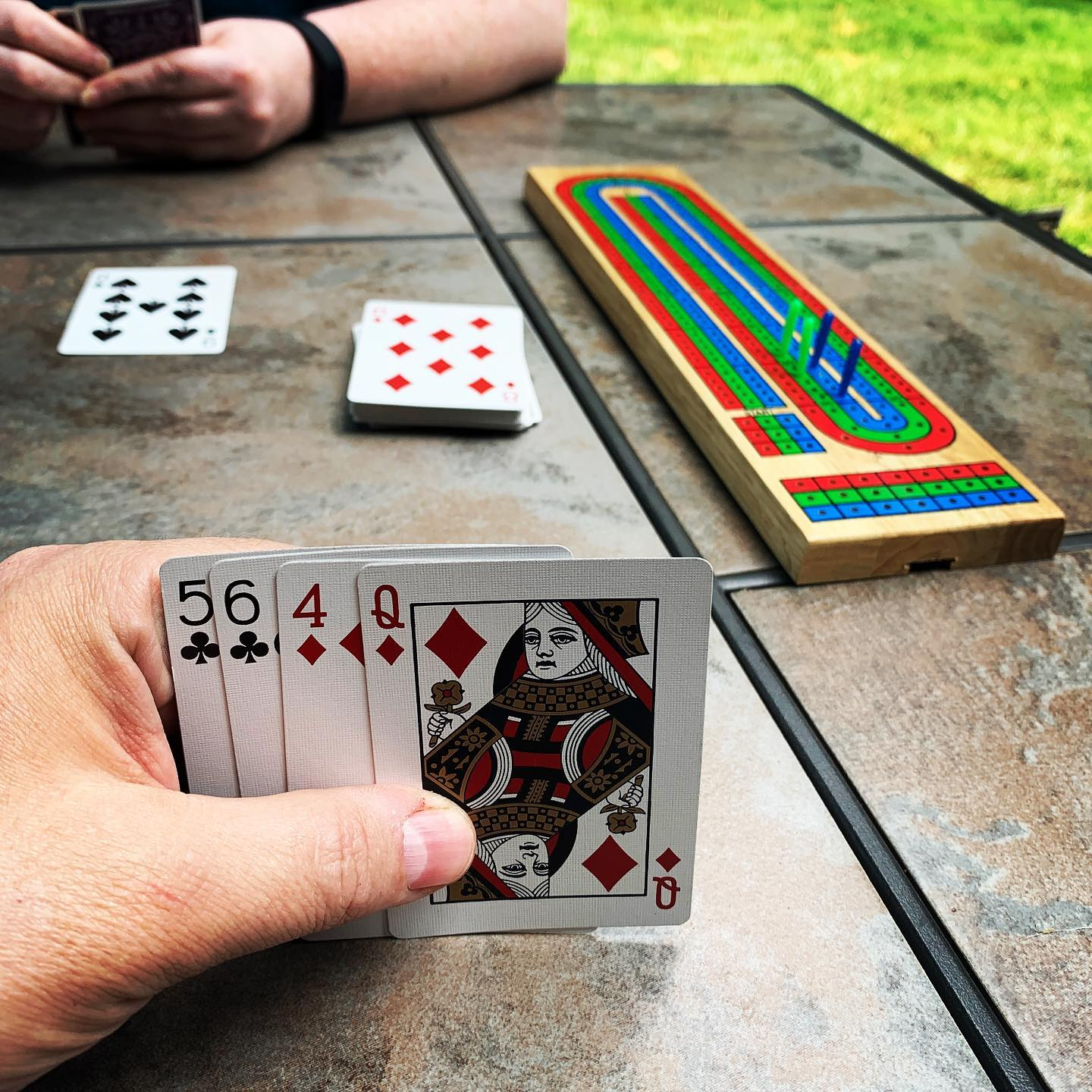
Attributed to a poet who adapted an older game, and unusual for requiring a board with pegs to keep score.
The board is essentially part of the game rather than an accessory. Cribbage is the card game that comes with its own hardware.
9. Hearts and the Trick-Avoidance Games
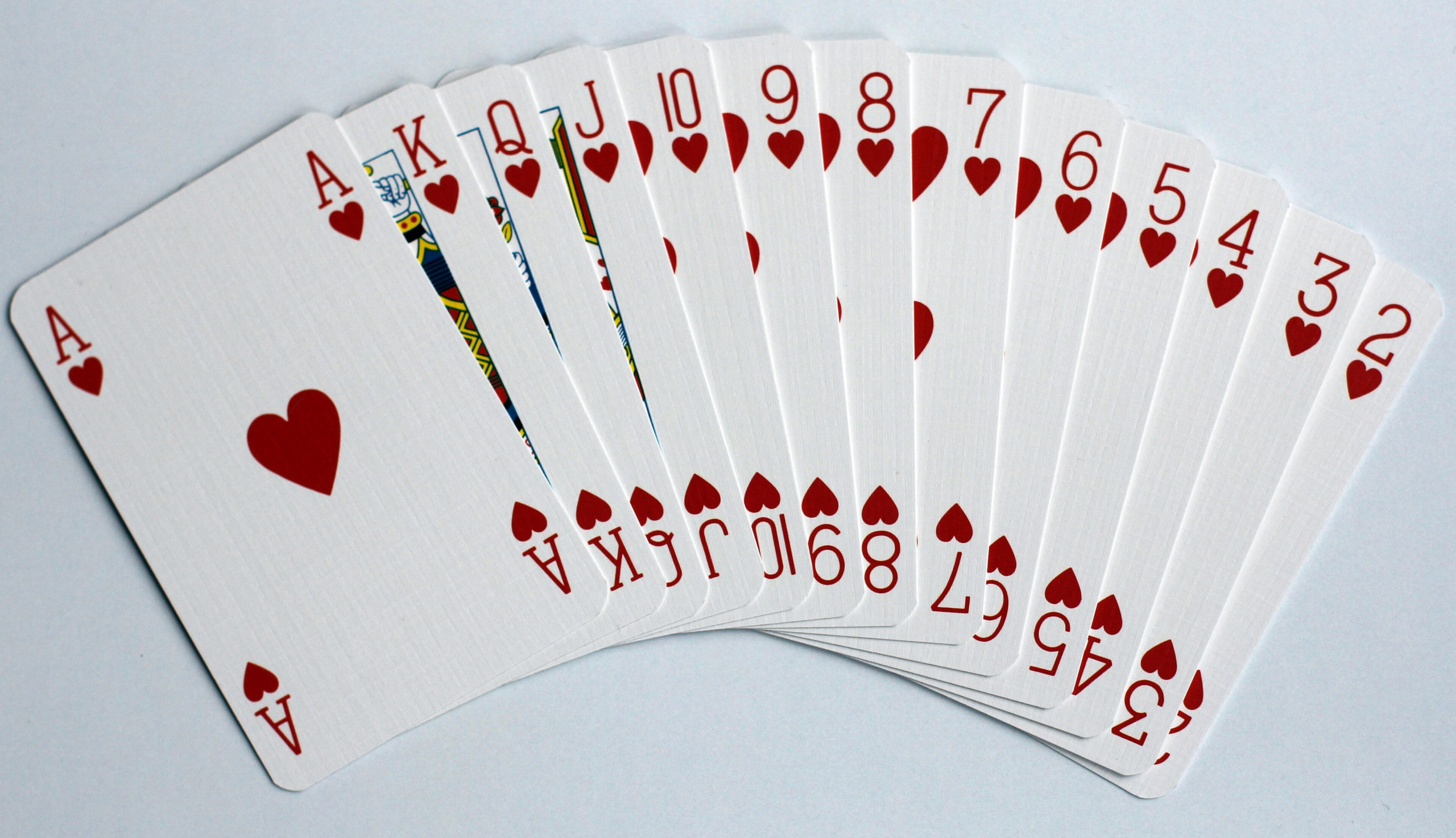
A family in which the aim is to avoid taking certain cards rather than to win tricks, which inverts the logic of most trick games.
Several national variants exist with different penalty cards. Hearts is the card game where the usual objective is reversed.
10. Skat – Germany
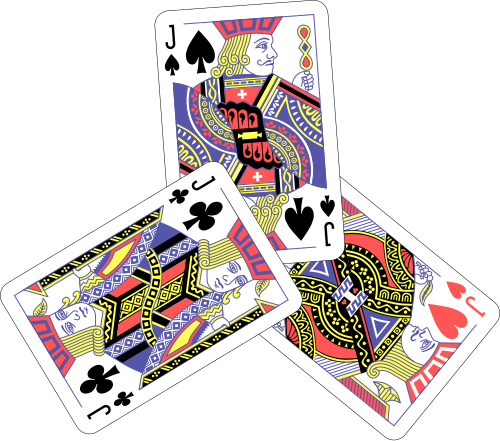
A three-player trick-taking game with an intricate bidding system, taken seriously enough to have a national governing body and formal rules.
It is substantially more complex than its familiarity in Germany suggests. Skat is the card game with the most elaborate bidding on this list.
11. Scopa and the Italian Fishing Games
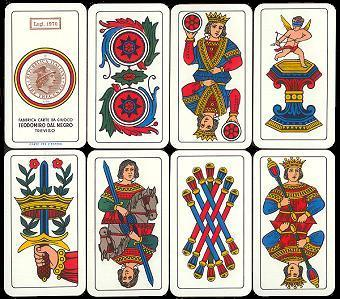
Played with a distinctive regional deck of forty cards, capturing cards from the table by matching values.
Italian regional decks differ from one another in suits and imagery. Scopa is the card game played with a deck most people outside Italy have never handled.
12. Belote – France
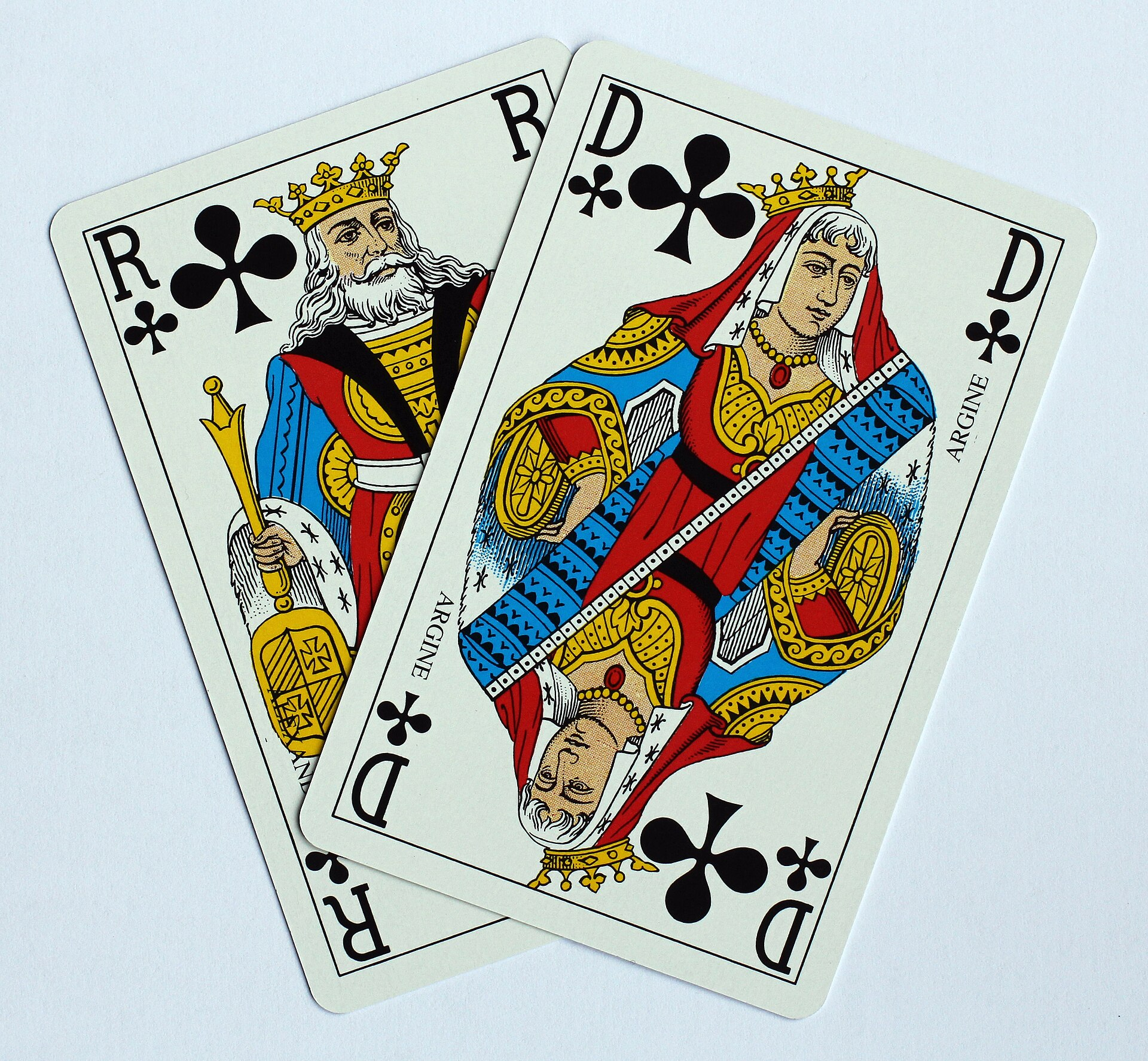
A trick-taking game with bidding and card combinations, extremely widely played domestically and almost unknown outside its region.
It is a good illustration of how a game can be a national institution and invisible elsewhere. Belote is the card game everyone in one country plays and nobody else has heard of.
14. Spades and the Partnership Bidding Games
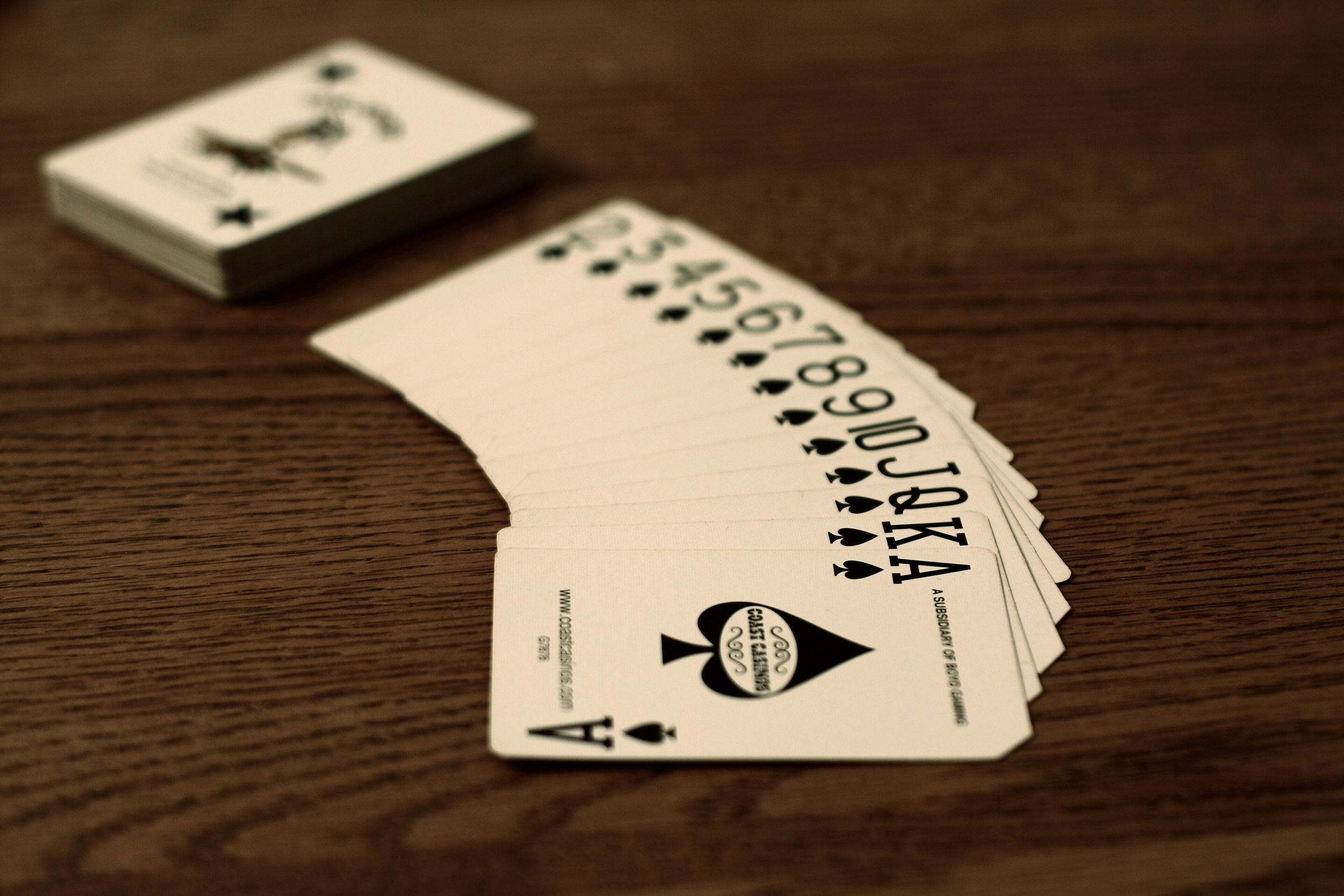
Developed in the United States in the twentieth century, played in partnerships with a bid on the number of tricks each side expects to take.
It spread widely through informal play rather than through clubs or literature. Spades is the card game that travelled entirely by word of mouth.
15. Uno and the Proprietary Shedding Games
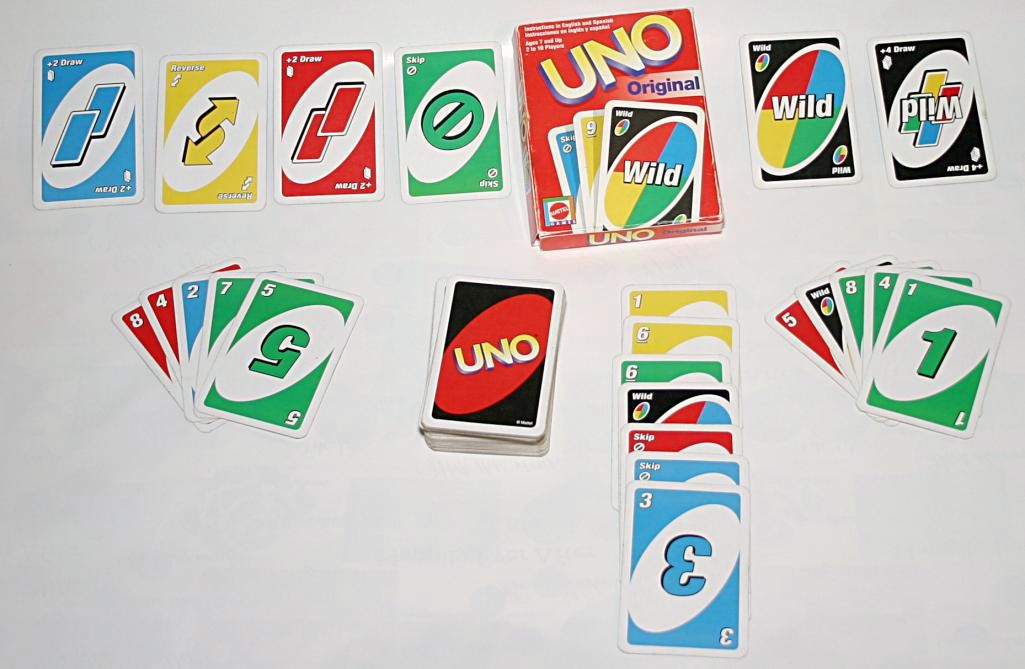
A commercially produced game using its own deck rather than a standard one, based on the older family of games where the aim is to play out all your cards.
The underlying structure long predates the branded version. Shedding games are the card games where the proprietary version overtook the traditional one.
16. Tarot Card Games – Central Europe
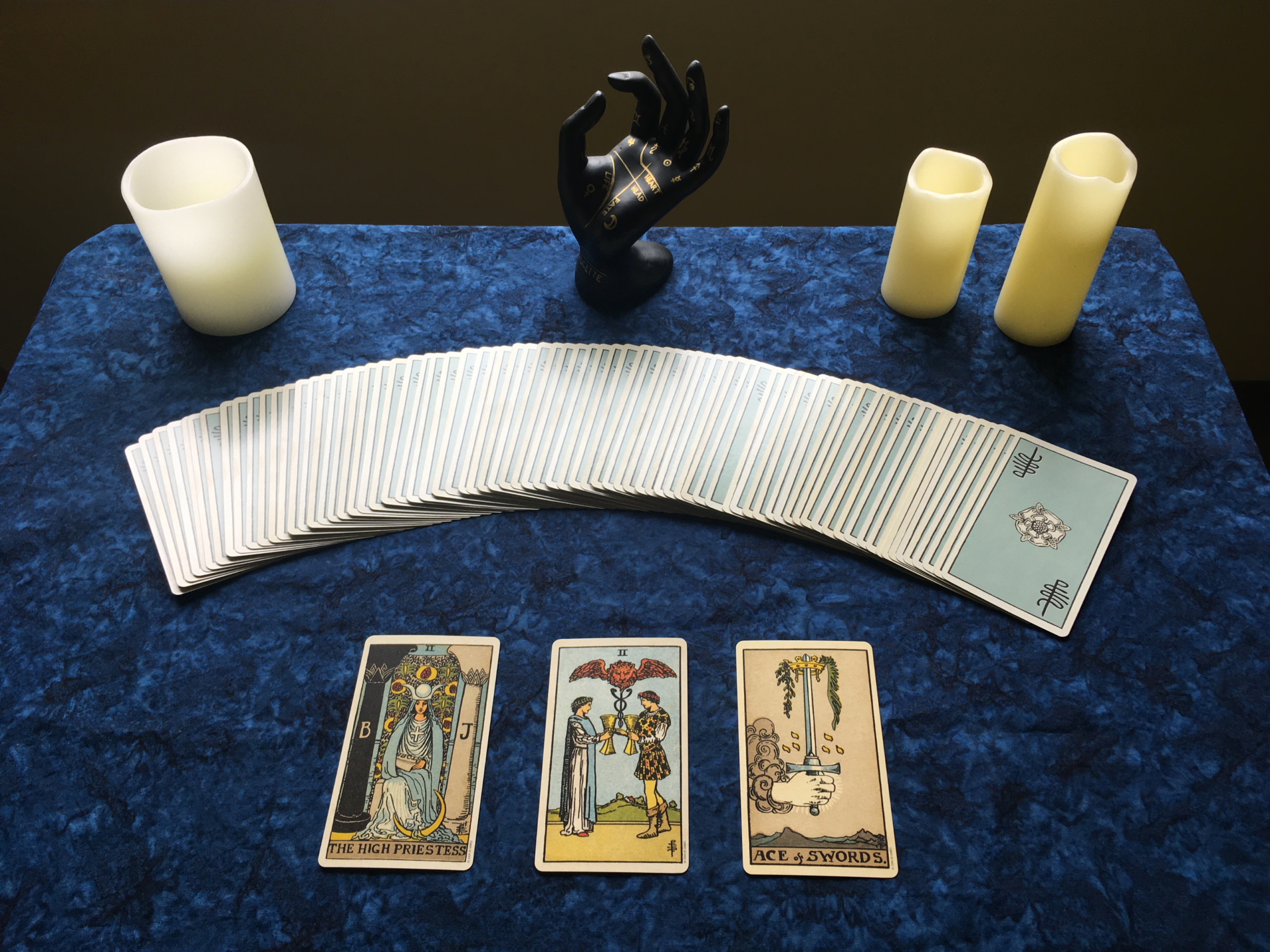
Before tarot decks acquired their fortune-telling association, they were – and in several countries still are – used for sophisticated trick-taking games.
The gaming use is the original one and remains active across parts of Europe. Tarot games are the card games whose decks are far better known for something else entirely.
17. Snap, Old Maid and the Children’s Games
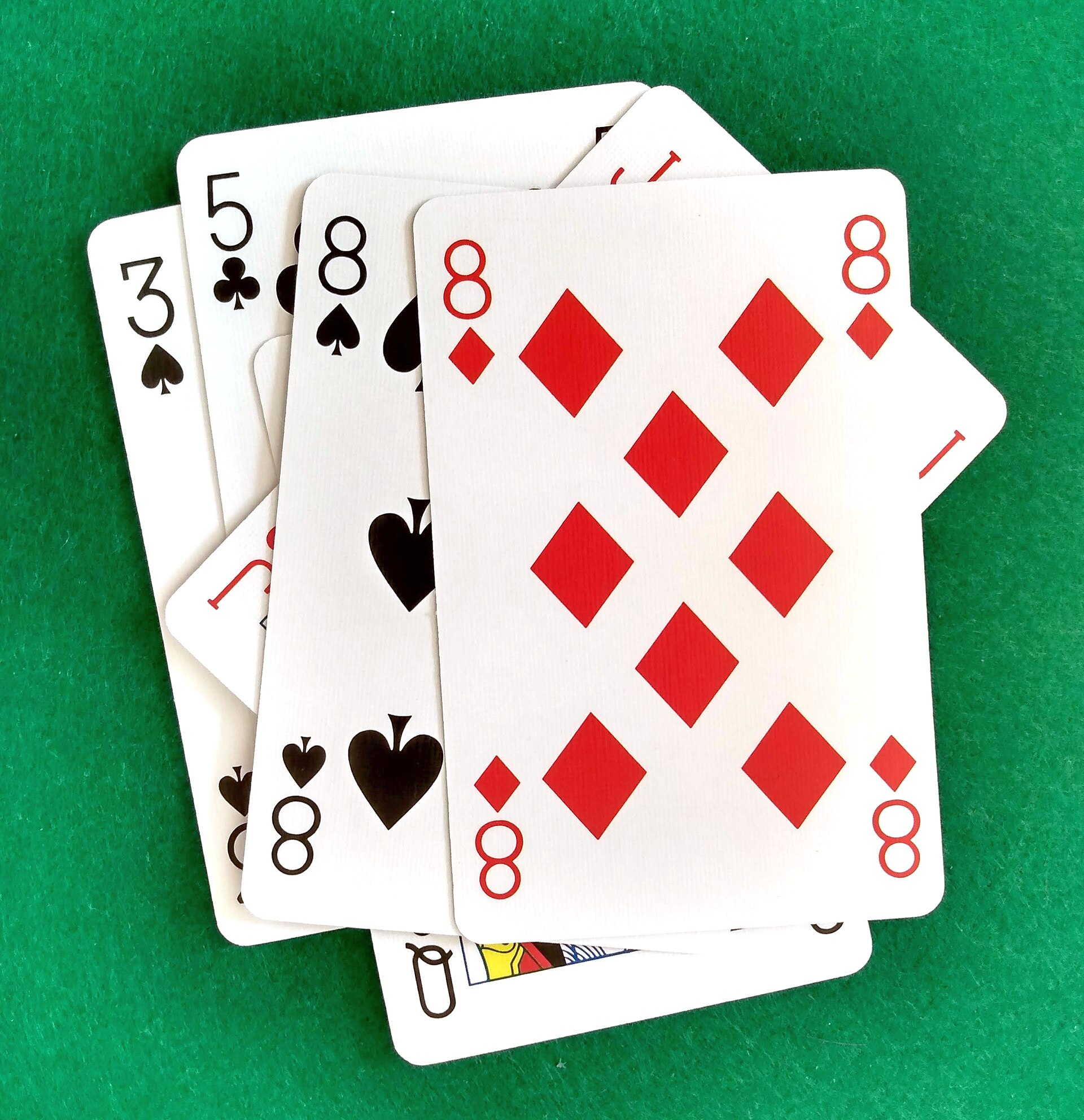
Simple games built around matching, speed or avoiding a single card, designed so that very young players can participate without strategy.
They exist in near-identical form across many countries under different names. Children’s card games are the ones that taught most people how a deck works.
Four Suits, Endless Arguments
What unites these is a single object – a deck with an arbitrary structure settled centuries ago – and the fact that almost every game played with it arrived somewhere else first and changed on the way.
Almost all of these can be learned in ten minutes and take substantially longer to play well, which is the quality that has kept a deck of cards in circulation for six hundred years. If you have a pack in a drawer, the one worth learning is whichever your family already half-knows, because you will actually play it.
Like our content? Follow us for more.