In 1960 a tobacco factory was a major employer running some of the fastest machines in any industry, with leaf stripped and graded by hand by rows of women, blends held together by a handful of people whose knowledge was the company’s main asset, and a free product allowance written into the terms of employment.
By then the scientific case against the product had been published and was being argued about, and the internal position inside parts of the industry was further advanced than the public one.
Here are fourteen things that were ordinary in a tobacco factory in 1960, and what became of each one.
1. The Industry Already Knew and the Public Mostly Did Not
By 1960 the scientific case linking smoking to serious disease had been published and was being argued about, and the internal position within parts of the industry was considerably further advanced than its public position.
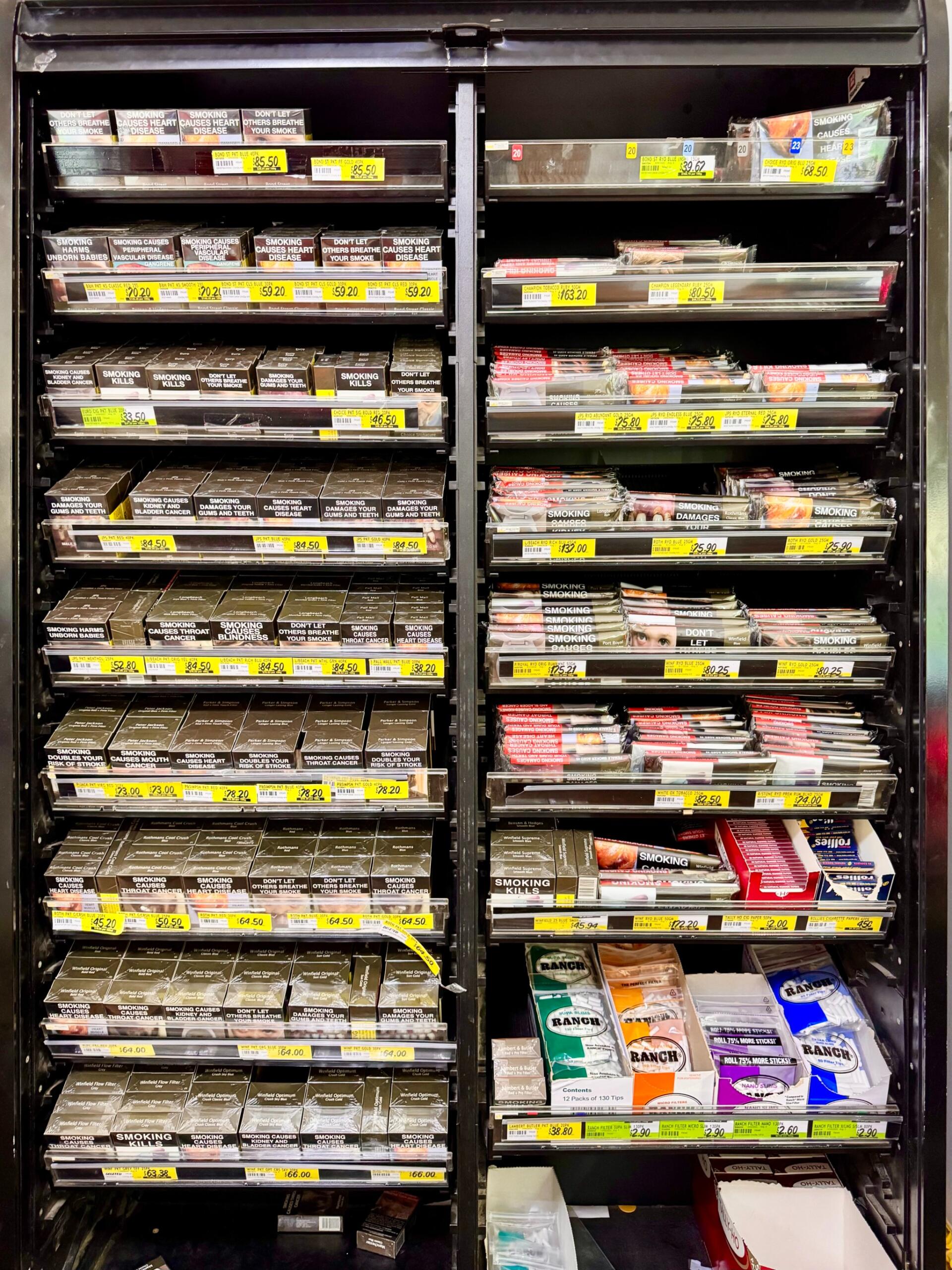
Health warnings, advertising prohibitions, display bans, plain packaging, indoor smoking bans and enormous litigation followed over subsequent decades. This is the central fact about the period and it is stated first because a piece about this industry that treated it as an ordinary manufacturing trade would be dishonest. Nothing in what follows is nostalgia for the product.
Like our content? Follow us for more.
2. Everybody in the Factory Smoked, Including Inside the Factory
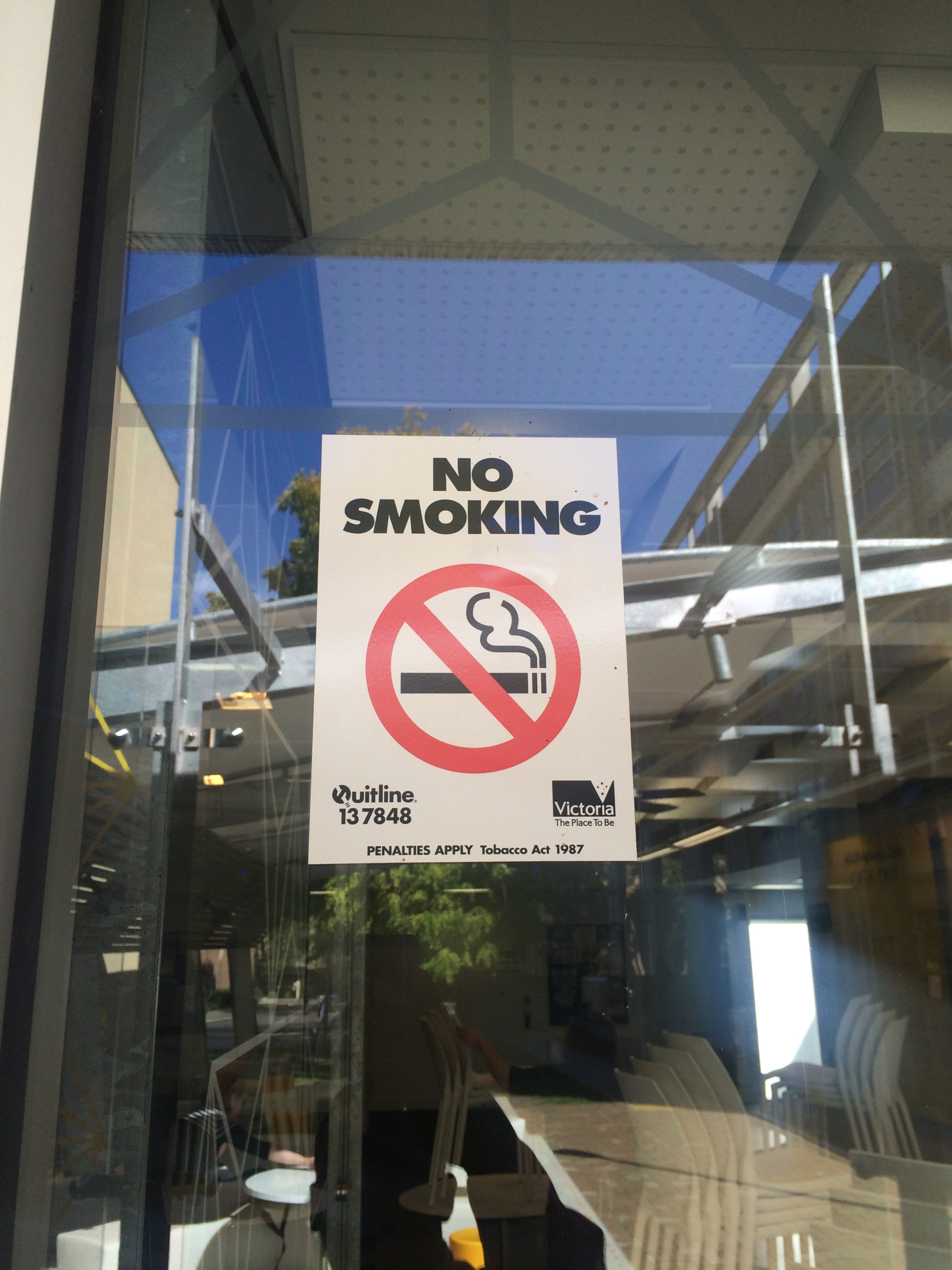
Smoking was permitted throughout, workers were frequently given a free allowance of the product, and the idea that a workplace might restrict it was not under consideration anywhere.
Indoor smoking is prohibited in workplaces across most of the world and free product allowances have gone. The allowance is the detail worth noting: a daily supply of the product was a recognised term of employment, in a factory, for the entire workforce.
3. The Leaf Was Handled, Stripped and Graded by Hand
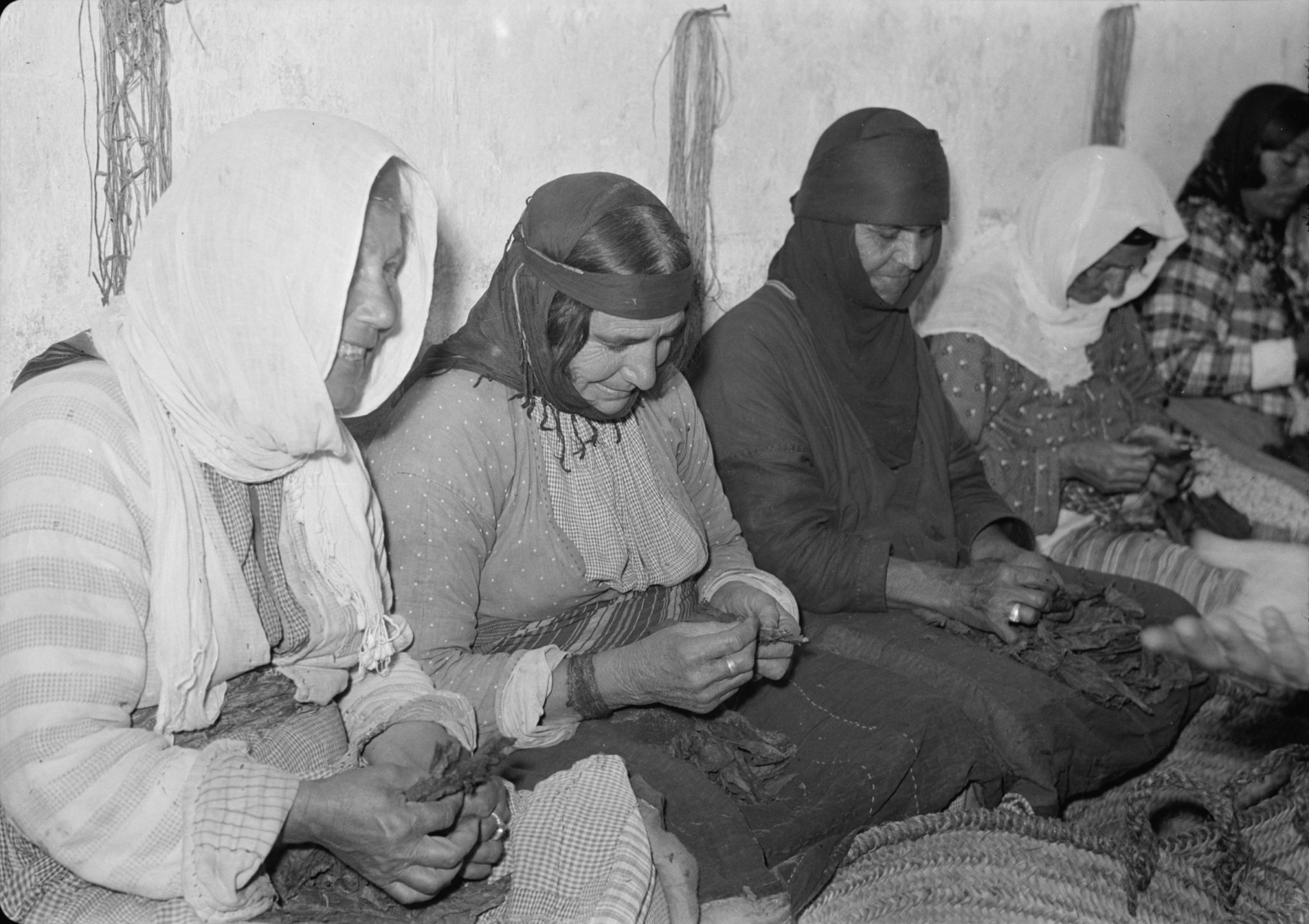
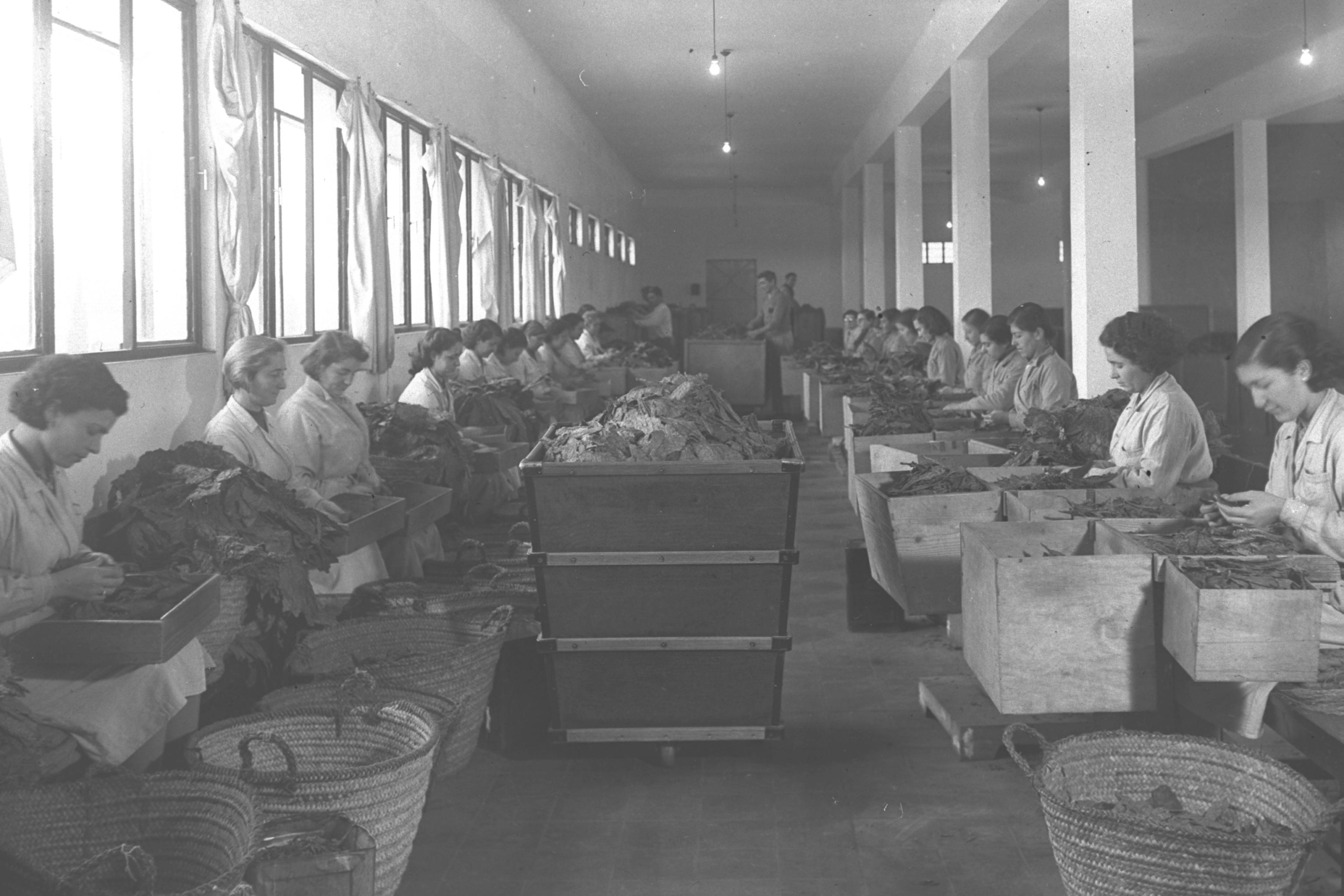
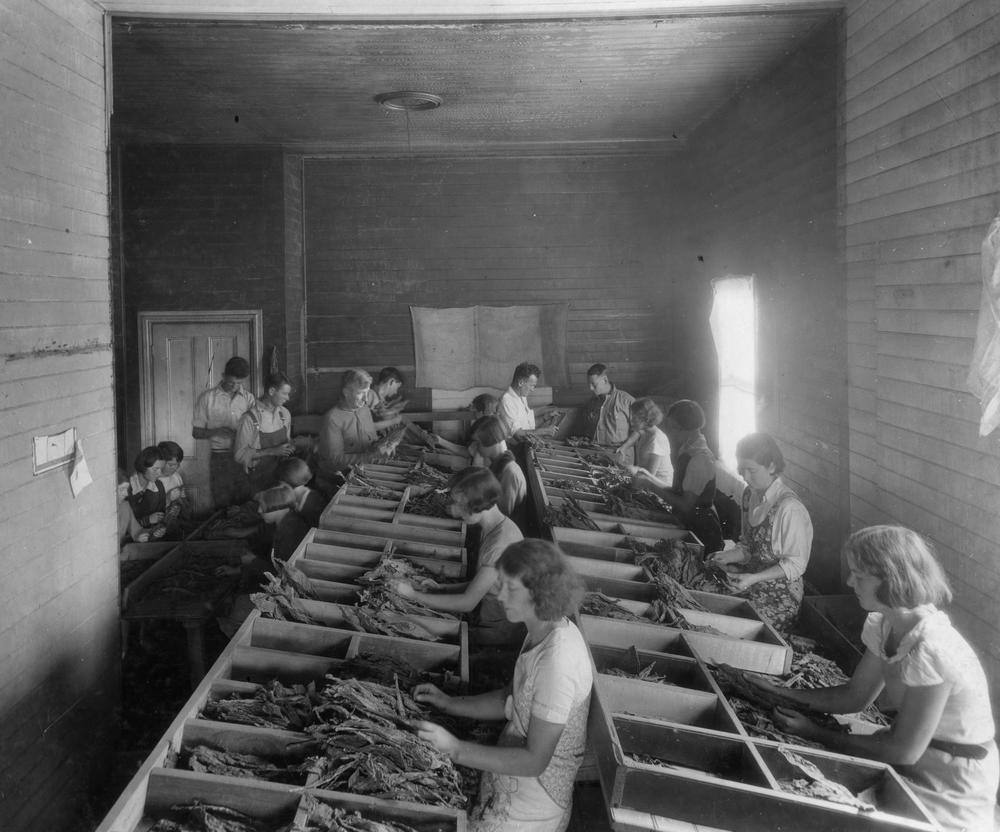
Cured leaf arrived in bales, was conditioned with moisture, and was stripped from the stem and graded by hand by rows of women assessing colour, texture and quality piece by piece.
Mechanical threshing and automated grading replaced it. Hand stripping was the largest employment category in the industry, it was skilled in a way that was never graded as skilled, and it was almost entirely done by women at rates set accordingly.
4. The Dust Was Constant and Nobody Called It an Exposure
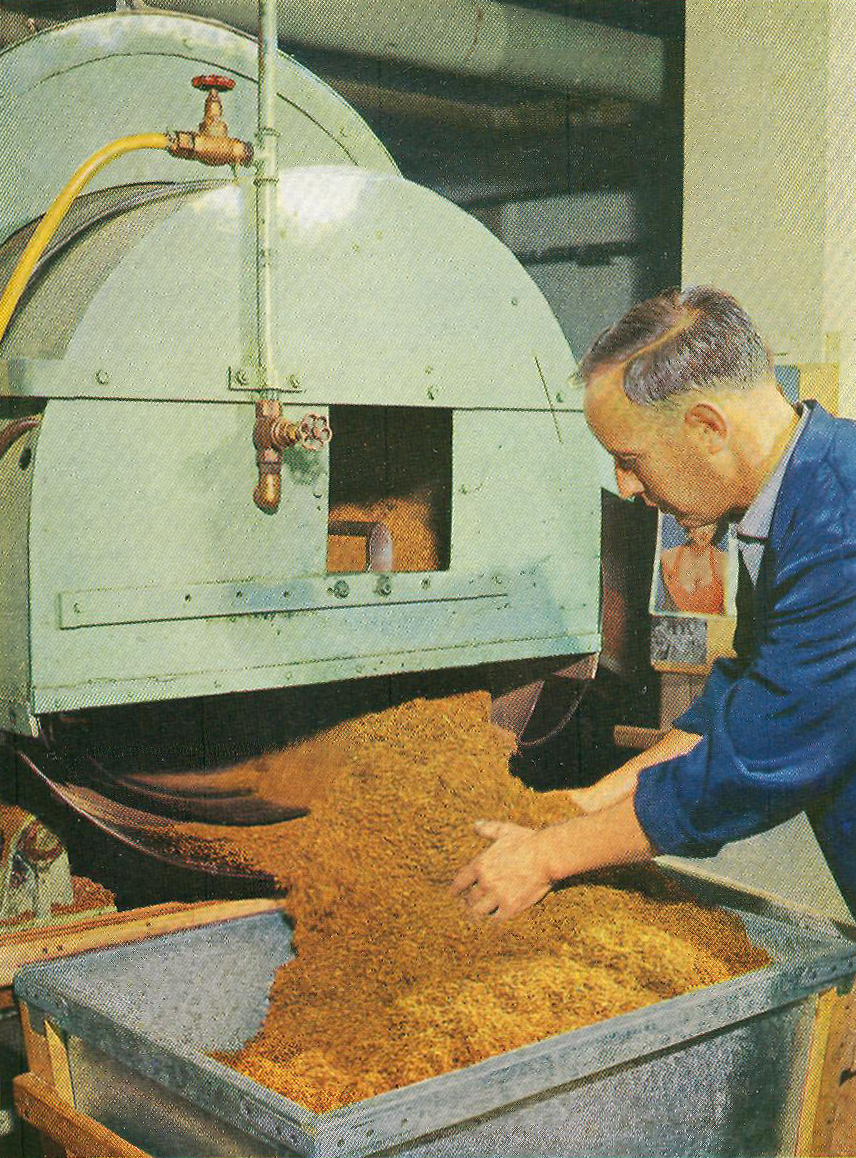
Handling, stripping and processing dried leaf releases a great deal of fine dust, and the factories ran with minimal extraction.
Extraction, enclosure, monitoring and respiratory protection now apply wherever the industry operates. Stated here as occupational history only. Anybody with that work history should raise it with their own doctor rather than with an article.
5. The Blending Was a Trade Secret Held by a Few People
A product’s character came from a blend of many leaf types from different origins and crops, adjusted continuously as supply varied, by blenders working to maintain consistency against an ever-changing input.
Instrumental analysis and documented specifications now support it and the blender’s role persists. The problem is genuine: an agricultural input varies by season and region, the product must taste identical to the customer every time, and bridging that gap was done by a small number of people whose knowledge was the company’s principal asset.
6. The Machines Were the Fastest Thing in Any Factory Anywhere
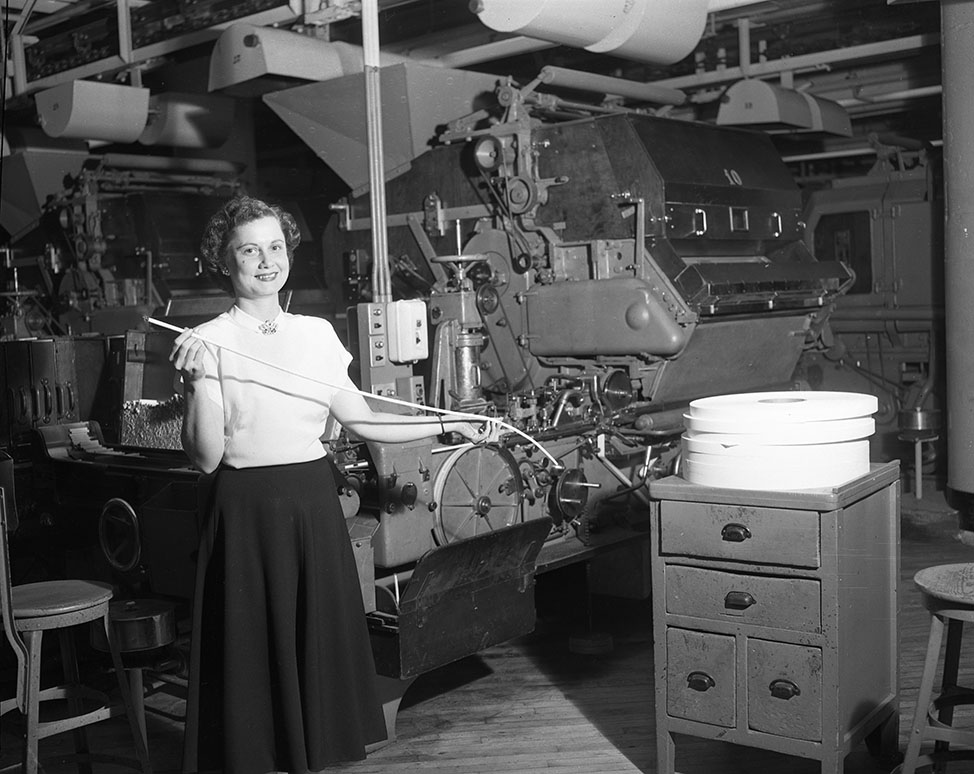
Cigarette making machines of the period produced output at rates that exceeded essentially any other manufacturing process, running continuously, with operators watching for faults rather than performing any step.
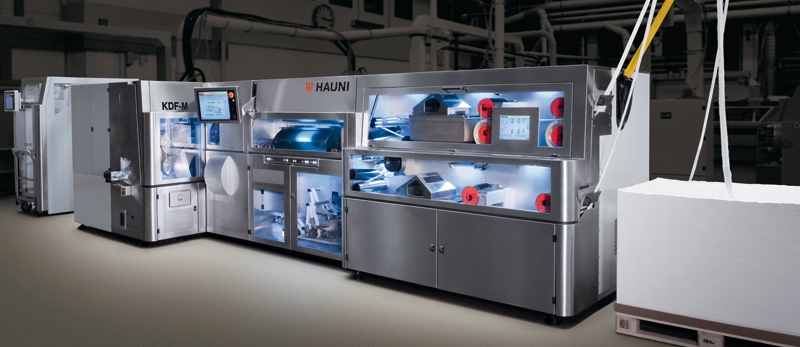
Modern machines are several times faster again. These were and remain among the highest-output machines in any industry, and the engineering involved in continuously forming, filling, wrapping and cutting at that rate is genuinely formidable regardless of what is being produced.
7. The Advertising Was Everywhere and Made Health Claims
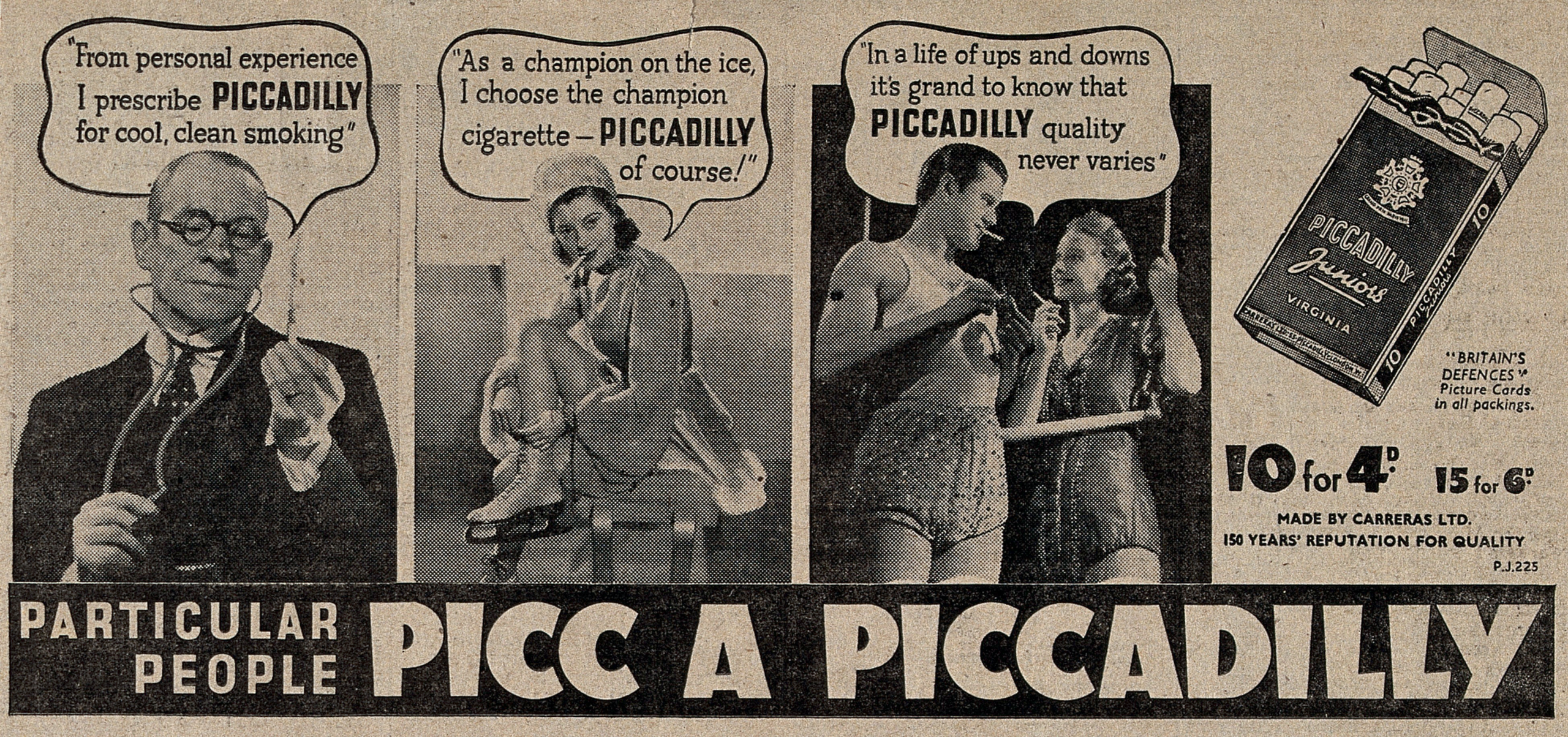
Advertising was unrestricted, ubiquitous, used doctors and athletes as endorsers, and in some cases made explicit claims about throat comfort and health benefits.
Advertising, sponsorship and promotion are now prohibited or severely restricted in most jurisdictions. The health claims in period advertising are the part that reads worst now, and they were made while the evidence was accumulating, which is the documented basis of a great deal of subsequent litigation.
8. Filters Arrived and Were Sold as a Health Measure
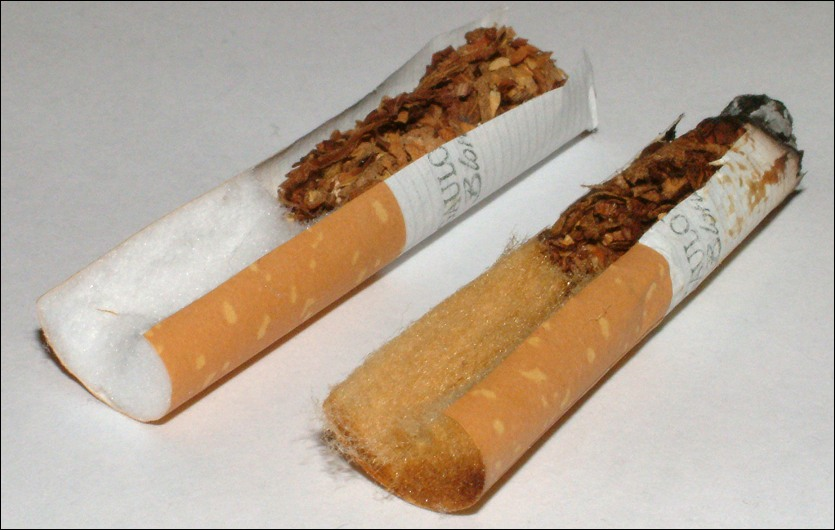
Filtered products were introduced and marketed on the implication that they reduced harm, and consumption shifted substantially towards them.
Subsequent evidence did not support the health benefit as marketed, and claims of that kind are now prohibited in most places along with descriptors implying reduced harm. It is one of the clearest documented cases of a product change marketed as a safety improvement that did not deliver what was implied.
9. The Factory Was the Town’s Employer and Paid Well
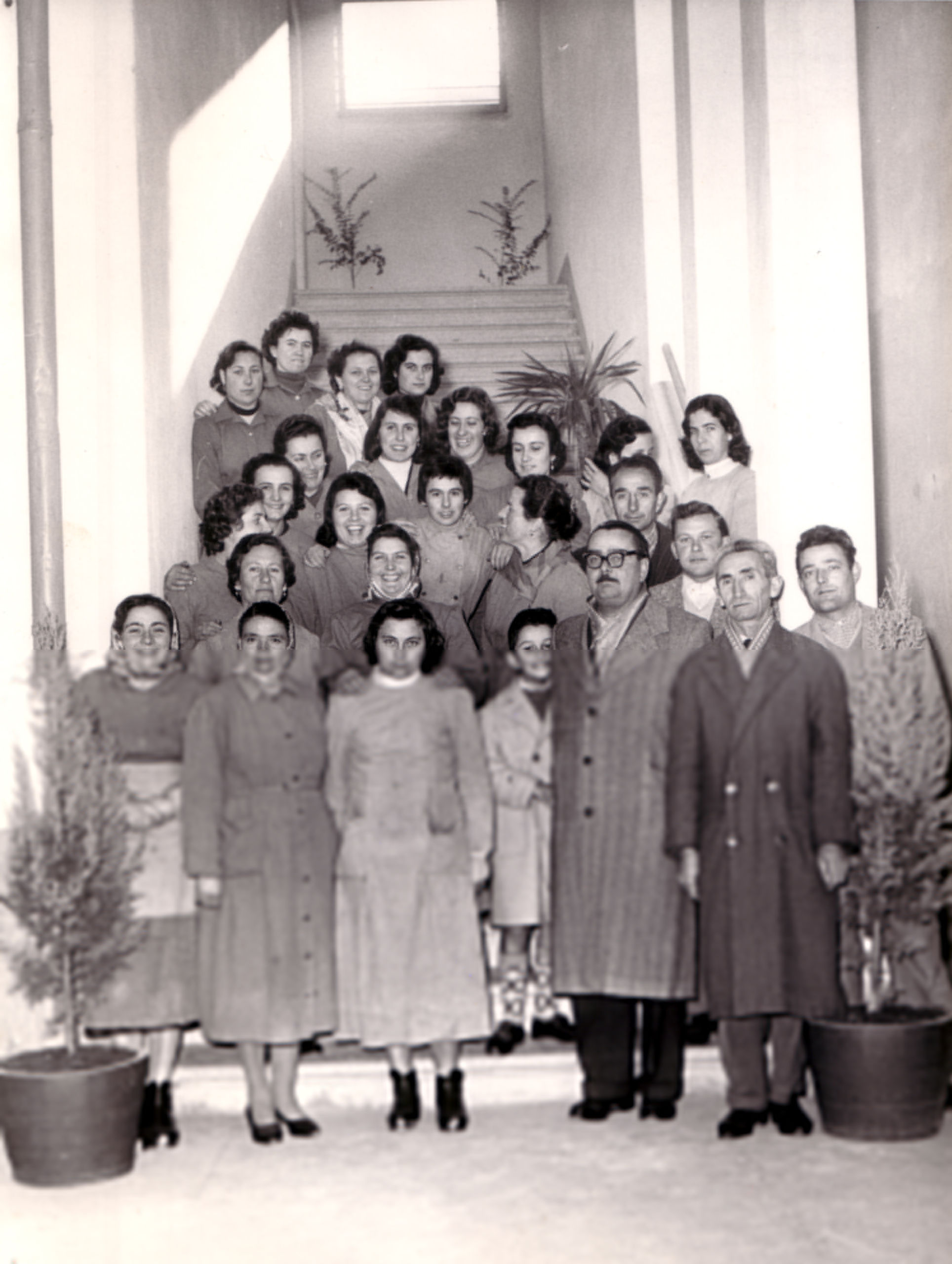
These were substantial, long-established employers offering steady work, decent pay, pensions and welfare provision, in places where alternatives were limited.
Automation and relocation reduced employment enormously. This is included because it is true and because the honest account includes it: the people who worked in these factories were doing ordinary industrial jobs, were generally well treated by the standards of the period, and the consequences of the product were not their doing.
10. The Packaging Was a Serious Design Operation
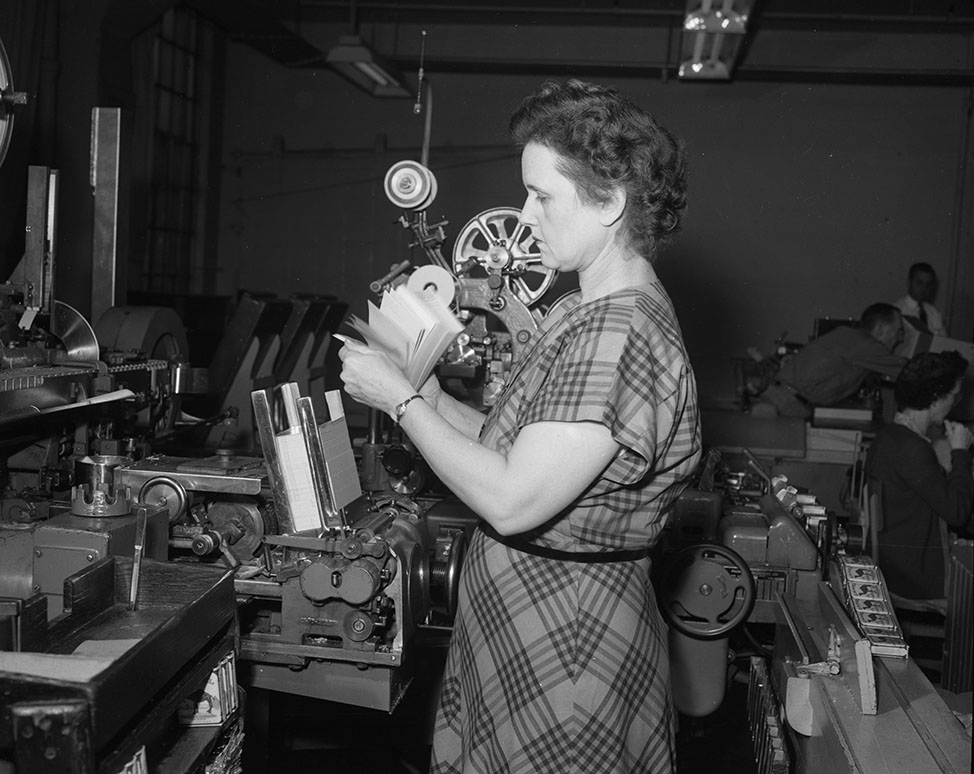
Pack design, printing, foil, the cellophane and the tear tape were a substantial manufacturing and design effort, and the pack was the product’s principal advertising surface.
Standardised plain packaging in a number of jurisdictions removed brand design from the pack entirely, replacing it with mandated colours, warnings and images. It is the most complete regulatory removal of branding from any consumer product, and the fact that it was fought so hard is itself evidence of what the pack was worth.
11. The Smell of the Works Reached the Whole Town
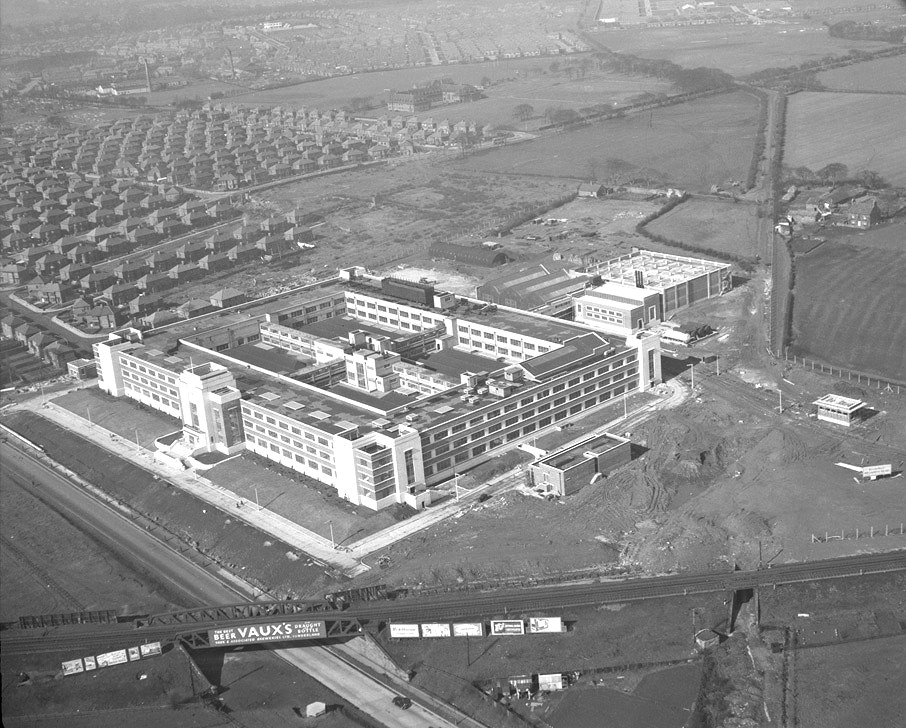
Conditioning and processing cured leaf produces a heavy sweet smell that carried a considerable distance, and in factory towns it was constant.
Extraction and closure removed it. It is remembered by people who grew up near these works in the same way as the brewery and the chocolate factory, which is an uncomfortable thing to record and is nonetheless what they say.
12. Nobody Expected the Market to Be Legislated Away
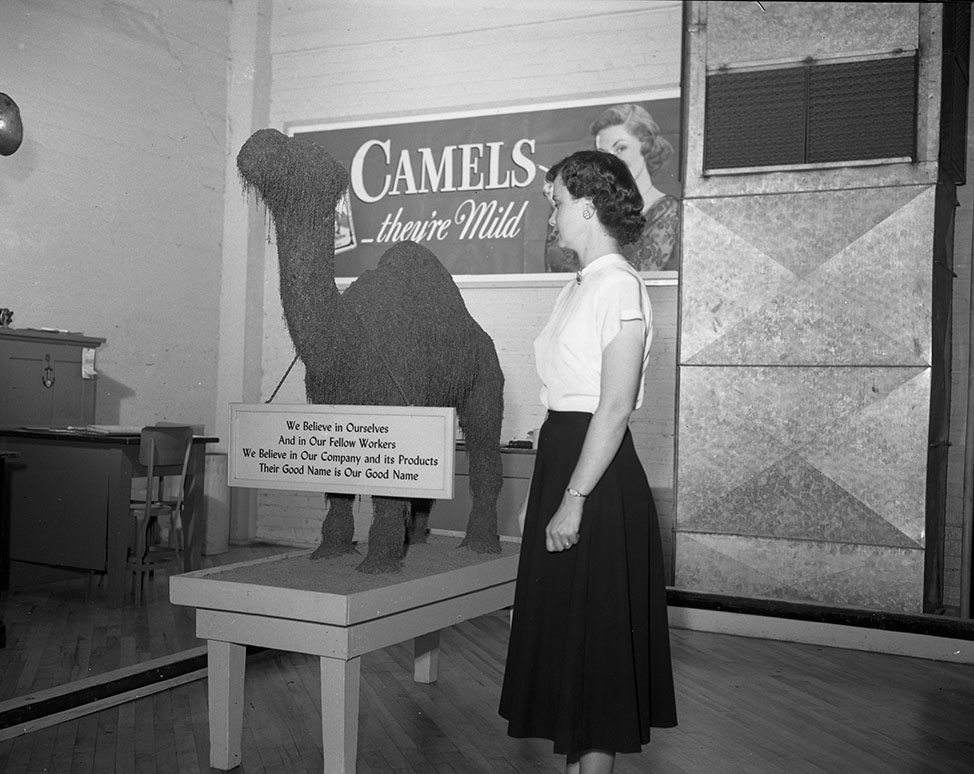
In 1960 the industry was enormous, growing, socially central and politically powerful, and the notion that smoking would be prohibited indoors, unadvertisable and sold in unbranded packs was not a scenario anybody was planning for.
Every one of those arrived. The sequence – evidence, warnings, advertising restriction, indoor bans, display bans, plain packaging – took about fifty years and is the most comprehensive regulatory reversal applied to any legal consumer product.
13. The Buildings Are Flats and the Companies Are Still Very Large
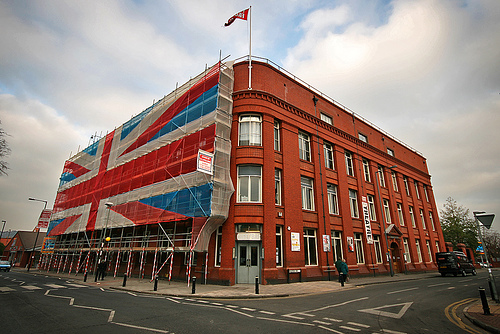
The factories in the traditional producing towns have mostly closed, and the companies that owned them have not.
Production relocated, consumption shifted geographically, and the corporate entities remain among the larger businesses in the world. The local industrial history ended; the industry did not, which distinguishes this from almost every other trade in this series and is worth stating plainly rather than leaving as an implication.
14. The Workers Were Not the Ones Who Knew
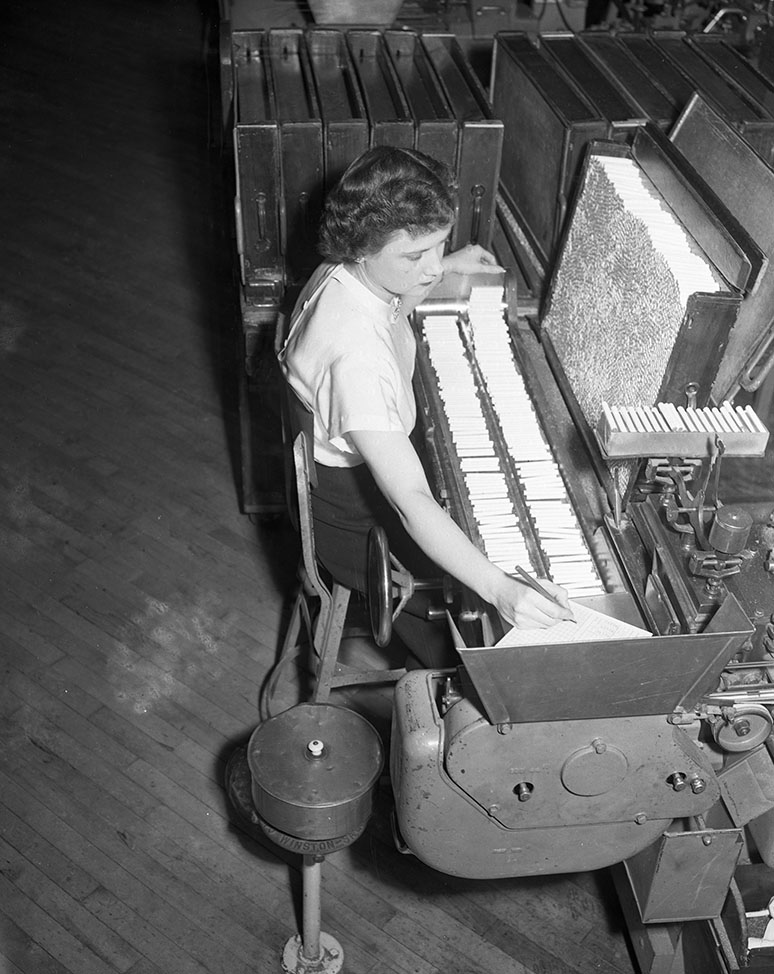
The people stripping leaf, running machines and packing product were doing manufacturing jobs with the information available to the general public at the time.
Which is the note to end the list on. The accountability for what this industry did sits with decisions made by a small number of people with access to information that was not published, and the account of the period is not improved by blurring that distinction. The factory floor is a different subject from the boardroom.
Two Separate Accounts That Both Have to Be True
This is the only piece in this series where the subject requires a position stated outright rather than left to the reader, so here it is.
The product killed an enormous number of people. The evidence was accumulating through this period, parts of the industry understood it earlier and more clearly than the public did, advertising continued to make health claims while that was happening, and filtered products were marketed on an implication of safety that the evidence did not support. The litigation, the regulation and the public health response that followed were justified, and the fifty-year sequence from warnings to plain packaging is the most complete regulatory reversal ever applied to a legal product. None of that is in dispute and none of it should be softened.
At the same time, the people in the buildings described above were doing industrial work. They stripped leaf, ran machines, maintained plant and packed product, in good jobs, in towns where alternatives were limited, with the information that was publicly available to anybody. The women hand-grading leaf for forty years were not making decisions about what the company said in its advertising or told its regulators.
Those two accounts are both correct and they are about different people. Collapsing them – either into a sentimental industrial reminiscence that leaves out what the product did, or into a condemnation that sweeps in the workforce – gets the history wrong in opposite directions.
The factory floor and the boardroom are separate subjects. This piece has been about the floor, and the reason it opens with the other subject rather than ignoring it is that an account of this trade which did not would not be worth reading.
If your family worked in one of these factories, they were doing a job, and that is a separate matter from what the product did.
Both things are true, and the towns that depended on this work are still dealing with the end of it.
Like our content? Follow us for more.