In 1962 a child arrived already holding their contribution. It was handed over at home rather than produced on the spot, because a child cannot be expected to produce anything from their own resources – which meant their part in the whole business was decided before anybody set out. That made the walk a responsibility: something they had been given for one specific purpose, carried some distance, with no pocket worth the name, and a very clear way to fail at it. Here are fourteen things every American kid remembers about the collection plate in 1962, and why nobody passes one anymore.
1. You Were Given Something to Put In Before You Left the House

A child arrived already holding their contribution, handed over at home rather than produced on the spot.
The arrangement solved a practical problem. A child cannot be expected to produce anything from their own resources, so a household issued it in advance, which meant the child’s part in the whole business was decided before anybody set out.
That made the walk a responsibility. A child carrying something they had been given for one specific purpose, over some distance, with no pocket worth the name, had been handed a job with a clear way to fail at it.
Like our content? Follow us for more.
2. Losing It on the Way Was a Genuine Catastrophe

A contribution dropped between the house and the destination could not be replaced and had to be explained.
The failure was unrecoverable. Nobody carried a spare, there was nowhere to obtain another on the way and the moment arrived whether a child had anything to contribute or not, which made the loss a problem with no solution available.
The remedies were improvised and awkward. A sibling splitting theirs, an adult producing something quietly or a child simply passing the plate on were all deployed, and every child who experienced it remembers which one their household used.
3. Holding It for an Hour Was Harder Than It Sounds
The plate came round partway through, which meant the thing had to be retained through everything preceding it.
The duration was the difficulty. A small object held in a closed hand for forty minutes becomes warm, slippery and increasingly difficult to keep track of, and a child had nowhere to put it down.
It also got played with constantly. Turning it over, moving it between hands and examining it was the main available activity for a child with nothing else to do, which is precisely how a proportion of them were lost.
Where a child was seated decided how long the wait was. Somebody at the end of a row had the whole thing arrive early and was finished within seconds, and somebody in the middle of a long row waited through the entire passage of it, which is a difference of several minutes in a morning where minutes were already difficult to fill.
4. The Timing Was Never Announced and Everybody Knew It
The moment the plate began moving was signalled by nothing explicit and was anticipated accurately by every child present.
The cues were learned by repetition. A change in what was happening at the front, a particular movement among the adults nearby, or simply the point in the proceedings told children the moment was approaching, and they prepared accordingly.
Getting it wrong was conspicuous. A child who had put their contribution away, or had stopped paying attention, was caught unprepared in front of several rows of people, which happened to everybody at least once.
5. It Travelled Along the Row and You Had No Control Over the Pace
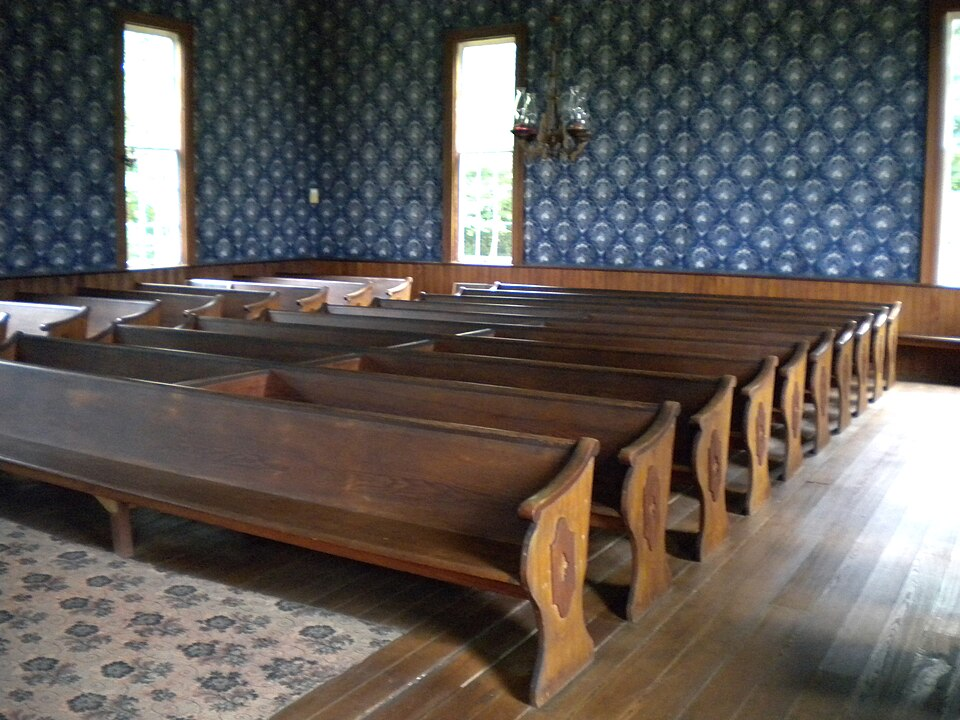
The plate arrived when the person beside you passed it, at whatever speed they chose.
The dependency was total. A child could not initiate, delay or hurry the process, which meant their one task had to be executed in a window somebody else had determined, with no warning of exactly when.
That produced a specific kind of readiness. Children sat with the thing already in hand for several minutes beforehand, which is the only way to guarantee not being the person who held everything up.
6. You Could See Exactly What Everybody Else Had Put In
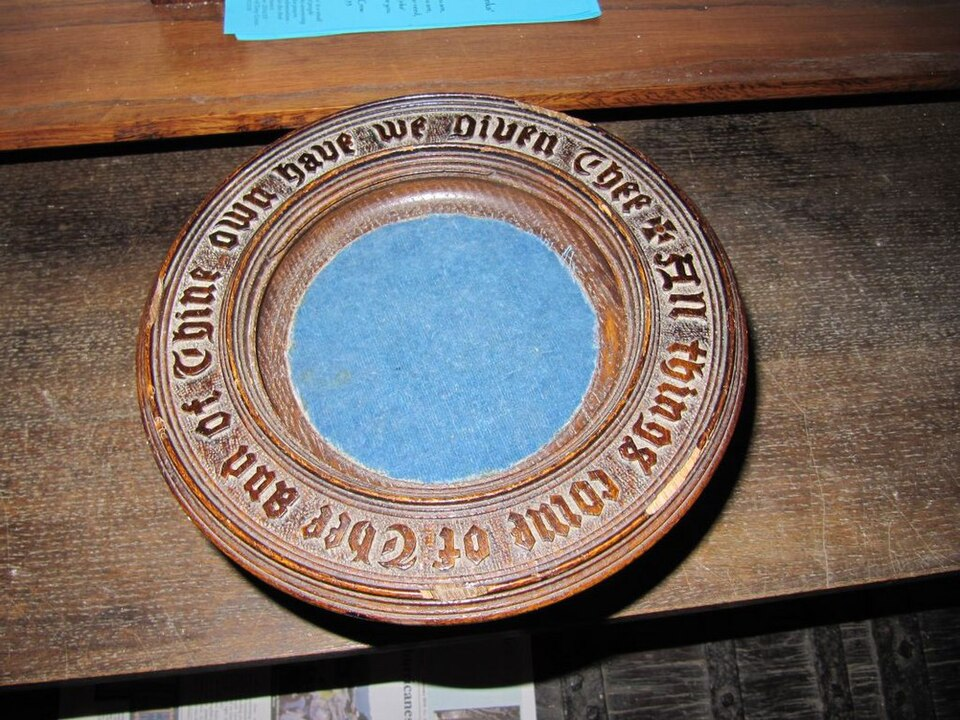
The contents were visible to anybody looking, which made the whole exercise considerably less private than it was presumably intended to be.
The visibility was unavoidable rather than designed. An open container passed by hand cannot conceal what is in it, which meant everybody in a row had a reasonable idea of what everybody else in that row had contributed.
Children looked every single time. The contents of the plate were the most interesting thing available to a child at that point in the proceedings, and the examination was thorough, silent and entirely unauthorised.
7. The Noise It Made Was the Whole Problem

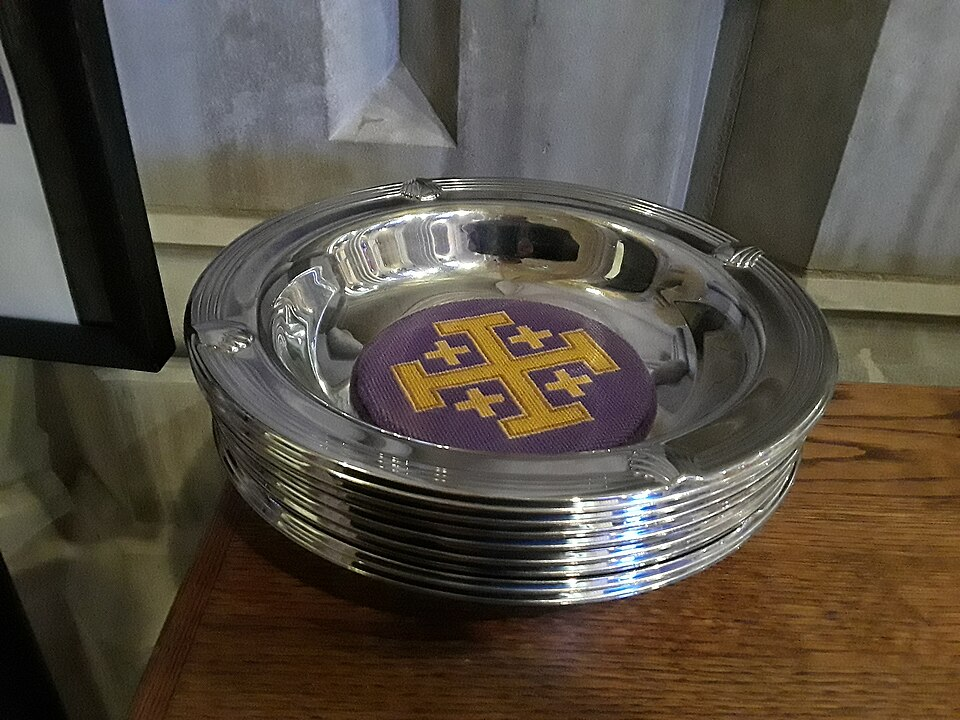
Hard currency landing in a hard container announces itself, and children were acutely conscious of that.
The acoustics were against everybody. A plate without any lining amplifies whatever is dropped into it, which means the sound carried and was legible to anybody listening in a way the contribution itself was not.
Children developed a technique. Placing rather than dropping, and doing it against the side rather than the centre, was worked out independently by a great many children who wanted to make no sound at all.
Nobody explained what happened to the plate afterwards. It went to the front, it went out of sight and no child of that period appears to have been told anything further about it, which left the whole process ending at exactly the point a child’s curiosity began.
8. The Envelope System Changed Everything and Children Minded
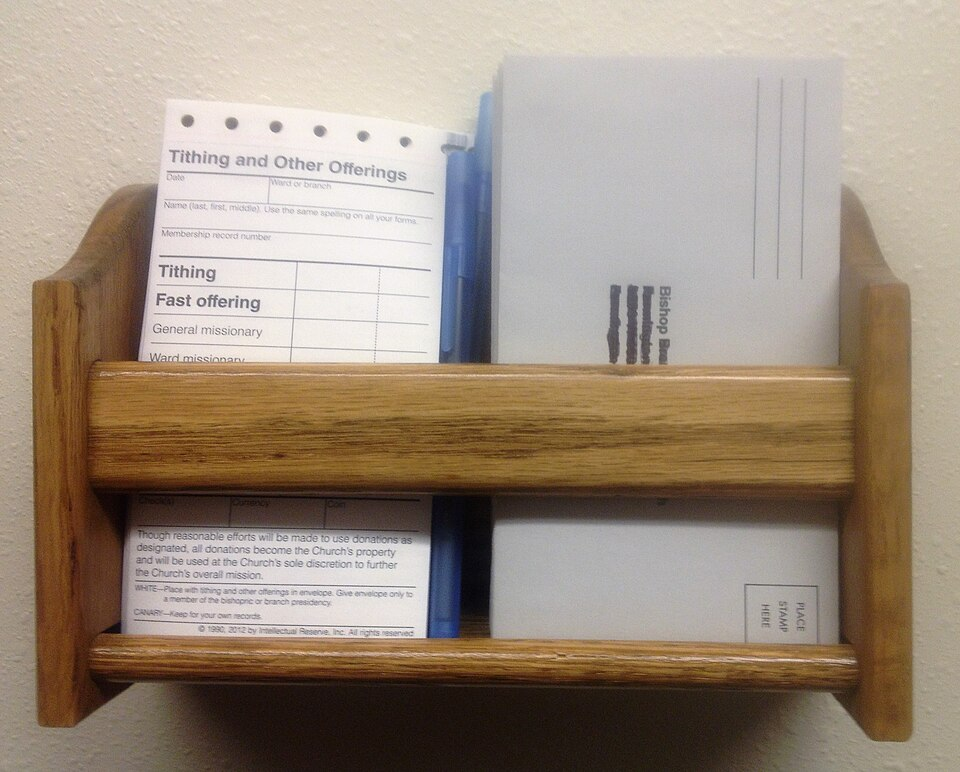
Households that used a sealed envelope removed both the noise and the visibility, and the children of those households lost something.
The improvement was real for the adults and a loss for the children. An envelope is silent, opaque and unexaminable, which solved every problem the open contribution had and removed the only interesting part of it.
Those children had nothing to look at. A plate full of identical envelopes is considerably less informative than a plate full of visible contributions, and the children who grew up with the second version remember it better.
9. Being Allowed to Pass It Was a Promotion
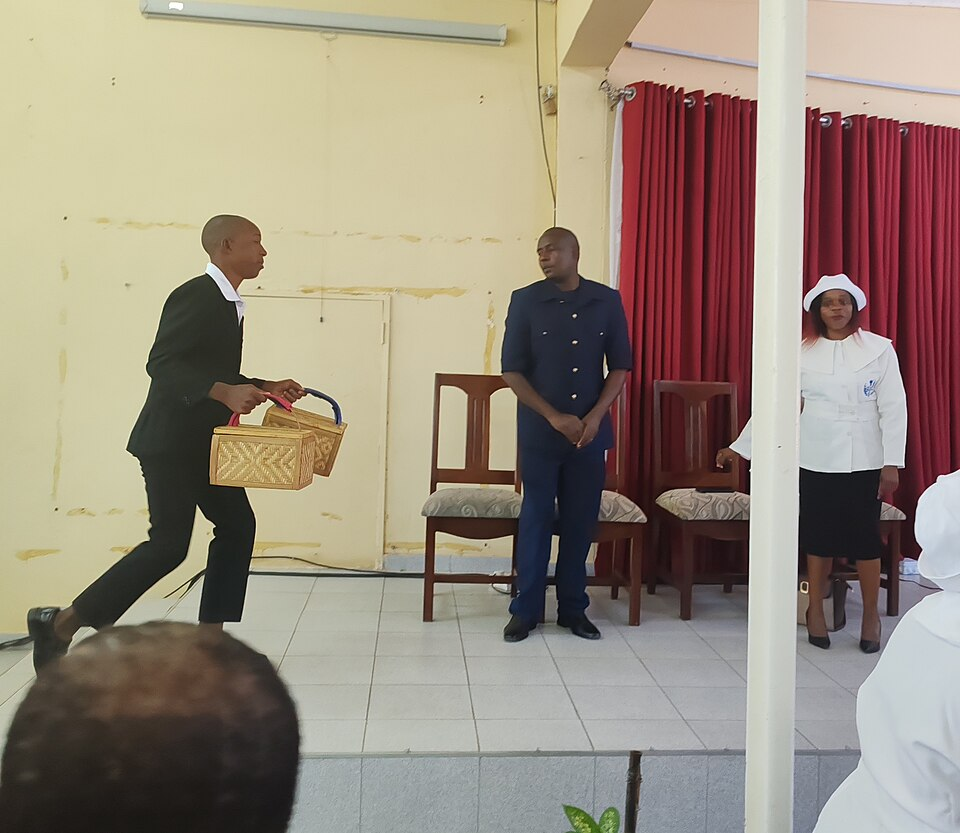
At some point a child was permitted to hand the plate along rather than simply receive it, which was a change in standing.
The delegation was small and genuinely felt. Handling an object in front of a room, as part of a process, is participation rather than attendance, and a child who had been permitted it had crossed a line that nobody had described.
The handling was taken seriously. A child passing the plate did so with considerable care, in full awareness of what dropping it would mean, and almost nobody dropped one.
10. Keeping It Was Possible and Was Thought About
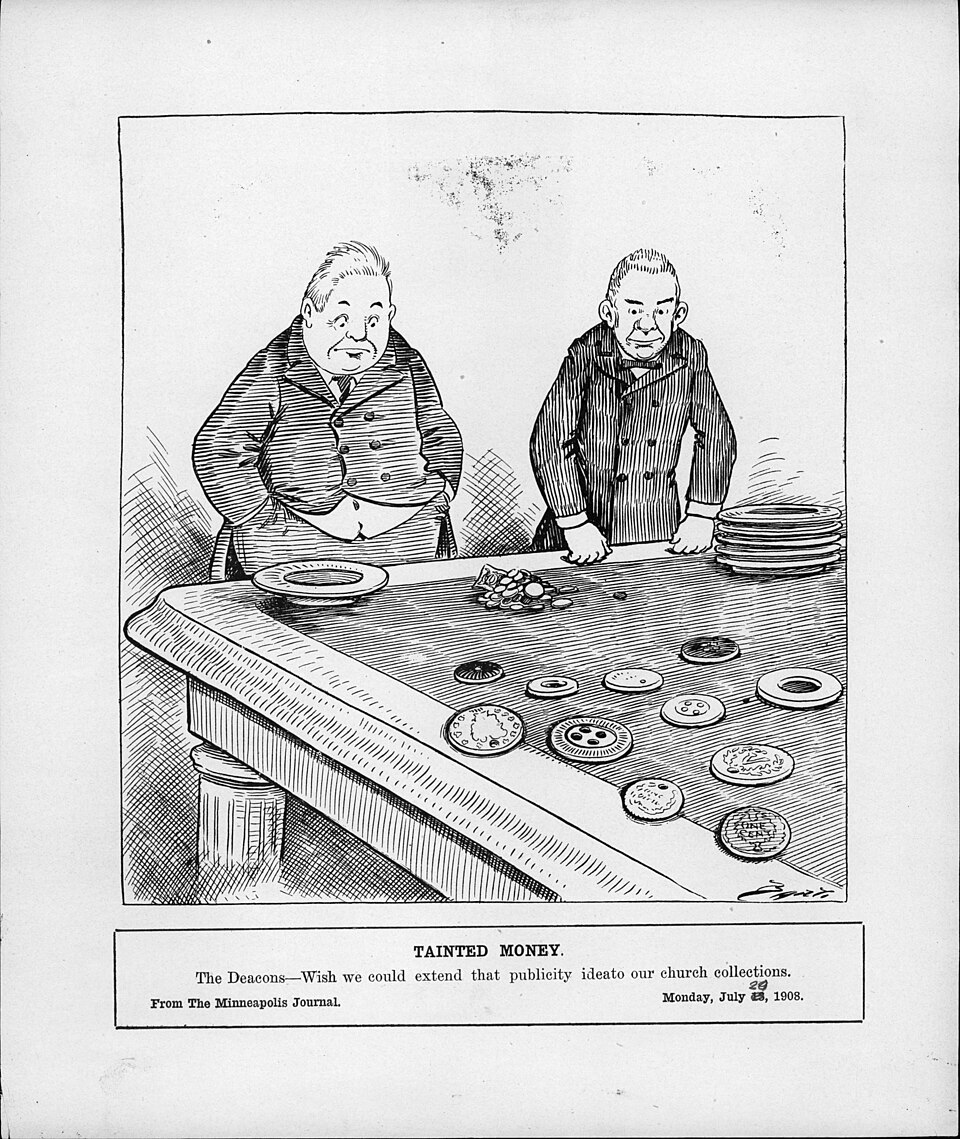
The arrangement relied entirely on a child doing what they had been asked, and children were aware of that.
The temptation was structural rather than anybody’s failing. A child holding something of value, with no supervision of the actual moment, in a crowd, has an opportunity, and a great many of them noticed that it existed.
Almost nobody acted on it. The overwhelming majority of children did exactly what they had been given the thing for, and the ones who thought about doing otherwise generally remember thinking about it rather than anything else.
The handling also had to be done one-handed, which nobody mentions. A child receiving the plate was still holding their own contribution, which meant the two operations had to be performed in sequence rather than together, and getting that order wrong in front of a row of people was the commonest small failure of the whole exercise.
11. The Walk Home Was When Anything Was Discussed
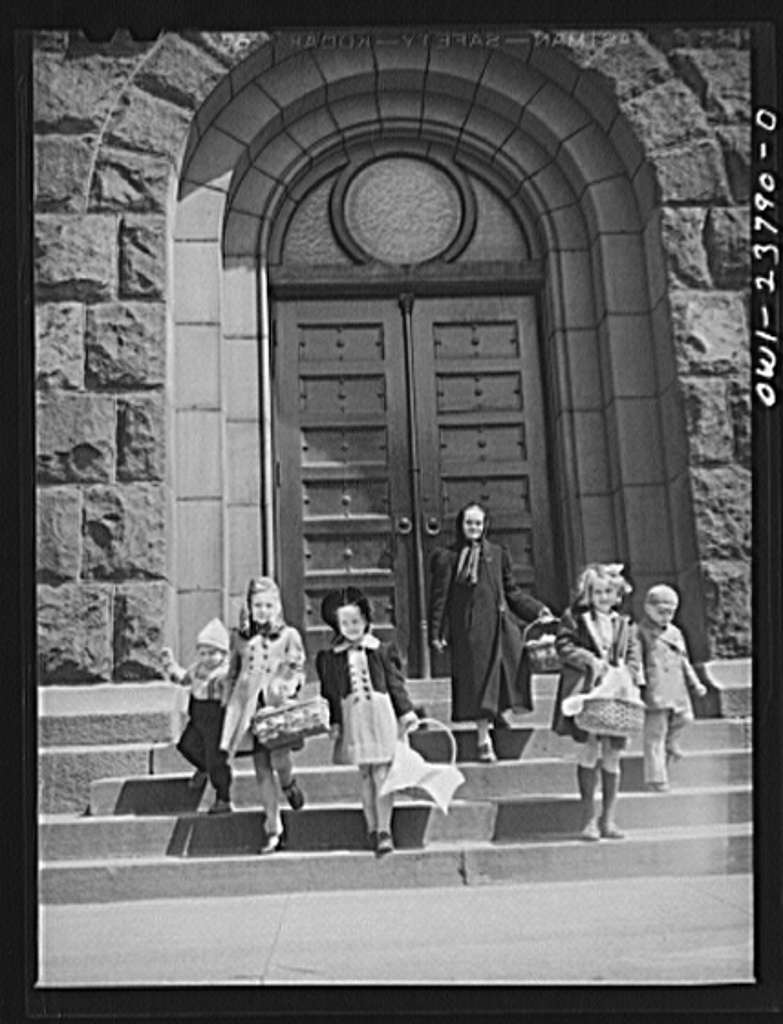
Nothing about the morning was talked about during it, and the entire conversation happened afterwards on the way back.
The timing was imposed by the setting. A household cannot discuss anything in the middle of proceedings, which means every observation, question and complaint was stored up and released on the journey home.
Children asked their questions then. Whatever a child had not understood was raised on the walk back, which is where a considerable proportion of what they learned about the whole business was actually acquired.
12. Everybody Had the Same Arrangement and Nobody Compared Notes
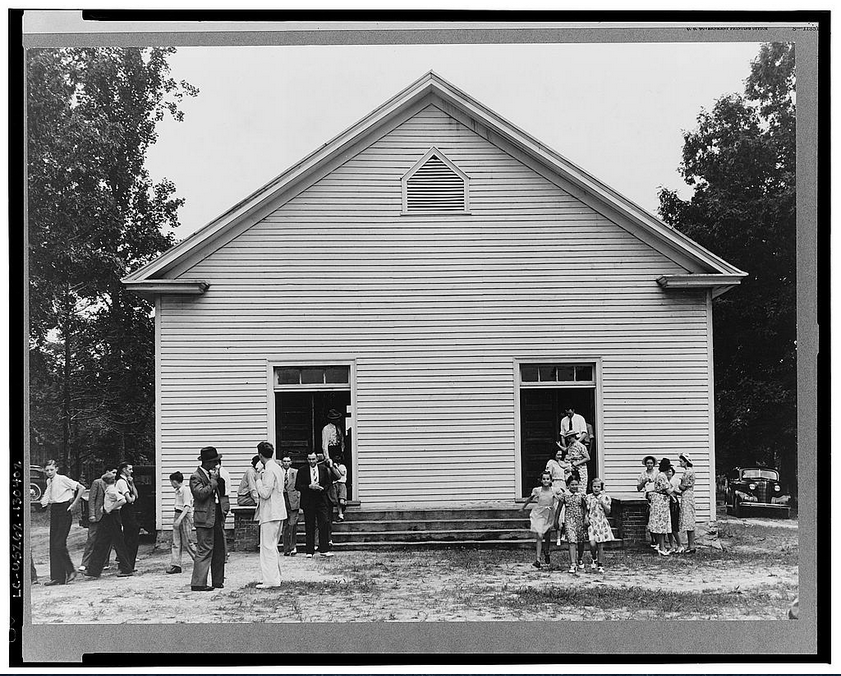
The practice was near-universal and the details varied between households without anybody establishing that.
The uniformity was superficial. Who issued the contribution, when, how much and what happened if it was lost differed considerably between families, and children assumed their own household’s version was the standard one.
Discoveries were made much later. Finding out in adulthood that somebody else’s household had handled it completely differently is a common and slightly disorienting experience for people who went through this.
13. It Was the First Time Most Children Handled Money in Public
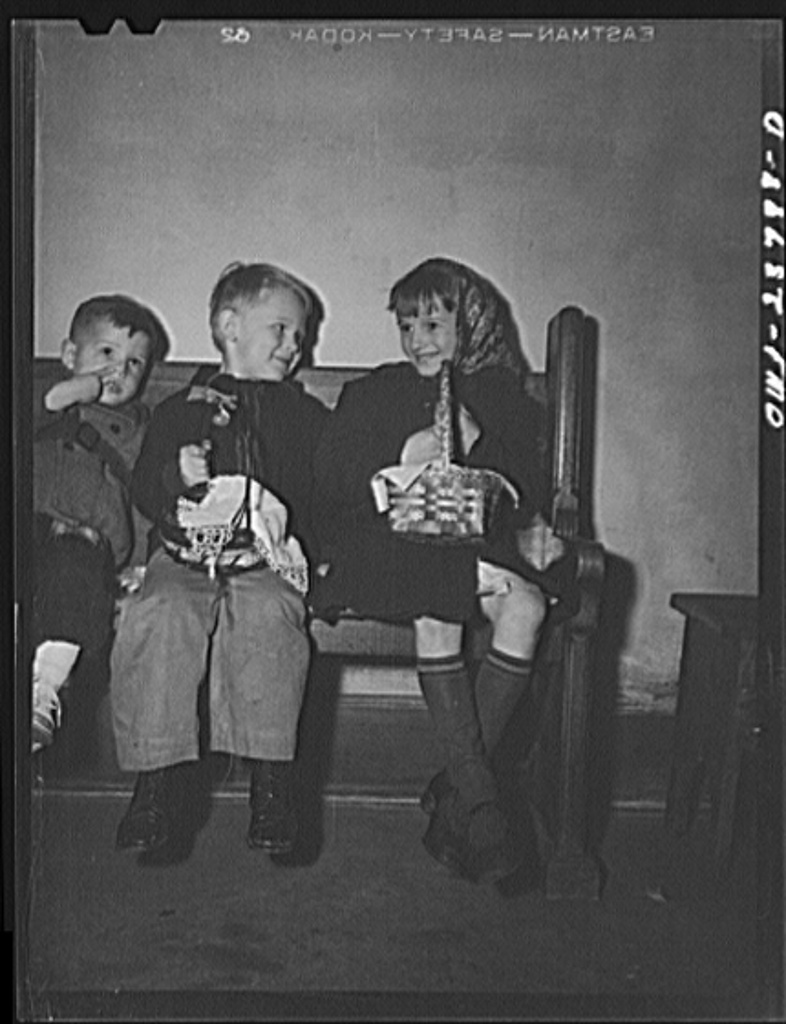
The exercise put a child in the position of making a transaction in front of a room of adults.
The exposure was the real content. A child who had never bought anything, never been paid anything and never handled money outside a household was performing a public act involving it, weekly, under observation.
That is probably what it taught. Not generosity exactly, which nobody explained, but the mechanics of doing something with money in front of other people, which is a competence acquired entirely by repetition.
Those conversations were also the only time anybody asked a child’s opinion of the morning. Whether they had been bored, what they had noticed and what they had not understood came out on the walk, which is more attention than the rest of the occasion gave them put together.
14. Then the Plate Stopped Coming Round
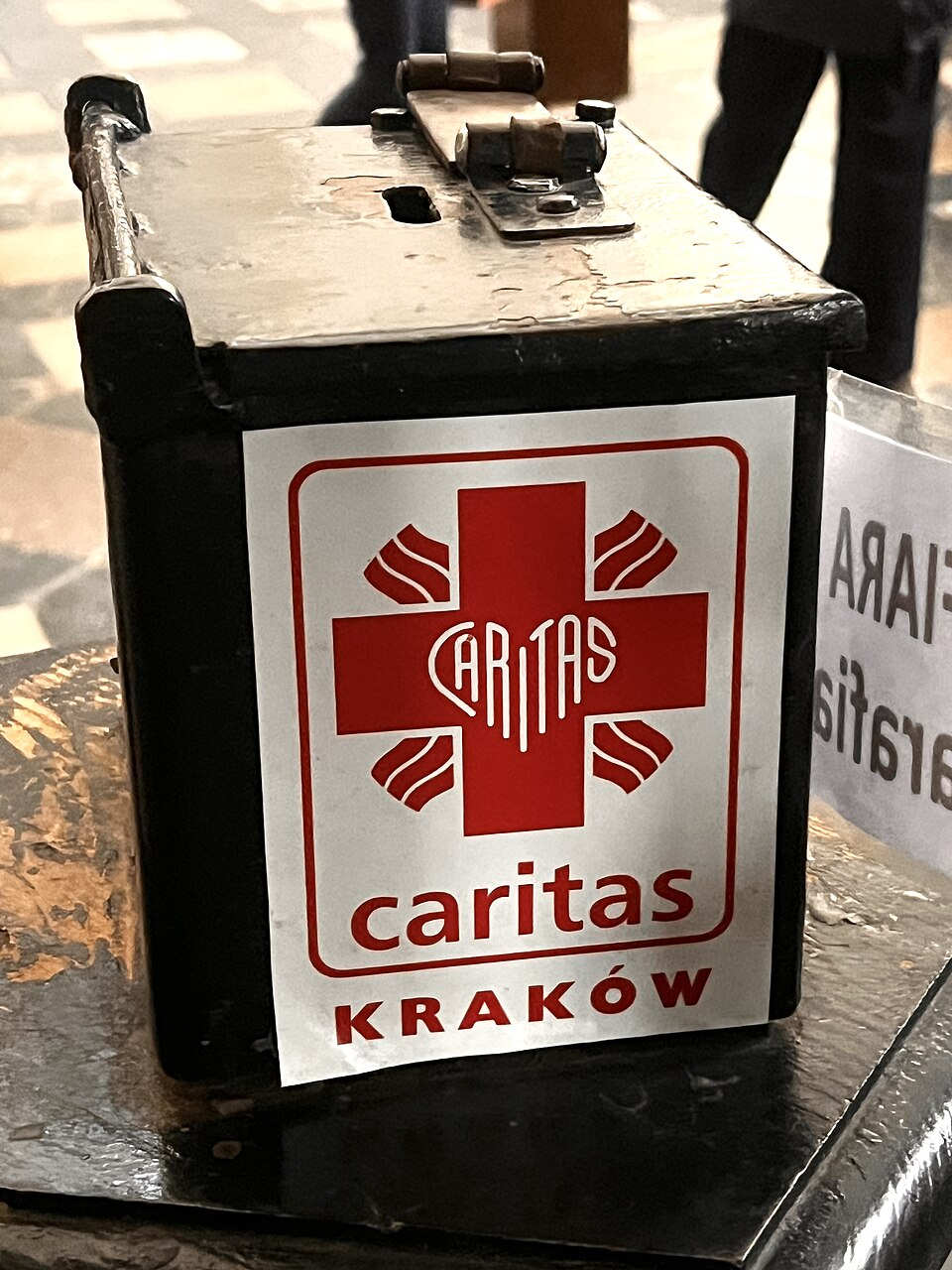
Standing arrangements, electronic giving, envelopes, sealed collections and a general end to currency passing hand to hand removed the whole thing.
Nothing here is an argument about anybody’s practice, then or now. The modern arrangements are more private, more secure and considerably more convenient, and the change is not a loss in any sense worth defending.
What went with it is a child’s one weekly job. Something handed over at home for a single purpose, carried without a pocket, held for forty minutes until it was warm, placed rather than dropped and against the side rather than the centre, with every question about any of it saved for the walk home.
One Job, Executed on Somebody Else’s Timing
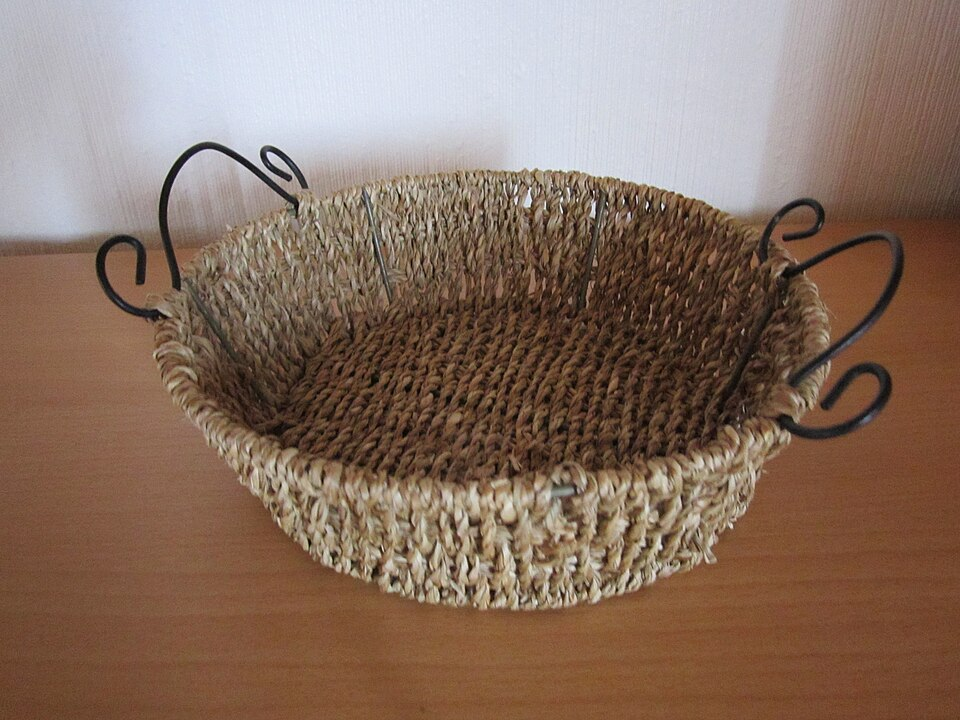
Read in order, the fourteen describe a weekly task in which a child controlled almost nothing. The contribution was issued to them, the moment arrived on cues nobody announced, and the plate reached them when the person beside them passed it, at whatever speed that person chose. A child could not initiate, delay or hurry any of it – which is why they sat with the thing already in hand for several minutes beforehand, that being the only way to guarantee not being the one who held everything up.
Holding it was harder than the memory allows. A small object kept in a closed hand for forty minutes becomes warm, slippery and difficult to keep track of, with nowhere to put it down – and turning it over was the main available activity for a child with nothing else to do, which is precisely how a proportion of them were lost. That loss was unrecoverable: nobody carried a spare, there was nowhere to obtain another, and the moment arrived whether or not a child had anything.
The two things children actually attended to were the noise and the contents. A plate without lining amplifies whatever is dropped in, which made the sound legible to anybody listening – so children worked out, independently and in numbers, to place rather than drop and to do it against the side rather than the centre. And an open container passed by hand cannot conceal what is in it, which meant the examination of its contents was thorough, silent, weekly and entirely unauthorised.
Nothing above is an argument about anybody’s practice, then or now. The modern arrangements are more private, more secure and considerably more convenient, and the change is not a loss in any sense worth defending.
What went with it is a child’s one weekly job, and the walk home – because nothing could be discussed during the proceedings, every observation and question was stored up and released on the way back, which is where a considerable proportion of what children understood about the whole business was actually acquired.
Like our content? Follow us for more.