It’s easy to look back at 1960s prices and gasp: a house for the price of a modern car, gas for pocket change, a movie for less than a dollar. But the full picture is more interesting than “everything was cheap.” Incomes were far lower too, and many families lived on a single paycheck, so those small numbers stretched differently than they appear today. Comparing then and now reveals just how much the cost of living has shifted over six decades, and which things have climbed fastest. Here’s a look at what everyday life cost in the 1960s, with the important caveat that all figures are averages in the dollars of the day, not adjusted for inflation. The numbers may surprise you.
A New House
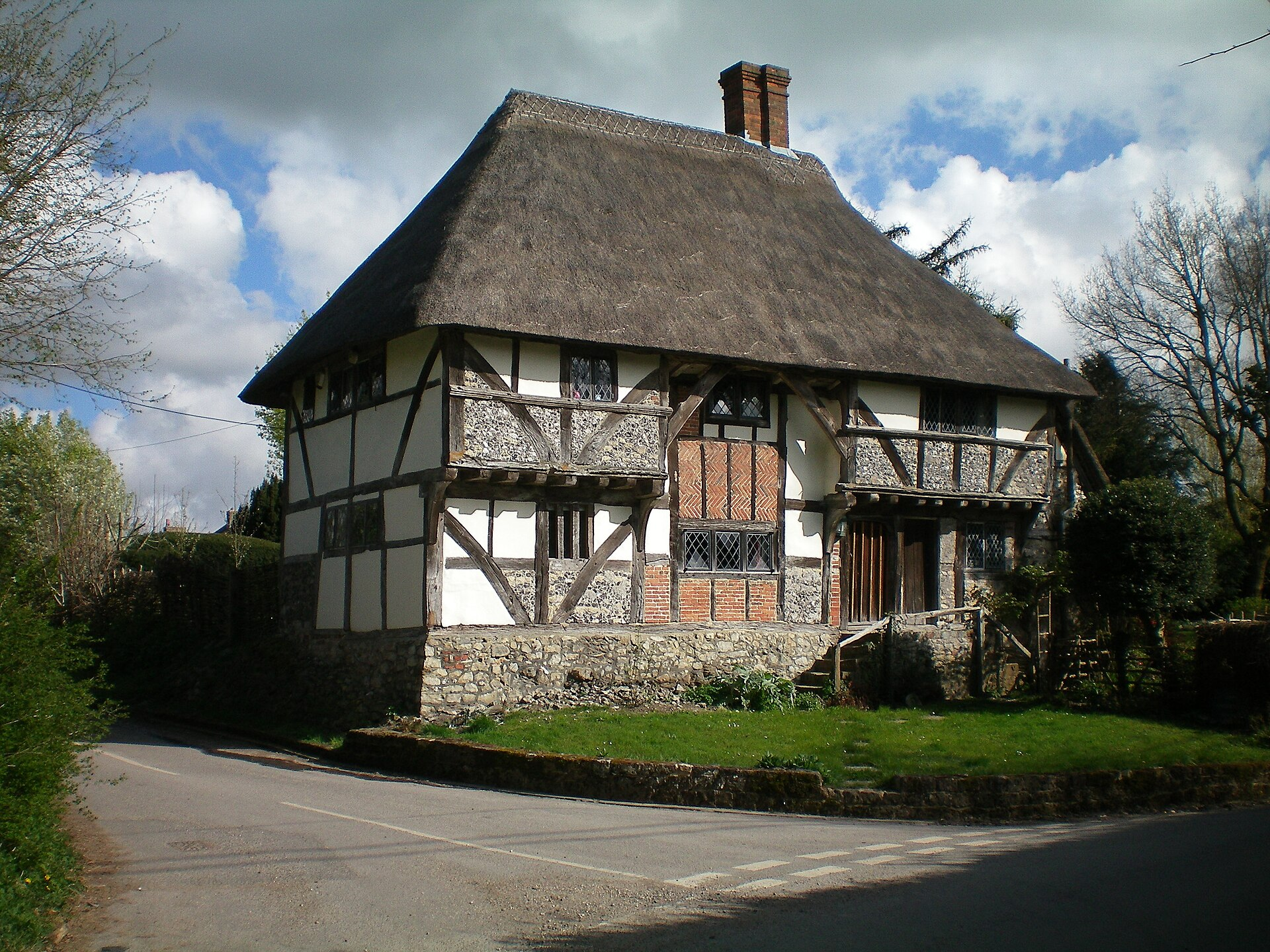
The headline number that stuns people most: in 1960, the average new home in the United States cost around 12,700 dollars, rising to roughly 15,500 dollars by the end of the decade. That’s less than the price of a modest new car today. Of course, the comparison isn’t as lopsided as it first seems, because incomes were a fraction of today’s and mortgages, lending, and home sizes have all changed dramatically. Still, by almost any measure, housing was far more affordable relative to earnings than it is now. For many sixties families, buying a home on a single income was a realistic goal rather than a distant dream, which is part of why these figures feel so striking today.
Like our content? Follow us for more.
A New Car
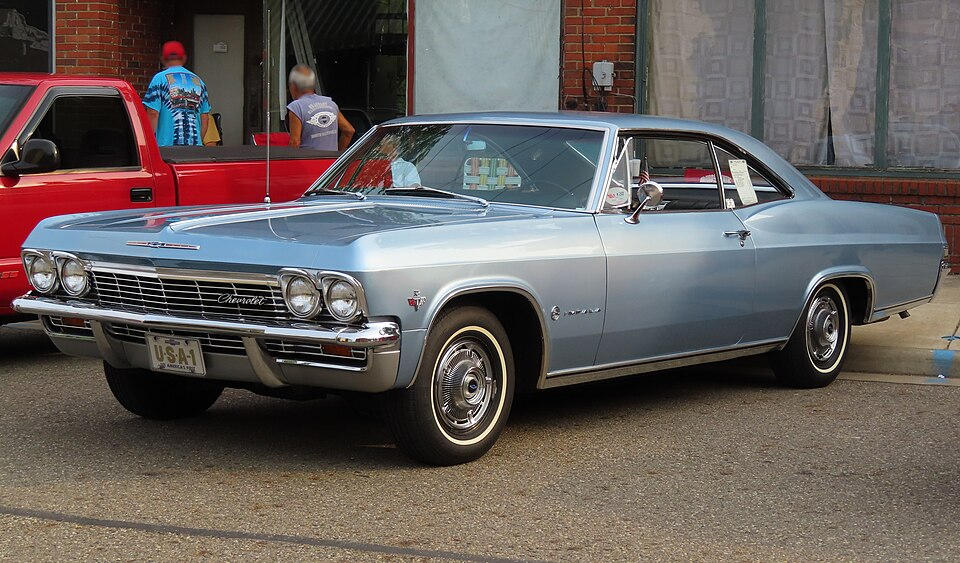
A brand-new car in 1960 cost about 2,600 dollars on average, climbing to roughly 3,270 dollars by 1969. When the Ford Mustang launched in 1964, its list price was around 2,368 dollars, slightly below the average, which helps explain why it sold so well to young buyers. Compared with today’s average new-car price well above 40,000 dollars, those figures seem almost unbelievable. But again, context matters: cars of the era had far fewer features, no airbags, no electronics, and shorter lifespans, and a smaller share of household income didn’t go nearly as far as it sounds. Even so, the sticker shock of seeing a new sixties car priced like a modern used bicycle is real.
A Gallon of Gas
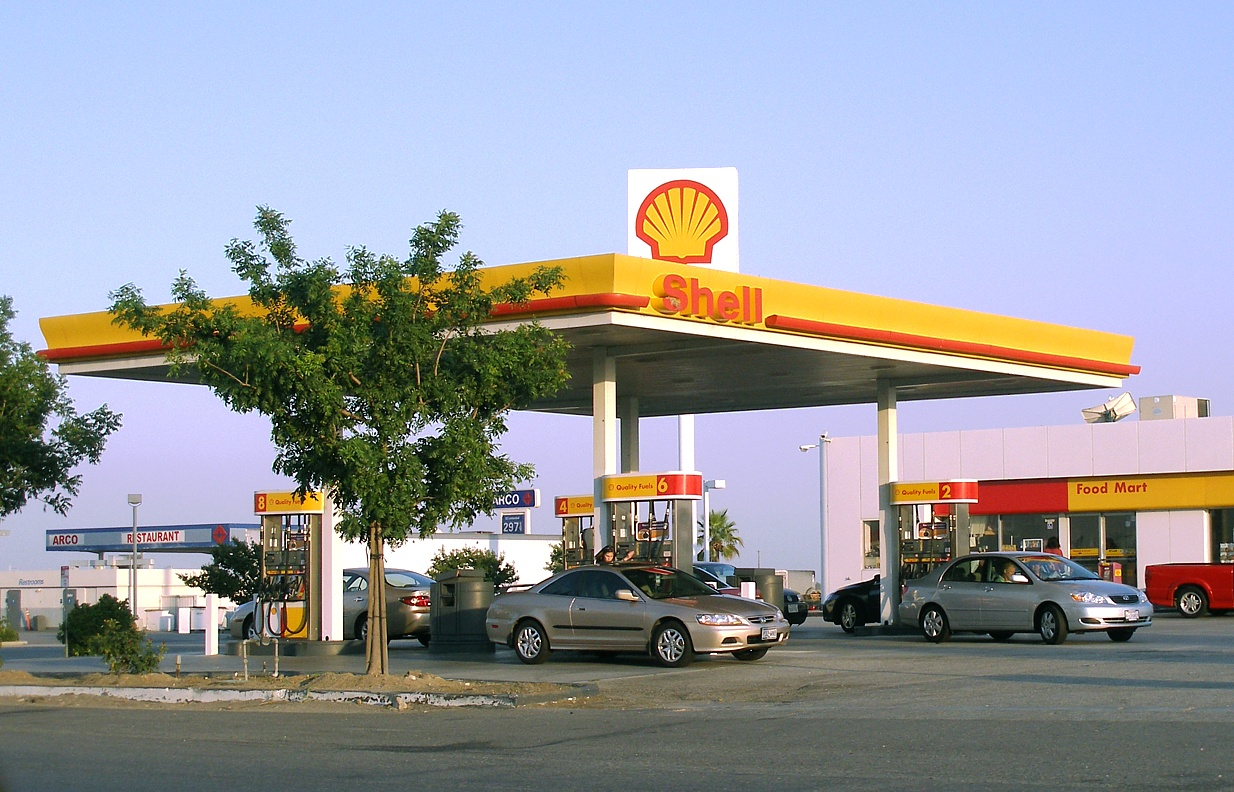
Filling up was famously cheap in the 1960s. A gallon of gasoline averaged around 31 cents at the start of the decade, drifting up only slightly to about 35 cents by 1969, and prices stayed remarkably stable in the 30-to-36-cent range throughout. It wasn’t until the end of the 1970s that fuel costs began climbing sharply. For drivers of the era, topping off the tank cost just a few dollars, and a little pocket money could fill a gas can for the lawn mower. With today’s prices several times higher even before inflation, cheap gas is one of the most fondly remembered features of the decade, a small daily expense that barely registered.
A Movie Ticket
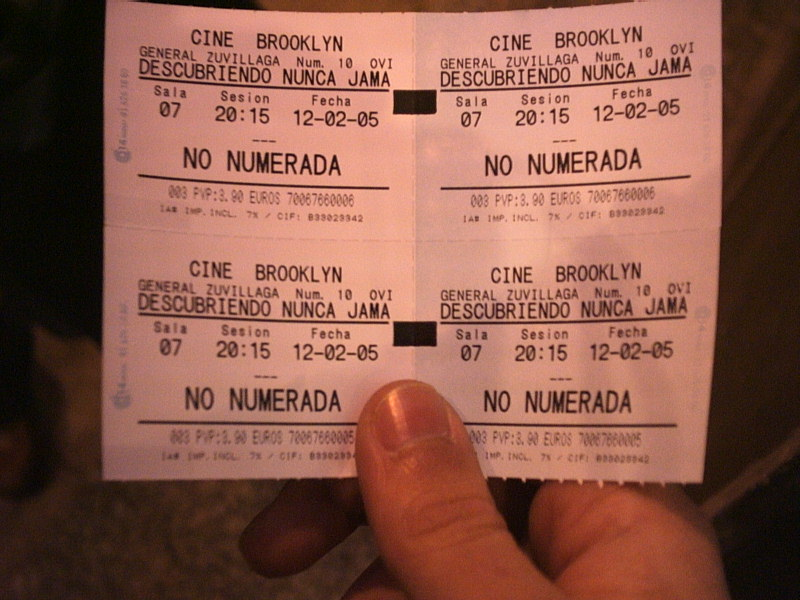
A night at the movies was genuinely affordable in the 1960s. A ticket cost roughly 69 cents at the start of the decade, rising to about 85 cents by 1969, with many people simply remembering it as “about a dollar.” For that small sum, audiences got the full experience of the big screen at a time when going to the cinema was a major form of entertainment, long before home video or streaming. Drive-in theaters were also in their heyday, offering a carful of people an evening out for very little. Today, with the average ticket around ten dollars, that sub-dollar admission is a reminder of how central, and how inexpensive, the moviegoing ritual once was.
A Trip to the Grocery Store
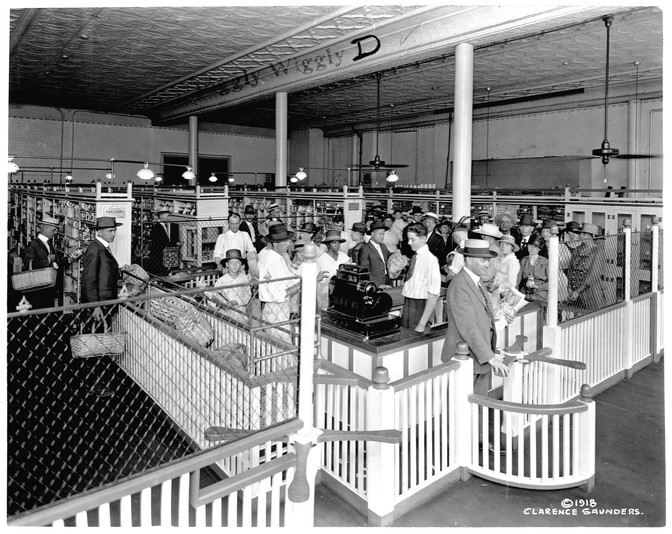
Stocking the kitchen cost a fraction of today’s prices, at least on paper. In the early 1960s, a loaf of bread ran about 22 cents, a dozen eggs around 57 cents, and a pound of ground beef somewhere between 45 and 63 cents depending on the source and year. Milk landed in the range of roughly 50 cents to just under a dollar a gallon. These figures look tiny next to modern grocery bills, where the same staples cost several times as much. But with average weekly earnings far lower, families still budgeted carefully, clipped coupons, and watched for sales. The grocery list of the sixties is a vivid snapshot of how everyday spending has changed.
A Record Album
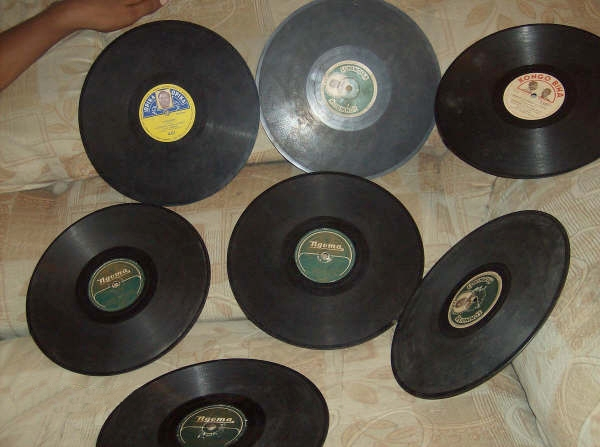
Music lovers in the 1960s built their collections one vinyl record at a time, and a new album cost around 3.50 dollars early in the decade, rising to roughly 4.50 dollars by its end. For teenagers especially, buying the latest LP was a significant purchase, often saved up for or bought on sale. Records were the primary way to own and replay music at home, making each album a treasured possession rather than a disposable stream. That few-dollar price tag carried real weight for a young person earning a small allowance or wage. Today, when entire libraries of music stream for a monthly fee, the idea of paying several dollars for a single album feels like a different world entirely.
A Color Television
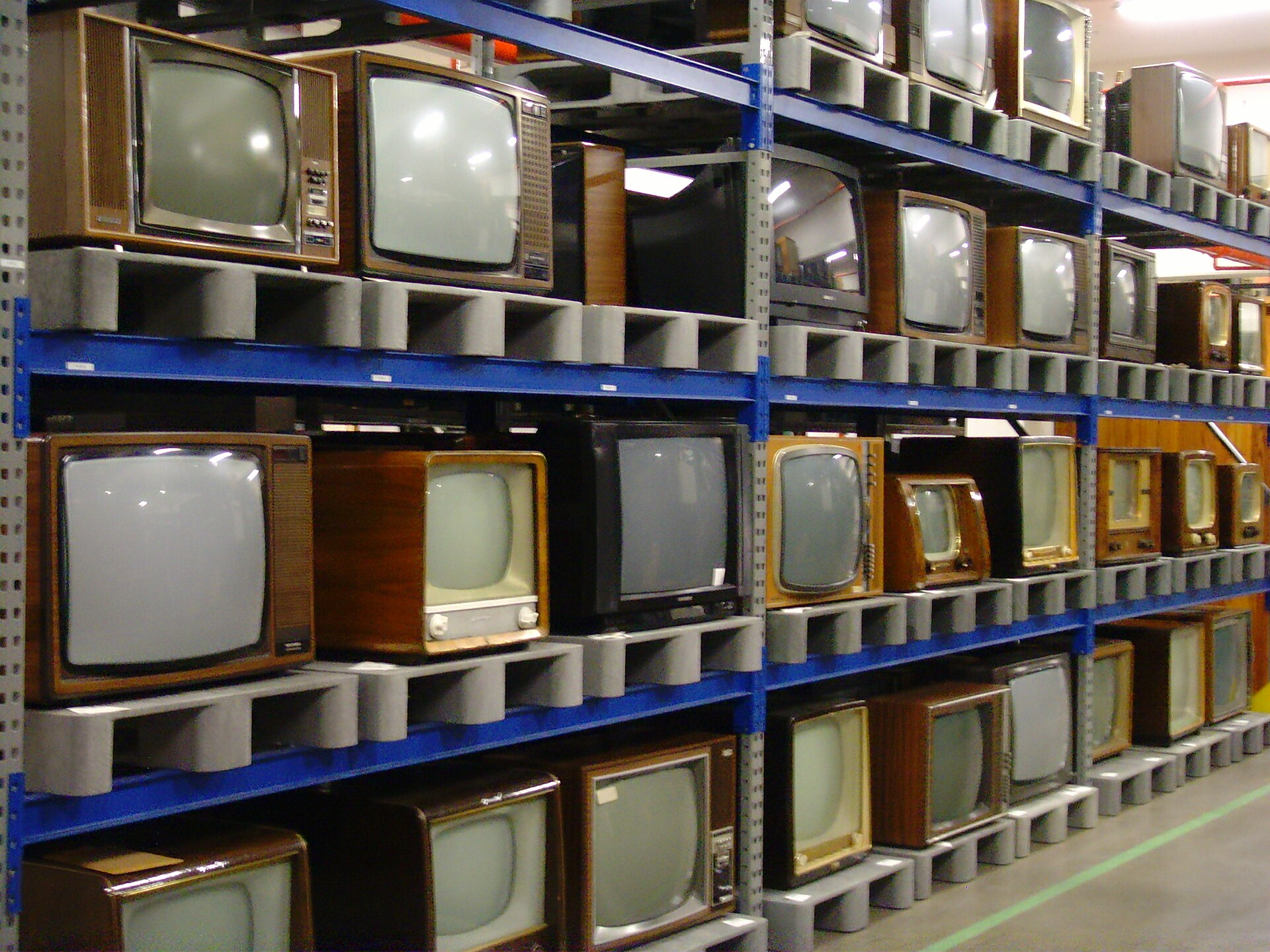
Technology was the expensive exception to the era’s low prices. A color television set in the 1960s cost around 500 dollars, an enormous sum at a time when the average yearly income was only about 5,300 dollars, meaning a single TV could eat up roughly a tenth of a year’s earnings. Color broadcasting was still spreading, and owning a color set was a genuine status symbol; many households stuck with black-and-white for years longer. The high cost reflected how new and complex the technology was. It’s a useful counterpoint to the “everything was cheap” narrative: the cutting-edge gadget of the day was, relative to incomes, far more expensive than the televisions we buy now.
Wages and the Minimum Wage
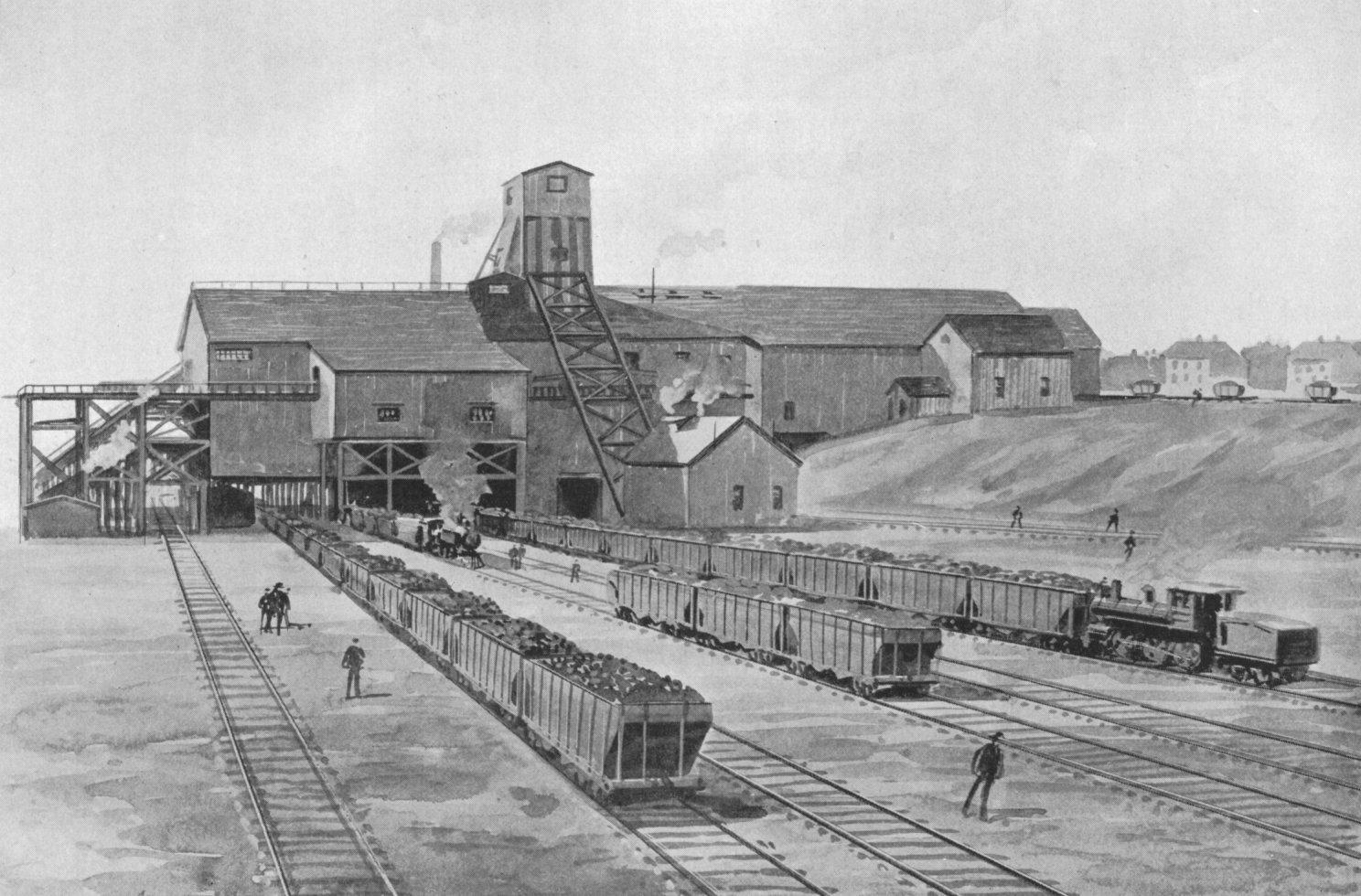
To make sense of all these prices, you have to look at what people earned. In 1960, the average income was around 5,300 dollars a year, and the federal minimum wage was about a dollar an hour, rising through the decade. Those figures are a fraction of today’s, which is exactly why the low prices can be misleading; a 12,700-dollar house represented well over two years of average income, a ratio not so far off from some markets today. The takeaway is that the sixties weren’t a magical era of free money, but rather a different economy with its own balance of low prices and low pay. Understanding wages is the key to reading any of these numbers honestly.
College Tuition
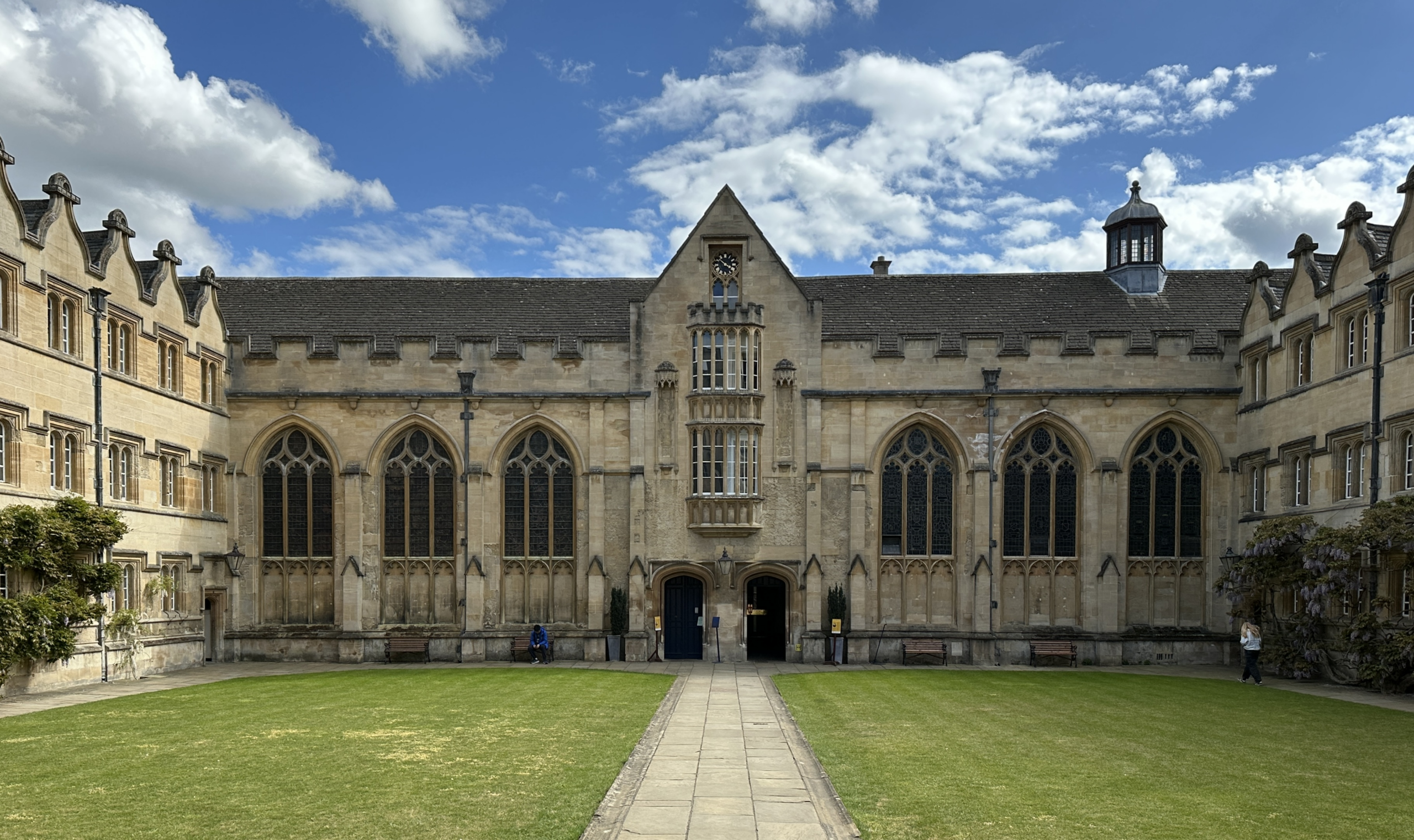
One cost that has truly exploded since the 1960s is higher education. Tuition at a prestigious private university like the University of Pennsylvania ran about 1,200 dollars a year in 1960, a figure that seems almost incomprehensible against today’s price tags in the tens of thousands. Even adjusting for inflation, the real cost of college has multiplied many times over in the decades since, far outpacing the rise in most other goods. For sixties students, working a summer job to help cover tuition was a realistic plan in a way it rarely is now. Of all the comparisons on this list, the soaring cost of a college degree is among the most dramatic shifts of the past sixty years.
Cheaper Then, but Not Quite the Bargain It Seems
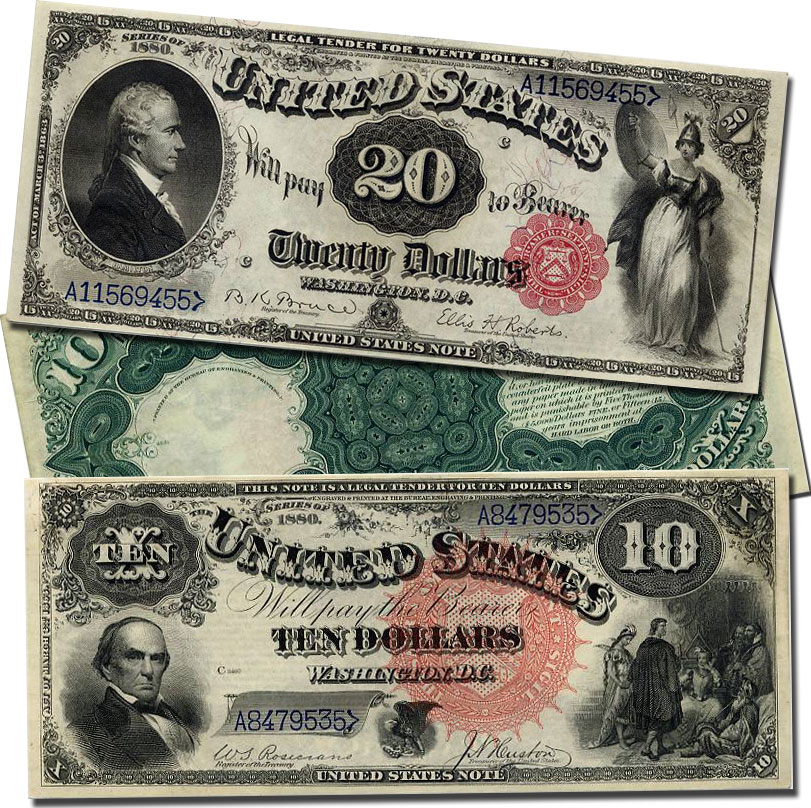
Looking back at 1960s prices is a genuine thrill, a house for the cost of a car, gas for pennies, a movie for less than a dollar. But the honest lesson is that the decade wasn’t simply cheaper; it was a different economy, with far lower wages to match those low prices. Some things, like gas and groceries, really were more affordable relative to income, while others, like a color TV or a college degree, took a bigger or much bigger bite than their modern equivalents. The numbers are a fun and revealing window into the past. Just remember, as you marvel at that 12,700-dollar house, that the paycheck buying it was a fraction of today’s too.
Like our content? Follow us for more.