Few decades have a personality as instantly recognizable as the 1980s. It was loud, bright, and brimming with optimism and excess, a time of big hair, bigger shoulder pads, neon everything, and a soundtrack pumped through a boombox or a brand-new Walkman. It was the decade that gave us MTV and the music video, brought the personal computer into the home, made the shopping mall the center of teenage life, and turned the video game console into a household fixture. Technology was racing forward, pop culture was exploding, and the whole era seemed to crackle with energy. Here’s a nostalgic look back at the way we were in the 1980s, the trends, the technology, and the everyday culture that made the decade unforgettable.
A quick note: nostalgia naturally polishes the past, and the eighties had its share of serious challenges alongside the fun. This is a celebration of the decade’s everyday culture and style, not a claim that it was carefree for everyone. With that, let’s rewind.
MTV and the Music Video Revolution

If one thing defined the cultural energy of the 1980s, it was the music video. When MTV launched in 1981, it transformed music from something you only heard into something you watched, and it changed pop culture forever. Suddenly, image and style mattered as much as sound, and artists became visual icons whose looks were copied in schoolyards everywhere. The channel ran videos around the clock, and a generation of teenagers organized their afternoons around it. Music videos turned songs into mini-movies and made the artists who mastered the format into superstars. MTV didn’t just play music; it shaped fashion, dance, and the very look of the decade, becoming one of the most influential cultural forces of the entire era.
Like our content? Follow us for more.
Music You Carried With You
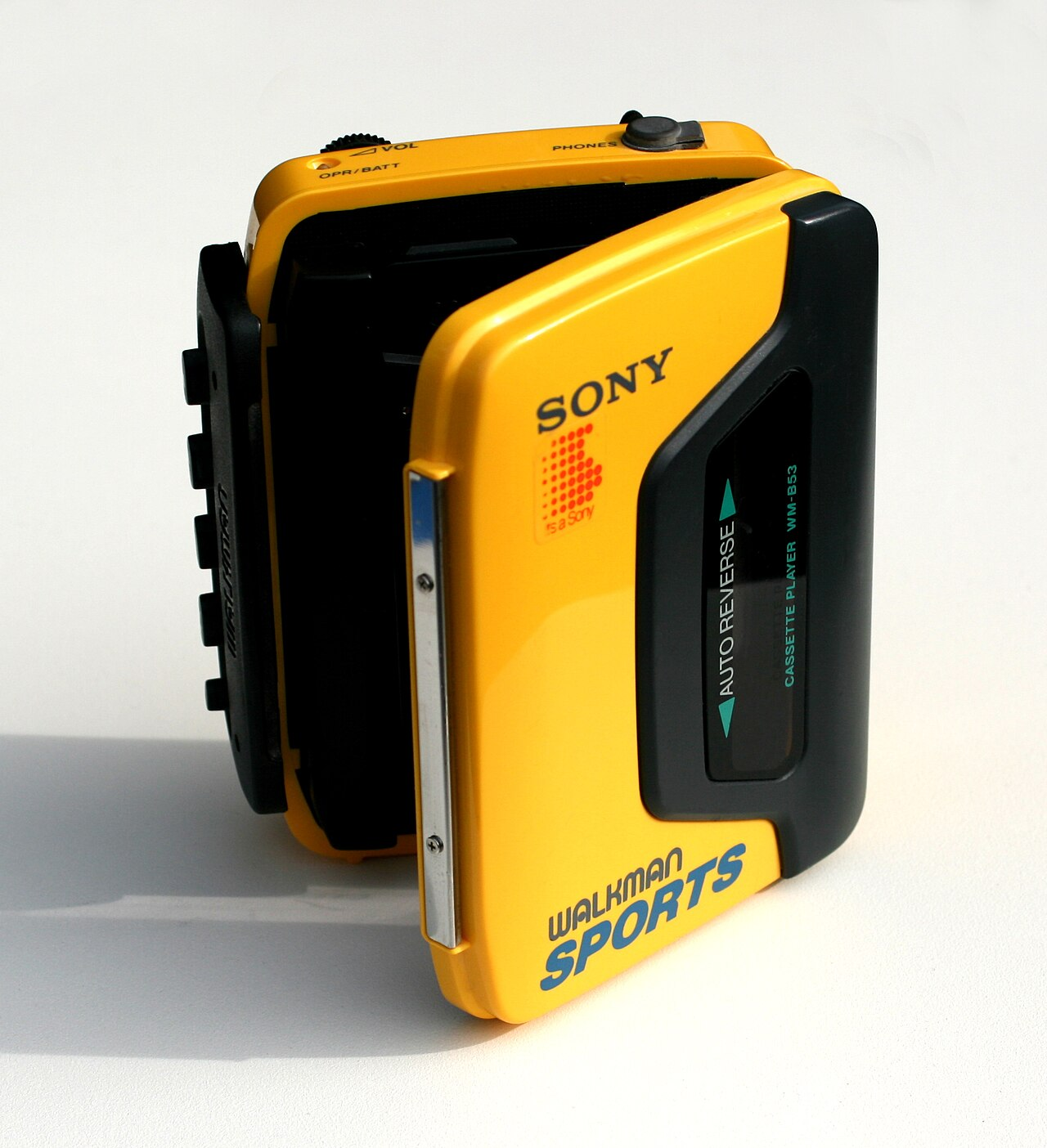
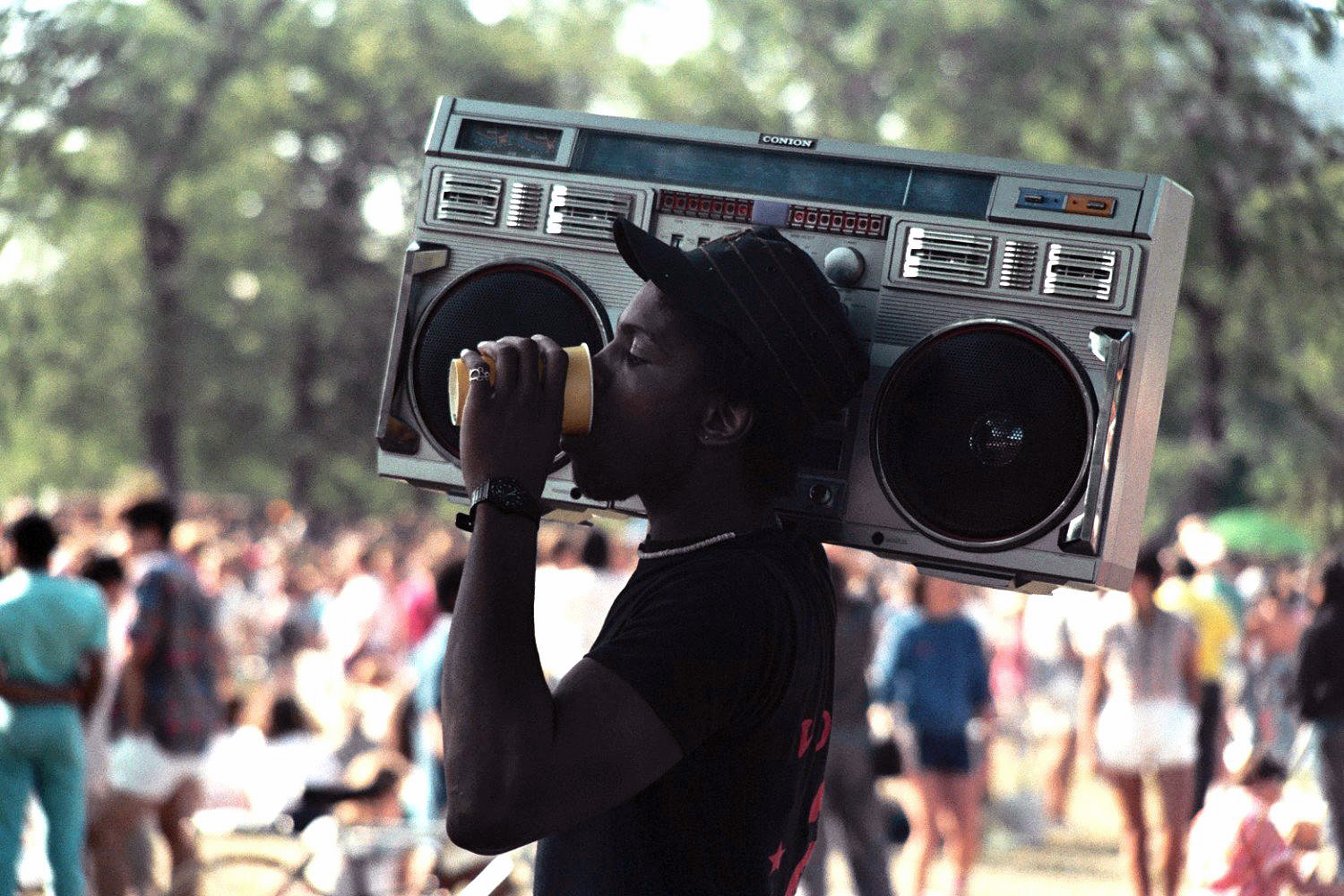
The 1980s revolutionized how people listened to music. The Sony Walkman, which arrived at the end of the previous decade, exploded in popularity, letting people carry a personal soundtrack everywhere through a pair of foam-covered headphones, a private listening experience that felt genuinely new. At the other end of the spectrum was the boombox, the large, loud portable stereo carried on shoulders and set down at parties, in parks, and on street corners, blasting music for everyone to hear. In between was the cassette tape and the beloved art of the mixtape, hand-recorded compilations made for friends and crushes, each one a labor of love. Whether private through headphones or shared through a booming speaker, music in the eighties was portable, personal, and everywhere.
The Personal Computer Comes Home
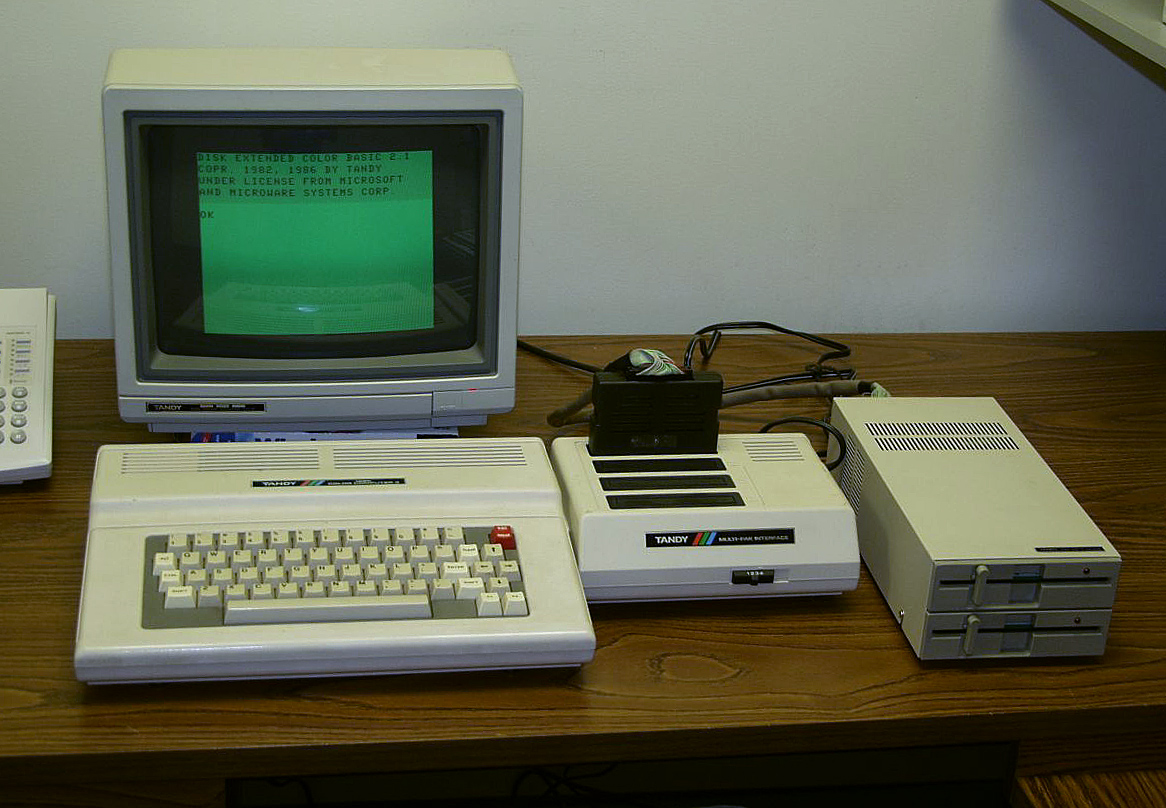
The 1980s were when the computer moved from science fiction and the office into the family home. Affordable machines like the Commodore 64, which became one of the best-selling computers of all time, along with others from Apple and IBM, brought computing to ordinary households for the first time. Families used them for simple games, word processing, and learning to write basic programs, and a generation of kids got their first taste of the digital world. The graphics were blocky and the storage came on floppy disks or even cassette tapes, but the sense of possibility was enormous. These early home computers sparked the curiosity of future programmers and entrepreneurs and laid the groundwork for the digital revolution that would reshape life in the decades to come.
Big Hair and Bolder Fashion

Eighties fashion was nothing if not bold, embracing excess with total confidence. Hair went big, teased, permed, and sprayed into gravity-defying heights, for both women and men. Clothing was loud and colorful: neon brights, acid-washed denim, leg warmers, shoulder pads that squared off every silhouette, and athletic-inspired wear that spilled out of the era’s fitness craze. Members Only jackets, parachute pants, and stonewashed jeans were everywhere, and accessories piled on, from fingerless gloves to oversized plastic earrings. Fashion in the eighties was about making a statement and being seen, a flamboyant reaction to the earthy tones of the seventies. Much of it looks delightfully over-the-top today, but it perfectly captured the decade’s confident, more-is-more spirit, and pieces of it cycle back into style regularly.
The Mall Was the Center of It All
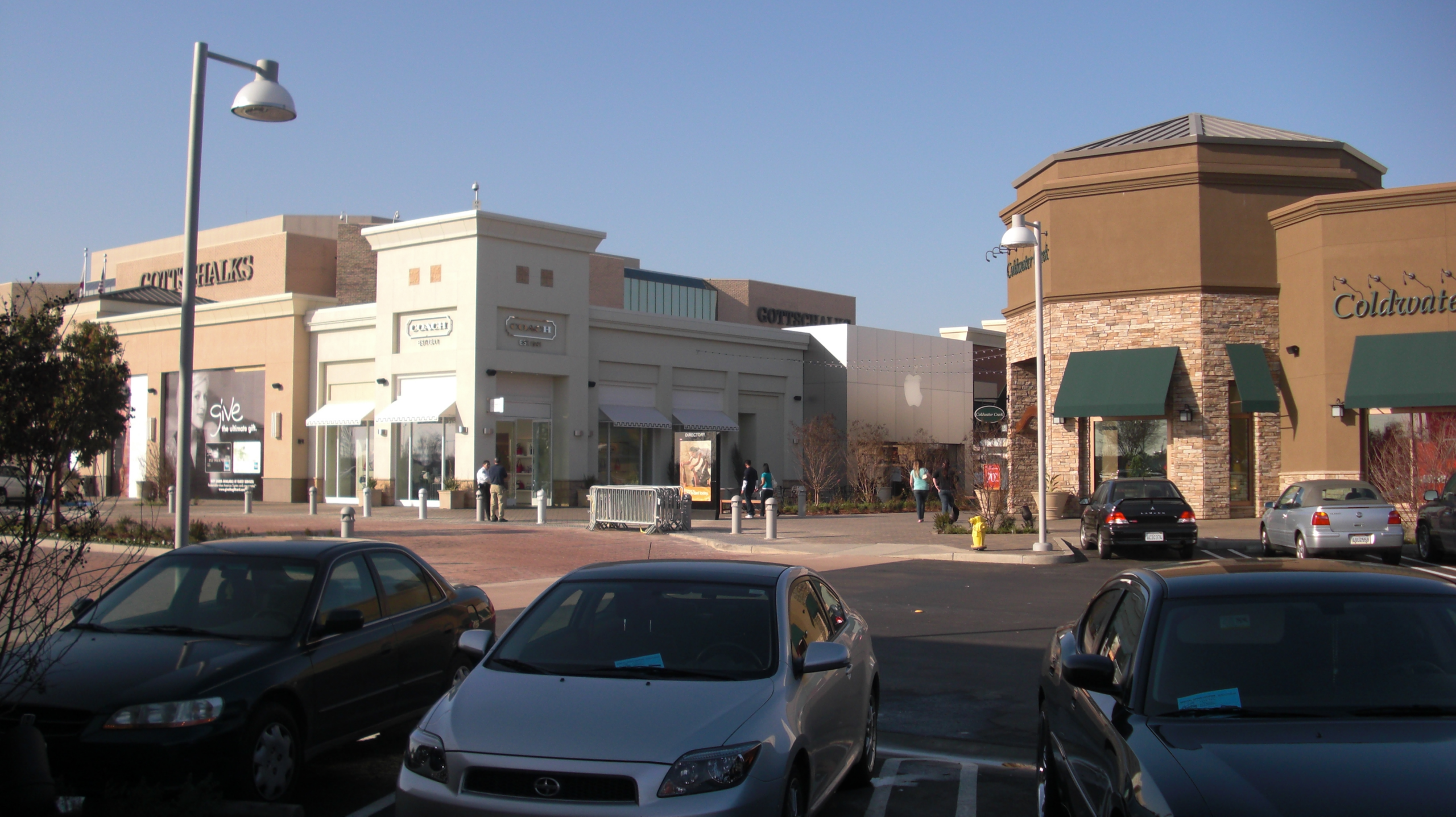
For teenagers especially, the 1980s shopping mall was the heart of social life. The mall was where you went to see and be seen, to hang out with friends, browse record and clothing stores, play games in the arcade, and grab a snack at the food court. “Mall rats” spent entire weekends there, and the mall functioned as a town square, a place to socialize as much as to shop. Glass elevators, splashing fountains, and the hum of the food court created a world unto itself, anchored by big department stores at each end. It was the era’s premier hangout, a climate-controlled gathering place that defined teenage culture. The mall’s central role in eighties life is one of the decade’s most fondly remembered features.
Video Games Conquer the Living Room
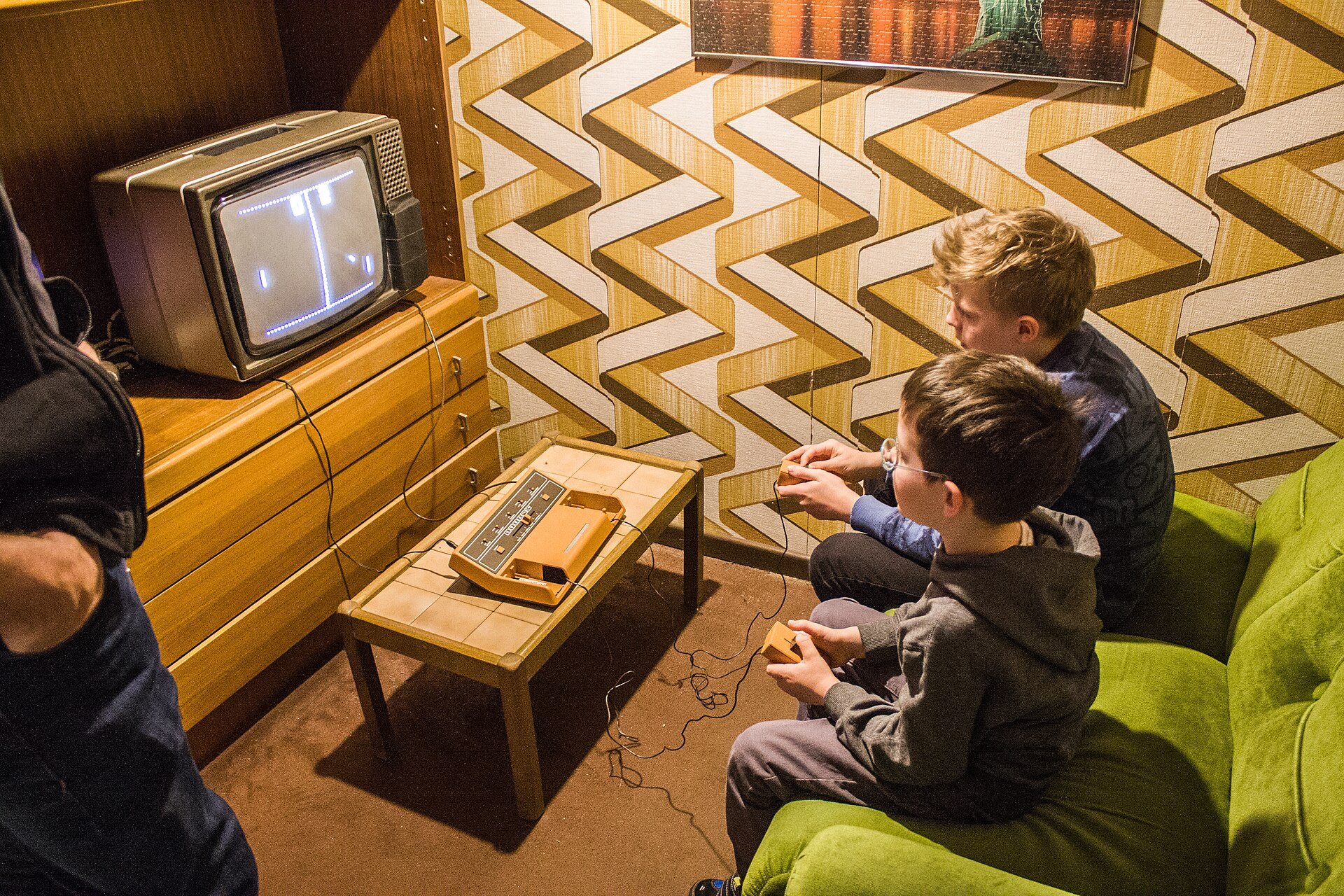
The 1980s cemented video games as a mainstream pastime. The decade opened with the arcade boom, when kids fed quarters into machines playing the era’s iconic games, and arcades became busy social hubs. After a mid-decade industry crash, the home console came roaring back, most notably with the Nintendo Entertainment System, which arrived in North America in the mid-1980s and revitalized home gaming. Suddenly, families could play arcade-quality games in their living rooms, and a new generation of characters and franchises was born. Handheld electronic games and home computers added to the gaming explosion. The video game went from novelty to cultural fixture during the eighties, setting the stage for an entertainment industry that would eventually rival film and music.
Movie Night and the Rise of the VCR
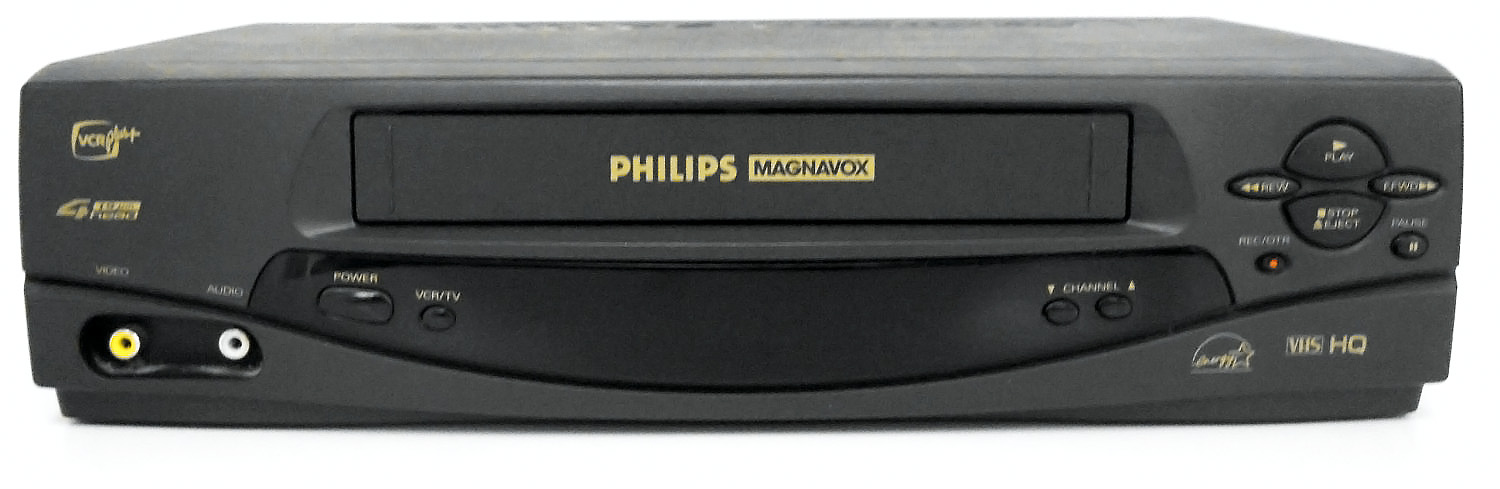
The videocassette recorder transformed home entertainment in the 1980s. Once an expensive novelty, the VCR became a common household appliance during the decade, and with it came an entirely new ritual: the home movie night. Families could now record television to watch later and, crucially, rent movies from the video stores that sprang up on seemingly every corner. The trip to the rental store, wandering the aisles, debating titles, hoping the new release was in stock, became a beloved weekend tradition. The VHS format won out over its rivals, and owning or renting tapes put a vast library of films at people’s fingertips for the first time. The VCR fundamentally changed how, and when, people watched movies.
The Fitness Craze
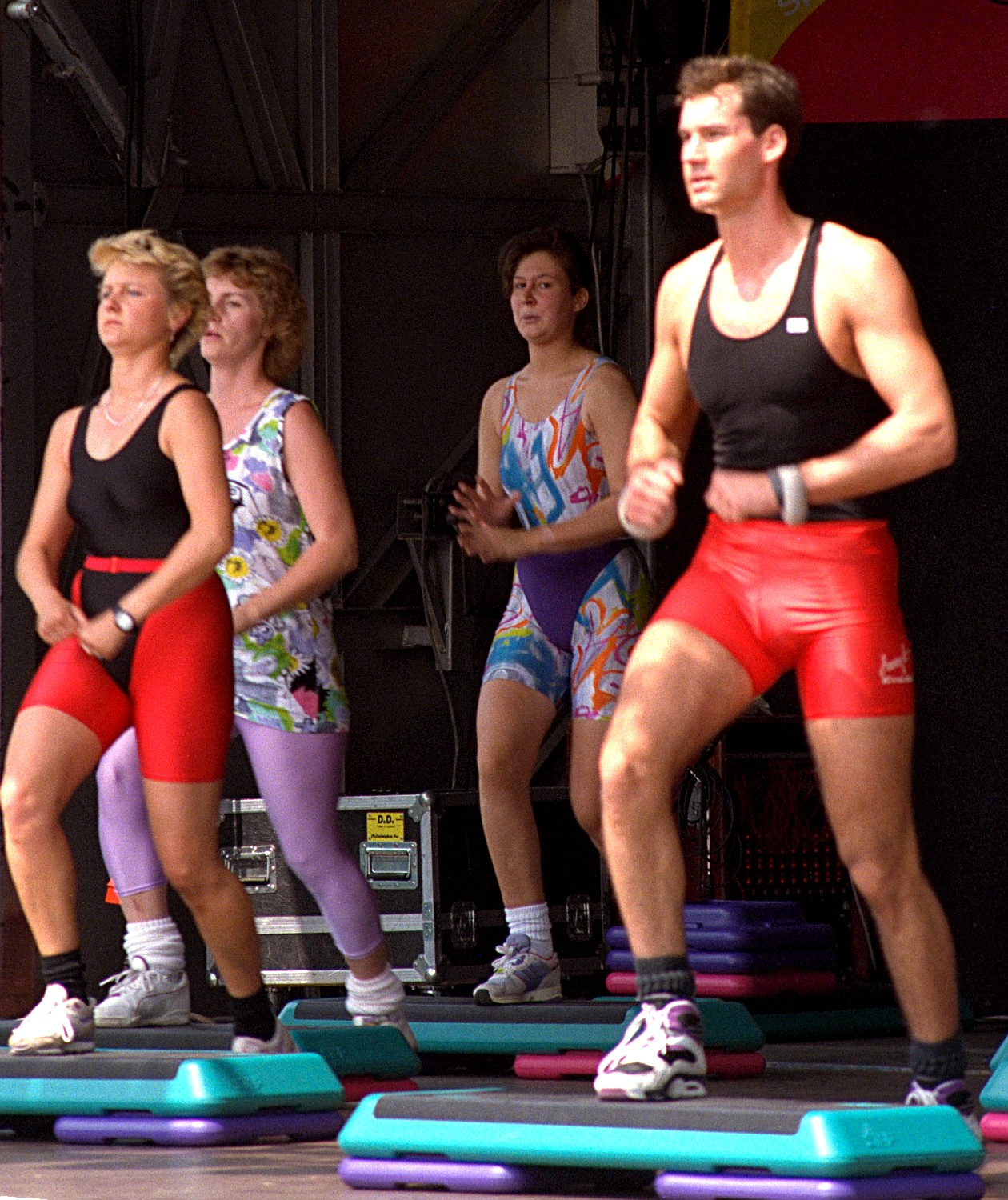
The 1980s were gripped by a fitness craze that reshaped both daily routines and fashion. Aerobics exploded in popularity, fueled by celebrity workout videos that people followed along with at home on their VCRs, turning living rooms into exercise studios. Jogging and running surged as mainstream pastimes, and gyms and health clubs multiplied. The trend spilled directly into clothing, making leotards, leg warmers, headbands, and brightly colored activewear acceptable street wear, not just gym gear. Looking fit and toned became a cultural ideal, and exercise took on a social, almost glamorous quality. The fitness boom reflected the decade’s energetic, self-improving spirit, and its influence lingered long after, helping establish the workout video, the home-fitness routine, and athletic wear as fashion as lasting features of modern life.
A Decade of Optimism and Excess
More than any single trend, the 1980s had a distinct attitude: bold, optimistic, and unapologetically excessive. It was a decade that celebrated bigger, brighter, and louder, in its fashion, its music, its hair, and its consumer culture. New technology arrived at a dizzying pace, pop culture saturated daily life, and there was a pervasive sense of energy and possibility. Of course, the decade had its serious sides and struggles too, but the cultural memory of the eighties is one of vivid color and confident exuberance. That larger-than-life spirit is exactly why the decade remains so beloved and so endlessly revisited, its aesthetic revived again and again by new generations drawn to its unmistakable, neon-tinged optimism.
Forever the Decade of Big
The 1980s left a mark that has never faded. From the launch of MTV and the music-video age to the arrival of home computers, the reign of the shopping mall, the triumph of the home console, and the fashion that dared to go big in every direction, the decade pulsed with energy and reinvention. It was the moment so much of modern life, personal technology, visual pop culture, on-demand entertainment, first took shape in recognizable form. For those who lived through it, the eighties remain a vivid, colorful memory of a time that felt thrilling and new. And for everyone else, the decade’s bold, bright spirit lives on, endlessly revived in fashion, film, and music, proof that the way we were in the eighties was simply too iconic to forget. Decade after decade, its colors, sounds, and styles keep finding new audiences, a sign that the eighties didn’t just shape the people who lived through them, but left a mark on the culture that has never quite faded.
Like our content? Follow us for more.