
For anyone planning their retirement, the question of where to spend those years has never been more complex, or more analyzed. Today’s best-places-to-retire rankings weigh a long list of factors: housing affordability, the cost of living, healthcare quality, tax-friendliness for retirees, climate, and overall quality of life. The latest 2026 analyses, drawing on hundreds of cities, reveal both surprising newcomers and enduring favorites. Whether you dream of year-round sunshine, a low cost of living, or a lively community, there is a place suited to your priorities. Here is a look at the cities and regions topping the 2026 retirement rankings, and what makes each appealing. As always, the right choice depends on your own circumstances, so treat this as a starting point rather than financial advice.
The Surprising National Number One: Midland, Michigan
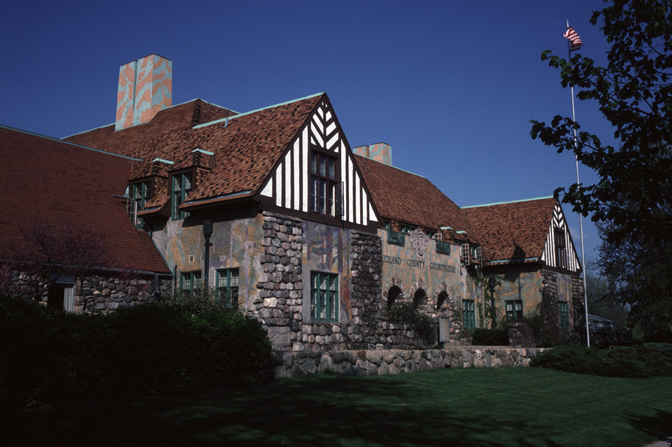
In a result that surprised many, a major 2026 ranking named Midland, Michigan, the best place to retire in America. The choice upends the assumption that retirees should automatically head for the Sun Belt, highlighting a Midwestern city that scores well across the factors that matter most to retirees.
Midland’s strong showing reflects a balance of affordability, healthcare access, and quality of life that increasingly defines the top retirement destinations. While its winters are undeniably cold, the city offers value and livability that warm-weather hotspots, with their rising costs and insurance challenges, increasingly struggle to match. Midland’s number-one ranking signals a broader shift toward weighing affordability and practical livability over climate alone.
Like our content? Follow us for more.
Florida: Still the Retirement Capital
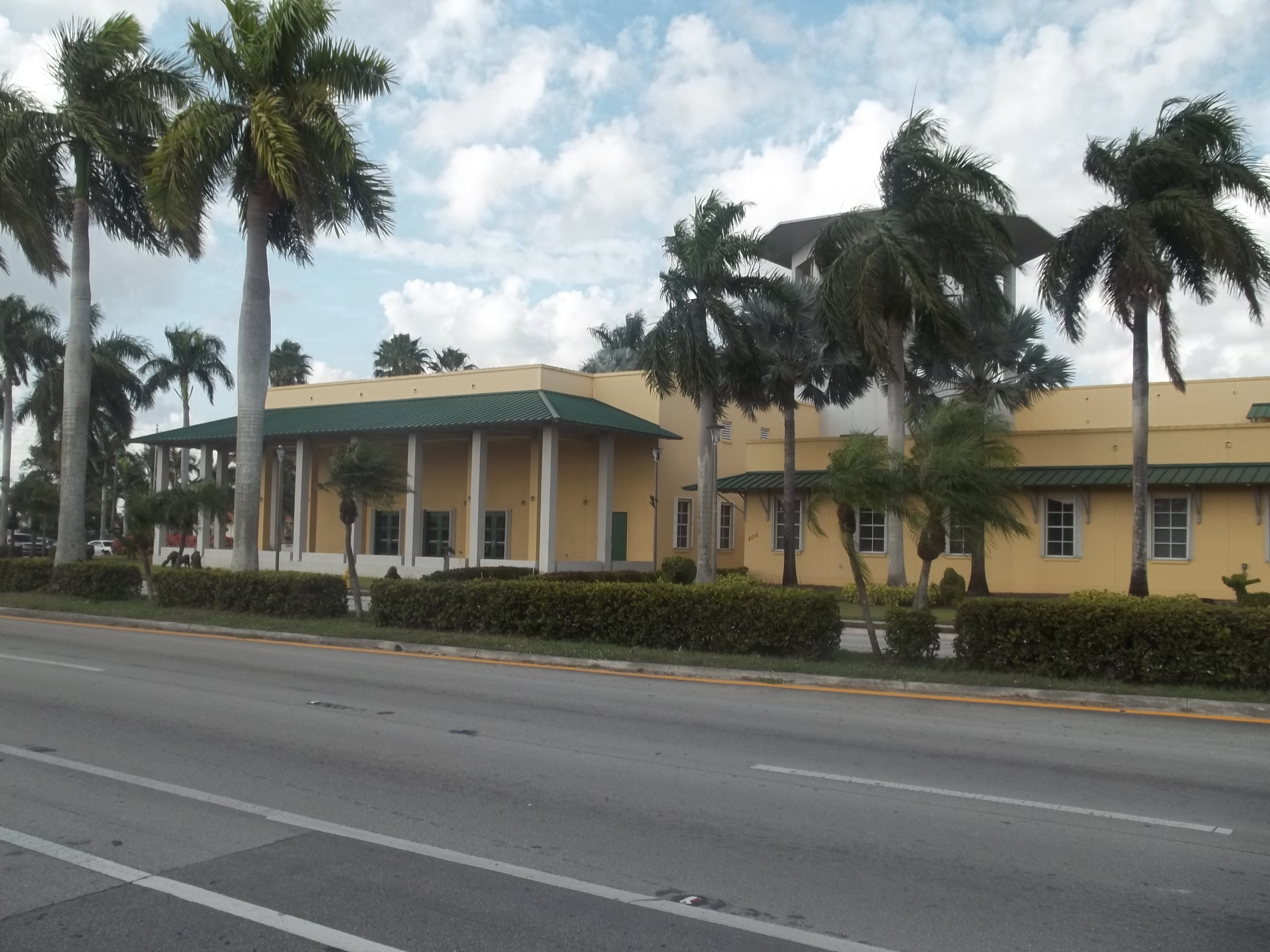
Despite the rise of unexpected contenders, Florida remains the undisputed heavyweight of American retirement, placing more cities in the top rankings than any other state. The combination of warm weather, no state income tax, abundant beaches, and communities built around retirees keeps the Sunshine State perennially popular.
Cities across Florida, from established retirement havens to growing coastal communities, consistently rank among the best places to retire. The state’s tax-friendliness is a major draw, as it does not tax income, Social Security, or retirement-account withdrawals at the state level. The main caveats are rising housing costs, expensive insurance, and hurricane risk, but for sheer retirement appeal, Florida remains in a league of its own.
Texas: Affordability Meets Opportunity
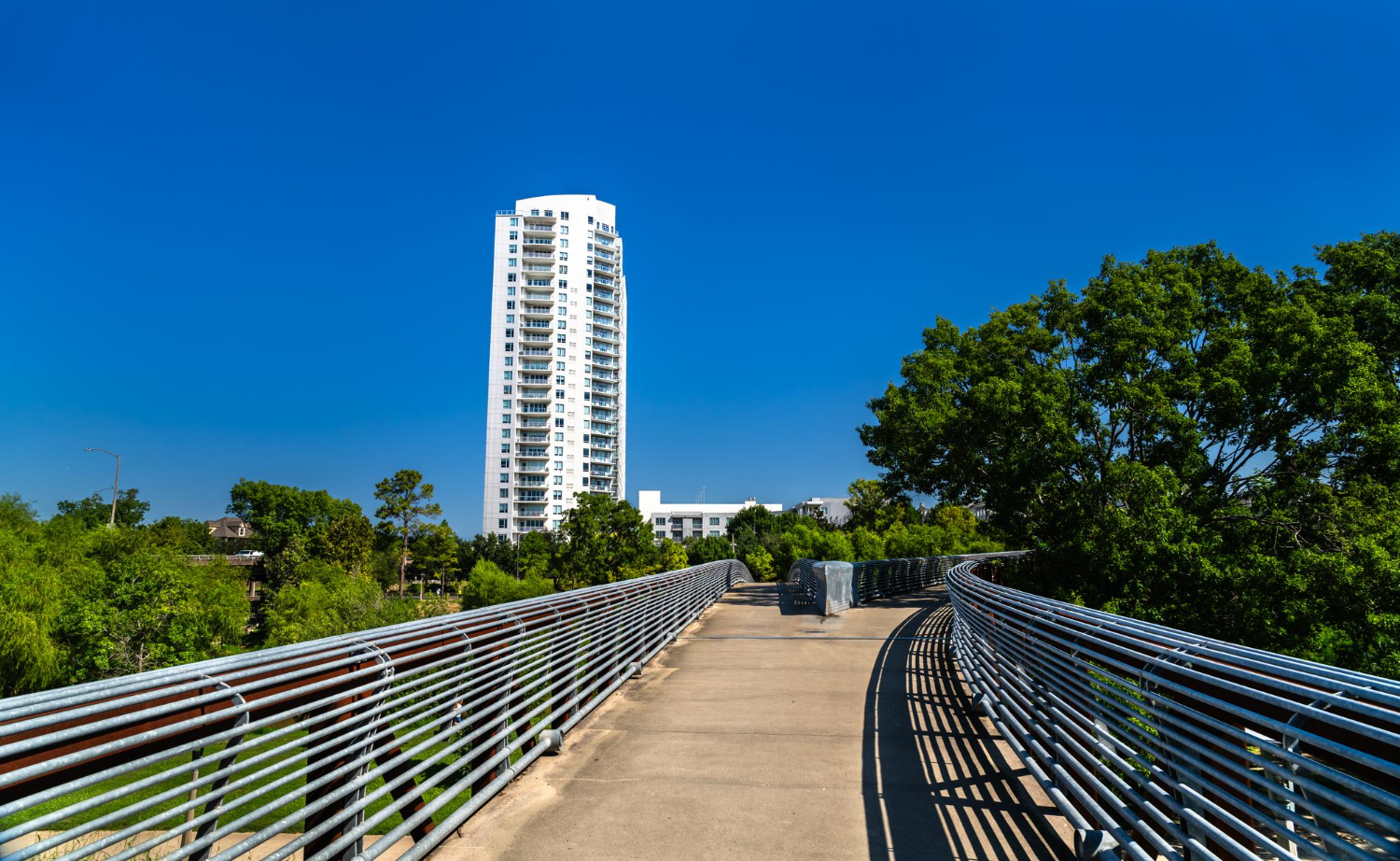
Texas places several cities high in the 2026 retirement rankings, offering retirees a compelling blend of affordability, no state income tax, and access to big-city amenities and healthcare. The state’s generally lower cost of living compared to similarly sized cities elsewhere makes retirement dollars stretch further.
From the suburbs of major metros to smaller cities offering a slower pace, Texas gives retirees a range of options. Several Austin-area suburbs and other Texas cities earned spots on the latest best-places-to-retire lists. The tax advantages and relative affordability are key attractions, though property taxes can run high in some areas, so the specifics vary considerably from city to city.
The Enduring Appeal of Arizona

Arizona continues to draw retirees with its warm, dry climate, tax-friendliness, and communities designed with older adults in mind. The state has long been a magnet for those seeking to escape harsh winters, and cities in the Phoenix area and beyond regularly feature in retirement rankings.
Arizona offers abundant sunshine, a wealth of golf, recreation, and adult activities, and a relatively favorable tax situation, though it does levy a modest income tax. The desert heat is a real consideration, with brutal summers, but the dry climate and active-living culture keep the state high on retirees’ lists. For sun-seekers wary of Florida’s humidity and hurricanes, Arizona is a perennial alternative.
Affordable Heartland and Midwestern Options
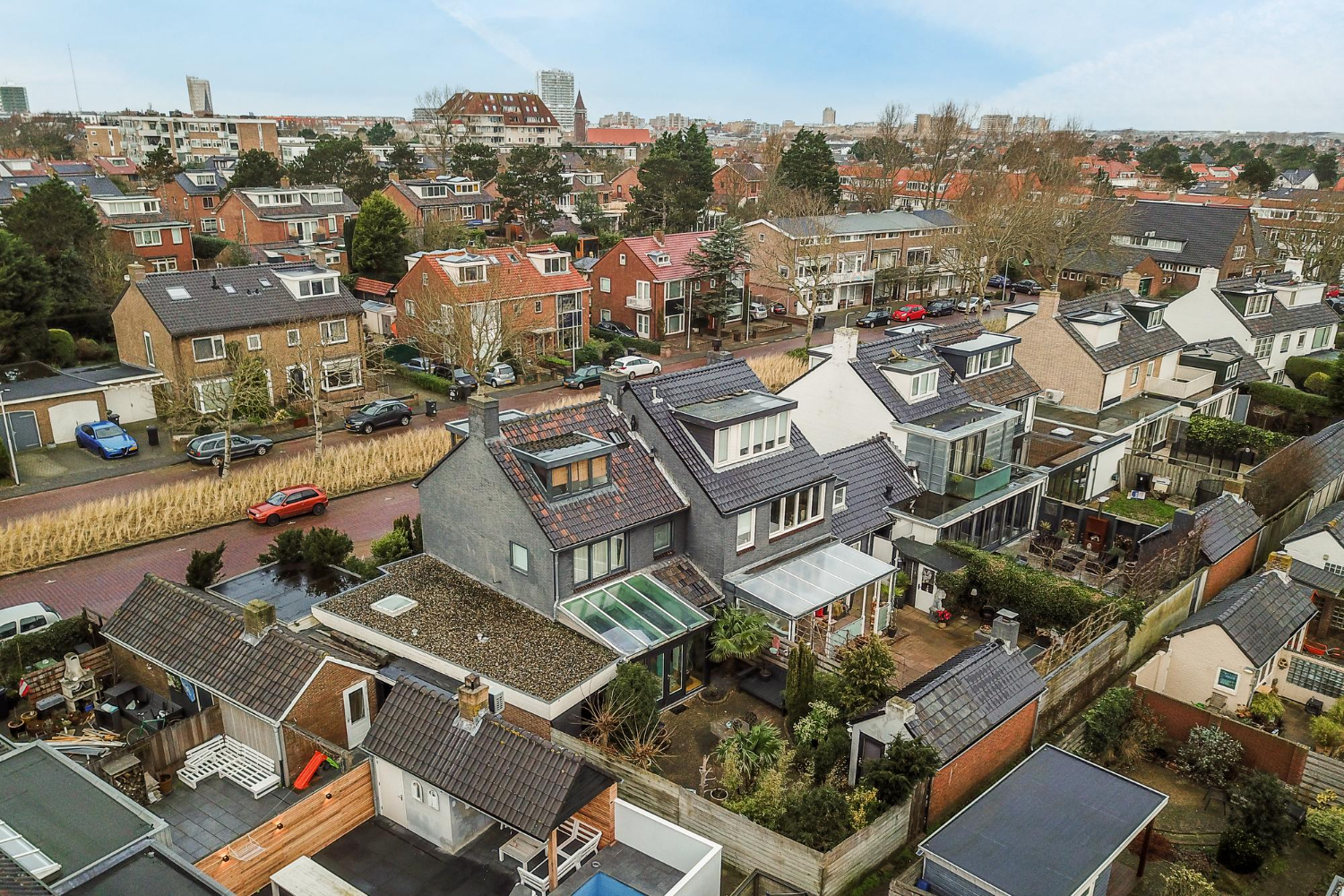
Beyond Midland’s top finish, the 2026 rankings highlight a broader trend toward affordable Midwestern and heartland cities, several of which offer below-average costs of living, solid healthcare, and strong community feel. Cities in states like Michigan, Minnesota, and beyond are increasingly competitive.
These cities appeal to retirees prioritizing value, with affordable housing and lower overall costs offsetting colder climates. Some, like Pittsburgh and Fargo, have appeared on best-places-to-retire lists for many years running. The strong showing of heartland cities reflects how affordability and practical livability have risen in importance, especially as the costs of traditional warm-weather retirement have climbed.
The Rise of “Aging in Place” and Lifestyle Communities

Beyond the city rankings themselves, the 2026 retirement landscape reflects shifting preferences in how people want to spend their later years. A growing number of retirees prioritize “aging in place,” staying in a familiar home and community with the support to do so, rather than relocating at all. For these retirees, the best place to retire may simply be where they already are, with the right healthcare and services nearby.
At the same time, purpose-built active-adult and lifestyle communities continue to draw retirees seeking amenities, social opportunities, and low-maintenance living, often clustered in the warm, tax-friendly states that dominate the rankings. The decision increasingly comes down to a personal trade-off between staying rooted and seeking a new lifestyle. This is why the rankings, useful as they are, can only go so far: the “best” place to retire depends enormously on whether someone wants to stay put, downsize nearby, or start fresh somewhere new, and on the support system they have in place.
What the 2026 Rankings Prioritize

Understanding how these rankings are built helps make sense of the results. The major analyses score cities across a consistent set of factors: quality of life for older adults, value (housing affordability and cost of living), healthcare quality, tax-friendliness for retirees, the size and growth of the senior population, and sometimes the local job market for those who want to keep working.
Notably, the 2026 rankings reflect a changing calculus, with rising home-insurance costs and disaster risk now weighing more heavily, which partly explains the strong showing of affordable inland cities over some traditional coastal destinations. Tax policy matters enormously too, as states without income tax or that exempt Social Security and retirement income let fixed incomes go further. The “best” city genuinely depends on which of these factors matters most to you.
Choosing the Right Place for You

Ultimately, the best place to retire is a deeply personal decision that no ranking can make for you. Some retirees prioritize warm weather and will happily accept higher costs and hurricane risk; others value affordability and community above climate; still others want proximity to family, top-tier healthcare, or specific recreational opportunities. The rankings are most useful as a guide to which cities excel in each area.
It is wise to look beyond the headline rankings to the factors that matter most to your own situation, and to visit a place, ideally in different seasons, before committing. Considerations like healthcare access, tax treatment of your specific income sources, and proximity to loved ones often matter more than a city’s overall score. The 2026 rankings, with their mix of surprising heartland winners and enduring Sun Belt favorites, offer a valuable starting point. From there, the right choice comes down to matching a place to the life you want to live. Since retirement involves significant financial decisions, it is worth consulting a qualified financial advisor about your particular circumstances.
Like our content? Follow us for more.