Anyone who flew in the 1980s remembers an airport experience almost unrecognizable today. The whole rhythm of air travel was looser, more social, and far less regimented, with rituals and features that have since disappeared completely. Some vanished for good reasons of safety and health; others faded with new technology. Together, they paint a picture of how profoundly flying has changed in a few short decades. Here is a look at the things that have disappeared from American airports since the 1980s, and the forces that swept them away.
Greeting Loved Ones Right at the Gate
Perhaps the most emotionally significant change is this: in the 1980s, you could walk a departing loved one all the way to the gate and watch their plane take off, or wait at the gate to embrace someone the moment they stepped off the jet bridge. There were no boarding-pass checkpoints separating travelers from everyone else, so families gathered at the gate for tearful goodbyes and joyful reunions.
This beloved ritual ended when security procedures tightened, restricting the gate areas to ticketed passengers only. The iconic image of a loved one waiting just beyond the jetway, or running to meet someone at the gate, is now confined to old movies and memories. The reunion now happens at baggage claim or the curb, a small but poignant loss of one of air travel’s most heartfelt moments.
Like our content? Follow us for more.
Smoking Sections on Planes and in Terminals
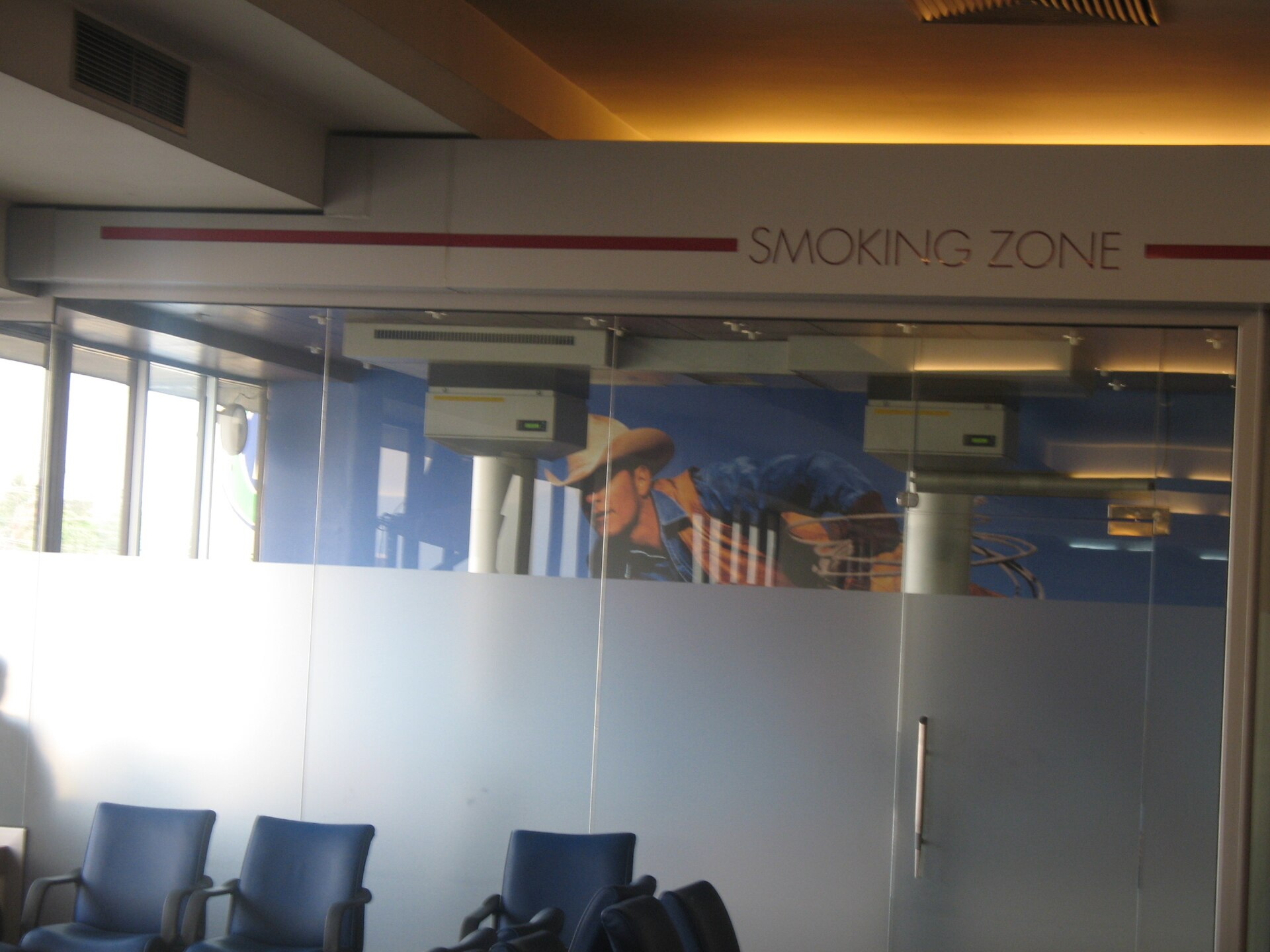
In the 1980s, you could smoke on airplanes. Flights had designated smoking sections, though the smoke famously drifted throughout the cabin, and airport terminals were full of smokers and ashtrays. The idea of lighting up in your seat at 30,000 feet was simply normal.
As the dangers of secondhand smoke became undeniable, smoking was progressively banned on flights and then throughout most of the terminal, with smokers eventually confined to specific lounges or sent outside entirely. The smoke-filled cabin and terminal are now unthinkable. The transformation to smoke-free air travel is one of the clearest health-driven changes in the entire flying experience.
Effortless, Last-Minute Security
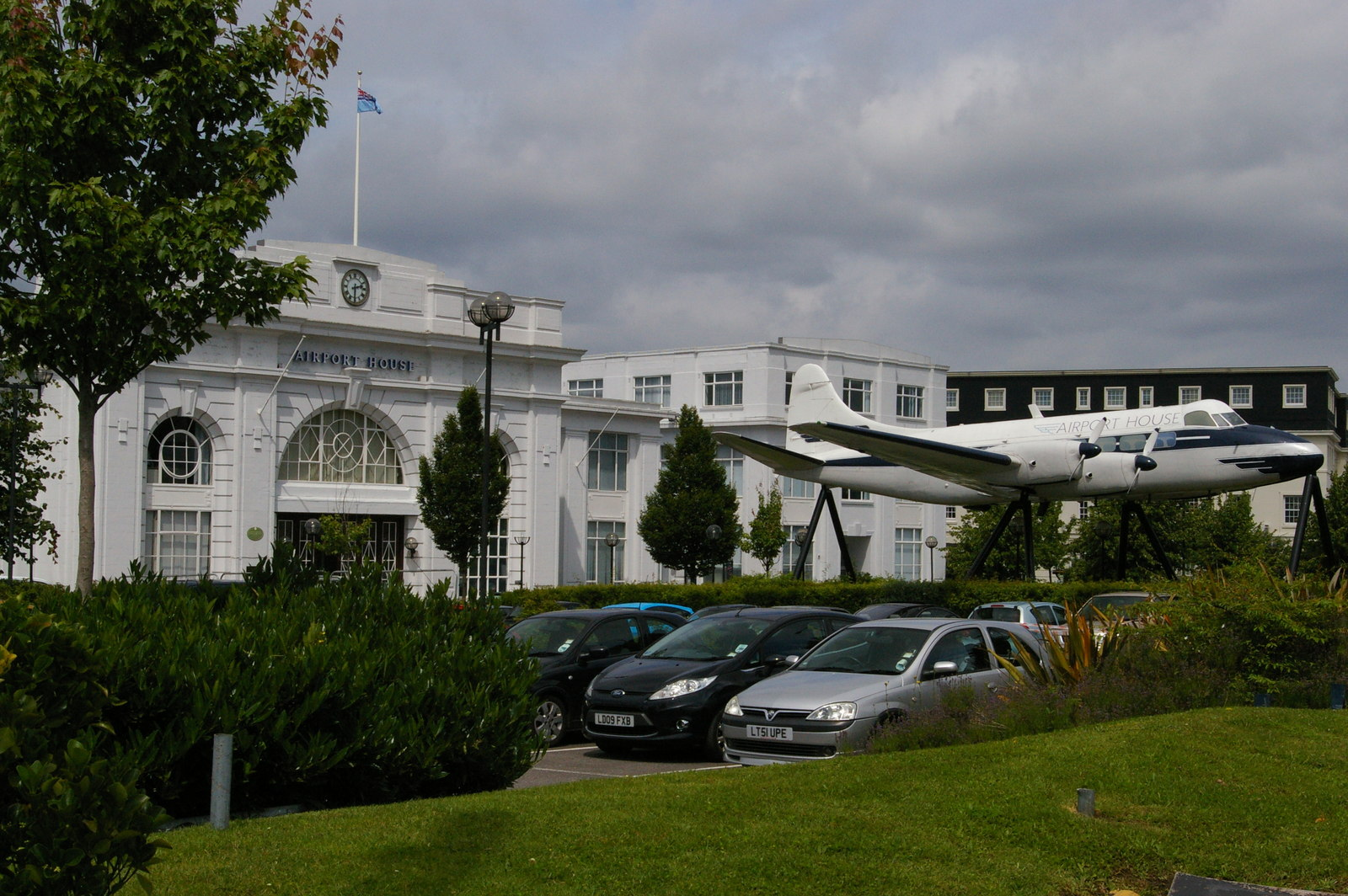
Security in the 1980s was minimal by modern standards. Travelers could arrive at the airport shortly before a flight, breeze through a cursory checkpoint without removing shoes or belts, carry liquids freely, and reach the gate in minutes. There were metal detectors, but nothing resembling today’s elaborate screening.
The comprehensive security apparatus familiar to modern travelers, with its liquid limits, shoe removal, body scanners, and long lines, transformed the airport experience, requiring travelers to arrive hours early. The casual, last-minute dash to the gate is a thing of the past. This is perhaps the single biggest practical change in air travel, reshaping how early we arrive and how we move through the airport.
Paper Tickets, Boarding Passes, and the Travel Agent
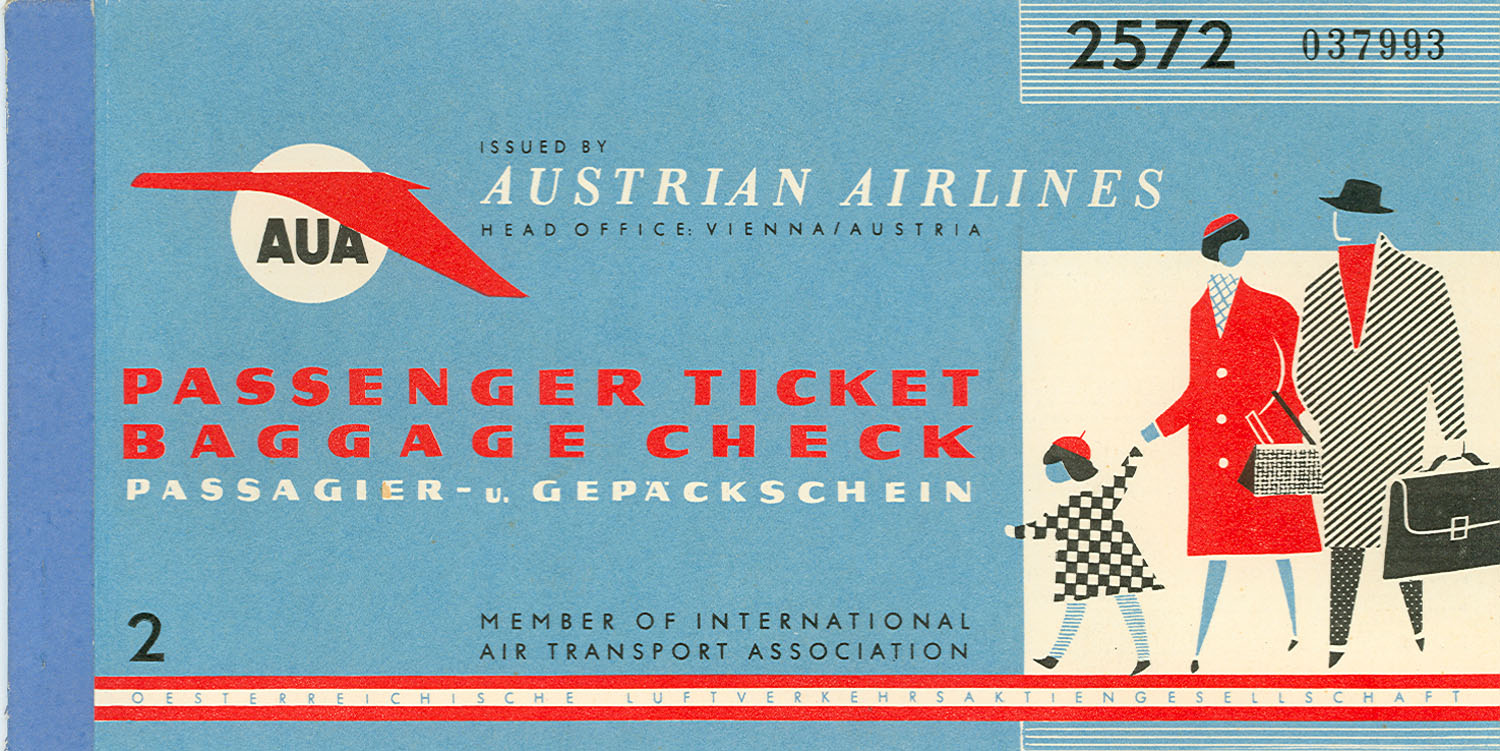
The mechanics of flying have been revolutionized too. In the 1980s, you held a paper ticket, often a multi-page booklet issued by a travel agent who had booked your trip by phone or in person. Checking in meant a counter agent, paper boarding passes, and handwritten or printed documents at every step.
Online booking, e-tickets, self-service kiosks, and mobile boarding passes have digitized the entire process. The travel agent, once essential for arranging any flight, has largely given way to booking apps and websites. The thick paper ticket booklet and the handwritten boarding pass have vanished, replaced by a barcode on a phone screen. The frictionless digital process would astonish a traveler from 1985.
Dressing Up to Fly
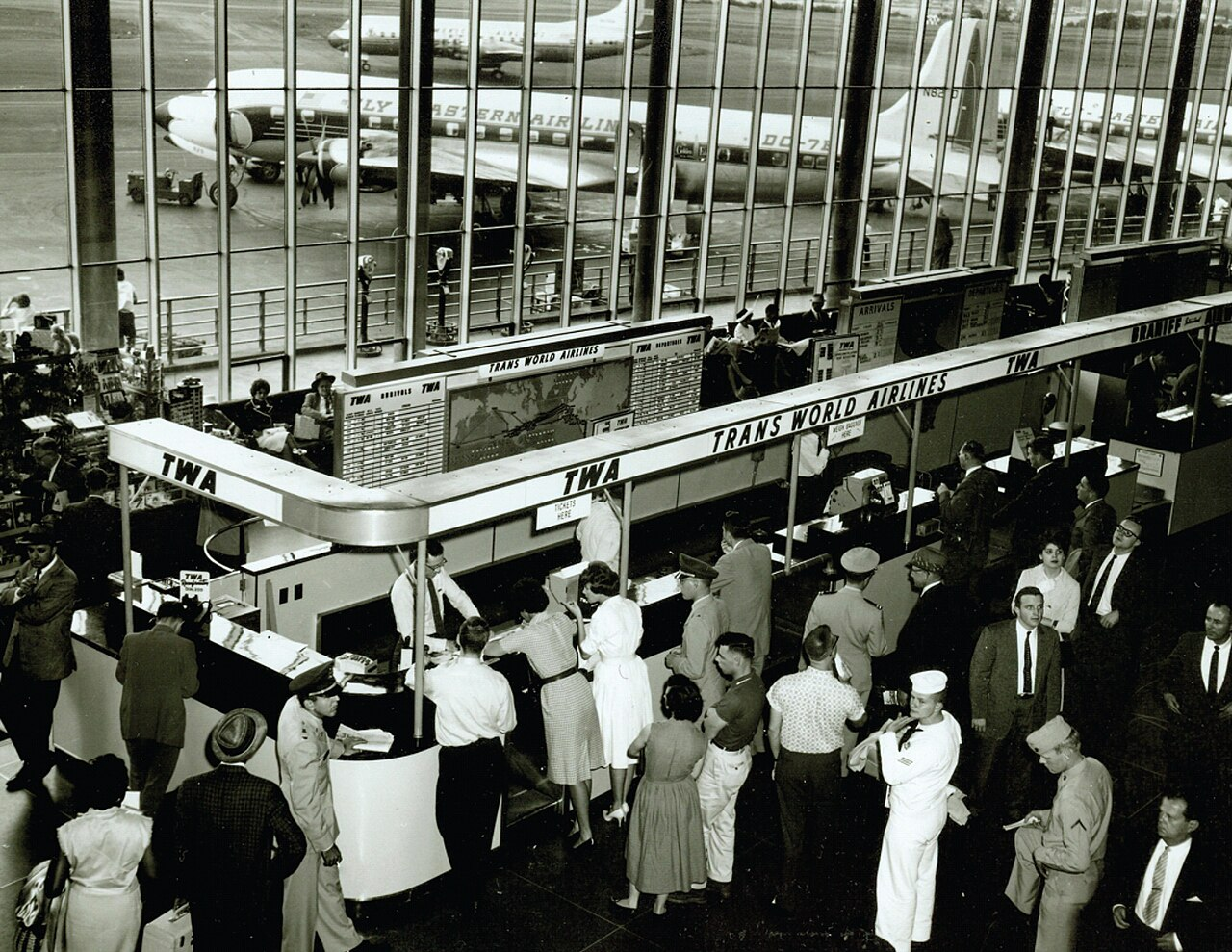
Flying in earlier decades, and still lingering into the 1980s, carried a sense of occasion that influenced how people dressed. Many travelers dressed up for a flight, treating air travel as a special event worthy of nice clothes. Air travel retained an aura of glamour and importance.
As flying became more common, more frequent, and more of a routine hassle, the dress code relaxed completely, and comfort now reigns. The well-dressed air traveler of earlier eras has given way to passengers in casual, comfortable clothing suited to long security lines and cramped seats. The shift reflects how flying transformed from a special occasion into ordinary, mass-market transportation.
Generous Service and Free Amenities

The in-flight experience of the 1980s included amenities now largely gone or charged for. Meals were commonly served free even on shorter flights, checked bags flew without extra fees, legroom was generally more generous, and the overall service reflected an era when air travel was less of a no-frills commodity.
The rise of budget travel and unbundled pricing transformed this, with many airlines now charging separately for checked bags, seat selection, meals, and other amenities once included. The complimentary hot meal in economy and the free checked bag are increasingly rare. The shift to à la carte pricing made flying cheaper for some but stripped away many of the standard comforts travelers once took for granted.
The Airport Bar, the Observation Deck, and Other Lost Spaces
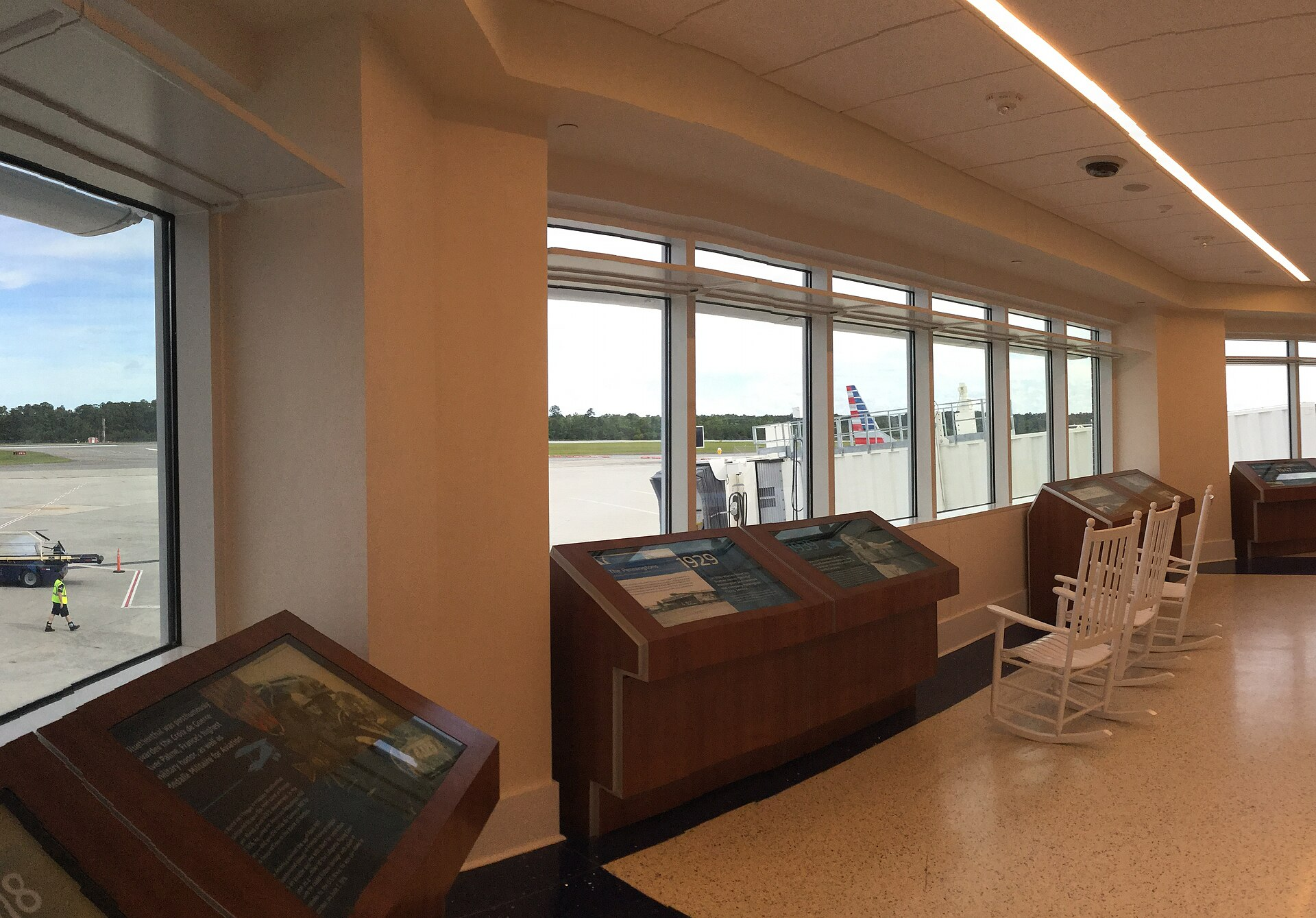
The 1980s airport had physical spaces that have largely disappeared. Many airports featured observation decks where the public, ticketed or not, could watch planes take off and land, a beloved outing for families and aviation enthusiasts who came just to see the aircraft. These open-air viewing areas were genuine attractions in their own right.
Security changes and terminal redesigns closed most of these decks to the general public. Similarly, the character of airport dining and lounges shifted from a handful of simple bars and coffee shops, where you might wait with a departing friend, to the sprawling, secured-side food courts and shops of today, accessible only after passing through screening. The pre-security side of the airport, once a lively public space full of well-wishers and plane-spotters, has become a thinned-out zone of ticket counters and checkpoints, with the real activity moved beyond the security line.
The Glamour and Pace of Early Flying
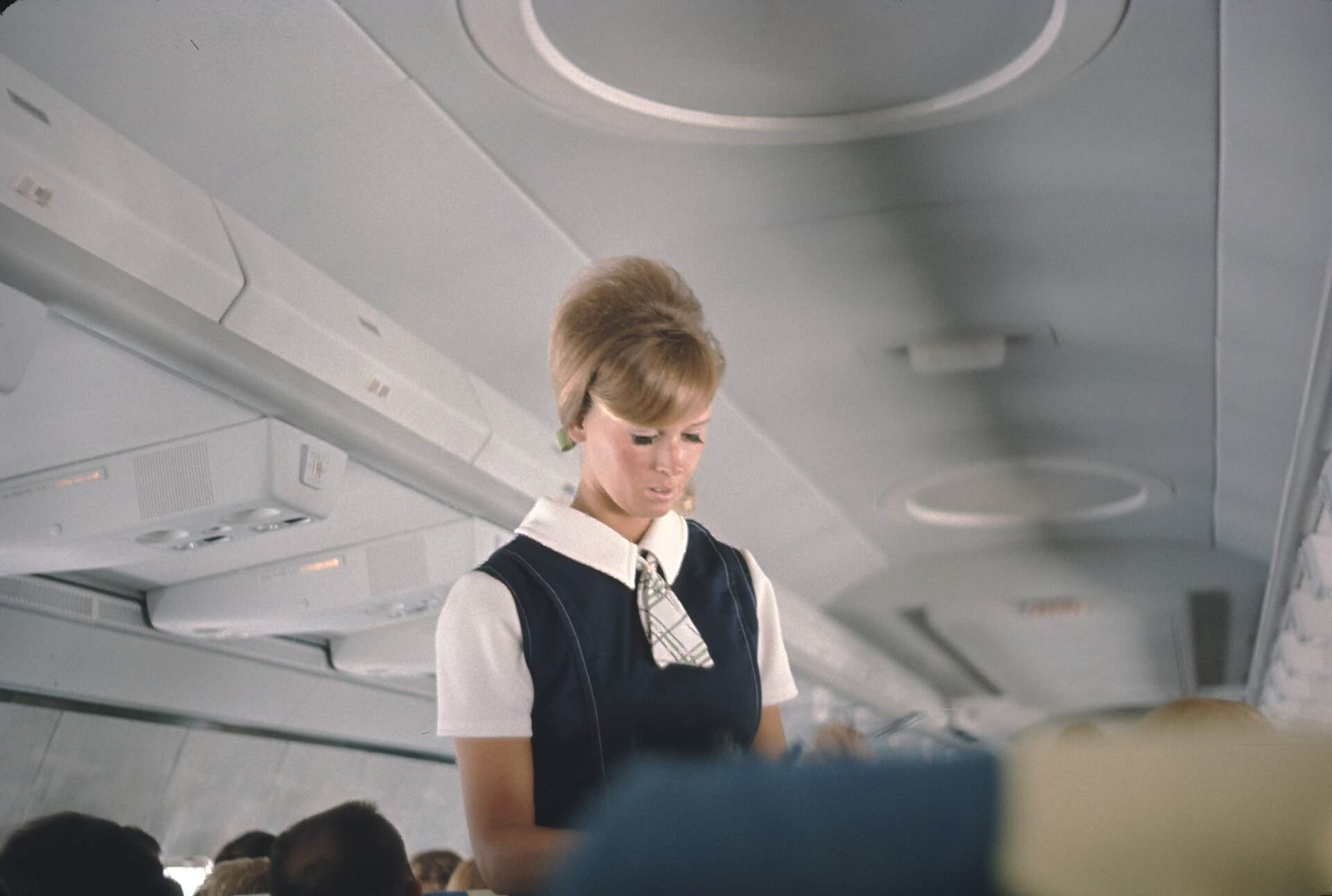
There was an intangible quality to air travel in earlier decades that has faded along with the tangible features. Flying retained an air of occasion and even glamour, a sense that boarding an airplane was a special event rather than a routine errand. Airlines competed on service and comfort, flight attendants were part of a profession surrounded by a certain mystique, and the whole experience carried a feeling of adventure and prestige.
The pace was gentler too. With looser security and fewer crowds, the airport was a less stressful, more leisurely place. Travelers were not herded through endless lines or required to arrive hours early; the journey from curb to gate was quick and relatively pleasant. As flying became cheaper, more common, and more heavily secured, that sense of occasion and ease gave way to the efficient but often stressful mass-transit experience of today. The romance of the early jet age, when flying felt like a privilege and an adventure, is among the most wistfully remembered casualties of air travel’s transformation.
Why Air Travel Changed So Dramatically
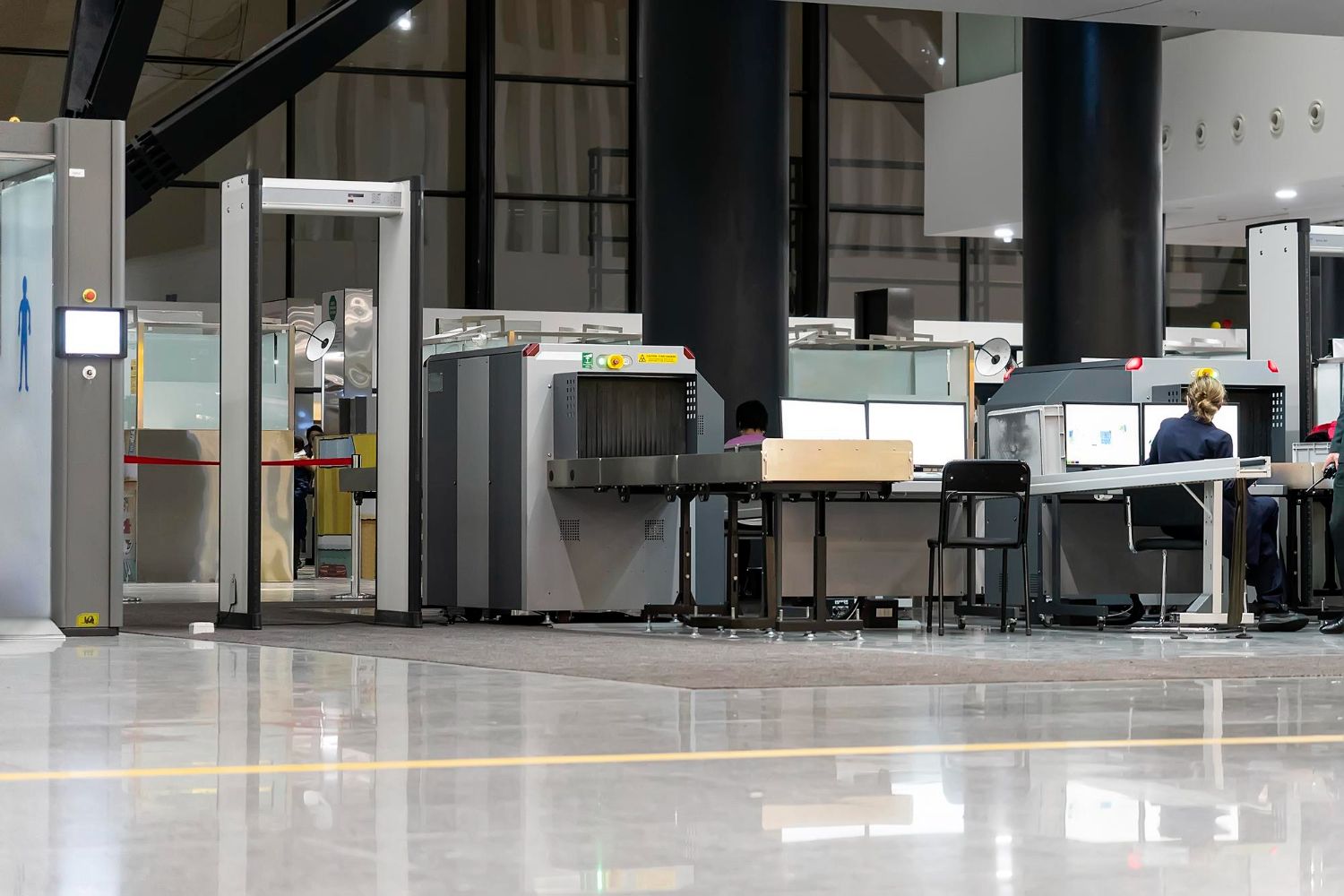
The transformation of the airport experience comes down to a few powerful forces. Heightened security fundamentally reshaped how travelers move through airports and ended the open-gate era. Health awareness banished smoking from planes and terminals. Technology digitized tickets, check-in, and boarding while eliminating the travel agent. And the economics of mass-market, budget-driven air travel changed service, pricing, and the whole culture of flying.
For those who flew in the 1980s, the nostalgia centers most on the human moments, the loved ones at the gate, the sense of occasion, the easier pace, even as few would trade away the genuine safety improvements that came with the changes. The modern airport is safer, smoke-free, and digitally streamlined, but it has lost some of the warmth, glamour, and ease of an earlier age. The vanished features of the 1980s airport are a vivid reminder of how thoroughly a single, familiar experience can be transformed within a generation, leaving travelers to navigate a faster, more efficient, and more impersonal version of a journey that once began with a hug at the gate.
Like our content? Follow us for more.