

Part of the joy of travel is discovering how differently the world works from place to place, but those differences extend to the law in ways that can catch tourists off guard. Behaviors and items that are completely unremarkable in your home country can be restricted or outright illegal somewhere else, sometimes for fascinating cultural or historical reasons. Falling foul of these rules can mean anything from a hefty fine to confiscated belongings or a genuine run-in with local authorities. A little knowledge goes a long way toward keeping your trip smooth. Here are everyday things that are surprisingly illegal in various countries around the world.
Chewing Gum in Singapore

The most famous example of a surprising travel law is Singapore’s restriction on chewing gum. Since the early 1990s, the import and sale of chewing gum has been banned in the city-state, a rule introduced after discarded gum caused costly damage and maintenance problems, including jamming the doors of the public transit system.
The ban is part of Singapore’s broader commitment to cleanliness, alongside strict rules against littering, spitting, and jaywalking. Travelers cannot legally bring quantities of gum into the country to sell, though limited amounts for personal use and therapeutic gum are treated more leniently. Improperly disposing of gum can bring a fine. It is the quintessential example of a law that surprises visitors, and a reminder of how seriously Singapore takes its spotless streets.
Like our content? Follow us for more.
E-Cigarettes and Vaping in Thailand

Travelers planning to vape on a Thai beach should think again. Thailand has banned the import, sale, and possession of e-cigarettes and vaping products, and the rule is enforced. Tourists caught with vaping devices have faced confiscation, significant fines, and in some cases more serious legal trouble.
The ban, in place for years, reflects the government’s stated concerns about public health and unregulated products. Many tourists are completely unaware of the prohibition and arrive with vaping gear they use openly at home, only to find themselves in a difficult situation. If you are heading to Thailand, the safest course is to leave the vape behind entirely, as the consequences for ignoring the rule can be severe.
Wearing Camouflage in the Caribbean

That camo-print shirt or pair of shorts could get you in real trouble in several Caribbean nations. In countries including Barbados and others in the region, it is illegal for civilians to wear camouflage clothing, which is reserved exclusively for the military and security forces.
The rule exists to prevent civilians from being mistaken for, or impersonating, military personnel. Tourists who turn up in fashionable camo print, including children in camo clothing, can have the items confiscated and may face fines. It is an easy mistake to make, since camouflage is a common fashion choice in many countries. Before packing for a Caribbean trip, it is worth checking the specific rules and leaving the camo at home to be safe.
Stiletto Heels at Ancient Greek Sites

Lovers of historic sites should pack sensible shoes for Greece. At many of the country’s ancient monuments and archaeological sites, including some of its most famous ruins, wearing high heels, particularly stilettos, is prohibited. The rule has been in place to protect the priceless ancient stonework.
The concern is that sharp, narrow heels can damage the delicate, millennia-old surfaces of these irreplaceable sites. The restriction reflects the broader challenge of preserving ancient monuments under the pressure of mass tourism. It is a small, sensible rule, but one that can surprise fashion-conscious visitors. Comfortable flat shoes are not just more practical for clambering around ruins; at many Greek sites, they are the law.
Feeding the Pigeons in Venice
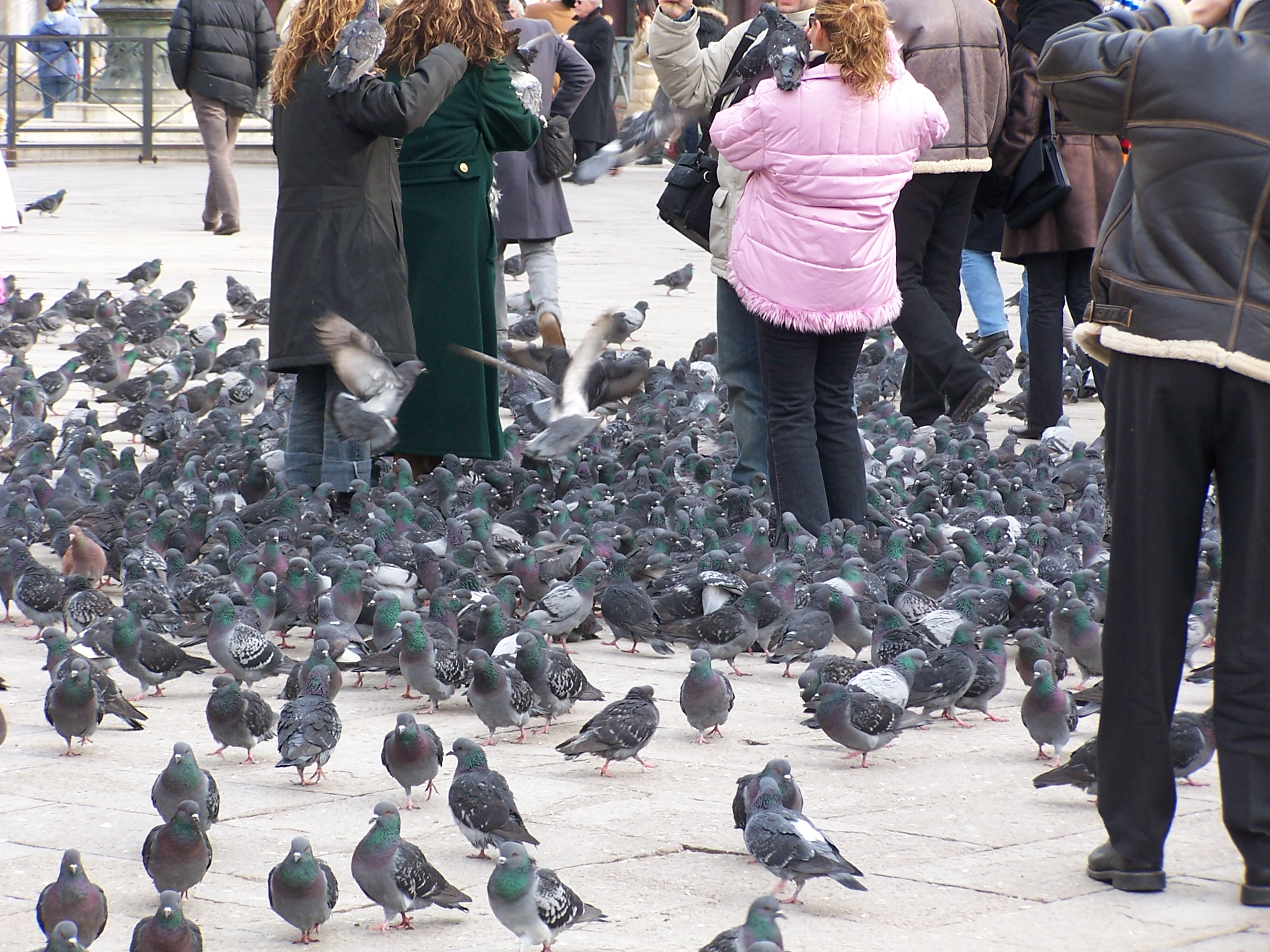
In Venice, Italy, one of the world’s most romantic cities, an age-old tourist activity has been outlawed. Feeding the pigeons, long a popular pastime in the city’s famous central square, has been banned for years, with fines for those caught doing it.
The ban was introduced for hygiene and preservation reasons, as the large pigeon population, encouraged by tourist feeding, caused damage to the city’s historic buildings and monuments with their droppings, and created sanitation problems. What was once a charming photo opportunity is now a finable offense. Travelers to Venice should admire the pigeons from a distance and keep their snacks to themselves, lest a memorable trip include an unexpected penalty.
Other Surprising Rules Around the World
The world is full of other laws that can trip up the unwary traveler. In some countries, certain colors of clothing carry political significance and can attract unwanted attention. Public displays of affection, perfectly normal in many places, are restricted or frowned upon in some more conservative countries and can lead to fines or worse.
Other examples abound: rules about photographing certain buildings or sites, restrictions on importing specific foods or medications, regulations on drone use, dress codes at religious sites, and laws governing behavior that would be unremarkable at home. Even something as simple as how you gesture or dress can carry legal or cultural weight in certain places. The specifics vary enormously from country to country, which is exactly why a little research before you travel is so valuable.
Medications and Substances That Catch Travelers Off Guard

One category deserves special attention because it can lead to genuinely serious trouble: medications. Some everyday over-the-counter and prescription drugs that are perfectly legal at home are restricted or banned in certain countries, and travelers carrying them can face real consequences. Common cold and allergy medicines, certain painkillers, and some prescription drugs contain ingredients that are controlled or prohibited in some destinations.
The safest approach is to research the rules of your destination well before traveling, carry medications in their original labeled packaging, bring a copy of your prescription and a doctor’s note for anything significant, and check official guidance about what is permitted. Some countries require advance permission to bring in certain drugs. This is not meant to cause anxiety but to highlight that medication rules are among the easiest, and most consequential, things for travelers to overlook. A few minutes of research can prevent a serious problem, and when in doubt, consulting the destination country’s embassy or official resources is wise.
How to Avoid a Legal Surprise Abroad

The good news is that staying out of trouble is largely a matter of preparation and respect. Before traveling to a new country, it is genuinely worth spending a few minutes researching local laws and customs, paying particular attention to rules around items you plan to bring (like vaping devices or medications), clothing, public behavior, and photography. Official government travel-advisory websites are a reliable starting point.
Beyond the legal specifics, the broader principle is to approach every destination with respect and humility, recognizing that local rules and customs reflect that place’s values, history, and priorities, even when they seem strange to an outsider. When in doubt, observe what locals do, ask, and err on the side of caution. Most of these laws are easy to comply with once you know about them, and respecting them is simply part of being a considerate traveler. A little awareness ensures that the only surprises on your trip are the pleasant ones.
Like our content? Follow us for more.

