

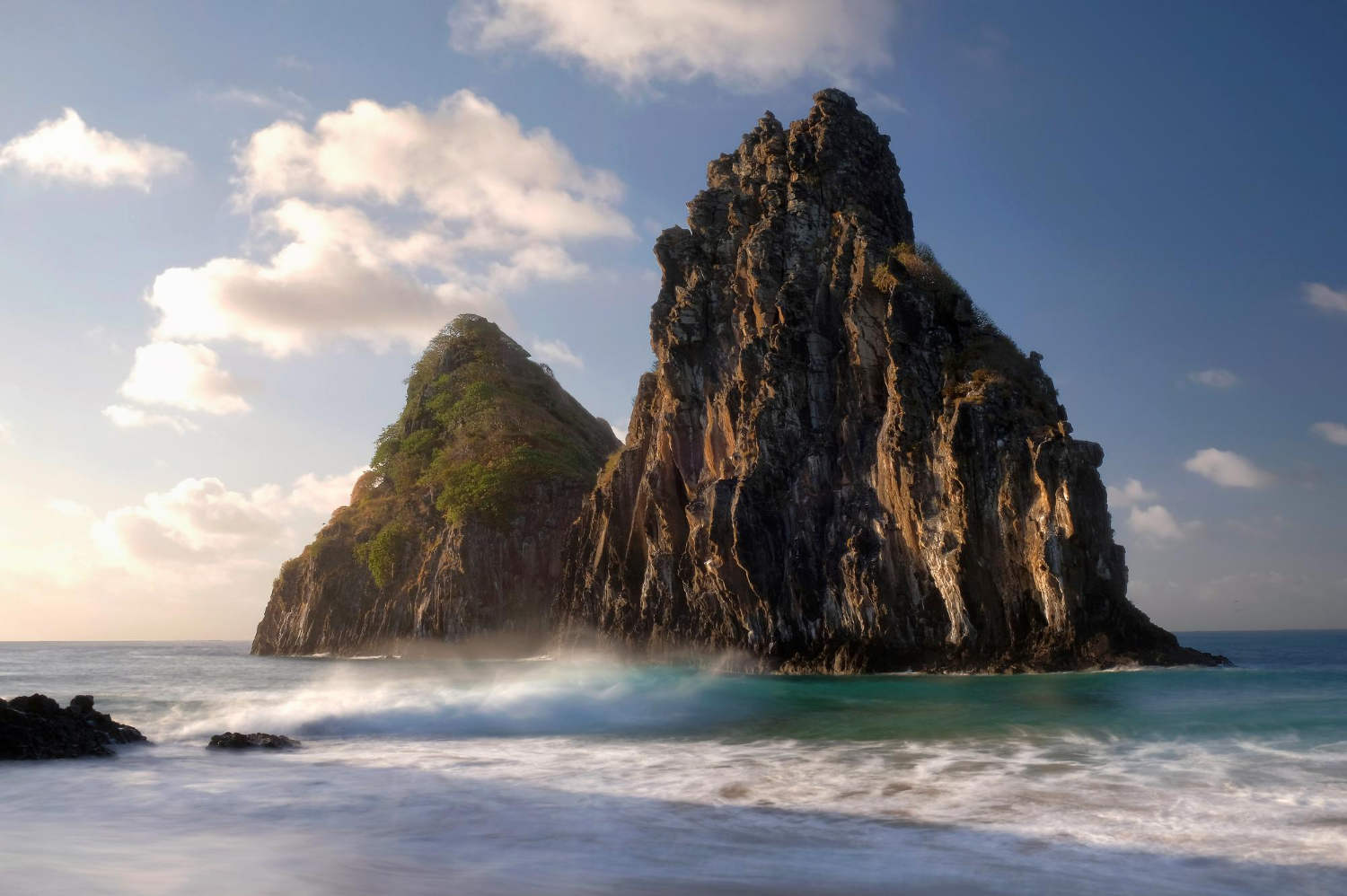
We tend to think of islands as the ultimate travel fantasy: open beaches, turquoise water, escape. But scattered across the globe are islands that no amount of money or planning will let you visit, places guarded by law, by nature, or by the people who live there. The reasons range from protecting vulnerable communities to guarding deadly wildlife, hazardous contamination, or fragile ecosystems, and the penalties for trespassing can be severe. These are not hidden resorts waiting to be discovered; they are genuine no-go zones. Here is a tour of some of the world’s most forbidden islands, and the often unsettling stories behind their closed borders.
North Sentinel Island, India
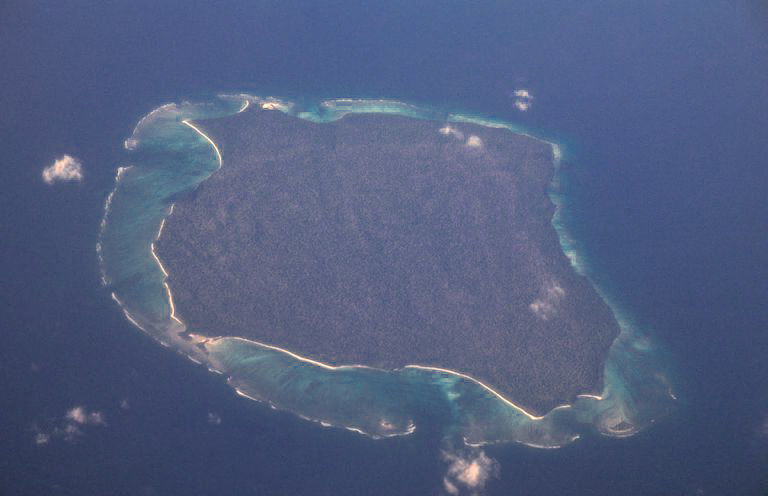
In the Bay of Bengal lies North Sentinel Island, home to the Sentinelese, one of the last truly uncontacted peoples on Earth. They have lived in isolation for thousands of years and have made unmistakably clear that they want no contact with the outside world, often responding to approaching outsiders with hostility.
The Indian government enforces a strict exclusion zone around the island, making it illegal to approach. The policy protects the Sentinelese from outside diseases to which they have no immunity, and respects their clear wish to be left alone. The danger is real: in 2018, an American who illegally reached the island was killed. North Sentinel remains perhaps the most genuinely forbidden place on the planet.
Like our content? Follow us for more.
Snake Island (Ilha da Queimada Grande), Brazil
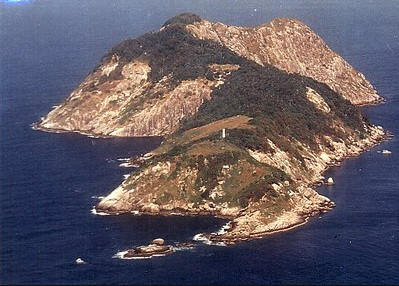
Off the coast of Brazil sits Ilha da Queimada Grande, better known as Snake Island, one of the most dangerous islands on Earth. It is overrun with golden lancehead vipers, an extremely venomous snake found nowhere else, with estimates suggesting an astonishing density of the deadly reptiles across the island.
Cut off from the mainland long ago, the snakes evolved a particularly potent venom to subdue the birds that are their main prey. The Brazilian Navy prohibits civilians from landing, allowing access only to scientists under special permit and personnel who maintain the island’s automated lighthouse. For everyone else, Snake Island is a venomous no-go zone that reads like something from a nightmare.
Surtsey, Iceland
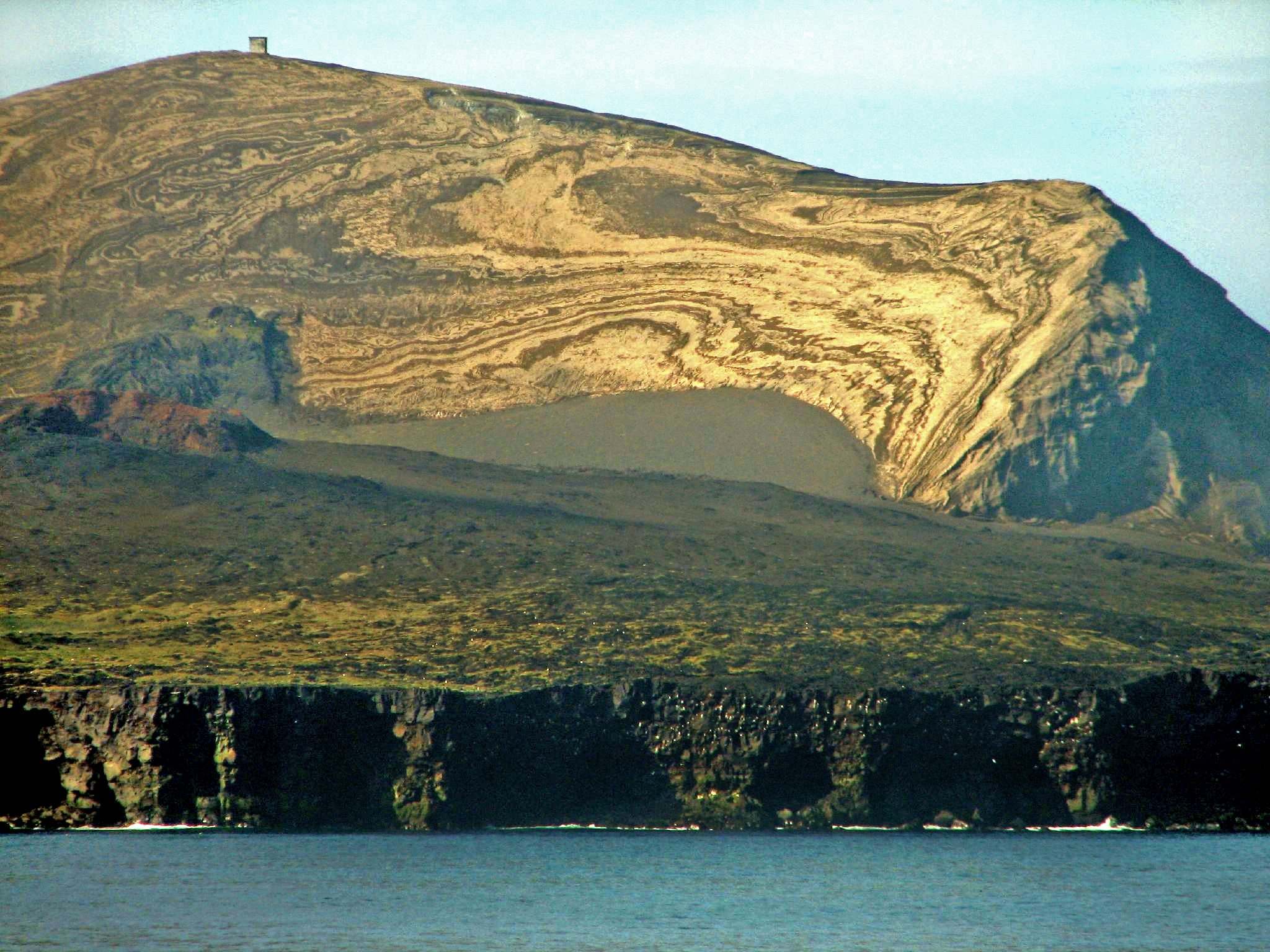
Surtsey is one of the youngest places on Earth, an island that did not exist before 1963, when an underwater volcanic eruption pushed it up from the sea off the coast of Iceland over several years of dramatic activity. From the moment it cooled, scientists recognized its extraordinary value.
Surtsey was set aside as a strictly protected scientific reserve, a living laboratory where researchers can observe how life colonizes brand-new land entirely free of human interference. To preserve this pristine natural experiment, the island is closed to the public, with access limited to a small number of scientists. Surtsey is forbidden not because it is dangerous, but because it is too scientifically precious to disturb.
Gruinard Island, Scotland
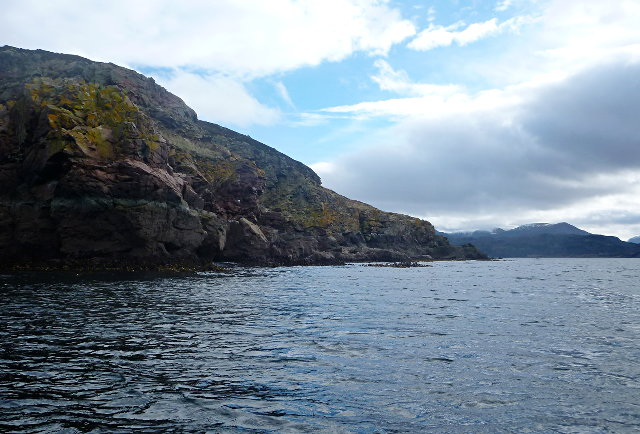
Off the Scottish coast lies Gruinard Island, which carries one of the darkest legacies of any place on this list. During World War II, the British military used the uninhabited island to test anthrax as a biological weapon, contaminating the soil with deadly spores that rendered it uninhabitable for decades.
The contamination was so persistent that the island was quarantined and off-limits for nearly half a century. A major decontamination effort in the 1980s finally declared it safe, but access remains restricted, and the island’s grim history lingers. Gruinard stands as a haunting reminder of the era of biological weapons testing, an island poisoned by human hands and only cautiously reclaimed.
Niihau, Hawaii (The Forbidden Isle)
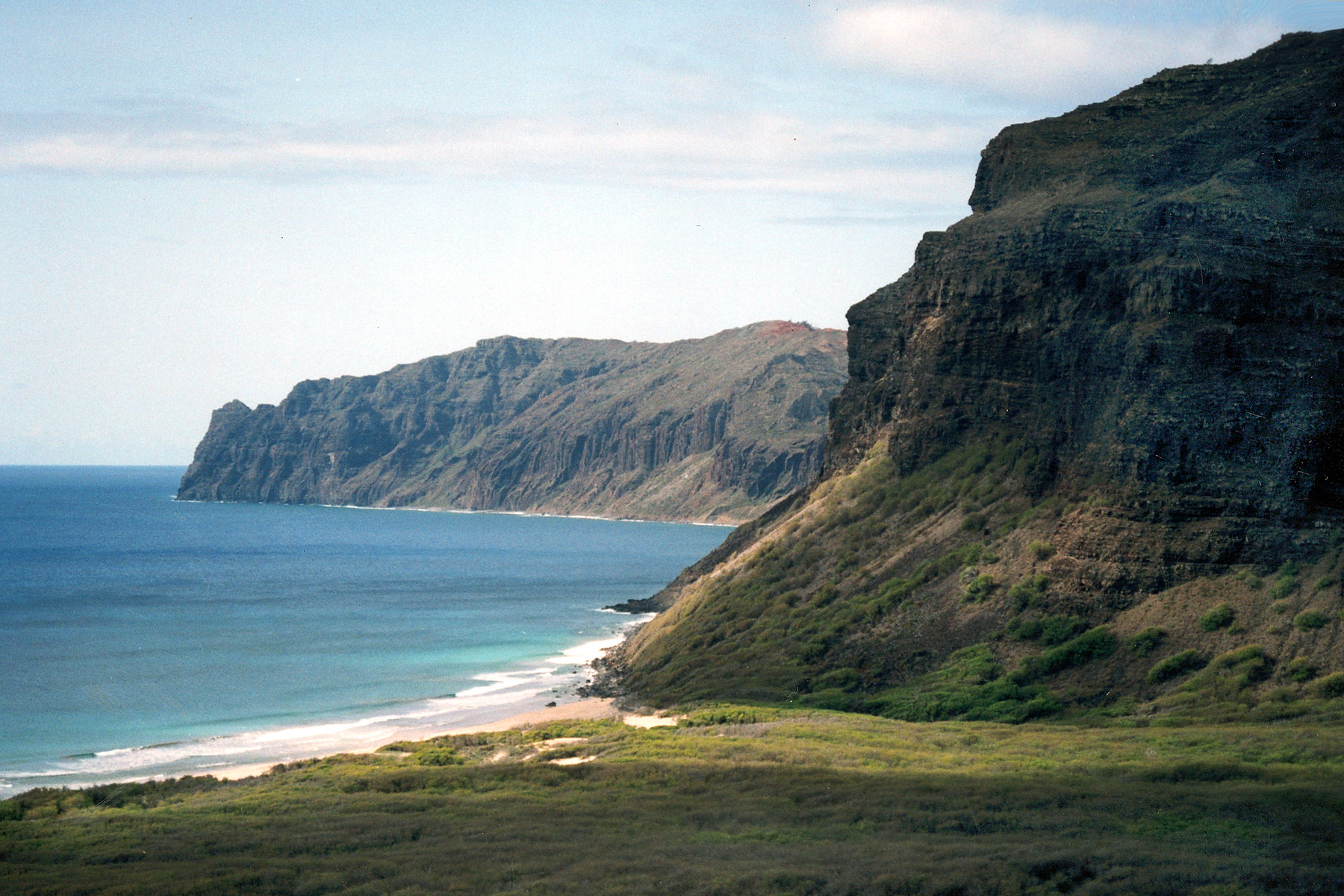
Among the Hawaiian islands is one that tourists cannot visit: Niihau, known as “The Forbidden Isle.” Privately owned by the same family since it was purchased from the Hawaiian kingdom in the 19th century, the island has been deliberately kept isolated from the outside world for generations.
The owners have restricted access to protect the small native Hawaiian community that lives there, preserving a traditional way of life and the Hawaiian language, as well as the island’s rare wildlife. Only the owning family, their invited guests, residents, and certain military personnel may set foot on Niihau. It is a forbidden island born not of danger but of a deliberate effort to shield a community and culture from outside influence.
Bouvet Island, South Atlantic
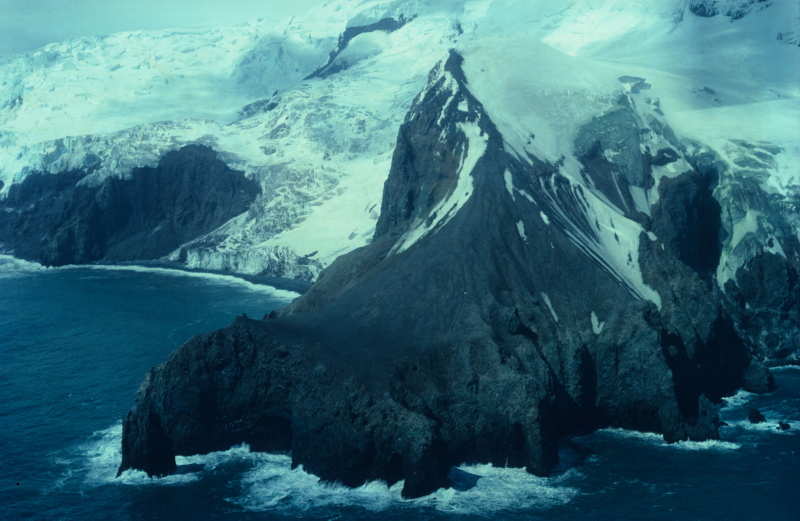
If sheer remoteness defines a forbidden place, few rival Bouvet Island, often cited as the most isolated island on Earth. Marooned in the frigid South Atlantic, hundreds of miles from any other land, this uninhabited, ice-covered speck is almost impossibly difficult to reach.
Bouvet is not forbidden by a single law so much as by nature itself: brutal weather, towering ice, and a near-total lack of safe landing spots make it inaccessible to all but the most determined scientific expeditions. Protected as a nature reserve and home to seabirds and seals, it is a pristine, untouched wilderness. Bouvet represents the ultimate forbidden island, off-limits less by decree than by the raw hostility of its location.
Sacred and Restricted Places Beyond
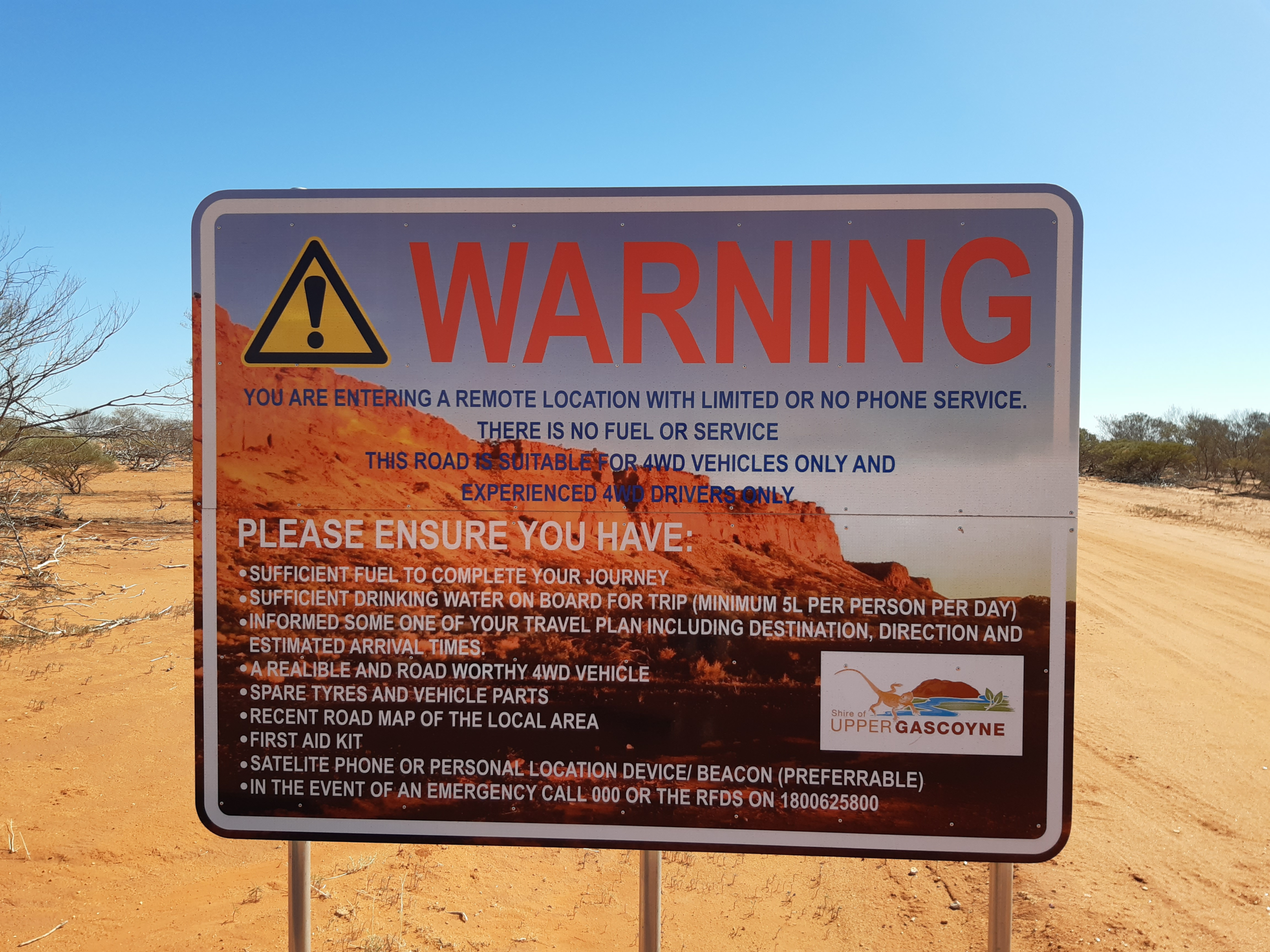
Beyond these famous examples, the world holds other islands and places off-limits for sacred, cultural, or security reasons. Some religious sites permit entry only to a select few; some military zones are closed entirely; some indigenous lands are rightly protected from outside intrusion. The reasons vary, but the principle is the same: not everywhere is meant for visitors.
These forbidden places challenge the modern assumption that anywhere can be visited with enough money and determination. They remind us that some boundaries exist for good reasons, to protect vulnerable people, fragile ecosystems, or genuine dangers, and that respecting them is a matter of basic decency and safety.
Ramree and Other Islands of Dark Repute
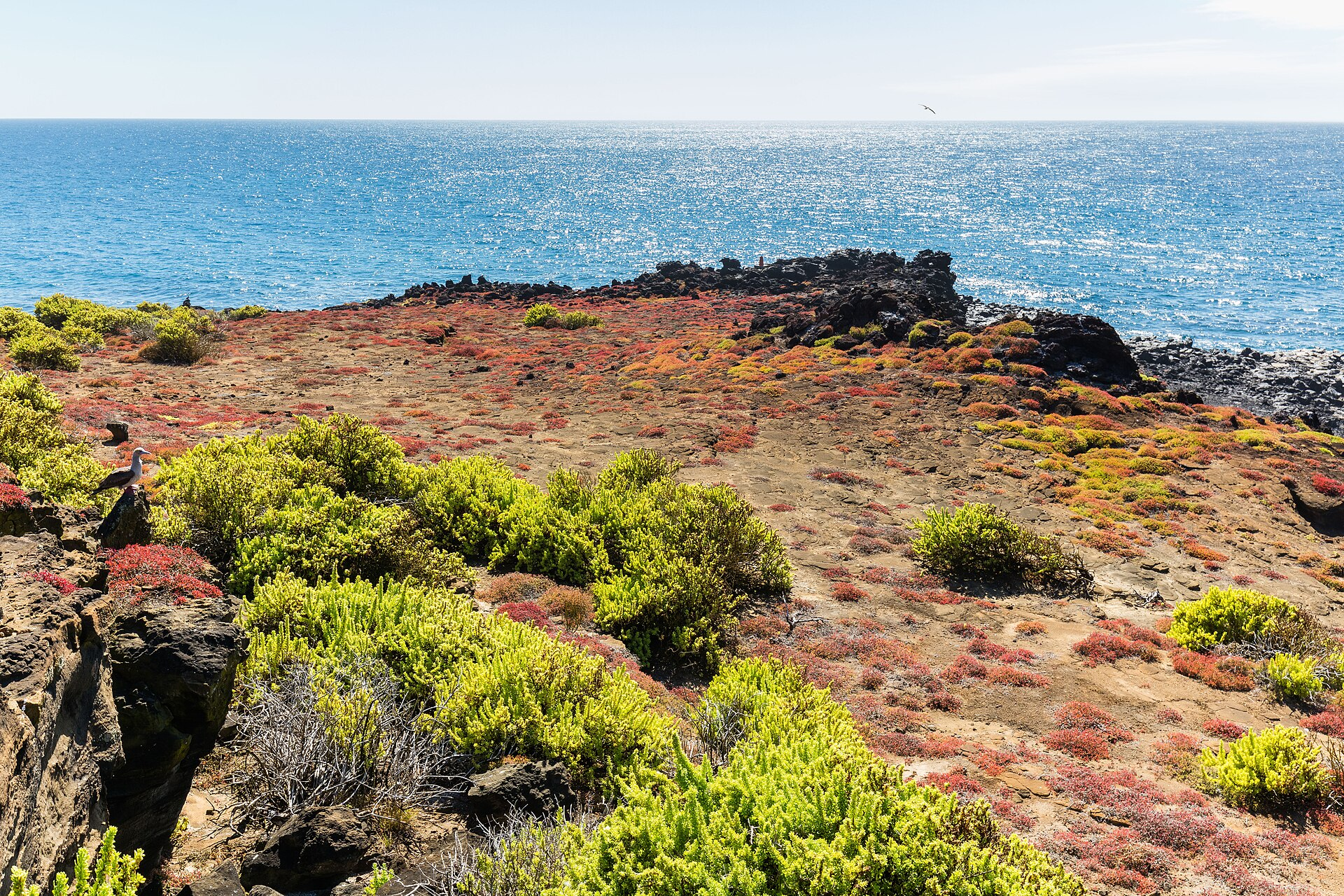
Beyond the most famous examples, the world holds other islands whose forbidding reputations are tied to history, danger, or legend. Some islands carry stories of wartime peril, treacherous wildlife, or natural hazards so severe that few would willingly set foot on them even when no law forbids it. Their reputations alone are enough to keep visitors away.
These places blur the line between forbidden and simply unwise to visit. An island need not have an official exclusion zone to be effectively off-limits; sometimes the dangers, whether predators, terrain, disease, or grim history, do the work of any law. They add to the broader sense that the world still contains genuinely hostile and inaccessible corners, places that resist human presence by their very nature. For armchair travelers, these islands of dark repute are endlessly fascinating precisely because they represent the opposite of the welcoming destination, corners of the map where humans are not meant to go.
Why Forbidden Islands Fascinate Us
There is something deeply compelling about a place you cannot go. In a world that can feel thoroughly mapped, photographed, and accessible, forbidden islands retain an aura of genuine mystery, the appeal of the truly off-limits. They spark our imagination precisely because they are sealed away, whether by venomous snakes, deadly history, scientific value, or the wishes of the people who call them home.
But the most important lesson these islands teach is one of respect. The bans that protect the Sentinelese, the quarantines that guard against old contamination, the reserves that preserve untouched nature, these exist for serious reasons, and the consequences of ignoring them can be deadly or destructive. The forbidden islands of the world are best appreciated from a respectful distance, as reminders that some places are simply not ours to enter, and that the mystery is part of what makes them remarkable. The wisest travelers know which doors are meant to stay closed.
Like our content? Follow us for more.

