Not all American summers are created equal. While some cities enjoy warm, pleasant months perfect for the outdoors, others descend into a season of brutal heat, oppressive humidity, or both, the kind of weather that keeps residents indoors, drives up air-conditioning bills, and tests anyone’s patience. Whether it is dry desert heat that bakes everything in sight or thick, swampy humidity that makes the air feel like soup, these cities endure summers that range from challenging to nearly unbearable. Here is a countdown of the American cities where summer is hardest to survive, and the particular brand of misery each one delivers. None of this is a knock on these cities, many of which are wonderful the rest of the year.
Phoenix, Arizona
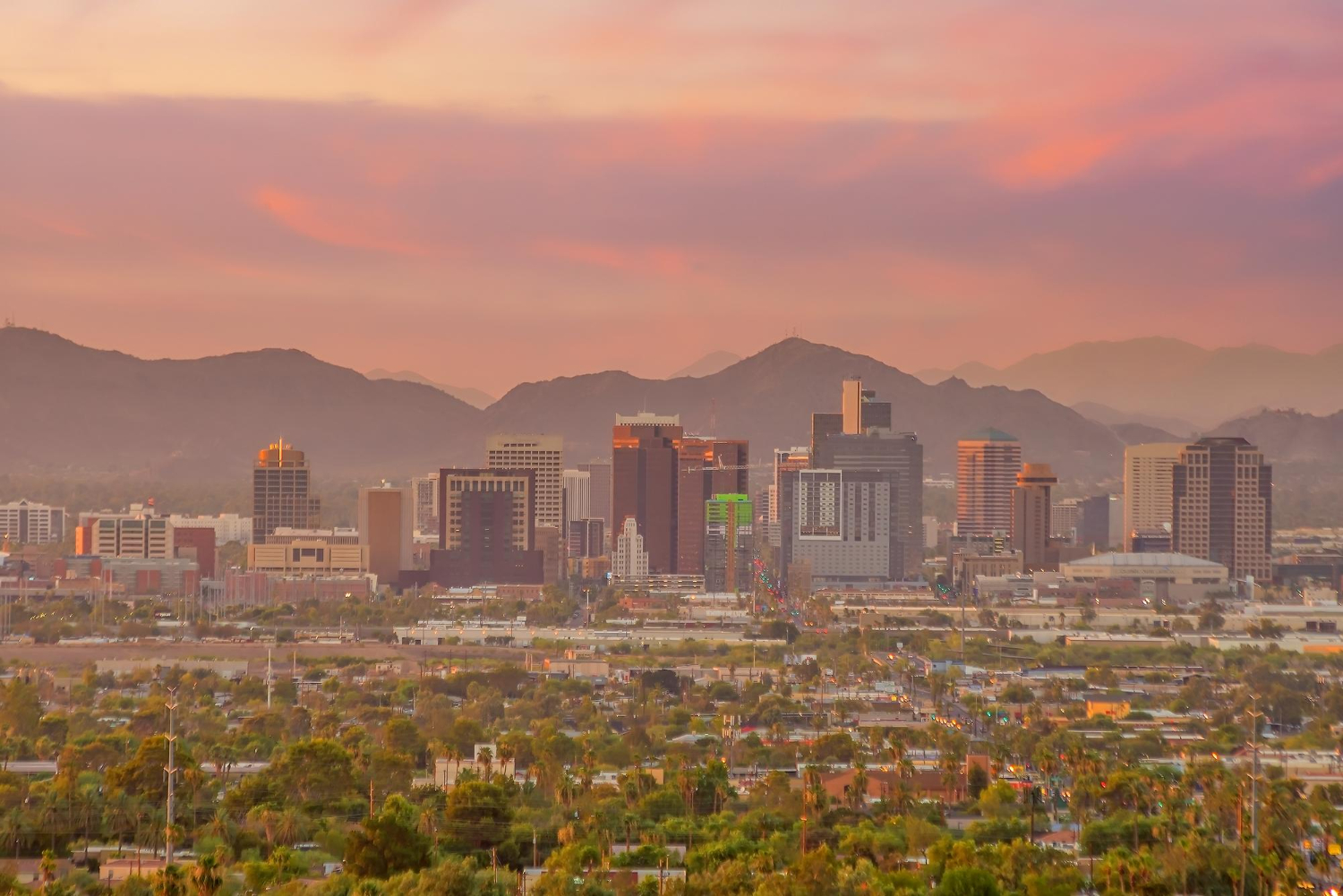
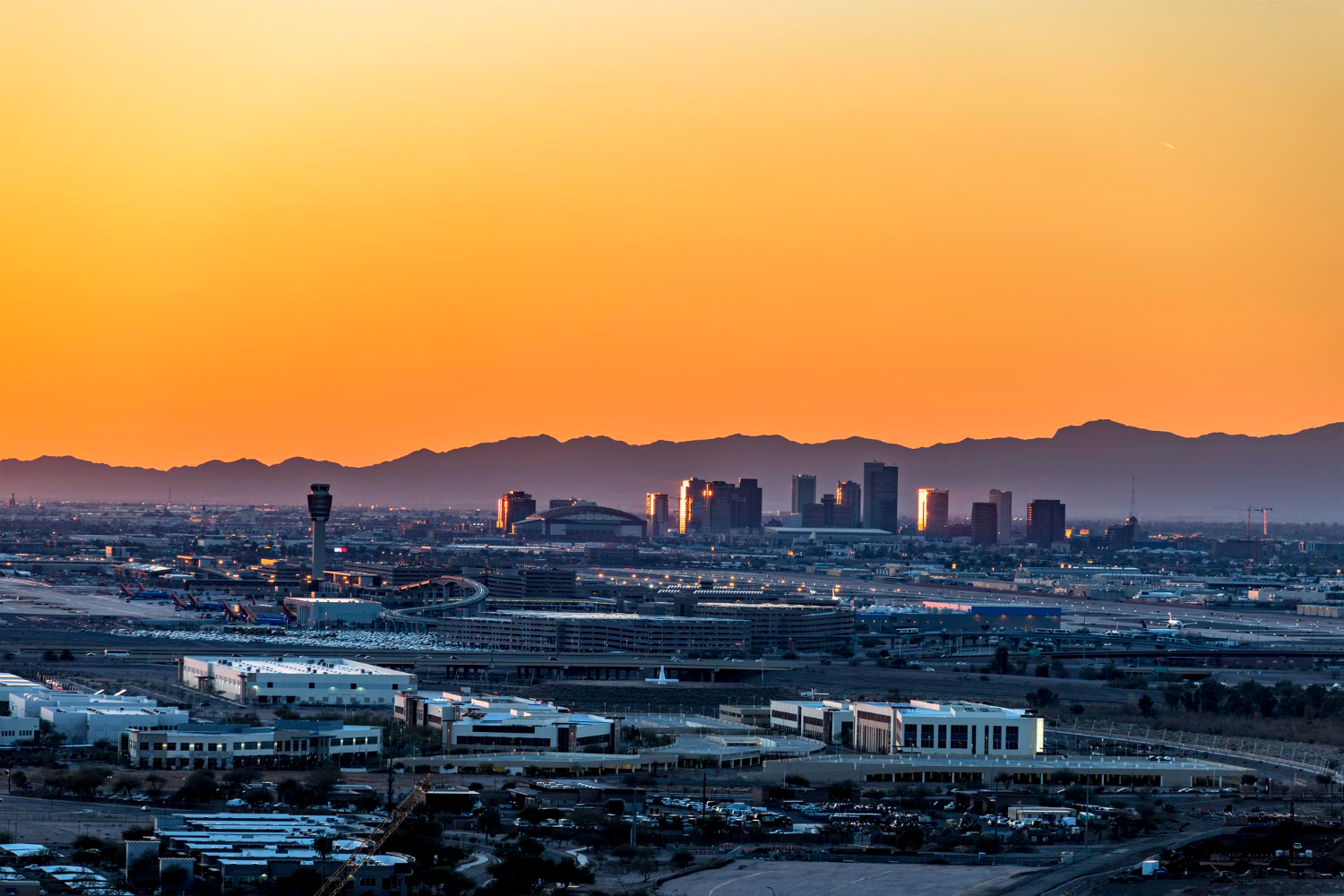
No list of brutal American summers is complete without Phoenix, the poster child for extreme desert heat. The Arizona capital routinely endures long stretches of temperatures well above 100 degrees, with the mercury sometimes climbing far higher during the worst of the season.
What makes Phoenix especially punishing is the relentlessness and the nighttime heat: the desert can stay dangerously warm even after dark, offering little relief. The dry heat is sometimes described as more bearable than humidity, but at extreme temperatures, that distinction means little. Phoenix summers are a genuine public-health concern, and life largely retreats indoors to air conditioning for months.
Like our content? Follow us for more.
Las Vegas, Nevada
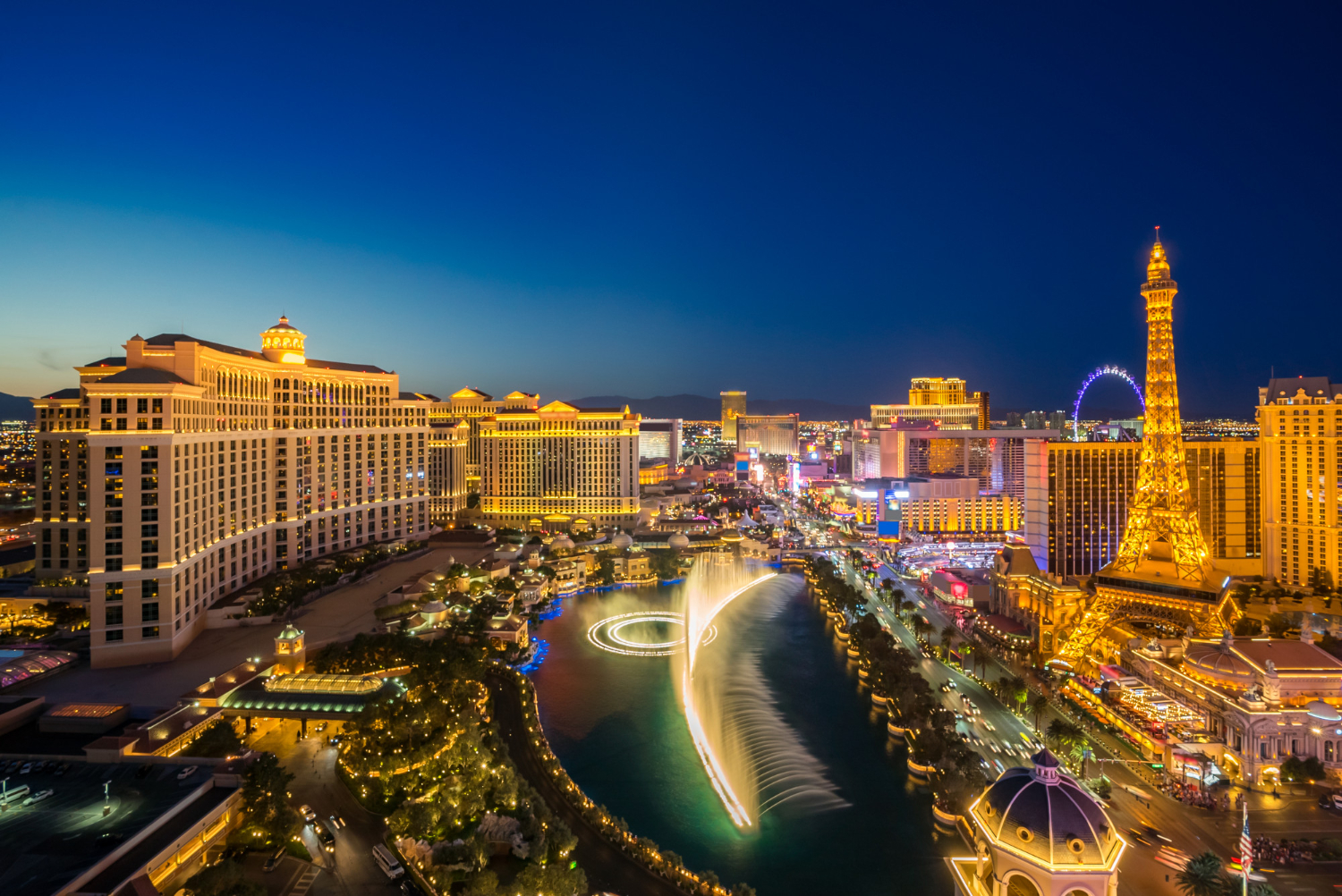
Like Phoenix, Las Vegas bakes under intense desert sun, with summer temperatures regularly soaring past 100 degrees. The city’s setting in the Mojave Desert guarantees long, brutally hot summers that can make daytime activity outdoors genuinely hazardous.
Visitors drawn to the famous Strip quickly learn to move from one air-conditioned space to the next, and even the desert nights offer limited cooling. The combination of extreme heat and a desert environment with little natural shade makes a Las Vegas summer a serious endurance challenge. The city runs on air conditioning from late spring well into fall.
Yuma and the Arizona Desert
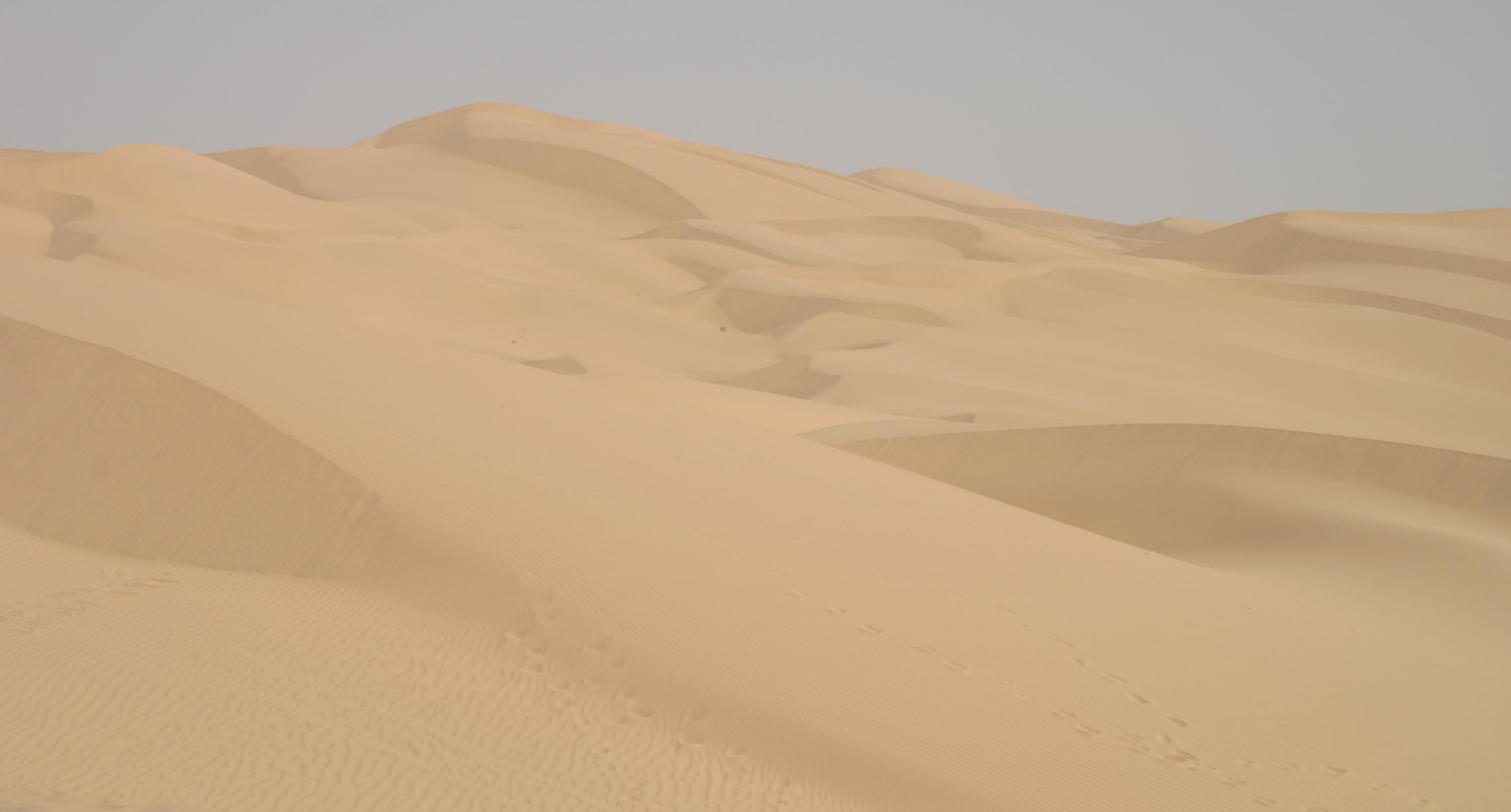
Often cited among the hottest and sunniest places in the country, Yuma, Arizona, and the surrounding desert experience some of the most extreme summer heat anywhere in the United States. The relentless sunshine that makes the region famous becomes a liability when summer arrives in full force.
With sky-high temperatures and abundant sun, the deep Arizona desert in summer is a place where the heat dominates everything. The region’s small communities adapt with the rhythms of desert life, but for the unaccustomed, the intensity of the summer sun and heat is genuinely overwhelming. It is among the most extreme summer climates the country has to offer.
Houston, Texas
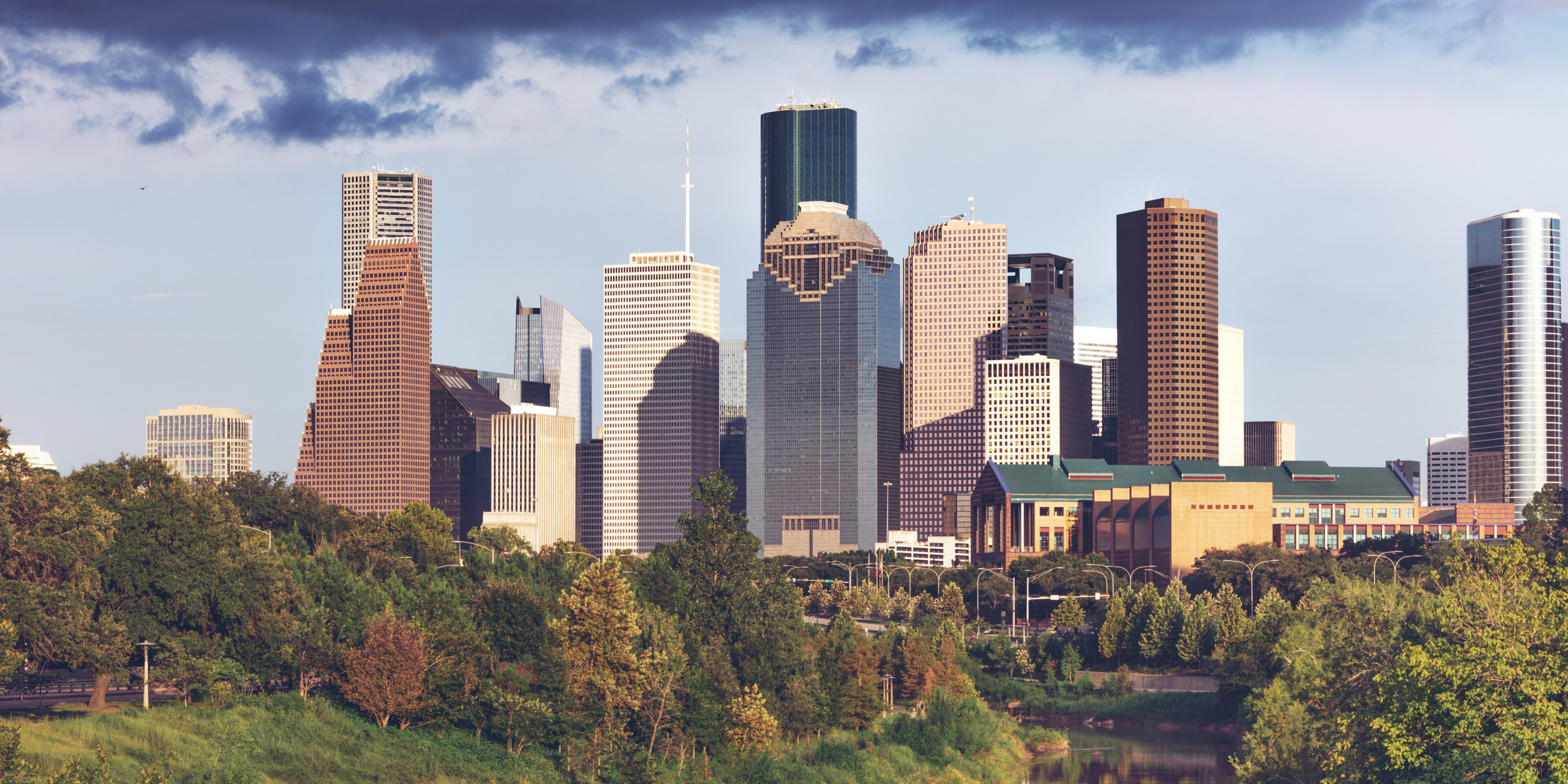
Houston brings a different kind of misery: heat combined with intense humidity. Thanks to its proximity to the Gulf, the city endures long summers of high temperatures made far worse by thick, sticky air that leaves residents drenched the moment they step outside.
The combination pushes the “feels-like” temperature to oppressive levels and makes any outdoor activity a sweaty ordeal. Houston’s summers are long, and the humidity rarely relents, even at night. For many residents, the season is something to be endured indoors, with air conditioning running constantly to combat the relentless mugginess. It is heat and humidity at their most punishing.
New Orleans, Louisiana
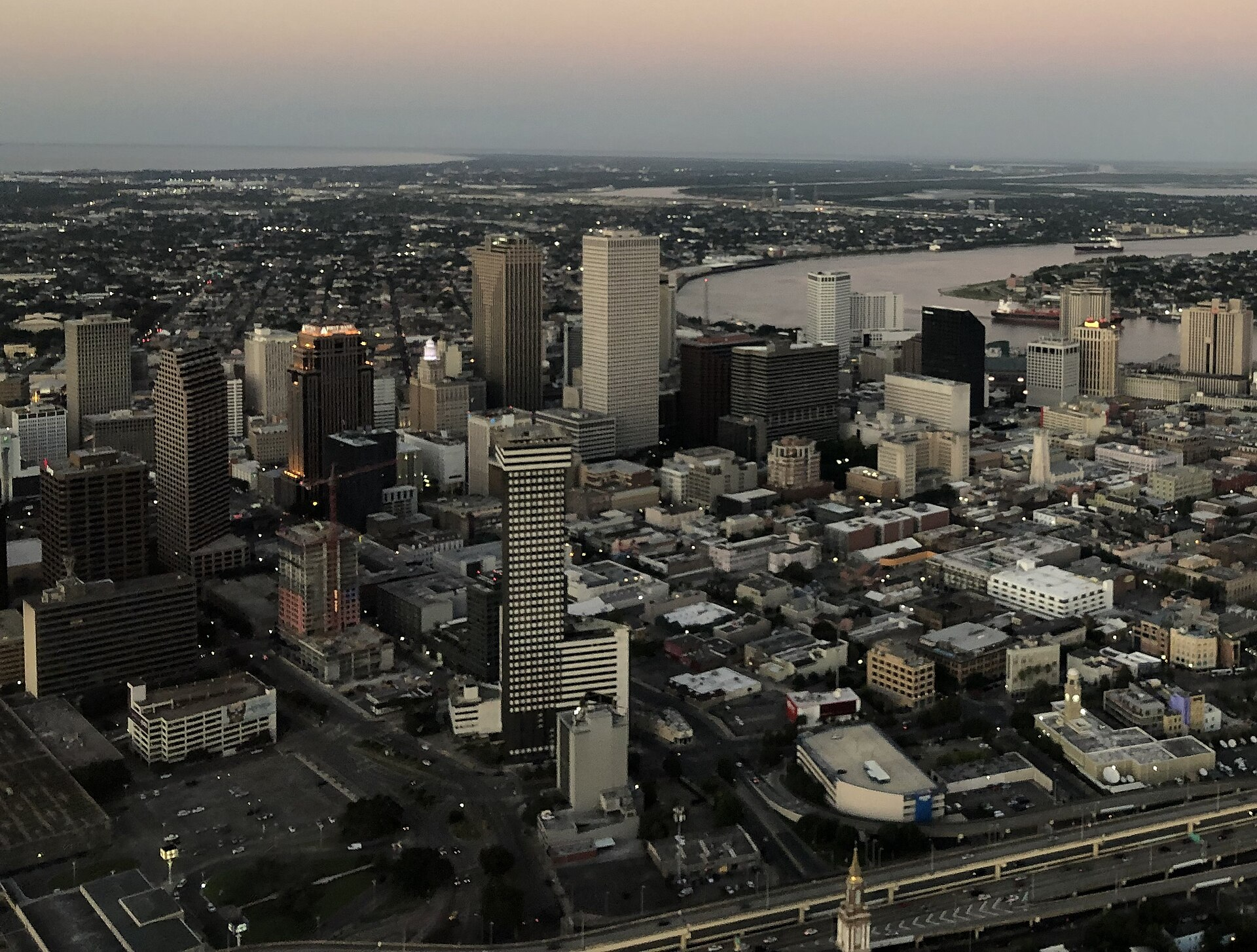
New Orleans summers are legendary for their humidity. The low-lying, subtropical city sits in air so thick and warm that residents and visitors alike describe the sensation of moving through it as almost physical. Combined with high temperatures, the humidity makes for genuinely draining conditions.
The city’s lively culture carries on through the heat, but the summer months test everyone. The thick air, frequent afternoon storms, and lack of relief even in the evening combine to make a New Orleans summer one of the most humid experiences in the country. Air conditioning is not a luxury here; it is survival equipment.
Miami and South Florida
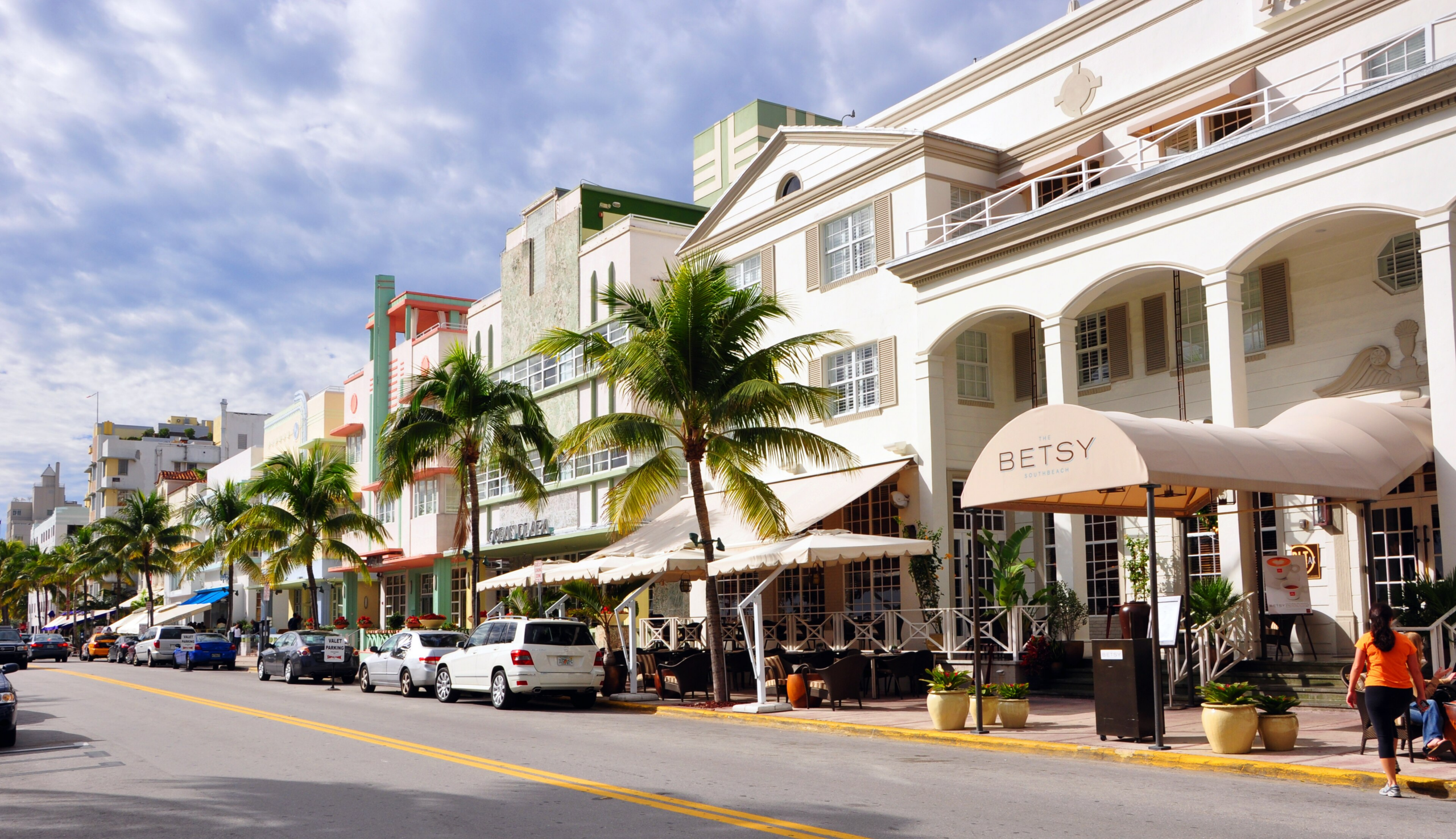
South Florida, including Miami, delivers a summer of intense heat, extreme humidity, and frequent storms. While the region’s beaches and ocean breezes offer some respite, the months-long stretch of hot, sticky weather and the threat of tropical systems make summer a demanding season.
The humidity is the defining feature, hanging heavy in the air from morning to night and making the heat feel far more intense than the thermometer suggests. Combined with the region’s notorious afternoon thunderstorms and the broader hurricane season, a South Florida summer is a tropical endurance test, beautiful but genuinely taxing for months on end.
The Humid Heart of the South
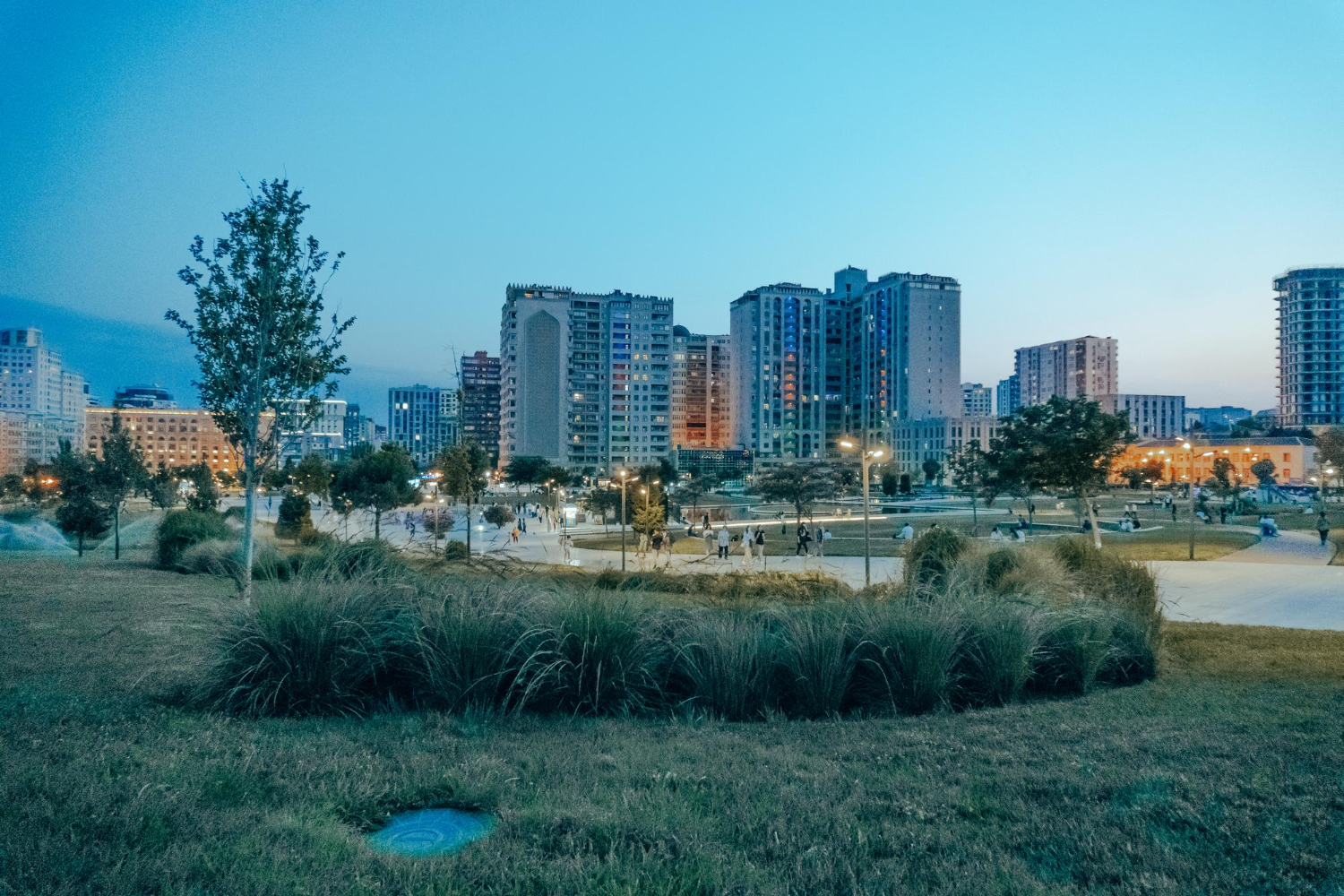
Across much of the Deep South, from parts of Texas through the Gulf states and beyond, summer means a punishing combination of heat and humidity. Cities throughout the region endure months where stepping outside means immediate sweat, and the air feels heavy enough to lean on.
This broad swath of the country shares a summer character defined by mugginess that lingers day and night. The combination of high temperatures and saturating humidity makes the Southern summer one of the most consistently uncomfortable in America, a season residents push through with air conditioning, iced drinks, and the knowledge that relief is months away.
Dry Heat Versus Humidity: Which Is Worse?
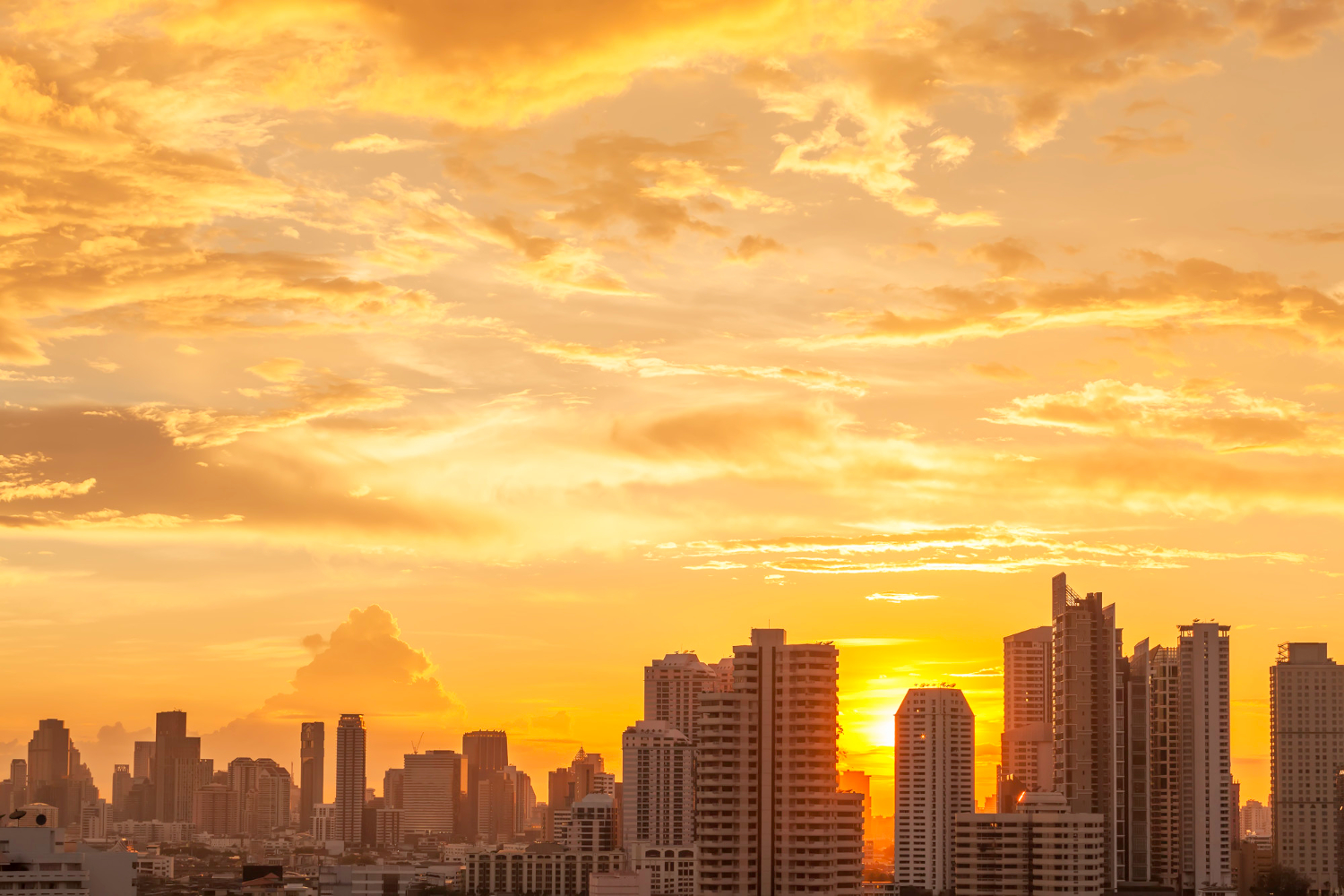
One of the great debates among sufferers of brutal summers is whether dry desert heat or sticky humidity is more unbearable, and there are passionate advocates on both sides. Defenders of the desert argue that “it’s a dry heat,” meaning sweat evaporates and cools the body, even when temperatures soar past 100 degrees. Humidity sufferers counter that thick, moist air prevents that cooling entirely, making lower temperatures feel far worse.
The truth is that both extremes are genuinely dangerous, just in different ways. Dry heat can sneak up on people, because the lack of obvious sweat masks how much fluid the body is losing, raising the risk of dehydration. Humid heat overwhelms the body’s natural cooling system, pushing the heat index to dangerous levels. Whichever a city specializes in, the practical advice is the same: respect the conditions, stay hydrated, and seek cooling. The dry-versus-humid debate may never be settled, but residents of both kinds of city share a hard-won understanding of just how punishing an American summer can be.
How to Survive a Brutal Summer Anywhere

Wherever you live or visit, extreme summer heat is more than uncomfortable; it can be genuinely dangerous, and it deserves respect. The most important habits are simple and universal: stay hydrated, limit time outdoors during the hottest part of the day, seek air-conditioned or shaded spaces, and check on vulnerable neighbors, the elderly, the very young, and anyone without reliable cooling.
It is also worth remembering that these cities are wonderful places with much to offer; the brutal summer is just one season, and locals develop their own rhythms to manage it, becoming active in the cooler mornings and evenings and embracing indoor life during the worst heat. For visitors, timing a trip for spring or fall often means experiencing these destinations at their best. And as summers trend hotter in many places, taking heat seriously, wherever you are, has never been more important. A great summer is one you enjoy safely, with plenty of water and a healthy respect for the sun.
Like our content? Follow us for more.