

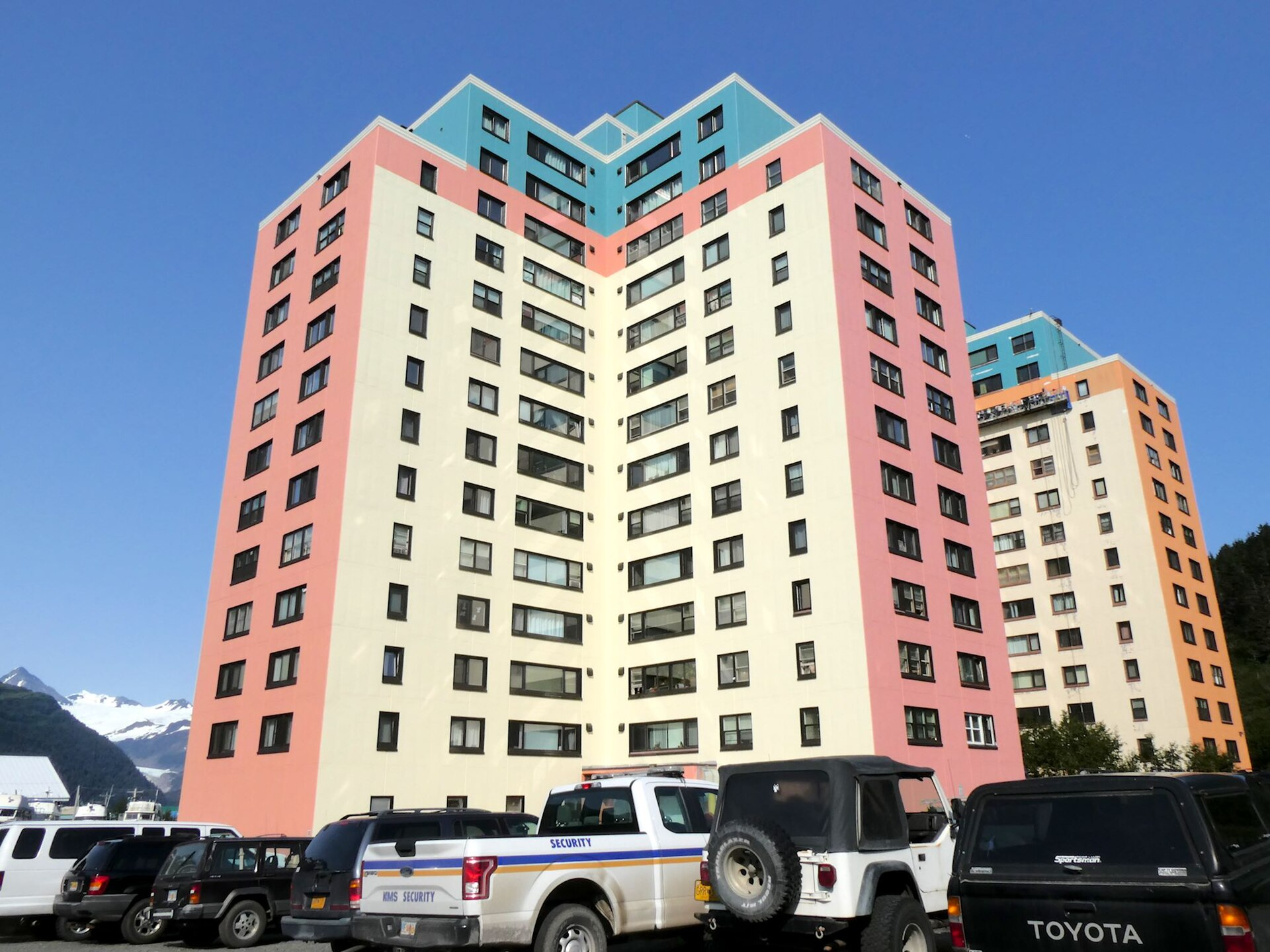
Imagine a town where almost everyone you know lives in your building, where you can visit the doctor, mail a letter, buy groceries, attend church, and send your kids to school without ever going outside, even in the dead of an Alaskan winter. This is not a thought experiment but the everyday reality of Whittier, Alaska, one of the strangest and most fascinating communities in the United States. Nearly the entire population lives inside a single 14-story building, a former military barracks that functions as a self-contained town. Here is the story of how this extraordinary place came to be, and what life is like for the people who call one building home.
A Town Inside a Single Building
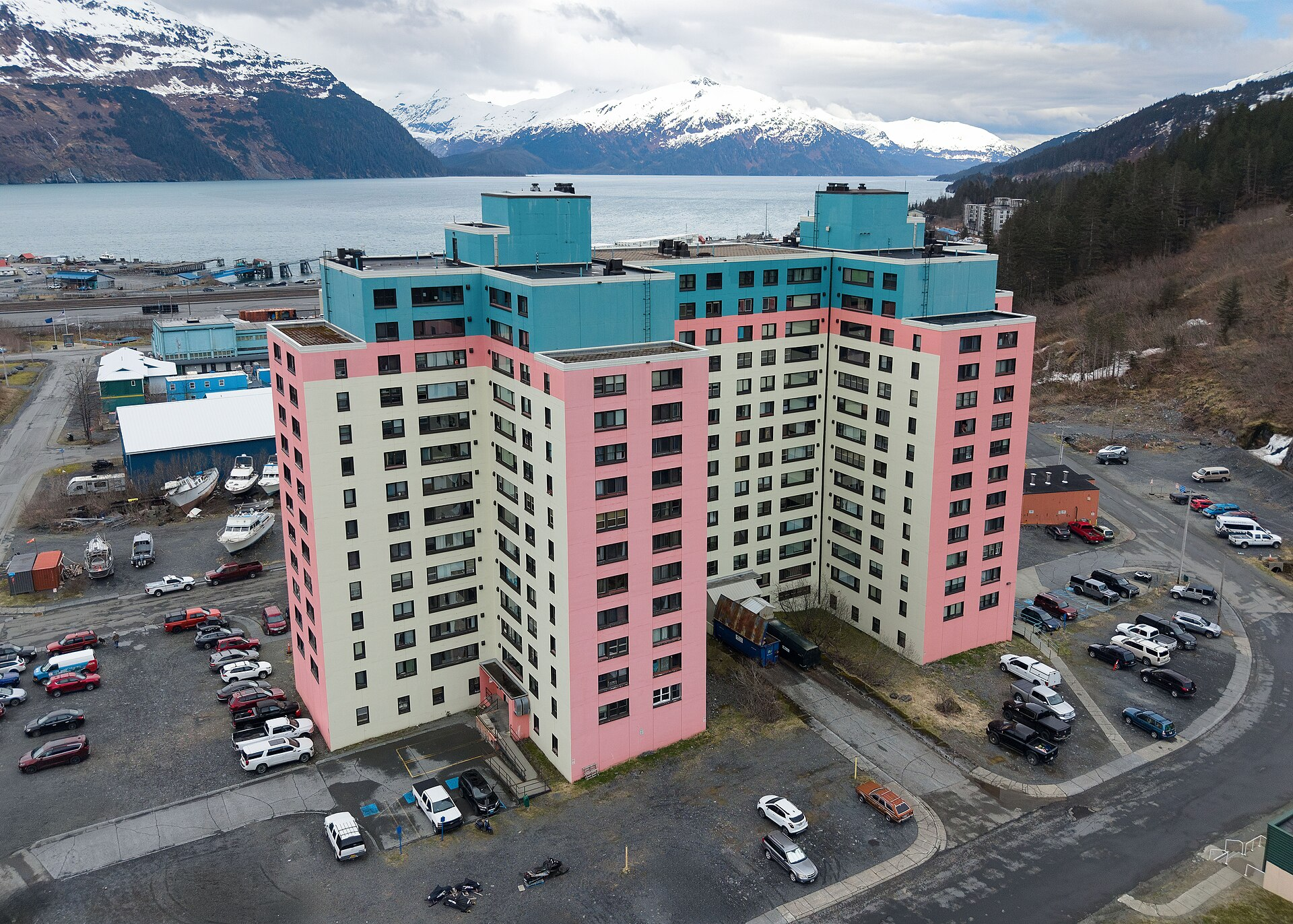
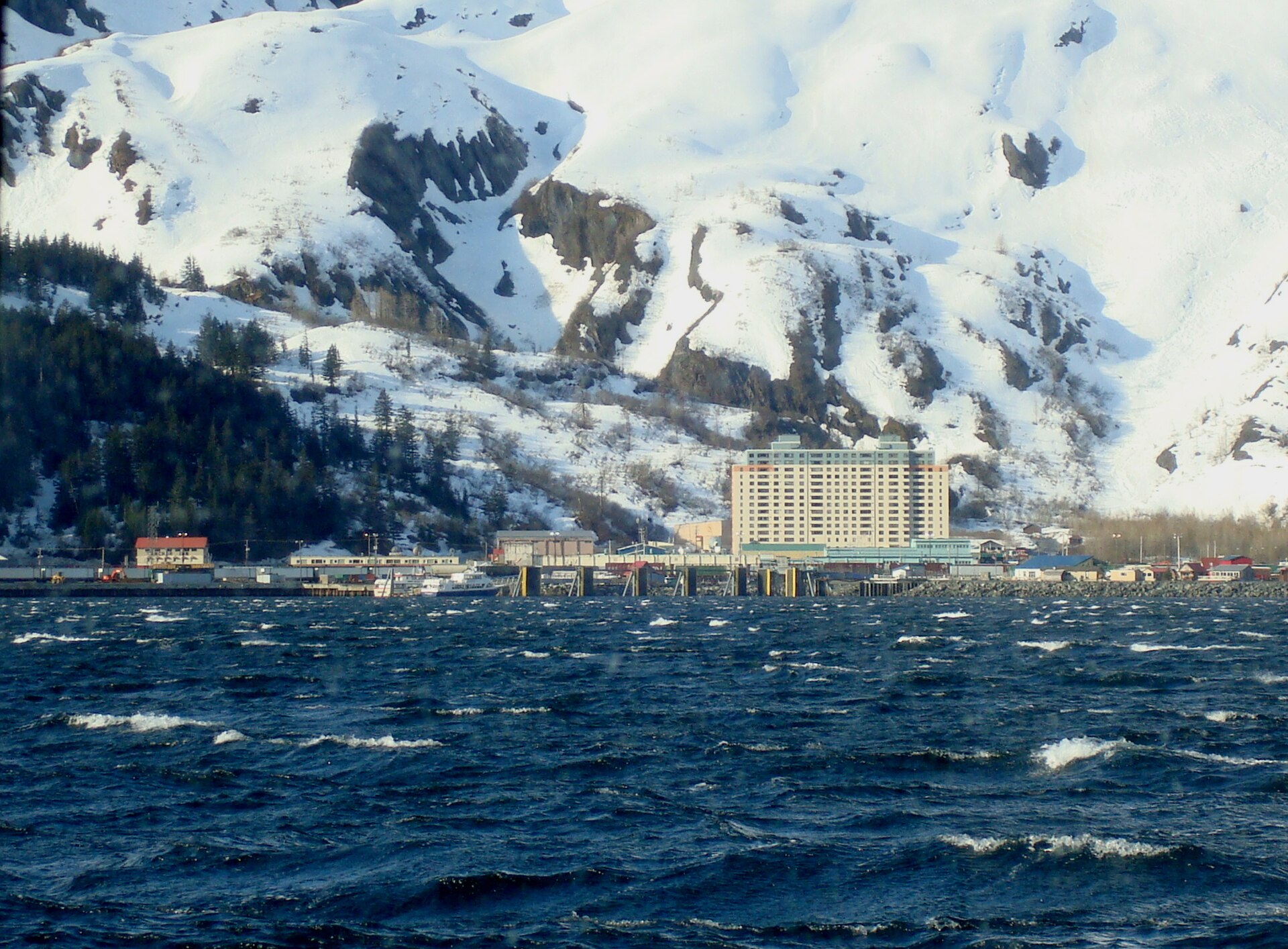
Whittier’s defining feature is almost too strange to believe: the vast majority of its roughly 270 year-round residents live in one structure, a 14-story high-rise called Begich Towers. The building is, in effect, the town. Inside its walls are not just apartments but a post office, a grocery store, a health clinic, a police station, a church, a laundromat, a bed and breakfast, and the city offices.
Residents can attend to nearly all of daily life without ever stepping outdoors, an enormous advantage given Whittier’s punishing climate. A person could, in theory, go for long stretches, even through the worst of winter, scarcely leaving the building at all. The arrangement gives Whittier its famous nickname, the “town under one roof,” and makes it unlike any other community in America. Locals simply call it “the Building.”
Like our content? Follow us for more.
Built for the Cold War
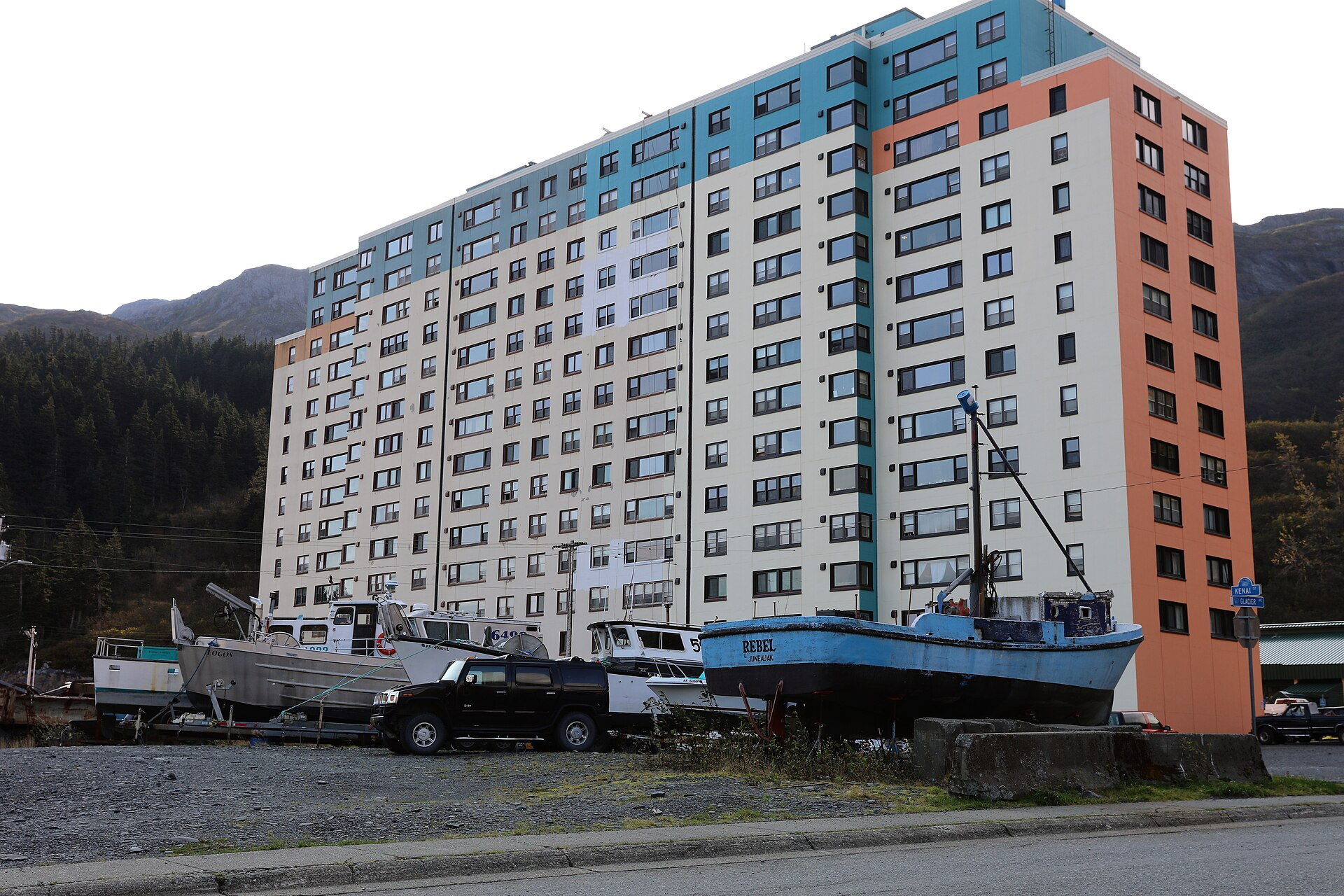
The towering building at the heart of Whittier was not designed as a quirky experiment but as a piece of military infrastructure. During the mid-20th century, the U.S. Army developed Whittier as a strategic port, valued for its deep, ice-free harbor and the natural concealment provided by the surrounding mountains and frequent cloud cover, an asset during the tense years of the Cold War given Alaska’s proximity to Russia.
To house military personnel and their families in this remote, hostile environment, the Army constructed large apartment buildings, including the structure now known as Begich Towers. When the military eventually departed, the population dwindled, and the remaining residents consolidated into the building rather than spreading out across the harsh landscape. What began as practical military housing became the foundation of the strangest town in America.
A Climate That Demands Shelter
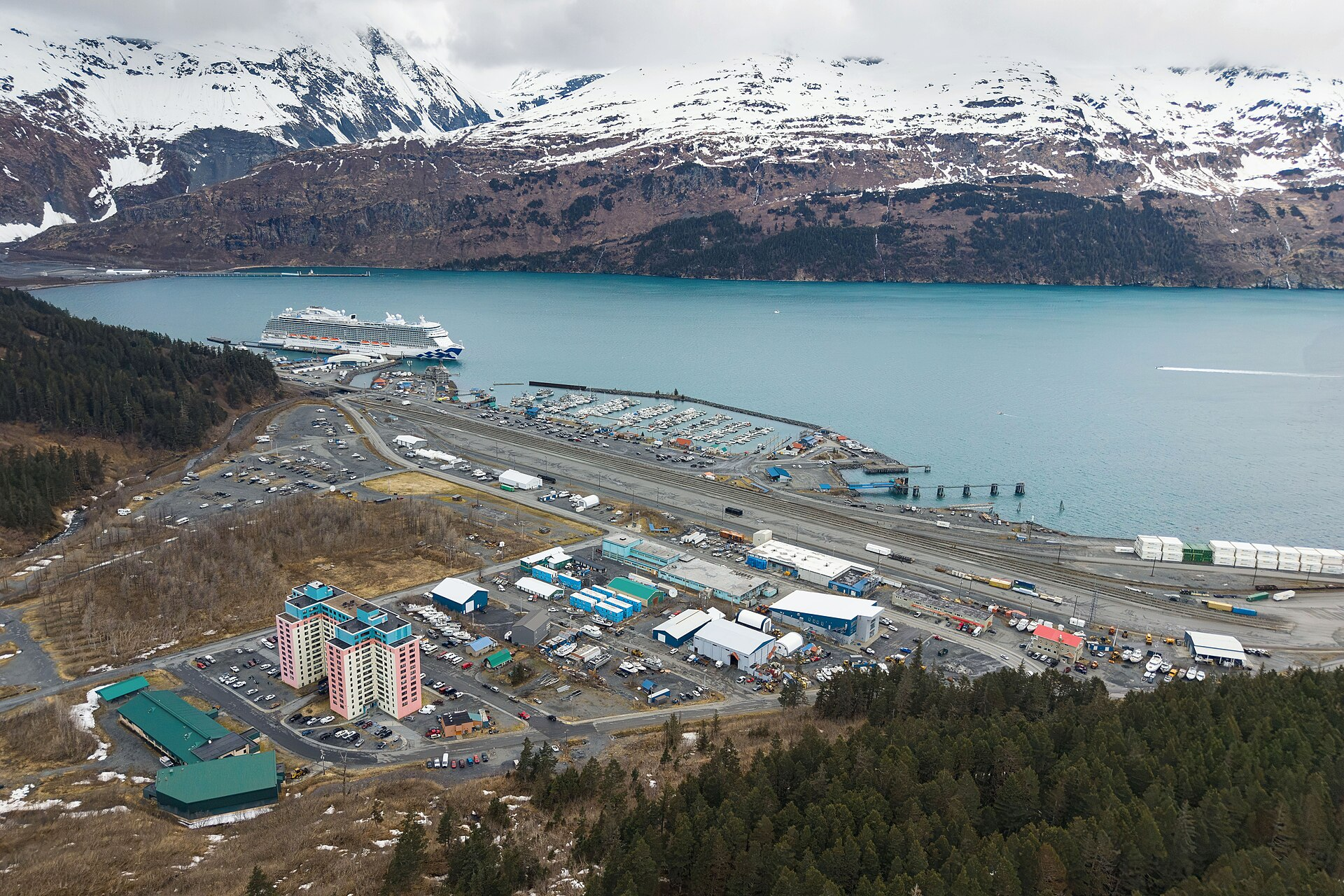
Whittier’s all-under-one-roof arrangement is not just a curiosity; it is a sensible response to one of the harshest inhabited climates in the country. The town sits at the edge of a fjord, hemmed in by steep mountains and glaciers, and endures ferocious weather: heavy snowfall, powerful winds, and so much rain that it ranks among the wettest places in the United States.
In such conditions, the appeal of a building where you can access everything you need without braving the elements becomes obvious. The consolidation into Begich Towers, and the network of tunnels connecting it to the few other key buildings, allows residents to weather the brutal winters in relative comfort. The extreme environment is the practical reason the town functions the way it does, turning an unusual living arrangement into a logical adaptation.
The Tunnel That Connects Whittier to the World
Getting to Whittier is nearly as remarkable as living there. For much of its history the town was accessible only by sea or rail, profoundly isolated from the rest of Alaska. Today, the main land route is through a single, narrow tunnel, the Anton Anderson Memorial Tunnel, which burrows roughly two and a half miles through a mountain.
The tunnel is extraordinary in its own right: it is shared between cars and trains, runs only one direction at a time on a timed schedule, and closes entirely overnight. This means that for part of every day, the town is effectively sealed off, and residents must plan their comings and goings around the tunnel’s hours. The single, one-way, time-restricted tunnel reinforces Whittier’s profound sense of isolation and is part of what makes the community so unusual.
Daily Life Under One Roof
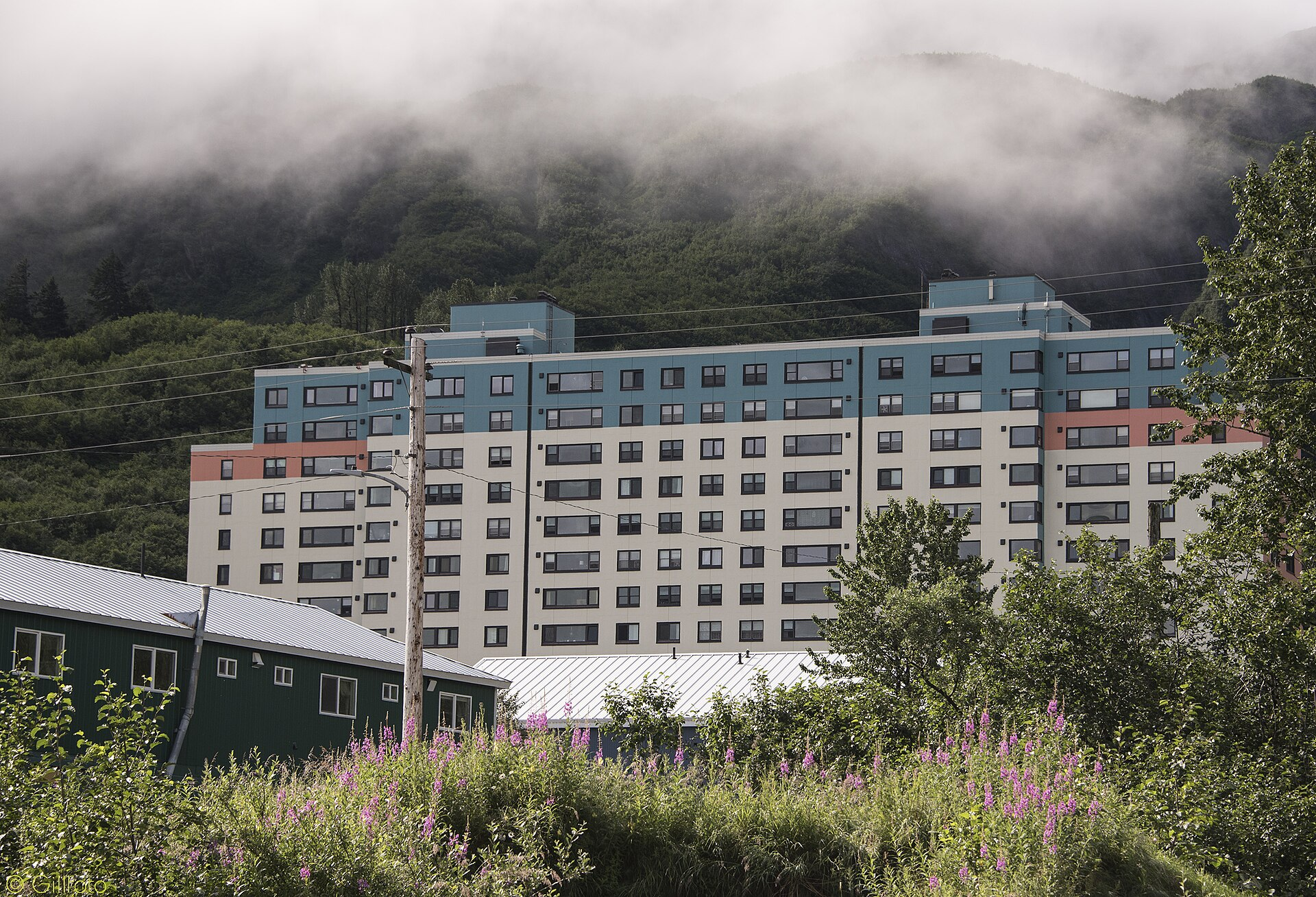
Life in Begich Towers is a study in extreme proximity. Neighbors share not just a town but a single building, creating a community that is intensely close-knit, for better and worse. Everyone knows everyone, children roam the hallways and tunnels, and the building’s shared spaces serve as the town’s social hubs. The school is reachable through a tunnel so students never have to face the weather.
This closeness fosters a tight community bond born of shared isolation and reliance on one another. As one longtime resident put it, the town magnifies what people are about, and while not everyone gets along, neighbors help each other through the long, dark winters. For those who thrive there, the arrangement offers a rare sense of connection and security. For others, the lack of privacy and the confinement can feel claustrophobic. It is a way of life that suits a particular kind of person.
Why People Choose to Live There
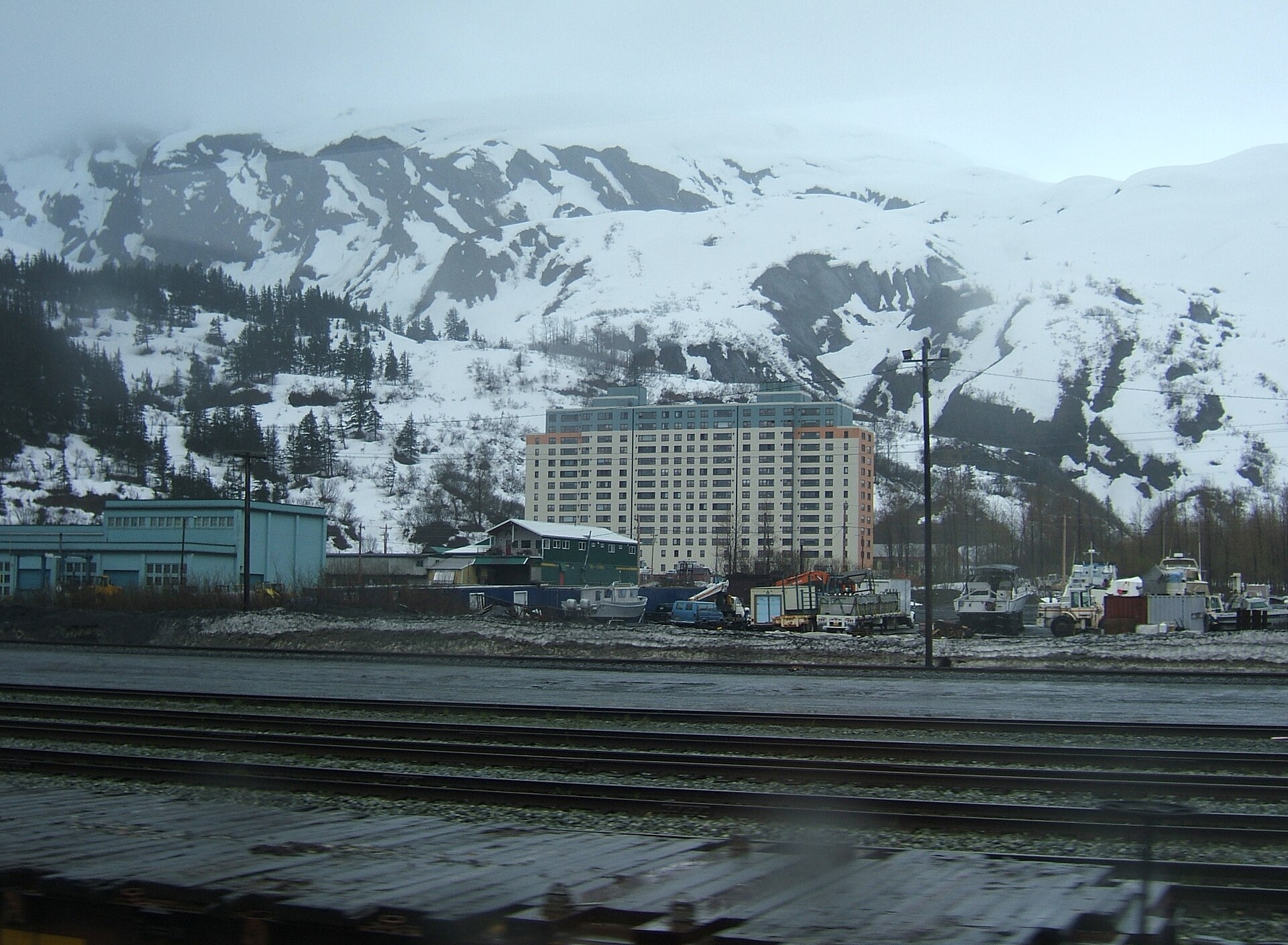
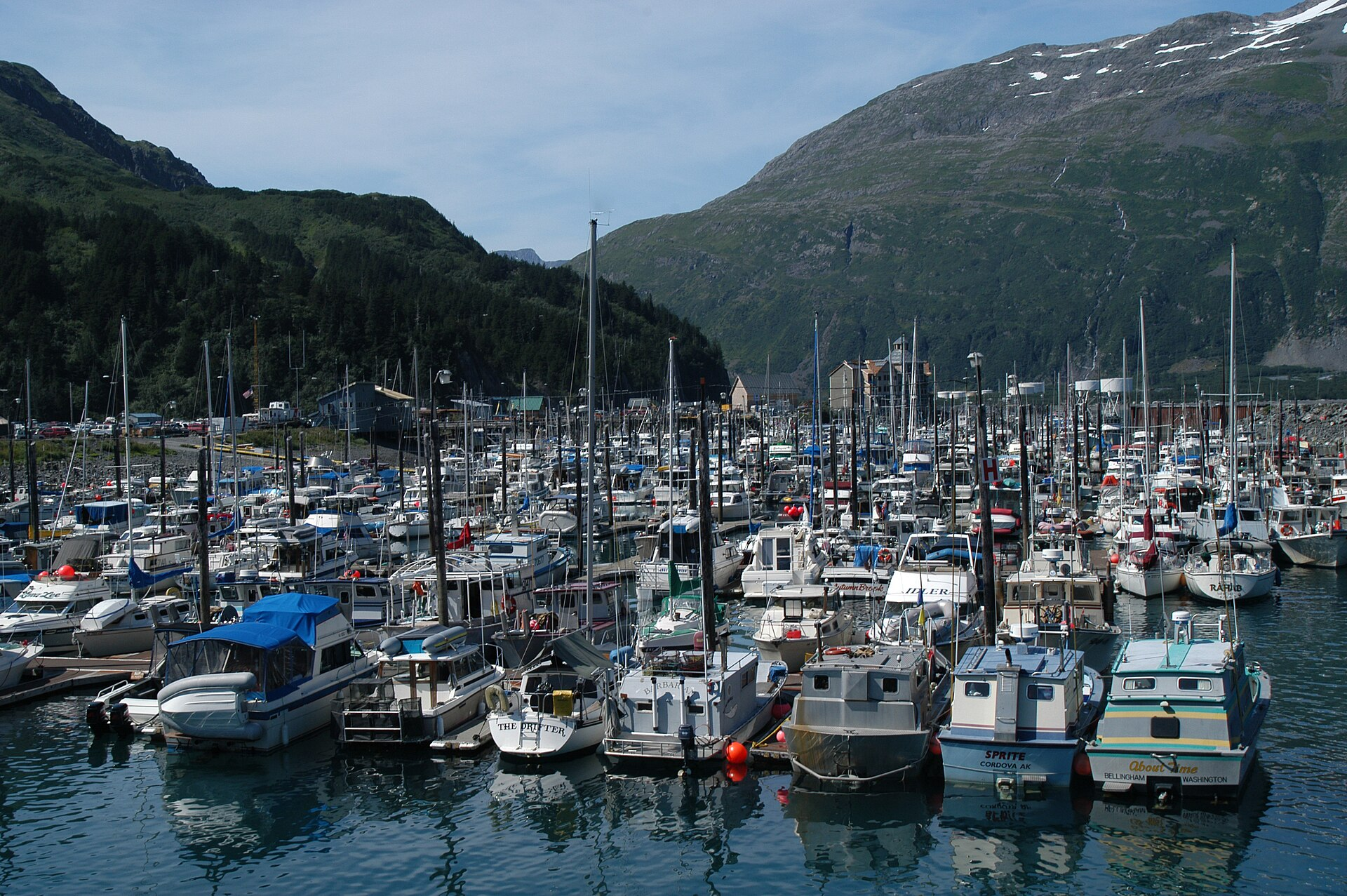
Perhaps the most intriguing question about Whittier is why anyone chooses to live there at all. The answer, for many residents, is precisely the isolation and the solitude. Whittier attracts people drawn to its remoteness, its stunning natural setting on Prince William Sound, and a lifestyle far removed from the pace and crowds of the modern world.
Some residents are drawn by the fishing and the spectacular wilderness; others by the appeal of a small, self-contained community; still others by a deliberate rejection of big-city life. Living in “the Building” is, for many, a conscious choice to embrace a simpler, more connected, more isolated existence. The solitude that might seem like a hardship to outsiders is, for Whittier’s residents, a significant part of the appeal.
The Other Building and the Tunnels
While Begich Towers is the heart of Whittier, it is not quite the whole story. A small share of residents, around five percent, live in a second, smaller building known as Whittier Manor, another former military structure repurposed into housing. Between the two buildings, nearly the entire population is accounted for, an arrangement found almost nowhere else in America.
Connecting the key parts of town is a network of tunnels, allowing residents, and especially schoolchildren, to move between the main building and other essential structures without facing the brutal weather outside. A child in Whittier can wake up, travel to school, and return home having barely set foot outdoors, even in the depths of an Alaskan winter. These tunnels, combined with the all-in-one design of Begich Towers, complete the picture of a town engineered, almost by accident, to let its residents live their entire lives sheltered from one of the harshest climates in the country.
A Glimpse Into a Different Way of Living
Whittier has become a source of fascination far beyond Alaska, drawing documentary crews, journalists, and curious travelers eager to understand how an entire town can live under one roof. It has even been studied as a real-world model for how communities function in confined, self-contained spaces. The town’s sheer strangeness makes it irresistible to the imagination.
But beyond the novelty, Whittier offers a genuine glimpse into an alternative way of living, one shaped by extreme environment, shared space, and deliberate isolation. In an age of sprawling suburbs and digital disconnection, there is something compelling about a community where everyone truly lives together, weathering the storms as one. Whittier may be the strangest town in America, but for the people who call its single building home, it is simply where they belong, a tight-knit community of a few hundred souls, sharing one roof at the wild edge of Alaska. It stands as a reminder that there is more than one way to build a town, and more than one way to call a place home.
Like our content? Follow us for more.
