

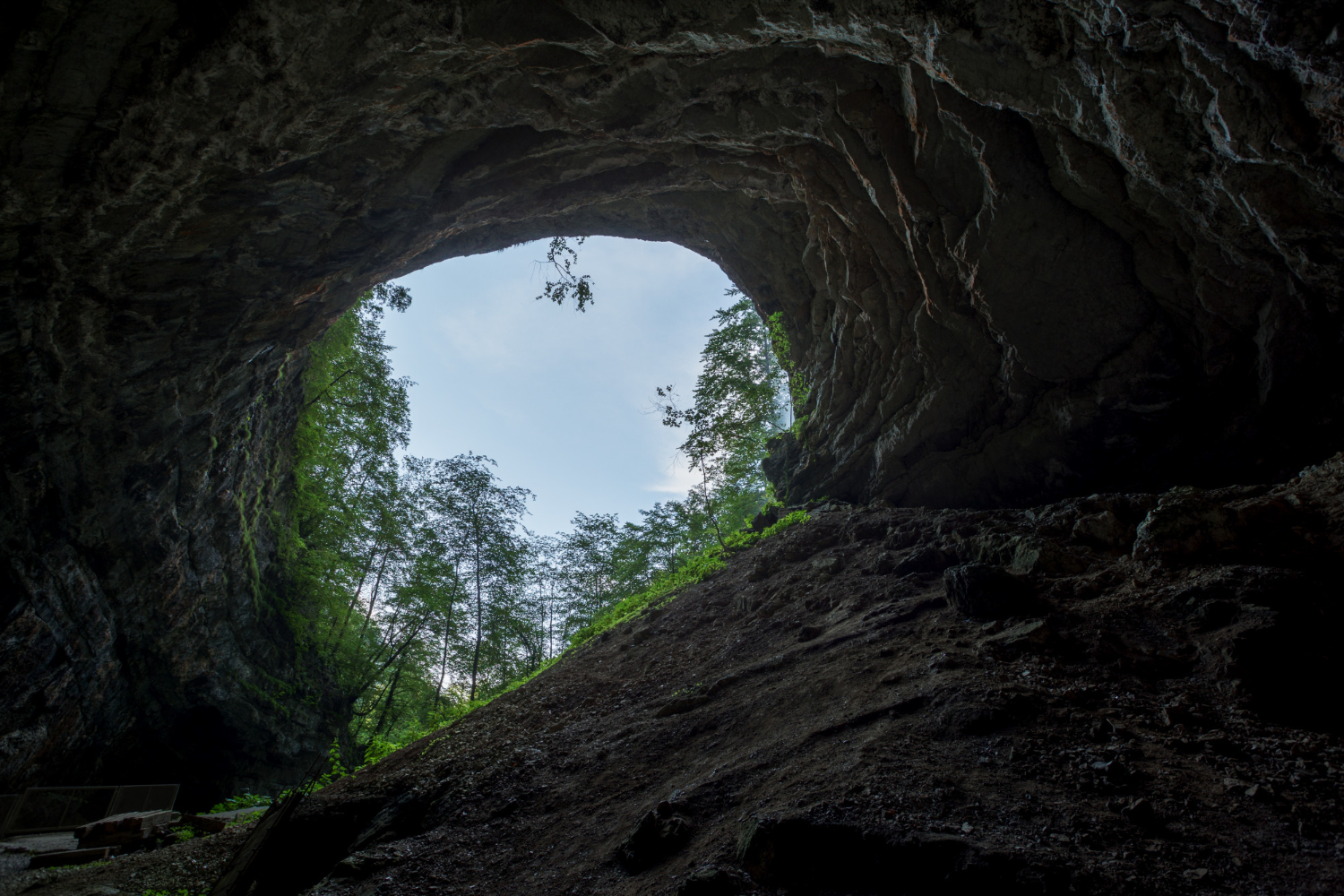
A cave developed for visitors is called a show cave, and the good ones manage to be accessible without being diminished. These twelve have walkways, guides and lighting, and are still truly astonishing.
1. Škocjan Caves, Slovenia
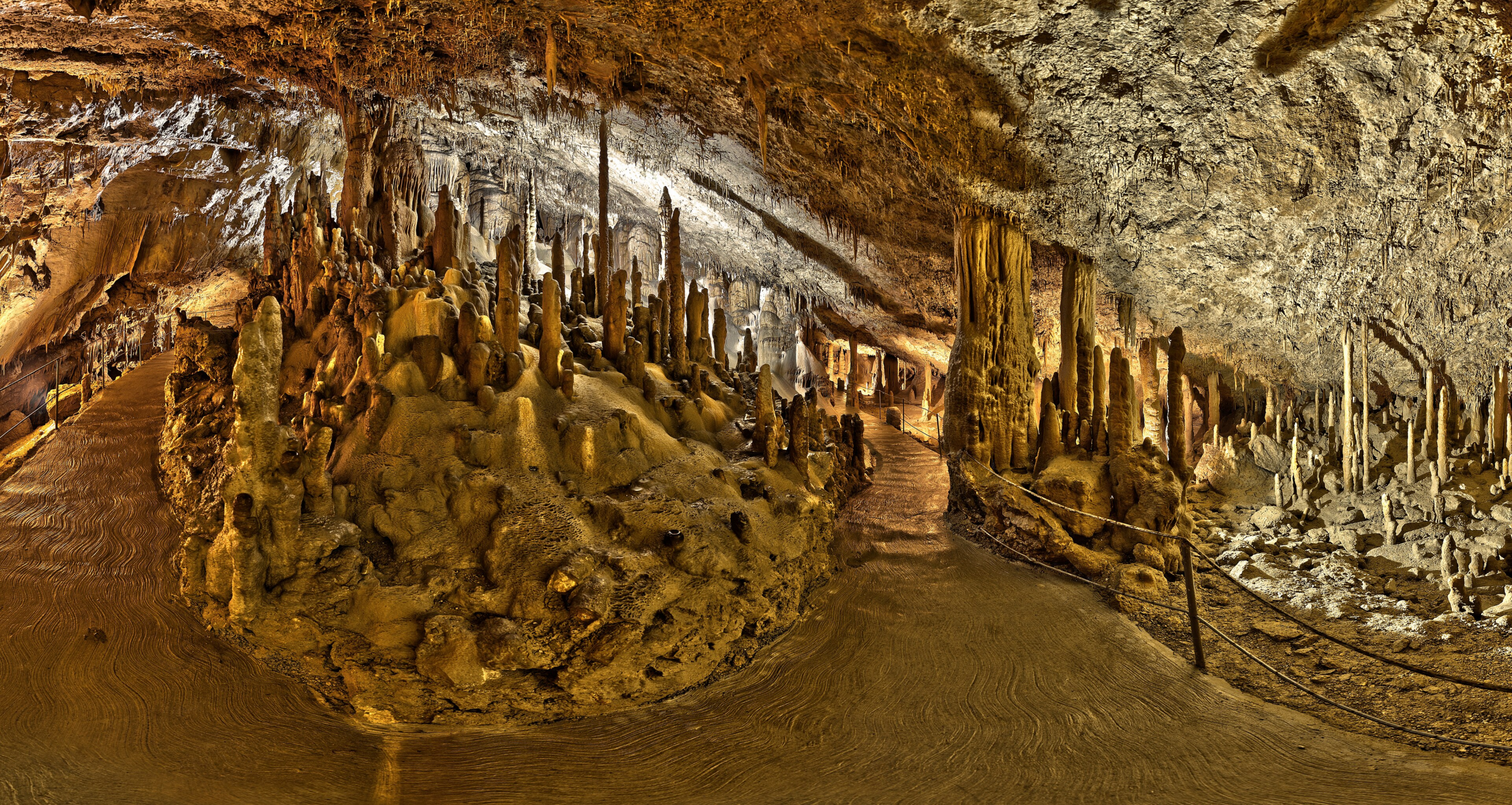
An enormous underground canyon carved by the Reka river, with a footbridge crossing a chasm around 45 metres above the water and chambers on a scale that is difficult to process.
It is a UNESCO World Heritage site, and the walk follows the river gorge underground rather than passing through decorated chambers. The scale is the attraction. Škocjan is the cave that feels less like a cavern than a canyon with a roof.
Like our content? Follow us for more.
2. Postojna Cave, Slovenia
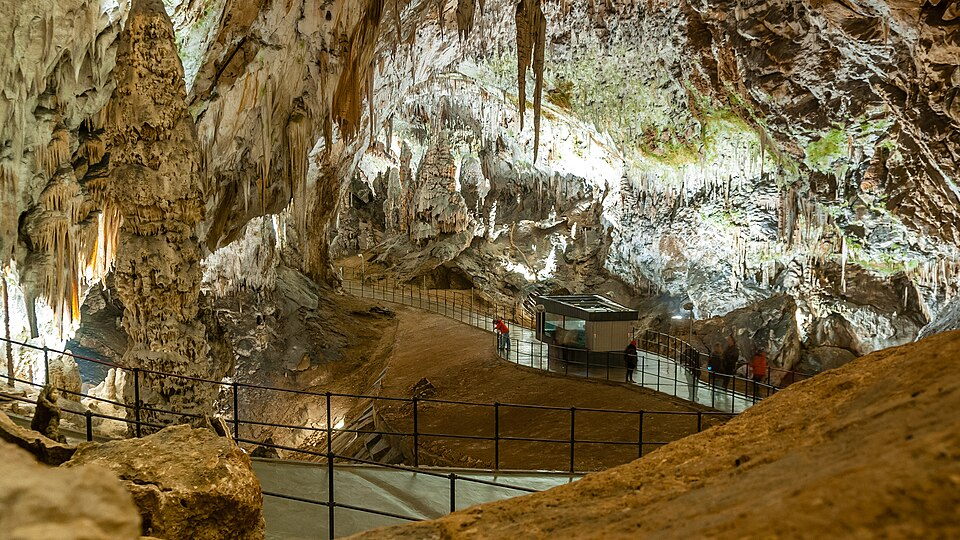
A short distance away, and entirely different: an electric railway carries visitors deep into a system of richly decorated chambers before the walking begins.
The train has run in some form since the nineteenth century, and the cave is home to the olm, a pale blind amphibian that can live for decades. The decoration is exceptional. Postojna is the cave you enter by train.
3. Carlsbad Caverns, New Mexico, USA
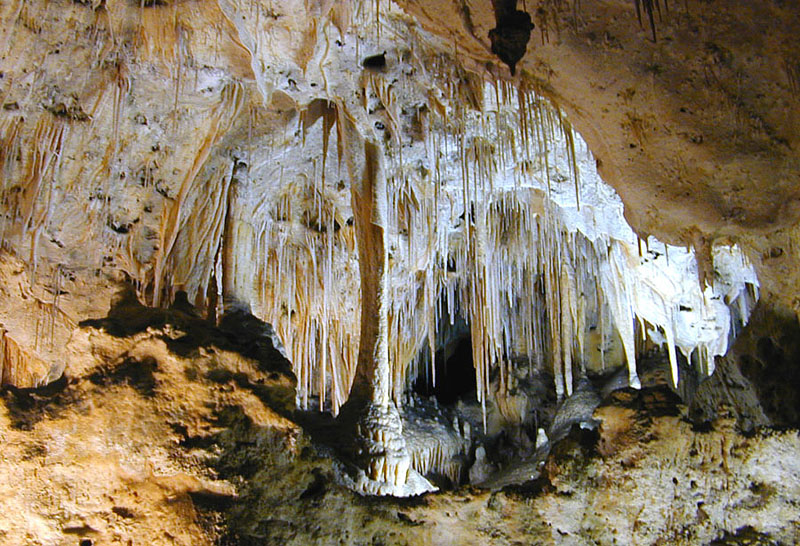
A vast limestone system whose Big Room is one of the largest cave chambers in North America, reached either by lift or by walking down through the natural entrance.
In warmer months, large numbers of bats emerge from the entrance at dusk, which is a spectacle in its own right. Paths are extensive. Carlsbad is the cave where the walk down through the natural entrance is half the experience.
4. Jeita Grotto, Lebanon
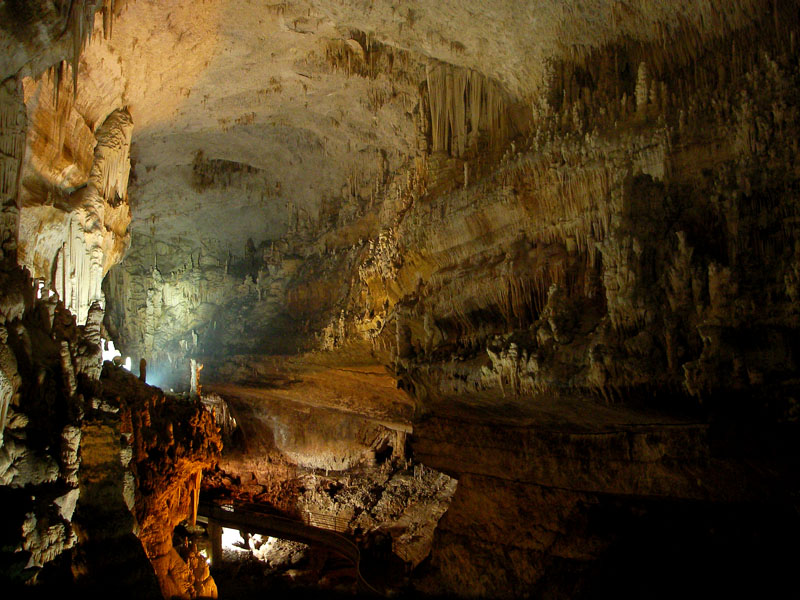
Two connected limestone caverns, the upper one walked and the lower one visited by boat along an underground river.
The formations are dense and dramatic, and the boat section gives a completely different perspective from the walkway above. Access can be seasonal. Jeita Grotto is the cave you see twice, once on foot and once afloat.
5. Reed Flute Cave, China
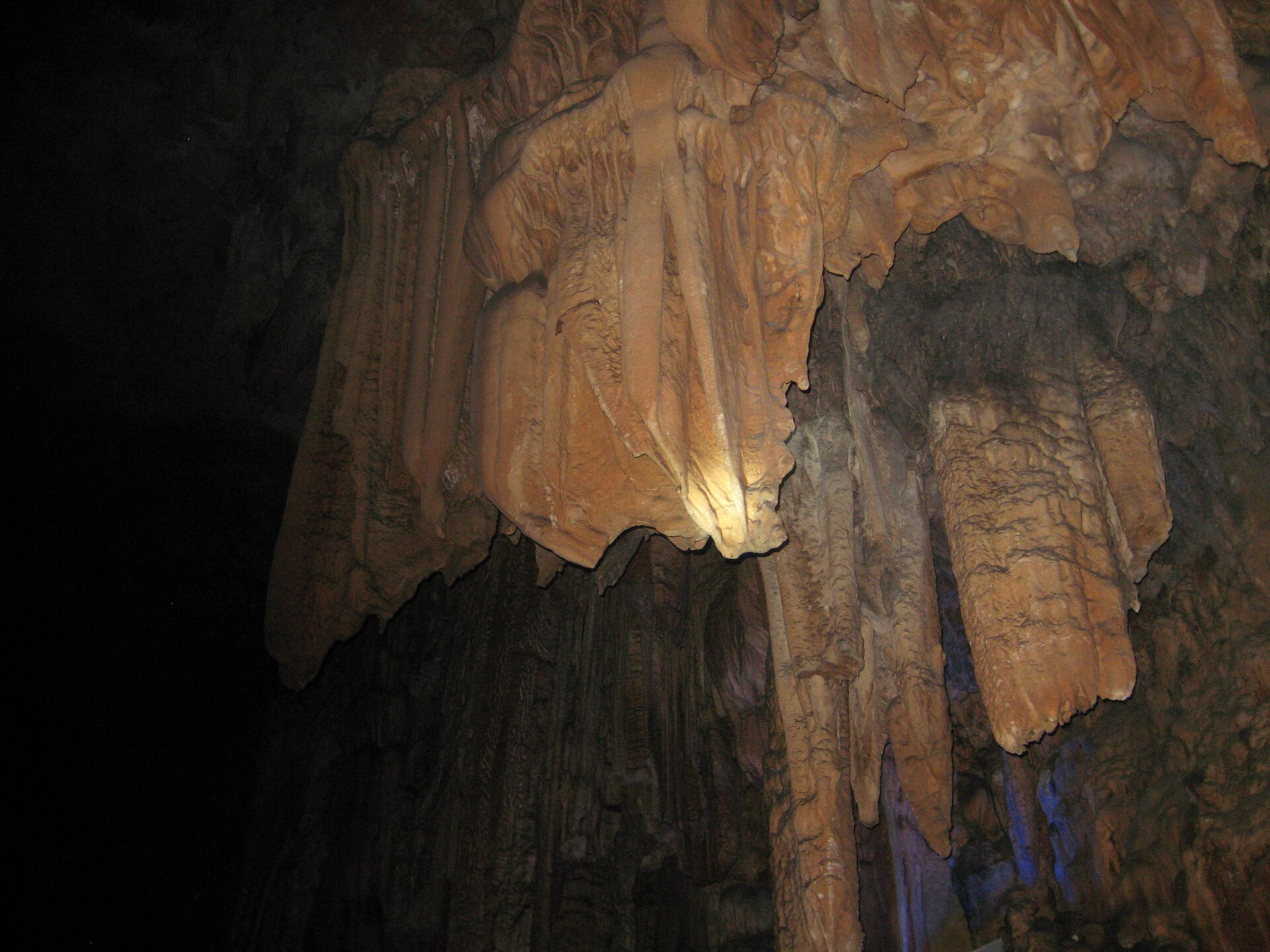
A cave near Guilin lit with vivid coloured lighting that has become as much a part of its identity as the formations themselves.
The illumination is unapologetically theatrical, which divides opinion, but the underlying limestone shapes are remarkable. Inscriptions inside date back over a thousand years. Reed Flute is the cave that treats lighting as part of the show.
6. Eisriesenwelt, Austria
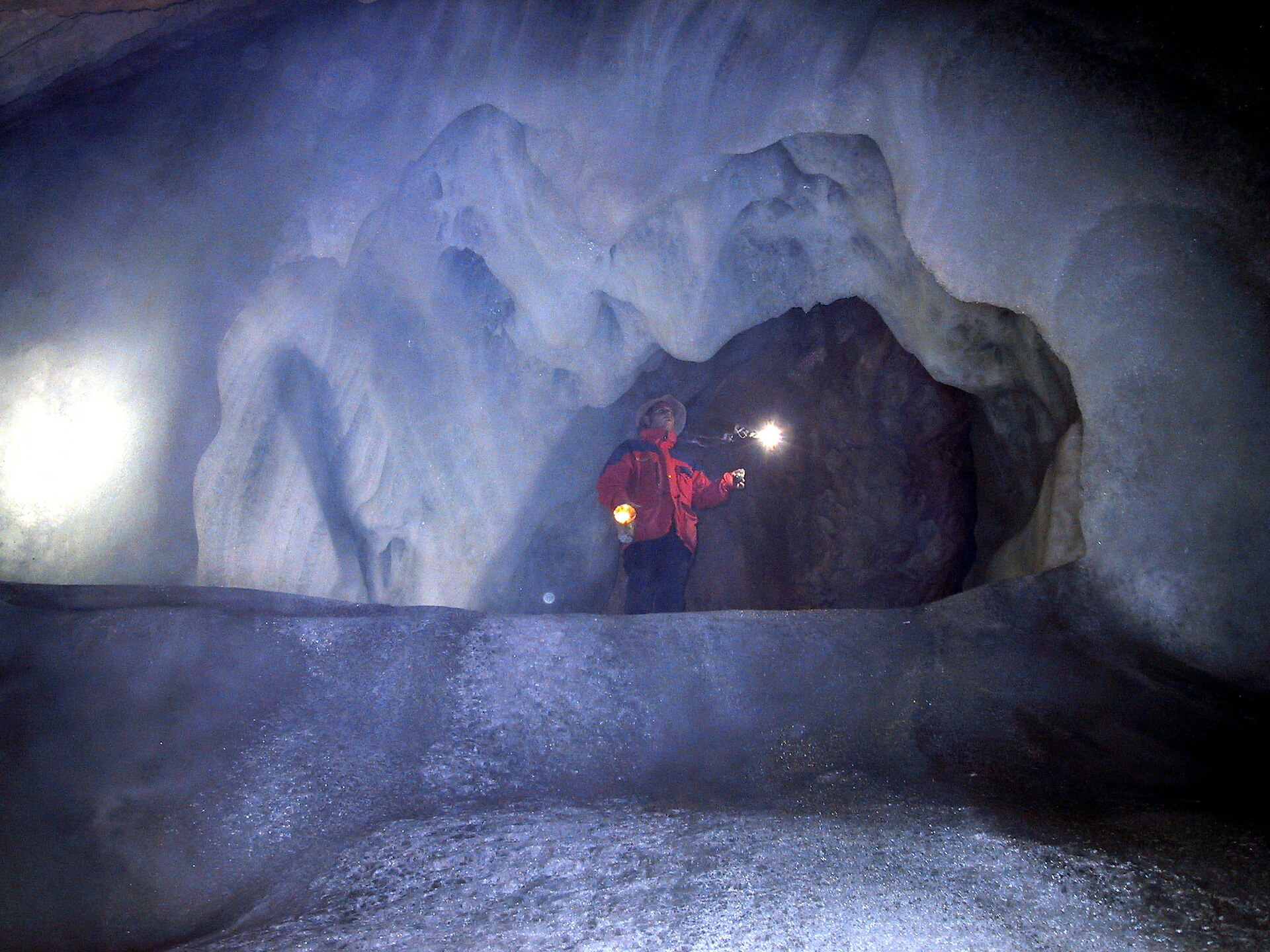
The largest ice cave in the world, high in the Alps near Werfen, where a walkway passes through enormous formations of ice rather than stone.
Visitors carry lamps, the temperature stays below freezing, and the season is short because the ice depends on cold air drawn in during winter. Warm clothing is essential. Eisriesenwelt is the cave where everything you are looking at is frozen water.
7. Melissani Cave, Kefalonia, Greece
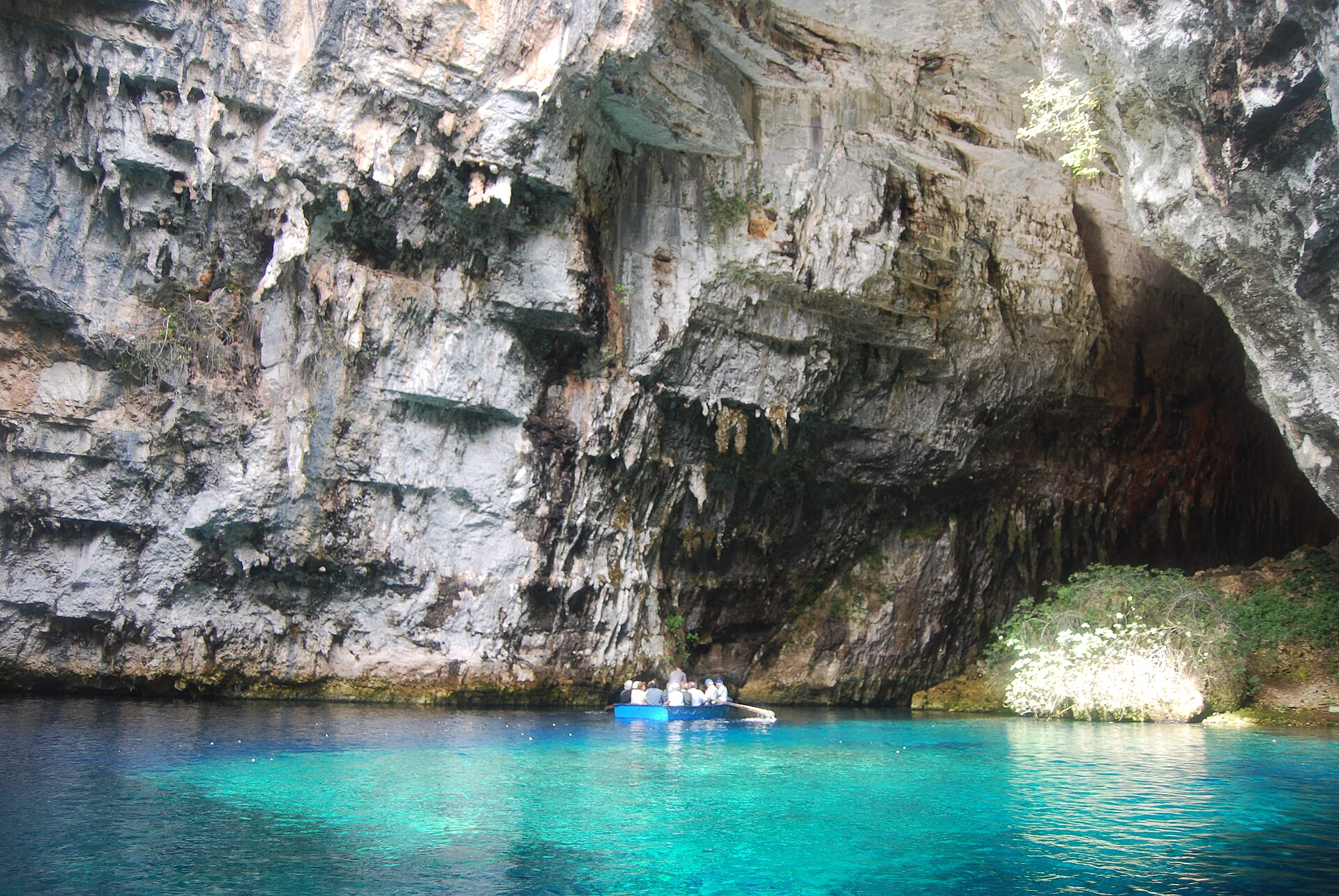
A cave whose roof collapsed long ago, leaving an underground lake open to the sky and visited by small rowing boats.
When the sun is high the light falls straight through the opening onto water so clear that the boats appear to hover above the bottom. Timing the visit for midday matters. Melissani is the cave where the missing roof is the entire point.
8. Mammoth Cave, Kentucky, USA
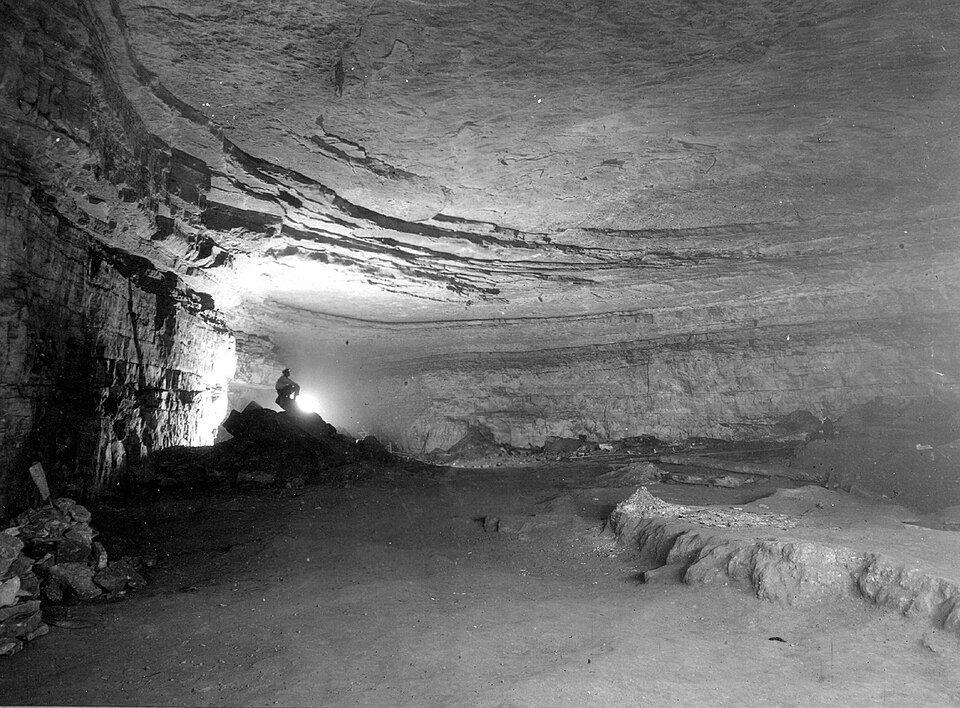
The longest known cave system in the world, with hundreds of miles of mapped passages and a range of tours from short and level to long and strenuous.
The historic routes follow passages used for saltpetre mining and nineteenth-century tourism, with signatures smoked onto the ceilings. Choose the tour carefully. Mammoth is the cave where the main difficulty is deciding which small part of it to see.
9. Dobšinská Ice Cave, Slovakia
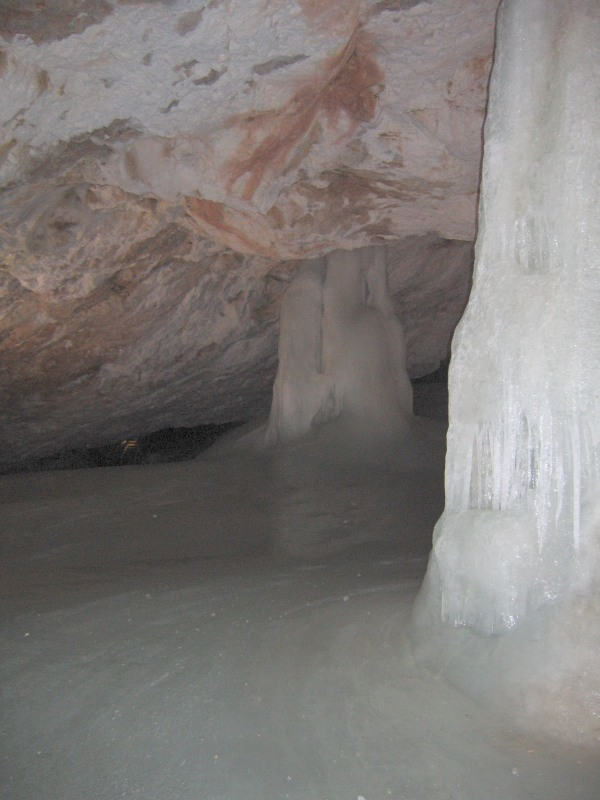
A second great ice cave, in the Slovak Karst, where a walkway passes ice floors and columns formed over centuries in a chamber that traps cold air.
It was among the first caves in Europe to be electrically lit, in the late nineteenth century, and the season is short. Layers are necessary. Dobšinská is the cave that has been lit for visitors longer than almost any other.
10. Cueva del Viento, Tenerife, Spain
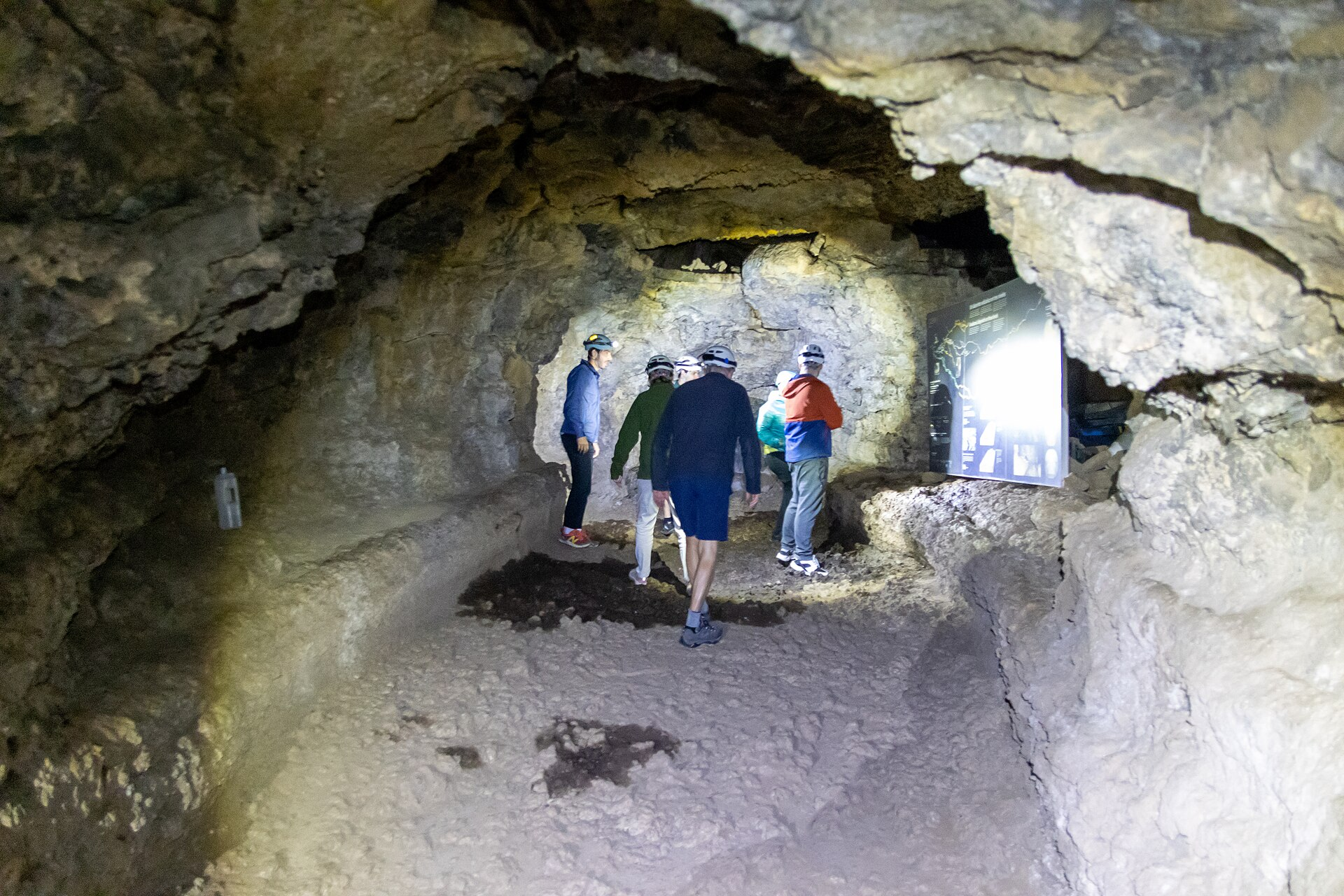
A lava tube rather than a limestone cave, formed when the outside of a lava flow cooled and hardened while molten rock continued to drain out beneath.
The result is a smooth tunnel with entirely different textures from a stalactite cave, and guided visits explain the volcanic geology. Numbers are limited. Cueva del Viento is the cave that was made by fire rather than water.
11. Grotte de Han, Belgium
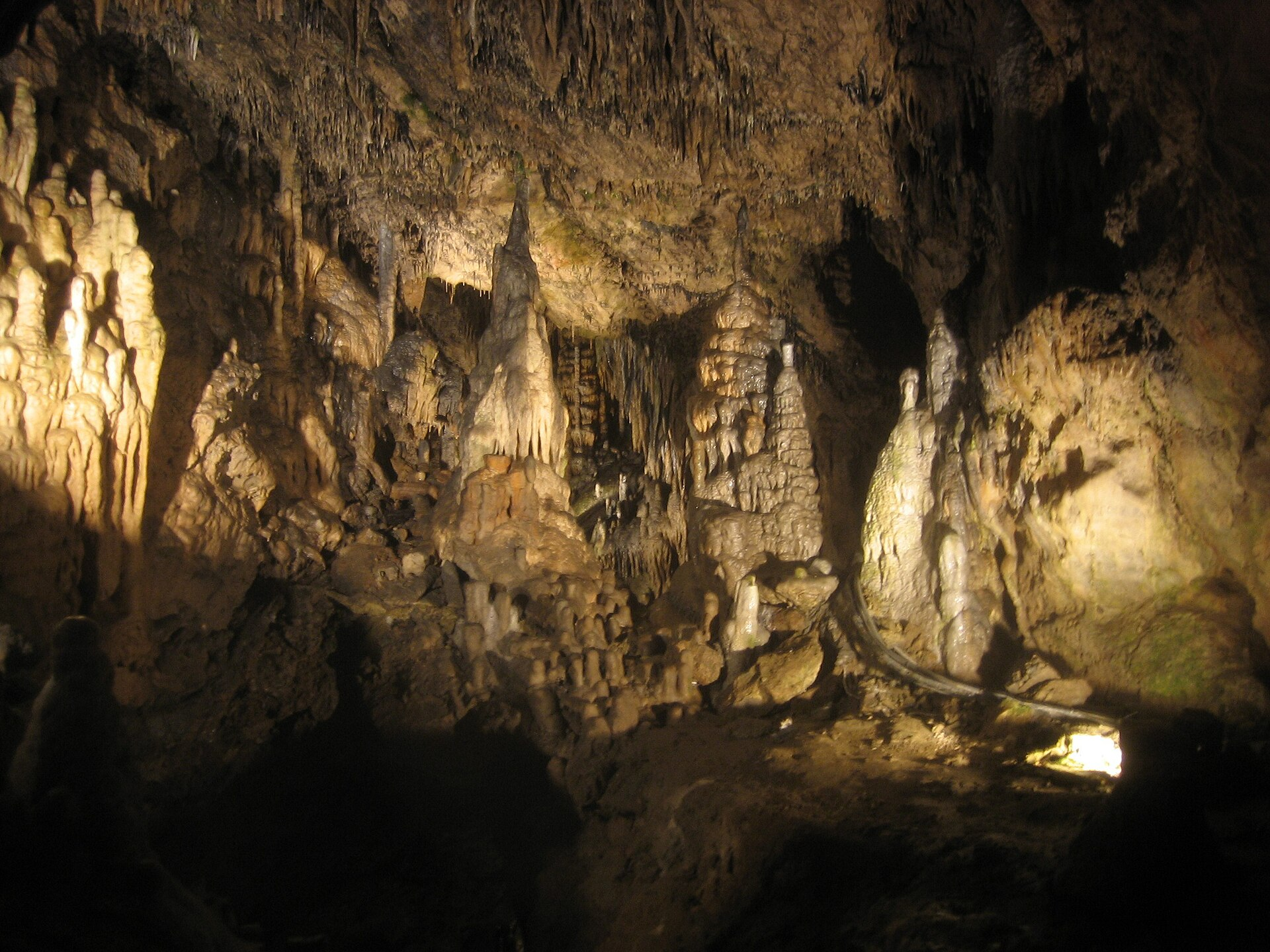
A large decorated cave in the Ardennes, reached by a heritage tram, with a route ending at an underground river crossing.
It has been open to visitors since the nineteenth century and combines the cave with a surrounding wildlife park. The tram is part of the tradition. Grotte de Han is the cave where getting there is deliberately part of the day.
12. Cango Caves, South Africa
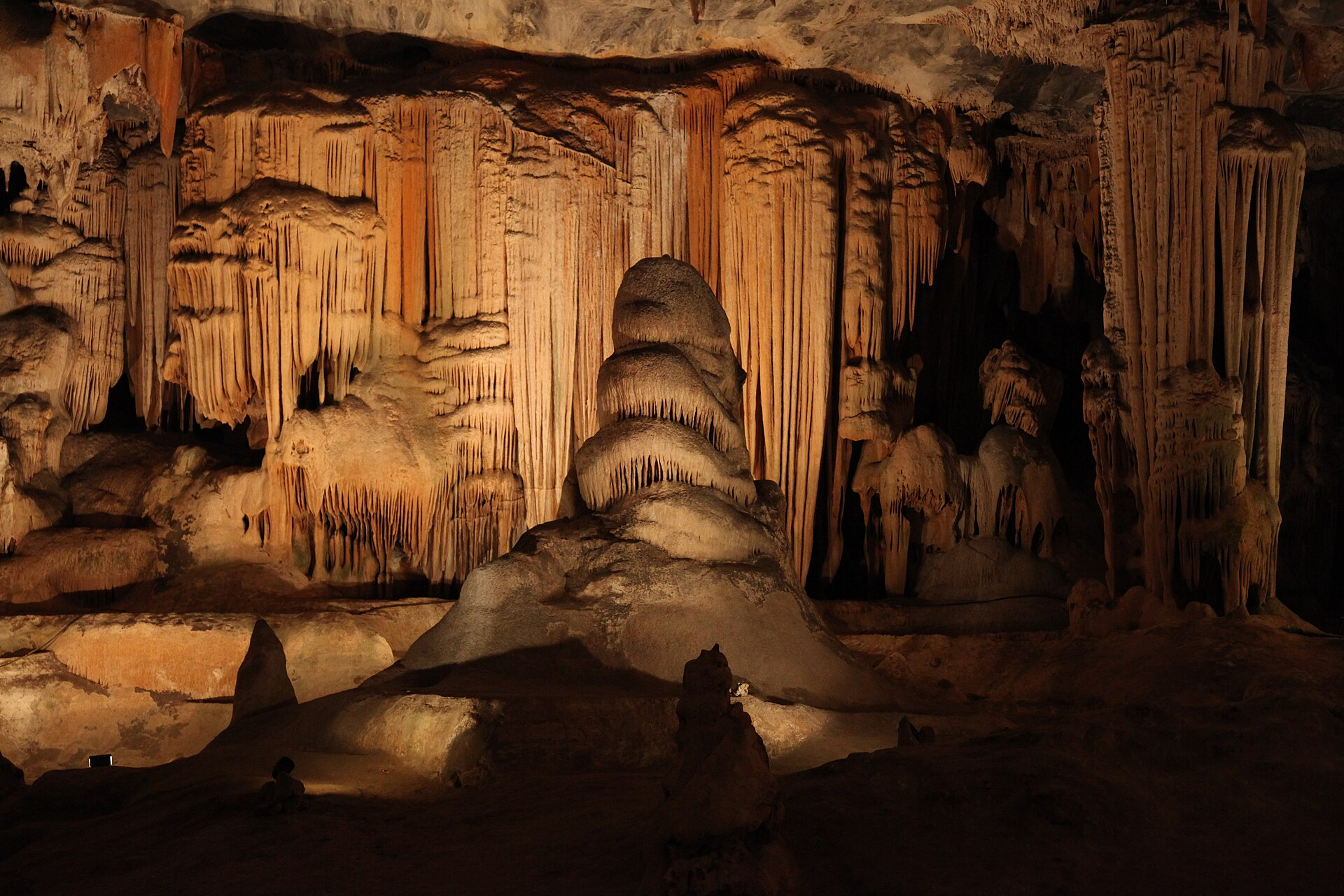
A limestone system in the Western Cape with a standard route through large decorated chambers, plus a more demanding option involving really tight passages.
The standard tour requires no experience at all; the adventure route emphatically does, and anyone unsure should take the easier one. Choose honestly. Cango is the cave that offers two very different experiences under one name.
Underground, Without Ropes
What these share is infrastructure: paths, lighting, steps and guides that make extraordinary spaces available to people with no caving experience whatsoever.
A few practical notes worth stating plainly: cave floors are wet and uneven, temperatures underground are cooler than outside and stay that way year-round, many caves require advance booking, some close seasonally, and touching formations damages them permanently. Follow the guide’s instructions, take a layer, and check current opening arrangements before travelling.
Like our content? Follow us for more.
