Long flights are endured rather than enjoyed, and the difference between arriving functional and arriving wrecked usually comes down to a handful of small decisions. Here are twelve.
1. Choose the Seat Deliberately
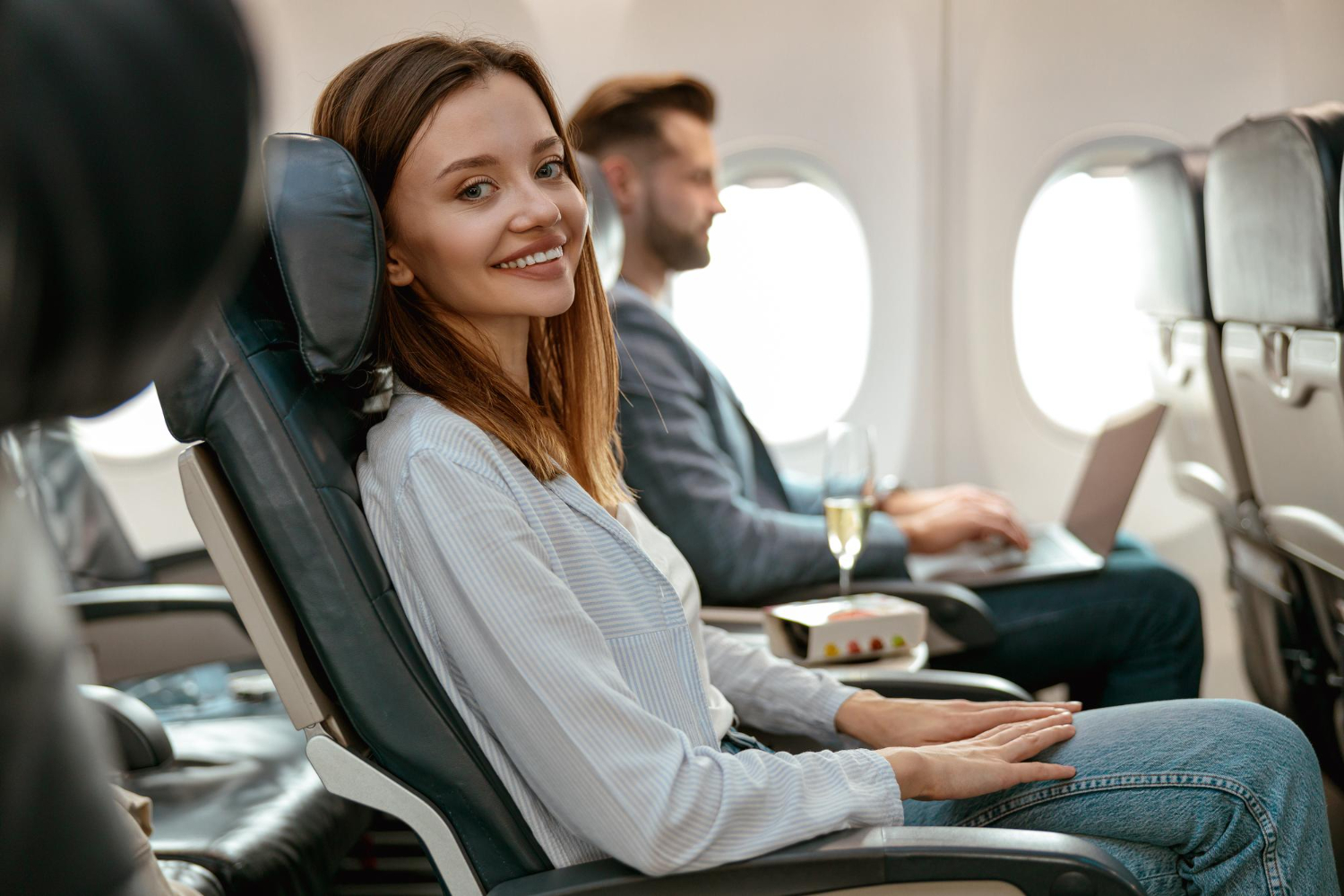
The seat is the single biggest variable in a long flight, and it is decided at booking rather than at the gate.
Window seats give something to lean on and control of the blind; aisle seats give freedom to move without disturbing anyone. Seats near galleys and toilets carry noise and traffic. Choosing the seat deliberately is the most consequential thing you do on a long-haul flight, and you do it before leaving home.
Like our content? Follow us for more.
2. Get Up and Move Regularly
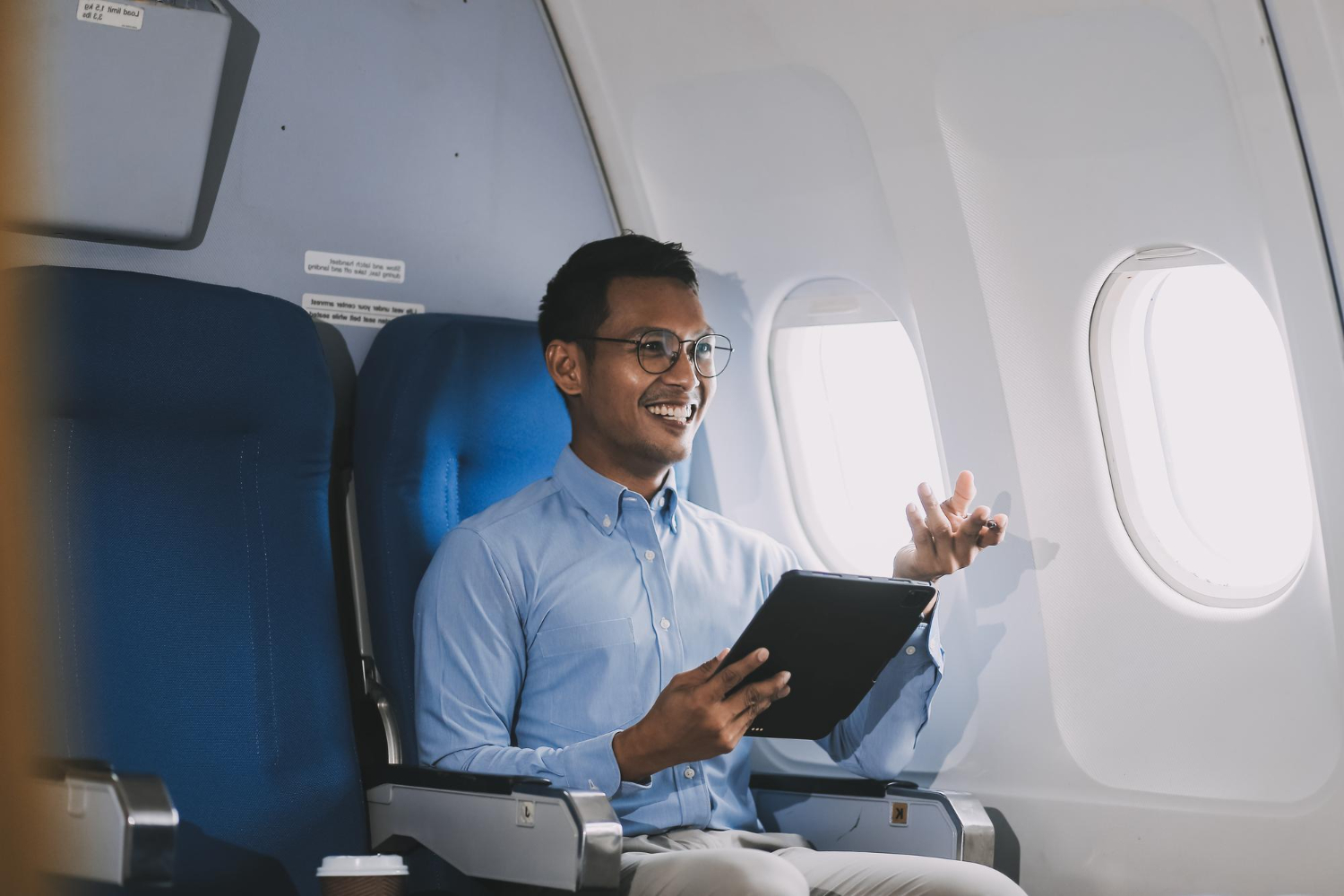
Sitting still for many hours is the part of long flights with real physical consequences, and the remedy is simply to move.
Walking the cabin every couple of hours, and flexing ankles and calves while seated, is standard advice from airlines and health authorities alike. Anyone with a relevant medical condition should ask their doctor before flying. Getting up and moving regularly is the most useful habit on any long flight.
3. Drink Water Consistently

Cabin air is extremely dry, and the effects accumulate over hours rather than arriving suddenly.
Bringing an empty bottle through security and filling it after, then drinking steadily rather than in occasional gulps, works better than relying on cabin service alone. Alcohol and caffeine both work against you here. Drinking water consistently is the simplest thing you can do on a long flight and the most neglected.
4. Set Your Watch to the Destination Immediately
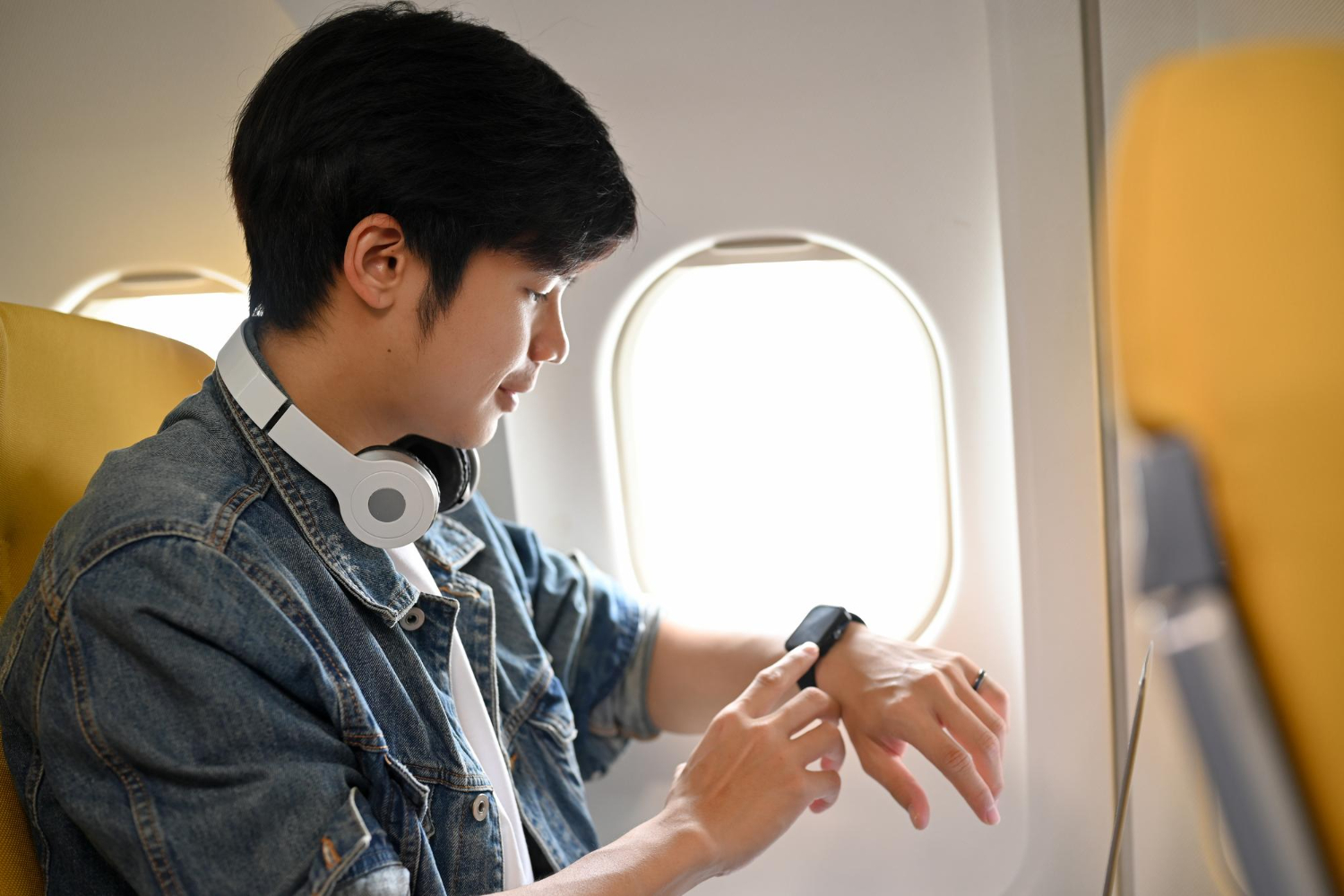
Changing the time on your phone or watch as you board is a small psychological trick that helps you plan the flight around arrival rather than departure.
It tells you whether you should be trying to sleep or trying to stay awake, which is otherwise surprisingly hard to work out mid-flight. Setting your watch to the destination is the first thing to do after sitting down on a long-haul flight.
5. Bring Your Own Entertainment, Downloaded
Seat-back systems fail, run out of things you want, or do not exist. Anything streamed requires connectivity you may not have.
Downloading films, episodes, podcasts and books before leaving means the eight hours are covered regardless. Do it on home wifi, not at the airport. Bringing your own entertainment downloaded is the precaution that saves the worst flights.
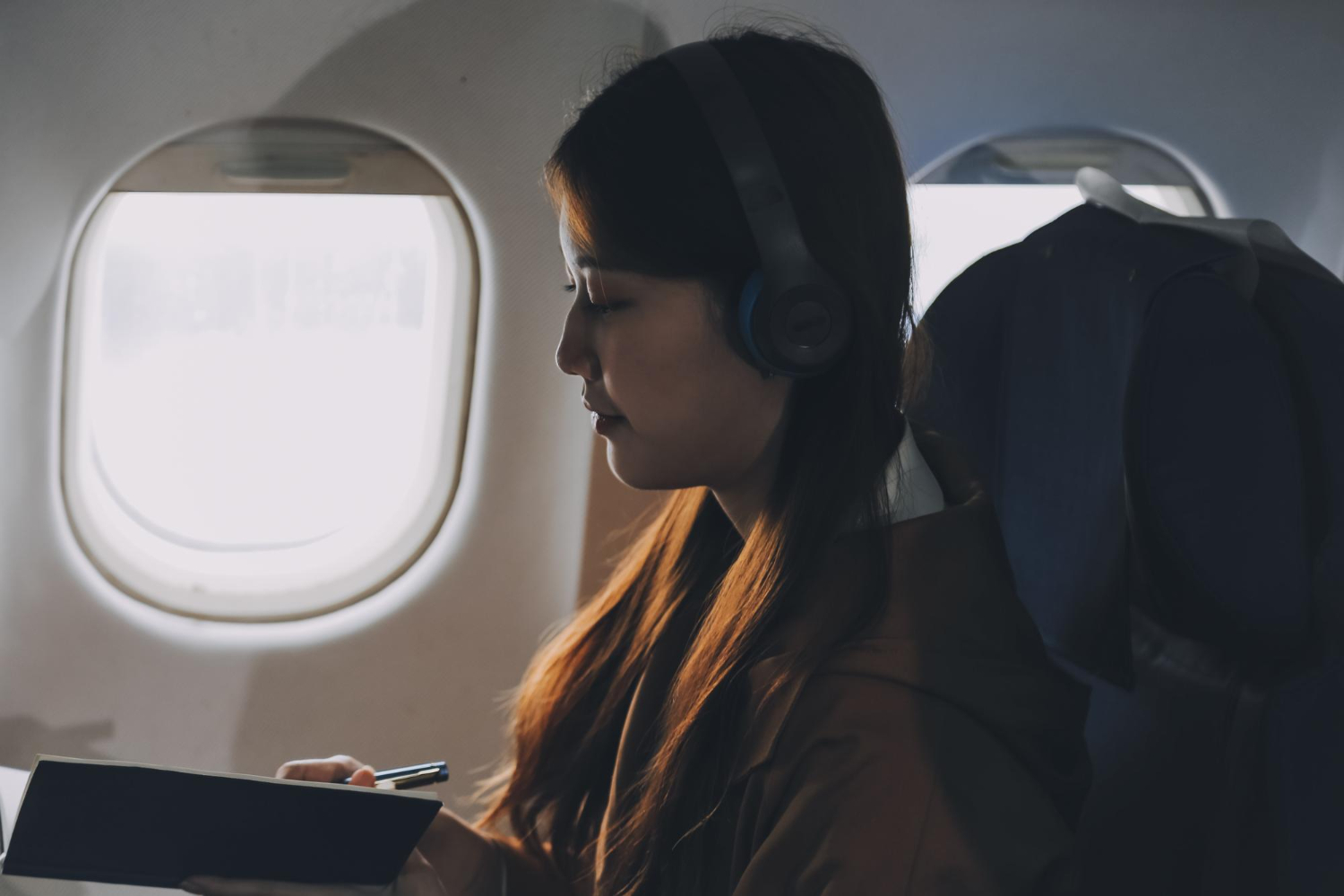
6. Take Noise-Cancelling Headphones or Earplugs
Sustained engine noise is truly tiring, and reducing it makes a measurable difference to how you feel on arrival.
Good headphones also make the entertainment usable and signal to neighbours that you are not available for conversation. Charge them fully beforehand. Noise-cancelling headphones are the single best piece of equipment for a long flight.
7. Dress for the Cabin, Not the Destination
Cabins run cold, and arriving somewhere hot is not a reason to board in shorts.
Layers, something warm you can add, loose clothing and shoes you can slip off all make a long flight substantially more bearable. Compression socks are widely recommended for long sectors. Dressing for the cabin rather than the destination is a mistake first-time long-haul passengers reliably make.
8. Keep the Essentials Under the Seat, Not Overhead
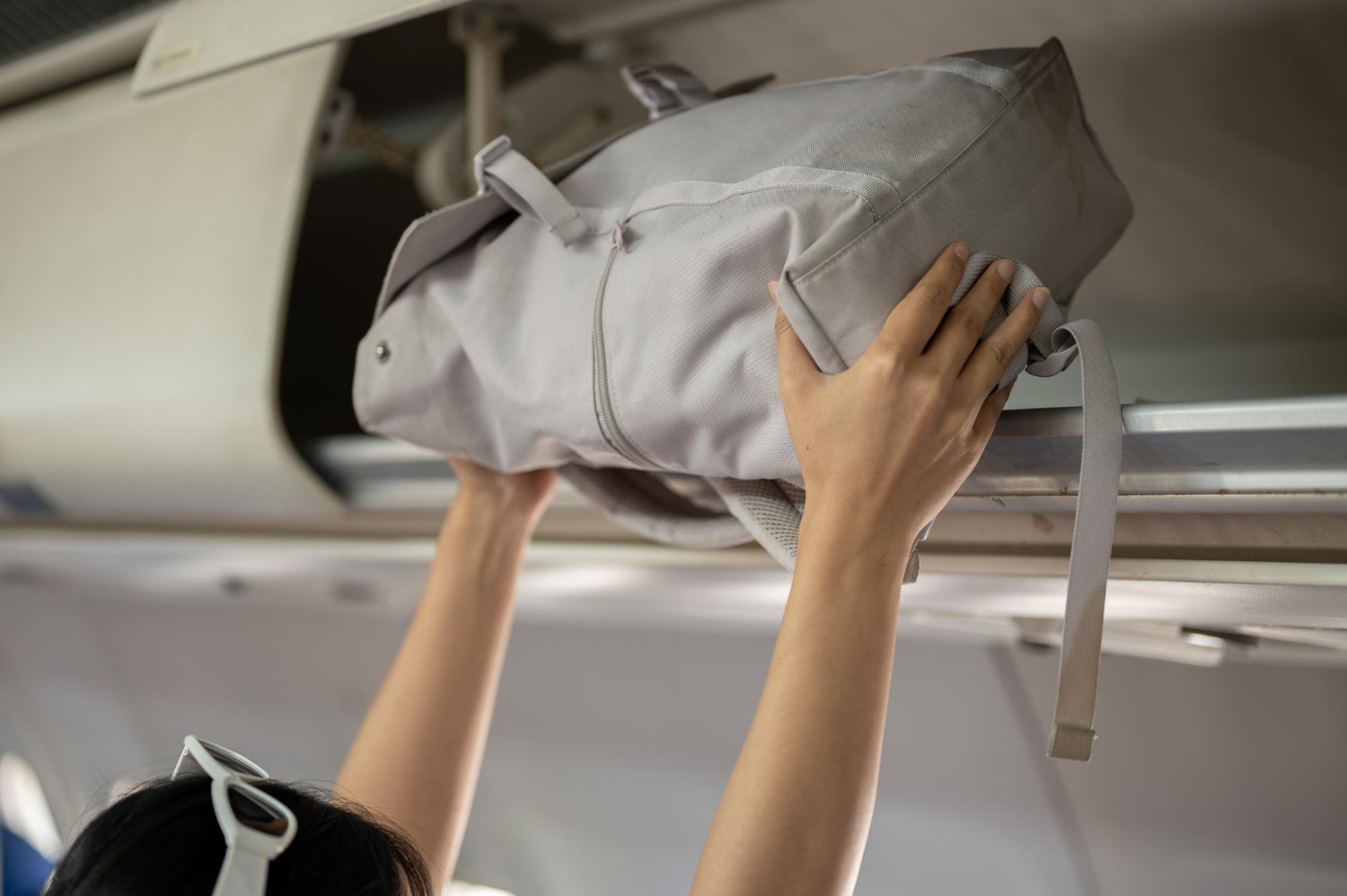
Anything you will want during the flight should be within reach without standing up and opening a locker.
A small bag with medication, documents, chargers, a toothbrush, lip balm and your headphones removes a dozen small disruptions. Keep the rest overhead. Keeping essentials under the seat is the organisational habit that makes a long flight run smoothly.
9. Decide in Advance Whether You Are Sleeping
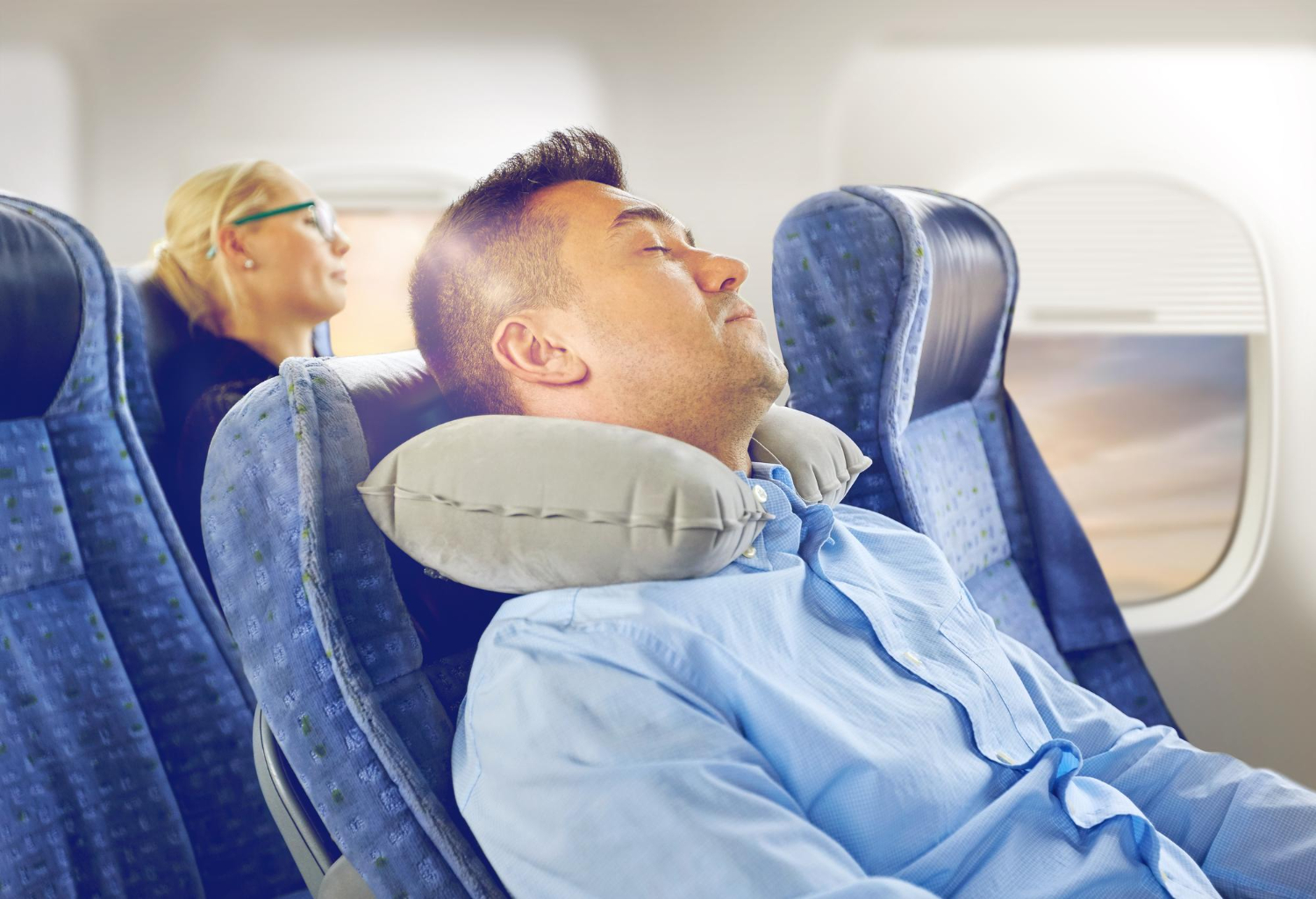
Trying to sleep and failing for eight hours is worse than deciding not to and reading instead.
Work out from the arrival time whether sleeping helps or hinders, then commit — either prepare properly with an eye mask and neck support, or plan to stay awake. Deciding in advance whether you are sleeping is what separates a restful long-haul flight from a frustrating one.
10. Eat Lighter Than You Are Offered
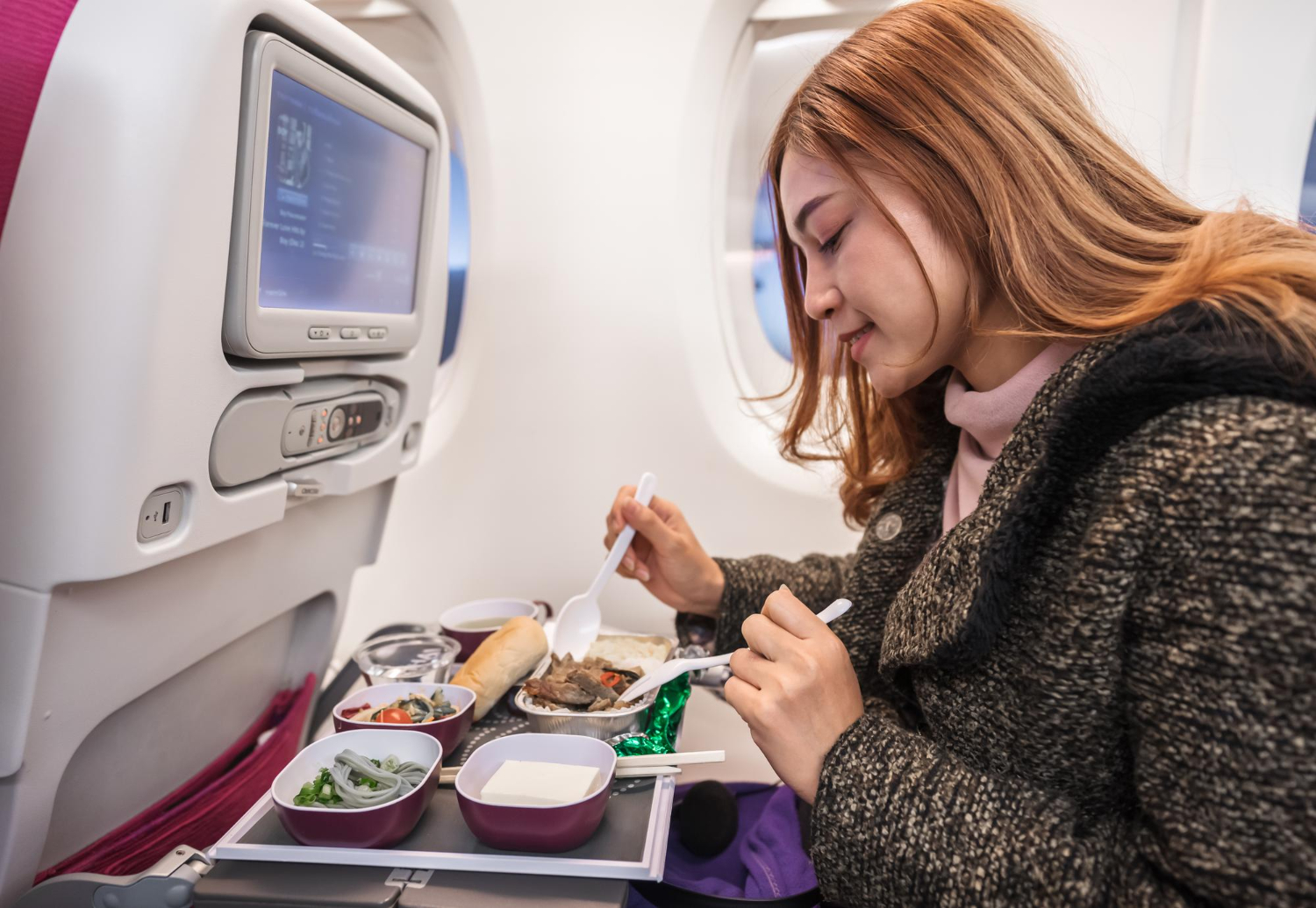
Long flights involve repeated meal service regardless of whether you are hungry, and eating everything provided tends not to help.
Eating a normal amount at destination mealtimes, rather than whenever a tray appears, both helps digestion and starts the adjustment to the new schedule. You can decline a service. Eating lighter than you are offered is a small discipline that pays off after landing.
11. Look After Your Face and Eyes
The dry air affects skin and contact lenses noticeably over a long sector.
Moisturiser, lip balm, and glasses rather than lenses for the duration are standard advice from frequent flyers, and a small saline eye spray helps some people. Nothing here needs to be elaborate. Looking after your face and eyes is a comfort measure that costs almost nothing on a long flight.
12. Have a Plan for the First Hour After Landing
Long-haul arrivals are the worst possible moment to be making decisions, so make them beforehand.
Know how you are getting from the airport, roughly what it costs, where you are going, and what you will do if the accommodation is not ready. Write it down. Having a plan for the first hour after landing is the part of long-haul travel that most people forget to prepare.
Arriving in Reasonable Condition
Almost nothing on this list is difficult, and most of it is decided before you board rather than in the air.
The goal of a long flight is not to enjoy it. It is to get off it in a condition that lets the first day of the trip count for something. Sort the seat, download the films, drink the water, move around, and decide in advance what you are doing about sleep — and the eight hours pass much as any other eight hours do.
Like our content? Follow us for more.