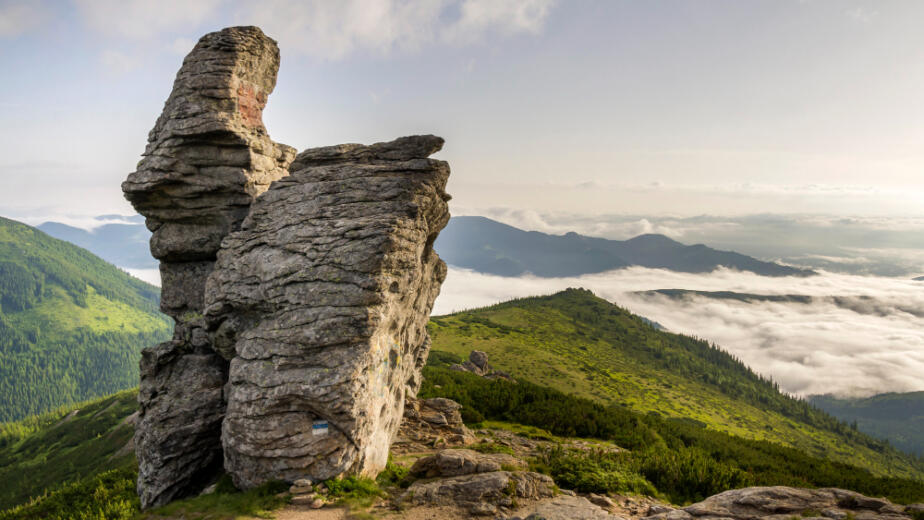
If you took road trips in the ’80s, there are certain stops that instantly conjure a sense of nostalgia, a time capsule of Americana that defined a generation’s wanderlust. These were the places that broke up the long stretches of highway, offering quirky charm, colossal figures, or a glimpse into a beloved film. They were, and in many cases still are, beacons of roadside culture, promising a unique experience far removed from the ordinary.
The Grand Canyon National Park
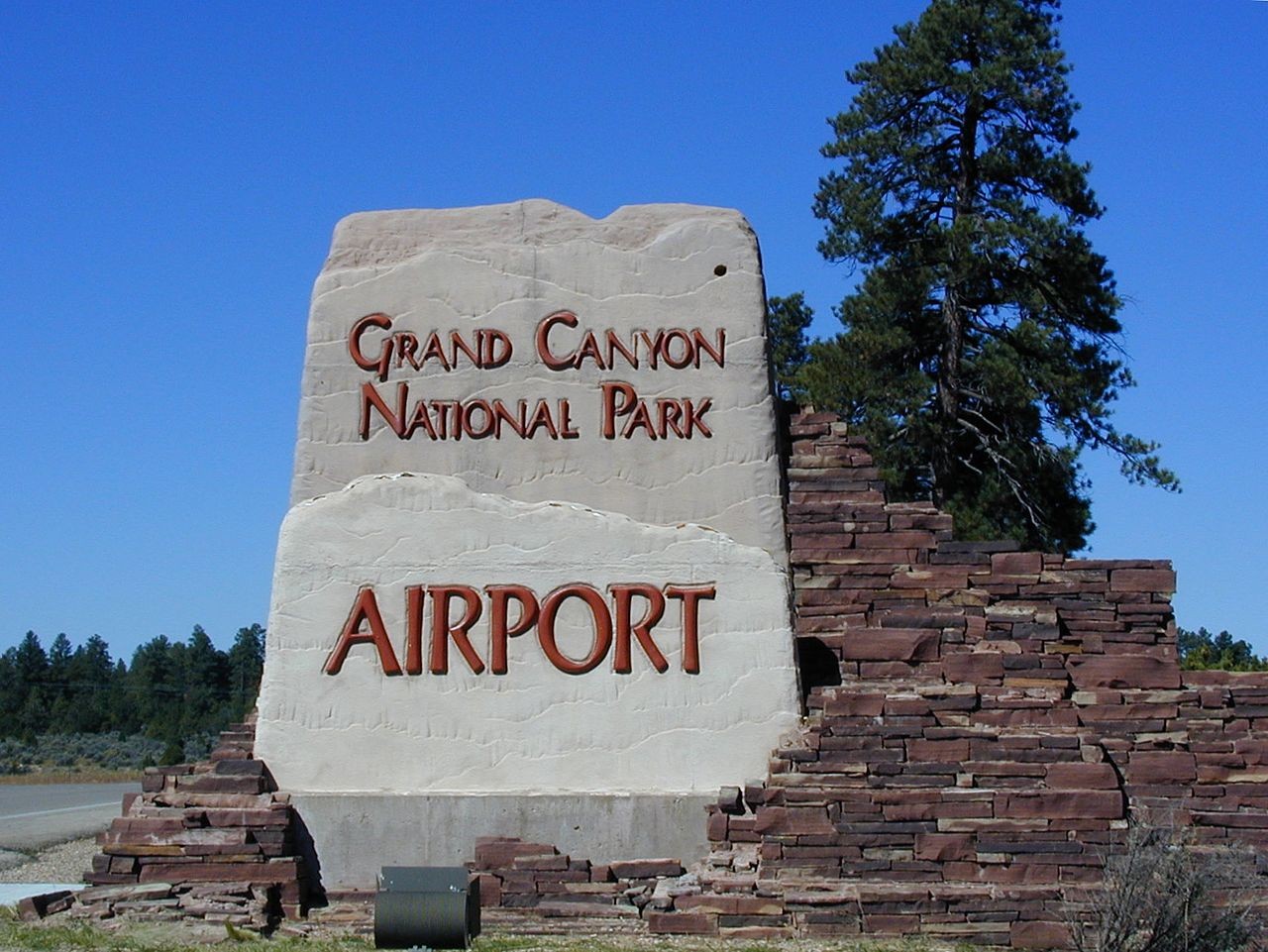
The allure of the Grand Canyon National Park was already immense in the 1980s, drawing families with its breathtaking vistas and sense of scale. Much like the Griswold family’s unforgettable journey in National Lampoon’s Vacation, a stop here was almost a rite of passage for American road-trippers. While the movie portrayed a somewhat chaotic visit, the reality for many was one of awe and wonder, experiencing the sheer immensity of nature’s artistry. Its popularity has remained steadfast, with visitation figures showing consistent interest over the decades, indicating its enduring appeal as a quintessential American landscape.
Wall Drug Store
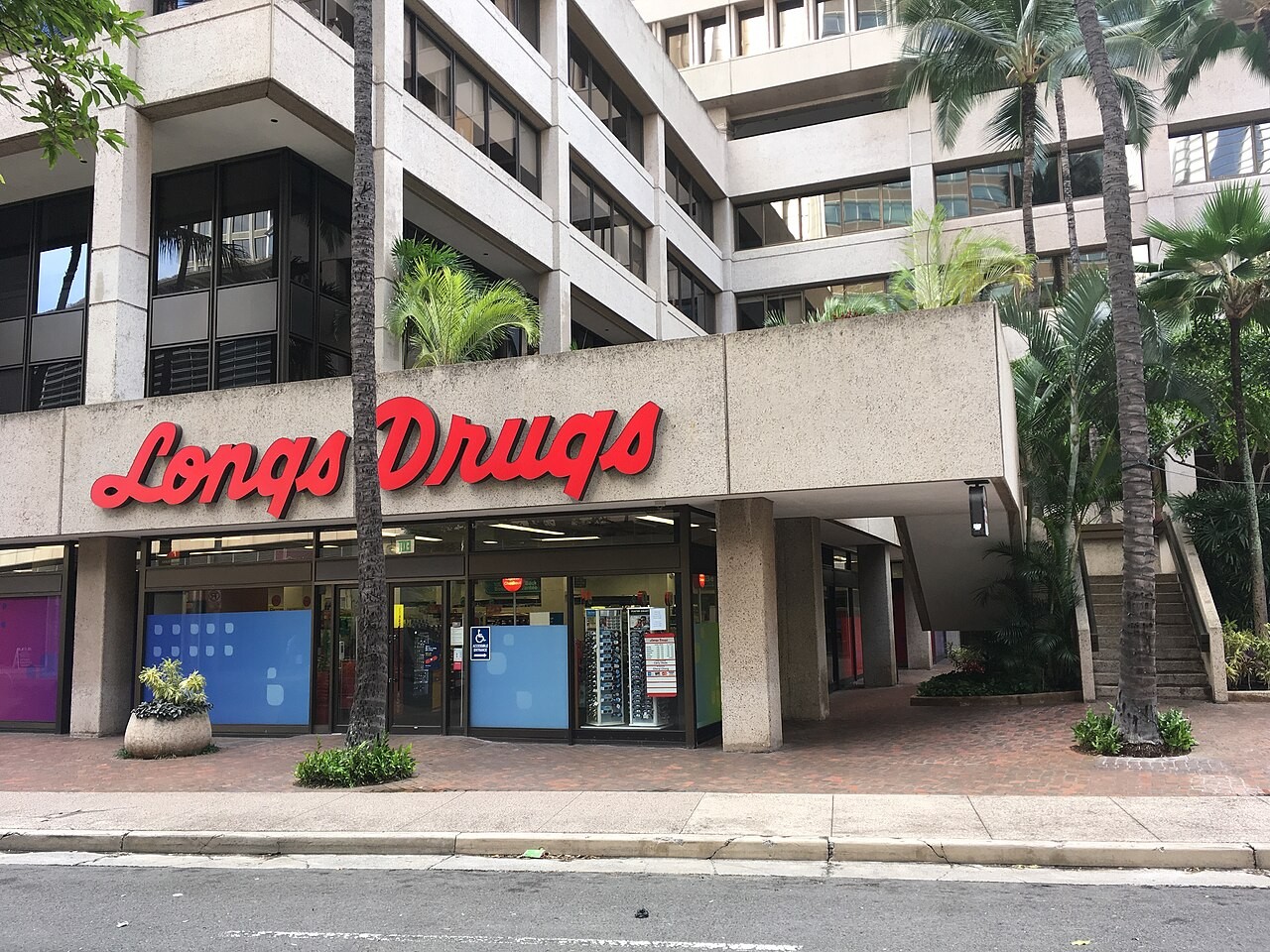
Wall Drug Store in Wall, South Dakota, was more than just a stop; it was an experience. Beginning in 1931 by offering free ice water to travelers, it evolved into a sprawling complex of shops and attractions. By the 1980s, it was a well-established stop, known for its quirky roadside displays and the promise of a welcome respite from the plains. Visitors were drawn to its unique blend of commerce and kitsch, a testament to entrepreneurial spirit that made it a beloved destination for those traversing the vastness of the American West. Its enduring fame is a testament to its unique marketing and enduring appeal.
Lucy the Elephant
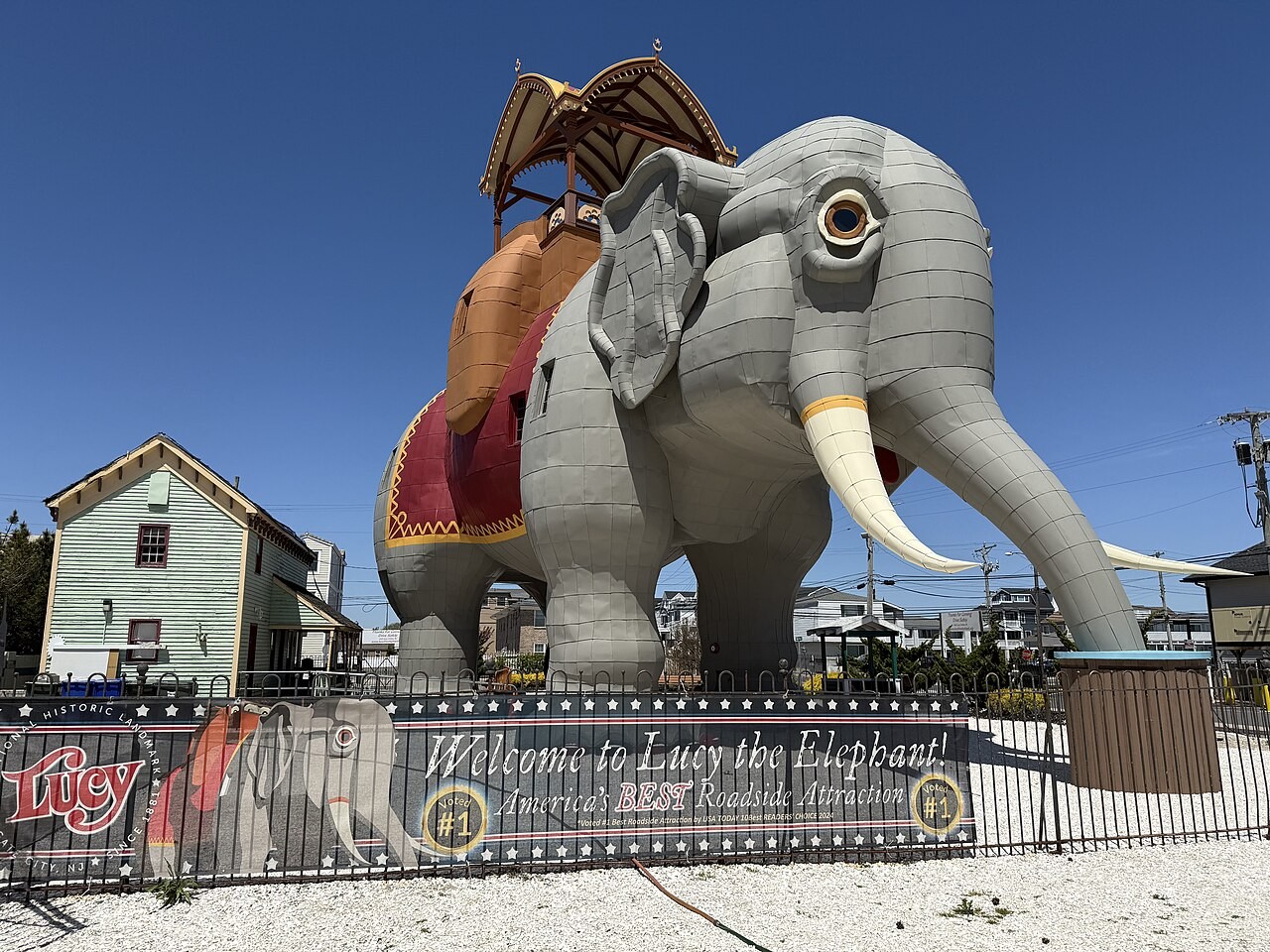
Lucy the Elephant, located in Margate, New Jersey, stands as a true icon of early roadside Americana. Constructed in 1881, this six-story pachyderm has been a popular attraction for well over a century. In the 1980s, it continued its reign as a unique landmark, offering visitors a whimsical climb and impressive ocean views. Lucy has been recognized as the oldest surviving roadside tourist attraction in America, a title that speaks volumes about its enduring charm and historical significance. Her persistent presence is a delightful anomaly in the evolving landscape of tourist destinations.
The Blue Whale of Catoosa
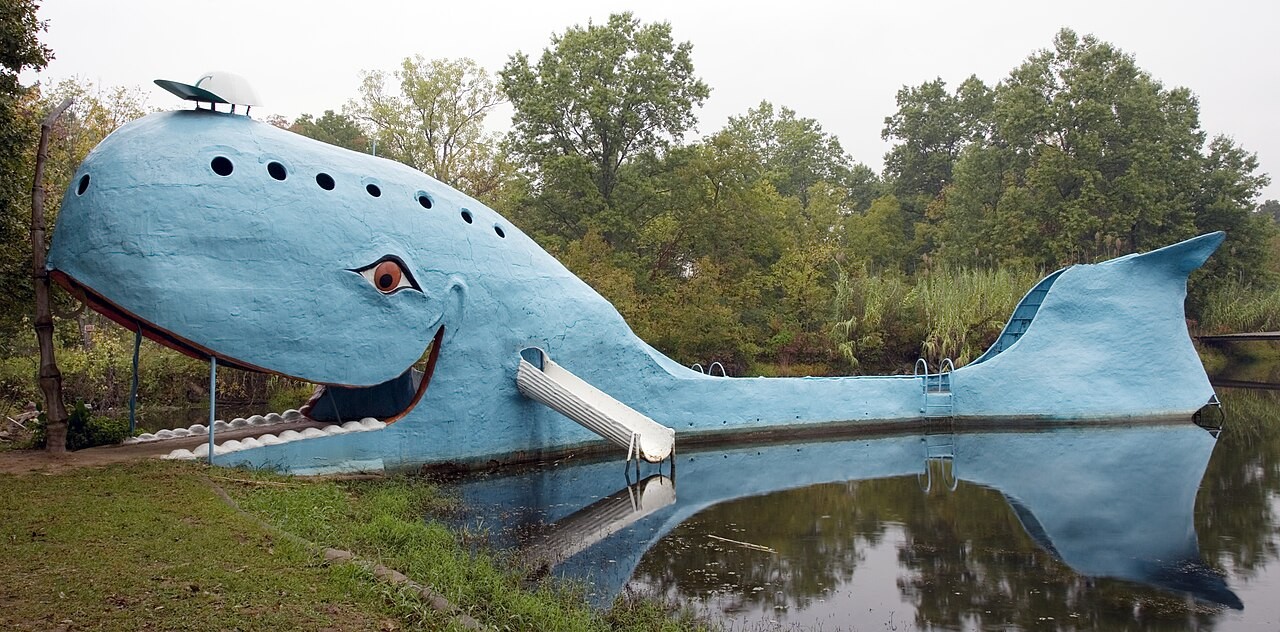
The Blue Whale of Catoosa, Oklahoma, became a beloved fixture along historic Route 66. Originally a swimming hole, it transformed into a massive, roadside attraction by 1972, drawing visitors with its charming, if slightly eerie, presence. In the 1980s, this concrete leviathan was a quintessential stop for kitschy photos and a memorable break from the highway. Its enduring popularity as a selfie magnet is a testament to its role as a symbol of old-school American charm that continues to captivate travelers.
Cabazon Dinosaurs
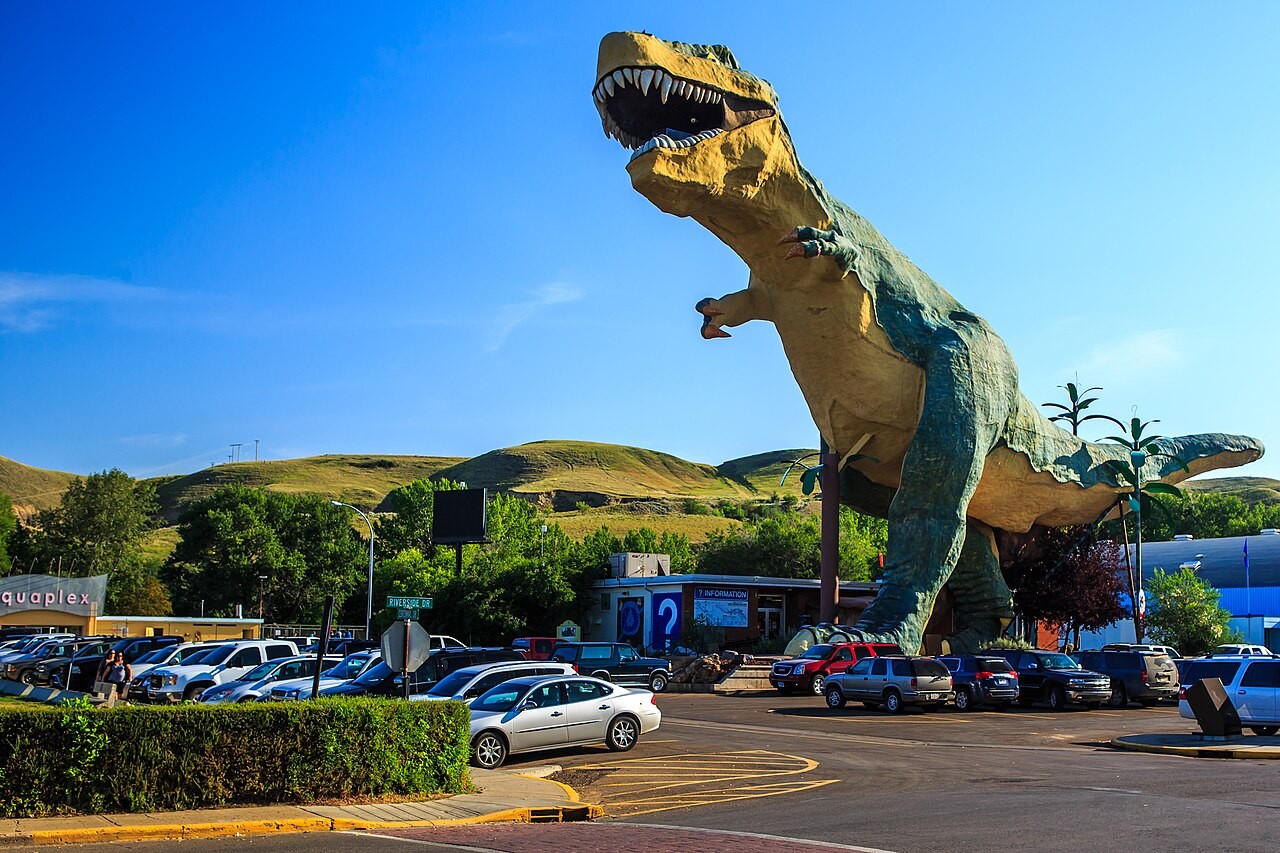
The towering Cabazon Dinosaurs in California, Dinny the Dinosaur and Mr. Rex, have been luring travelers off Interstate 10 since the 1960s. By the 1980s, these colossal concrete creatures were firmly established landmarks, famous for their appearance in films like Pee Wee’s Big Adventure. These roadside behemoths offered a distinctly Californian blend of art and amusement, providing a memorable photo opportunity and a quirky break for desert travelers. Their continued presence and pop culture relevance underscore their status as iconic American roadside art.
Roadside Diners and Drive-Ins
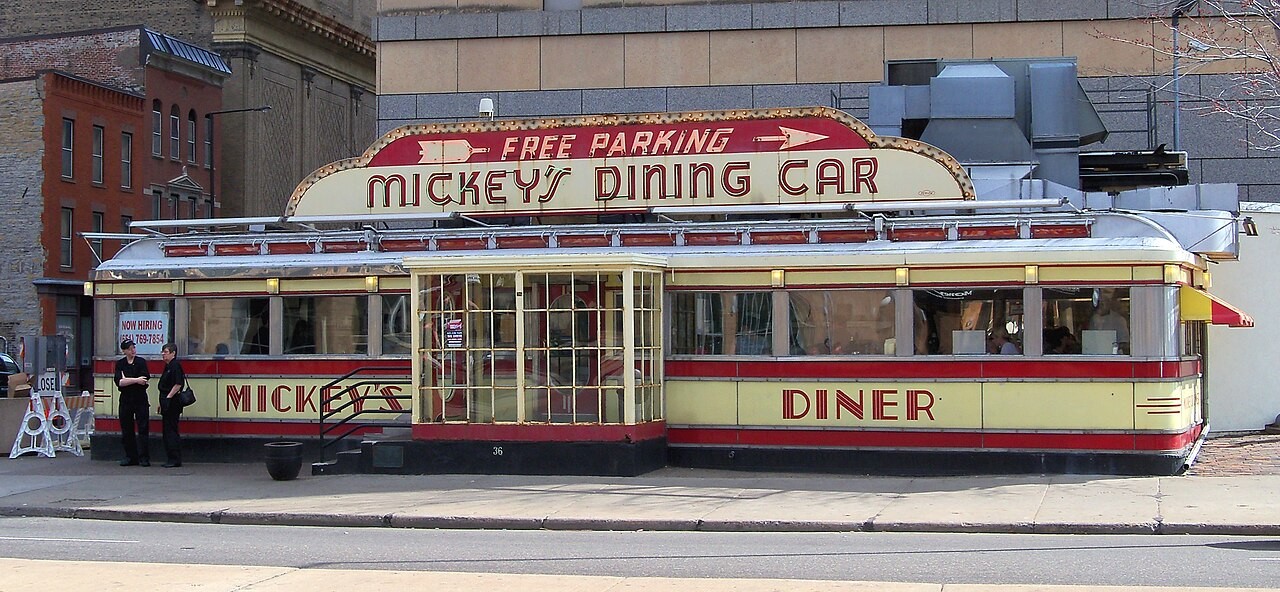
Classic diners and drive-ins were integral to the 1980s road trip experience, offering a taste of home and a nostalgic atmosphere. Places like Mel’s Drive-In or the long-standing Howard Johnson’s with its distinctive orange roofs, served as reliable havens for families. These establishments, often recognized for their historical significance by the 1980s, provided comforting meals and a sense of community, embodying the classic Americana that road-trippers sought. Many of these iconic eateries have since vanished, making their memory even more poignant.
National Parks: Yellowstone and Yosemite
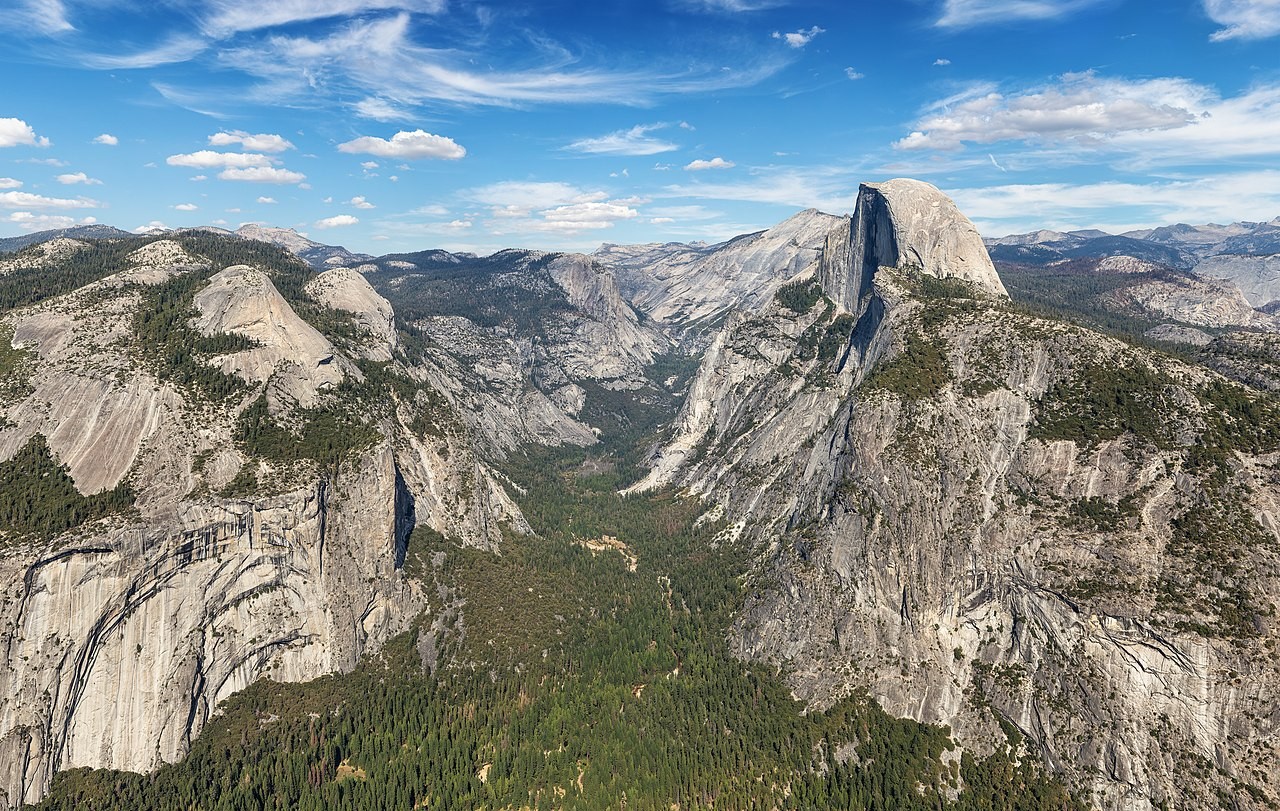
Beyond the Grand Canyon, national parks like Yellowstone and Yosemite were prime destinations for 1980s road trips, offering majestic landscapes and outdoor adventures. These parks, which have seen a resurgence in popularity, provided families with opportunities to connect with nature. Data indicates that national parks generally have grown in popularity over the decades, with many seeing significant increases in visitation from 1980 to 2020. This enduring appeal highlights their consistent role in the American travel experience.
Movie Filming Locations
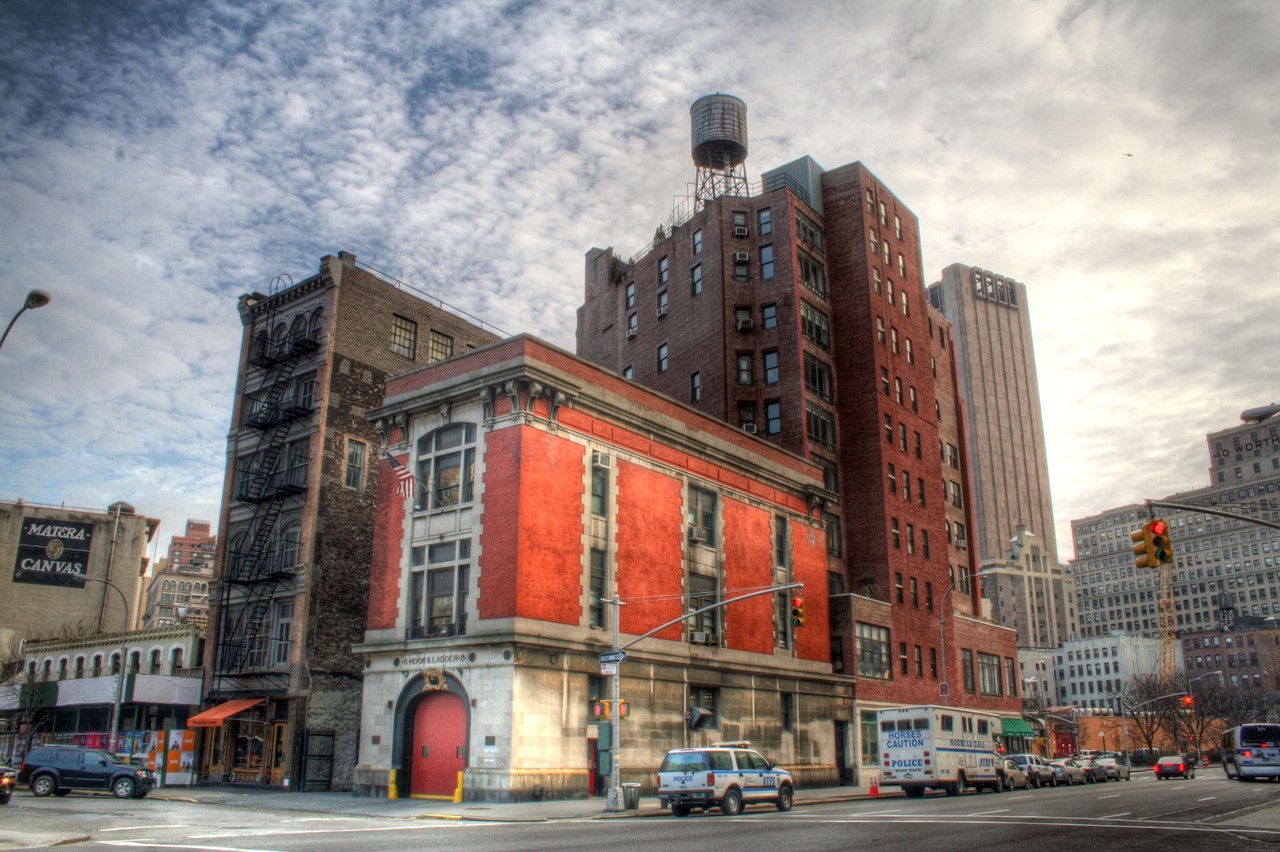
The 1980s were a golden age for iconic films, and many road trips included stops at famous filming locations. From the Ghostbusters firehouse in New York to the houses featured in John Hughes’s teen comedies, these sites offered fans a tangible connection to their favorite movies. The ability to stand where cinematic history was made added an extra layer of excitement to the journey, blending the romance of the open road with the magic of Hollywood. These locations often become pilgrimage sites for devoted fans.