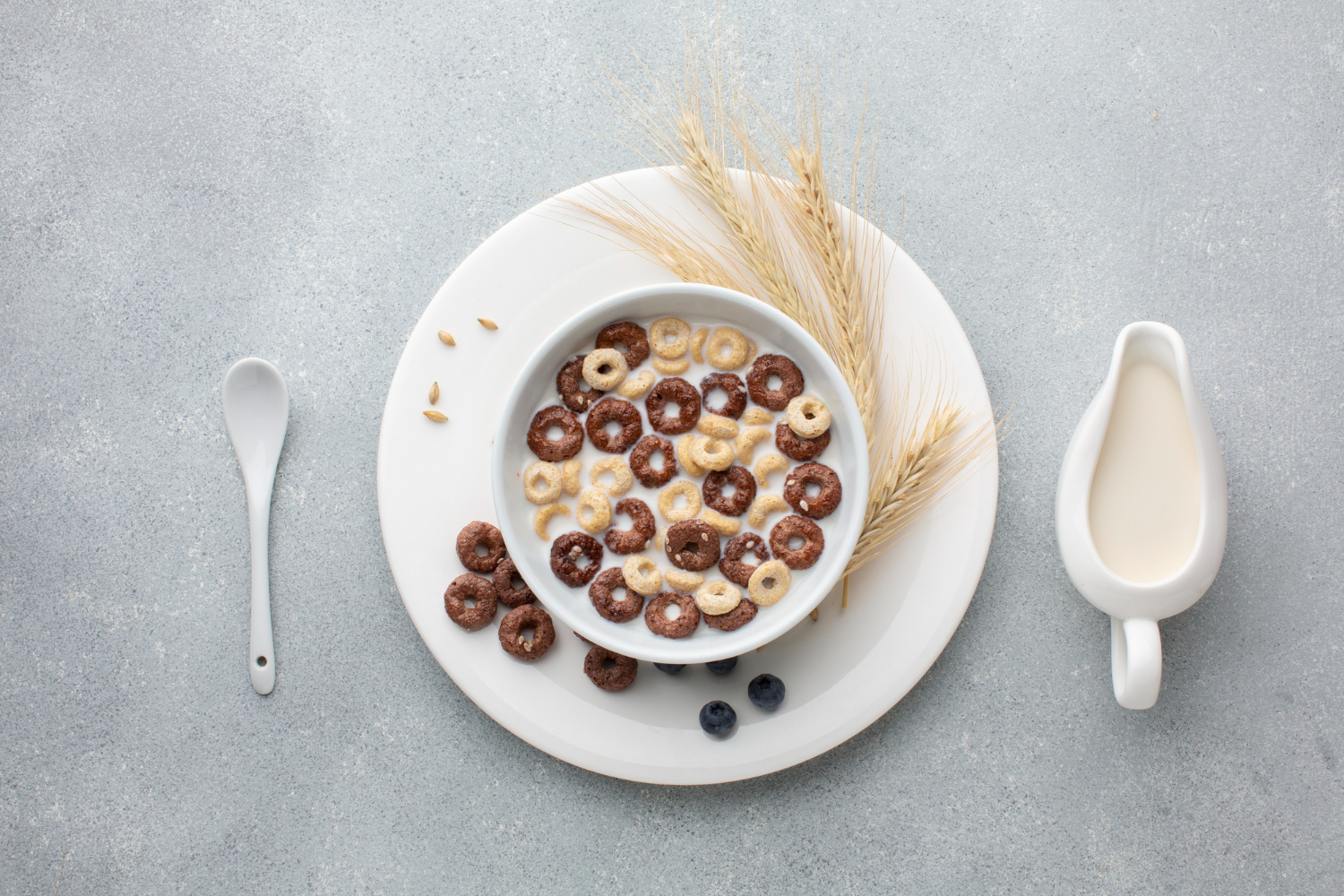
Walk down any supermarket aisle aimed at children and you’ll find brightly packaged cereals, snack bars, frozen meals, and sweet drinks, most of them ultra-processed. These foods now make up a startling share of what kids eat, and a growing body of research is trying to pin down what that means for their health. The picture is serious but also more nuanced than the scariest headlines suggest: the evidence points clearly in a worrying direction, while still leaving real questions open. Here’s what “ultra-processed” actually means, what scientists have and haven’t established about its effects on children, and what the research suggests parents can realistically do about it.
A note before we start: this is general information, not medical advice, and the science here describes populations, not any individual child. Anyone with specific concerns about a child’s diet or growth should talk to a pediatrician or a registered dietitian. With that said, here’s where the research stands.
What “Ultra-Processed” Actually Means
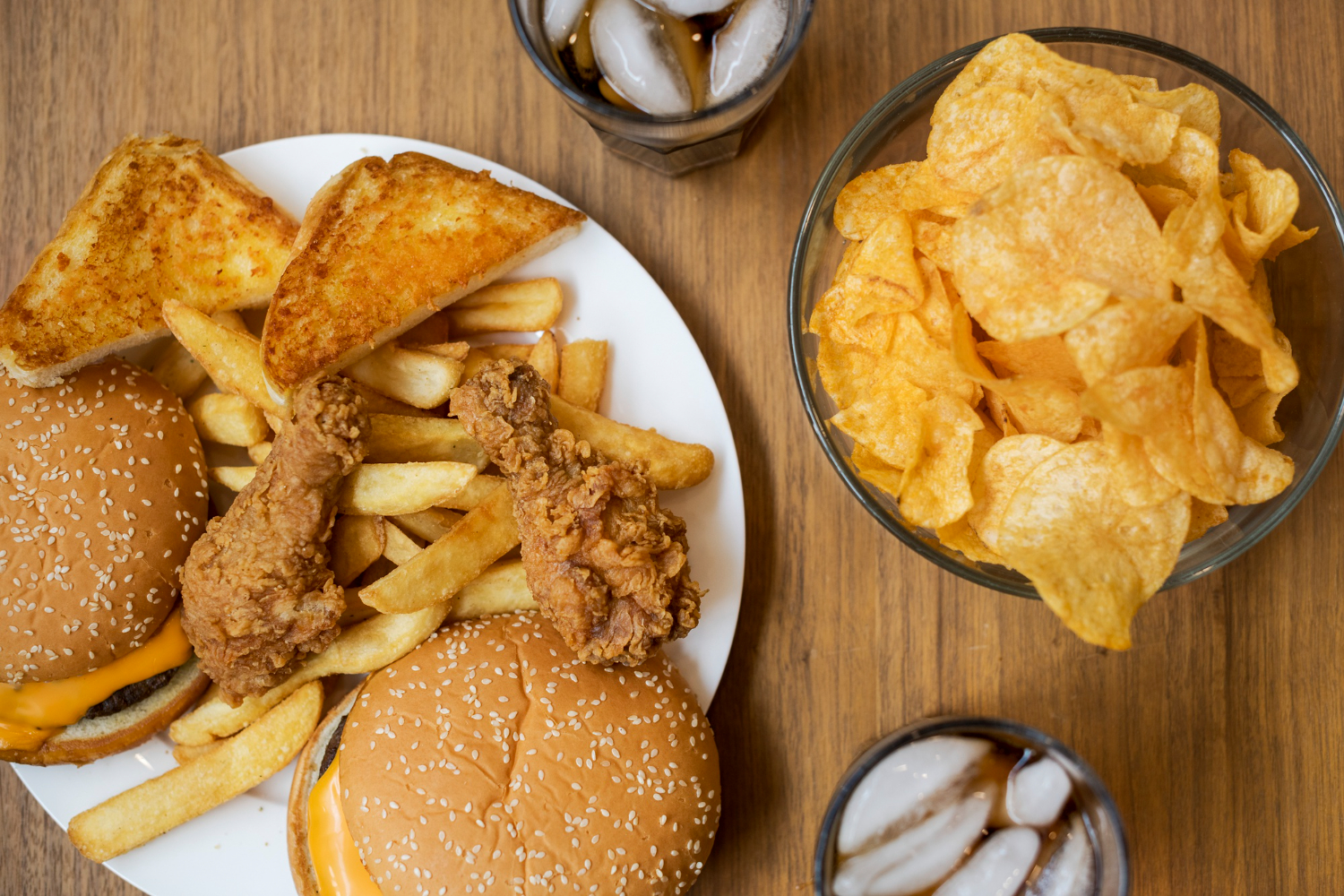
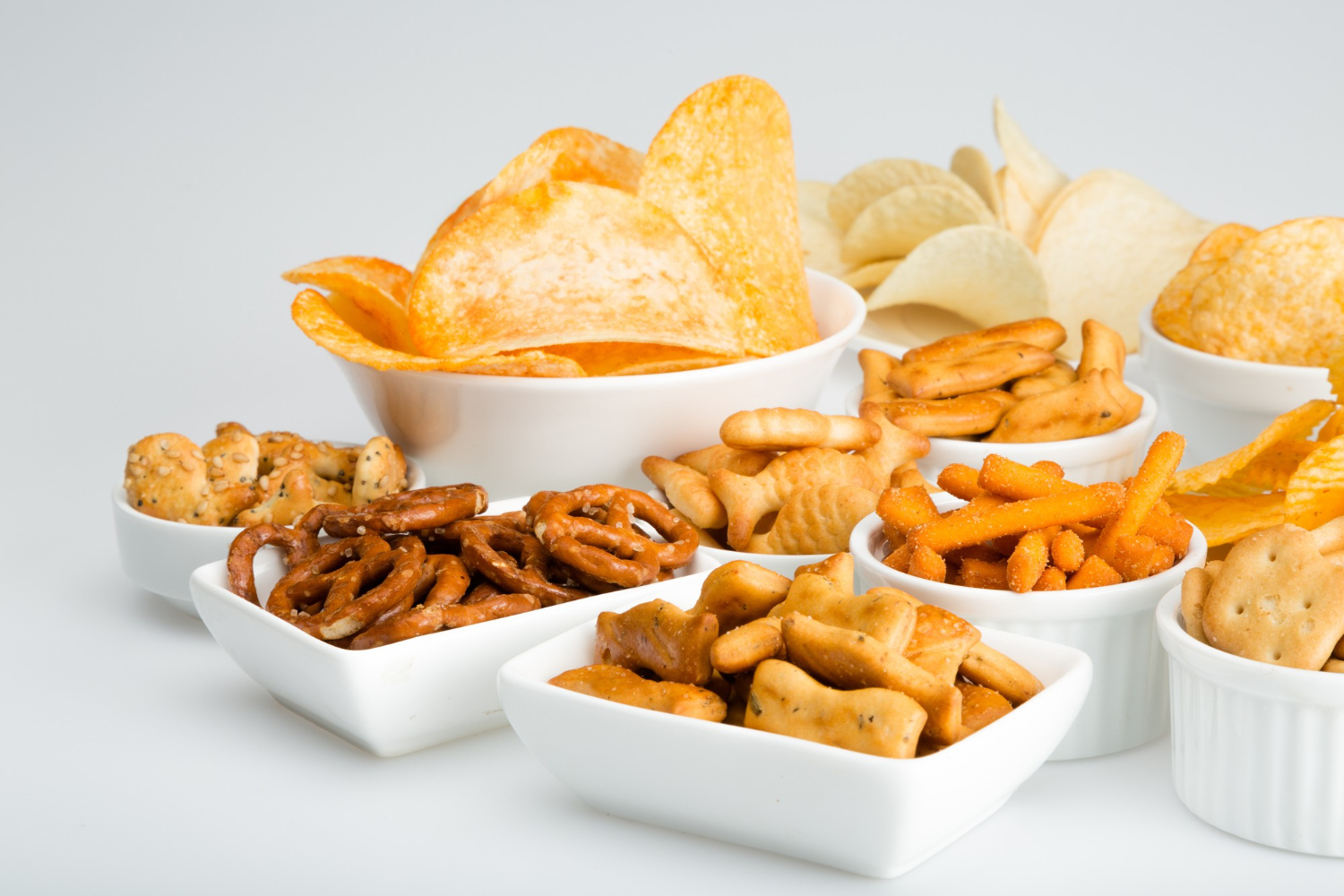
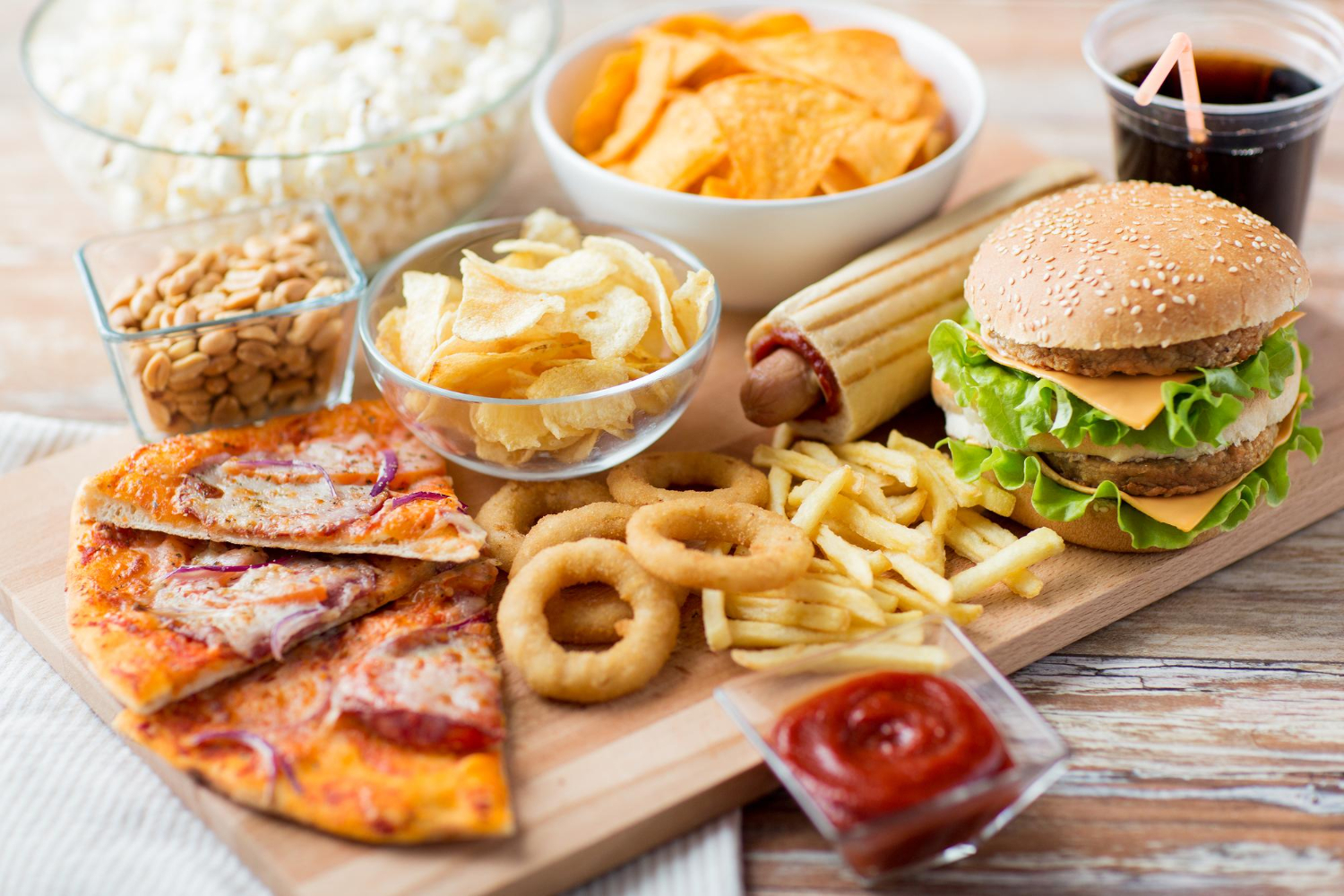
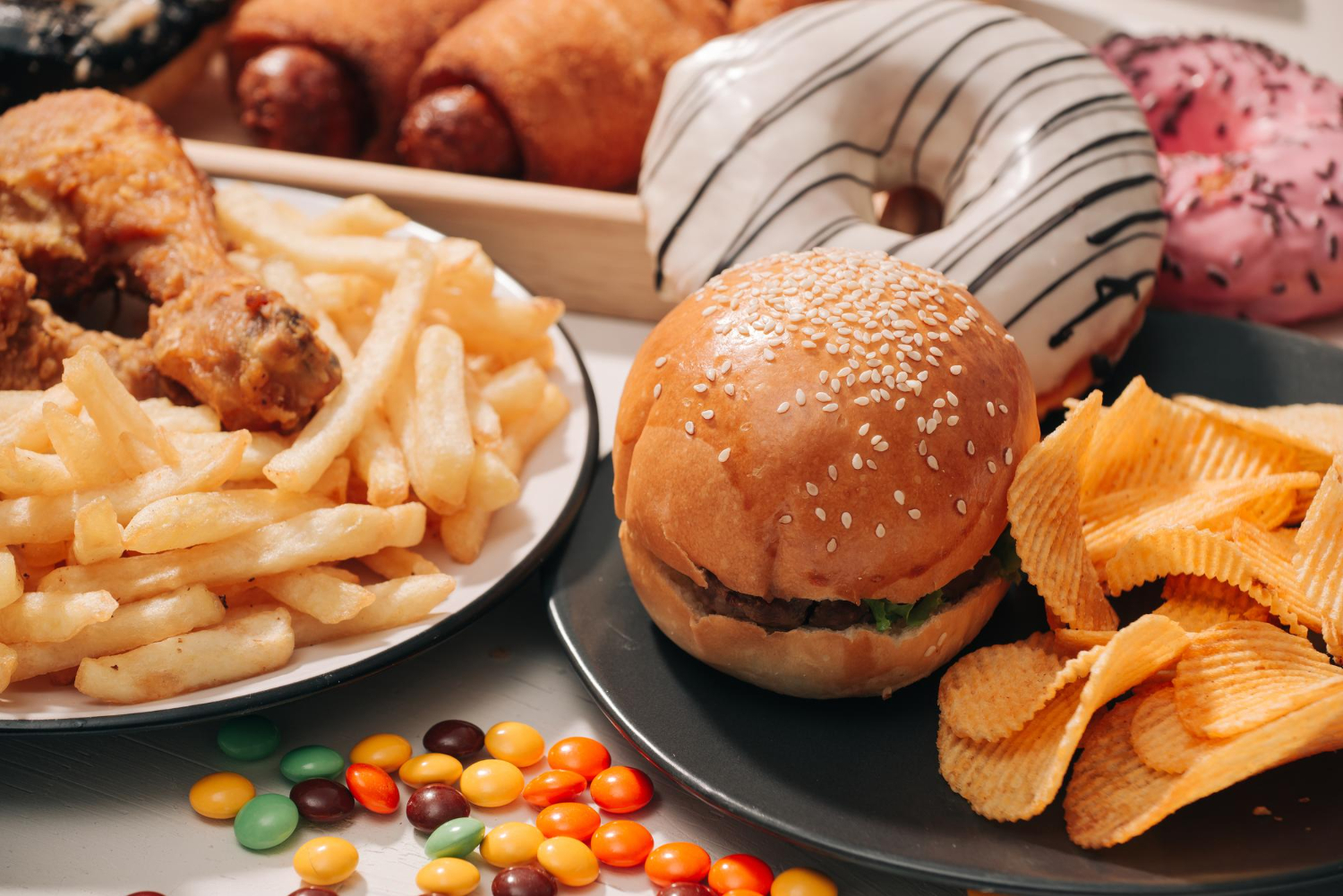
Not all processed food is the same, and the distinction matters. Researchers often use a framework called the NOVA classification, which sorts foods by how much industrial processing they’ve undergone. Ultra-processed foods, the most heavily altered category, are industrial formulations made largely from substances extracted from foods, such as starches, oils, and sugars, combined with additives like flavors, colors, emulsifiers, and preservatives. The defining feature is that whole foods are mostly or entirely absent. Typical examples include soft drinks, packaged sweets and snack cakes, many breakfast cereals, chips, frozen ready-meals, and most fast food. These products tend to be energy-dense and high in fat, sugar, and salt while being low in fiber, a nutritional profile that is much of the reason researchers worry about them.
How Much Kids Are Actually Eating
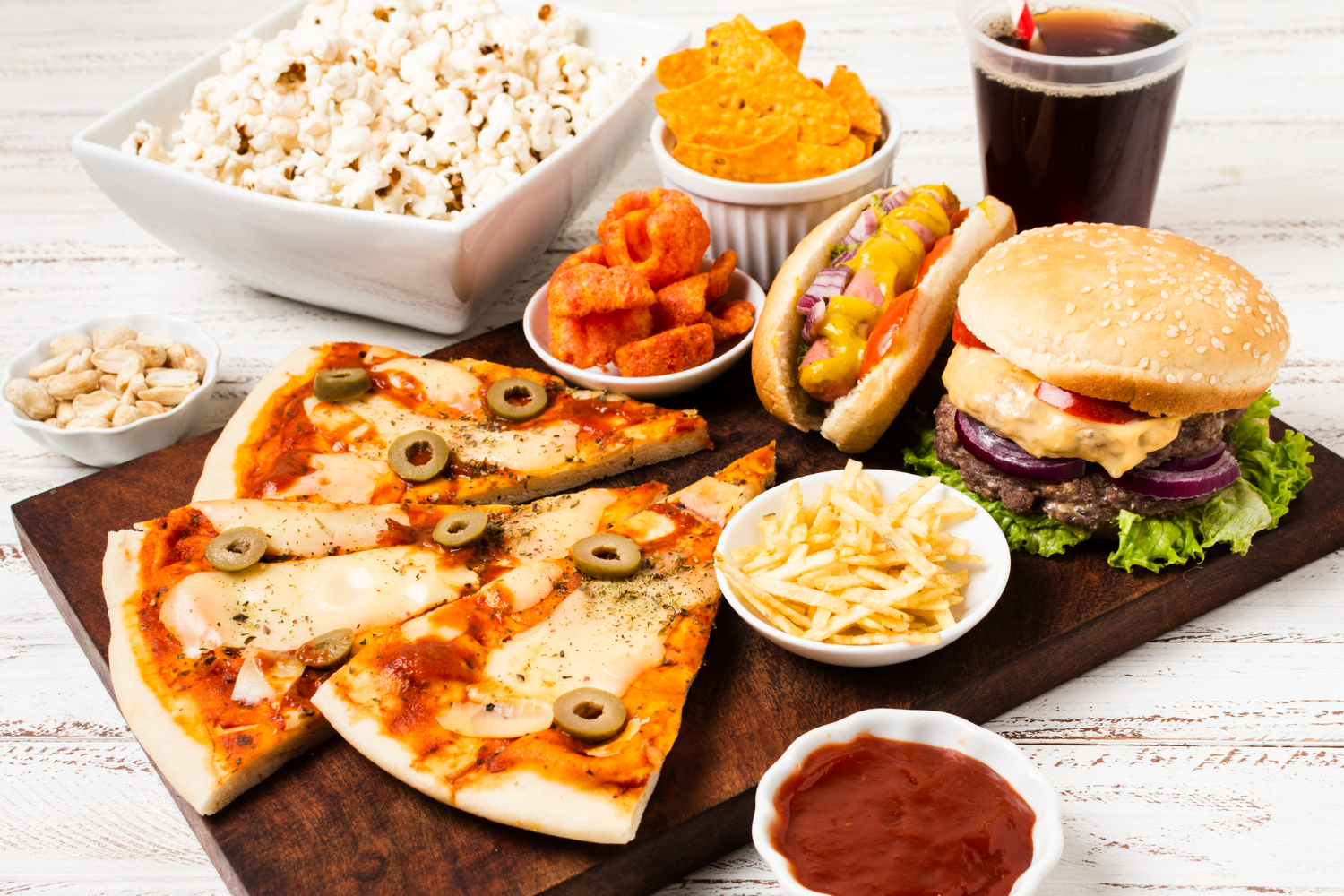
The scale of consumption is what alarms public-health experts. Ultra-processed foods account for an estimated 58 percent of the calories consumed in the United States and contribute close to 90 percent of the country’s added sugar intake, according to research cited by Harvard Health. Children and adolescents are among the heaviest consumers, in part because so many products are designed, packaged, and marketed specifically to them. For a lot of kids, ultra-processed items aren’t an occasional treat but the foundation of the daily diet, from sweetened cereal at breakfast to packaged snacks after school to a fast-food dinner. That shift, away from home-cooked and minimally processed meals, has happened gradually enough that many families don’t register just how dominant these foods have become.
What the Research Links It To
The strongest evidence concerns weight and metabolic health. The scientific report behind the 2025 Dietary Guidelines for Americans systematically reviewed the research and concluded that children and adolescents whose diets contain higher amounts of ultra-processed food are associated with greater adiposity, meaning more body fat, larger waist circumference, and higher BMI, along with an increased risk of overweight. Other studies have linked heavy ultra-processed consumption in children to cardiometabolic risk factors, the cluster of issues that can foreshadow conditions like type 2 diabetes and heart disease later in life. In adults, where the research is more mature, high ultra-processed intake has been tied to obesity, cardiometabolic disease, type 2 diabetes, and higher all-cause mortality. The concern is that dietary patterns set in childhood often carry into adulthood, so early heavy consumption may help set the stage for later disease.
Why These Foods Are So Easy to Overeat
Part of what makes ultra-processed food a particular concern for children is that it’s engineered to be easy to eat a lot of. These products are often designed for what food scientists call high palatability, combining fat, sugar, and salt in proportions that rarely occur in nature and that the brain finds especially rewarding. Many are also soft and require little chewing, so they can be consumed quickly before the body’s fullness signals catch up, and they tend to be low in the fiber and protein that help people feel satisfied. The result is food that’s simple to overconsume without feeling full, which is one proposed explanation for why diets heavy in these products are linked to weight gain. A controlled study in adults found that people ate substantially more calories and gained weight on an ultra-processed diet compared with a minimally processed one, even when the meals were matched for nutrients. For children, whose eating habits and preferences are still forming, regular exposure to intensely palatable, easy-to-overeat foods may shape what they come to expect food to taste like.
The Obesity Trend Behind the Worry
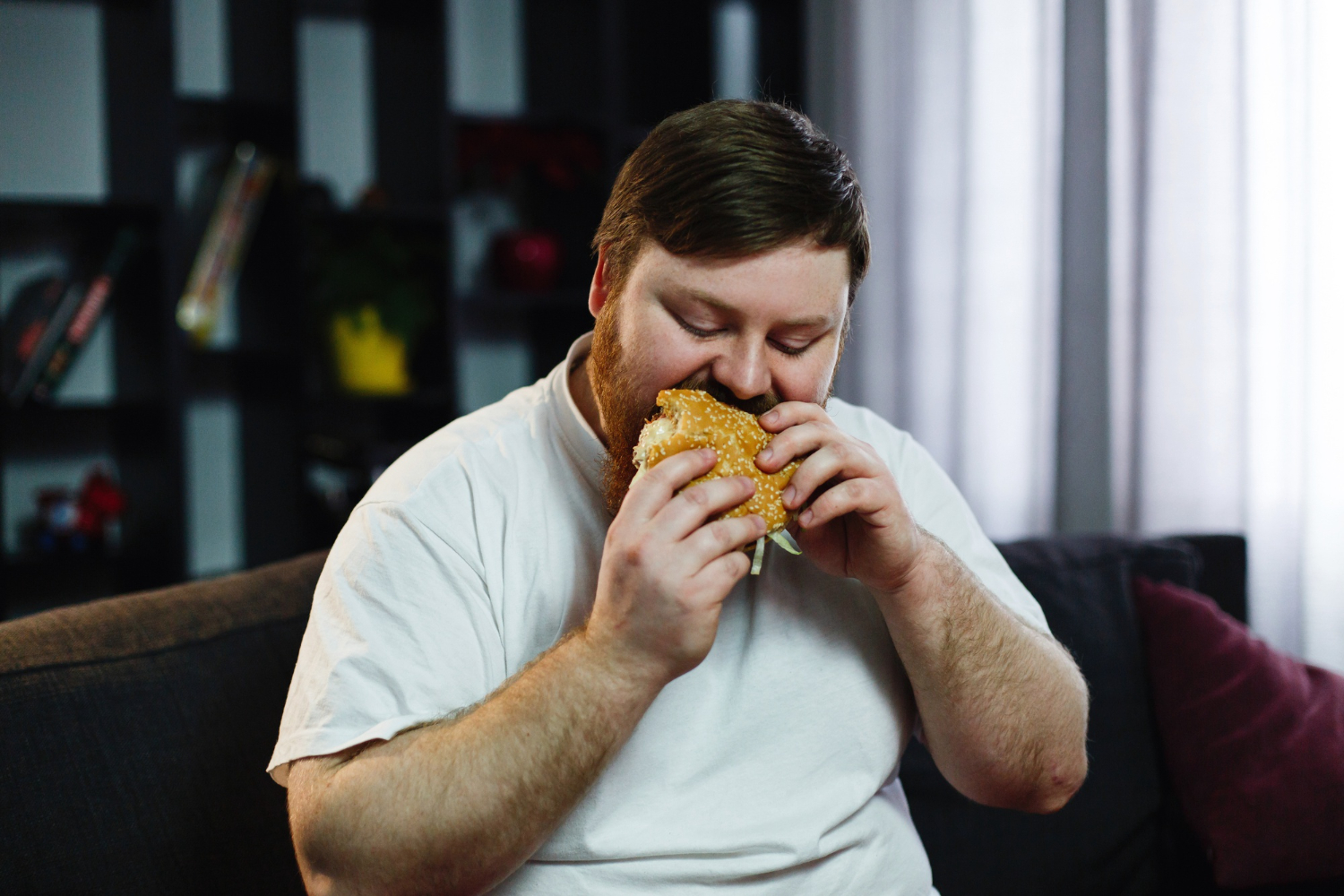
The research is unfolding against a dramatic backdrop. Childhood and adolescent obesity rates have climbed steeply over recent decades, and the most rapid weight gain tends to occur in early childhood, between roughly ages two and six. Studies have found that a large majority of children who are obese by early childhood remain overweight or obese into adolescence, which is why researchers treat early diet as such a pivotal, and modifiable, factor. Ultra-processed food isn’t the only driver of these trends, but its energy density, heavy sugar load, and engineered palatability, the way these products are designed to be easy to overeat, make it a prime suspect, and a focus of national attention. Recent high-profile policy reports have specifically flagged ultra-processed consumption in children as a growing public-health priority.
Brain, Behavior, and Marketing

Beyond weight, scientists are investigating subtler effects. Some emerging research raises questions about how diets heavy in ultra-processed food might influence brain development and behavior during the vulnerable years of childhood and adolescence, though this work is still early and far from settled. There’s firmer evidence on the role of marketing: a large analysis published in a leading pediatrics journal found that food and beverage advertising is associated with poorer eating behaviors and food choices among children and adolescents. In other words, part of the challenge isn’t just the food itself but the sophisticated effort to put it in front of kids, through packaging, characters, and advertising that minimally processed whole foods rarely receive. Understanding that pressure helps parents see why steering children toward better choices can feel like swimming upstream.
What the Science Doesn’t Say
Honesty about the limits of the evidence matters, because the topic is often overstated. Much of the research on children is observational, meaning it can establish associations but not definitively prove that ultra-processed food causes the outcomes in question; other factors, from family income to overall lifestyle, are tangled up in the results. The NOVA classification itself is debated among nutrition scientists, with critics arguing that it’s too broad, lumping a sugary soda together with, say, a whole-grain packaged bread or plain yogurt that happen to contain additives but are nutritionally reasonable. Reviewers have pointed out that not all ultra-processed foods are equally harmful. And for the youngest children, under about two years old, the evidence was judged too limited to draw firm conclusions at all. None of this means the concern is unfounded; it means the smart reading is “strong reason for caution,” not “every packaged food is poison.”
What Parents Can Actually Do
The practical takeaways are less about strict rules than about direction. Most experts emphasize shifting the balance of a child’s diet toward whole and minimally processed foods, such as fruits, vegetables, whole grains, beans, eggs, and simply prepared meats, rather than trying to ban any single item, which can backfire. Cutting back on sugary drinks is one of the highest-impact changes, since they deliver large amounts of sugar with little else. Cooking more meals from basic ingredients, even simple ones, moves a family along what nutritionists call the scratch-cooking continuum and naturally crowds out ultra-processed options. Reading ingredient labels, being skeptical of products marketed heavily to kids, and keeping easy whole-food snacks within reach all help. The goal isn’t perfection or anxiety around food, which carries its own risks, but a steady tilt toward real ingredients. For tailored guidance on a specific child, a pediatrician or registered dietitian remains the best resource.
The Bottom Line
The research on ultra-processed food and children lands in a reasonable middle ground: there is solid, mounting evidence linking heavy consumption to greater body fat and cardiometabolic risk, set against a background of rising childhood obesity, even as scientists are careful to note that the strongest claims aren’t fully proven and that the food category is broad and uneven. What’s clear enough to act on is that ultra-processed products now dominate many children’s diets in a way that no generation has experienced before, and that nudging the balance back toward whole foods is a sensible, low-risk move supported by the weight of the evidence. Parents don’t need to panic or police every bite. They do have good reason to pay attention to how much of what their kids eat comes out of a package, and to make a little more of it come from a kitchen.
Like our content? Follow us for more.