Open any 1975 Better Homes and Gardens cookbook and the recipes feel like they belong to a different country. Aspic salads layered with vegetables suspended in gelatin. Tuna noodle casserole with crushed potato chips on top. Liver and onions on a Tuesday night. Watergate salad. Salisbury steak from a TV dinner tray. The American household kitchen of the 1970s ran on convenience-era industrial food in a way that the modern kitchen does not, and many of the recipes that defined the decade have effectively disappeared from American family menus by 2026. The shift is not just nostalgic — it reflects measurable changes in U.S. household cooking time, ingredient sourcing, and dietary preferences. Here are ten foods that defined the 1970s American family dinner and where each one stands today.
1. Tuna Noodle Casserole
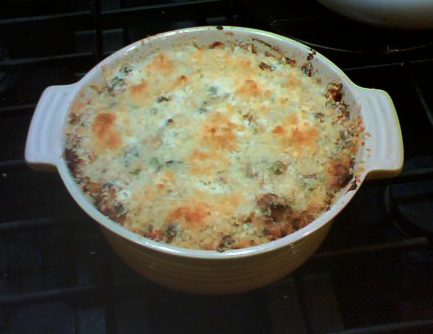
Tuna noodle casserole — egg noodles, canned tuna, canned cream of mushroom soup, frozen peas, topped with crushed potato chips or breadcrumbs — was on rotation in approximately 60 percent of American households in the 1970s according to Pillsbury Bake-Off contest records and the era’s home-economics surveys. The dish required less than 20 minutes of preparation and used three shelf-stable ingredients, making it a defining recipe of the convenience-cooking era when most American mothers had both children at home and a part-time job to manage. It survives today primarily as a nostalgia recipe rather than a regular weeknight meal, with most surviving versions deliberately retro and ironic rather than functional dinner solutions. According to industry research from the Mintel Group, U.S. canned-tuna consumption has declined approximately 42 percent between 1989 and 2024, driven by mercury concerns, the rise of fresh fish, sustainability concerns about industrial tuna fishing, and changing protein preferences. The crushed-potato-chip topping in particular has become culturally unfashionable, with younger Americans encountering vintage recipes typically expressing surprise that the chips were considered an appropriate casserole element.
2. Liver and Onions
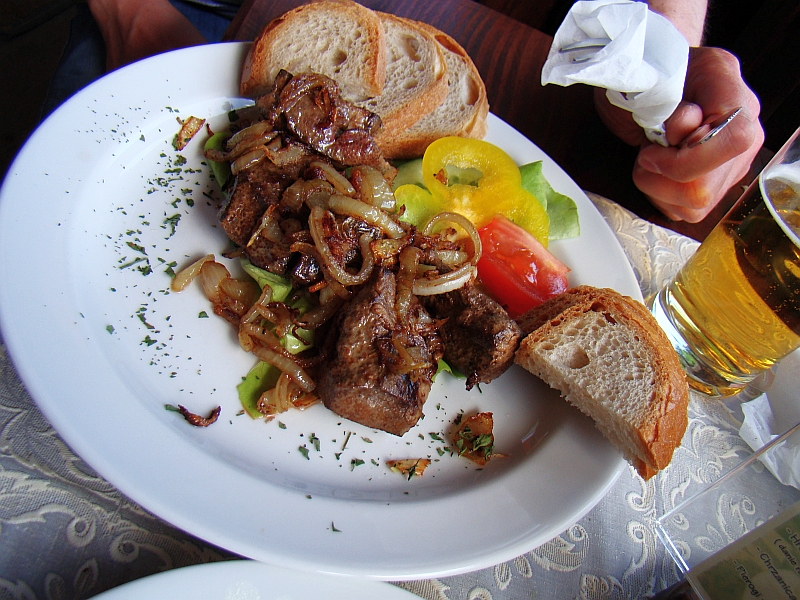
Liver and onions — beef or calf liver, dredged in flour, pan-fried, served with caramelized onions and a side of mashed potatoes — was a standard 1970s American family dinner, particularly in lower-cost meal rotations. The dish is iron-rich, inexpensive, and uses a cheaper organ-meat cut. According to USDA consumption data, American per-capita beef-liver consumption has declined approximately 87 percent between 1970 and 2024. The decline tracks closely with changing pediatric food expectations and a broader rejection of organ meats by post-1980 American consumers. Liver and onions survives in older diners, Eastern European-American households, and in deliberately retro restaurants. The 1975 mother who served it on Tuesday now has a daughter who has never tasted it.
3. Aspic and Gelatin Salads
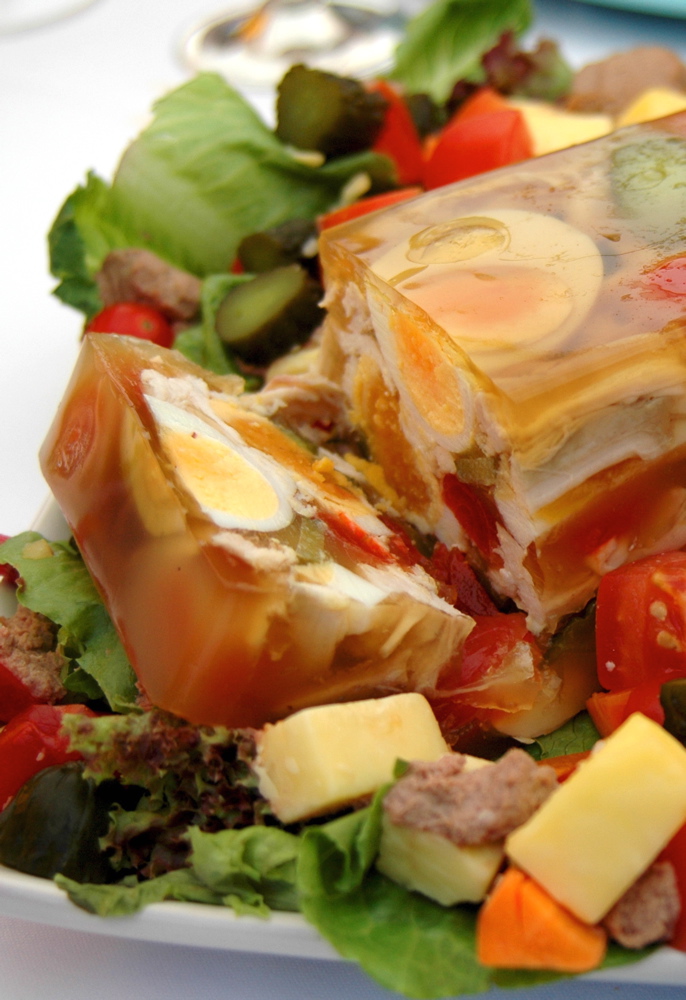
The molded gelatin salad — vegetables, fruit, or even meat suspended in flavored Jell-O or savory aspic — was a fixture of 1970s American potluck and family-dinner cookbooks. The classic Watergate Salad combined Jell-O pistachio pudding mix, crushed pineapple, mini marshmallows, and Cool Whip. Tomato aspic salads suspended tomato juice and chopped vegetables in unflavored gelatin. The category has effectively disappeared from American family menus, with the exception of holiday cranberry molds at Thanksgiving. The decline reflects both the rise of fresh-salad culture and the cultural rejection of mid-century suspended-food aesthetics. Modern Americans encountering 1970s gelatin recipes typically react with documented confusion or disgust.
4. TV Dinners

The Swanson TV Dinner, launched in 1953 and peaking in cultural dominance in the 1970s, was the standard convenience meal for the American family with both parents working. The Salisbury steak, the turkey-and-stuffing, the meatloaf — each in its own aluminum-foil compartment with peas, carrots, mashed potatoes, and a brownie dessert. The TV dinner survives in 2026 but in a substantially different form. Most modern frozen meals are single-serving microwave-safe trays for adults rather than family-style aluminum-foil entrees designed to heat in a conventional oven. The original aluminum-foil format was largely eliminated in the 1990s as microwave ovens became standard household appliances. The 1970s TV dinner format is essentially gone.
5. Spam
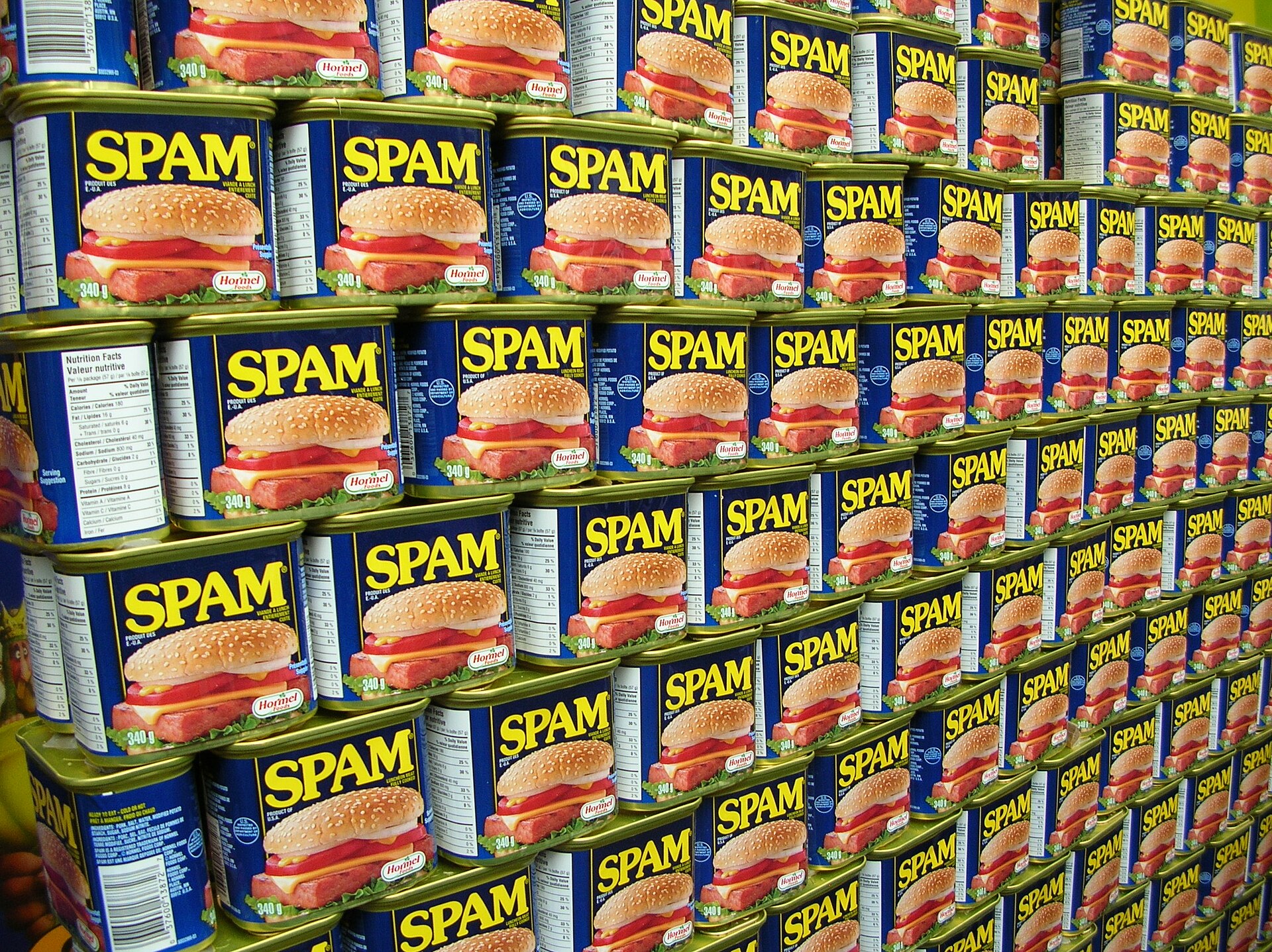
Spam — the Hormel canned-pork product introduced in 1937 — was a regular ingredient in American 1970s home cooking, used in sandwiches, fried slices, casseroles, and as a meatloaf extender. Per-capita Spam consumption in the continental United States has declined approximately 55 percent between 1970 and 2024 according to Hormel’s published consumption data. The product remains dominant in Hawaii (which consumes more Spam per capita than any U.S. state), in the Pacific Islands, and in Korean-American cooking where Spam-and-rice is a comfort-food staple. Mainland American family use has dropped sharply. The 1975 American mother who fried Spam slices for breakfast now has a 2026 daughter who has likely never opened a can.
6. Salisbury Steak
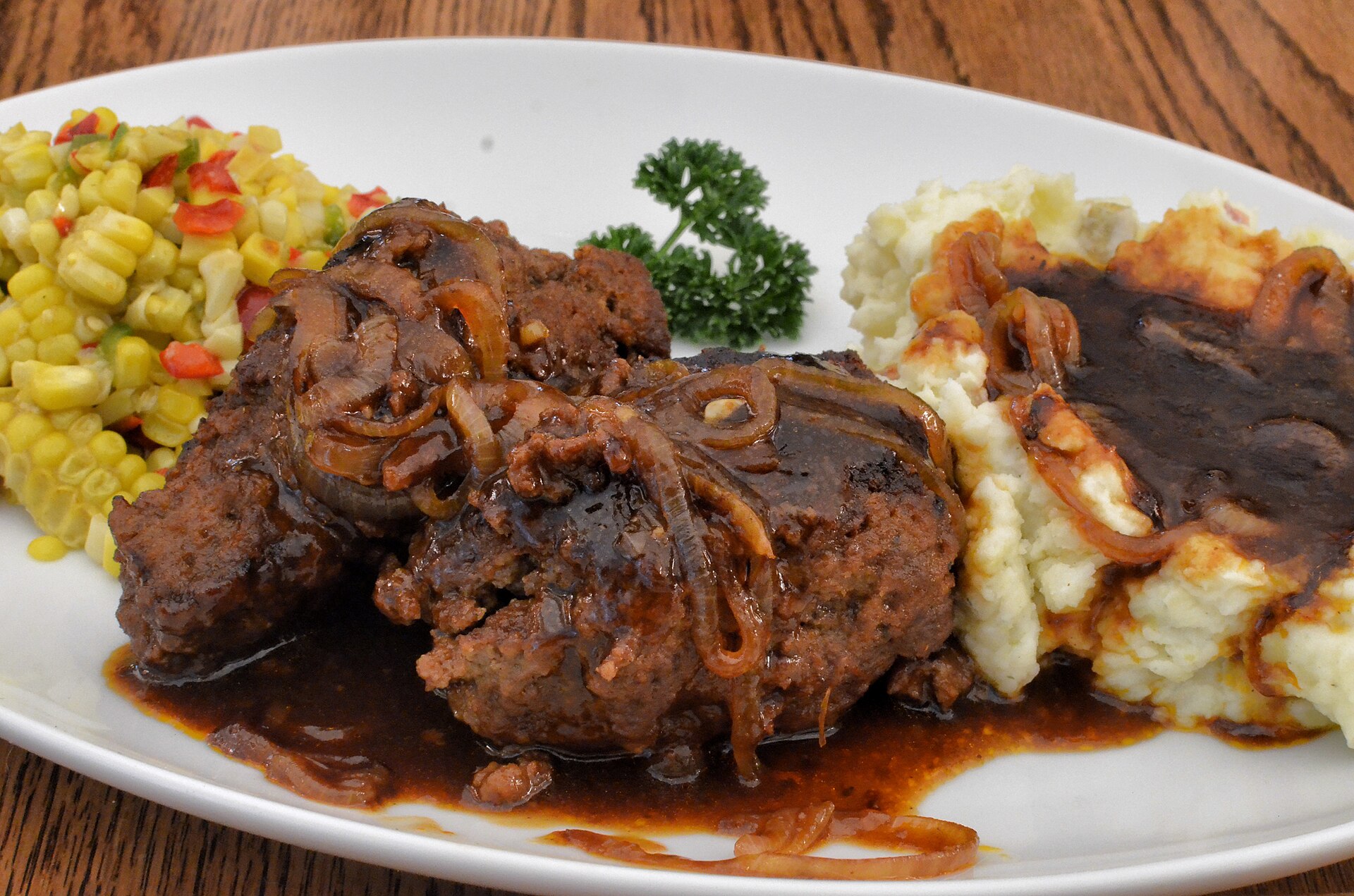
Salisbury steak — seasoned ground beef formed into an oval patty, served with brown gravy and onion — was a staple of 1970s American family dinners, school cafeterias, and TV dinner trays. The dish originated as a nineteenth-century medical recommendation and became a postwar convenience meal. Salisbury steak survives in some American institutional dining (military bases, school cafeterias, retirement communities) but has effectively disappeared from American family kitchens. According to restaurant industry data, fewer than 8 percent of American sit-down restaurants offer Salisbury steak on their menus in 2026, compared with approximately 47 percent in 1980. The dish has been displaced by other ground-beef preparations including burgers, meatballs, and meatloaf.
7. Creamed Tuna or Chipped Beef on Toast
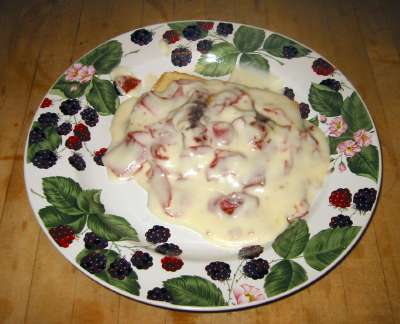
Creamed dried beef on toast — known colloquially in U.S. military circles by the unprintable acronym — was a 1970s American family breakfast or weekend lunch staple. The dish combined dried, paper-thin beef slices with a white cream sauce poured over toast. Creamed tuna on toast was the seafood variant. Both have effectively disappeared from American family menus. The Armour and Hormel chipped-beef jars are still produced and sold but at substantially lower volumes than in the 1970s peak. Modern Americans encountering the dish in their parents’ or grandparents’ kitchens typically react as if it is a wartime ration. The cream-sauce-on-toast format has not survived the rise of fresher breakfast preferences.
8. Jellied Salad with Lettuce
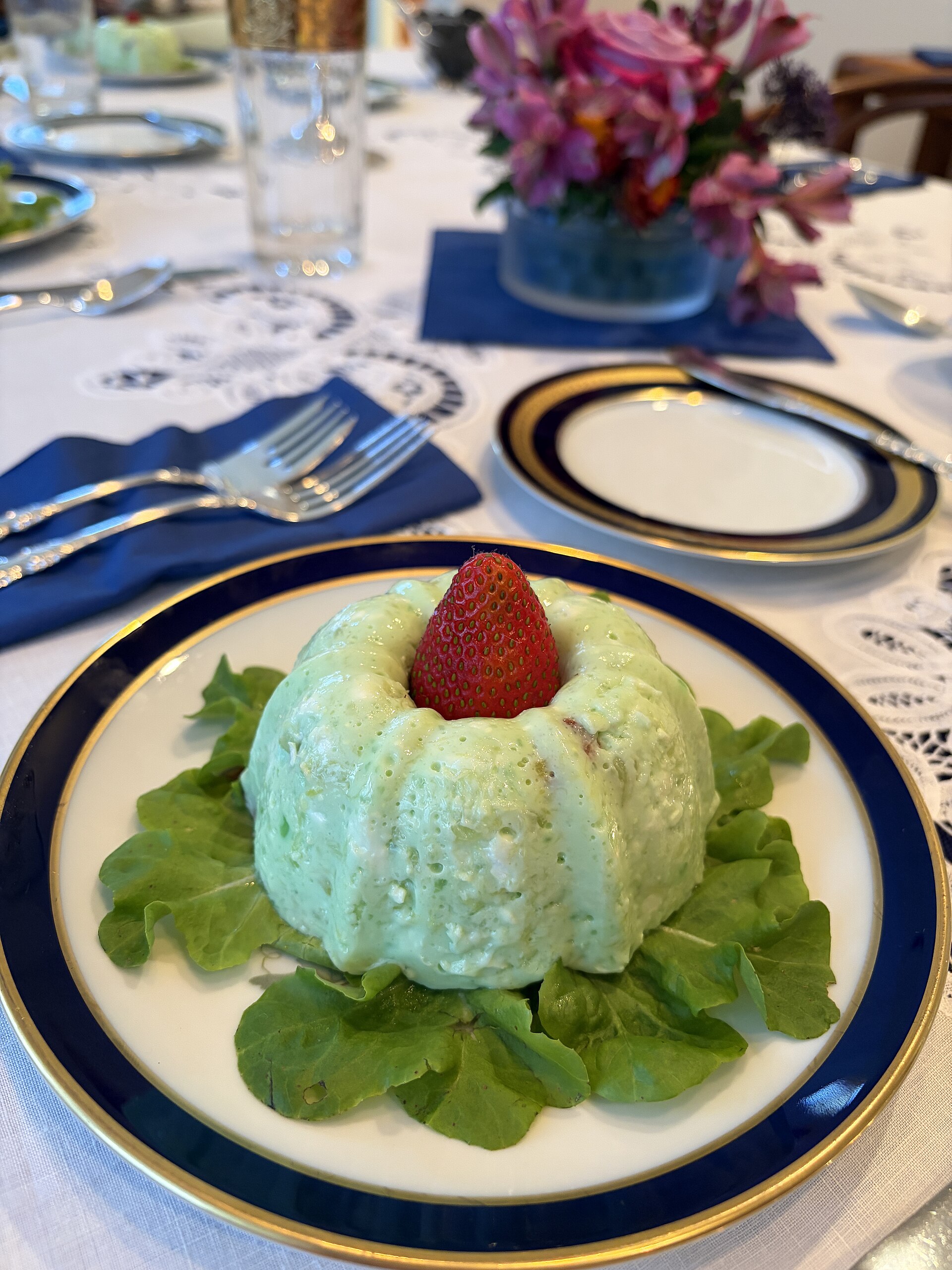
A specific 1970s convenience dish — chopped vegetables, hard-boiled egg, and shredded cheese suspended in lime or lemon Jell-O over a bed of iceberg lettuce — was a standard ladies’ luncheon and church potluck item. The dish appears in over 800 Better Homes and Gardens 1970s recipes and is consistently absent from any post-2000 American cookbook. The category is functionally extinct. Modern American consumers under 50 have generally never encountered the dish and react to vintage photographs with documented bewilderment. The savory-gelatin-with-vegetables category was perhaps the most clearly time-bound 1970s American food.
9. Ham Loaf
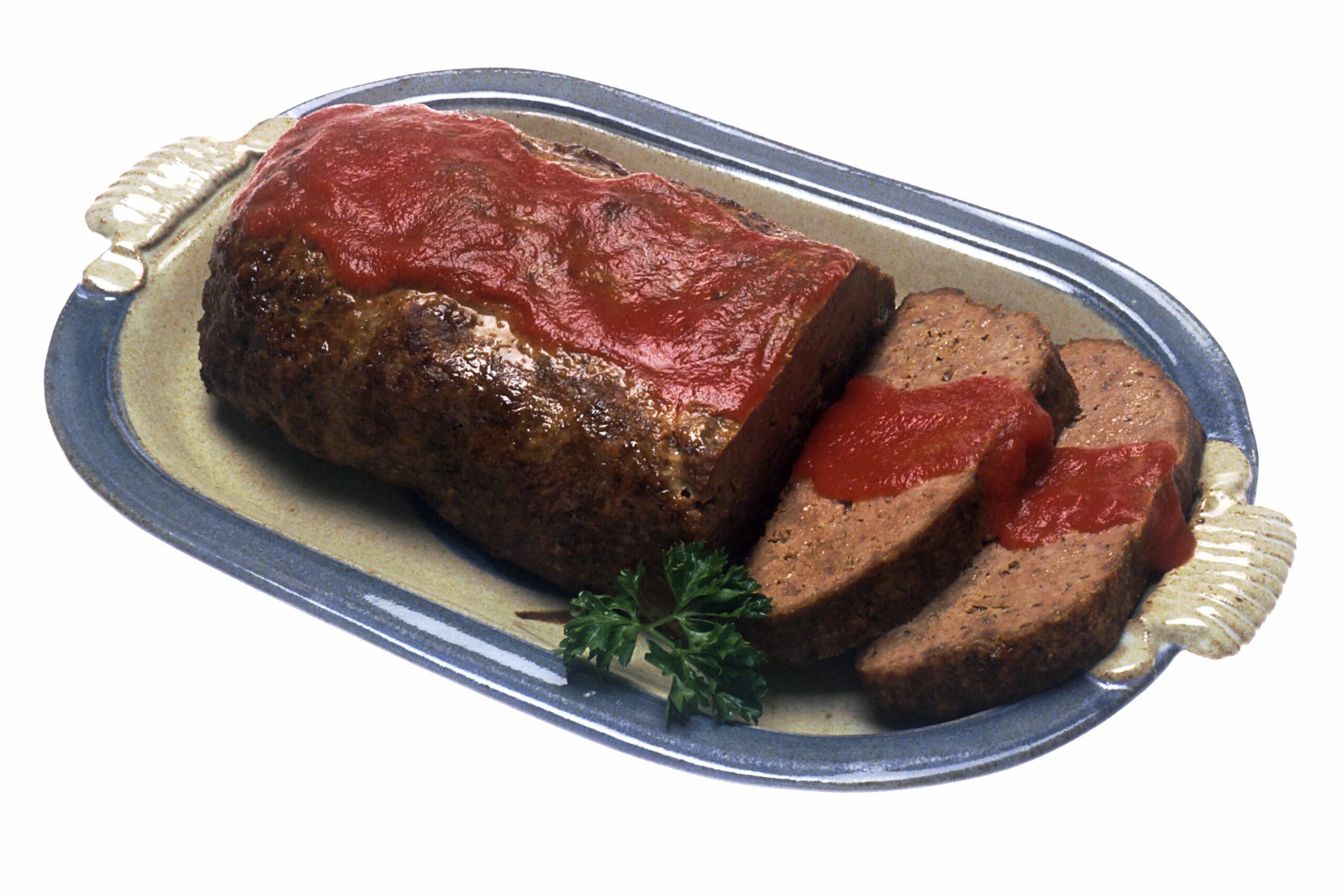
Ham loaf — a meatloaf made from a blend of ground ham and ground beef or pork, often glazed with brown sugar and pineapple — was a 1970s American Sunday dinner alternative to the standard beef meatloaf. The dish was particularly popular in Pennsylvania Dutch communities, Midwestern Lutheran congregations, and the broader American Sunday-dinner culture. Modern American per-capita ham consumption has declined approximately 23 percent between 1980 and 2024. Ham loaf survives in some regional and religious communities but has largely disappeared from mainstream American family menus. The sweet-savory pineapple-glazed ham loaf of 1970s Sunday dinners is now a deliberately retro food rather than a current category.
10. Watergate Salad
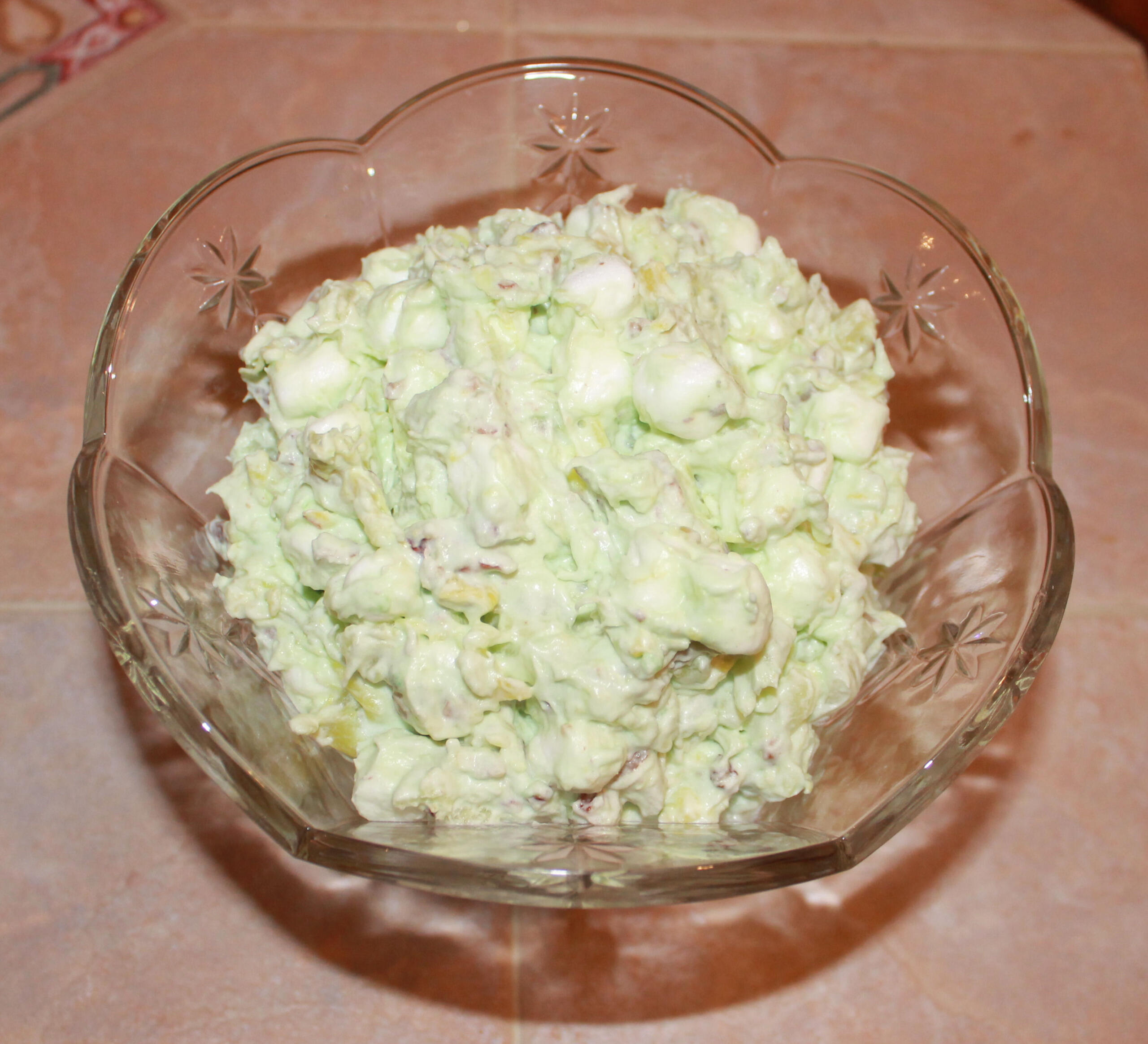
Watergate Salad, invented in 1975 (with the recipe origin disputed between Kraft Foods marketing and Watergate Hotel chefs), combined Jell-O pistachio pudding mix, crushed pineapple, mini marshmallows, chopped pecans, and Cool Whip. The dish became a dominant church potluck item across the late 1970s and 1980s. The salad has effectively disappeared from American family menus by 2026 but survives in retro recipe websites and in deliberate-nostalgia revivals on TikTok. The recipe’s defining moment was its appearance in nearly every American 1980s church cookbook. Modern American consumers under 40 frequently encounter the dish for the first time as a TikTok throwback and react with genuine confusion at the combination of pudding mix, pineapple, marshmallows, and whipped topping. The category is gone outside of nostalgia.