

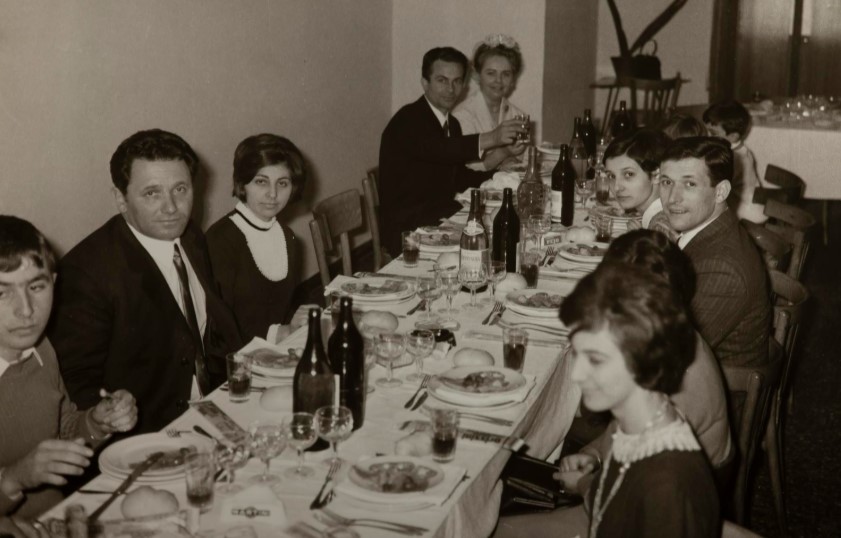
The American family dinner of 1972 ran on a specific set of dishes that have almost entirely disappeared from the modern table. This was the height of the convenience-food era, when canned soups, gelatin, processed meats, and a deep faith in the casserole defined home cooking. The recipes came from the backs of soup cans, from women’s magazines, and from the promotional cookbooks of food companies, and they were genuinely beloved — the comfort food of an entire generation. Most of them have since vanished, pushed aside by changing tastes, fresher-is-better cooking philosophies, and a collective decision that gelatin salads with vegetables suspended inside were perhaps a step too far. For Americans who grew up at these tables, the dishes are pure nostalgia. Here are fourteen dinners that defined the American table in 1972 and why almost no one makes them anymore.
1. Tuna Noodle Casserole
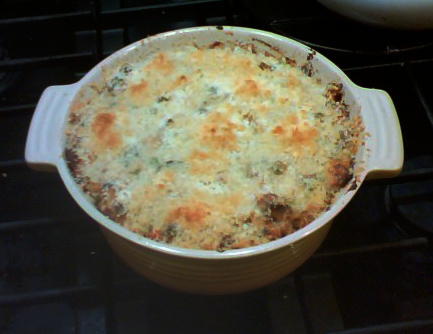
The tuna noodle casserole was perhaps the defining American family dinner of 1972 — canned tuna, egg noodles, canned cream of mushroom soup, and a topping of crushed potato chips or breadcrumbs, baked until bubbling. Cheap, filling, and built entirely from pantry staples, it appeared on tables across the country, especially on meatless Fridays. While it still has devoted fans, the dish has largely faded as fresh ingredients and lighter cooking replaced the canned-soup casserole. The specific 1972 version, heavy on processed components, is now more nostalgia than weeknight staple.
2. The Jell-O Salad With Suspended Vegetables
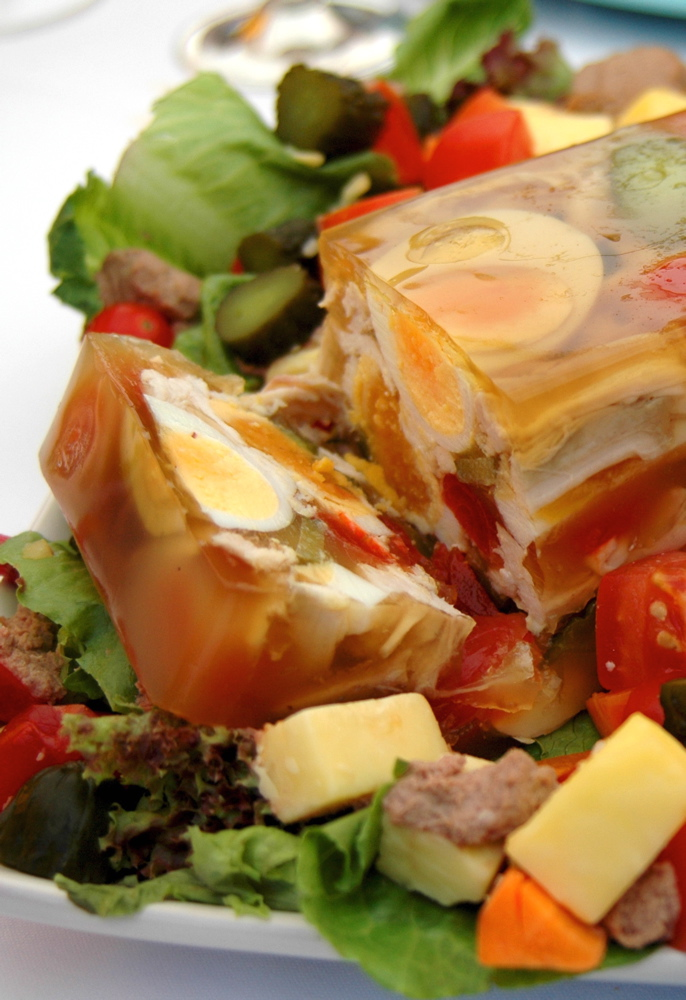
The savory gelatin salad — vegetables, shredded carrots, celery, sometimes shrimp or olives, suspended in lime or lemon Jell-O and unmolded onto a plate — was a genuine centerpiece of 1972 American entertaining. It represented sophistication and effort. Today the savory Jell-O salad is the single most-mocked relic of mid-century American cooking, and almost no one makes it. The combination of sweet gelatin and savory vegetables struck a later generation as bizarre, and the dish vanished from the table, surviving mainly as a punchline about how Americans used to eat.
3. Salisbury Steak in Brown Gravy
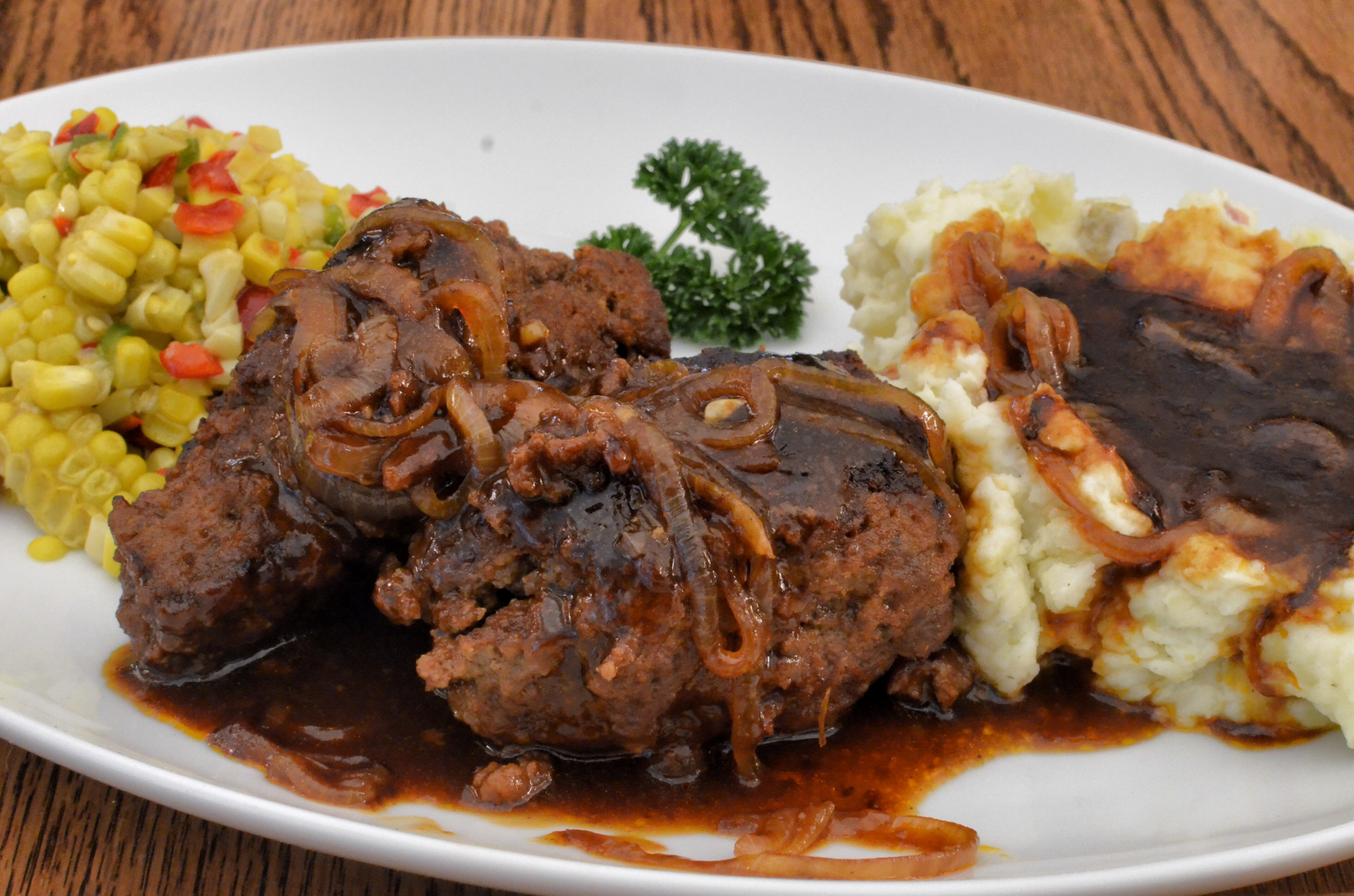
Salisbury steak — a seasoned ground-beef patty smothered in brown gravy, often with mushrooms — was a 1972 dinner staple, both homemade and as the centerpiece of the TV dinner. It delivered the feel of a steak dinner at hamburger prices. While it survives in some forms, the homemade Salisbury steak has largely faded from regular rotation, associated now with cafeteria food and frozen dinners rather than the family table where it once reigned.
4. Chicken à la King
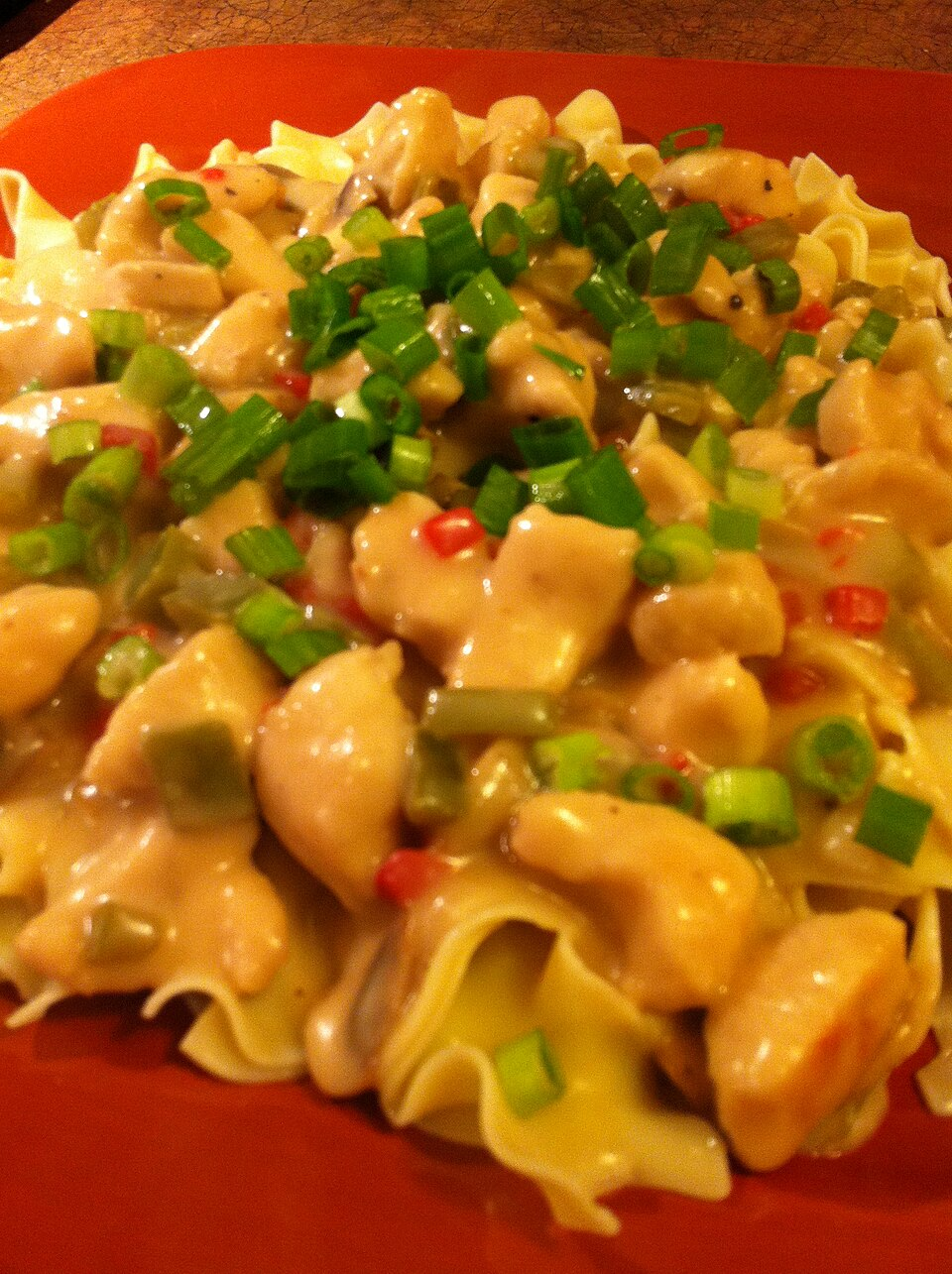
Chicken à la King — diced chicken in a cream sauce with pimentos and mushrooms, served over toast points, rice, or in a pastry shell — was a 1972 dinner-party and Sunday-supper favorite. The dish felt elegant and made stretching a small amount of chicken into a full meal easy. It has almost entirely vanished from American tables, its creamy, pimento-flecked sauce now reading as dated. Few Americans under 50 have eaten it, and fewer have made it.
5. The TV Dinner on a Tray
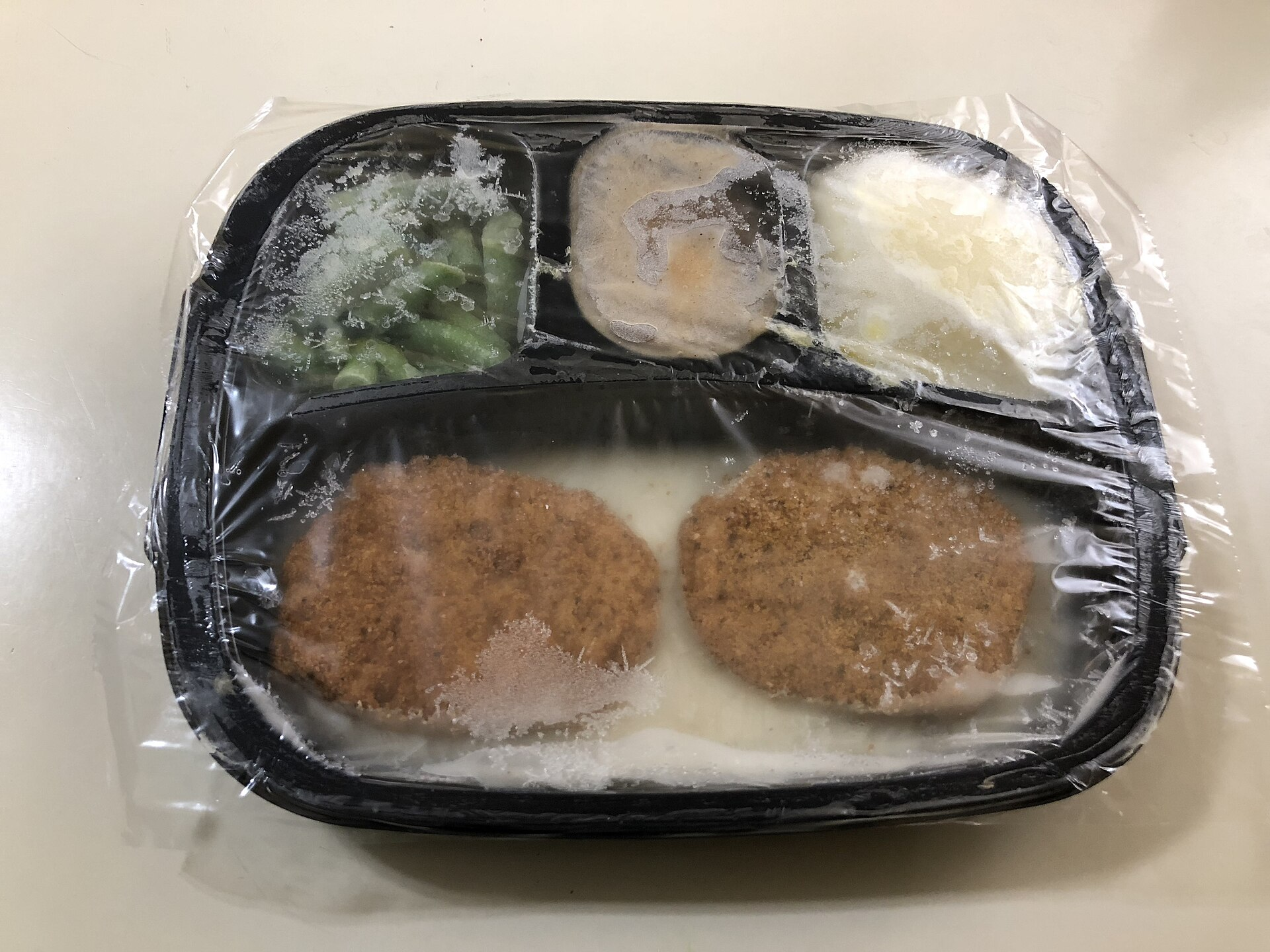
The TV dinner — the segmented aluminum tray with a meat compartment, a vegetable, a starch, and a small dessert, eaten in front of the television — was a defining 1972 dinner experience. Swanson and others sold the modern, convenient future of eating. While frozen dinners obviously still exist, the specific 1972 experience — the aluminum tray heated in a conventional oven, the exact compartmentalized menu, the novelty of eating in front of the TV — has transformed completely, and the original-format TV dinner is gone.
6. Liver and Onions
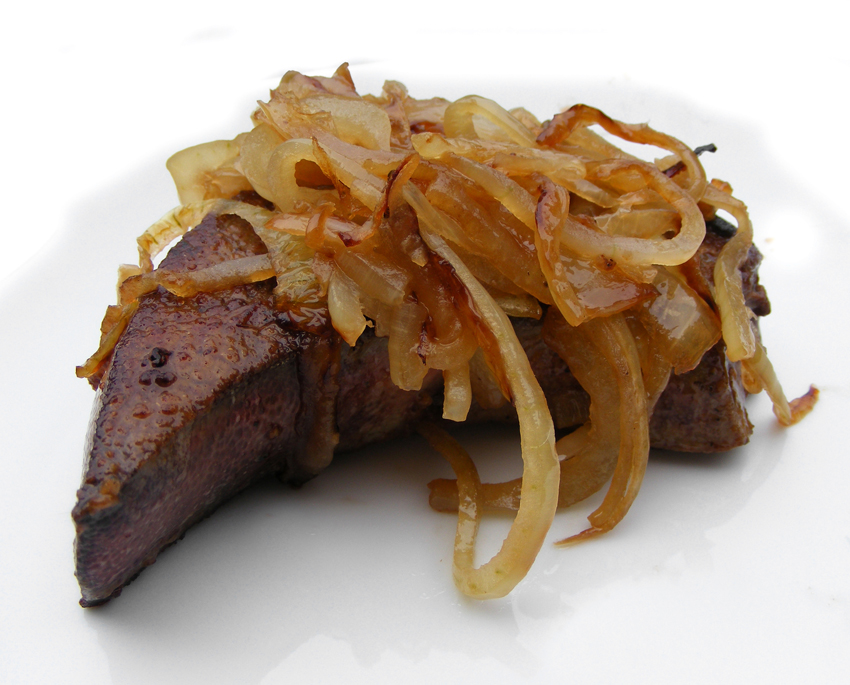
Liver and onions — beef or calf liver fried with onions — was a regular 1972 dinner, served because it was cheap, nutritious, and what families had always eaten. It was frequently the most-dreaded dinner of childhood. The dish has largely disappeared from American home cooking as organ meats fell out of favor and children’s preferences gained more sway over the menu. The 1972 expectation that a family would eat liver because it was good for them has not survived.
7. Creamed Chipped Beef on Toast
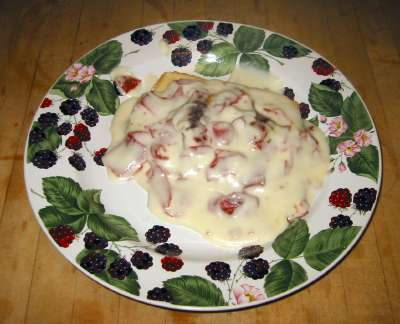
Creamed chipped beef on toast — thin dried beef in a white cream sauce served over toast, known by a memorable military nickname — was a 1972 budget dinner with deep roots, especially among families where a parent had served in the military. Extremely cheap and filling, it fed families through tight weeks. The dish has almost vanished as dried chipped beef itself became hard to find and the cream-sauce-on-toast genre fell out of fashion.
8. The Molded Ring of Anything
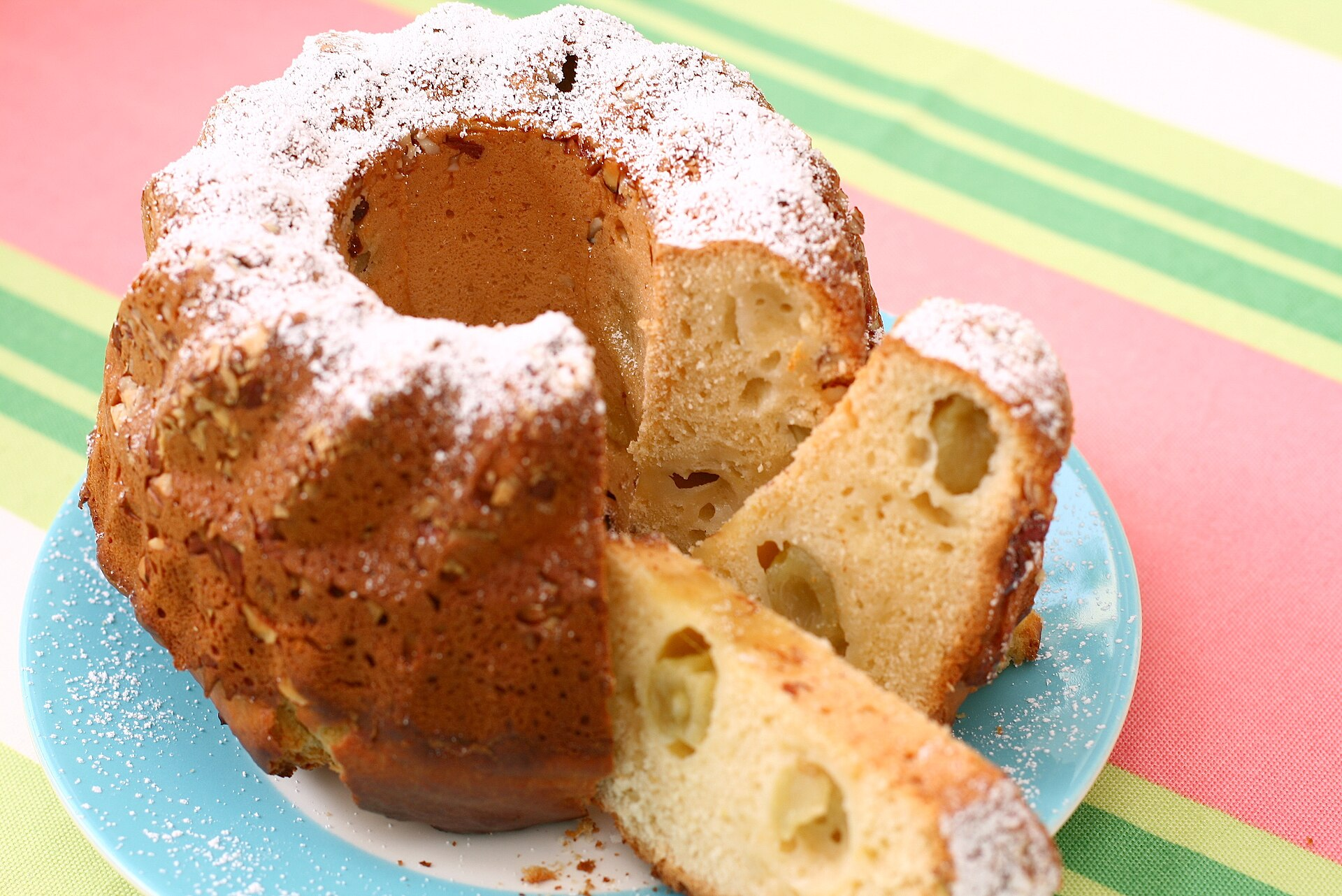
The 1972 cook used ring molds and gelatin molds for an enormous range of dishes — rice rings filled with creamed vegetables, gelatin rings, tuna mousse rings, ham salad molded into shapes. The molded presentation signaled care and sophistication. The entire genre of molded savory dishes has disappeared from American cooking, the molds themselves relegated to thrift stores. The 1972 instinct to mold food into decorative shapes is now genuinely foreign to modern home cooks.
9. Swedish Meatballs in Cream Sauce
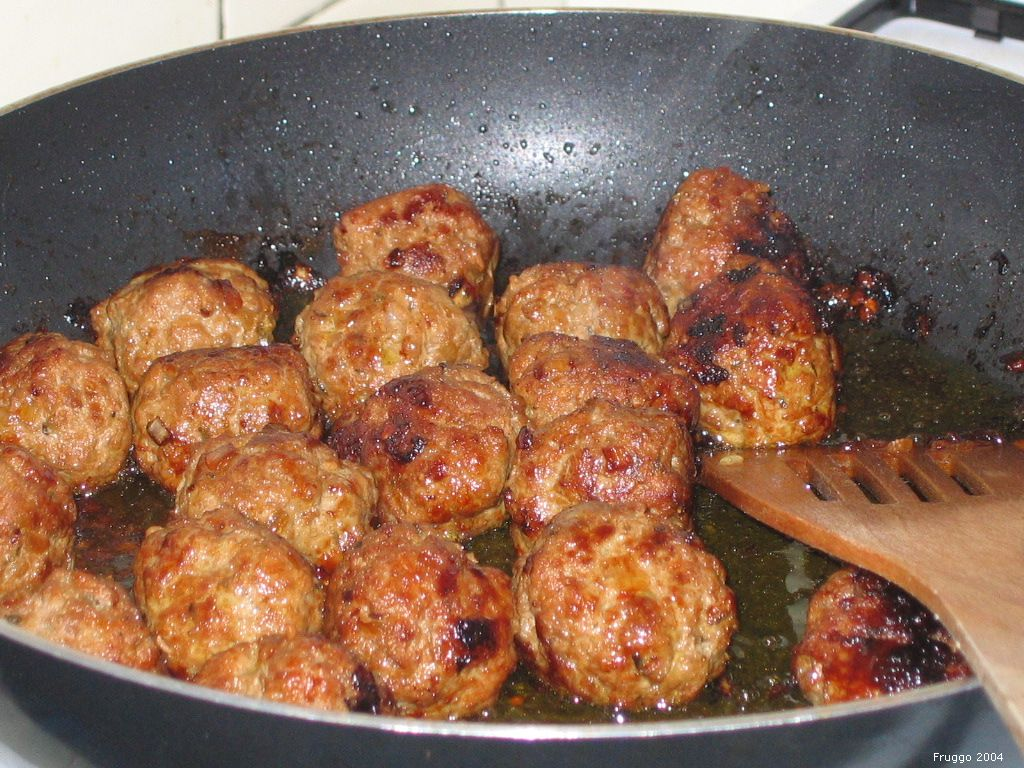
Swedish meatballs in a creamy gravy, served over egg noodles, were a 1972 dinner and party staple, often made with a packet of seasoning or from a magazine recipe. The dish survives somewhat, particularly via a famous furniture-store cafeteria, but the homemade version that anchored 1972 family dinners and buffets has faded considerably from regular home cooking, surviving more as an occasional retro dish than a weeknight standard.
10. Pork Chops Baked With Cream of Mushroom Soup
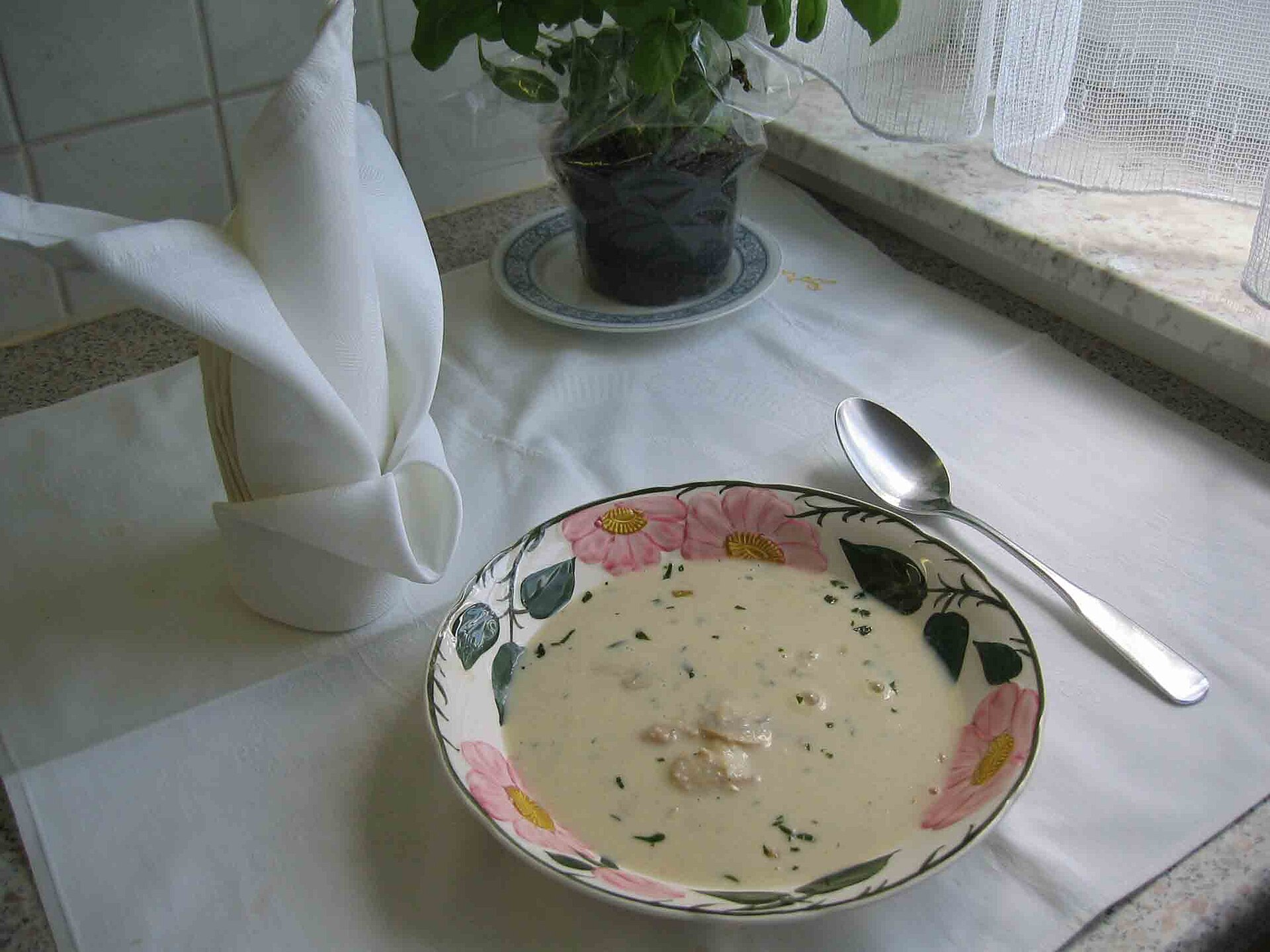
The 1972 cook relied heavily on condensed cream of mushroom soup as an instant sauce, and baked pork chops smothered in it — sometimes with rice baked underneath — were a defining application. The “dump a can of soup over meat and bake it” technique defined an entire category of 1972 dinners. As fresh-sauce cooking and skepticism toward processed ingredients grew, the cream-of-soup dinner faded, and the technique that built countless 1972 meals is now associated with dated cooking.
11. Ham With Pineapple Rings and Maraschino Cherries
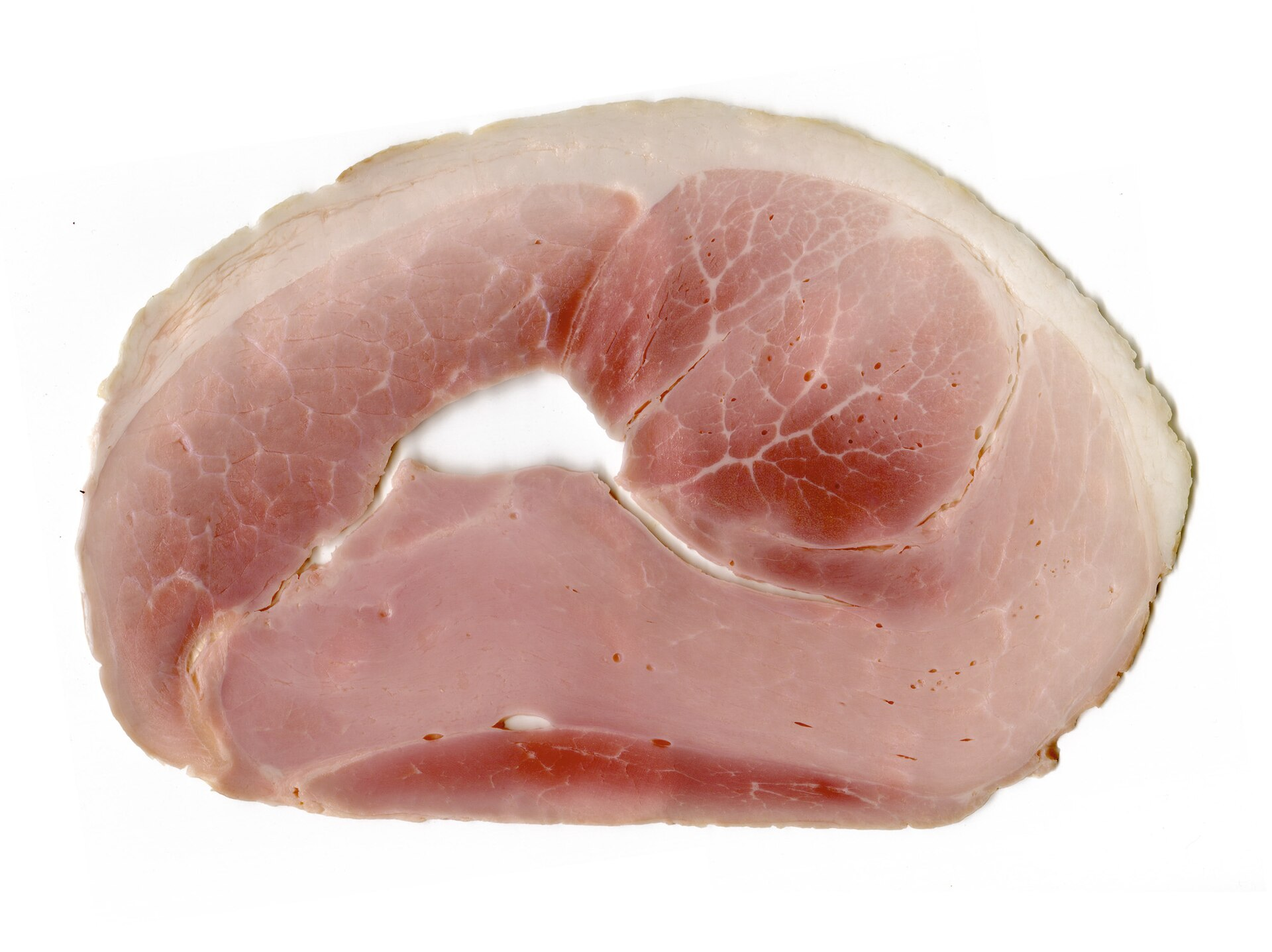
The 1972 special-occasion baked ham, studded with cloves and decorated with pineapple rings held on by toothpicks and a maraschino cherry in each center, was a centerpiece of holidays and Sunday dinners. The sweet-glazed, decoratively-fruited ham was a point of pride. While ham survives, the specific 1972 presentation — the geometric pineapple-and-cherry decoration — has largely disappeared, a casualty of changing tastes about combining sweet fruit with the main course in such a deliberate display.
12. Tang, Instant Everything, and the Space-Age Meal
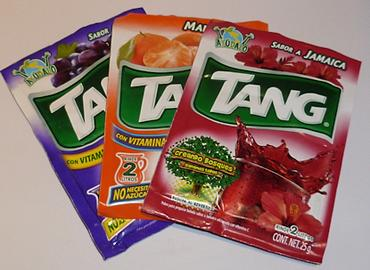
The 1972 table embraced the instant and powdered — Tang powdered orange drink (marketed via its association with the space program), instant mashed potatoes, powdered milk, instant rice, and dehydrated everything. The space-age convenience meal, where much of dinner came from a powder or a box, was genuinely aspirational in 1972. The modern preference for fresh ingredients has reversed this almost entirely, and the proudly-instant 1972 meal now reads as the opposite of good eating.
13. Frankfurters and Beans Baked Together

The 1972 budget dinner of franks and beans — hot dogs sliced into a pan of canned baked beans, sometimes baked with brown sugar and bacon — was a cheap, filling weeknight standard, especially for families stretching a food budget. The dish survives in some kitchens but has largely faded from regular rotation, associated now with camping or cafeteria food rather than the family dinner table where it once appeared weekly.
14. The Casserole Built From Whatever Was on Hand
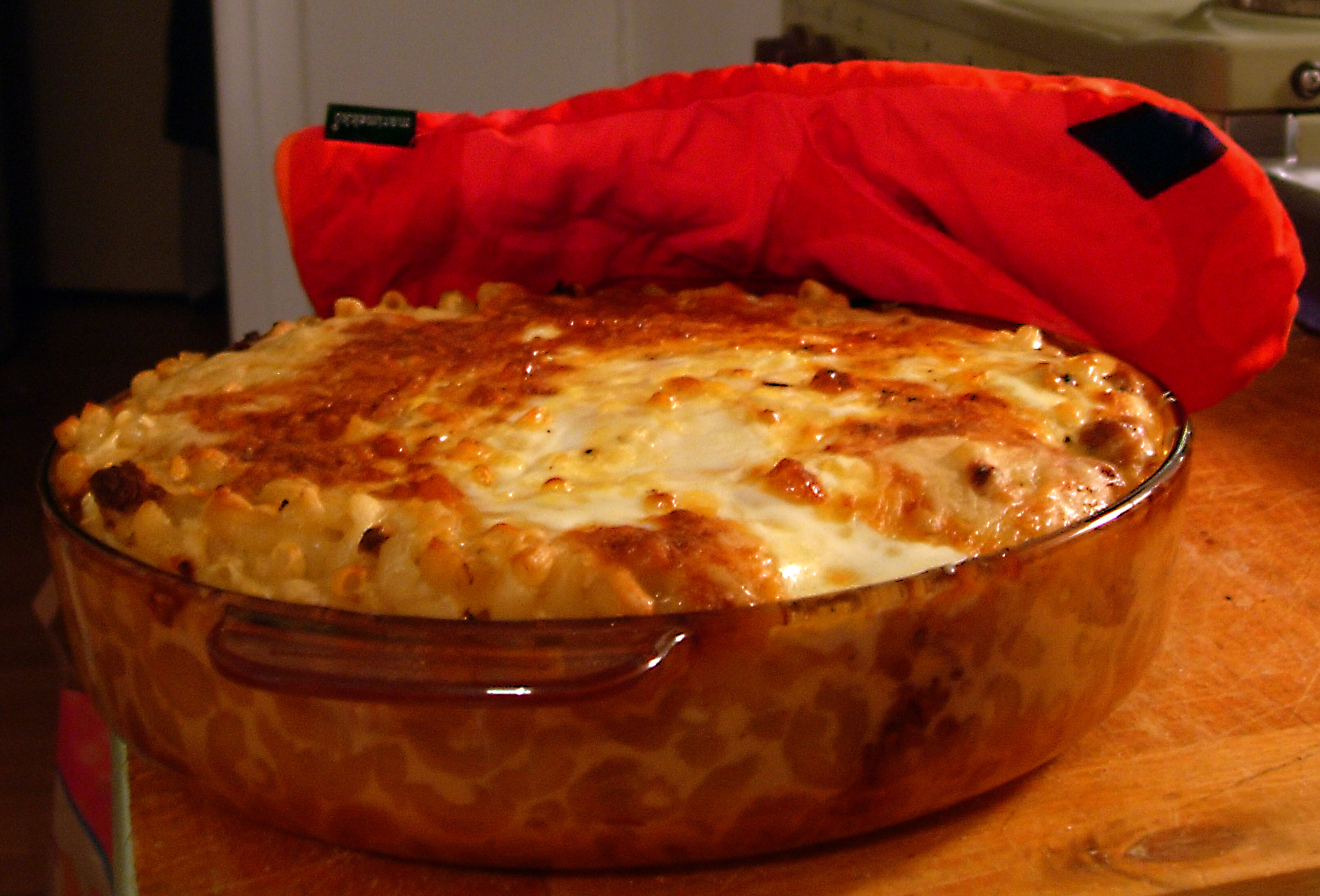
Beyond the named dishes, the 1972 American table ran on the improvised casserole — a base of starch (noodles, rice, potatoes), a protein (ground beef, canned tuna, leftover chicken), a binding can of condensed soup, a vegetable, and a topping, baked into a single dish. This flexible, frugal, soup-bound casserole was the workhorse of 1972 home cooking. The modern shift toward fresh, distinct, plated components rather than everything-baked-together has pushed the all-purpose casserole to the margins, ending the era when a soup-bound bake was the default American dinner.
Why the Whole Genre Faded
The disappearance of the 1972 table wasn’t really about any single dish — it was a wholesale shift in how Americans think about food. The 1972 cook was working within a specific value system: convenience was aspirational, processed and canned ingredients signaled modern progress rather than compromise, and stretching a budget while feeding a family efficiently was the central goal. The casserole, the gelatin mold, and the can of condensed soup were genuinely smart solutions to those priorities. What changed was the priority system itself. The fresh-ingredient movement, growing skepticism toward processed food, the influence of immigrant and international cuisines, and the cultural elevation of cooking from a daily chore to a creative pursuit all pushed the convenience-food dinner aside. By the time the children raised at these 1972 tables had their own kitchens, the values had inverted — fresh now signaled care, and canned signaled the opposite. The dishes didn’t just go out of style; the entire philosophy that produced them was replaced. That’s why these meals carry such specific nostalgia: they’re not just old recipes, but artifacts of a vanished way of thinking about what a good dinner was supposed to be.
