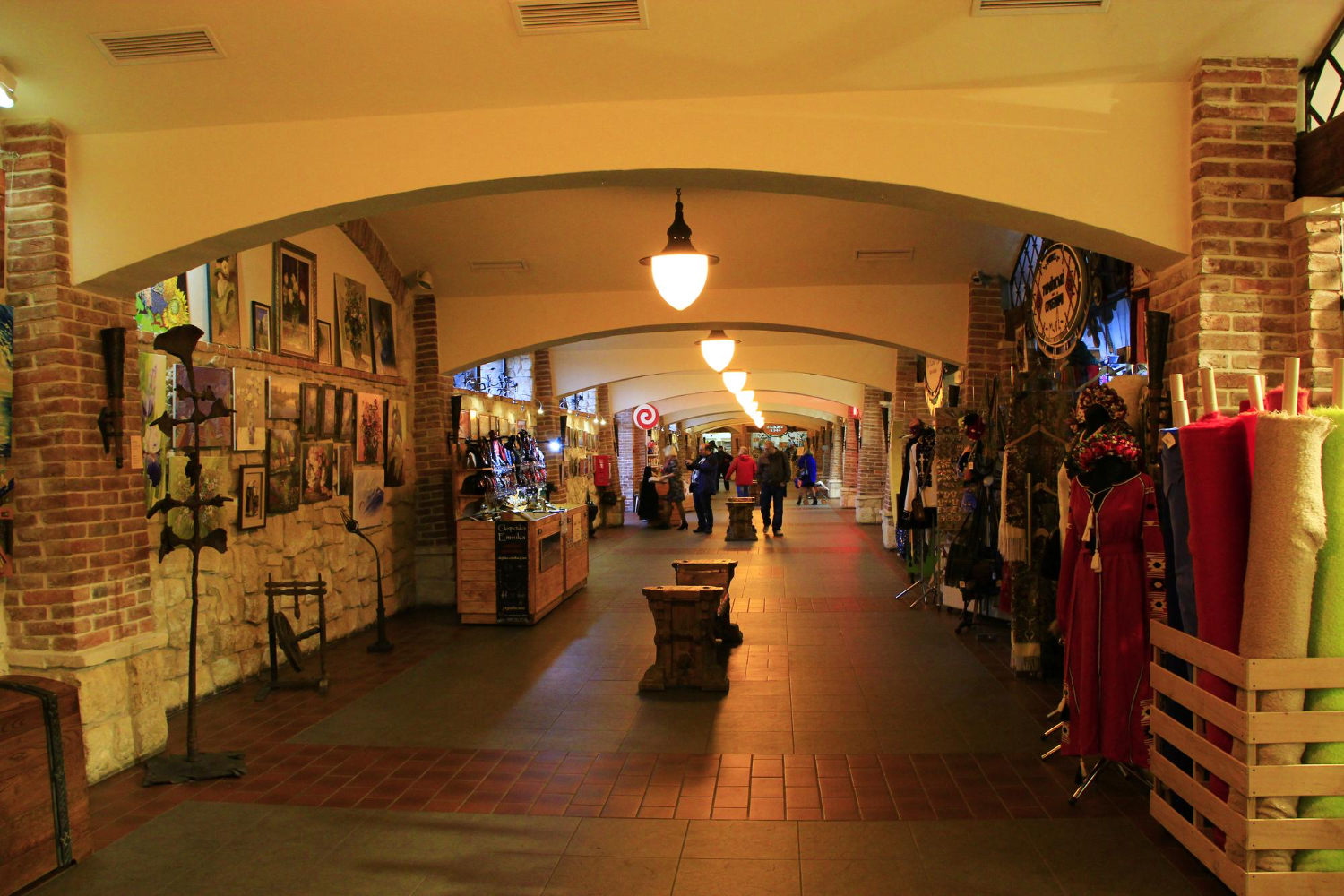
Walking into an American shopping mall in 1990 meant passing a specific lineup of stores that defined the experience — the record store with listening stations, the bookstore with the cat, the arcade pulsing with light and sound, the store that sold nothing but socks or sunglasses or stuffed animals. The mall was the center of American social and retail life, and its tenant roster was remarkably consistent from coast to coast. Most of those stores are now gone, killed by online shopping, the decline of the mall itself, corporate bankruptcies, and changing habits. For Americans who spent their teenage years and weekend afternoons in these stores, the names trigger powerful, specific memories. Here are sixteen stores that anchored the American mall in 1990 and have all but disappeared.
The American mall of 1990 was a complete ecosystem, and its decline took down an entire category of specialty retailers that depended on mall foot traffic. The stores below fall into a few groups — the media stores killed by digital, the specialty chains killed by consolidation and e-commerce, and the anchors whose collapse hollowed out the malls themselves.
The Record and Music Stores
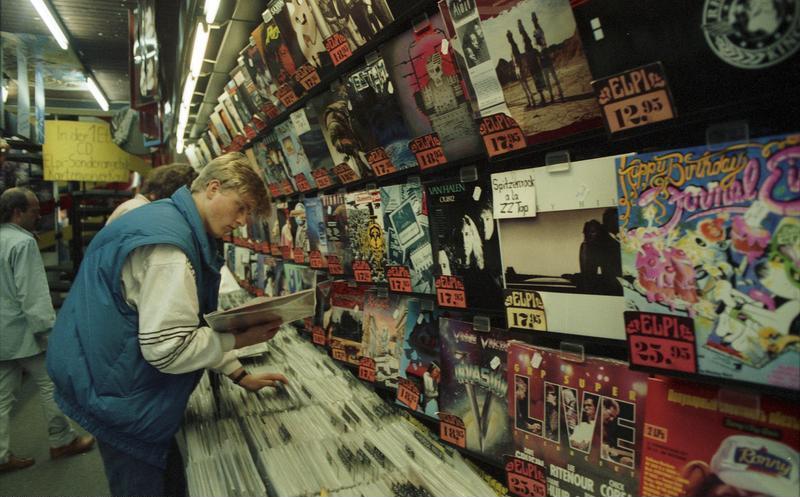
The 1990 mall had multiple music stores — chains like Sam Goody, Musicland, Camelot Music, and the listening-station-equipped megastores that followed. Buying music meant physically going to these stores, browsing the racks, and carrying home a cassette or CD. The digital music revolution — downloads and then streaming — destroyed the entire category. The mall record store, once a teenage social hub where you discovered music and spent allowance money, has essentially vanished, one of the most complete retail extinctions of the era.
The Bookstores

The 1990 mall frequently had a Waldenbooks or B. Dalton — the compact mall bookstores that brought reading to the shopping center. These chains were squeezed first by the big-box bookstores (Borders, Barnes & Noble superstores) and then by online retail and e-books. The mall bookstore, with its bestseller racks and its specific cramped charm, largely disappeared, and the big-box chains that displaced it (Borders especially) substantially collapsed afterward, leaving a much-diminished physical-bookstore landscape.
The Arcade
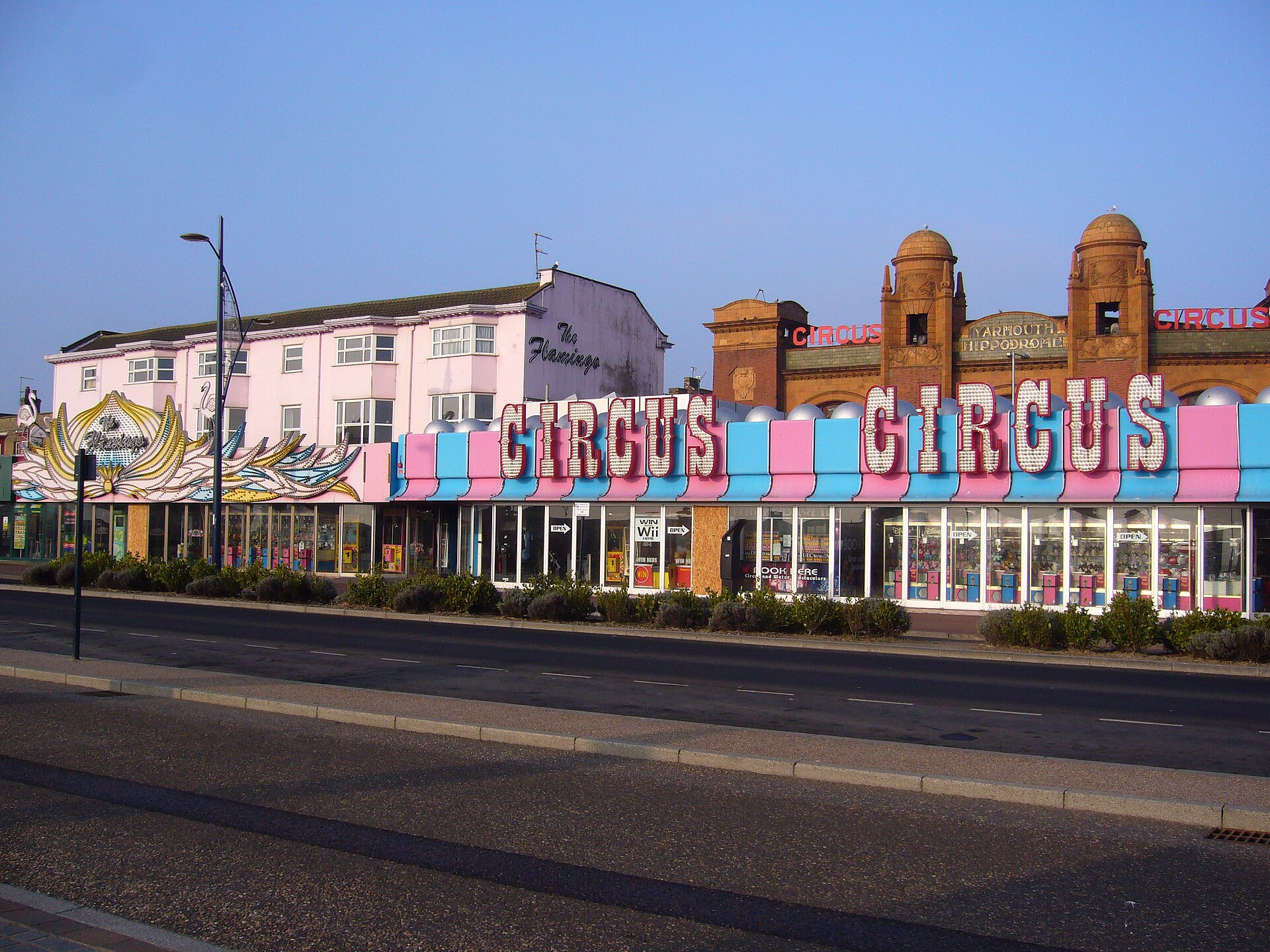
The 1990 mall arcade — dark, loud, pulsing with the sounds of dozens of games, populated by teenagers feeding quarters into the latest cabinets — was a social institution. The rise of home gaming consoles powerful enough to match or exceed arcade quality removed the arcade’s reason to exist. The mall arcade, once a defining teenage hangout and a destination in itself, has almost entirely vanished, surviving only in nostalgia-driven “barcades” and a few holdouts.
Software Etc. and the Computer Stores
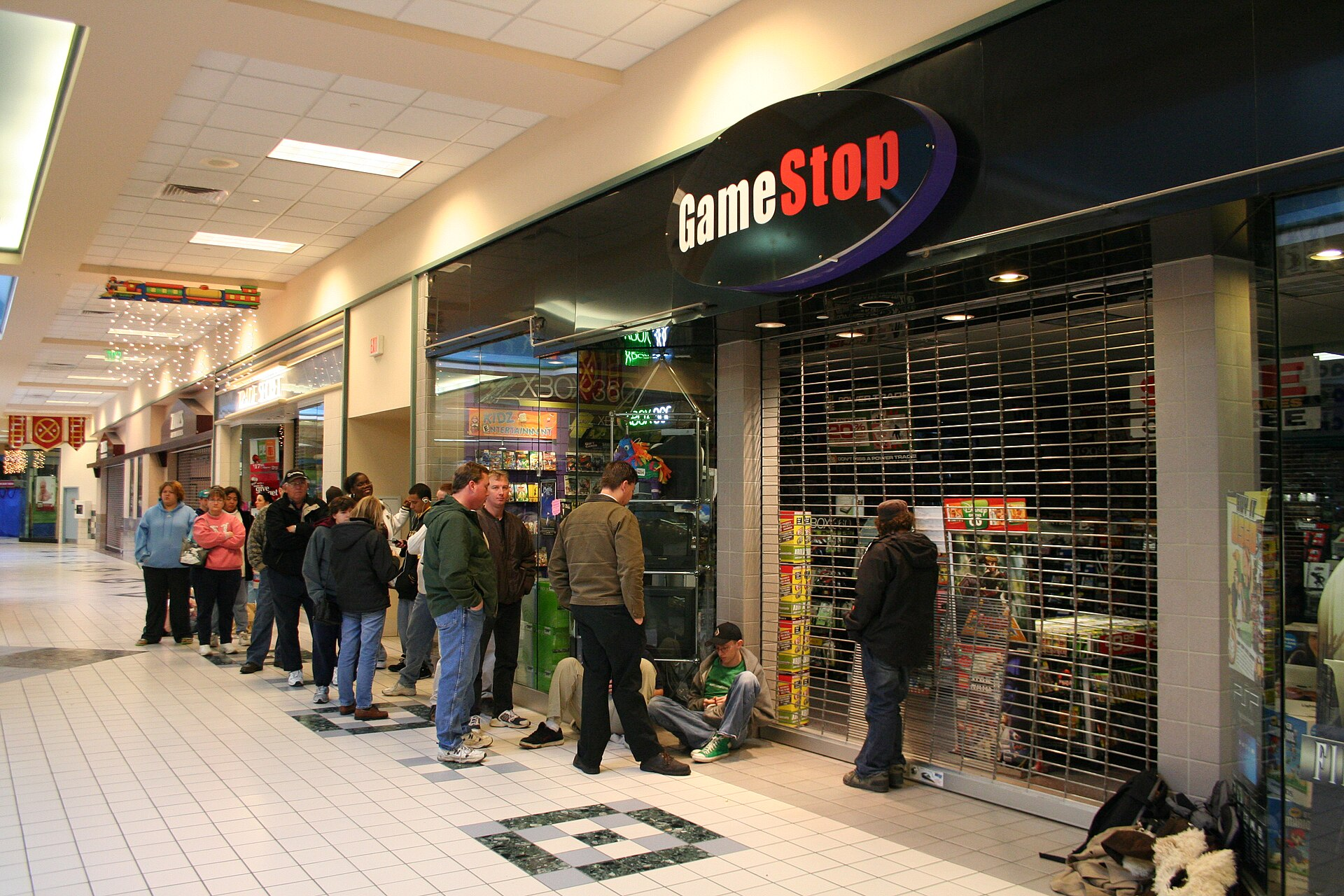
The 1990 mall had software and electronics specialty stores — Software Etc., Babbage’s, Electronics Boutique, and similar — selling computer software and early games on physical media. Digital distribution destroyed the physical-software model entirely. While some evolved (Babbage’s and EB lineage eventually fed into GameStop), the specific 1990 mall software store, with its boxes of floppy disks and PC games, has vanished along with the physical-media business it depended on.
The Sharper Image and Brookstone
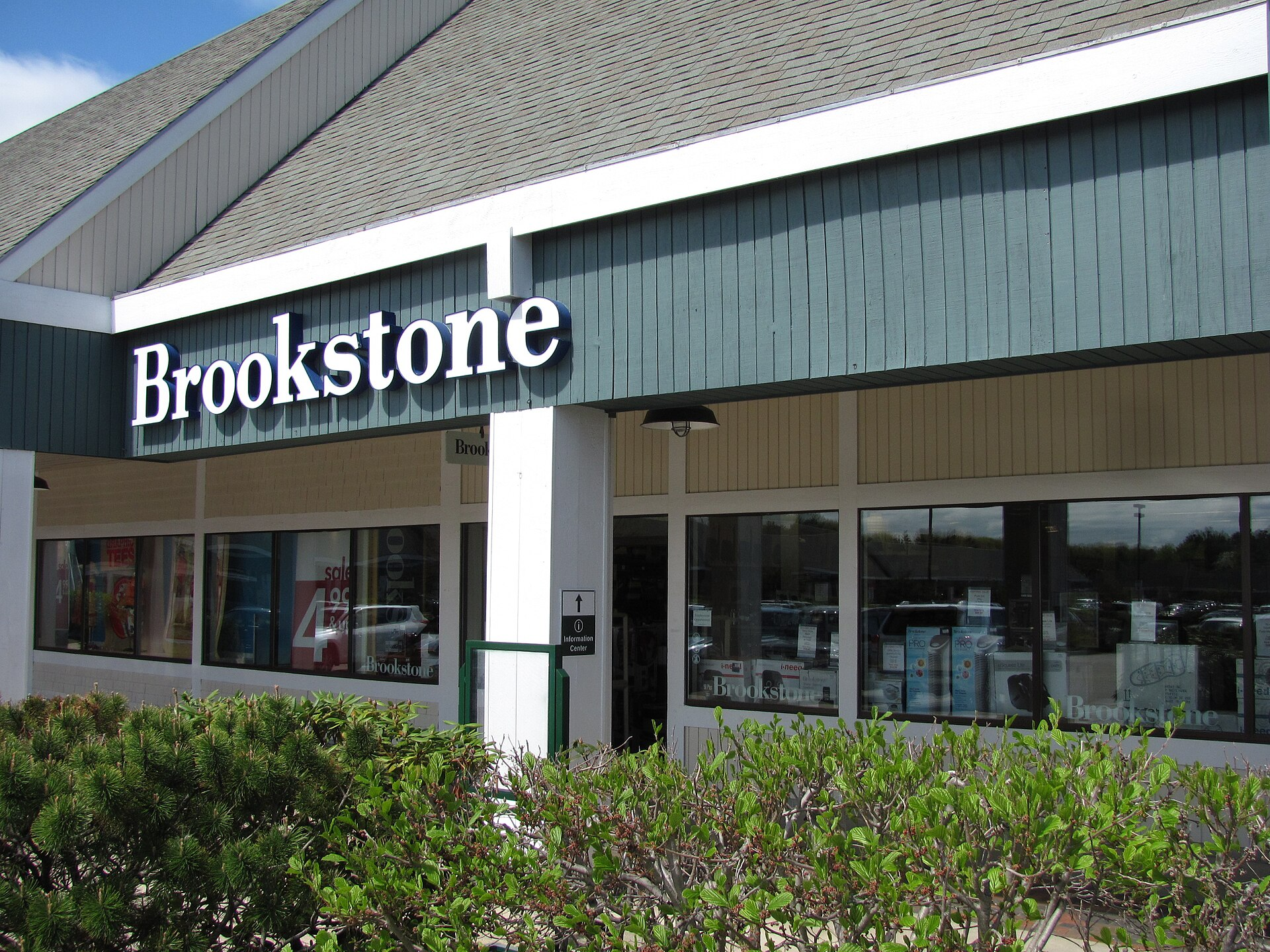
The 1990 mall had gadget-and-novelty stores — The Sharper Image and Brookstone — full of massage chairs, executive toys, weather stations, and gadgets you could try but rarely needed. They were destination stores for browsing rather than buying. Both struggled and went through bankruptcies as online shopping eliminated the “try the gadget in person” advantage. The mall gadget store, a place to play with expensive novelties on a weekend afternoon, has largely disappeared.
Specialty Single-Product Stores
The 1990 mall was full of stores selling one narrow category — Sunglass Hut’s competitors, Sock Shop, the calendar store (Calendar Club, which appeared seasonally), the Christmas-ornament store, the store that sold only knives or only hot sauce or only nature gifts (The Nature Company, Natural Wonders). This entire genre of hyper-specialized mall retail, viable only with mall foot traffic, was largely wiped out by the economics of online shopping, which serves narrow niches far more efficiently than a mall storefront ever could.
The Mall Anchor Department Stores
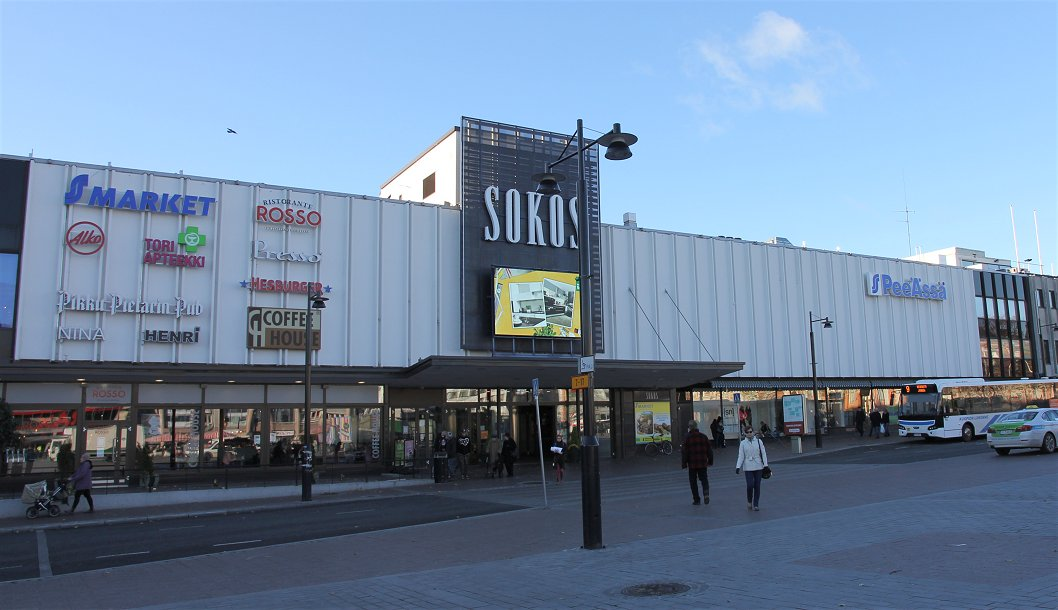
The 1990 mall was anchored by department stores — many now gone or vastly diminished. Chains like Mervyn’s, Montgomery Ward, and others have disappeared entirely, while Sears and JCPenney have collapsed to a fraction of their former size. Since the anchors generated the foot traffic that sustained the smaller stores, their collapse triggered the broader mall decline. The disappearance of the anchor department store is the single biggest factor in the death of the 1990-style mall.
Contempo Casuals, County Seat, and the Teen Apparel Chains
The 1990 mall had a specific roster of teen and young-adult clothing chains — Contempo Casuals, County Seat, Merry-Go-Round, Chess King, and others — that dressed a generation of American teenagers. Most of these chains went bankrupt and disappeared entirely during the 1990s and 2000s as fashion shifted and competition intensified. The specific stores where 1990 teenagers bought their acid-washed jeans and mall fashion are almost all gone, their names now pure nostalgia.
The Photo and One-Hour Film Developing
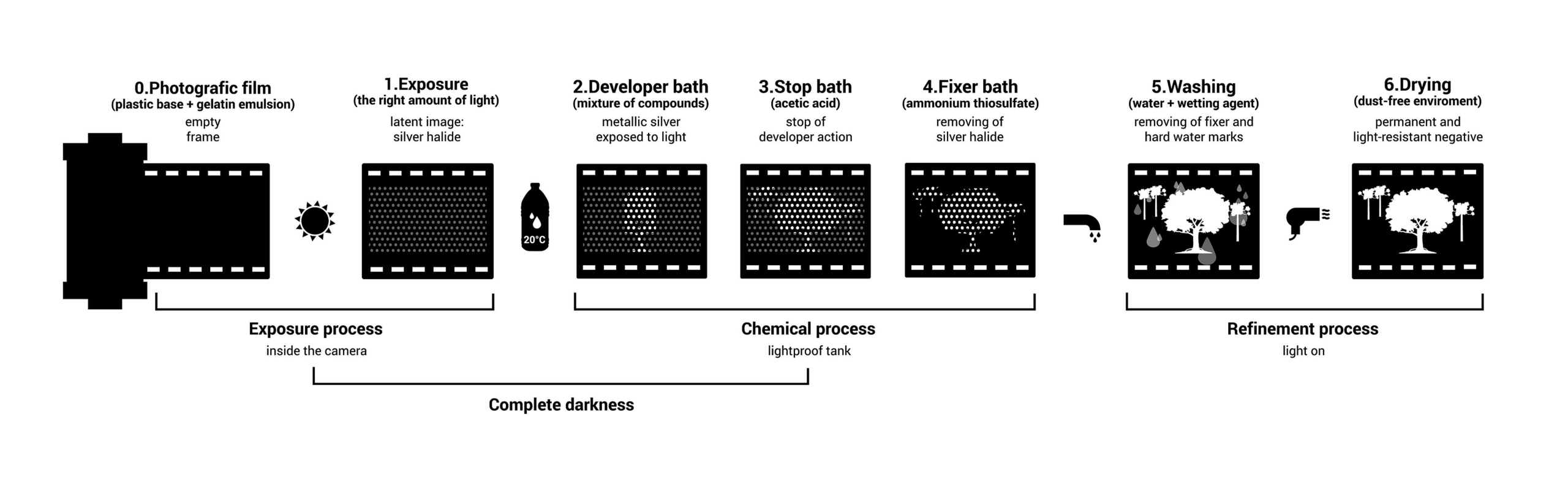
The 1990 mall had a one-hour photo developing shop where you dropped off film and returned for prints. Digital photography and then smartphones eliminated film developing almost entirely. The mall photo shop, the place you took your film to see whether the pictures came out, vanished completely along with consumer film itself, a casualty of one of the most total technology transitions of the era.
The Toy, Card, and Hobby Stores
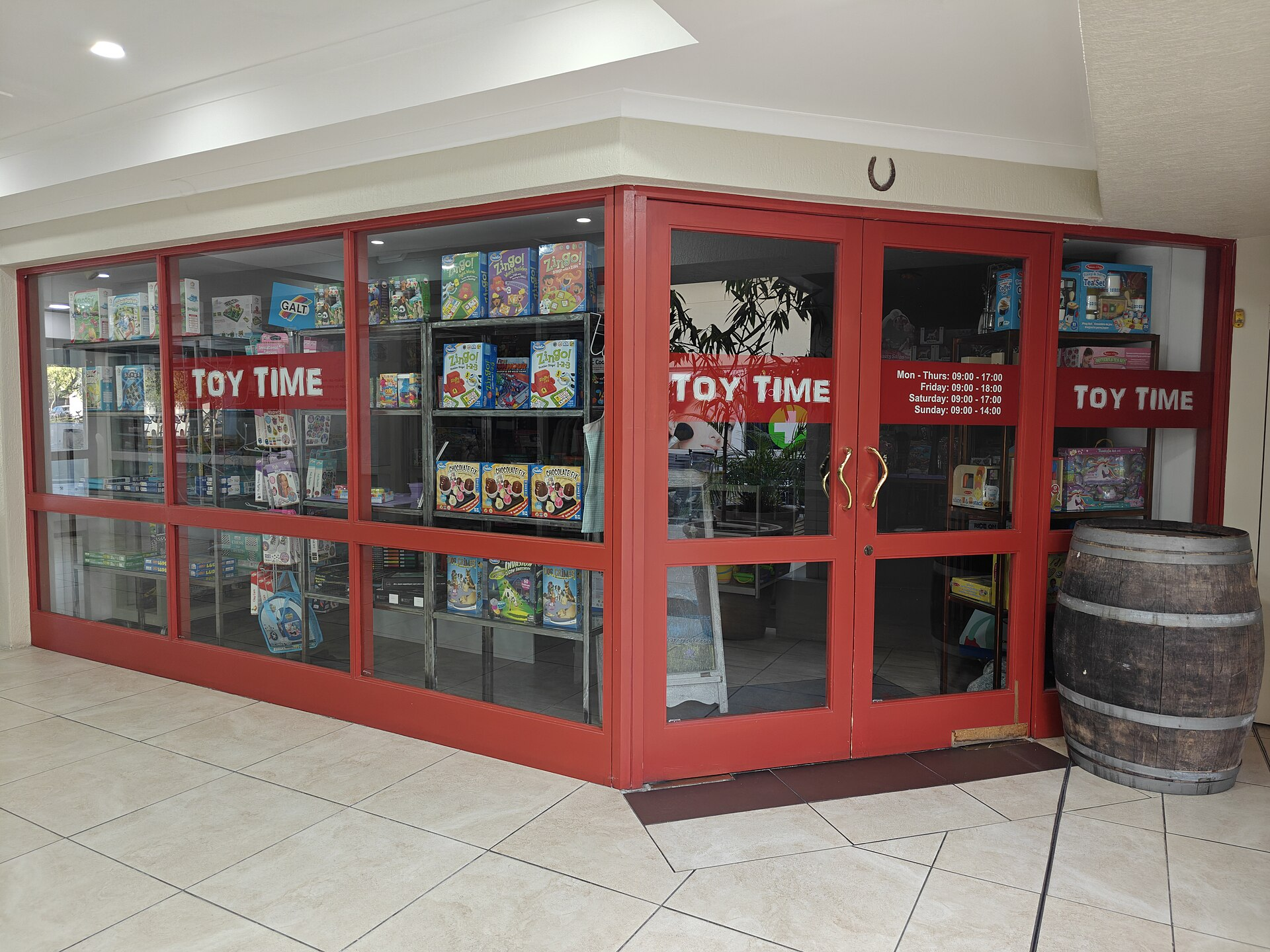
The 1990 mall had a cluster of toy, trading-card, and hobby shops — KB Toys being the dominant mall toy chain, alongside trading-card and comic shops, and hobby stores selling models and crafts. KB Toys, once in nearly every American mall, went bankrupt and disappeared entirely, and the broader category of mall-based toy and hobby retail was hollowed out by big-box toy stores (themselves later diminished) and online shopping. The mall toy store, a destination for a generation of children dragging parents toward the latest toys, has essentially vanished, taking with it a specific childhood mall experience.
The Food Court Originals
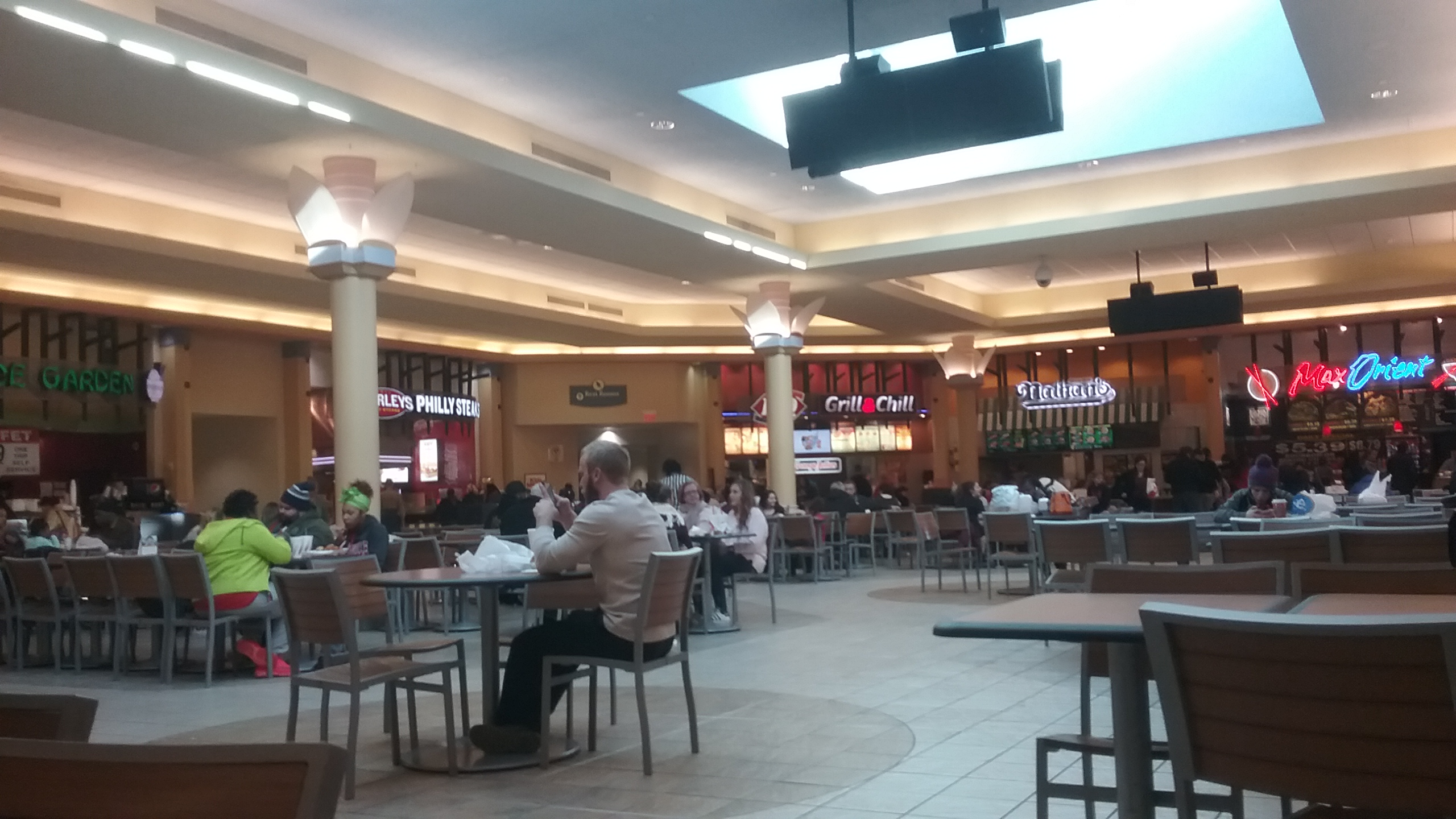
The 1990 mall food court had its own roster of chains, some now gone or transformed — the specific orange-drink stand, the cookie counter, the pretzel place, and various regional fast-food concepts that lived primarily in malls. While food courts survive, many of the specific 1990 tenants disappeared as the chains failed or retreated, and the particular mix of a 1990 food court — the exact smells and signs that defined the mall lunch — has largely changed over. The food court was the social heart of the mall, and its specific 1990 lineup is now its own piece of nostalgia.
What the Disappearance Really Represents
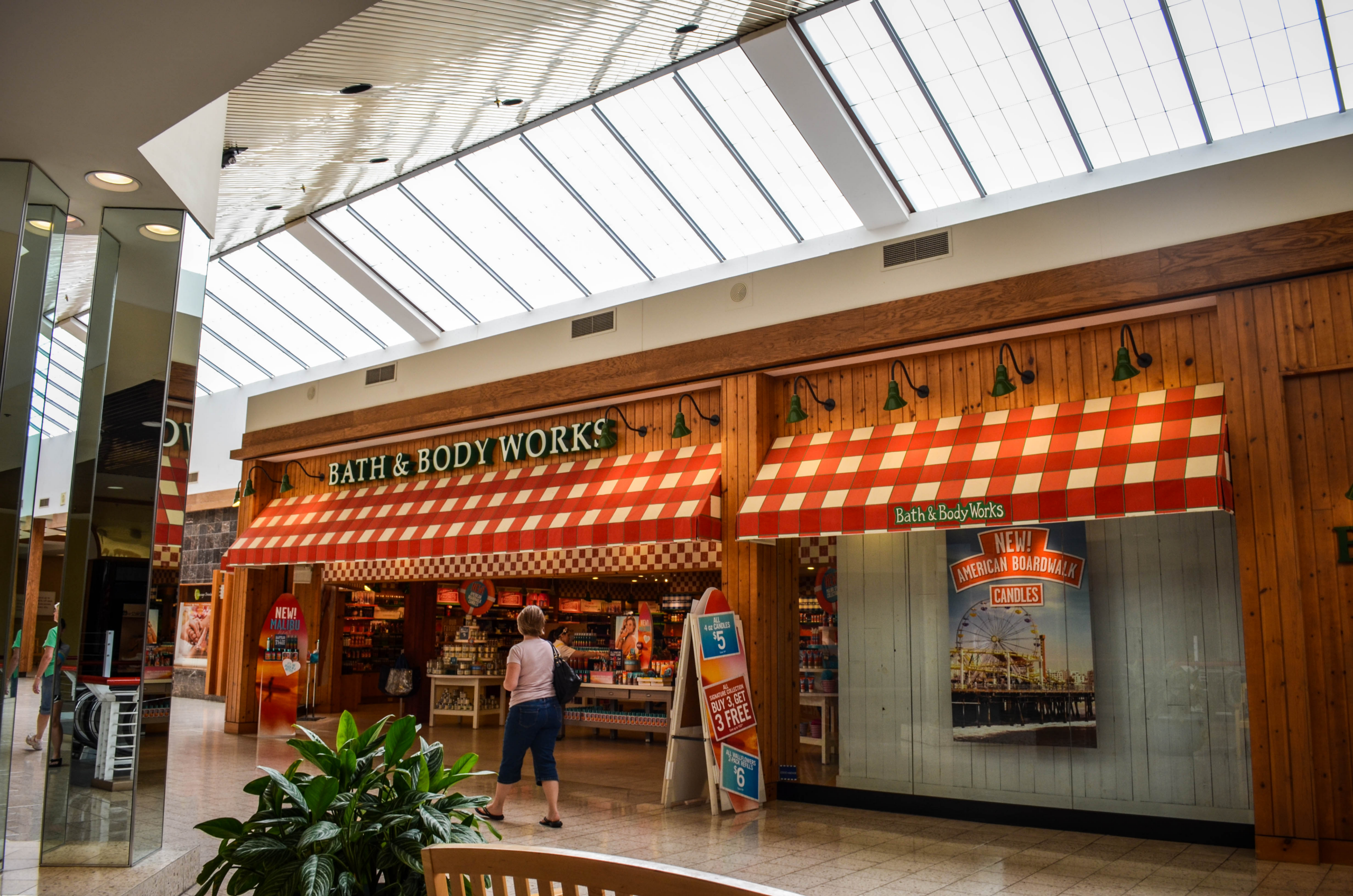
The vanishing of these stores is really the story of two overlapping collapses: the death of physical media and the death of the mall as a retail and social center. The record store, the bookstore, the software store, and the photo shop were killed specifically by digitization — the products they sold simply dematerialized into downloads, streams, and files. The teen apparel chains, the specialty stores, and the gadget shops were killed more by the economics of e-commerce and the decline of mall foot traffic, accelerated by the collapse of the anchor department stores that once drew shoppers in. Together, these forces didn’t just close individual stores; they ended an entire way of American life. The 1990 mall was where teenagers gathered, where families spent weekend afternoons, where you browsed without a specific purpose, and where a remarkable variety of specialized retail could survive on foot traffic alone. For the generation that grew up in it, the lost stores carry an outsized emotional weight, because they represent not just places to shop but the physical center of a social world that has moved online. The dead and dying malls scattered across America are the visible ruins of that vanished ecosystem, and the stores that filled them in 1990 live on mostly in the specific, vivid memories of the people who spent their formative weekends inside them.
Like our content? Follow us for more.