We’re used to fretting over expiration dates, but some foods barely age at all. Thanks to their chemistry, low moisture, or natural preservatives, certain pantry staples can last for years, decades, or, in a few remarkable cases, virtually indefinitely, as long as they’re stored properly. Knowing which foods practically never go bad can save you money, reduce waste, and make your pantry far more resilient. Of course, “lasts forever” comes with conditions: proper storage is key, and quality can still decline over time. Here’s a guide to the foods that (almost) never expire, why they’re so remarkably shelf-stable, and how to store each one to keep it good for as long as possible.
Honey
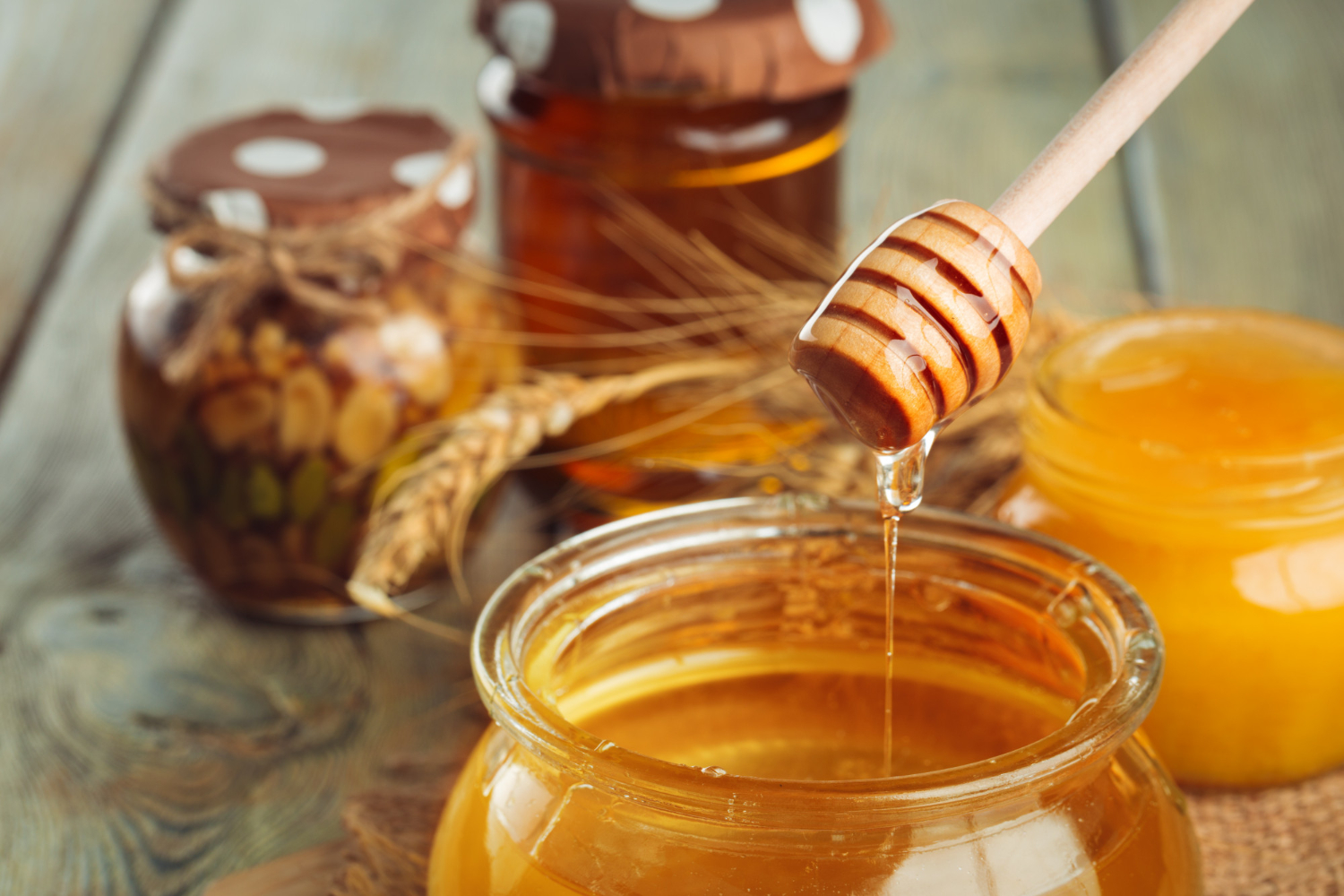
Honey is the legendary champion of foods that never spoil. Sealed and stored properly, pure honey can last essentially forever, archaeologists have reportedly found pots of still-edible honey in ancient tombs thousands of years old. Its incredible longevity comes from its very low moisture content, natural acidity, and the way it resists bacterial growth, making it an inhospitable environment for the microbes that spoil other foods. Over time, honey may crystallize and turn solid or cloudy, but this is completely natural and reversible: just gently warm the jar and it returns to liquid. Keep honey tightly sealed at room temperature, away from moisture, and it will outlast almost anything else in your kitchen.
Like our content? Follow us for more.
Salt
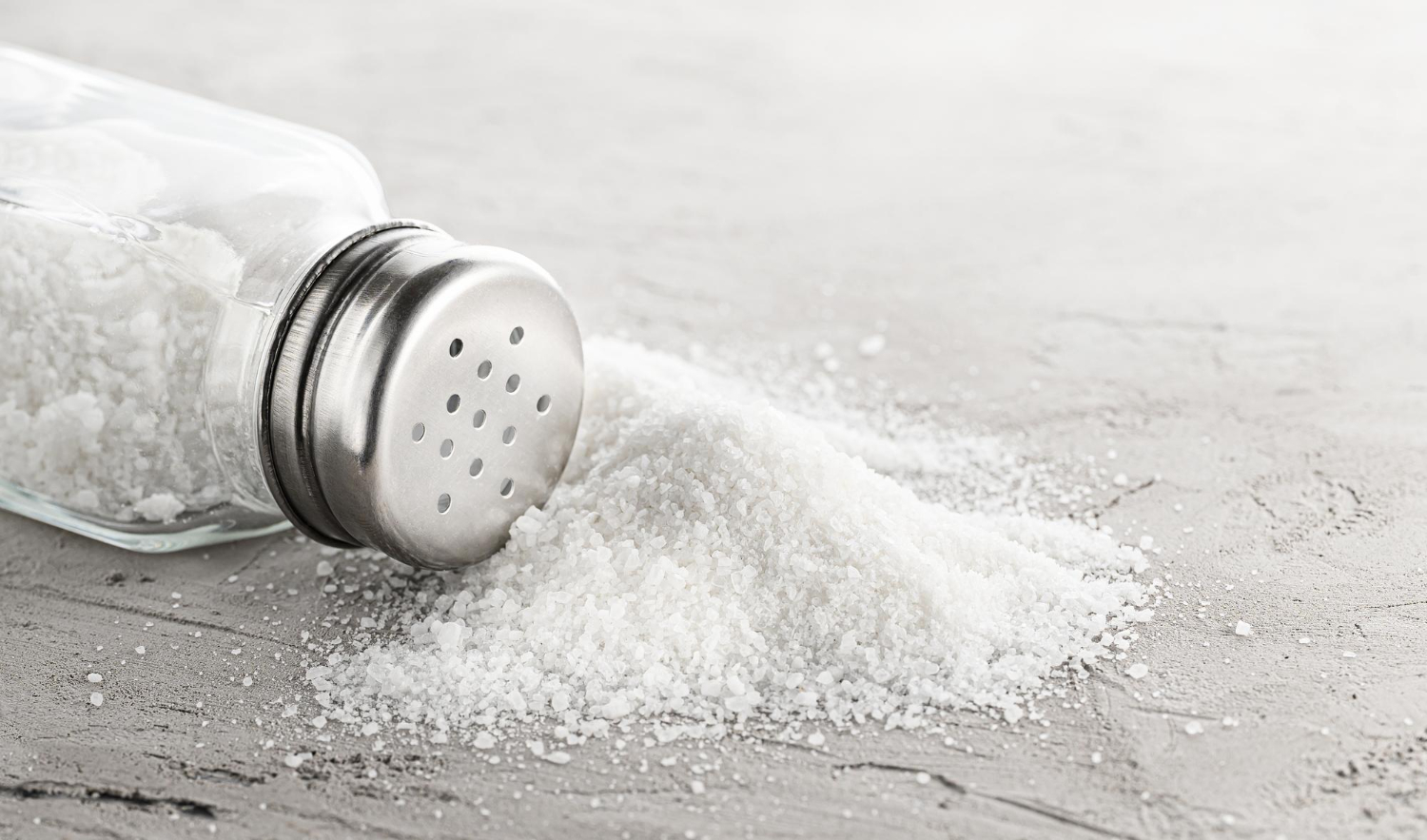
Pure salt is a mineral, not an organic food, so it simply does not spoil, it can last indefinitely. As a natural preservative itself (it’s been used to cure and preserve food for millennia), salt creates conditions hostile to the microbes that cause spoilage. Plain table salt and sea salt will keep essentially forever when stored in a dry place. The main caveat is moisture: salt readily absorbs water from the air, which can cause clumping, and iodized salt’s added iodine may degrade in quality over a long time. But for the salt itself, longevity is virtually unlimited. Store it in a sealed container away from humidity, and it’s one pantry item you’ll never need to replace for spoilage.
White Rice
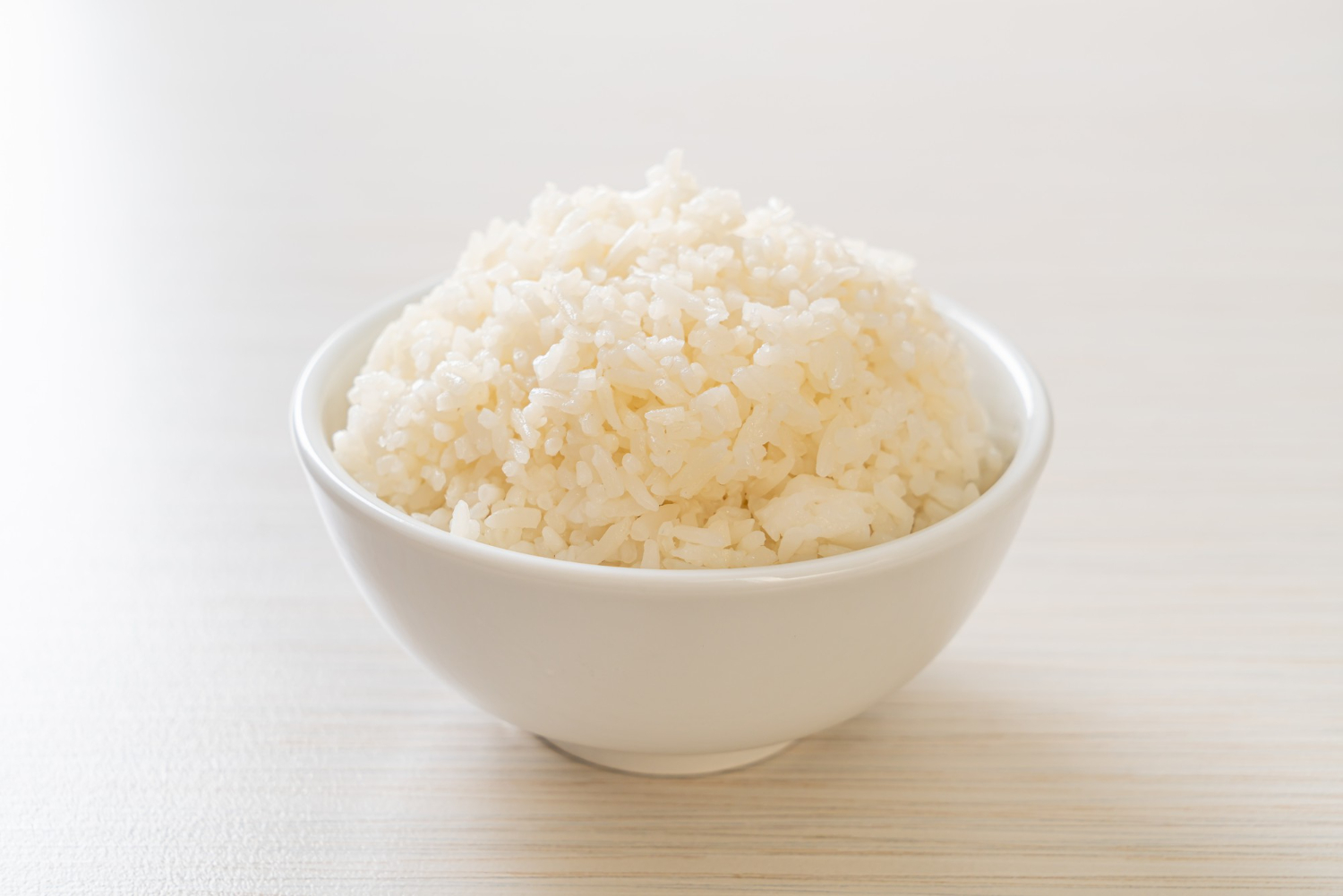
White rice is remarkably shelf-stable and can last for many years, even decades, when stored properly, making it a cornerstone of long-term food storage. Because the bran and germ have been removed, white rice lacks the oils that cause brown rice to go rancid relatively quickly, so it resists spoilage far longer. Kept in an airtight container in a cool, dry place, away from moisture and pests, white rice maintains its quality for a very long time. For maximum longevity, some people store it with oxygen absorbers. While brown rice should be eaten within months, plain white rice is one of the most dependable, long-lasting staples you can keep on hand.
Dried Beans and Legumes
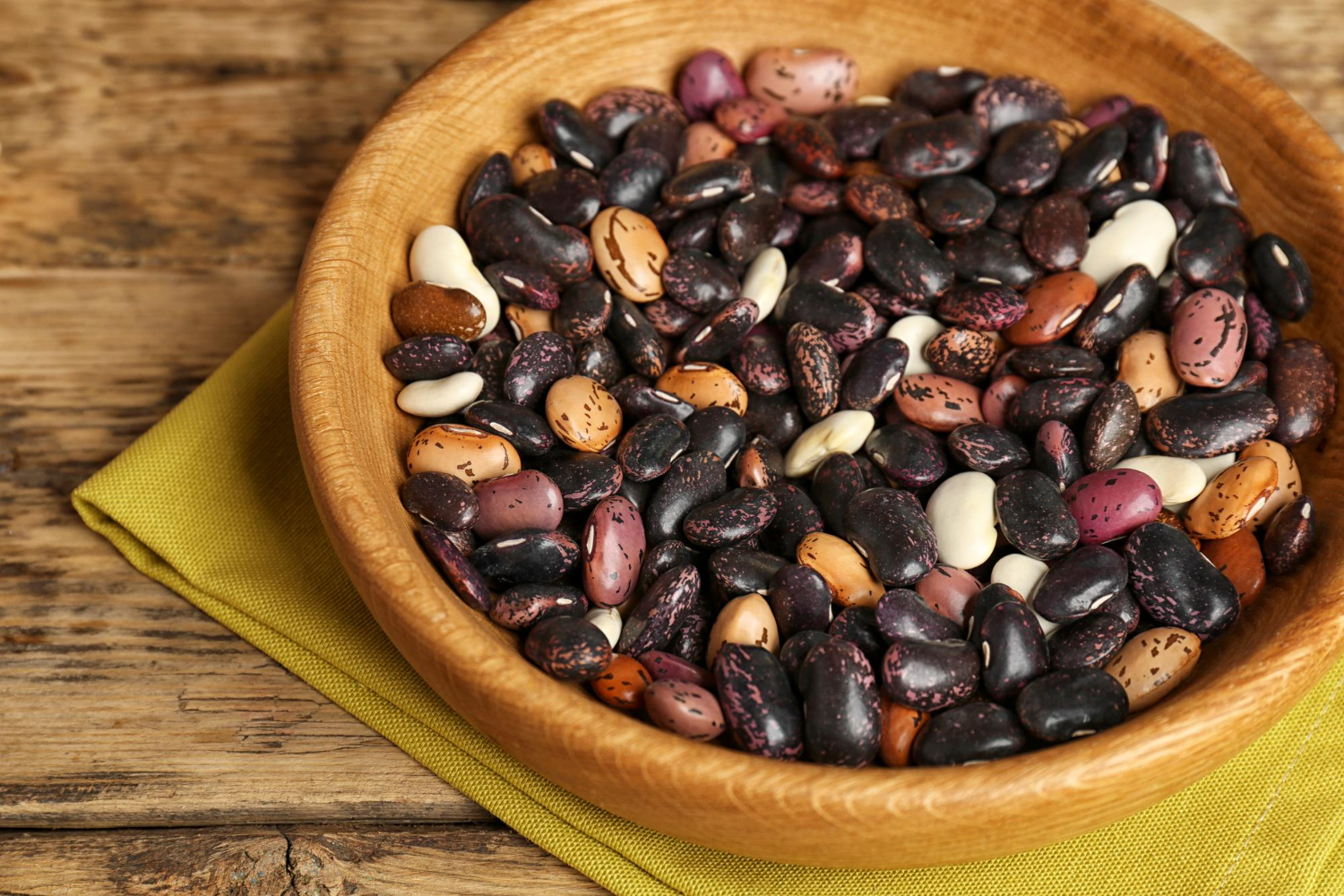
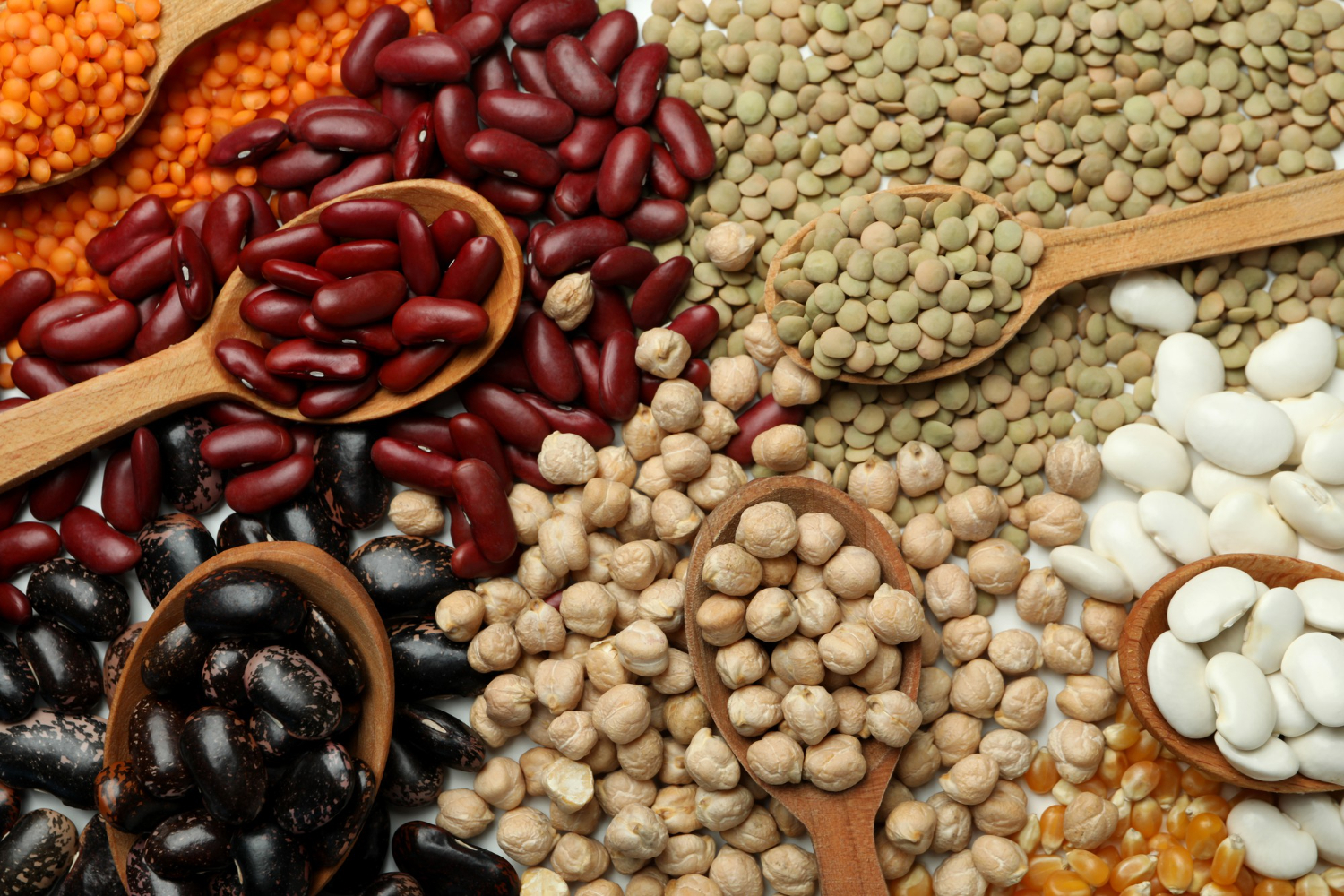
Dried beans, lentils, and other legumes are pantry powerhouses that can last for years when stored correctly. With their very low moisture content, they resist the spoilage that affects fresh foods, and they remain safe to eat for a very long time. The main change over the years is that very old dried beans can become harder and take longer to cook, and may lose some quality, but they typically remain safe. Store them in airtight containers in a cool, dry, dark place to keep them at their best. Nutritious, cheap, and incredibly long-lasting, dried beans and legumes are a staple of resilient pantries and emergency food supplies the world over.
Sugar
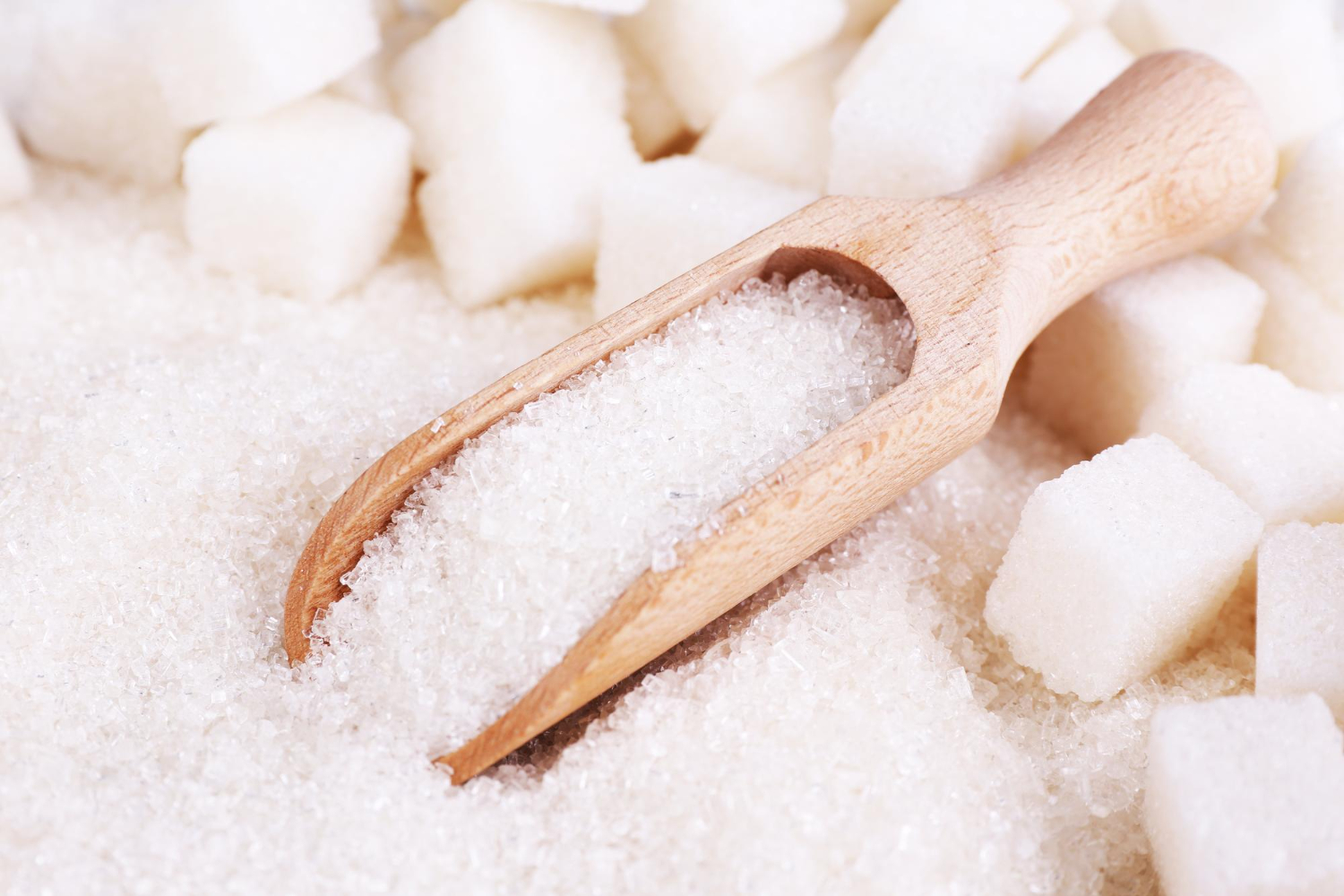
Like salt, sugar in its various forms (white, brown, and powdered) doesn’t truly spoil and can last indefinitely when kept dry. Sugar’s chemistry inhibits microbial growth, which is part of why it’s used to preserve jams and other foods. The main enemy is moisture and air: exposure can cause white sugar to harden into clumps and brown sugar to dry out and solidify, though these are quality and texture issues rather than safety concerns, and brown sugar can often be softened again. Stored in an airtight container away from humidity, sugar will keep essentially forever. It’s another reliable, long-lasting pantry staple you can stock up on without worrying about it going bad.
White Vinegar
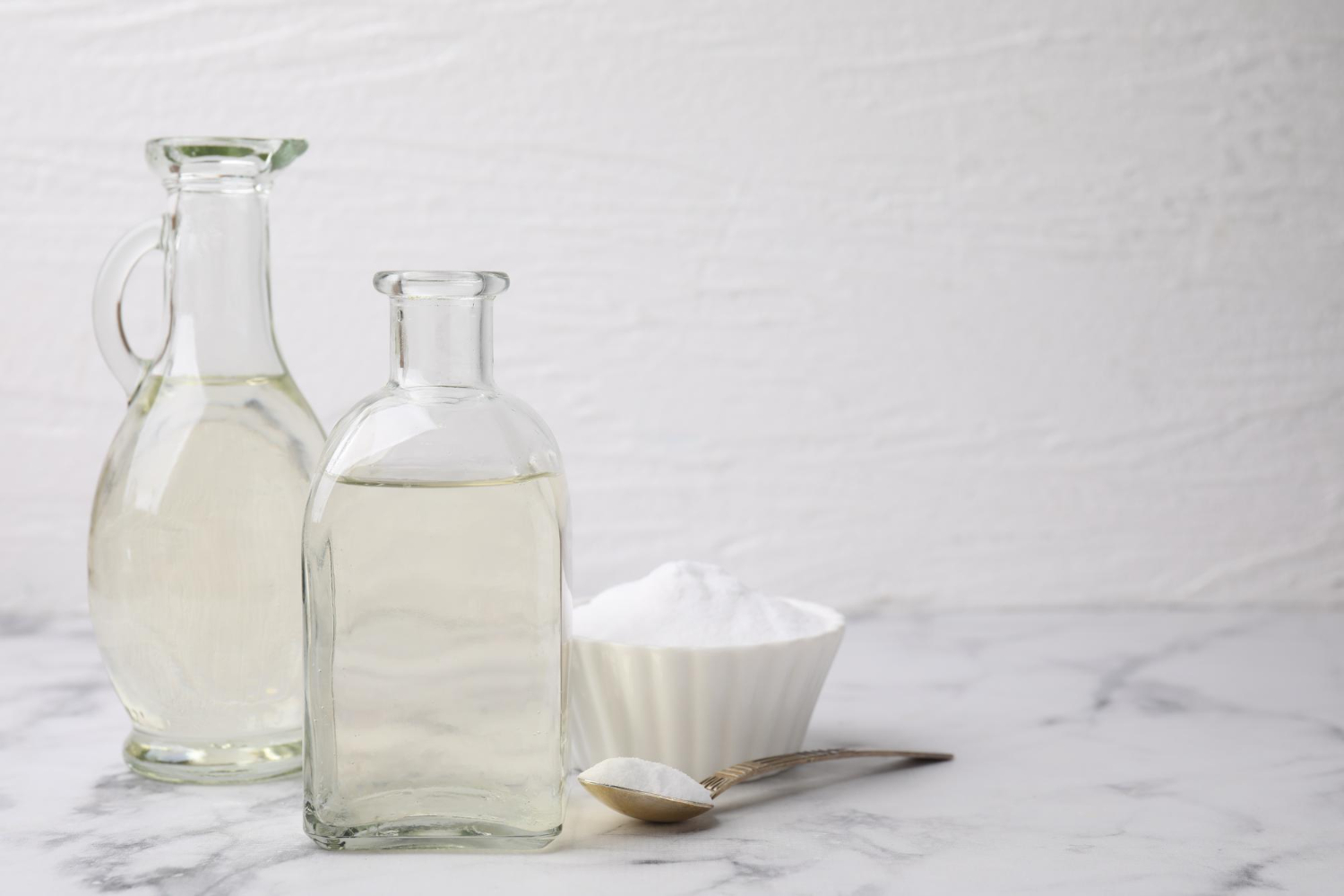
White vinegar is so acidic and self-preserving that it essentially never goes bad, it can last indefinitely thanks to its acidic nature, which prevents the growth of spoilage microbes. In fact, vinegar is itself a preservative used in pickling. Over a very long time, some types of vinegar might develop slight changes in appearance, like cloudiness or harmless sediment, but white vinegar in particular remains stable and safe almost indefinitely. Stored in a sealed bottle in a cool, dark place, it’ll keep practically forever. Beyond cooking, its longevity and versatility (including as a natural cleaning agent) make vinegar one of the handiest and most durable items to keep stocked in any home.
Pure Vanilla Extract
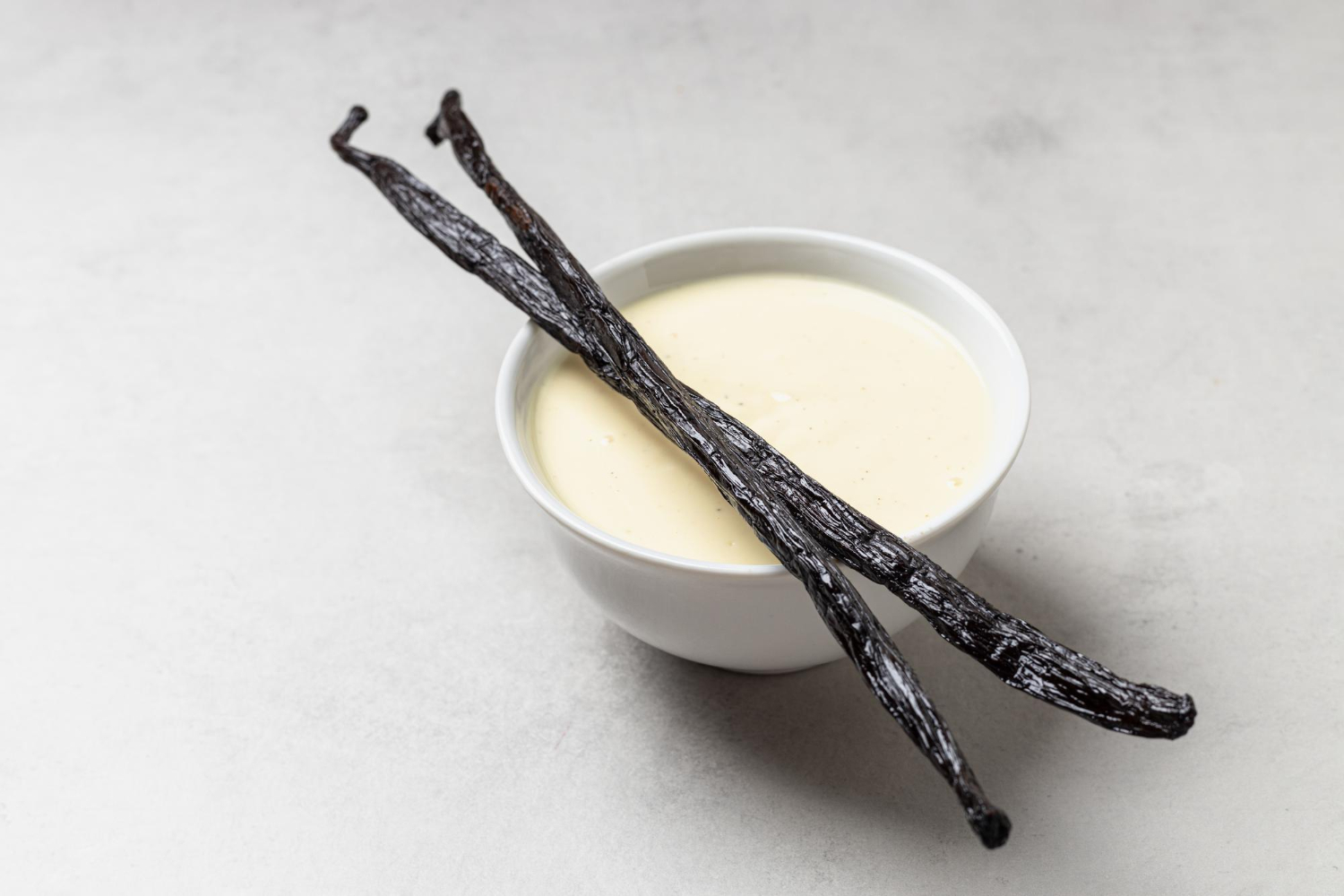
Pure vanilla extract is another surprising entry on the never-expire list. Because it’s made with alcohol, which acts as a natural preservative, pure vanilla extract can last for many years and essentially doesn’t spoil, in fact, many believe it improves with age. This applies specifically to pure vanilla extract rather than imitation versions, which may not last as long. Stored in a tightly sealed bottle in a cool, dark place away from heat and light, pure vanilla extract will remain good far longer than most baking ingredients. So that bottle in the back of your cabinet is almost certainly still perfectly fine to use, a small but reassuring example of a pantry item that ages gracefully.
Hard Liquor

Distilled spirits, such as whiskey, vodka, rum, and gin, have an extremely long shelf life and don’t spoil in the way perishable foods do, thanks to their high alcohol content, which prevents microbial growth. An unopened bottle of hard liquor can essentially last indefinitely. Once opened, the spirit may very slowly lose some flavor or potency over a long period as it’s exposed to air, but it remains safe to drink for years. (Cream-based or lower-alcohol liqueurs are a different story and don’t last as long.) Stored upright in a cool, dark place, a bottle of distilled spirits is one of the most enduring items you can keep, aging without spoiling.
A Few More Long-Lasting Staples
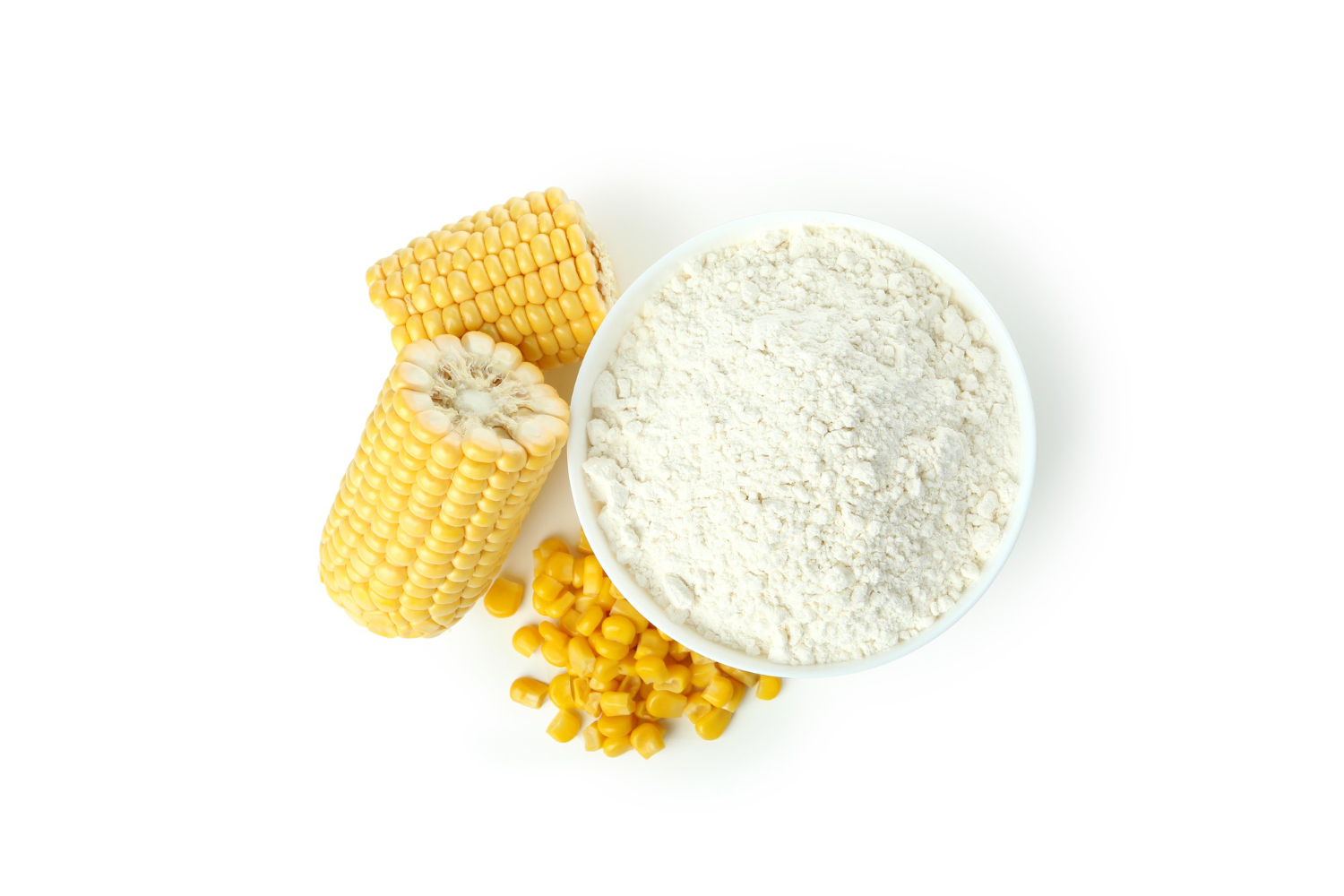
Several other foods deserve a mention for their impressive longevity. Cornstarch and other dried starches last almost indefinitely if kept dry. Soy sauce, thanks to its salt content, keeps for a very long time. Pure maple syrup lasts for years (and can be refrigerated or frozen once opened). Powdered milk, dried pasta, and instant coffee are all highly shelf-stable for long periods. Even some hard cheeses and cured items resist spoilage longer than you’d expect. The common threads are low moisture, high salt, sugar, acid, or alcohol content, all natural enemies of the microbes that spoil food, making these items dependable long-term pantry residents.
The Secrets to Long-Lasting Food

Looking across these foods, the keys to their longevity, and to keeping them that way, become clear. Foods that never expire tend to be low in moisture or high in natural preservatives like salt, sugar, acid, or alcohol, all of which prevent the microbial growth that causes spoilage. To preserve them, the golden rules are consistent: store in airtight containers, keep them cool, dark, and dry, and protect them from moisture, heat, light, and pests. Even shelf-stable foods can lose quality or be ruined by poor storage, so good practices matter. Stock your pantry with these durable staples, store them well, and you’ll have a resilient, money-saving, waste-reducing kitchen for years to come.