Picture sitting down to dinner in 1776, the year the Declaration of Independence was signed. The meal would look far more practical, and occasionally far stranger, than the polished Colonial Williamsburg scene most of us imagine. There might be dense cake made sticky with dried fruit, bowls of long-simmered stew, cornmeal mush steaming by the fire, and, if your host was wealthy, a tureen of turtle soup. And almost certainly, there would be something alcoholic to drink, because clean water was scarce and revolution, as the saying goes, is thirsty work. Here’s a look at what a menu from 1776 would actually feature, the everyday staples, the elaborate showpieces, and the drinks that fueled a nation’s founding, drawn from culinary history and the recipes that survive.
A note on the history: colonial diets varied enormously by region, class, and season, and much of what follows reflects both everyday eating and the more elaborate dining of the well-off. Recipes are described in general terms, not reproduced. Here’s the spread.
Cooking Was Built Around Survival
To understand a 1776 menu, you have to understand the constraints. There was no refrigeration, roads were rough, and winters could be brutally long, so colonial cooking was practical because it had to be. Food was built around a central question: how to preserve it. Meat was salted, smoked, or dried to last through the seasons; produce was pickled or stored in root cellars; and meals leaned on whatever was available locally. As one colonial-food historian has put it, if it was around, you ate it. What was around included legumes, seasonal produce, grains, and anything that could be hunted, fished, or foraged. This necessity-driven approach shaped everything on the table, long before “local and seasonal” became a fashionable ideal.
Like our content? Follow us for more.
Cornmeal Was the Everyday Staple
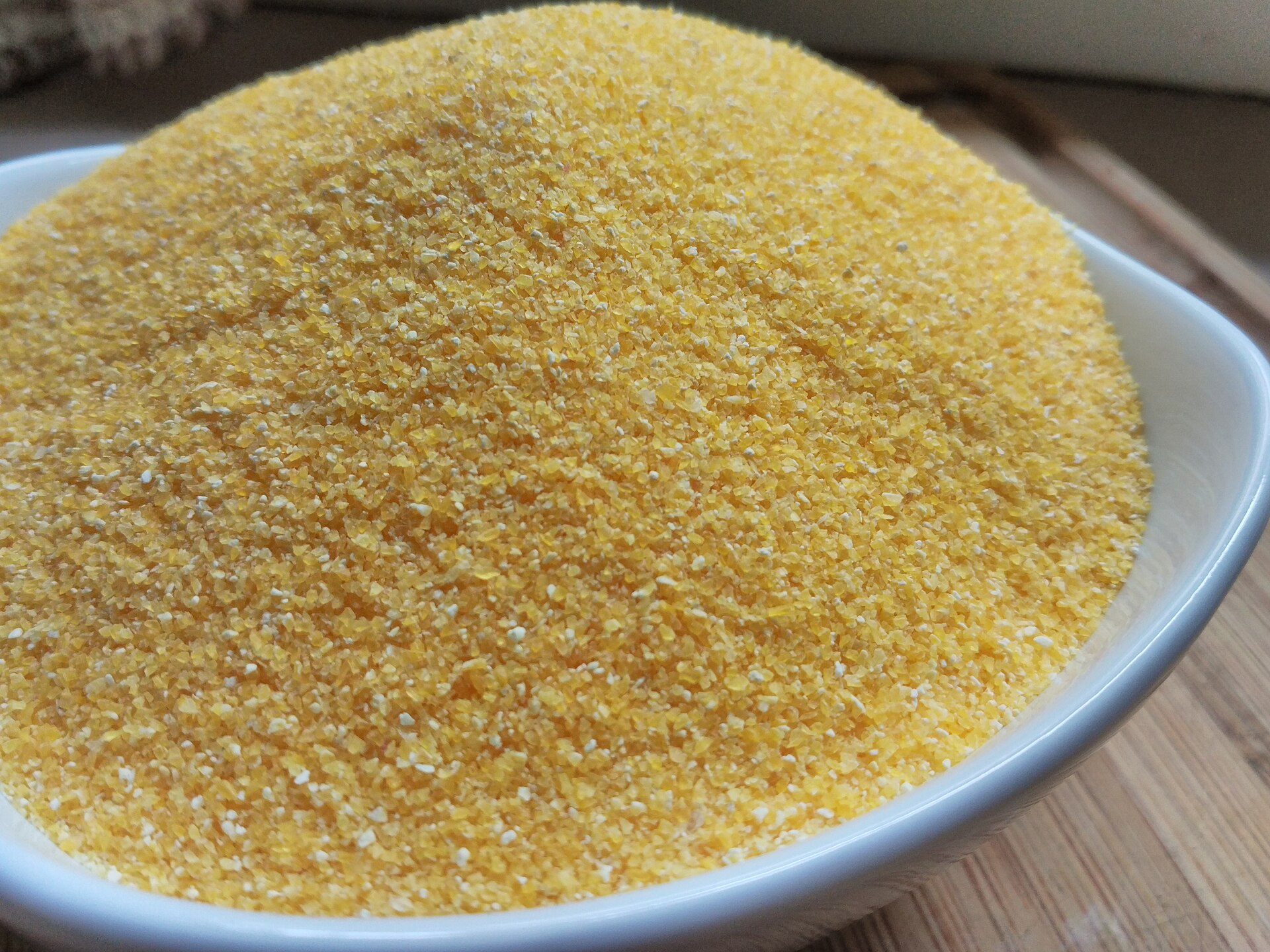
If one ingredient defined everyday colonial eating, it was corn, usually in the form of cornmeal. Native to the Americas and easy to grow and store, corn became a dietary backbone. It appeared as simple cornmeal mush, a porridge cooked near the fire, and as hoe cakes, flat cornmeal cakes traditionally cooked on a hot surface and eaten with nearly anything. These humble cornmeal dishes were filling, cheap, and endlessly adaptable, forming the daily foundation of many colonial meals, especially for ordinary families. Bread made from wheat existed too, but wheat was less reliable in many areas, making corn the more democratic grain. A 1776 table, particularly a modest one, would very likely feature cornmeal in some form at nearly every meal.
Stews, Pies, and One-Pot Meals
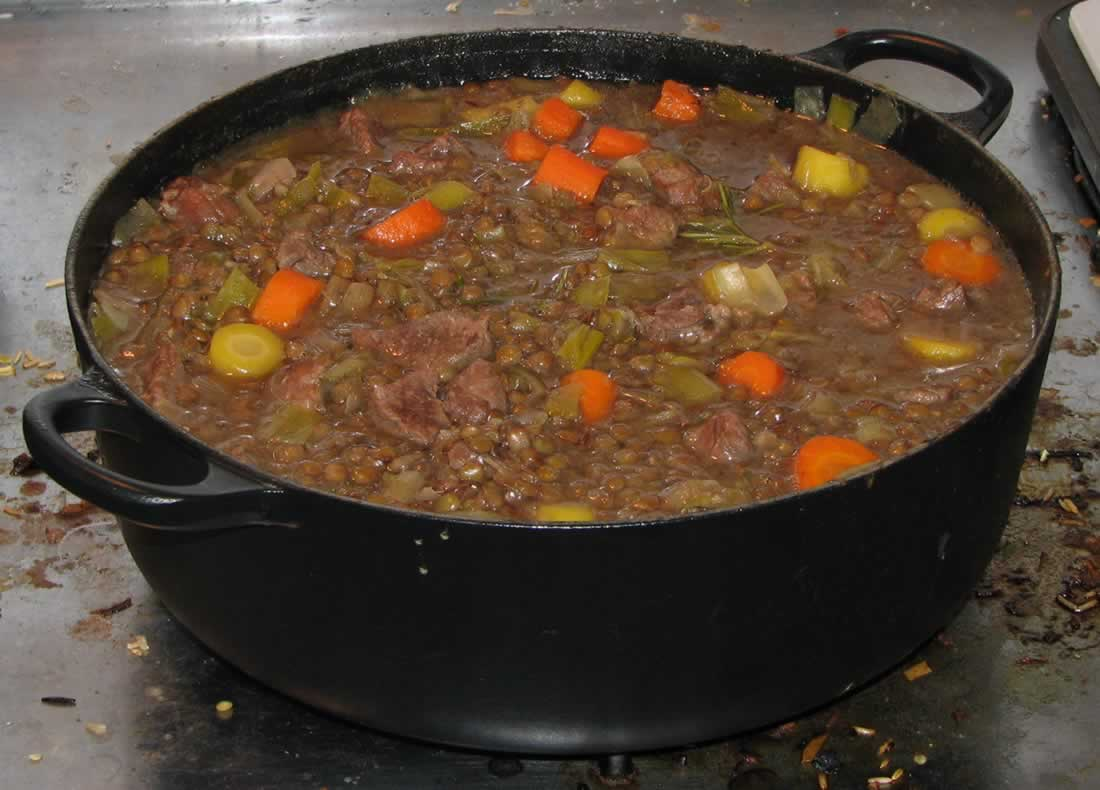
Much colonial cooking happened in a single pot over an open hearth, which made stews and savory pies central to the menu. Long-simmered stews combined meat, beans, root vegetables, and greens into hearty, economical meals that could stretch ingredients and cook unattended. Greens were often softened in hot fat for flavor and calories. Savory meat pies, with their sturdy crusts, were another practical favorite, sealing fillings for cooking and storage. One iconic example is pepperpot soup, a peppery, hearty stew with West Indian roots that, according to lore, was served to General Washington’s troops during the war and became associated with Philadelphia. These one-pot dishes reflected the resourceful, waste-nothing spirit of colonial kitchens, where nothing edible was discarded and every scrap found its way into the pot.
Turtle Soup: The Fashionable Showpiece
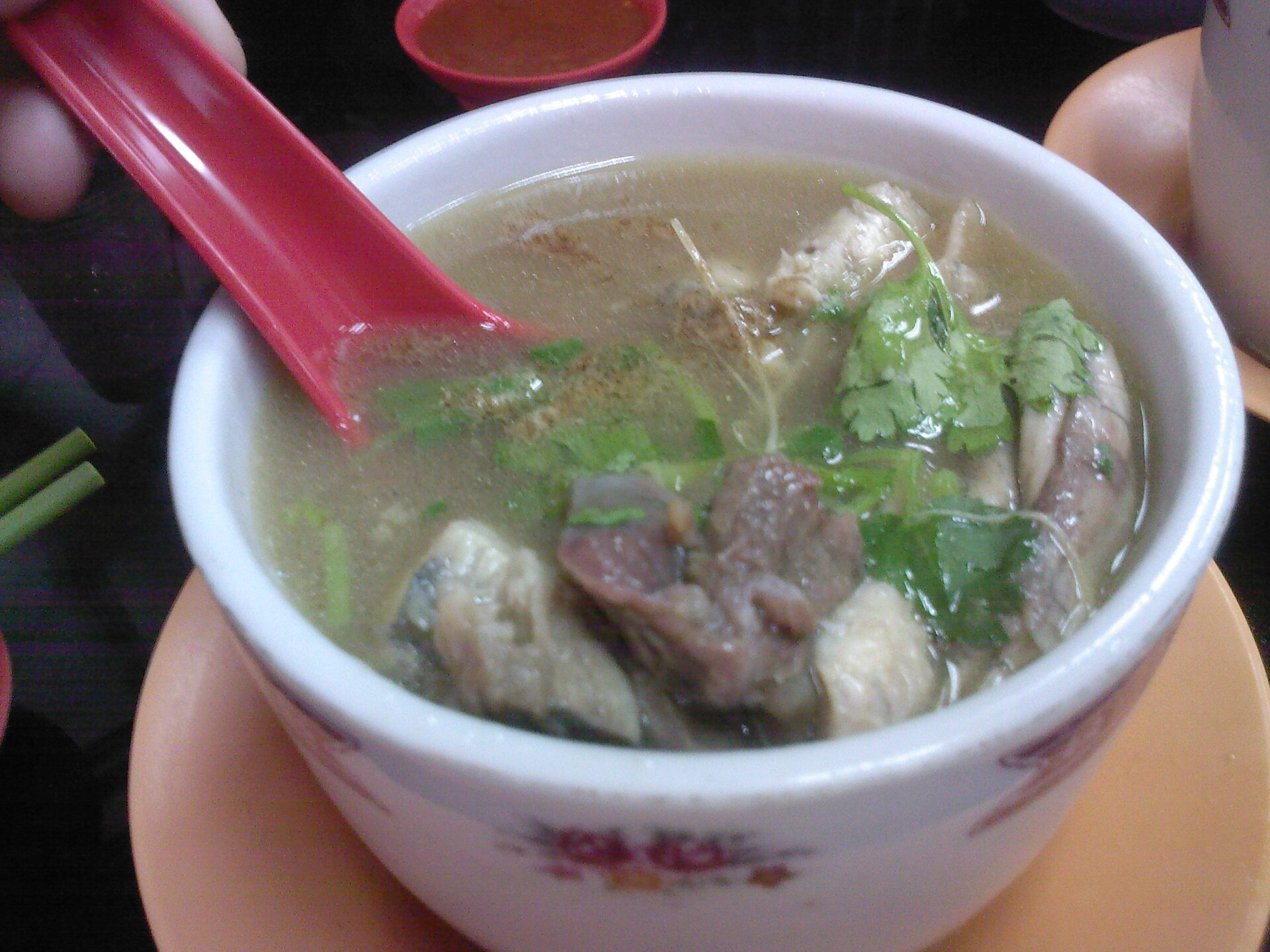
Not all colonial dining was rustic. In wealthy homes and port cities, the table could be remarkably elaborate, and few dishes signaled sophistication like turtle soup. Made from turtle meat simmered into a rich broth and often finished with imported Madeira or sherry, turtle soup became fashionable in affluent dining rooms along the Atlantic coast. Philadelphia’s City Tavern was known for a celebrated version, one that, by some accounts, may even have been enjoyed by George Washington himself. Turtle soup is a vivid reminder that upper-class colonial dining could be extravagant, featuring imported wines and spices that arrived through busy Atlantic trade routes. The gulf between a laborer’s cornmeal mush and a merchant’s turtle soup illustrates just how much class shaped what landed on a 1776 menu.
Sweets: Election Cake and Syllabub
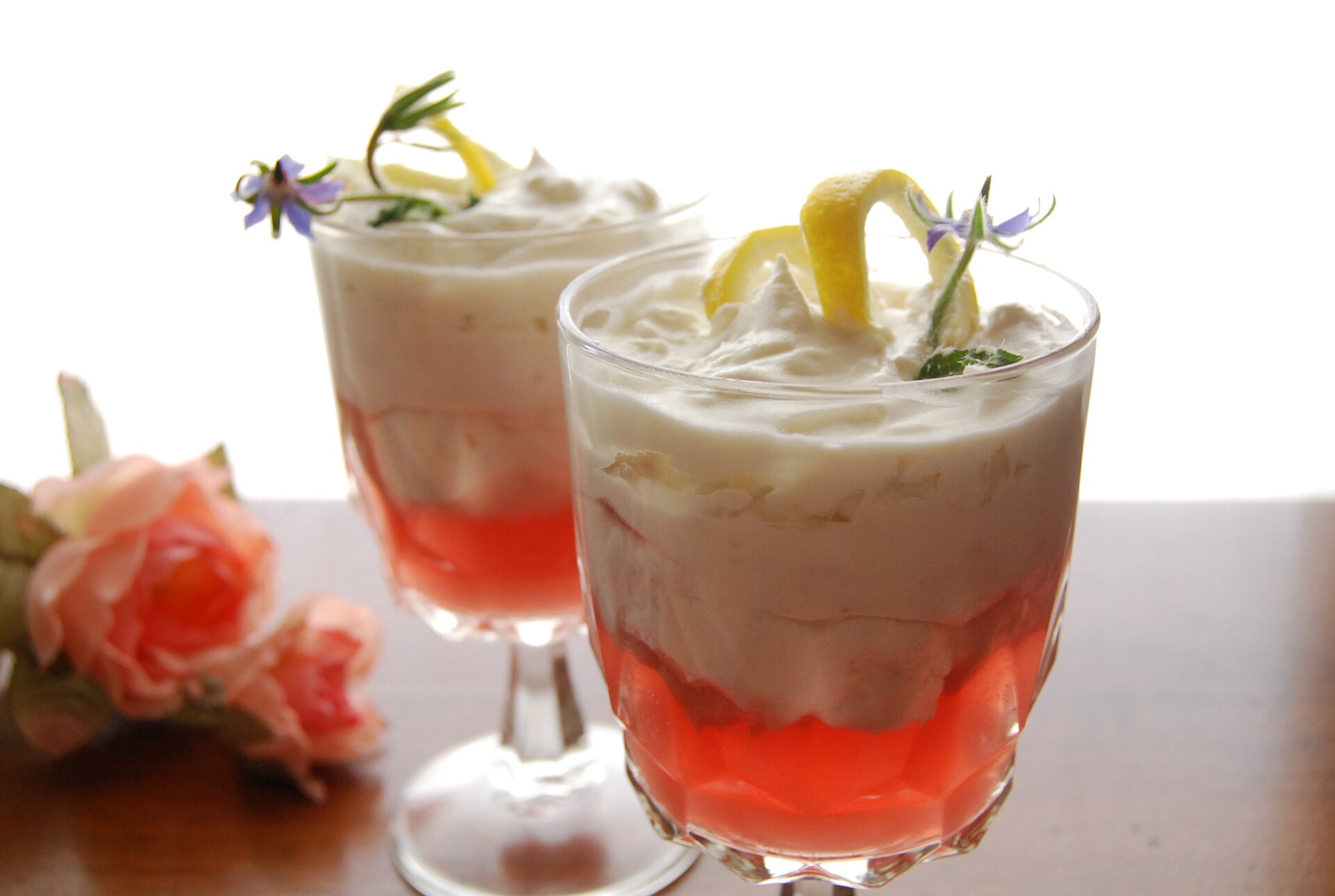
Colonial Americans had a sweet tooth, and a 1776 menu could end on some distinctive notes. Election cake was a dense, yeast-risen cake studded with dried fruit and spices, traditionally baked in large quantities around town meeting and election days, hence the name. For something lighter and more refined, there was syllabub, a frothy dessert made by whipping cream with wine or cider and sugar into an airy, boozy confection that was especially popular at fashionable gatherings. These desserts show the range of colonial sweets, from the hearty, communal election cake to the elegant, almost decadent syllabub. Sugar, often imported, was a marker of some means, so a table laden with sweets hinted at a household that could afford a little indulgence in revolutionary times.
Meat, Game, and Seafood
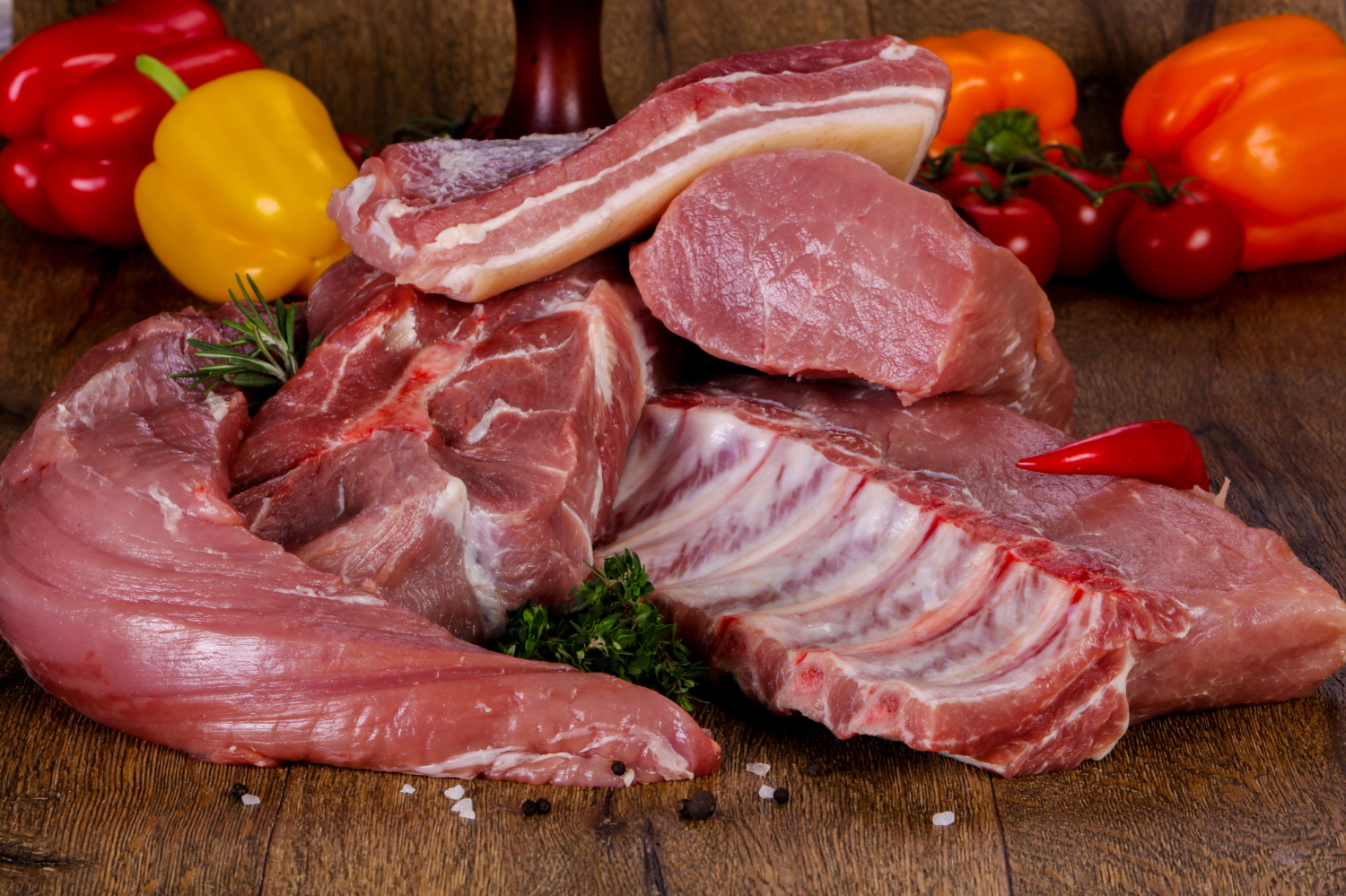
Protein on a 1776 menu depended heavily on what the local environment provided. In the woods of the Northeast, wild turkey was abundant, with some birds reportedly reaching enormous sizes, offering a free source of meat for hunters. Rivers and coasts teemed with fish and shellfish; the Delaware River, for instance, was rich with oyster beds, making oysters a common and inexpensive food rather than the luxury they later became. Game like venison and rabbit also featured, alongside preserved pork and beef. One notable colonial innovation, attributed to Martha Washington’s own manuscript cookbook, was pairing fowl with seafood, such as turkey stew with fried oysters, a combination considered almost daring at the time. The protein on any given table was a direct reflection of the surrounding land and water.
Drinks: Revolution Was Thirsty Work

No 1776 menu is complete without its drinks, and alcohol featured prominently, largely because water was often unsafe to drink. Colonists consumed cider, beer, ale, rum, and imported wines in quantities that would surprise modern diners, treating these beverages as everyday fare rather than indulgences. Taverns like Philadelphia’s City Tavern served imported Madeira and other wines that arrived through Atlantic trade, alongside punches and mixed drinks. Cider was especially common, made from abundant apples and safer than questionable water. This isn’t to glamorize colonial drinking, but to reflect a historical reality: in an era before reliable sanitation, fermented and distilled beverages were a practical part of daily life. A tavern table in 1776 would have featured a tankard or glass at nearly every seat.
The City Tavern Connection
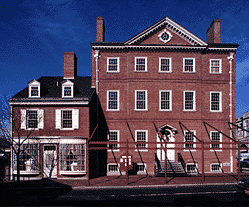
Much of what we know about elaborate revolutionary-era dining centers on places like City Tavern in Philadelphia. Originally opened in 1773, just a few blocks from the State House, it became a favored gathering spot where the founders assembled after long days of debate to eat, drink, and talk. It was there that politicians, merchants, and travelers sampled dishes made from the game, seafood, fruits, and spices flowing into the busy port city. Though the original building was lost to fire in the 1800s, it was later reconstructed by the National Park Service, and for years a historically minded chef revived its colonial menu, recreating eighteenth-century recipes for modern diners. City Tavern offers a tangible link to the kind of fare that fueled the conversations of 1776, where history and hospitality met over a shared meal.
Regional Differences Mattered Enormously
There was no single American menu in 1776, because the colonies were really a patchwork of distinct food cultures. In New England, the cold climate and rocky soil favored hearty staples like beans, salted cod, corn, and root vegetables, giving rise to dishes built for long winters. The Chesapeake and Southern colonies, with milder weather and longer growing seasons, leaned on corn, pork, rice in the Carolinas, and an abundance of game and seafood. Coastal port cities enjoyed imported luxuries that inland and frontier settlements never saw, while families on the edge of settlement ate far more simply, relying heavily on what they could hunt and forage. Climate, geography, and trade access shaped each region’s table, so a 1776 menu in Boston looked quite different from one in Virginia or on the frontier.
A Taste of the Revolution
A menu from 1776 was a study in contrasts: humble cornmeal mush and hearty stews for everyday survival, alongside fashionable turtle soup and frothy syllabub for those who could afford to show off. It was shaped by necessity, the absence of refrigeration, the rhythm of the seasons, and the limits of local land and water, yet it could also be surprisingly sophisticated where trade and wealth allowed. The food was practical, regional, and deeply tied to its environment, with a healthy pour of cider or Madeira to wash it down. Looking back at what the founding generation actually ate offers a flavorful window into their world, reminding us that the story of America’s founding was written not just in documents, but around the dinner table.
Like our content? Follow us for more.